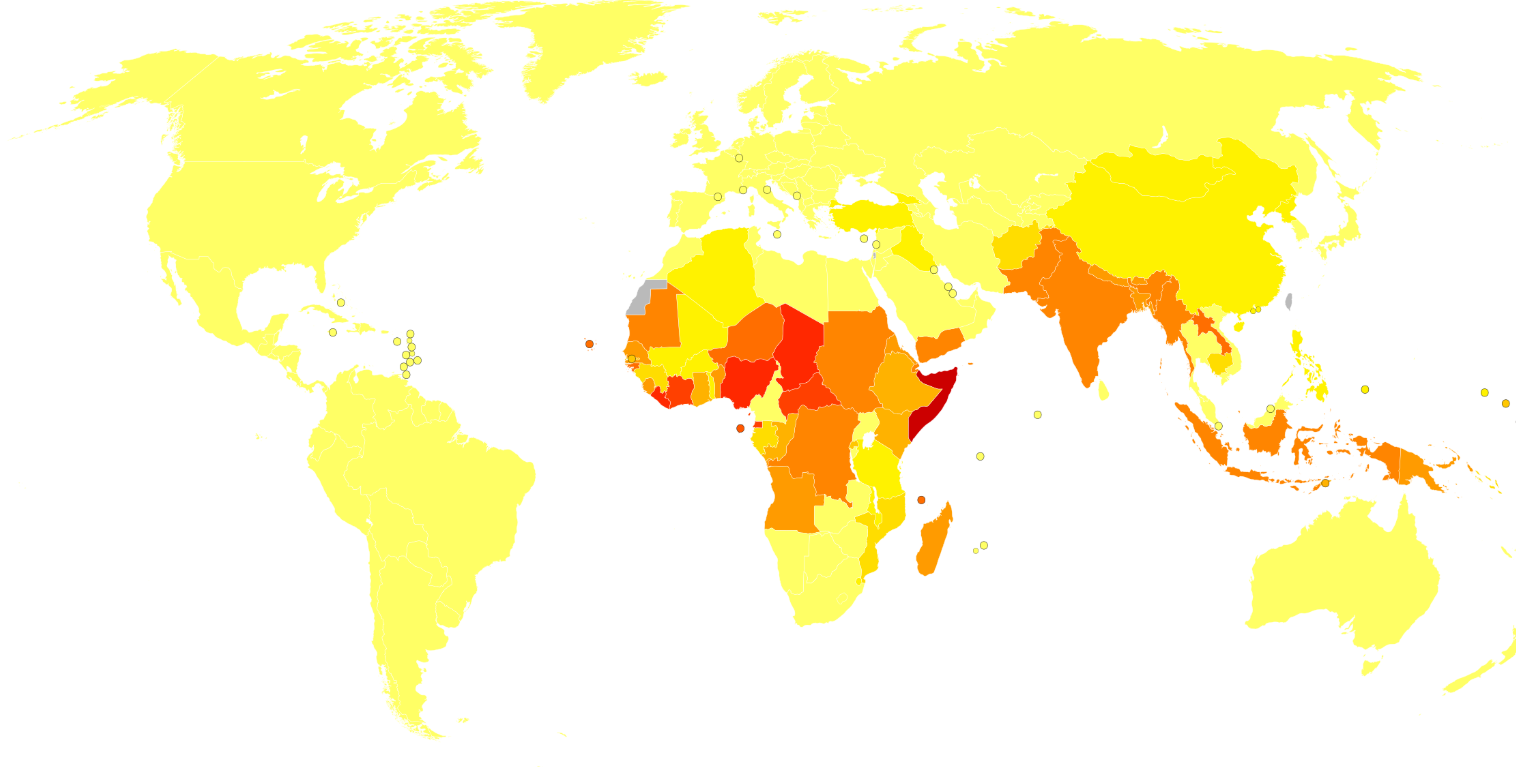
Measles has long been one of the world’s most contagious diseases, spreading rapidly wherever immunity was low and healthcare resources were limited. Before the vaccine was introduced in the 1960s, measles swept through communities every few years, leaving devastating loss in its path. Historical accounts and epidemiological studies show that some outbreaks were so severe they reshaped public health policy, societal structures, and global vaccination efforts. Examining these tragic moments provides insight into how far public health has come, and the dangers of letting vaccination rates fall.
The 1875 Fiji Measles Epidemic
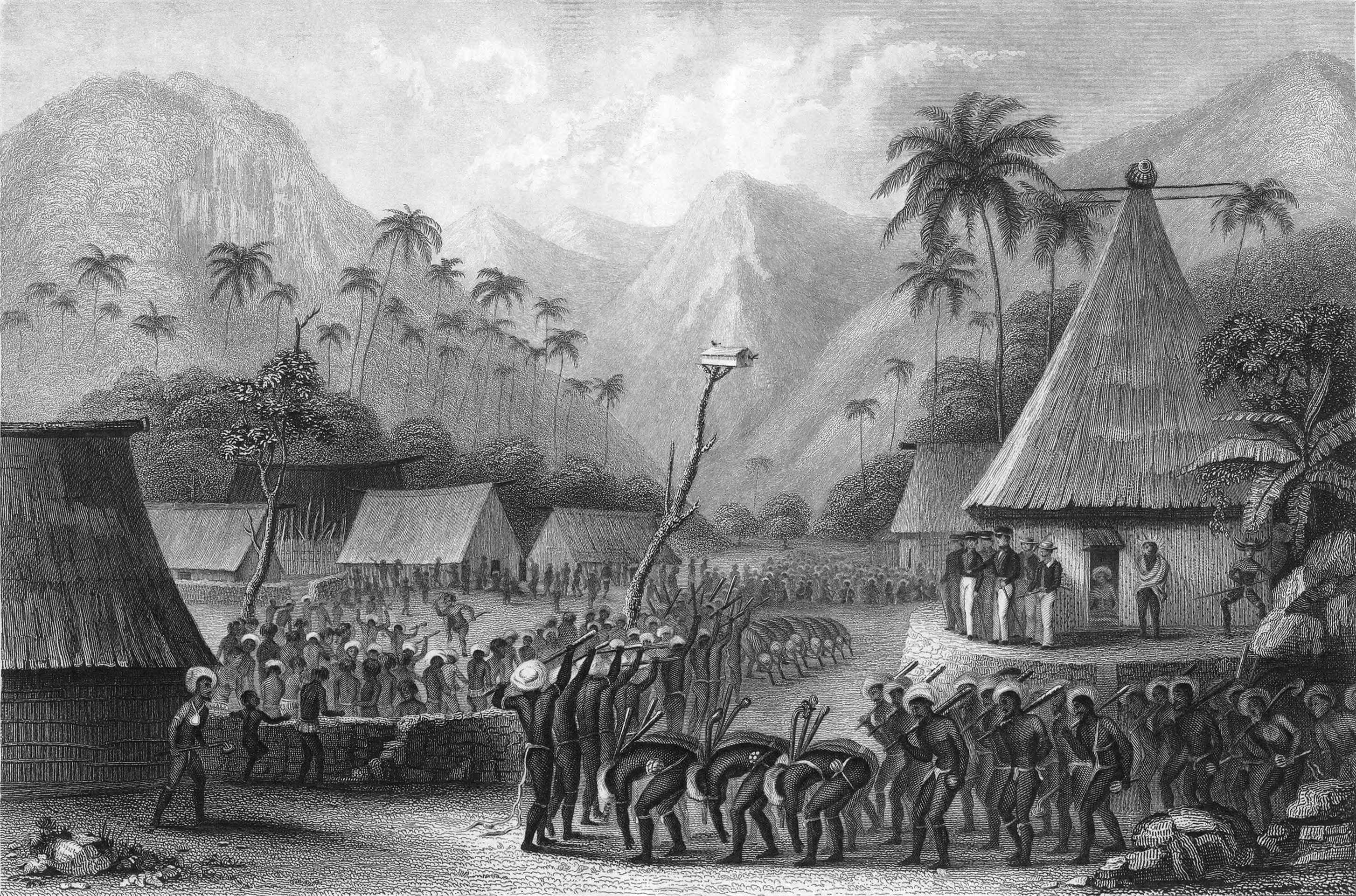
The Fiji epidemic of 1875 is widely considered one of the deadliest measles outbreaks in recorded history. After the disease arrived with colonial ships, it swept through the islands with devastating speed, killing more than a third of Fiji’s population in just a few months. Many Indigenous Fijians had no prior exposure to measles, making them extremely vulnerable. Communities were overwhelmed, and traditional care practices could not keep pace with the spread. The event remains a defining historical example of how disease and colonial contact intersected with tragic results.
The 1529 Aztec Measles Outbreak
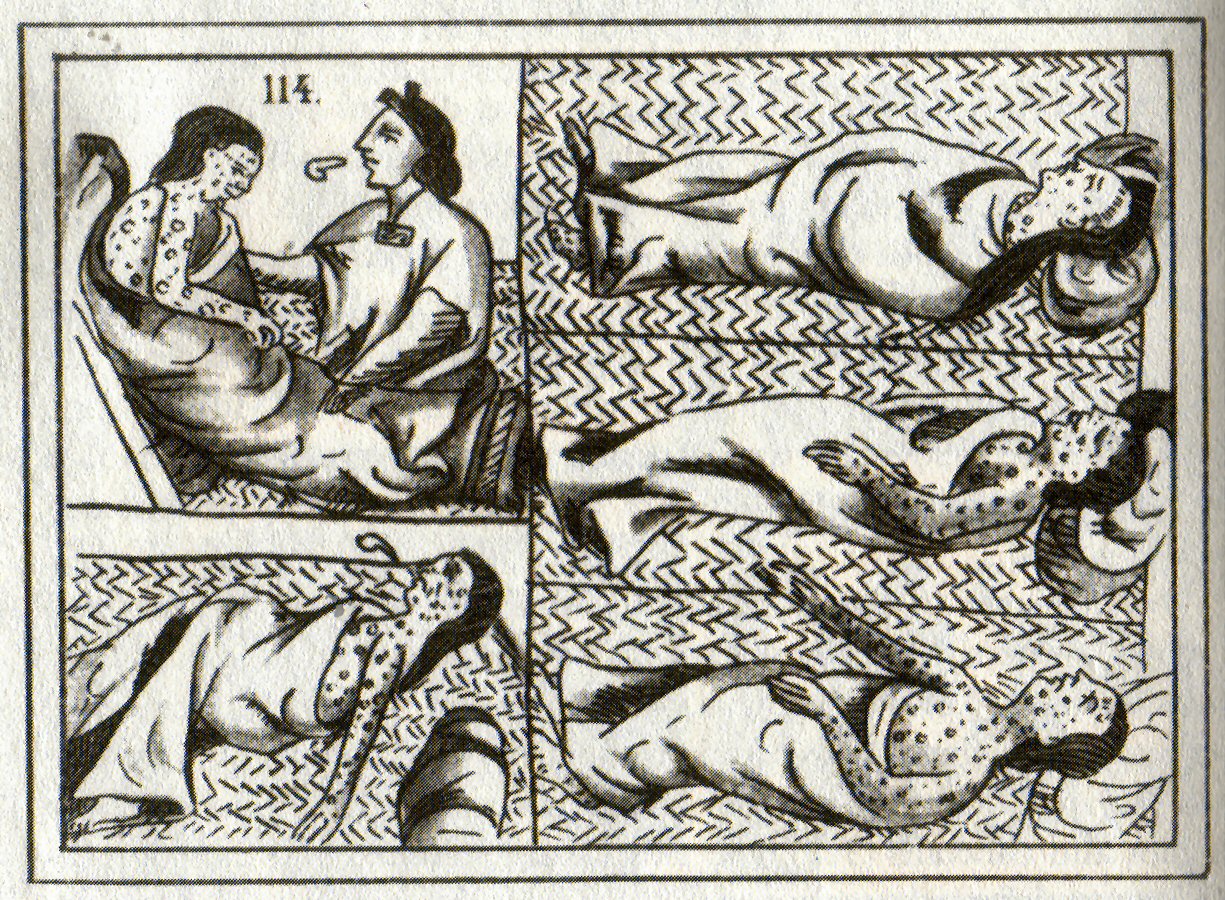
Historical evidence suggests that measles severely weakened the Aztec population during the early colonial period. Arriving shortly after smallpox, the disease spread quickly through central Mexico, killing countless people who lacked any immunity. Contemporary records describe villages where survivors struggled to bury the dead. This outbreak contributed to the rapid collapse of Indigenous social structures already stressed by conflict and colonization. The combination of disease and upheaval dramatically shifted the region’s cultural and demographic landscape.
The 1951–1952 Greenland Measles Epidemic
Greenland’s mid-20th century measles outbreak is remembered for its astonishing infection rate. Virtually every unexposed person on the island—about 99 percent of the population—contracted the disease within a short time. The epidemic spread due to close-knit communities and limited access to advanced medical care. While the fatality rate was lower than earlier historical outbreaks, the widespread illness overwhelmed medical resources. Investigations of this outbreak later influenced international vaccination strategies in remote regions.
The 1917–1918 Pacific Island Outbreak
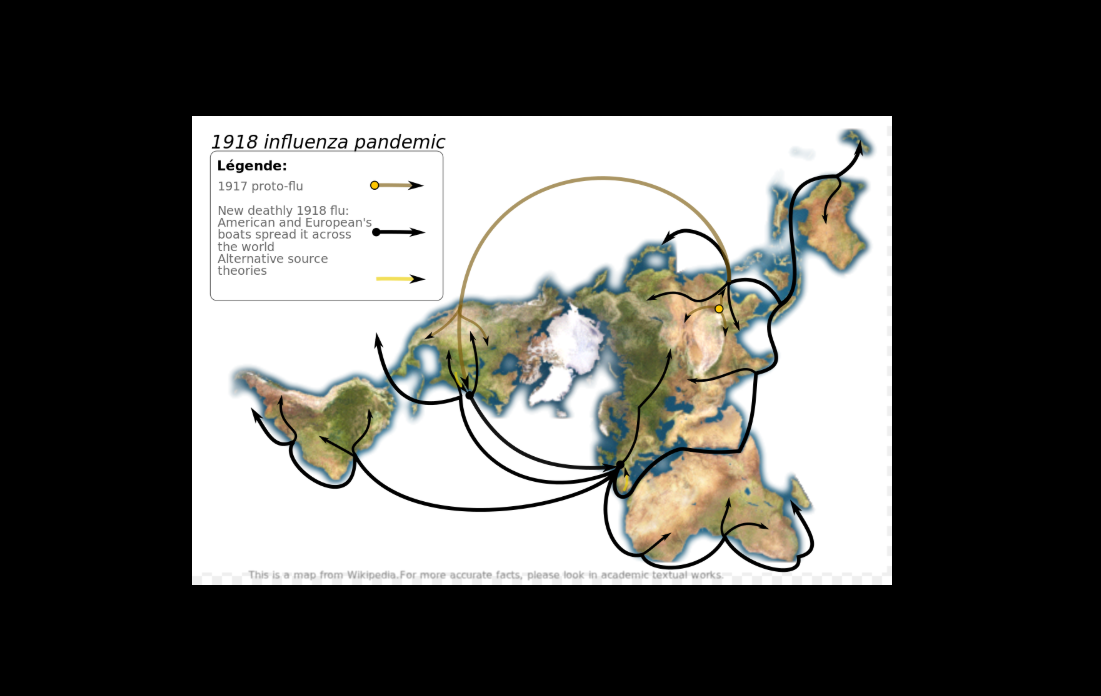
During World War I, a combination of global troop movement and disrupted medical systems contributed to a deadly measles outbreak across several Pacific Islands. Many communities had extremely limited immunity, making the disease even more severe. Mortality was high due to complications like pneumonia and malnutrition, particularly among young children. The outbreak demonstrated how wartime conditions intensified disease spread. It also highlighted the need for coordinated global health surveillance.
The 1989–1991 United States Measles Epidemic
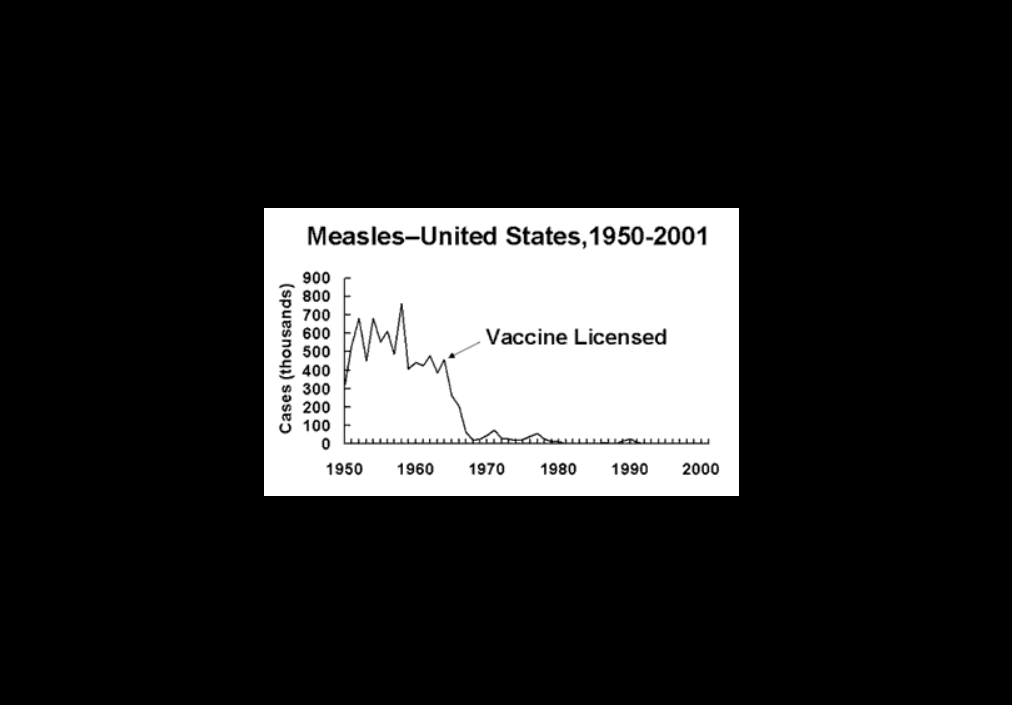
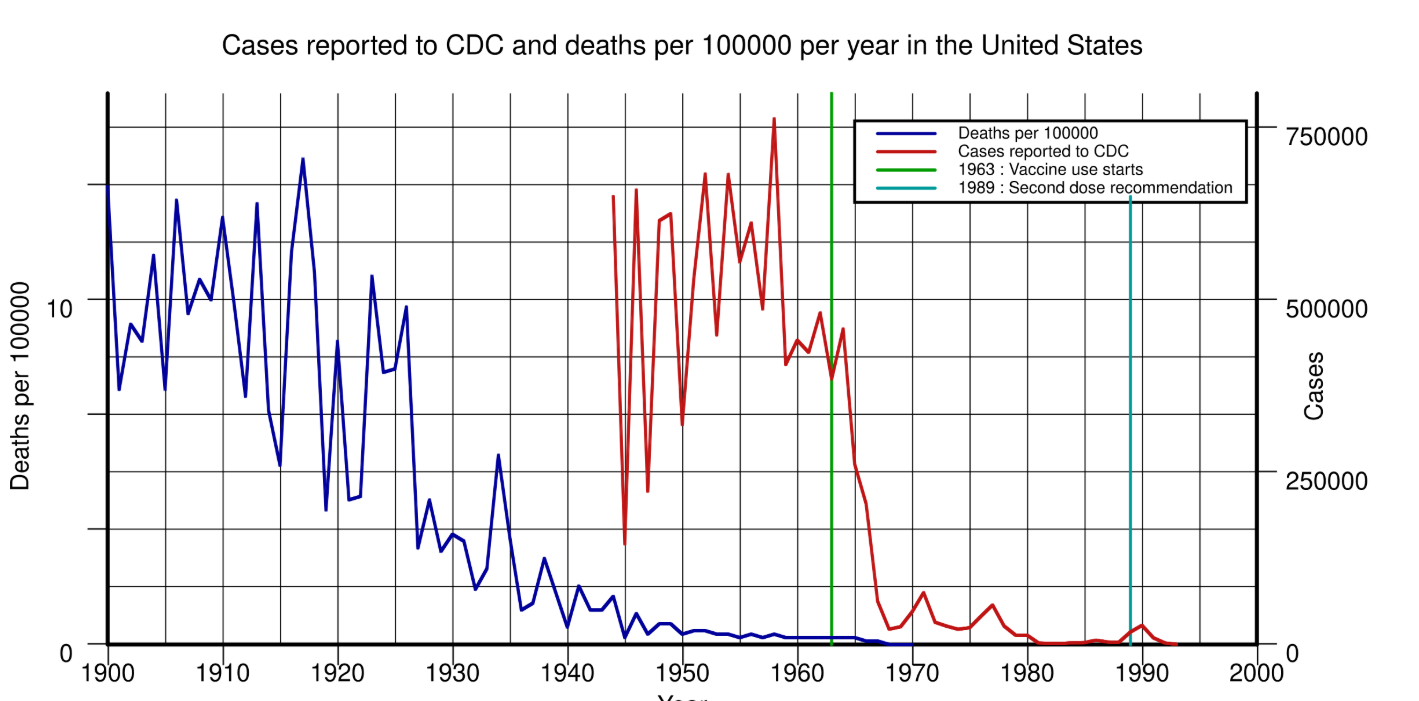
Before this outbreak, measles was believed to be largely contained in the United States. However, declining vaccination rates in certain cities caused a massive resurgence, resulting in more than fifty thousand cases and over a hundred deaths. Many fatalities occurred in undervaccinated communities where access to healthcare and public health education was limited. This epidemic led to major updates in vaccination requirements and public health funding. It remains a modern reminder of how quickly measles can return when immunization rates drop.