Selling a home can be an emotional journey, especially for families who have made memories in a house over the years. But when it comes time to move, some homes prove to be more challenging to sell than others. Real estate experts point out certain types of properties that often sit on the market longer or require significant price reductions to attract buyers. From outdated designs to undesirable locations, these homes come with unique hurdles. Understanding what makes a property hard to sell can help homeowners make smarter decisions before listing.
Outdated Homes That Haven’t Been Renovated
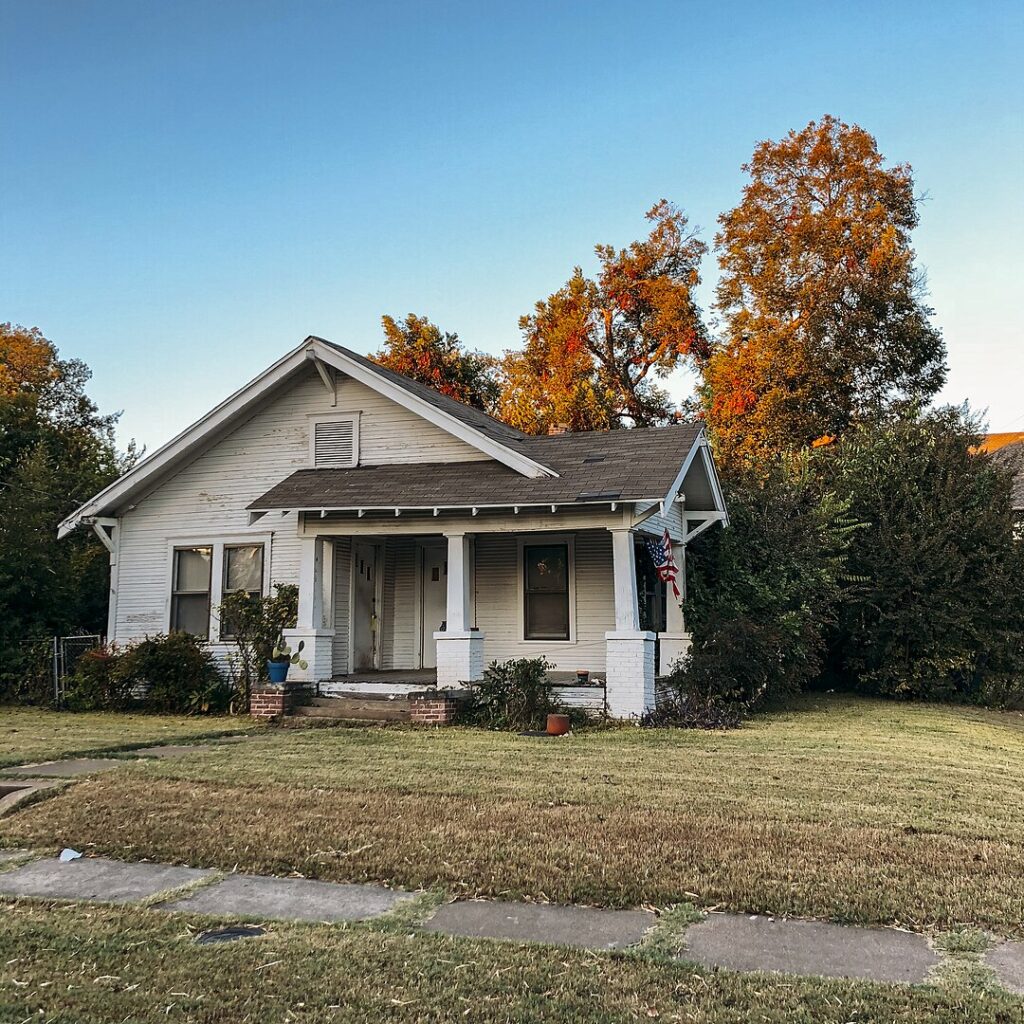
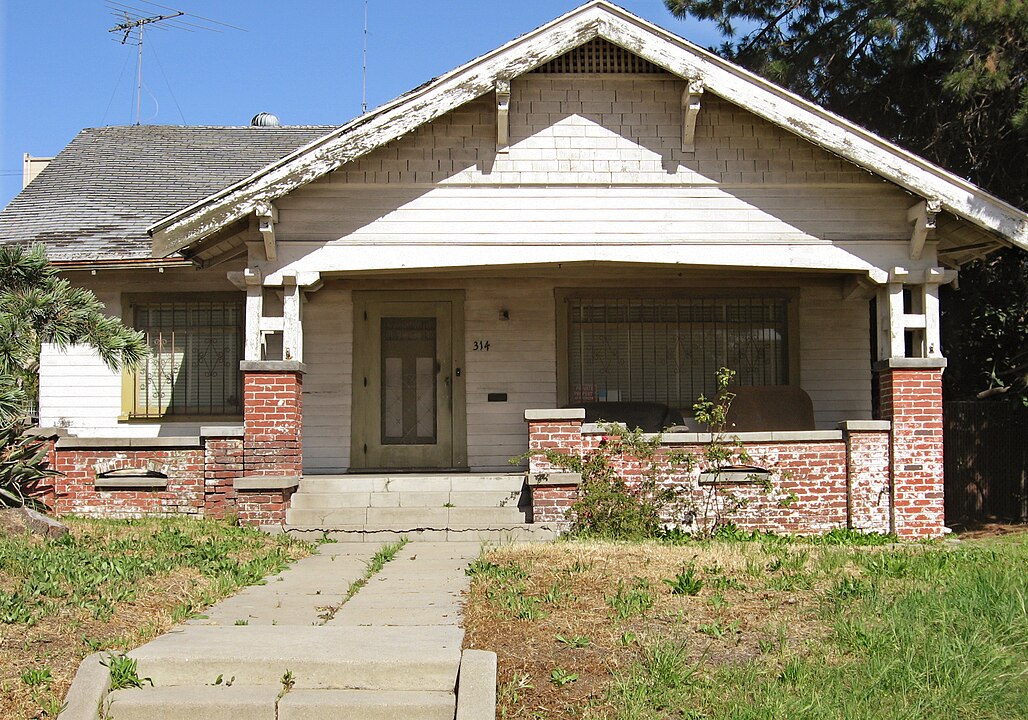
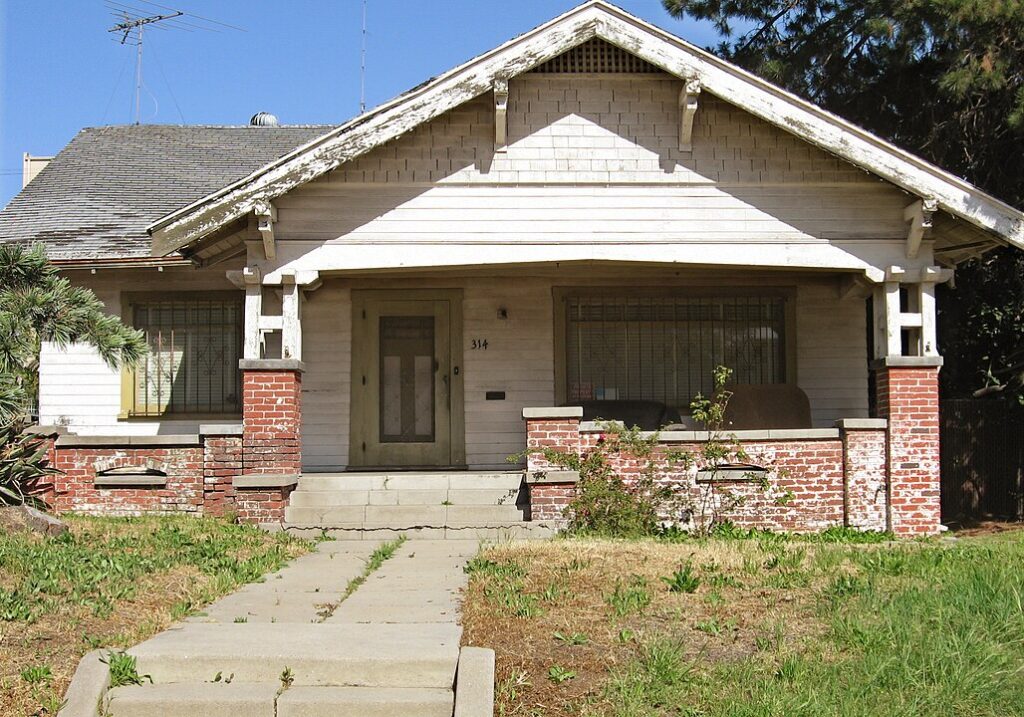
Buyers today are drawn to modern features and move-in-ready conditions, which makes outdated homes a tough sell. Older kitchens, worn-out bathrooms, and dated floor plans often turn off younger buyers who want something stylish and functional. Families who haven’t kept up with renovations may find their property lags behind newer listings. Even if the structure is solid, cosmetic flaws can dramatically impact perceived value. Without updates, these homes often require price cuts to spark interest.
Homes in Poor School Districts
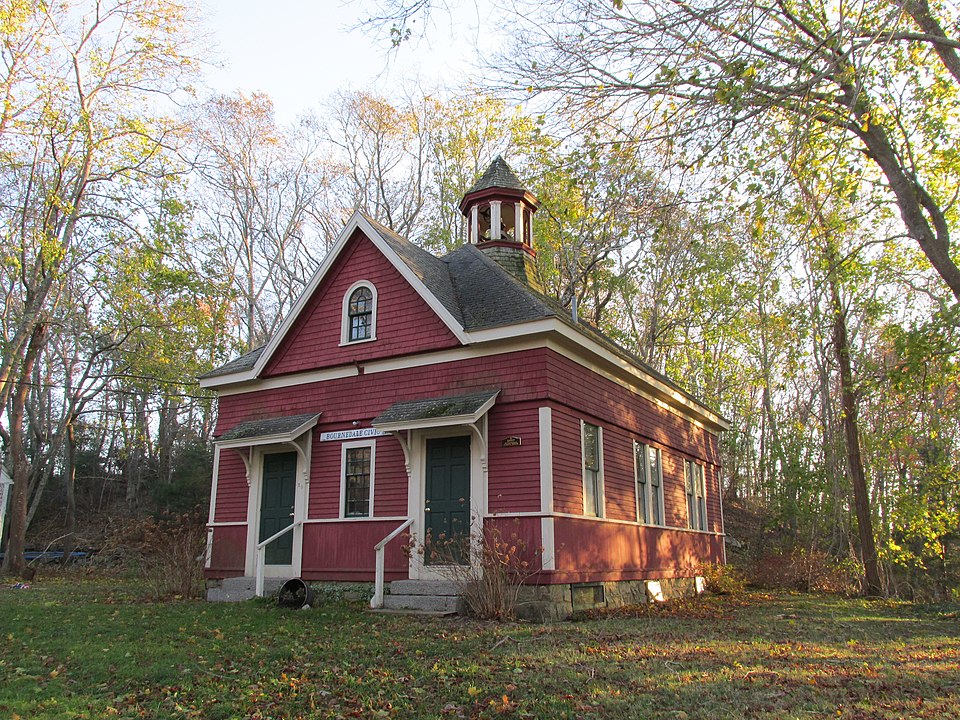
For families with children, school quality is a major factor when choosing a home, and properties in lower-ranked districts often see fewer offers. Even if a home is spacious and well-maintained, a weak school system can overshadow its strengths. Real estate agents note that homes in top-performing school zones typically sell faster and for more money. On the other hand, properties in underperforming districts can linger on the market, especially if nearby alternatives offer better educational opportunities. This becomes a major disadvantage for families trying to sell in such areas.
Properties on Busy Roads or Noisy Locations
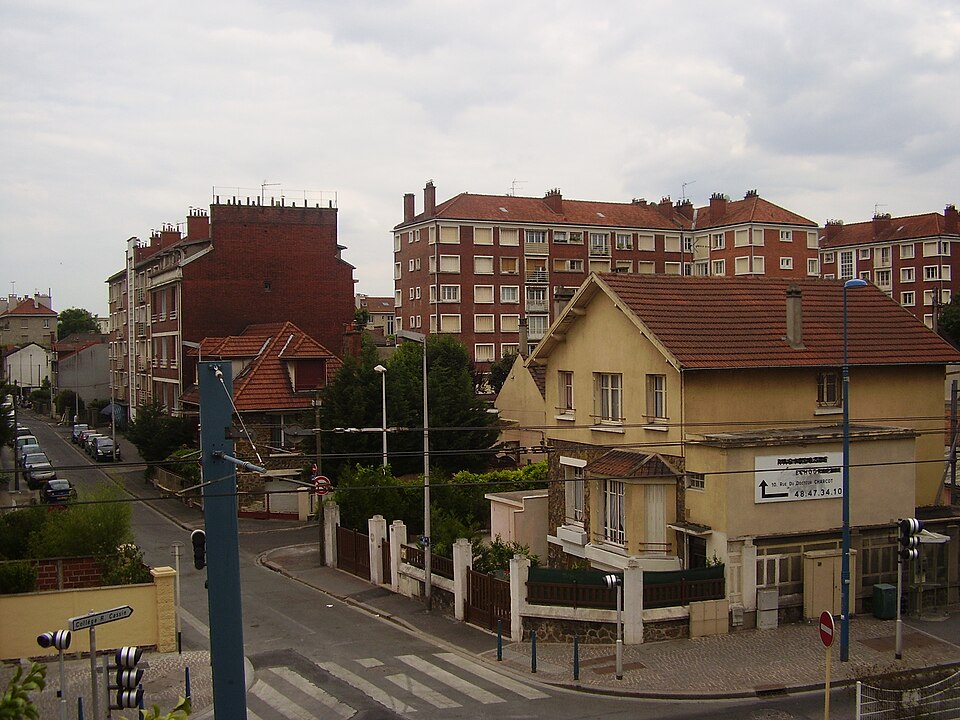
Location plays a huge role in a home’s desirability, and those situated on loud or high-traffic roads often face challenges. The constant noise from cars, trucks, or nearby commercial activity can make a property less appealing to potential buyers. Even attractive homes with updated interiors may struggle to get attention if they’re in a location that disrupts peace and quiet. Families with young children or pets are especially likely to avoid such areas. Real estate experts say these homes typically need to be priced lower to compensate for the undesirable setting.
Over-Personalized or Themed Interiors

While personal style adds charm for the current owners, overly themed or unique décor can make it difficult for buyers to envision themselves in the space. Homes painted in bold colors, filled with custom artwork, or styled with niche themes may feel too specific for broad appeal. Buyers tend to prefer neutral tones and simpler designs that allow them to imagine their own future there. Sellers who don’t neutralize their interiors may unintentionally limit their audience. Experts often recommend staging or repainting to create a more universally inviting environment.