
Some movie and television lines did more than entertain. They escaped their original scenes and became tools Americans still use to communicate tone, judgment, humor, or emotional context quickly. These phrases survived not because they were famous, but because they were useful. They compress meaning into language people reach for instinctively in offices, families, headlines, and casual talk. Many speakers now use them without recalling their source. These retro lines crossed decades and formats, embedding themselves into everyday American speech because they solved communication problems better than ordinary words ever could.
“Here’s looking at you, kid.” (Casablanca, 1942)

This line became a lasting way Americans express affection mixed with restraint. It communicates warmth, respect, and shared understanding without emotional excess. People use it when acknowledging history, offering quiet admiration, or saying goodbye without sentimentality. Its strength lies in understatement rather than romance. Over time, the phrase detached from the film and entered everyday speech, writing, and speeches. It endures because it allows intimacy while preserving composure, a balance American conversational culture often prefers in moments of emotion.
“I’ll be back.” (The Terminator, 1984)
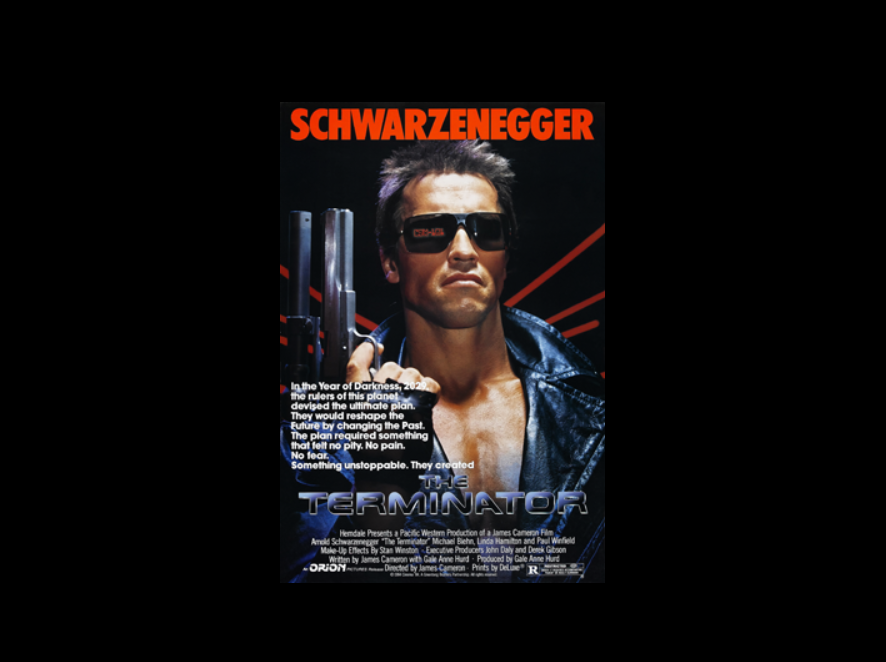
Americans adopted this line as a deadpan promise of return, often delivered humorously rather than aggressively. It signals unfinished business, confidence, or certainty without explanation. The phrase works because it sounds absolute while remaining flexible in tone. Over time, it lost its threat and gained playfulness. People use it in workplaces, homes, and jokes because three words carry intent clearly. Its endurance comes from efficiency and tonal adaptability rather than nostalgia.
“We’re not in Kansas anymore.” (The Wizard of Oz, 1939)

This phrase entered American speech as shorthand for sudden unfamiliarity or disorientation. It is used when expectations collapse or environments feel dramatically different than anticipated. The line applies equally to cultural shock, workplace chaos, or personal change. Its power is emotional clarity. It expresses loss of certainty without explanation. No modern phrase replaced it because few capture that transition as economically. The line remains useful across generations because displacement is timeless.
“Beam me up, Scotty.” (Star Trek, 1966)

Although never spoken verbatim in the series, this line became a universal expression for wanting to escape an uncomfortable situation. Americans use it humorously to signal overwhelm, awkwardness, or social fatigue. Its survival proves that paraphrased dialogue can outgrow original scripts when the idea resonates strongly. The phrase transforms discomfort into light language. It communicates urgency without complaint, which keeps it socially acceptable and enduring.
“Live long and prosper.” (Star Trek, 1967)

This line became one of the few fictional phrases Americans use sincerely as a genuine farewell. It communicates goodwill, respect, and hope without emotional heaviness. The phrase feels dignified rather than trendy, which helped it survive decades of language change. It appears in personal messages, professional sign-offs, and memorials. Its longevity reflects a desire for meaning without sentimentality. Few lines balance warmth and restraint as effectively.
“What’s up, Doc?” (Bugs Bunny, 1940)
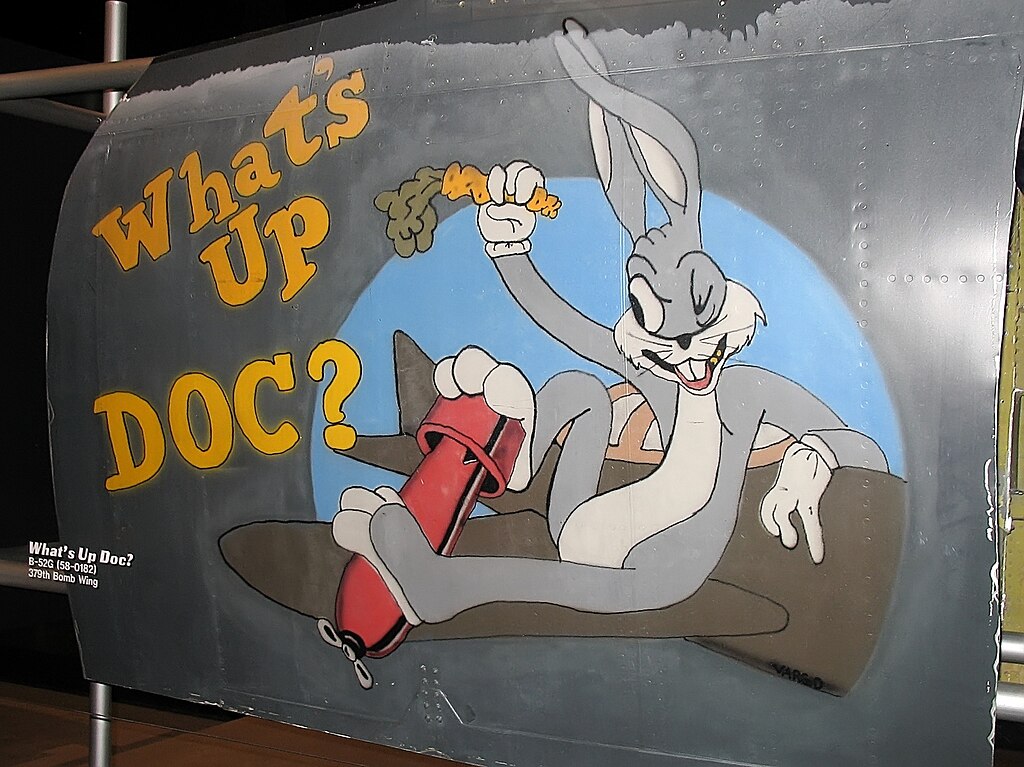
This greeting detached completely from its cartoon origin and entered everyday American speech. It works because it feels casual, friendly, and nonintrusive. People use it to open conversation without demanding response or intimacy. The phrase survived because it filled a gap between formality and slang. It remains effective across ages because it lowers social friction instantly. Its simplicity ensured longevity long after the character faded from daily viewing.
“Make my day.” (Sudden Impact, 1983)

Americans use this phrase as a sarcastic challenge rather than a literal threat. It communicates confidence, defiance, or finality while remaining socially tolerable. The line endured because it allows confrontation without escalation. Over time, it softened into conversational bravado, often delivered jokingly. Its power lies in controlled provocation. The phrase survives because tone carries meaning more than words.
“You talking to me?” (Taxi Driver, 1976)
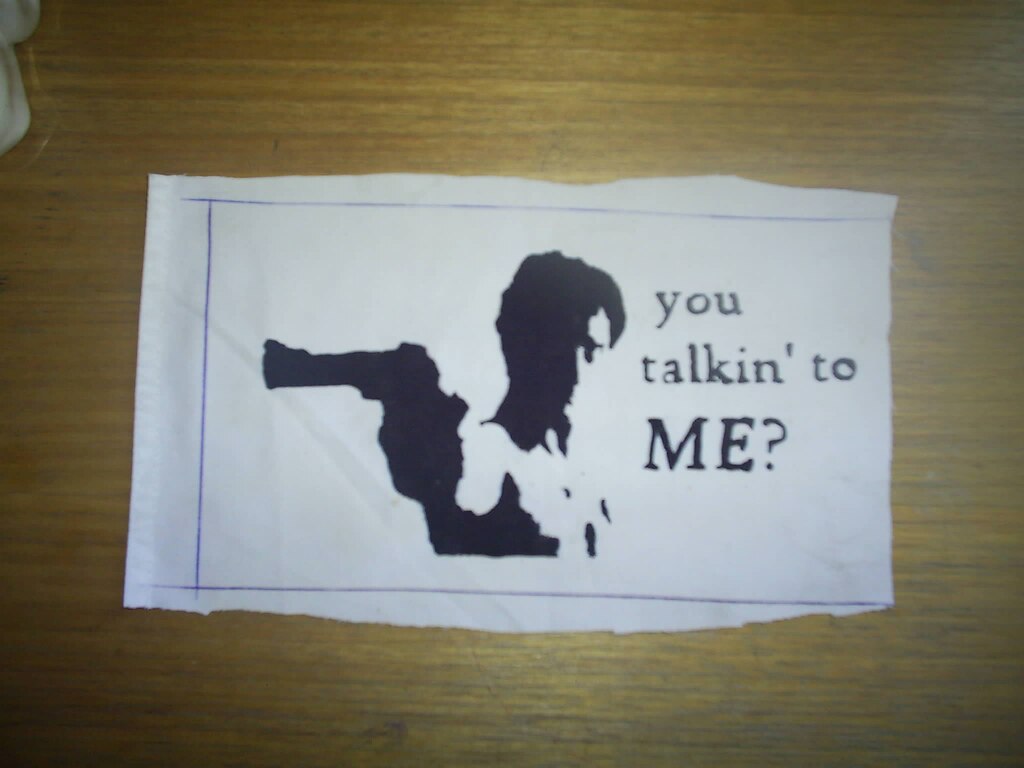
This line became a cultural signal for confrontation, attention, or disbelief. Americans use it ironically to acknowledge tension or sudden awareness. Its endurance comes from tone rather than literal meaning. The phrase dramatizes ego and defensiveness while often diffusing conflict through humor. It mirrors moments when people realize they are being addressed or judged. Few lines capture that psychological shift as cleanly.
“Just the facts.” (Dragnet, 1951)

This phrase entered American speech as a demand for clarity and efficiency. People use it when emotion, speculation, or storytelling overwhelms decision-making. Its longevity reflects cultural preference for directness in moments of confusion. The phrase strips conversation down to essentials without hostility. It communicates authority calmly and efficiently. The line survives because it resolves conversational overload quickly.
“No soup for you!” (Seinfeld, 1995)
Americans use this line humorously to deny access, privileges, or opportunities. Its power lies in exaggerated finality delivered playfully. The phrase survived because it transforms refusal into comedy. It allows boundaries without confrontation or explanation. Over time, it became shorthand for arbitrary authority. The line remains effective because humor softens exclusion.
“Yada yada yada.” (Seinfeld, 1997)

This phrase entered dictionaries because Americans adopted it to skip unnecessary details. It solved a conversational need to summarize without recounting. The phrase survived because it signals mutual understanding and respect for time. It compresses entire stories into three words. Its endurance reflects efficiency rather than humor. People continue using it across professional and casual settings.
“Jump the shark.” (Happy Days, 1977)
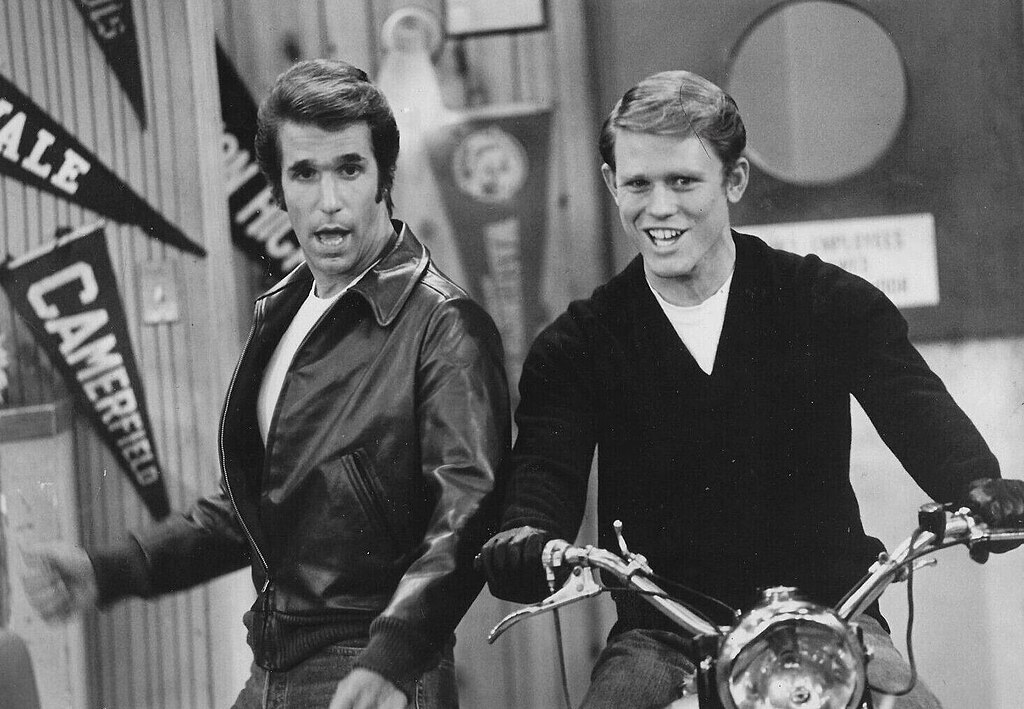
This phrase became permanent language for identifying creative decline. Americans use it to describe moments when quality gives way to desperation. Its endurance reflects analytical precision. The phrase communicates judgment instantly without elaboration. It remains useful because it names a pattern many recognize but struggle to describe. Few metaphors replaced it successfully.
“Up to eleven.” (This Is Spinal Tap, 1984)
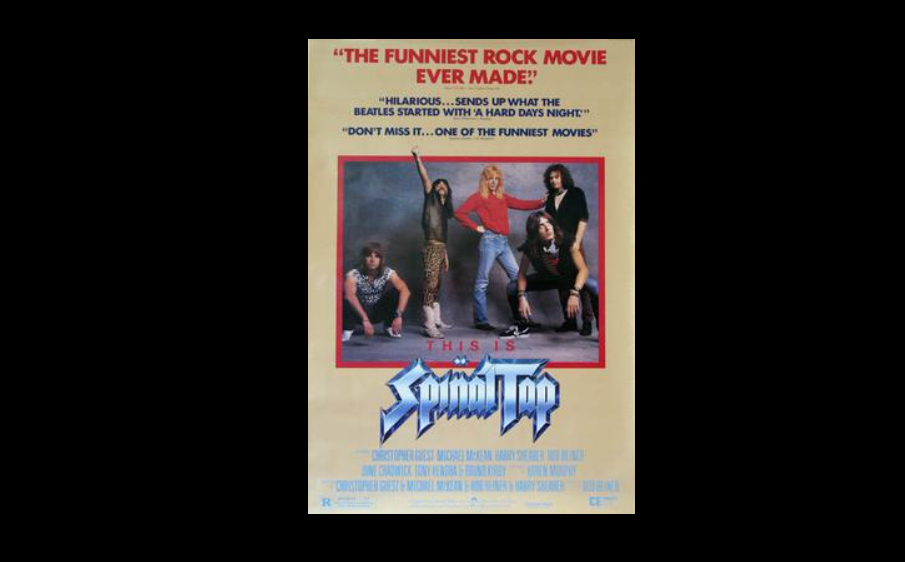
Americans use this phrase to describe anything pushed beyond normal limits, whether volume, effort, intensity, ambition, or emotional reaction. Its endurance comes from playful exaggeration rather than criticism. The line communicates that something has gone past reasonable boundaries without sounding judgmental or hostile. It fits modern American life, where escalation is constant and excess is often normalized. Because the phrase relies on humor instead of complaint, people use it freely at work, in media, and in casual conversation. It survived because it names extremity in a way that feels clever, self aware, and socially flexible rather than negative or moralizing.
“Houston, we have a problem.” (Apollo 13, 1995)

This phrase became a universal way for Americans to acknowledge unexpected trouble with calm authority. It is used in serious situations and joking contexts to signal that something has gone wrong but is still manageable. Its power lies in understatement rather than panic. The line frames problems as solvable challenges instead of disasters, which makes it effective in workplaces, families, and public communication. It endured because it allows honesty without alarm. Few phrases announce difficulty so clearly while preserving composure, rationality, and confidence at the same time.
“Who you gonna call?” (Ghostbusters, 1984)

Americans adopted this line as rhetorical shorthand for pointing toward an obvious solution or trusted expert. It works because the answer is implied, creating shared understanding instead of instruction. The phrase survived because it feels communal, confident, and slightly playful rather than authoritative. People use it when responsibility or expertise is already clear. Its endurance comes from efficiency and familiarity. By inviting agreement rather than explanation, the line remains natural in everyday speech and avoids sounding directive or condescending.
“Here’s Johnny!” (The Shining, 1980)
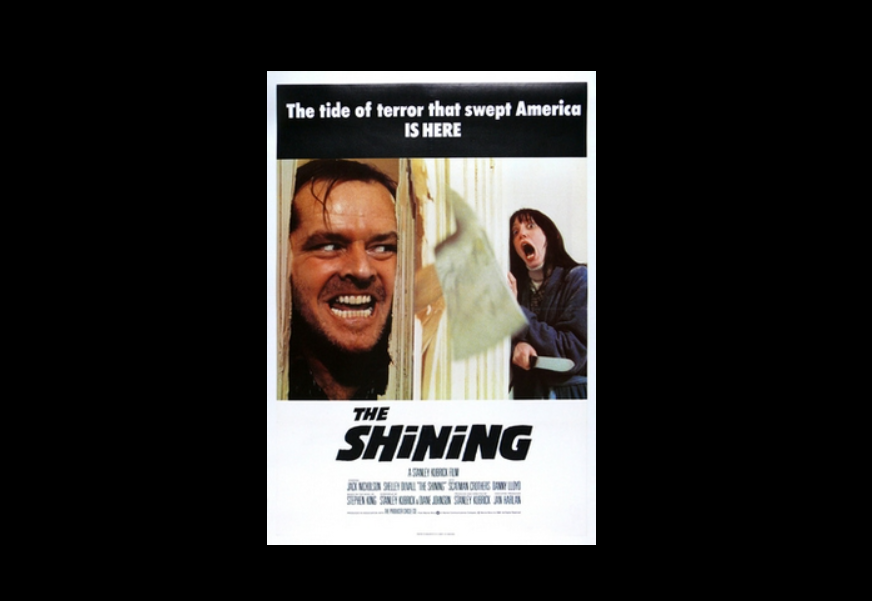
This line entered American speech as a theatrical announcement of arrival, completely detached from its original horror context. People use it humorously when entering rooms, revealing themselves, or making a playful entrance. Its survival comes from exaggerated enthusiasm rather than menace. The phrase transformed from something frightening into something performative. It endures because it turns ordinary entrances into moments without explanation. Tone does all the work, making it adaptable across generations and situations without carrying its original intensity.
“You can’t handle the truth!” (A Few Good Men, 1992)
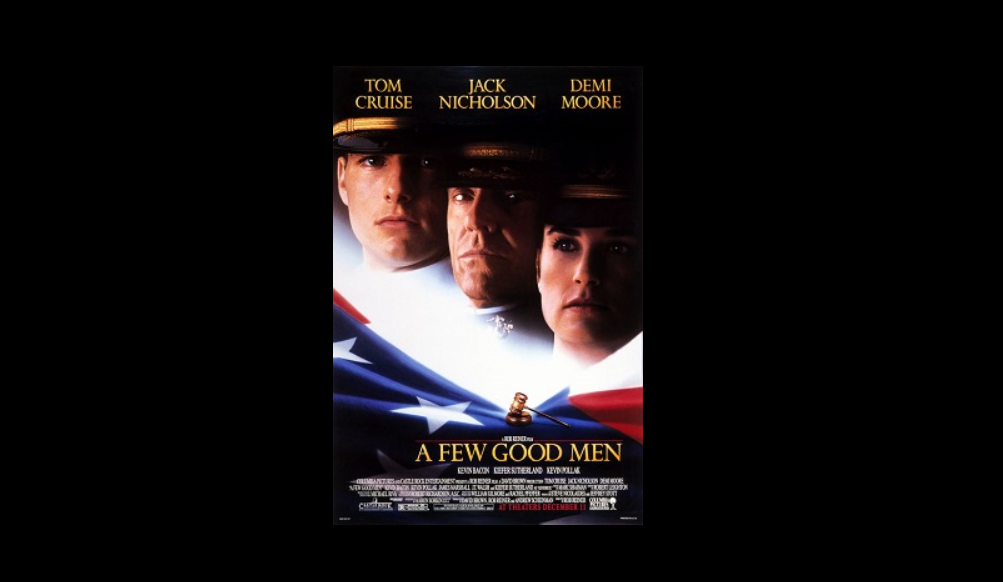
Americans use this line sarcastically during debates or disagreements to express frustration with denial or resistance. It dramatizes moments when facts clash with emotional readiness. The phrase survived because it captures stalemate efficiently, without needing detail or escalation. It allows exaggeration while remaining socially acceptable. Its endurance lies in emotional accuracy rather than authority. People reach for it when explanation feels futile and tension is already present. Few lines express that psychological impasse as cleanly or memorably.
“To infinity and beyond!” (Toy Story, 1995)

This phrase became shorthand for exaggerated ambition, optimism, or overcommitment. Americans use it humorously to overstate goals, plans, or enthusiasm. Its endurance comes from balancing sincerity with irony. The line works for children and adults alike, which helped it cross generations. It survived because it celebrates aspiration while acknowledging excess at the same time. That dual tone keeps it flexible and prevents it from sounding naive. Few phrases express hopeful exaggeration as cleanly or playfully.
“That’ll do.” (Babe, 1995)

This phrase entered American speech as understated approval rather than enthusiastic praise. People use it when acknowledgment should remain calm, sincere, and restrained. Its endurance reflects discomfort with excessive affirmation and performative enthusiasm. The phrase communicates satisfaction without embellishment. It survived because restraint often feels more genuine than celebration. In professional and personal settings, it signals completion and acceptance efficiently. Few expressions convey approval with such quiet confidence and emotional economy.
“Book ’em.” (Dragnet era)
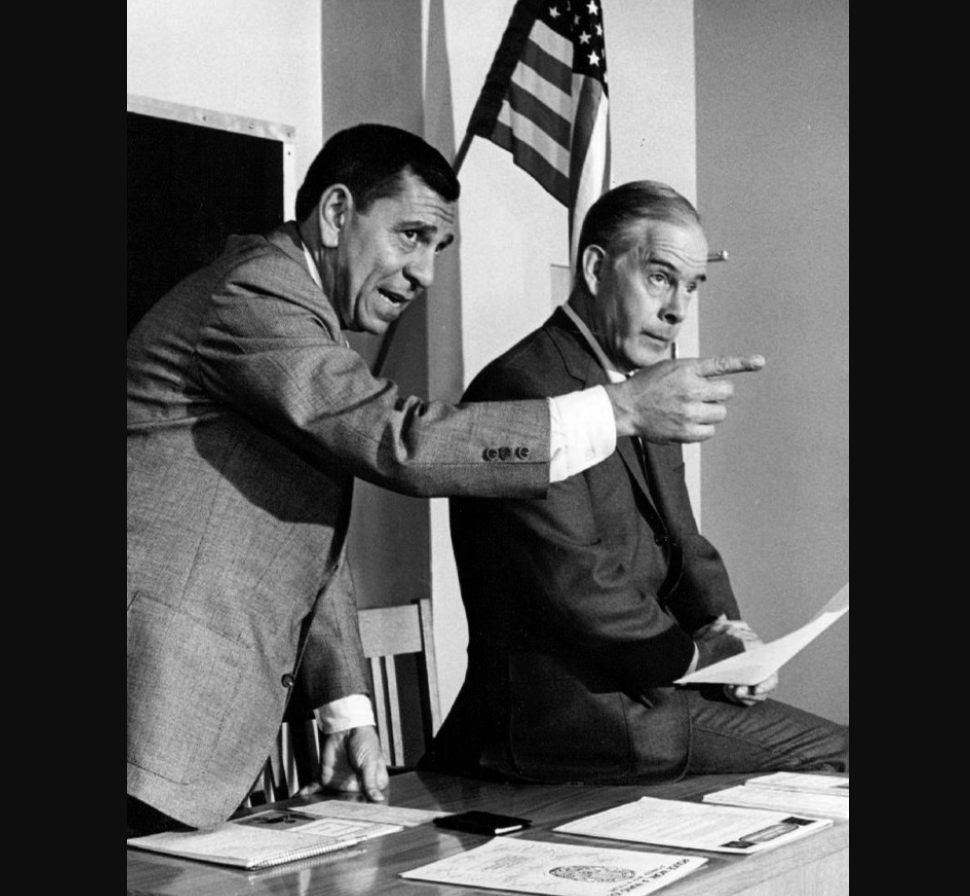
This phrase became shorthand for authority, resolution, and finality in American speech. People use it to signal that a decision has been made and discussion is finished. Its survival reflects cultural appreciation for decisiveness without hostility. The phrase communicates closure quickly and clearly. It remains useful because it ends uncertainty without emotional weight or explanation. In informal leadership language, it signals control and completion, which keeps it relevant beyond its law enforcement origins.
“I know kung fu.” (The Matrix, 1999)
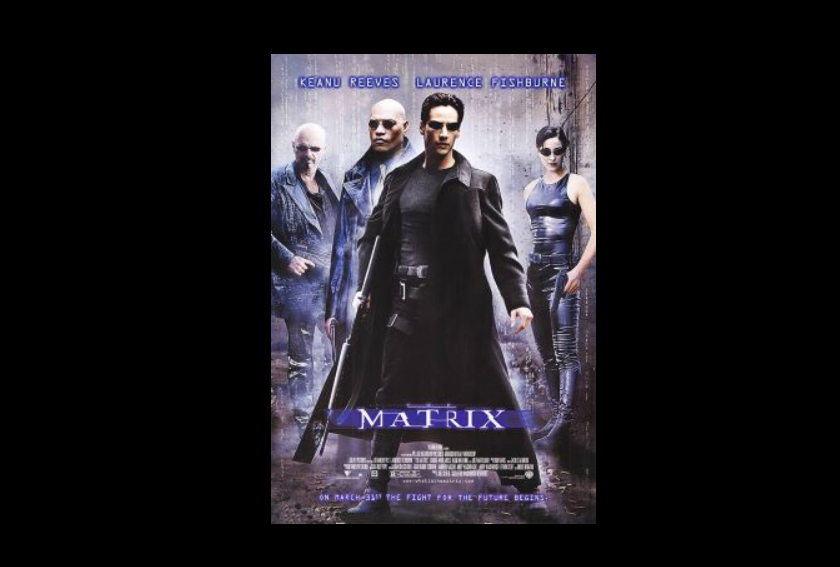
Americans use this line jokingly to claim sudden or unrealistic competence. Its endurance comes from irony and cultural relevance. The phrase reflects modern anxiety about expertise in a world where information appears instantly but mastery does not. It survived because it mirrors the illusion of instant skill created by technology. Humor keeps it from sounding arrogant. The line remains effective because it exaggerates confidence in a way people instantly recognize and question.
“D’oh!” (The Simpsons, 1989)

This expression entered dictionaries because Americans adopted it universally to signal frustration, mistake, or sudden realization. One sound conveys regret, awareness, and self criticism instantly. Its endurance lies in emotional precision rather than novelty. The expression works across ages, contexts, and tones. Few utterances communicate self correction so quickly. Its simplicity, adaptability, and emotional clarity ensured permanent placement in everyday American speech.
“Say hello to my little friend.” (Scarface, 1983)
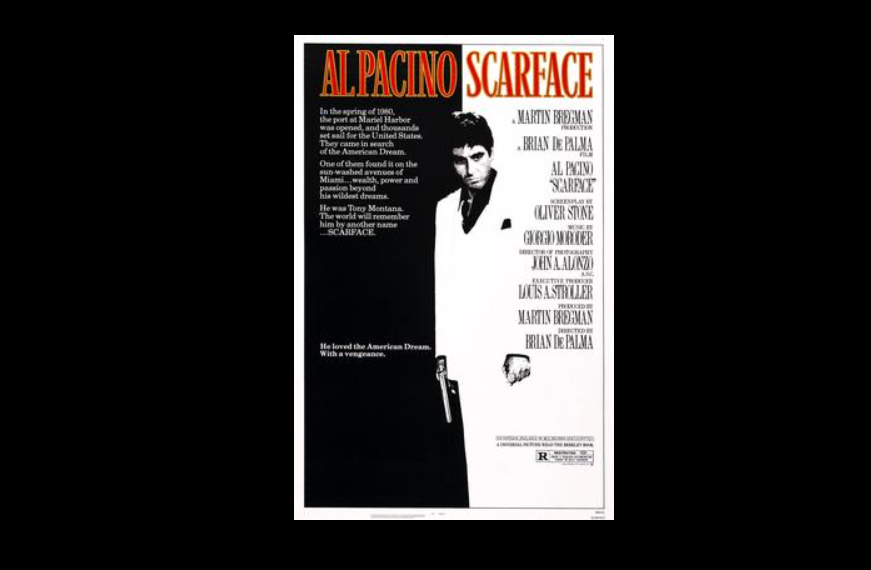
This line survived as exaggerated announcement language rather than literal menace. Americans use it humorously before revealing something dramatic, unexpected, or symbolic. Its endurance comes from anticipation and theatrical timing. The phrase turns reveals into moments without seriousness. It remains recognizable even when stripped of context. That recognizability keeps it usable in casual speech while avoiding its original violence.
“Elementary.” (Sherlock Holmes films, 1930s–1940s)
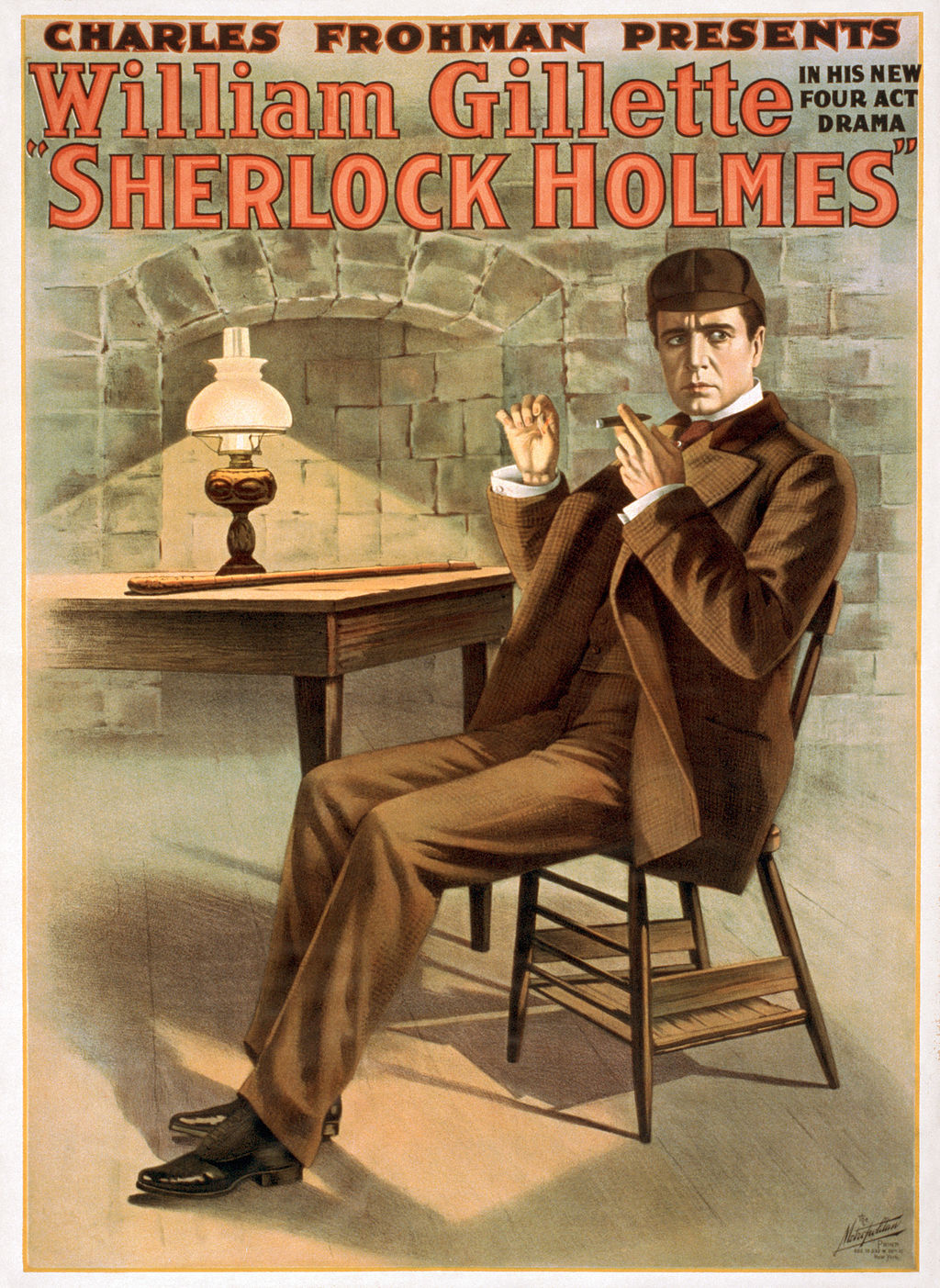
This word entered American speech as a way to signal obvious conclusions with confidence or irony. People use it to indicate clarity without explanation. Its endurance reflects cultural respect for efficient reasoning. The phrase survived because it ends debate succinctly and decisively. It remains effective because it communicates understanding instantly. Few expressions close intellectual loops as efficiently or politely.
“I love it when a plan comes together.” (The A-Team, 1983)

Americans use this phrase after successful execution to express satisfaction without arrogance. Its endurance reflects appreciation for order following chaos. The phrase celebrates competence calmly rather than loudly. It remains useful in professional and casual settings because it acknowledges effort without boasting. The tone supports teamwork and resolution. Its balance of confidence and restraint keeps it relevant decades later.
These lines endured because they solved real communication problems. They compress tone, judgment, humor, and emotion into language people reach for instinctively. When dialogue becomes useful, it becomes permanent. American speech absorbed these phrases not out of nostalgia, but necessity. Language keeps what works and quietly discards what does not.