Annie Spratt/Unsplash
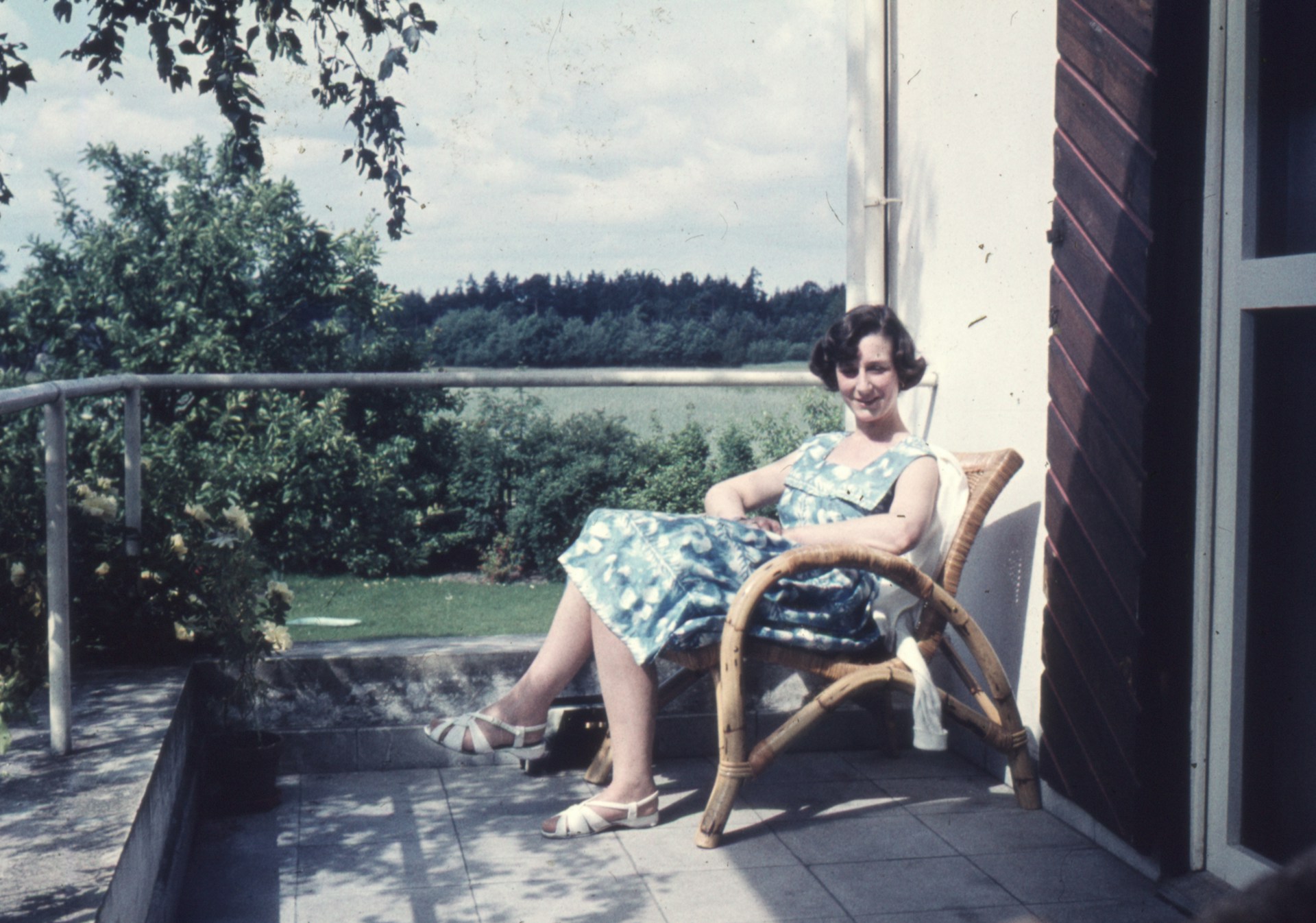
The 1970s was a transformative decade for women, with the rise of the feminist movement and social change that challenged old norms. However, many aspects of daily life for women back then seem, to modern eyes, incredibly restrictive or downright absurd. While we’ve made great strides in women’s rights, the practices and expectations of the ’70s remind us of just how far we’ve come. Here are 20 things women had to do in the ’70s that feel almost unbelievable today.
Wear Dresses or Skirts to Work
Austrian National Library/Unsplash
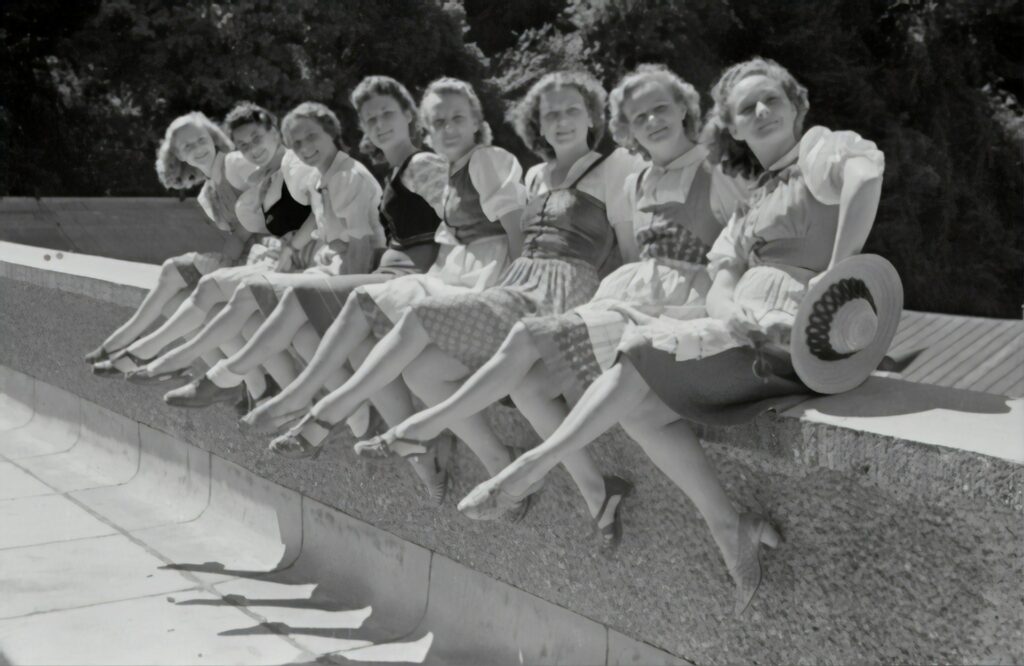
In the 1970s, most workplaces had strict dress codes, and women were expected to wear skirts or dresses every day. Pants were often seen as inappropriate or “unprofessional” for women, and some companies even enforced this policy with a “no pants” rule. It wasn’t until the mid-1970s that pantsuits started becoming more accepted, but even then, skirts were still considered more “feminine” and appropriate. Today, women can often wear whatever they feel comfortable in, whether it’s pants, skirts, or dresses, without facing judgment from colleagues.
Shave Their Legs and Armpits Regularly
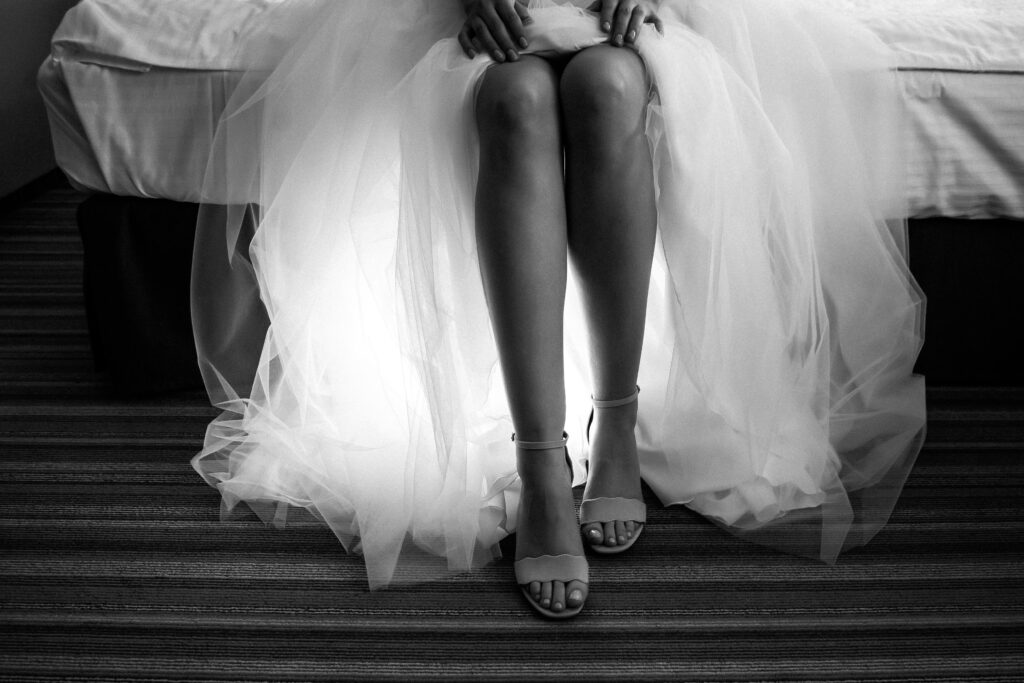
The concept of “beauty standards” was rigid in the ’70s, and shaving was considered essential for women to maintain a sense of “femininity.” Many women spent time each week, sometimes daily, making sure their legs and armpits were smooth. Going unshaven was seen as rebellious or unkempt. In today’s world, while some still follow these beauty practices, there’s more freedom for women to embrace body hair if they choose, without facing harsh criticism or judgment.
Wear Heels to Appear Taller and More Professional
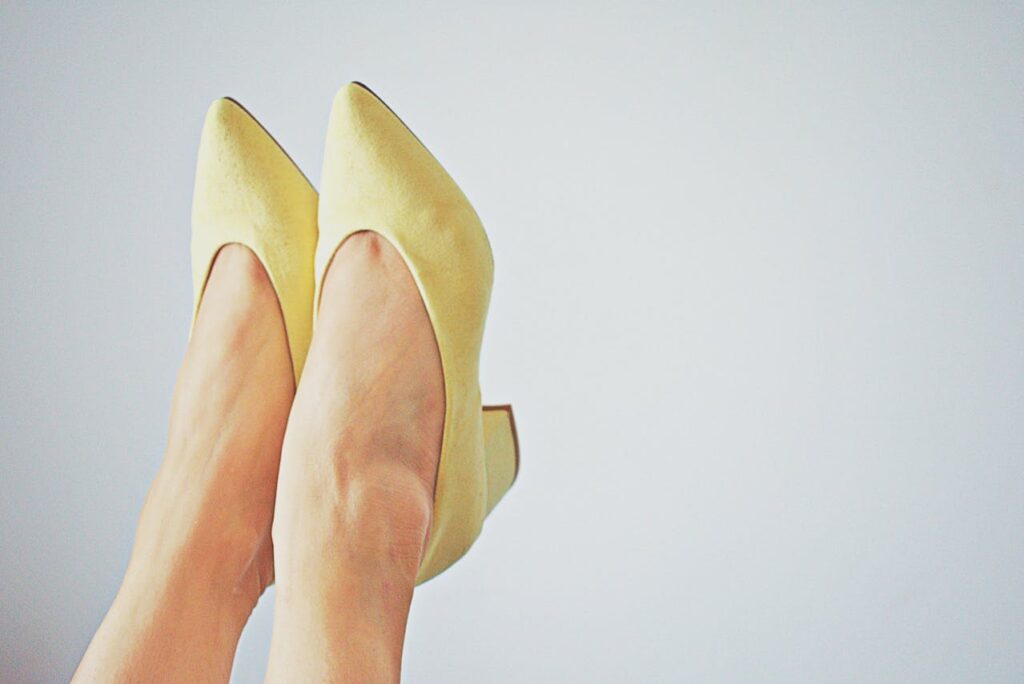
High heels were a staple of every woman’s wardrobe in the ’70s, especially in the workplace. Women were often expected to wear heels to seem more professional, put-together, and, ironically, more “feminine.” This contributed to an enduring stereotype of women needing to make themselves physically smaller or more delicate to be taken seriously in professional settings. Today, flats and sneakers are often embraced as comfortable, functional, and fashionable choices for professional settings.
Use “Feminine Hygiene Products” That Were Uncomfortably Undiscreet
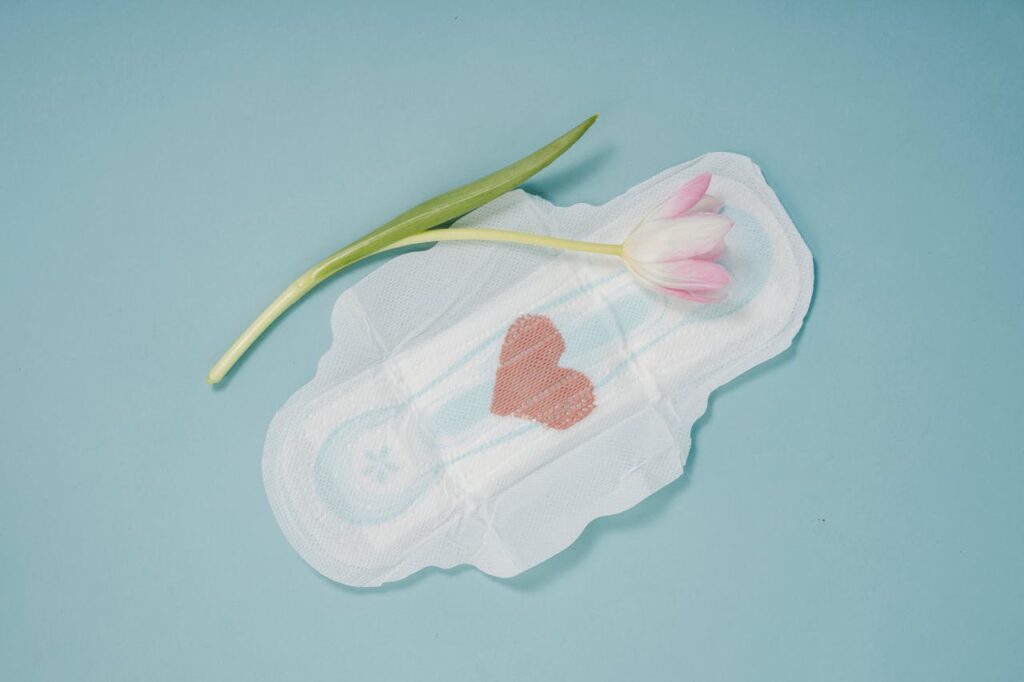
Women in the ’70s had limited options when it came to managing their periods. Sanitary napkins were bulky, uncomfortable, and lacked the discreet packaging we take for granted today. Many women wore thick, high-waisted girdles under their clothes to help keep pads in place, but the lack of modern technology meant discomfort was a part of the process. The evolution of slimmer, more absorbent, and more discreet sanitary products has made menstruation a much more manageable experience.
Be “The Perfect Housewife” or “Mother” to Achieve Fulfillment
Annie Spratt/Unsplash
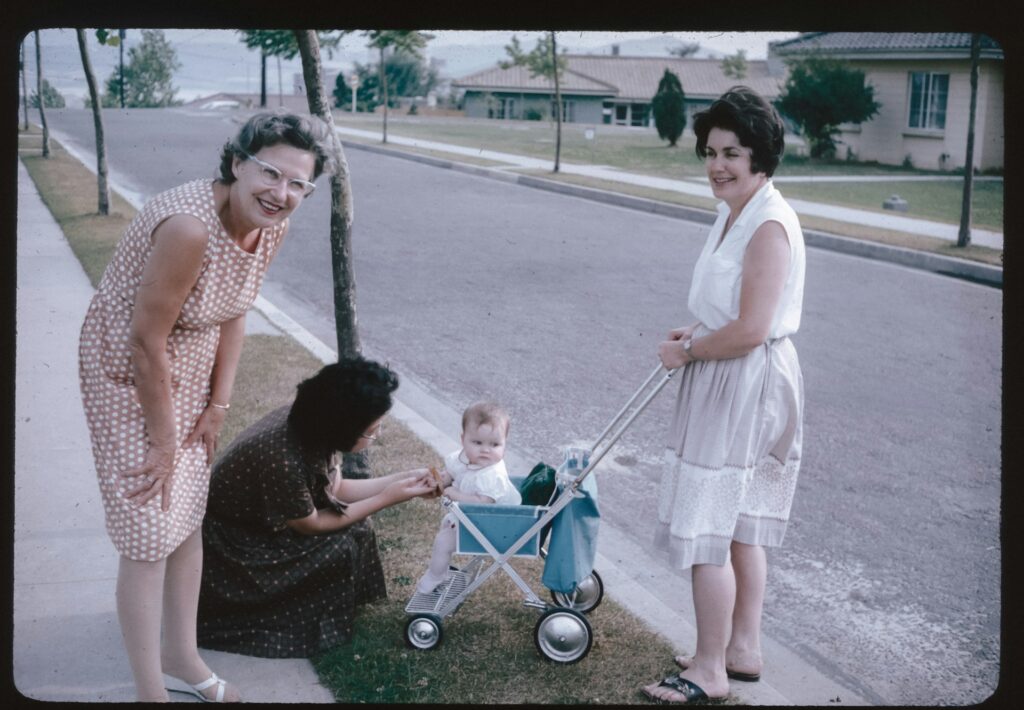
The idea of a woman’s “ultimate role” in the ’70s was often defined by being a dedicated wife and mother. Women were expected to marry young, have children, and devote themselves entirely to the home and family. While many women thrived in this role, the concept of being a stay-at-home mom was so glorified that any deviation from it often led to societal judgment. Women today are empowered to choose their own paths, whether that means working, staying at home, or pursuing other personal aspirations.
Perfect the “Art” of Jello Salad for Family Gatherings
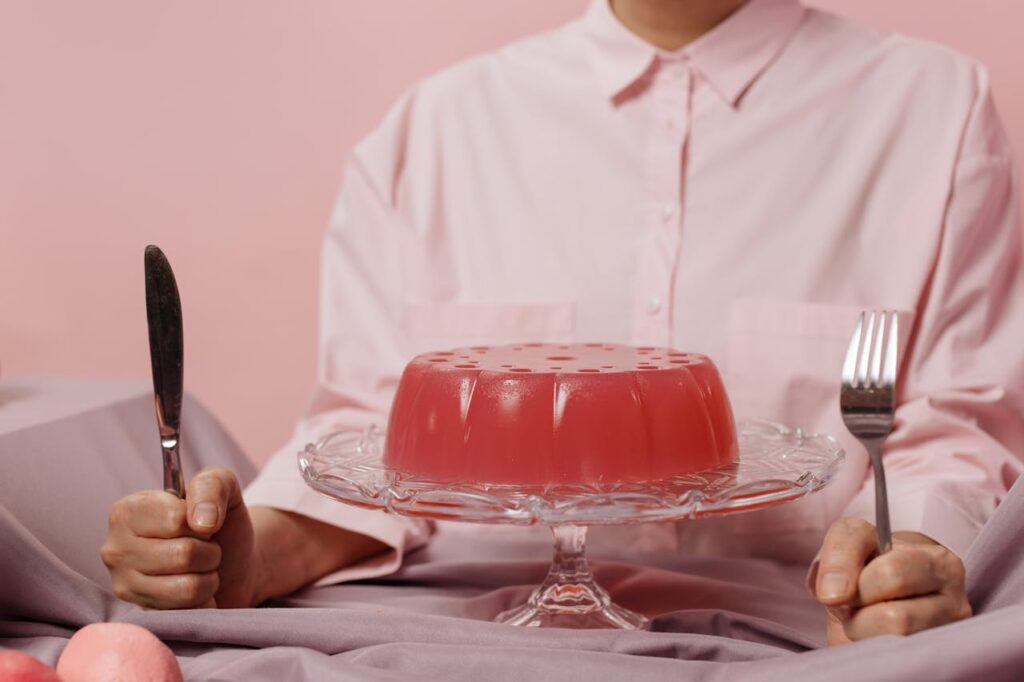
If you grew up in the ’70s, you likely remember the strange and often embarrassing dishes that were a staple of family gatherings, like Jello salad. These gelatin-based concoctions, often loaded with marshmallows, fruit, and even vegetables, were the epitome of ‘70s cuisine. While some of these dishes are considered quirky or nostalgic today, the pressure on women to create these bizarre yet “family-friendly” recipes was very real at the time.
Maintain a “Freshly Made-Up” Look at All Times
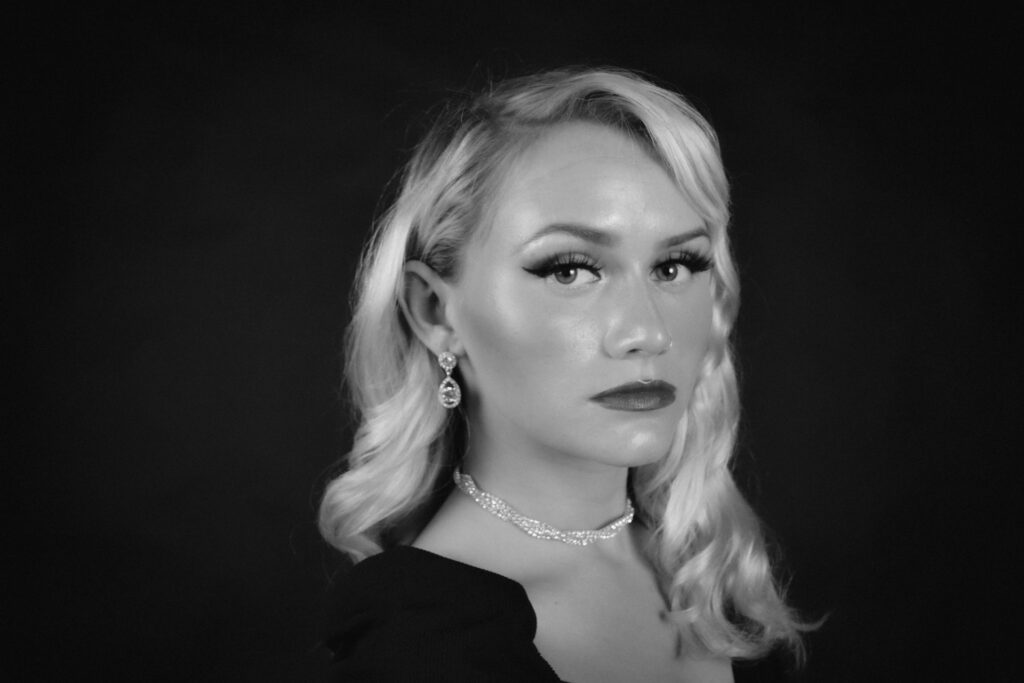
The ’70s marked a beauty standard where women were expected to always appear fresh, polished, and presentable, whether they were going to work, running errands, or lounging at home. Makeup, including foundation, lipstick, and eye shadow, was often seen as essential to a woman’s “proper” presentation. The idea of going outside without makeup was seen as “lazy” or “unattractive.” Nowadays, makeup has become a personal choice, and women are embracing natural looks or going makeup-free without judgment.
Carry a perfectly stocked handbag at all times
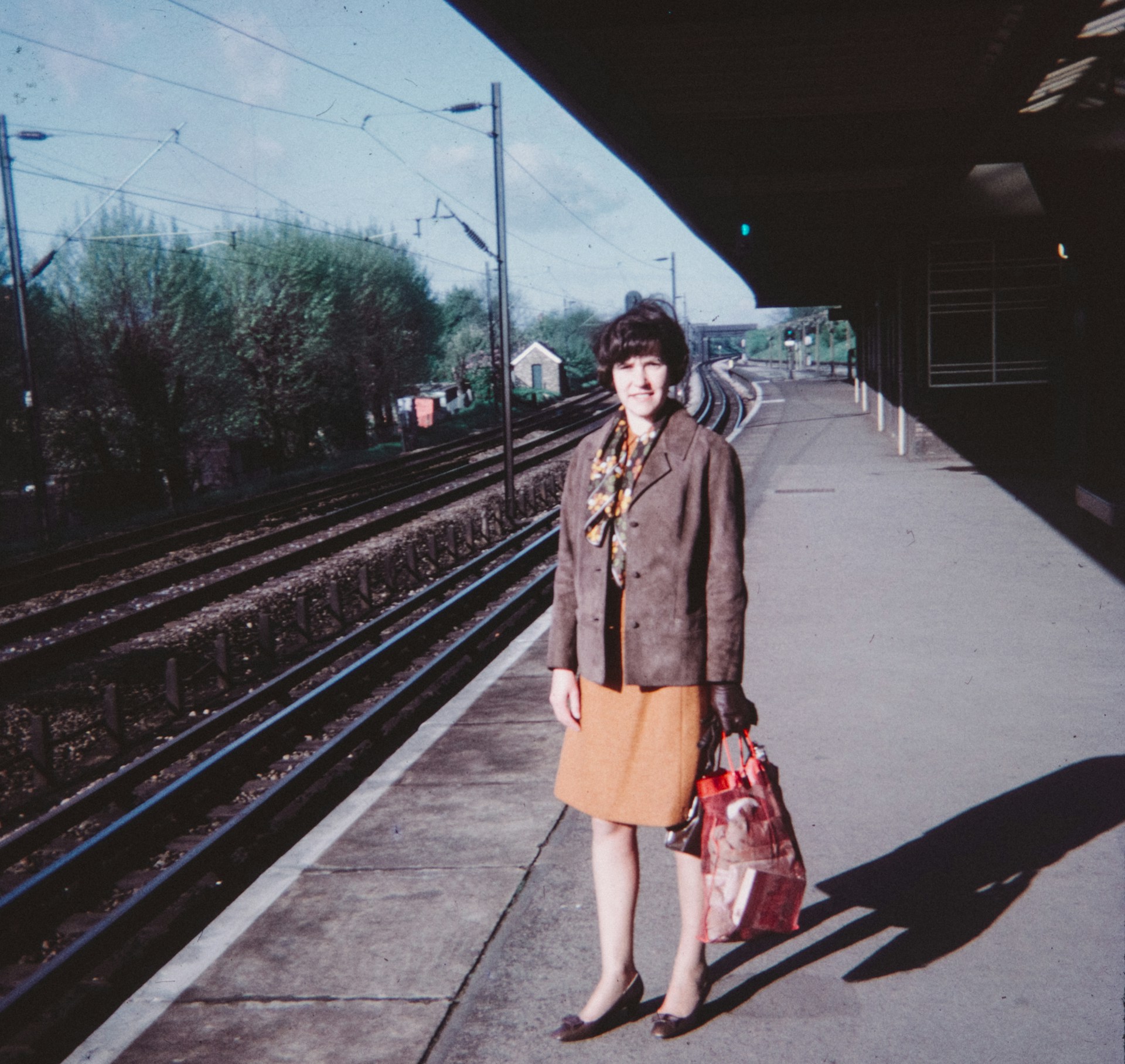
Back then, a woman’s handbag wasn’t just a personal item, it was a symbol of readiness, propriety, and femininity. Women were expected to carry everything from a neatly folded handkerchief to sewing kits and even emergency makeup, ensuring they could handle any social situation flawlessly. Now, while practicality matters, the pressure to maintain an impossibly prepared image has eased. Women can carry what they need, prioritize convenience over perfection, and be judged far less on their accessories than on their abilities.
Smile constantly, even when unhappy, to appear friendly and approachable
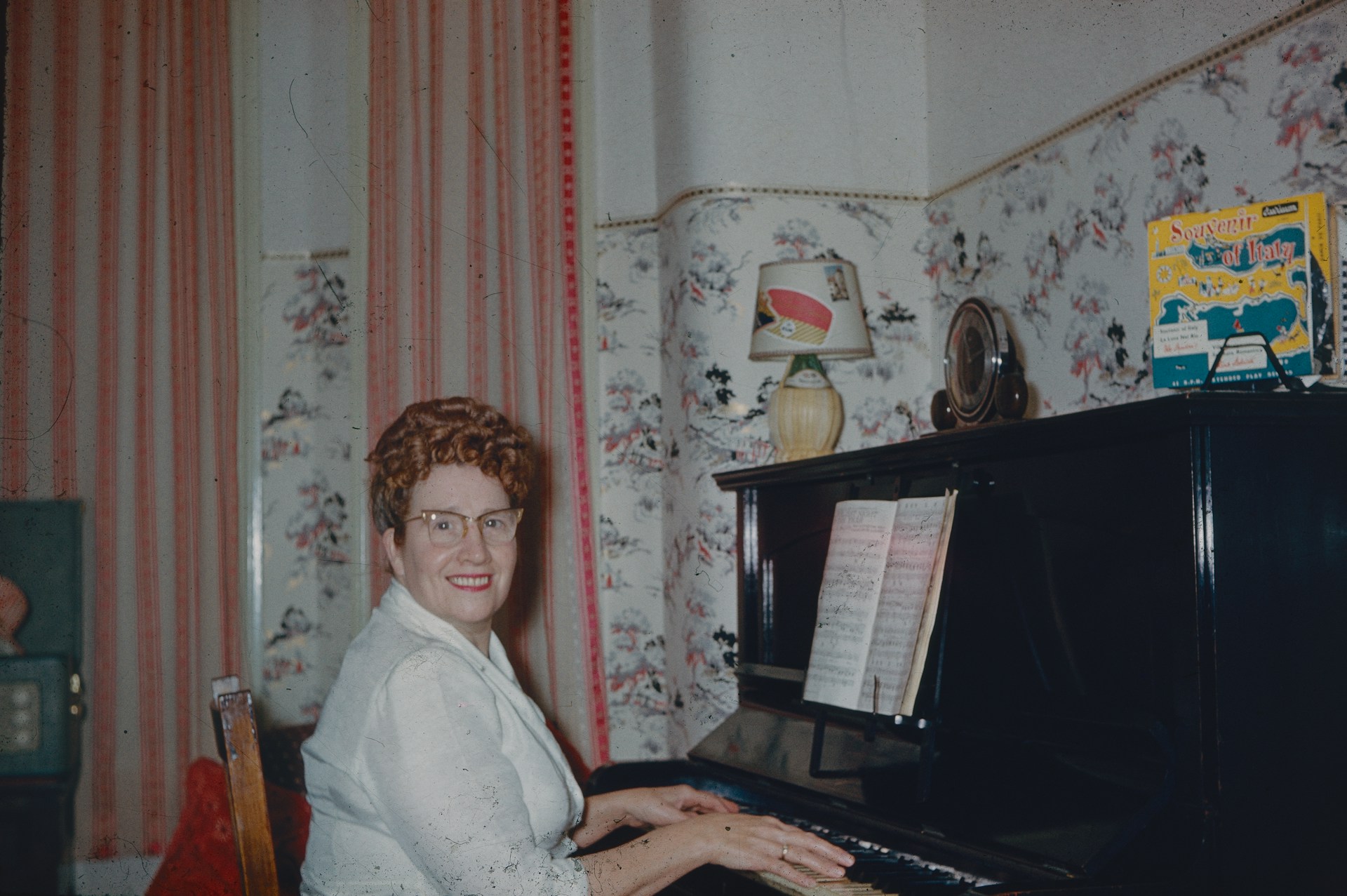
In the ’70s, women were often expected to maintain a cheerful demeanor no matter how they truly felt. Smiling was a social requirement, signaling friendliness, warmth, and compliance, even in situations that were frustrating or uncomfortable. Today, emotional authenticity is respected and encouraged, and women are free to express frustration, disappointment, or seriousness without it reflecting negatively on their character. This shift has allowed women to engage more honestly in both professional and personal settings
Be Expected to “Dress for Men”
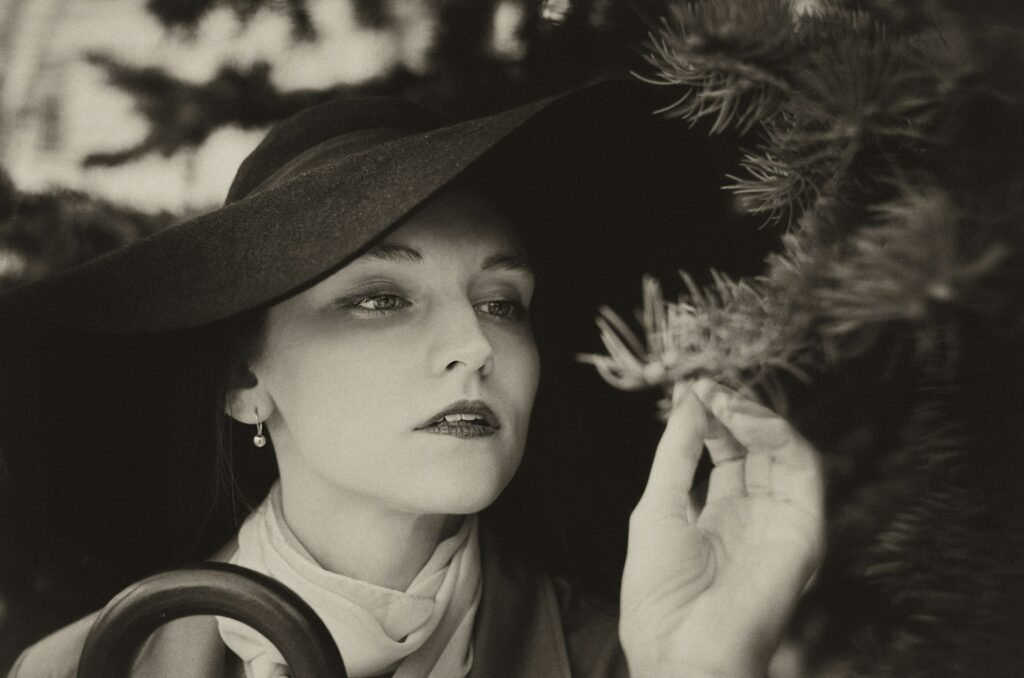
Although feminism was on the rise in the ’70s, there was still a prevailing notion that women should dress in a way that appealed to men. Clothing choices were often made based on what was considered “sexy” or “appropriate” to attract male attention. In today’s society, clothing is seen as an expression of individual identity, and women dress for themselves and their own comfort, rather than to meet someone else’s expectations.
Rely on Men to Open Doors, Carry Heavy Items, and Other Acts of Chivalry
In the ’70s, gender roles were often rigidly enforced, and women were still expected to rely on men for basic chivalric acts like opening doors, carrying heavy bags, or moving furniture. These actions were seen as symbols of male strength and female delicacy. Today, many women would rather handle these tasks themselves or share the responsibility equally with their male counterparts. The idea of “chivalry” has evolved into more of an egalitarian approach.
Master the Art of Homemaking Skills
In the 1970s, women were often expected to be highly skilled in cooking, cleaning, and other traditional homemaking tasks. Women took pride in having spotless homes, which required hours of effort each day. The pressure to be an expert at homemaking was intense, and the concept of “having it all” meant balancing these expectations with a full-time job. Today, many women feel less burdened by the idea of perfect housekeeping, and there’s more societal acceptance of outsourcing chores or splitting them with partners.
Have “Big Hair” to Fit In

Big, voluminous hair was a hallmark of 1970s style. Women were expected to either wear their hair in big waves, tight curls, or extremely teased styles. The more hair, the better. This look was especially common in the workplace or at social events, where women would spend hours using hair rollers, teasing combs, and hairspray to achieve that “perfect” volume. Nowadays, sleek, straight hair is often seen as fashionable, and many women embrace natural textures with little or no styling.
Only Wear Pantyhose or Stockings with Skirts and Dresses
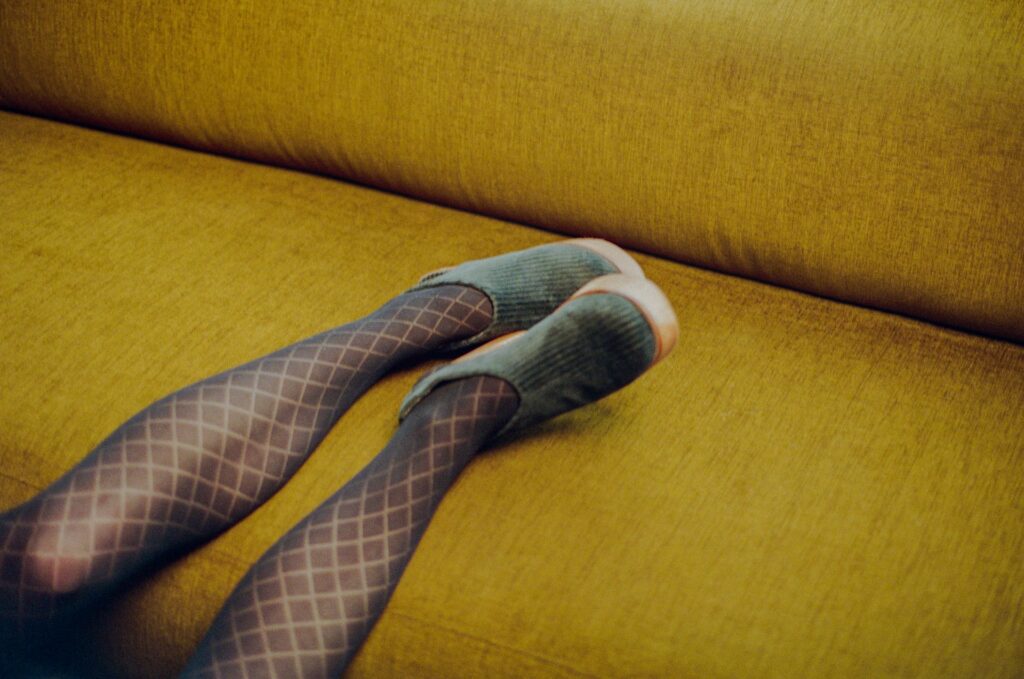
In the 1970s, pantyhose were an essential part of a woman’s wardrobe, often worn with dresses or skirts, regardless of the weather. Women were expected to wear them for “professionalism” or to maintain a sense of modesty. Stockings, garter belts, and tights were just a normal part of getting dressed. Today, women are free to wear skirts and dresses without the societal pressure to add pantyhose, especially when it’s hot or uncomfortable.
Tolerate “Boys Will Be Boys” Mentality
The ’70s were a time when women were often expected to tolerate unacceptable behavior from men, with the phrase “boys will be boys” used to justify many instances of misbehavior, harassment, or discrimination. This mentality made it difficult for women to assert themselves or fight against inappropriate advances. Today, many women actively challenge this mindset and are vocal about holding individuals accountable for their actions.
“Keep a Clean House at All Times” or Face Criticism
Annie Spratt/Unsplash
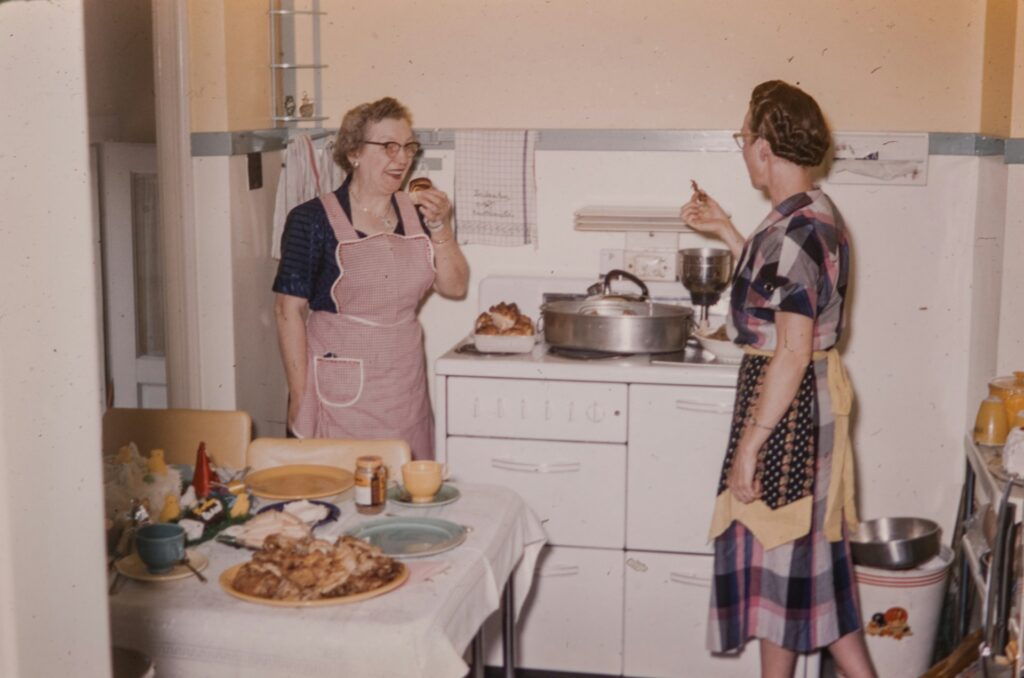
Having a clean house was almost a societal mandate in the 1970s. Women were expected to keep their homes spotless, even while juggling work and family life. There was constant pressure to maintain a perfectly tidy, well-decorated home, as anything less would be seen as laziness or failure. In today’s world, the idea of perfection is much less emphasized, with more people accepting that homes are lived-in spaces that reflect the personality and preferences of their inhabitants.
Use Ample Hairspray to Hold Everything in Place
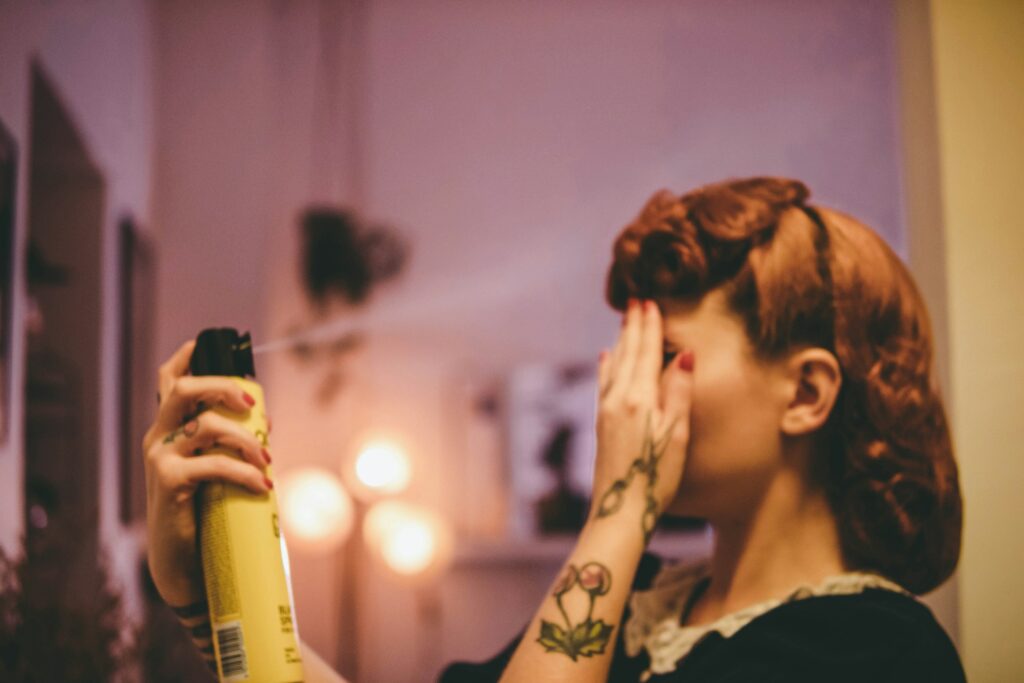
Big hair wasn’t just about volume; it was about making sure it stayed exactly where it was supposed to be. Hairspray was used excessively in the ’70s, and it wasn’t unusual to see women walking around with hair so heavily sprayed that it would never move, even in a strong wind. Today, while some still use hairspray, it’s not to the extreme levels of the ’70s, and the trend has shifted towards more natural, flexible styles.
Defer to Men in Public Conversations

In the ’70s, it wasn’t uncommon for women to take a backseat in public conversations, especially those dominated by men. Whether it was at work or social events, women were often expected to listen, nod, and rarely speak out, especially on topics seen as “masculine.” Today, women are much more empowered to assert their opinions, take leadership roles, and contribute equally to any discussion without fear of being disregarded.
Attend endless etiquette or charm classes to be ‘Proper’
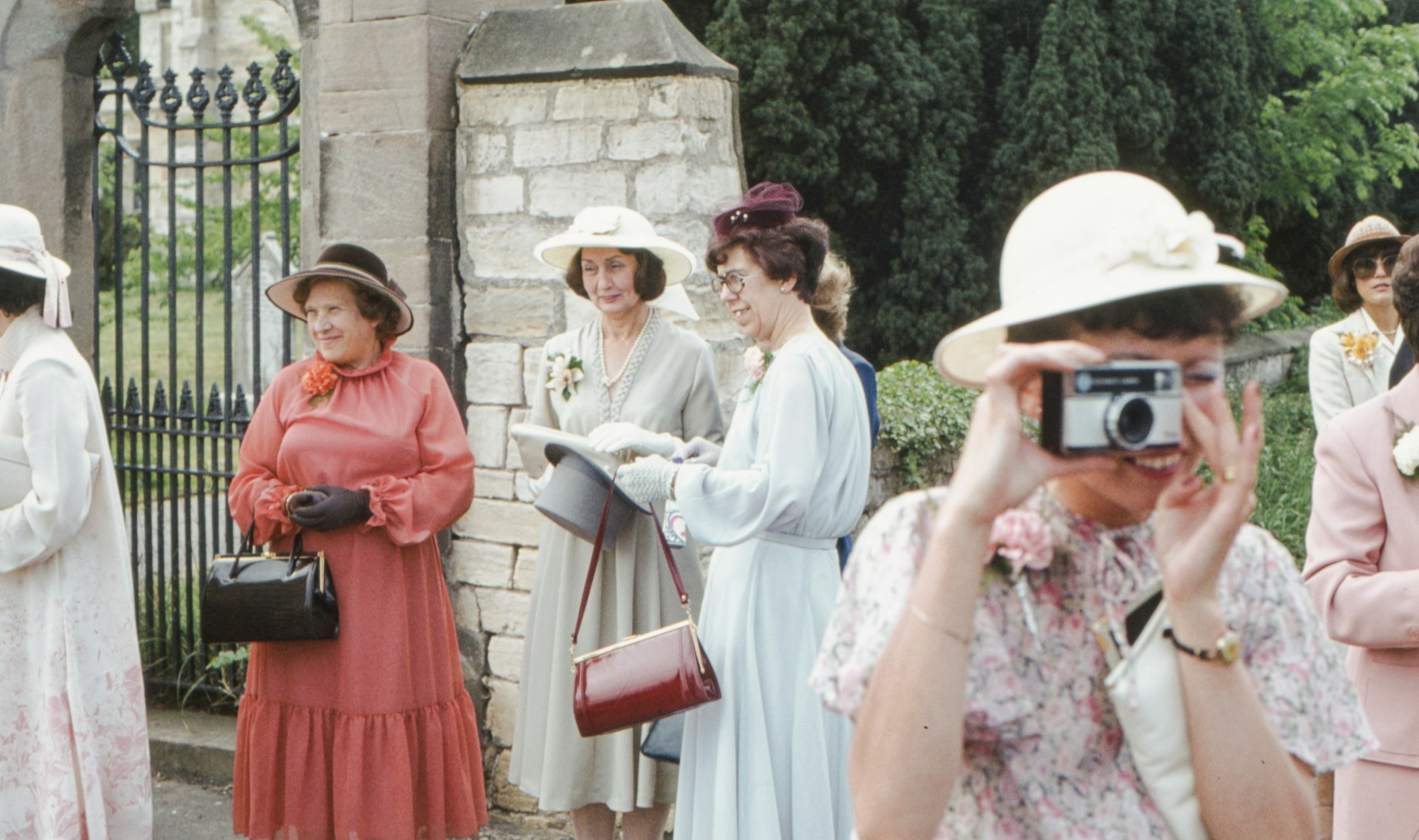
In the 1970s, young women were often encouraged, or even required, to attend charm school or etiquette classes. These sessions promised to teach the “proper” way to walk, speak, eat, and interact with others, with the ultimate goal of making women more appealing and socially acceptable. Today, women are valued for their skills, personality, and individuality rather than a rigid set of social behaviors. Modern society encourages authenticity, allowing women to define their own standards of professionalism and poise.
Only Have One “Proper” Career Choice
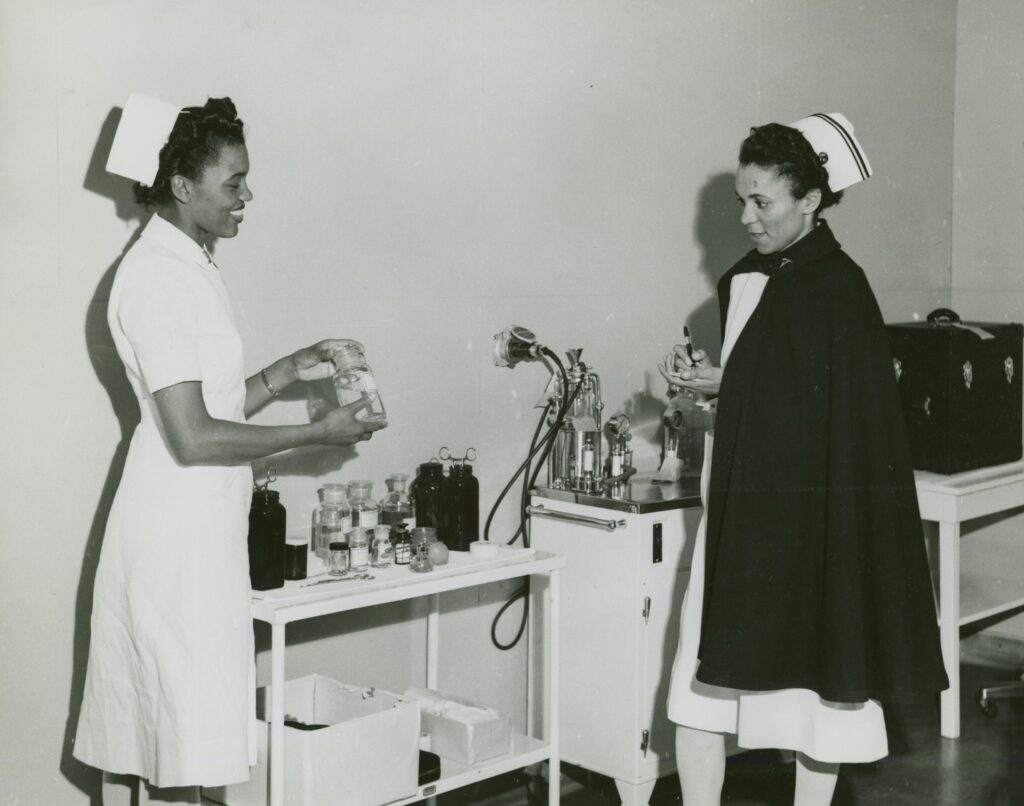
In the ’70s, women’s career options were severely limited. Many were pushed toward teaching, nursing, or secretarial work, and often discouraged from pursuing careers in science, politics, or business. If a woman wanted to be successful, it was expected that she would have to conform to one of these “acceptable” career choices. Nowadays, women are pursuing careers in every field imaginable, and there are far fewer limitations placed on what they can achieve professionally.
The 1970s were a time of significant change and challenge for women, but many of the outdated expectations and practices of the time seem almost absurd today. While we’ve made substantial progress, it’s important to remember that these shifts didn’t happen overnight, and the hard work of countless women pushed society forward. Today, women are free to make their own choices, whether it’s about career, appearance, or lifestyle, without the same rigid constraints that once existed.