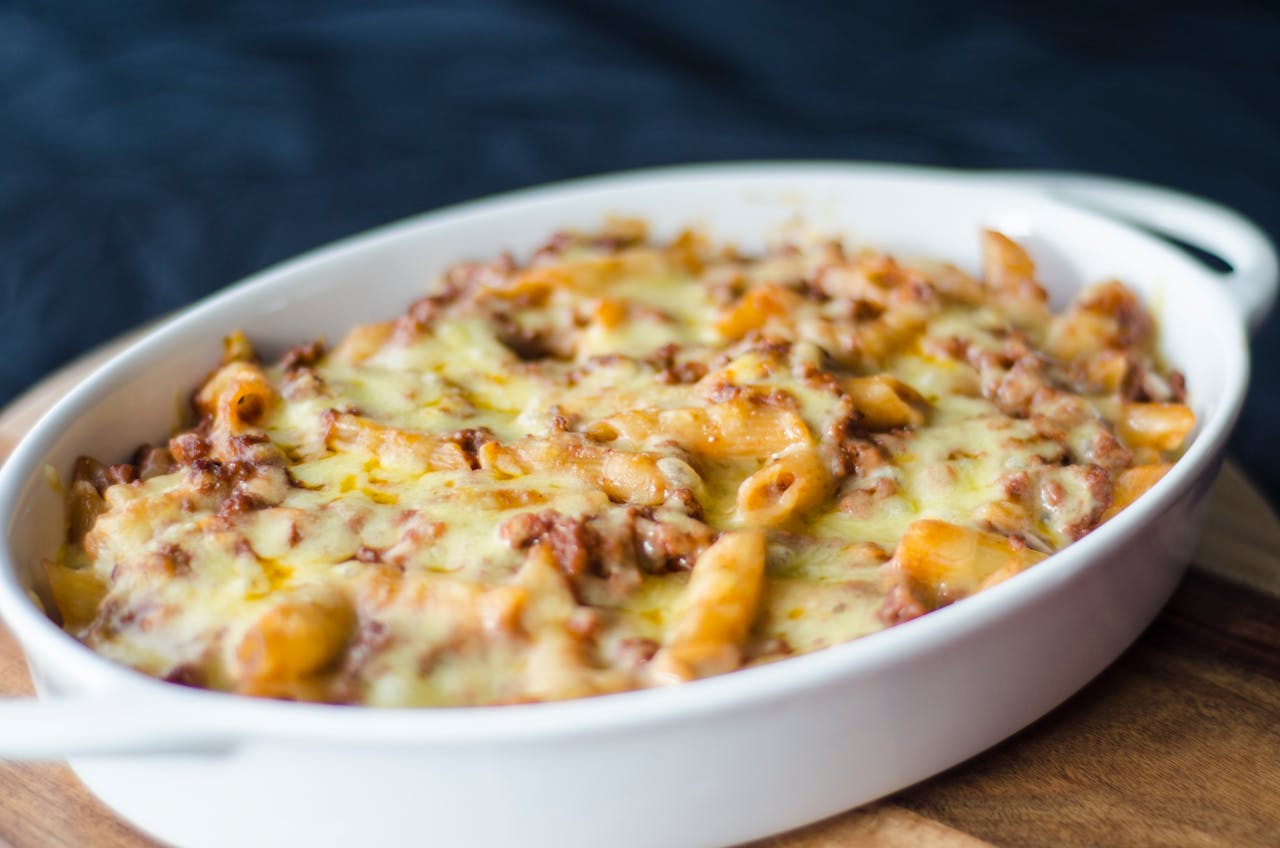
Children’s food preferences rarely align with adult sensibilities, often creating daily tension at the dinner table. Kids crave foods for flavor, visual appeal, texture, or familiarity, while parents prioritize nutrition, cost, and long-term health habits. Many popular children’s foods are designed for sugar, salt, or convenience rather than balanced nutrition. Parents may allow them for peace of mind, nostalgia, or efficiency, but frustration can simmer beneath the surface. These choices highlight the constant negotiation between childhood comfort and adult responsibility, illustrating how taste, marketing, and habit shape eating behavior over time.
Chicken Nuggets
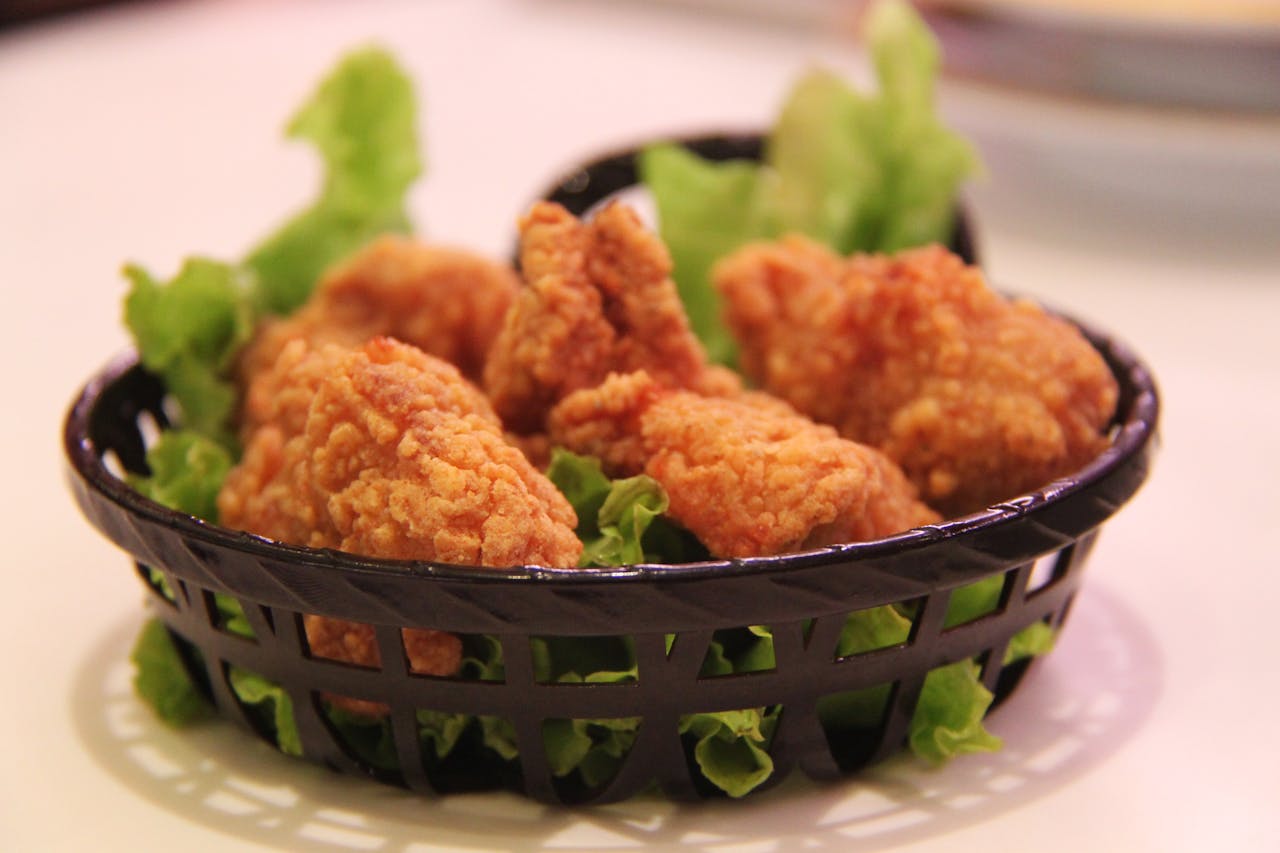
Chicken nuggets are near-universal favorites for children because of their uniform texture and mild flavor. Parents often dislike the highly processed nature of the meat, artificial flavoring, and unclear ingredient sources. Nuggets encourage selective eating, reducing exposure to different textures and flavors that are vital for palate development. Their predictable breading and crispy exterior create early expectations that meat should always be uniform and easy to chew. Despite these concerns, the convenience, universal appeal, and rapid preparation of nuggets make them a recurring option in many busy households, especially on hectic school nights.
Sugary Breakfast Cereals
Brightly colored cereals with cartoon mascots dominate children’s breakfast requests due to their fun appearance and predictable sweetness. These cereals are often loaded with sugar, sometimes more than a dessert, and are low in fiber and protein, creating short-lived energy spikes. Parents worry about crashes, behavioral issues, and the long-term reinforcement of sugar dependence. Marketing strategies target children directly, making resistance difficult and bypassing adult oversight. Despite nutritional concerns, many parents tolerate them for convenience, especially during rushed mornings, balancing immediate peace with dietary caution.
Macaroni and Cheese
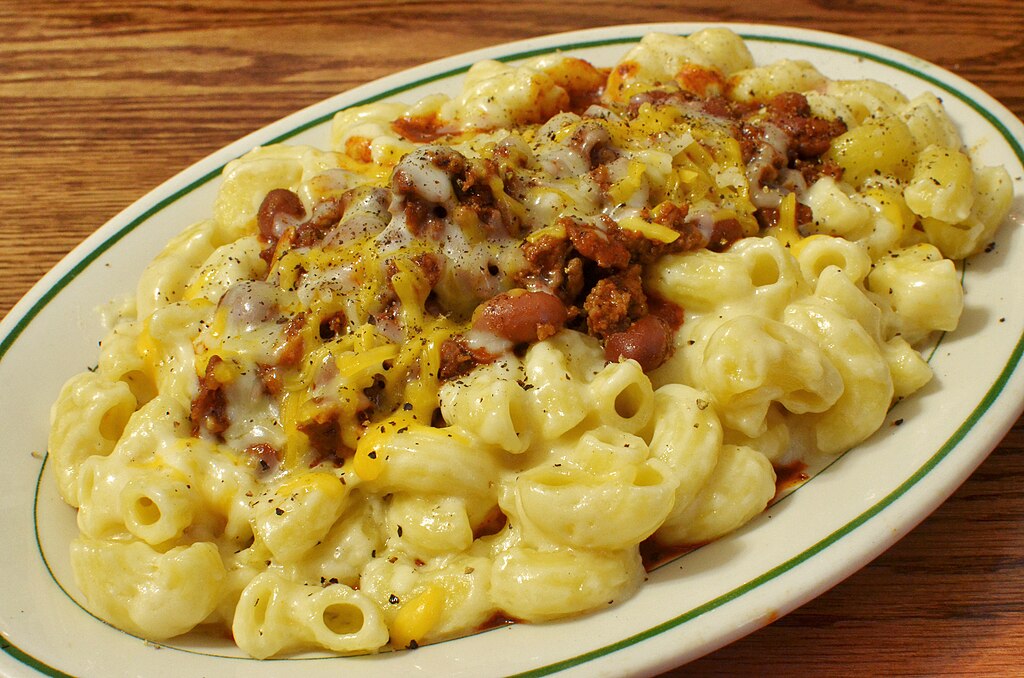
Boxed macaroni and cheese is a comfort food that children adore for its creamy texture and predictable flavor. Parents frequently criticize its lack of nutrients, high sodium, and artificial ingredients. The dish can become a default meal rather than a treat, discouraging vegetable intake and broader palate development. Its reliance on powdered cheese and soft pasta reinforces preferences for carb-heavy, mild-flavored foods. Parents often serve it for convenience and to prevent mealtime battles, accepting compromises on nutritional value for the sake of peace and satiety.
Pizza
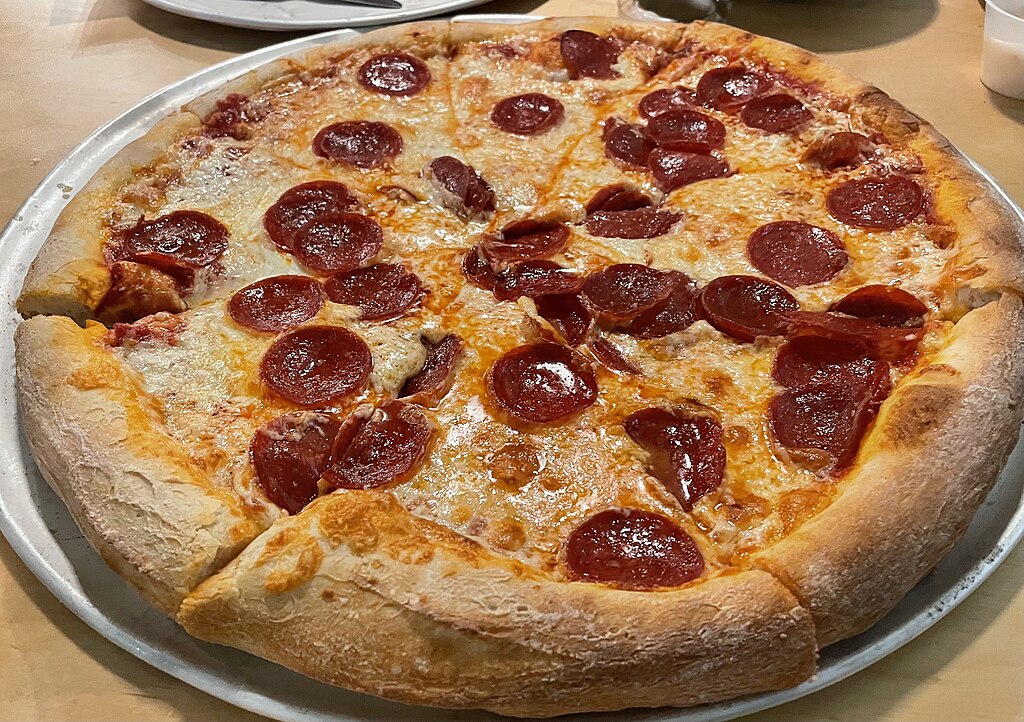
Pizza is universally popular because it combines bread, cheese, and familiar flavors in an easy-to-eat, customizable format. Parents often worry about sodium levels, processed meats, and minimal vegetable content. Pizza nights can become habitual rather than special, reducing opportunities for varied meals. While versatile toppings could improve nutrition, many children prefer plain cheese or pepperoni, limiting exposure to healthier choices. Parents allow pizza regularly because it is convenient, broadly appealing, and reliably eaten, even if it conflicts with dietary goals.
French Fries
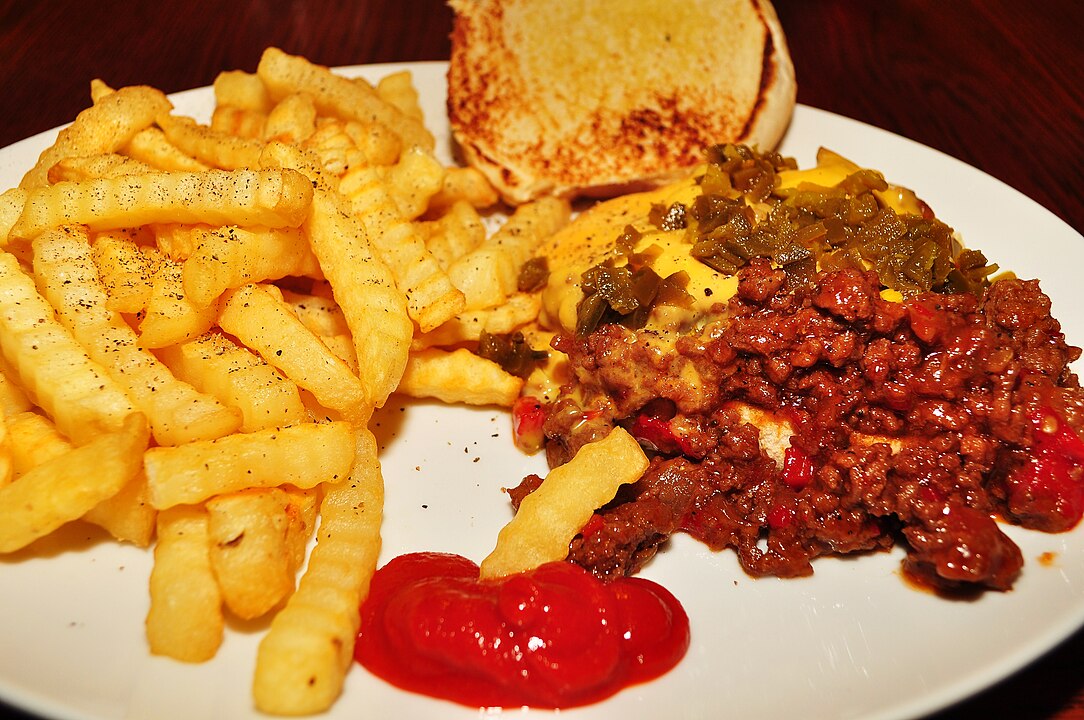
French fries appeal to children through their golden color, saltiness, and satisfying crunch. Parents often dislike their high fat content, deep-fried preparation, and minimal nutritional value. Fries frequently replace healthier side options, from fresh fruit to steamed vegetables, reinforcing a preference for fried foods. The addictive texture and flavor make moderation difficult, creating recurring conflicts at mealtimes. Parents are caught between refusal, which may provoke tantrums, and reluctant compliance, reflecting the ongoing tension between indulgence and health.
Hot Dogs
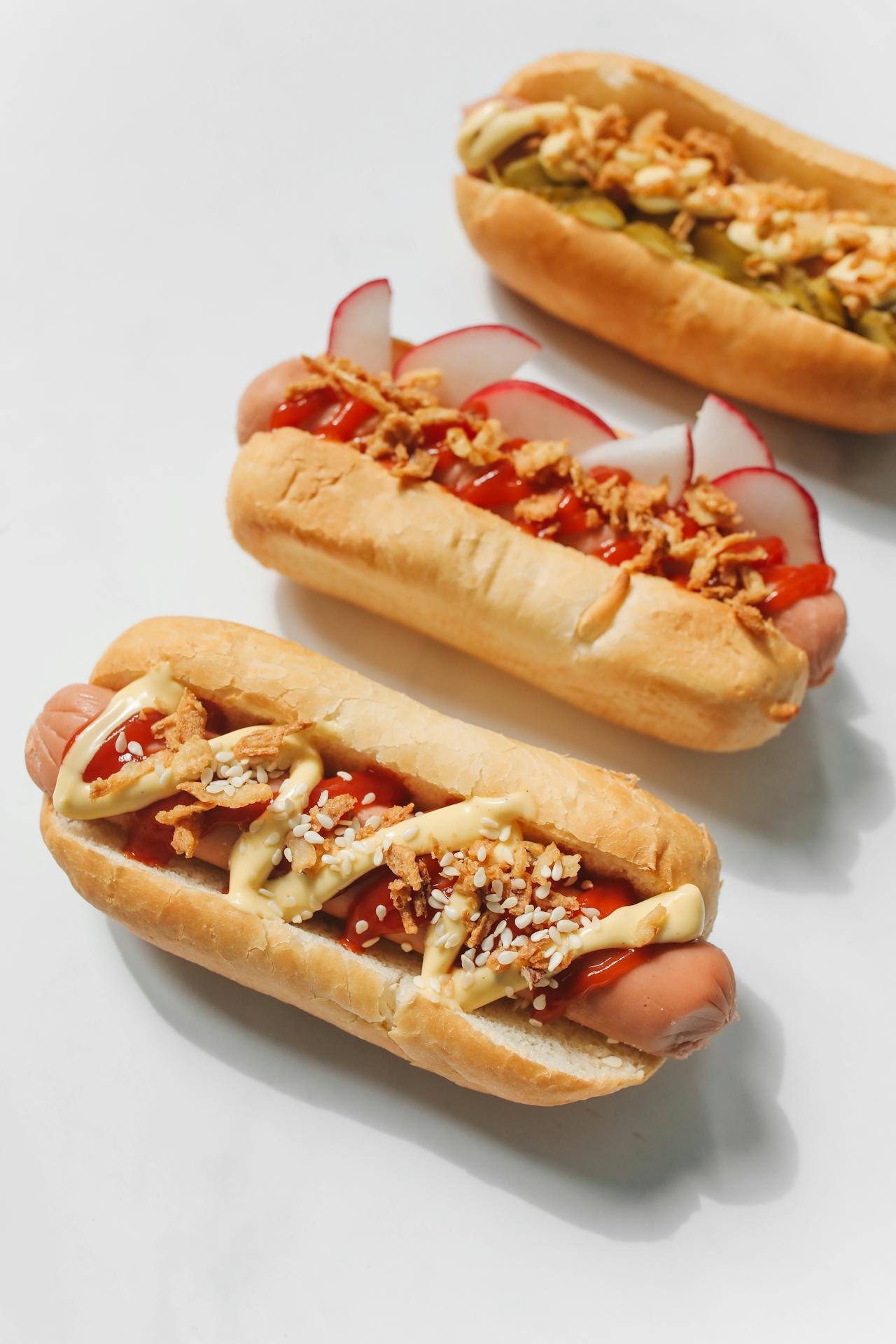
Hot dogs are convenient, easy to eat, and closely associated with celebratory events like barbecues, sports games, and fairs. Parents are concerned about preservatives, sodium, nitrates, and overall processed meat content. Their popularity normalizes highly processed proteins at an early age, shaping taste expectations. Fun associations make limiting consumption more challenging, as children link them to enjoyable experiences. Parents often serve hot dogs reluctantly, balancing social convenience and child enjoyment against health concerns and nutritional standards.
Grilled Cheese Sandwiches
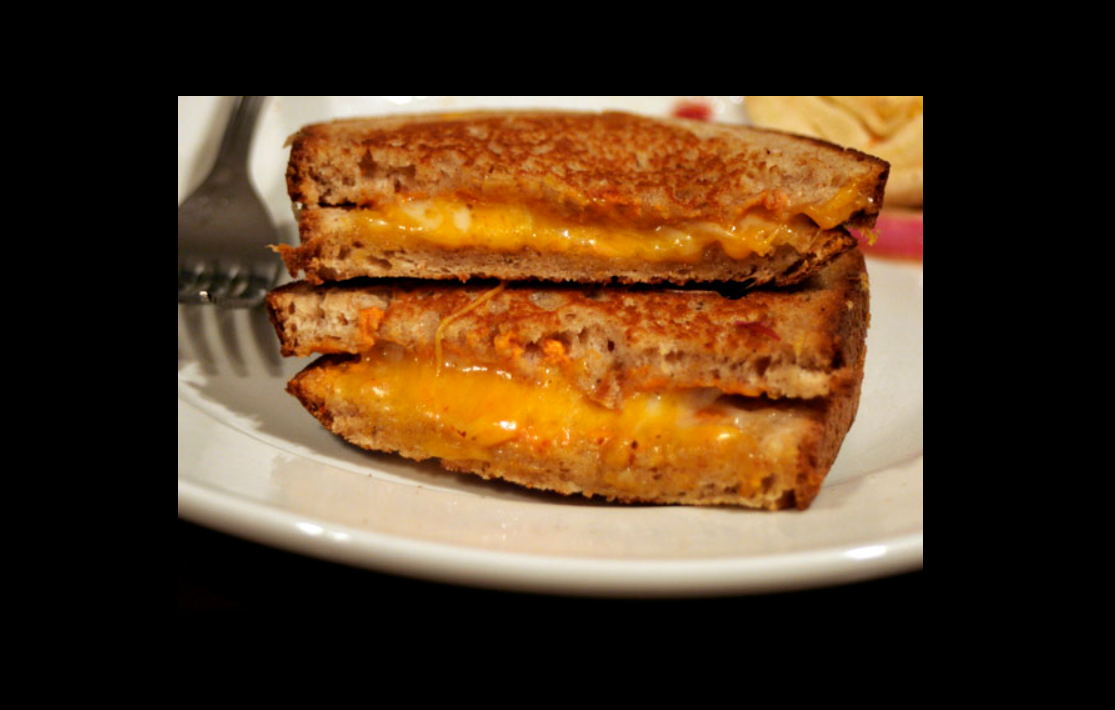
Grilled cheese sandwiches are beloved for their gooey cheese, crisp bread, and simplicity, making them a dependable choice for parents. However, parents often dislike how they crowd out more balanced meals by reinforcing preferences for carbohydrate-and-cheese combinations. Repeated requests discourage exposure to vegetables, alternative proteins, and diverse flavors. The dish is easy and reliable, ensuring children eat something familiar and satisfying. Parents frequently comply, prioritizing meal completion over strict nutritional standards, especially on busy or stressful days.
Instant Ramen
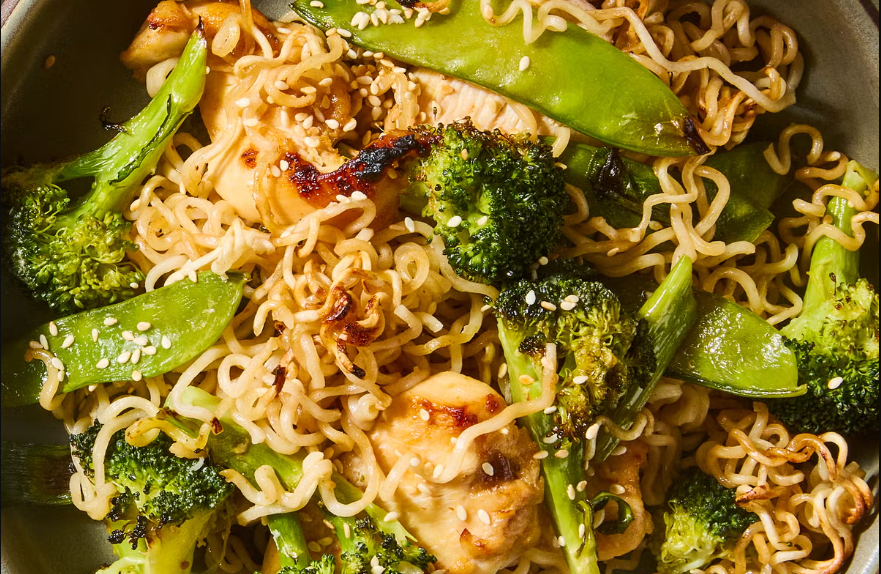
Instant ramen is prized by children for its salty broth, soft noodles, and highly seasoned flavor packets. Parents often dislike the extremely high sodium content, minimal protein, and lack of other nutrients. The concentrated seasoning encourages dependency on intensely flavored foods while discouraging exploration of milder tastes. Instant ramen is often consumed as a meal replacement rather than a supplement to balanced foods, limiting dietary variety. Parents tolerate it due to convenience, especially on busy days, often supplementing it with fruit or vegetables when possible.
Frozen Waffles and Pancakes
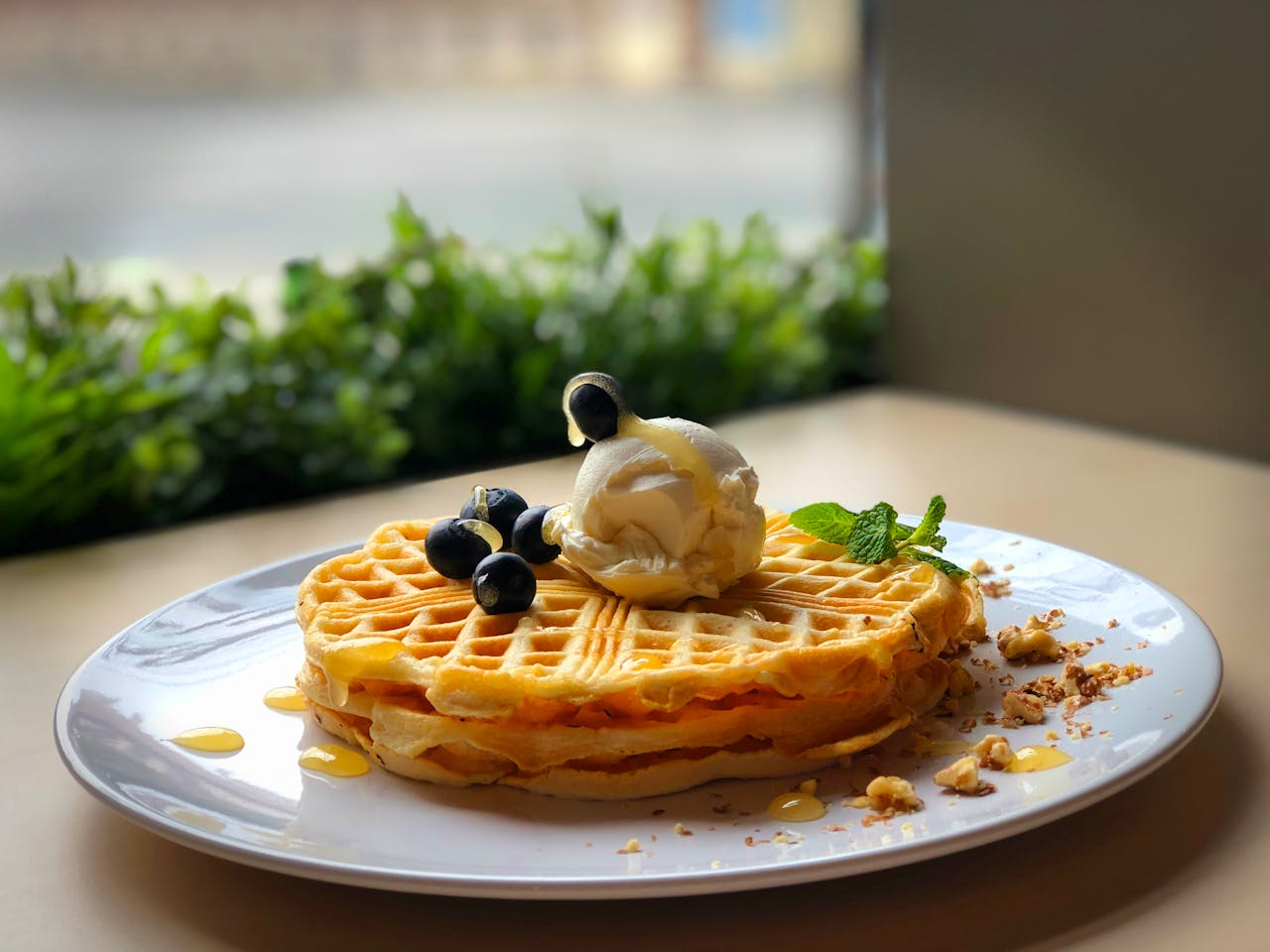
Frozen waffles and pancakes appeal to children because of their sweetness, playful shapes, and speed of preparation. Parents often worry about high sugar content, artificial coloring, and lack of fiber or protein. These breakfast items reinforce a preference for sweet foods over savory or balanced options. Additional syrup layers compound sugar intake, further influencing taste preferences. Convenience often outweighs nutritional concerns, especially on rushed mornings or during travel, leaving parents to navigate compromises daily.
Candy Yogurt Tubes
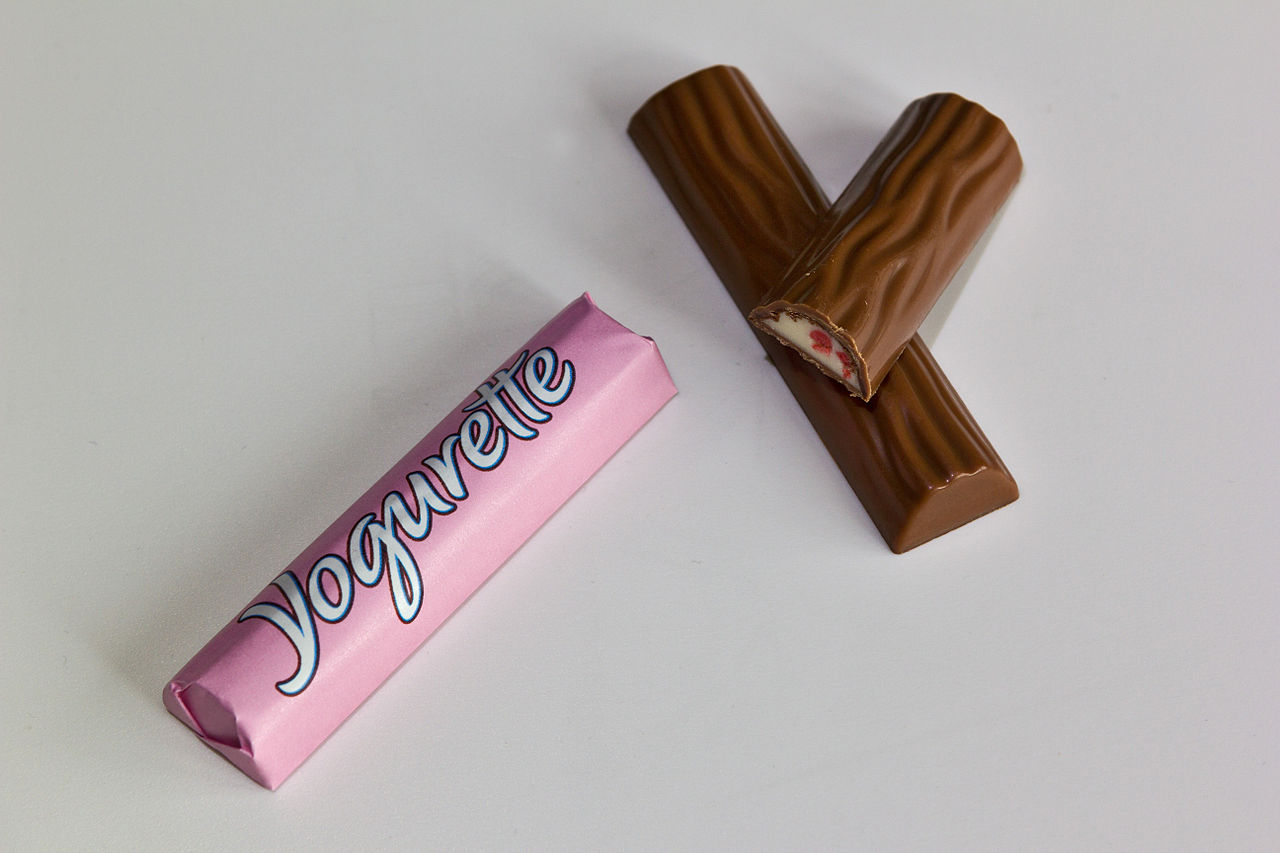
Flavored yogurt tubes are perceived by children as candy due to their sweetness, packaging, and novelty. Parents worry about misleading health claims, sugar content, and the minimal nutritional benefit beyond dairy. These products create expectations for dessert-like snacks throughout the day. Portion sizes are difficult to regulate, making moderation a challenge. Parents often allow yogurt tubes for practicality while attempting to teach children about balance and portion control. Offering them alongside fruit or whole grains can improve nutrition. Moderation ensures they remain a treat, not a daily habit.
Juice Boxes
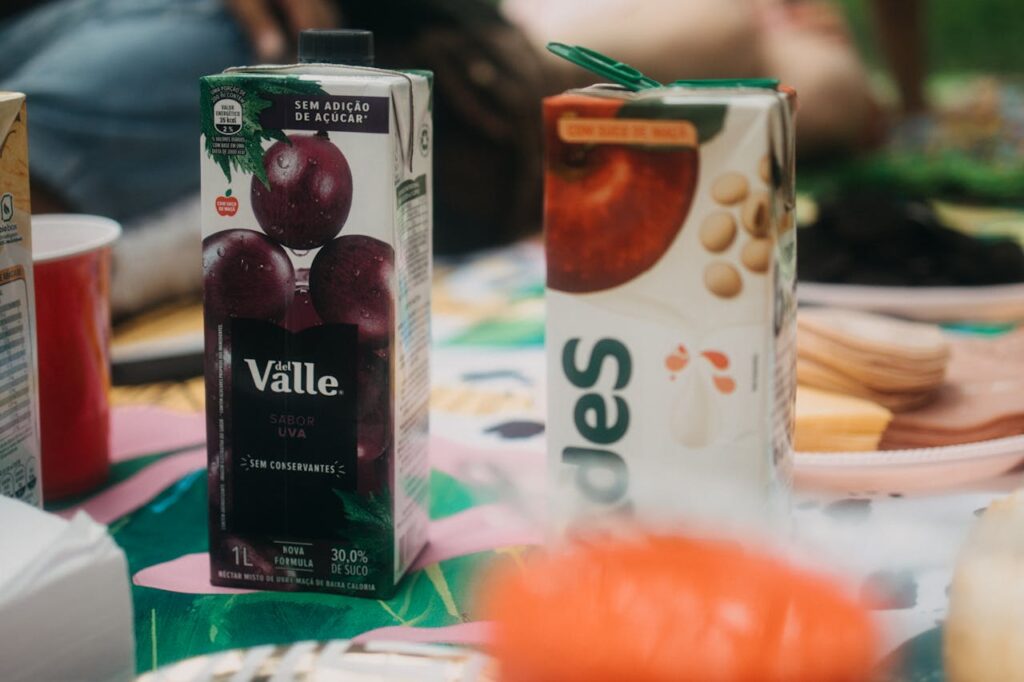
Juice boxes are portable, colorful, and highly sweet, making them irresistible to children. Parents are concerned about excessive sugar, replacement of water, and minimal fiber content. Marketing emphasizes fruit-based health benefits, which can mislead both children and adults. Peer pressure and social norms in schools or parties often compel parents to allow them. They are typically tolerated for convenience and social harmony, even when parents know they are less healthy than water or whole fruit.
Cheese Crackers
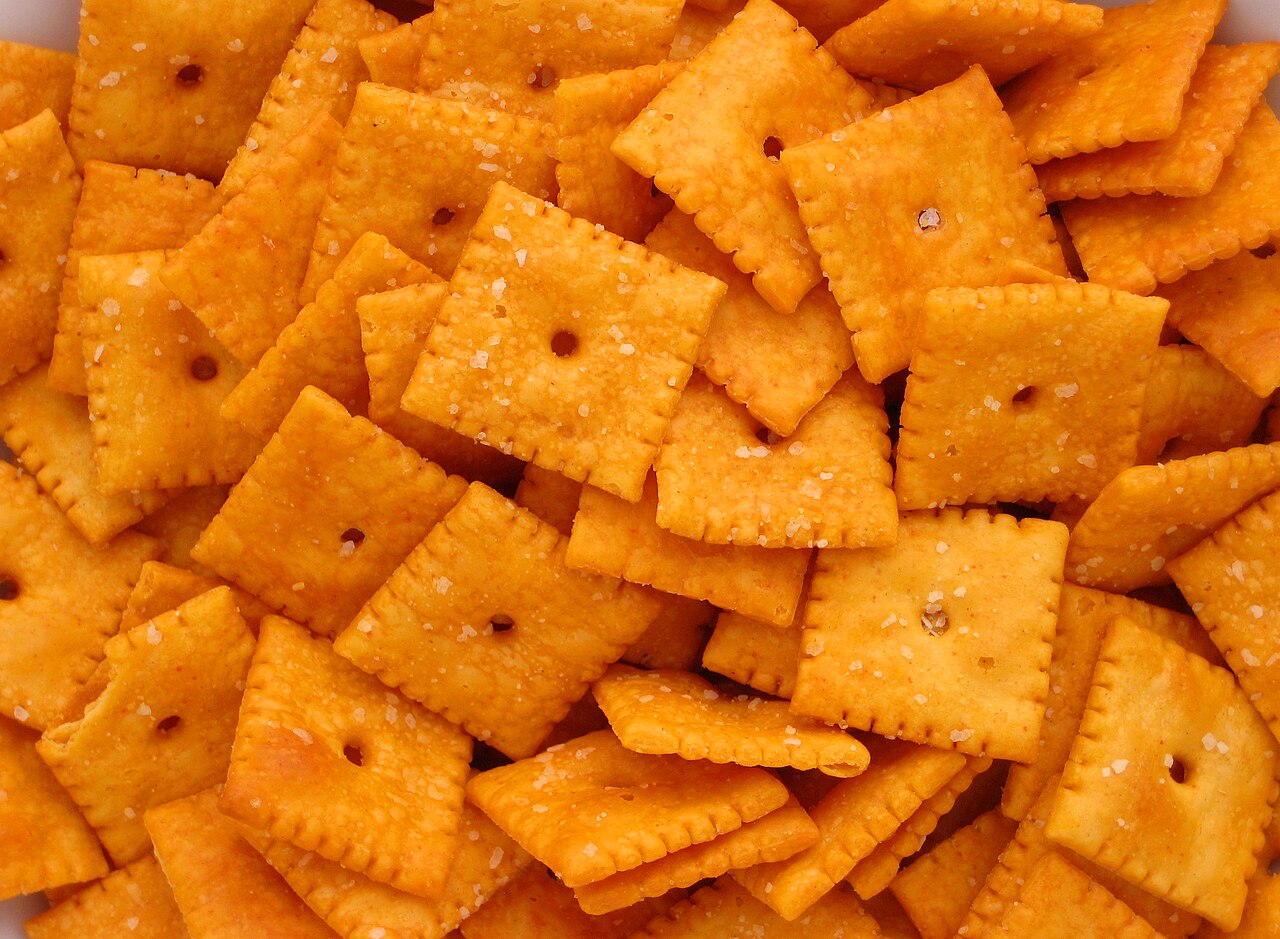
Cheese-flavored crackers are crunchy, salty, and easy for children to snack on, making them highly appealing. Parents dislike their low nutritional value, artificial flavors, and minimal protein or fiber. These snacks often replace fruits, vegetables, or whole-food alternatives in children’s diets. Portion sizes can escalate quickly, particularly during play or travel. Parents tolerate cheese crackers for practicality and convenience, recognizing that compliance often outweighs nutritional concerns.
Corn Dogs

Corn dogs combine sweet breading with processed meat, creating novelty and convenience for children. Parents view them as unbalanced, deep-fried foods that are often associated with fairs or events. Their appeal is reinforced by emotional associations, making limitations difficult. Frequent consumption can normalize fried foods as everyday treats. Parents typically serve corn dogs occasionally, balancing novelty, convenience, and child satisfaction against nutritional concerns. These foods also influence children’s expectations for quick, fun meals. Limiting frequency helps parents maintain healthier eating habits overall.
Sugary Snack Cakes
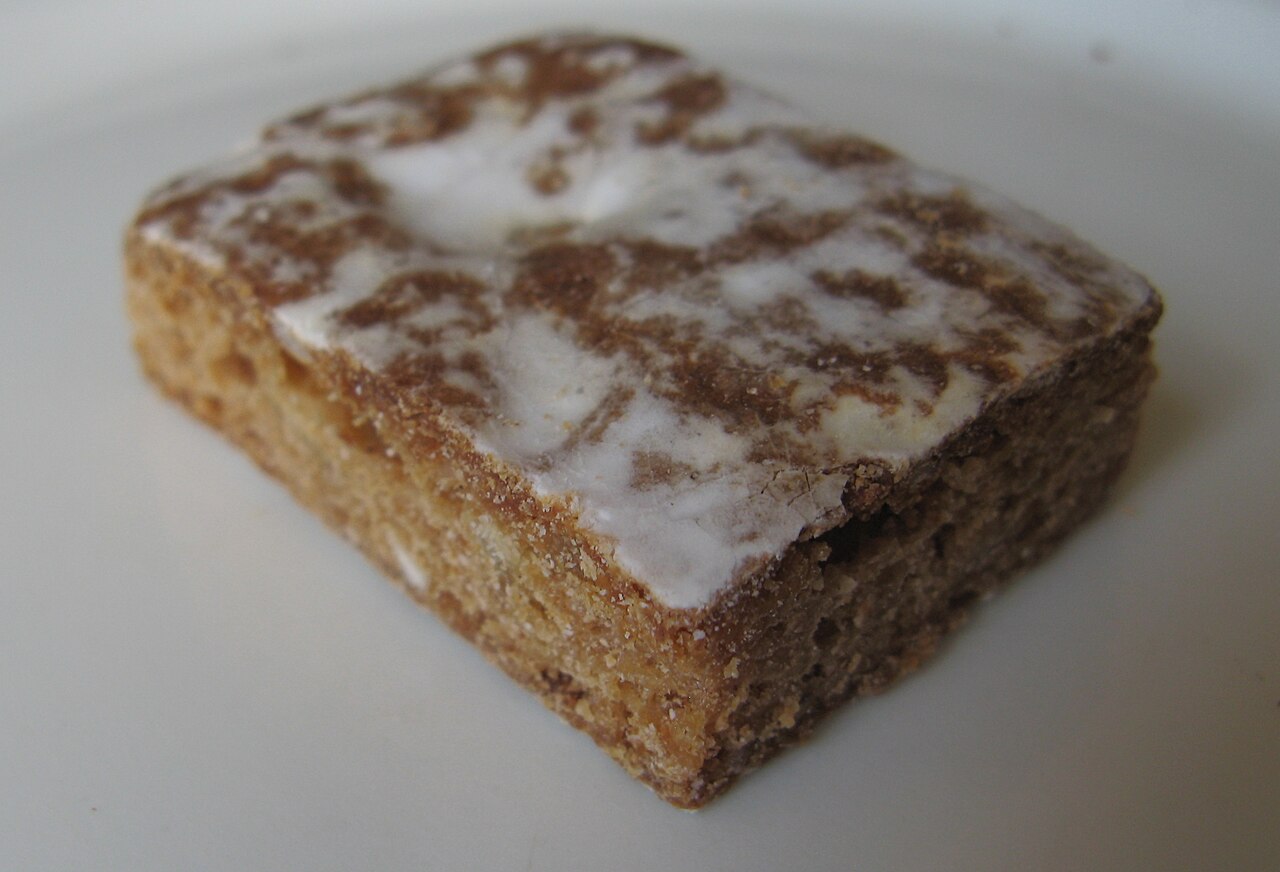
Snack cakes are soft, sweet, and individually packaged, which enhances their appeal to children. Parents often dislike preservatives, sugar spikes, and minimal nutrients. Snack cakes encourage expectations of daily dessert access and rapid energy highs. They rarely provide satiety, prompting additional snacking and reinforcing sweet preferences. Parents limit their consumption but tolerate them occasionally, prioritizing convenience and child satisfaction. Marketing and fun packaging make them hard to resist. Moderation helps maintain balance while still allowing treats.
Pop-Tarts
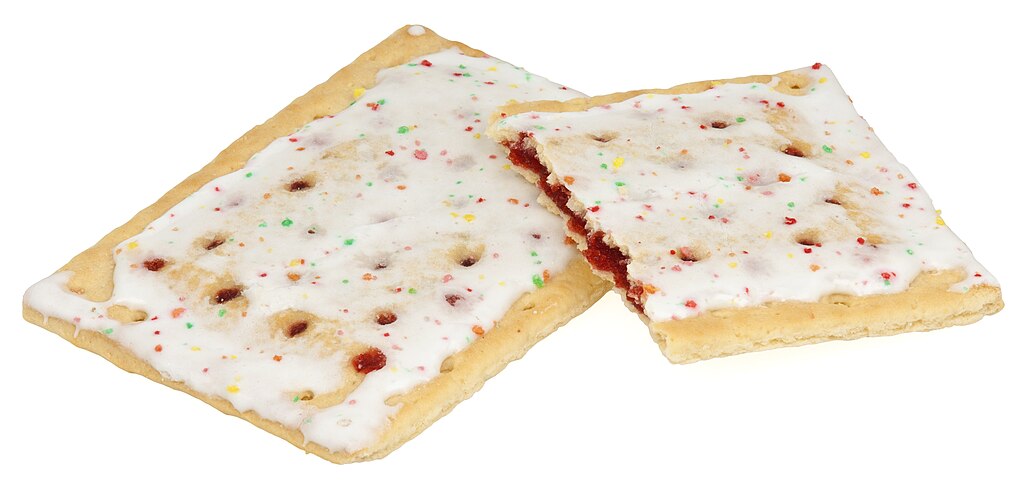
Pop-Tarts are popular due to their sweetness, fun designs, and portability, appealing as both a breakfast and snack. Parents are concerned about sugar content, low fiber, and habit formation around sweet, processed foods. They often replace more balanced options during busy mornings or travel. Pop-Tarts encourage rushed eating habits rather than mindful consumption. Parents allow them reluctantly, balancing convenience and taste appeal with nutrition concerns. Pairing them with fruit or protein can help balance the meal. Moderation ensures they remain a treat rather than a daily staple.
Gummy Snacks
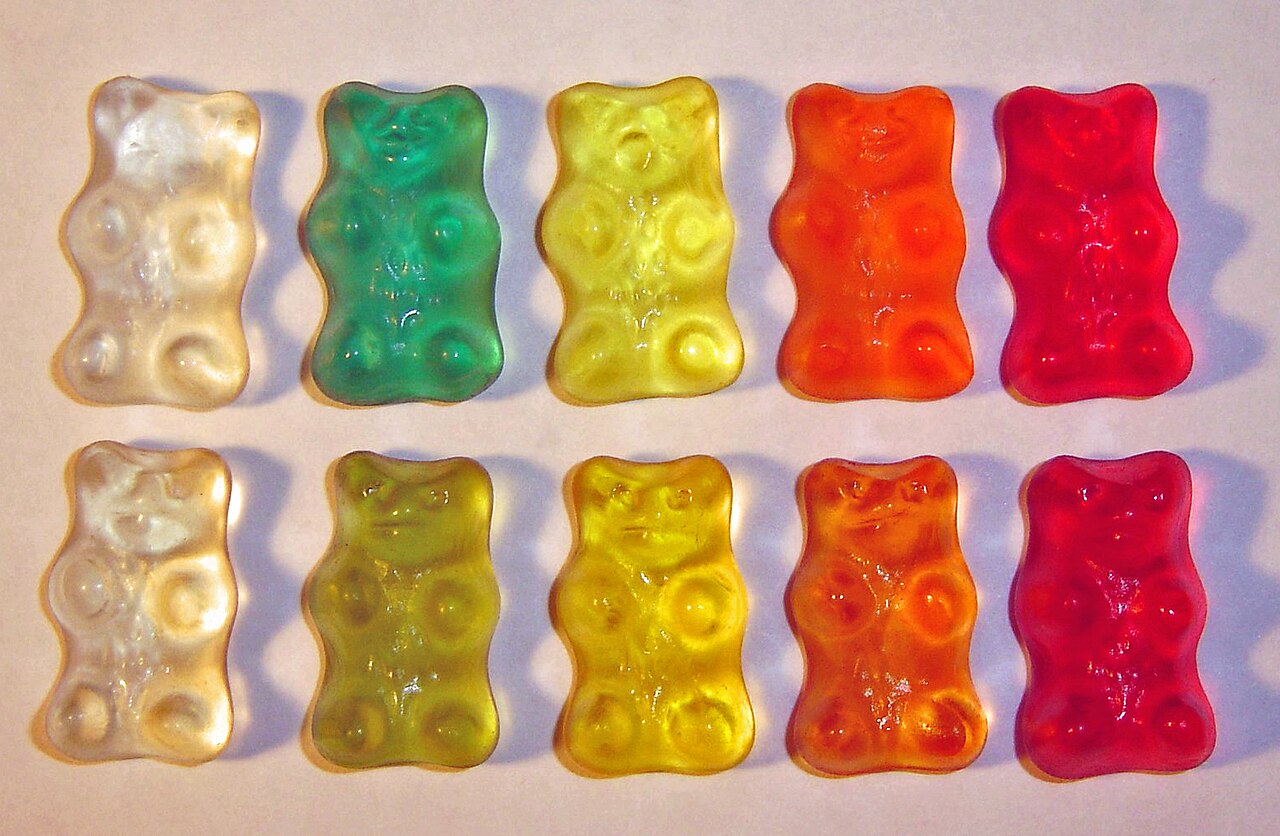
Gummies are marketed as fruit snacks but functionally resemble candy due to high sugar content. Parents worry about misleading health claims, sticky dental issues, and reinforcement of sugar cravings throughout the day. Portion control is difficult, making moderation challenging. Gummy snacks often replace whole-food alternatives in children’s diets. Parents typically allow them occasionally, balancing convenience and compliance with ongoing education about moderation. The colorful packaging and novelty increase children’s desire for them. Occasional use with protein or fruit can help reduce nutritional impact.
Sloppy Joes
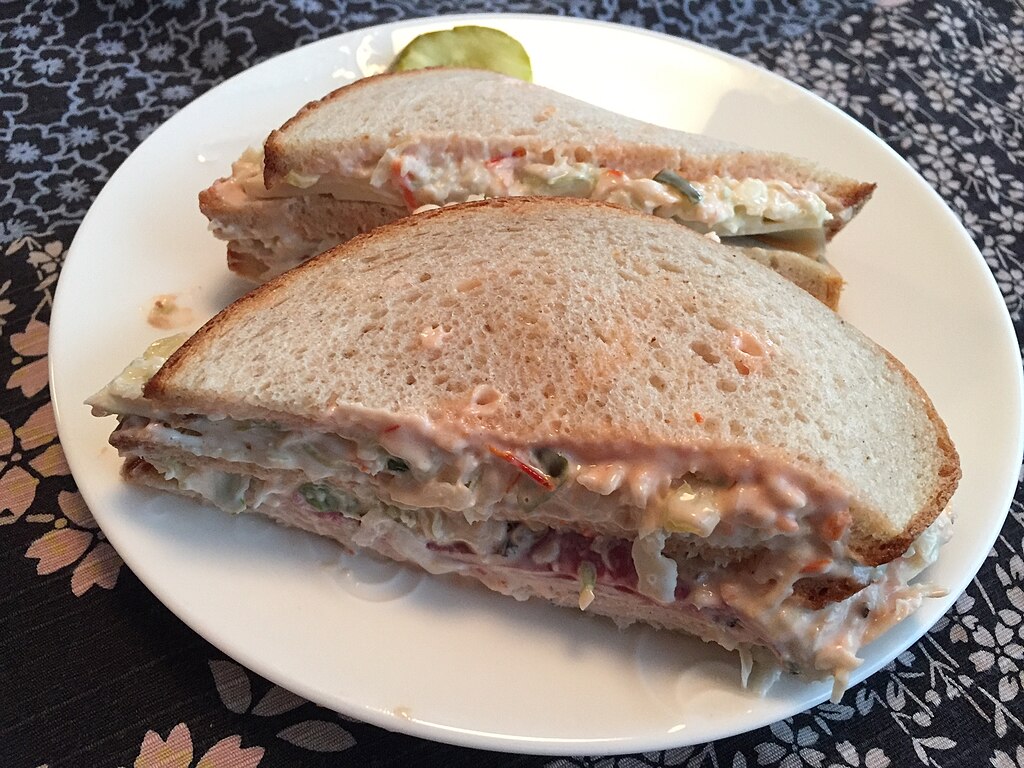
Sloppy Joes attract children due to sweetness, gooey texture, and novelty. Parents dislike sugar-heavy sauces, minimal vegetable content, and messy preparation. The dish encourages sloppy eating habits while reinforcing soft, sweet food preferences. Nutritional balance is secondary to novelty and enjoyment. Parents serve Sloppy Joes occasionally, accepting compromises for convenience and child satisfaction. Serving with whole-grain buns or adding vegetables can improve nutrition slightly. Moderation helps children enjoy them without forming unhealthy habits.
Chocolate Milk
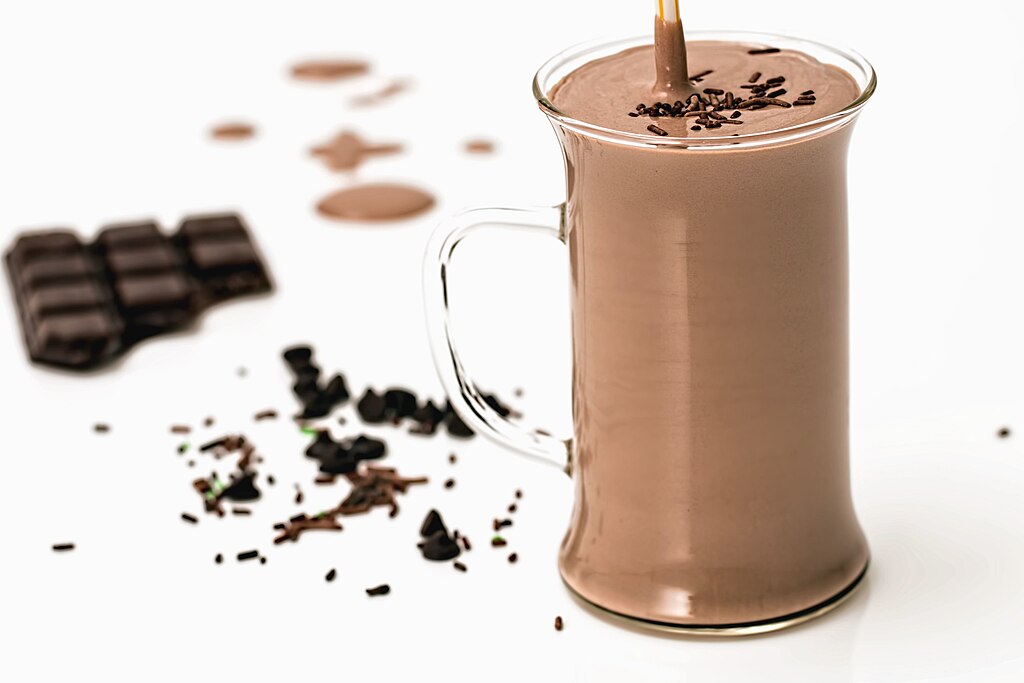
Chocolate milk masks plain milk with added sugar, increasing its appeal to children. Parents worry about sugar intake, replacement of water, and formation of sweet beverage habits. Despite these concerns, chocolate milk ensures calcium intake and provides a source of vitamin D. Regular consumption may reinforce preference for flavored drinks over plain water. Parents compromise to maintain nutritional compliance while keeping children happy. Occasional servings can satisfy taste preferences without major dietary disruption. Pairing it with water or fruit helps balance overall hydration and nutrition.
Nachos
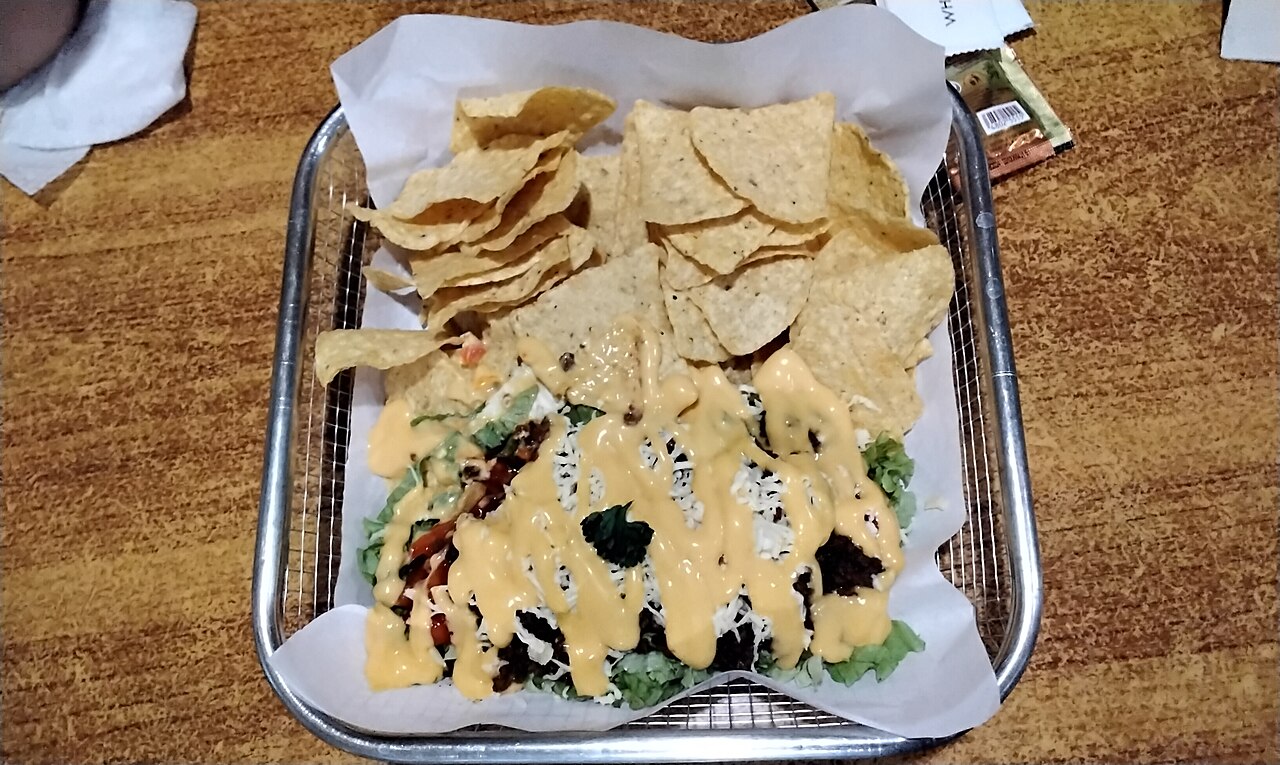
Nachos combine cheese, chips, and salt, creating highly appealing flavors for children. Parents dislike high fat content, minimal nutrients, and portion escalation. This snack encourages mindless eating and reinforces fried, salty preferences. Nachos are typically reserved for parties or special occasions rather than everyday meals. Parents permit them for social enjoyment while emphasizing healthier options at other times. Adding vegetables or lean protein can make them slightly more balanced. Moderation ensures they remain a treat rather than a regular indulgence.
Frozen Pizza Rolls
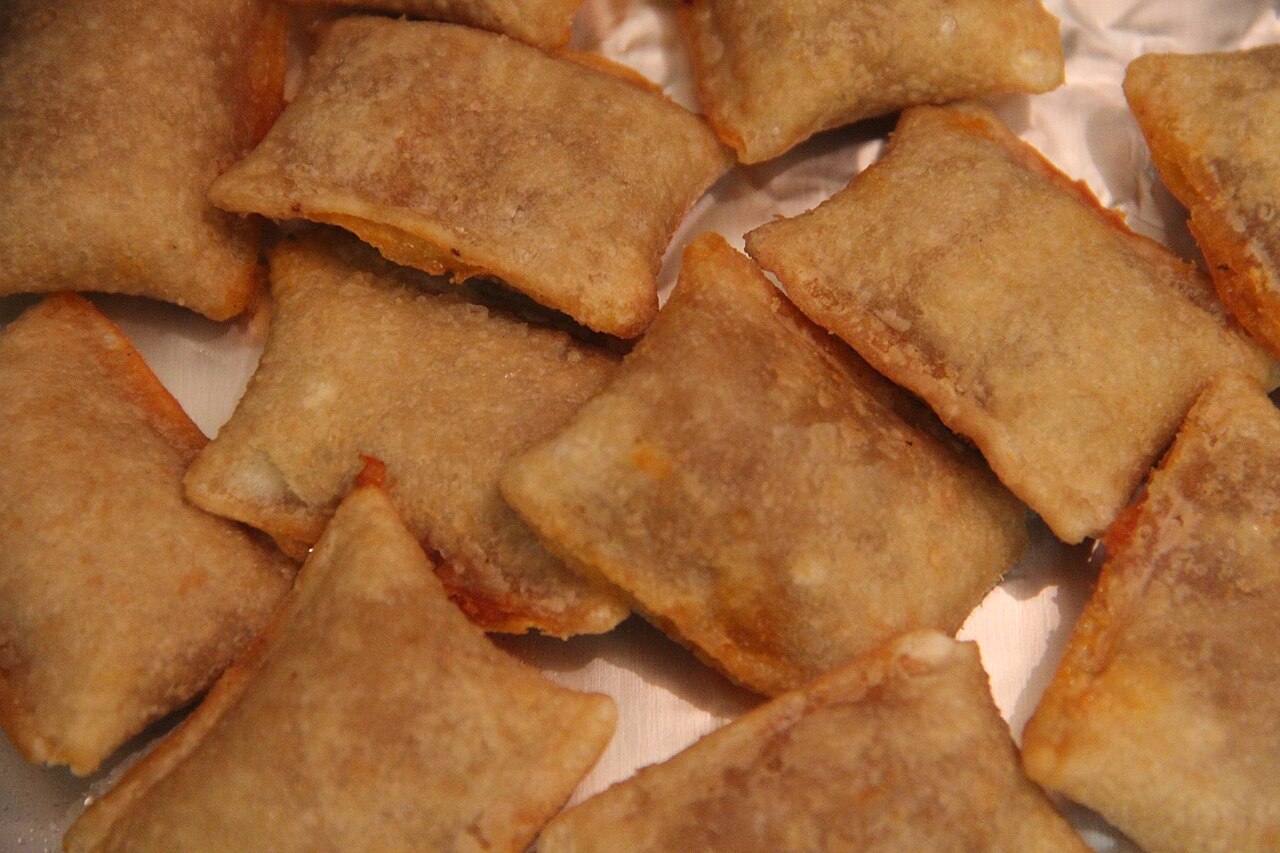
Pizza rolls are bite-sized, flavorful, and easy for children to eat, making them highly convenient. Parents dislike ultra-processed ingredients, lack of nutrients, and potential burn hazards. Frequent consumption normalizes snacking over structured meals. Pizza rolls reinforce a preference for processed convenience foods while offering minimal exposure to vegetables or whole grains. Parents allow them as occasional treats, balancing novelty, convenience, and child satisfaction. Pairing them with fresh vegetables or fruit can help improve nutrition. Moderation ensures they remain a fun snack without dominating the diet.