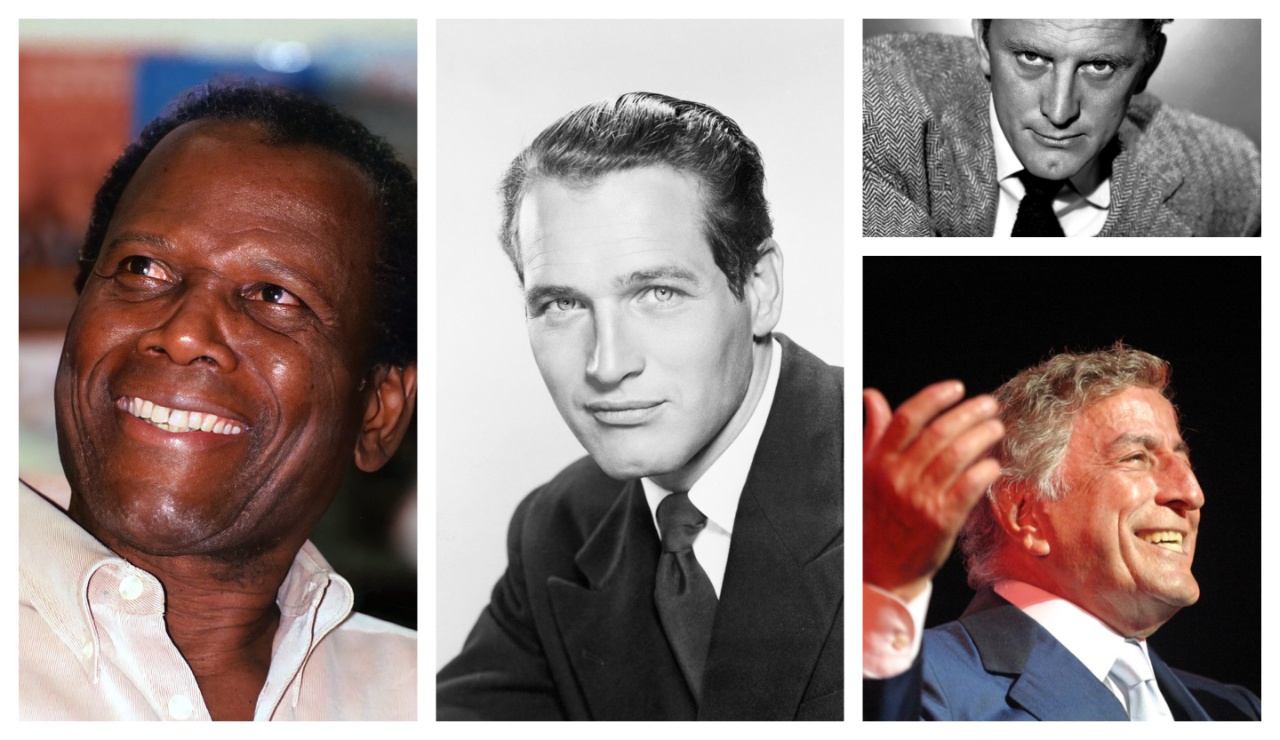
Many of Hollywood’s biggest names had a life before fame that might surprise you: military service. Long before the spotlight, these stars served their country with honor—some even seeing combat or working in demanding roles. Their stories remind us that before the red carpets and flashing cameras, many celebrities wore a different kind of uniform. From classic film legends to iconic television personalities, here are 20 famous names who once served in the military—some you may have never guessed.
Jimmy Stewart
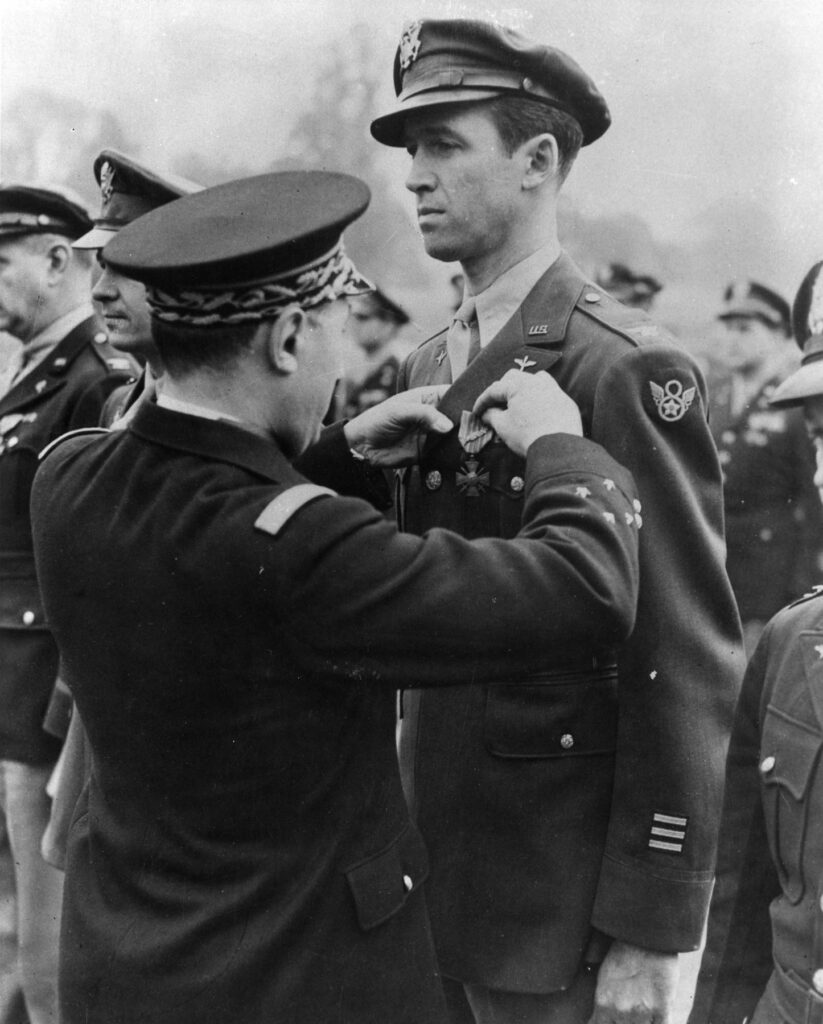
Before captivating audiences on the silver screen, Jimmy Stewart served as a bomber pilot during World War II. He became one of the few actors to see actual combat, flying over 20 missions. Stewart eventually rose to the rank of Brigadier General in the U.S. Air Force Reserve. His military service added a sense of realism and integrity to the roles he later portrayed.
Elvis Presley
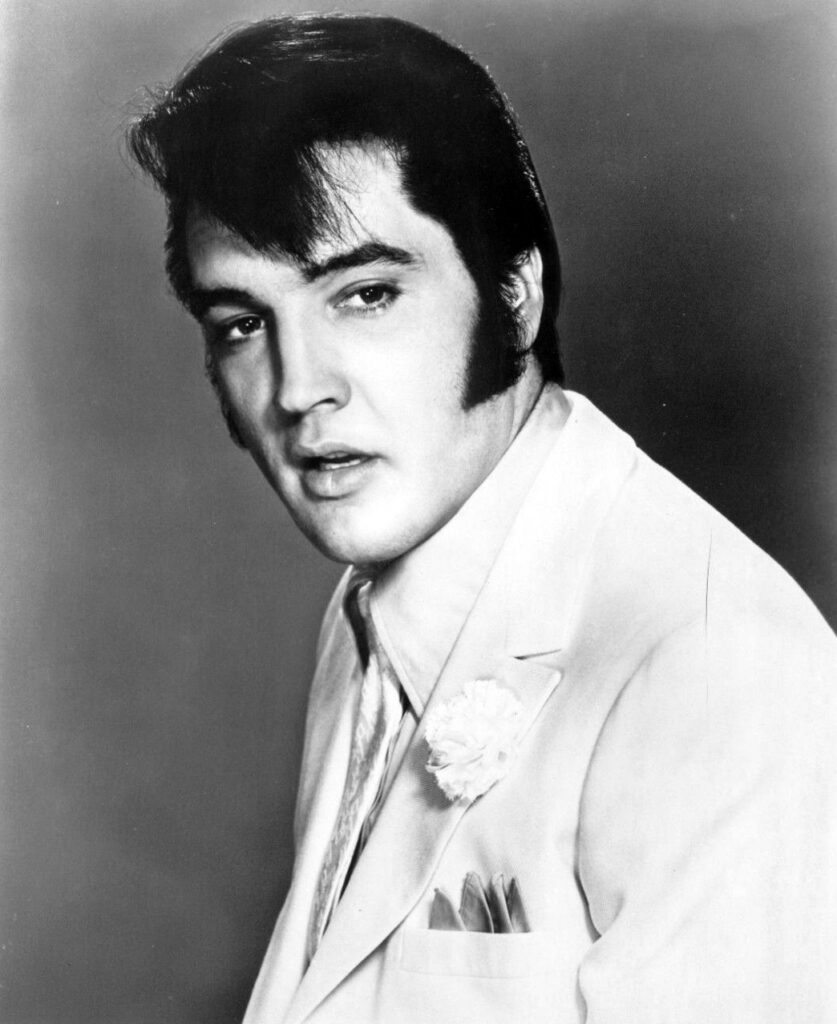
The King of Rock and Roll temporarily paused his music career to serve in the U.S. Army. Drafted in 1958, Elvis served in Germany and proved that even global superstars weren’t exempt from duty. Fans worldwide respected his decision to serve without special treatment. His time in the Army played a role in shaping his image as a disciplined and grounded entertainer.
Bea Arthur
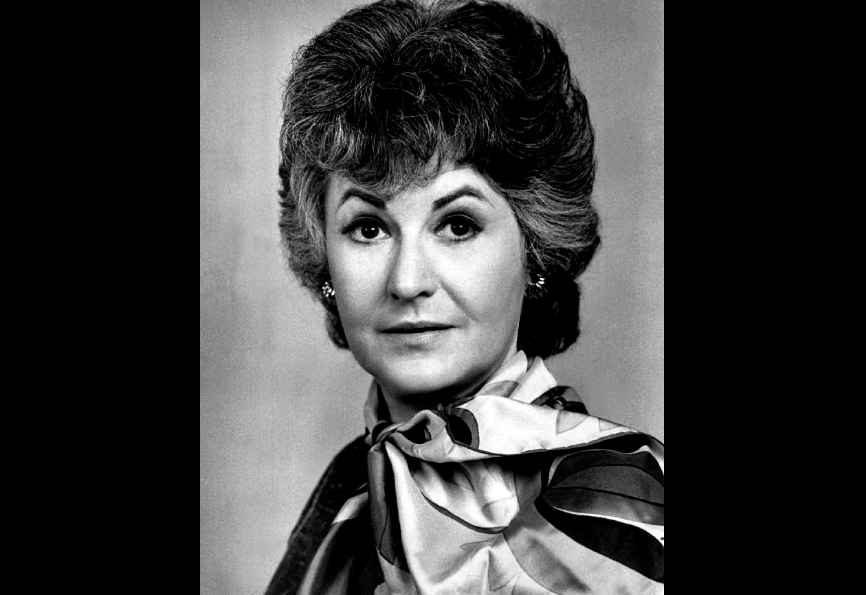
Before becoming a household name in “The Golden Girls,” Bea Arthur served in the Marine Corps during World War II. She worked as a truck driver and typist, roles essential to logistics and communication. Her tough, no-nonsense persona on screen echoed the confidence and strength likely built during her service. Arthur’s time in the military was largely unknown until years later.
Morgan Freeman
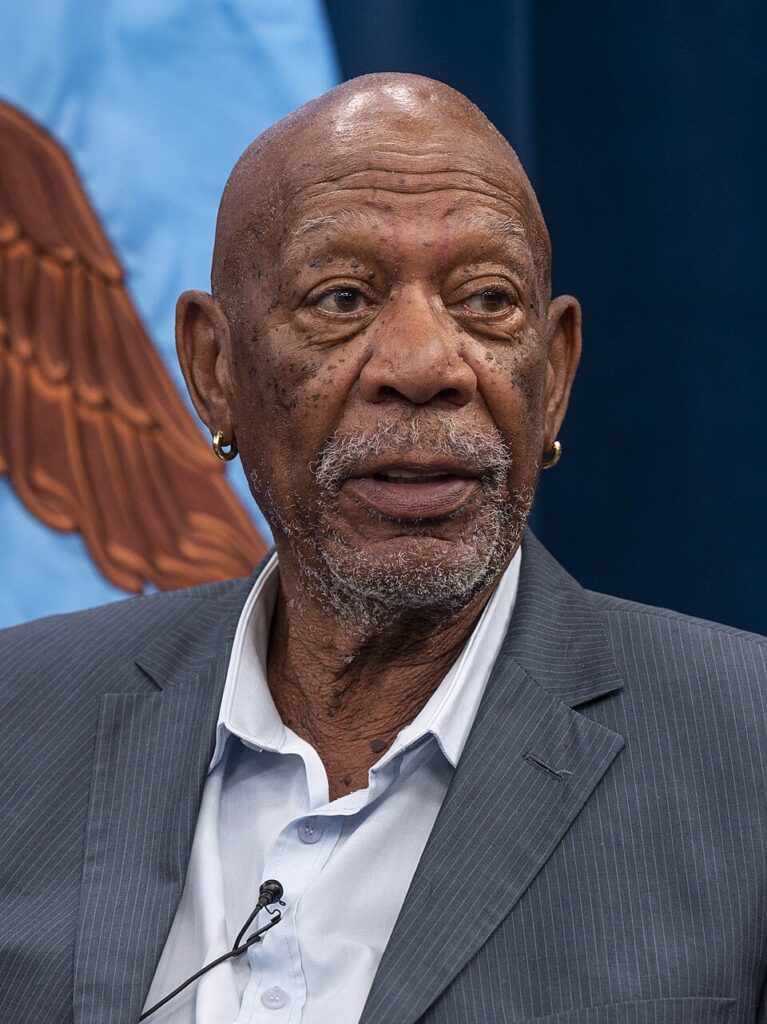
Morgan Freeman turned down a drama scholarship to enlist in the U.S. Air Force. He served as a radar technician, maintaining aircraft used in crucial missions. Though he later realized his passion for acting, Freeman’s disciplined background shaped his commanding voice and presence. His service showed an early commitment to something greater than himself.
Clint Eastwood
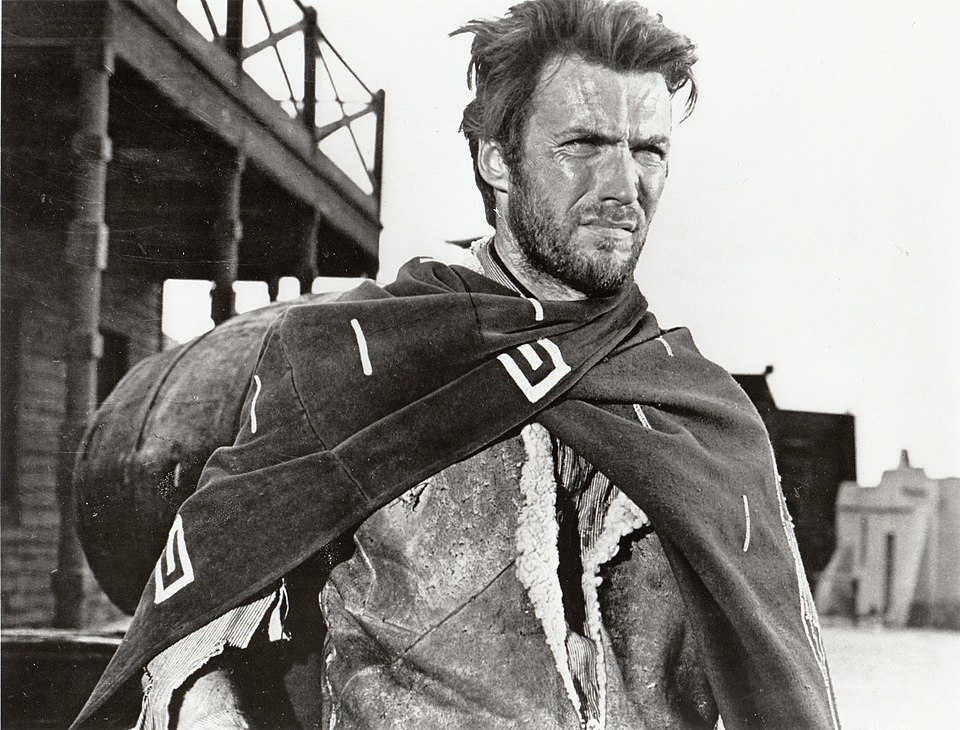
Drafted into the Army during the Korean War, Clint Eastwood served as a lifeguard at Fort Ord in California. Though he never saw combat, a plane he was on once crashed into the ocean, and he swam to safety. That harrowing experience shaped his resilience and stoic demeanor. Eastwood’s military background aligns with the rugged characters he later portrayed.
Mel Brooks
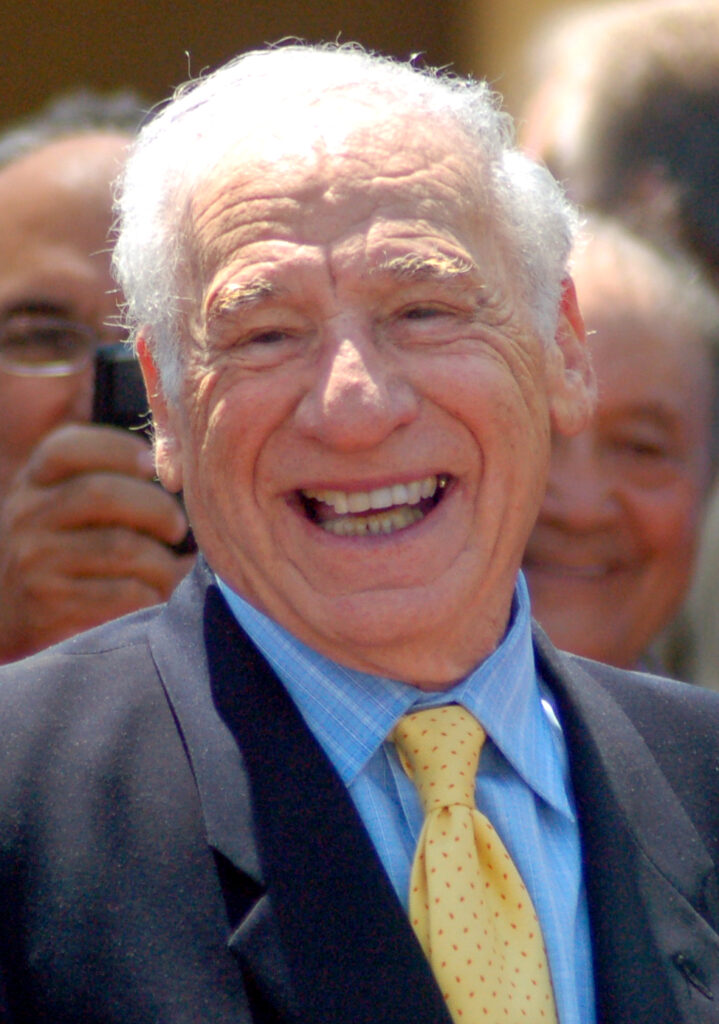
Known for his comedic genius, Mel Brooks served in the U.S. Army as a combat engineer during World War II. He defused landmines and participated in the Battle of the Bulge. Brooks later used humor to cope with trauma, transforming battlefield experiences into legendary satire. His military past contrasts his lighthearted film legacy.
Paul Newman
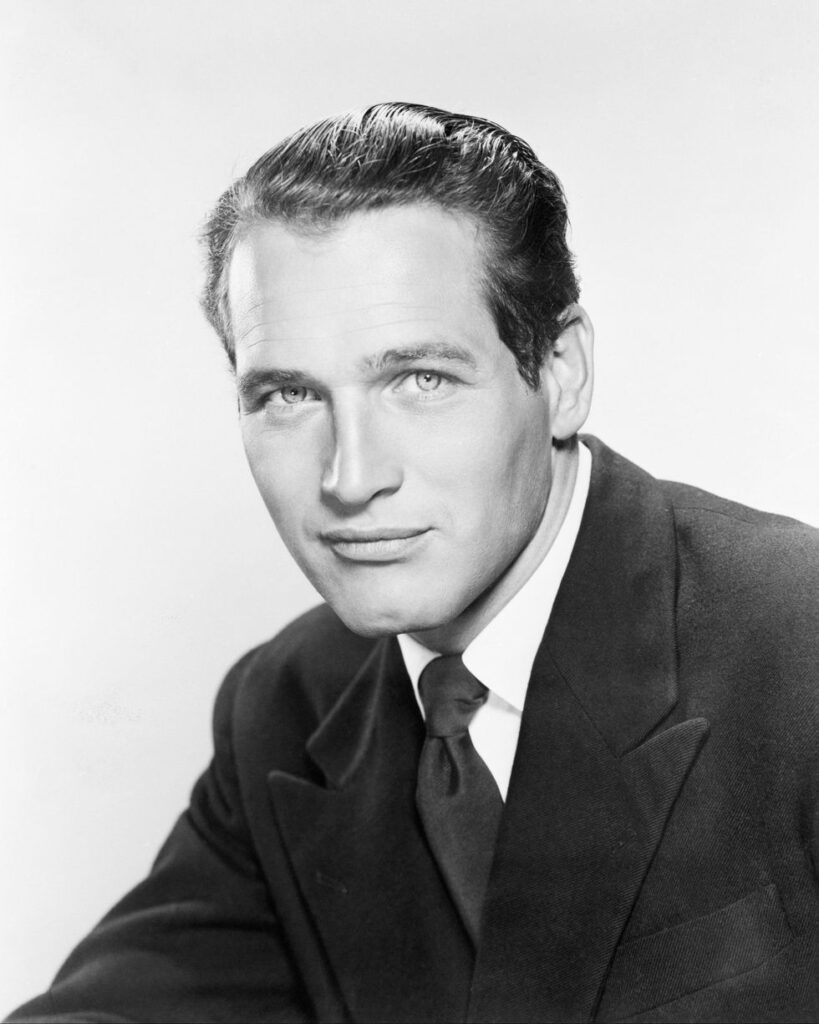
Before becoming a Hollywood heartthrob, Paul Newman served as a Navy radioman during World War II. He was part of the crew on torpedo bombers and narrowly missed serving on a ship later destroyed in battle. Newman’s time in the Navy instilled humility and gave him a deep sense of responsibility. His post-war life was marked by philanthropy and advocacy.
Charles Bronson
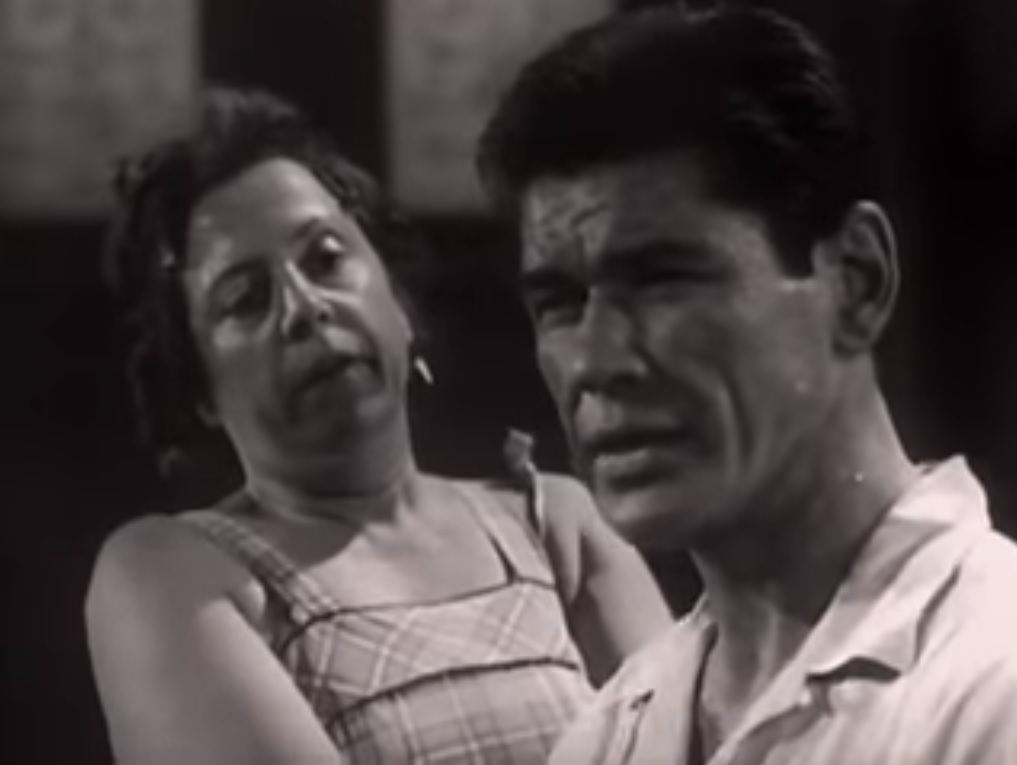
Before becoming an action icon, Charles Bronson served as a tail gunner in World War II. He flew 25 combat missions and earned a Purple Heart for wounds sustained in battle. Bronson’s gritty, steely persona was no act—his wartime experience shaped his screen presence. His transition from war hero to film star remains one of the most remarkable.
James Earl Jones
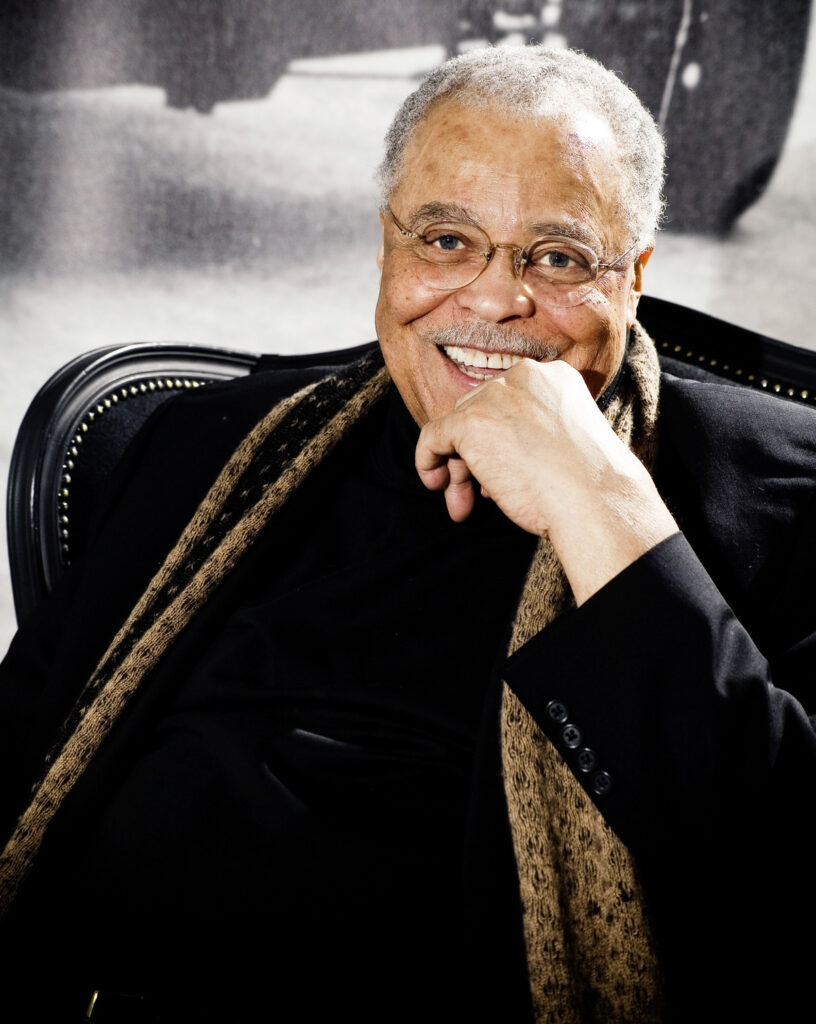
James Earl Jones joined the ROTC and later served in the U.S. Army during the Korean War. While he didn’t see active combat, his military service provided him the structure and confidence needed to pursue acting. Jones credits the Army with helping him overcome a stutter. His powerful voice would later command the roles of Darth Vader and Mufasa.
Ice-T
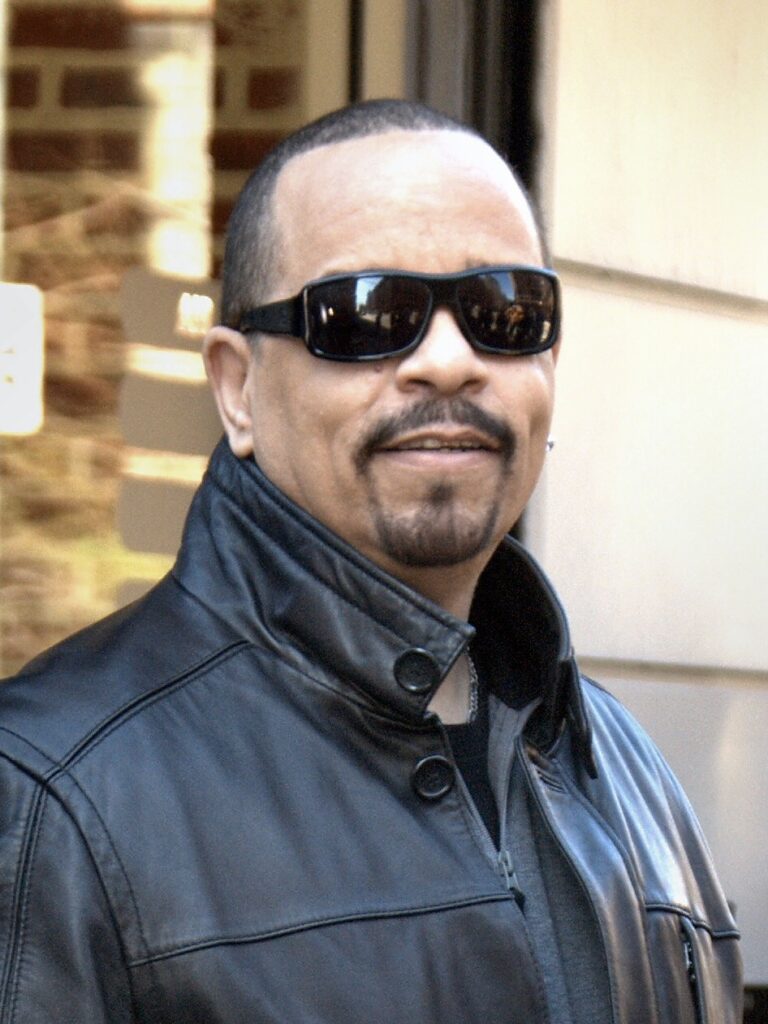
Before becoming a rapper and TV star, Ice-T served in the U.S. Army for four years. He joined to support his daughter and gain structure after a turbulent youth. His military experience influenced his early music and his disciplined work ethic. Ice-T often credits the Army for saving his life.
Kirk Douglas
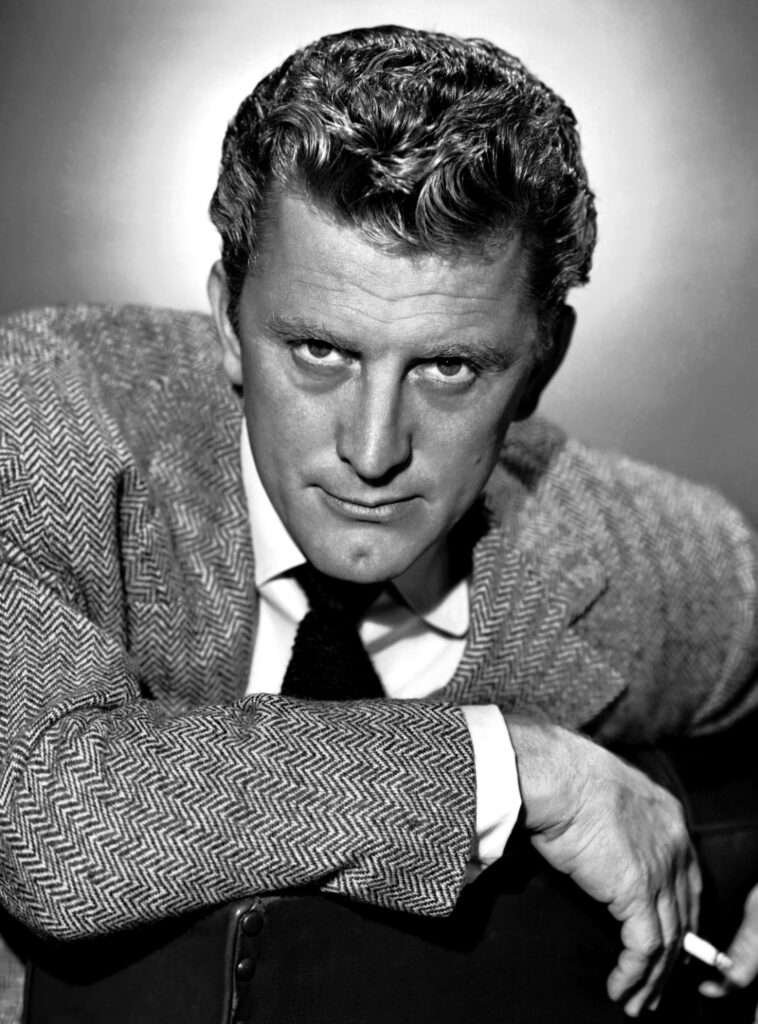
The father of actor Michael Douglas, Kirk Douglas served in the U.S. Navy during World War II. He was medically discharged after an injury, but his service remained a defining part of his character. Douglas’s military past gave him a sense of justice and moral responsibility seen in many of his roles. He remained a vocal supporter of veterans throughout his life.
Tony Bennett
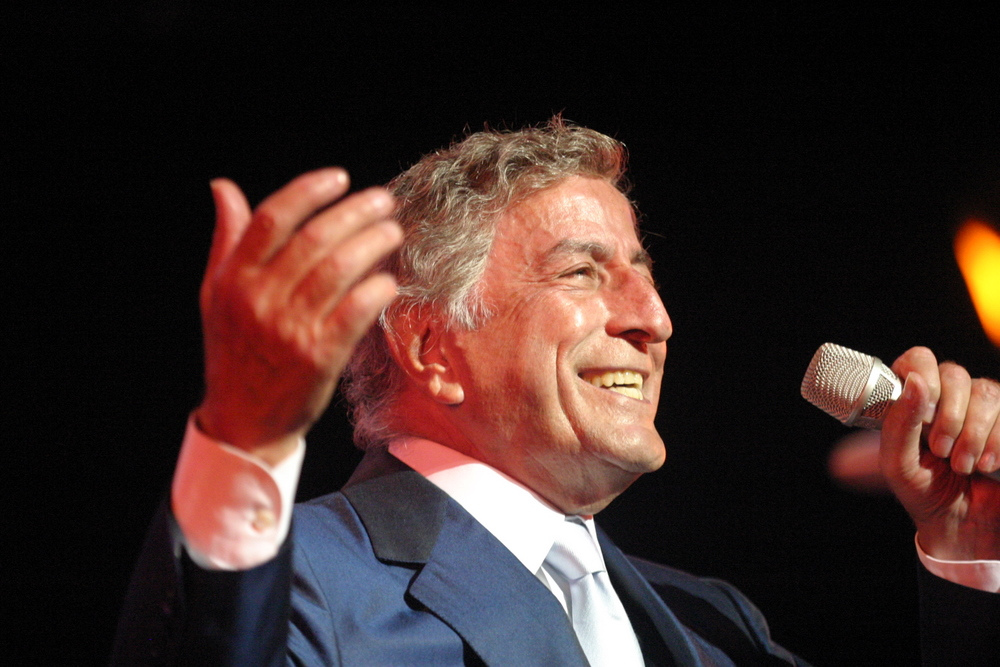
The legendary crooner served in the U.S. Army during World War II and fought in Germany near the end of the conflict. Witnessing the horrors of war had a profound impact on him, fueling his later activism. His deep compassion and emotional singing style reflected his experiences. Bennett remained proud of his service throughout his career.
Sidney Poitier
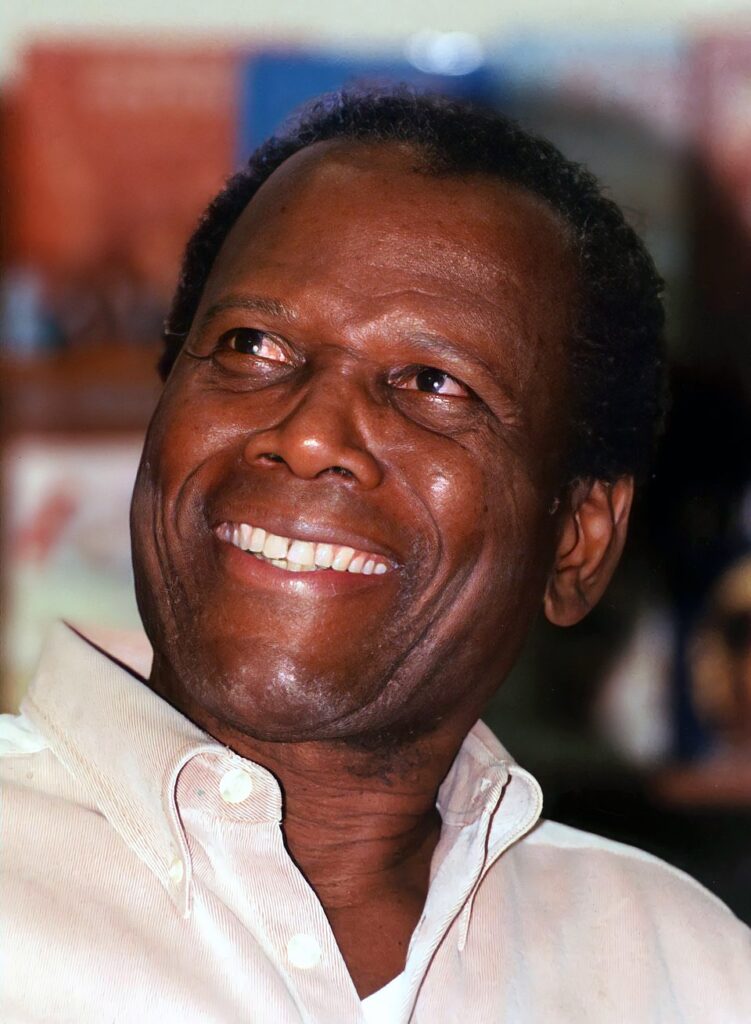
Before breaking racial barriers in Hollywood, Sidney Poitier served briefly in the Army. He lied about his age to enlist but soon realized it wasn’t for him. Nevertheless, the experience gave him clarity and a strong sense of purpose. Poitier went on to become a civil rights icon and acting legend.
Dennis Franz
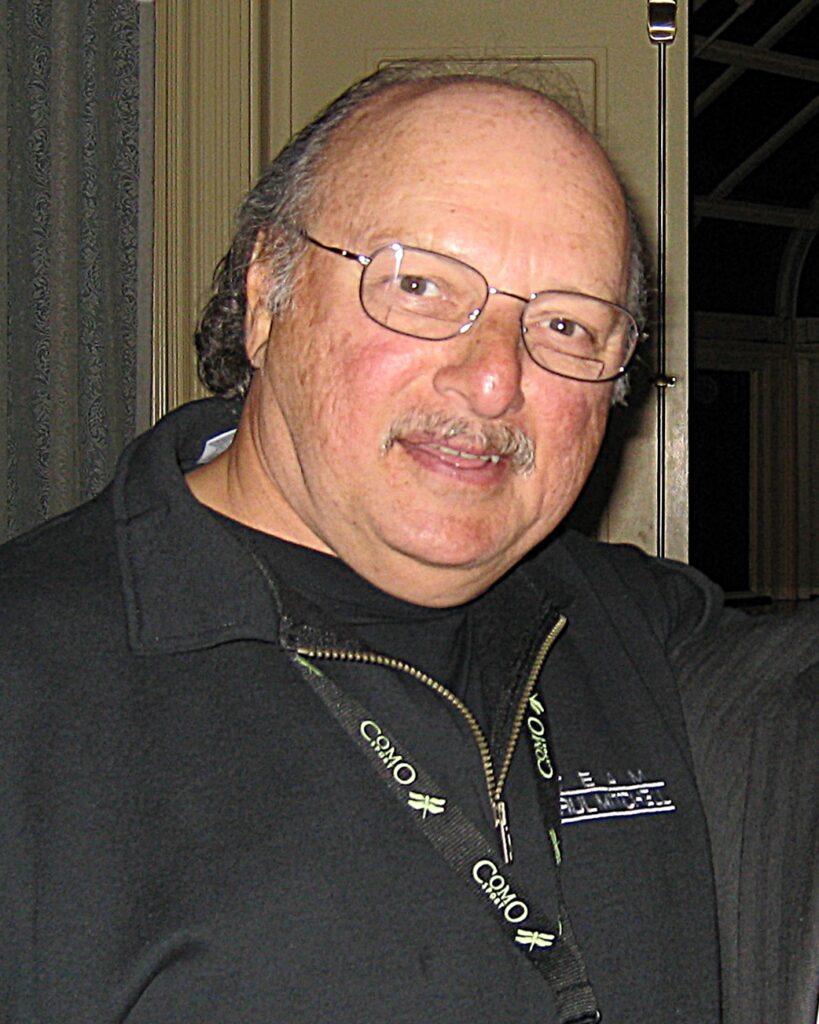
Best known for his role in “NYPD Blue,” Dennis Franz served in the U.S. Army and fought in Vietnam. His combat experience brought emotional depth to the police characters he often portrayed. Franz has spoken openly about the impact of war on his worldview. His service shaped the gritty realism of his acting.
Gene Wilder
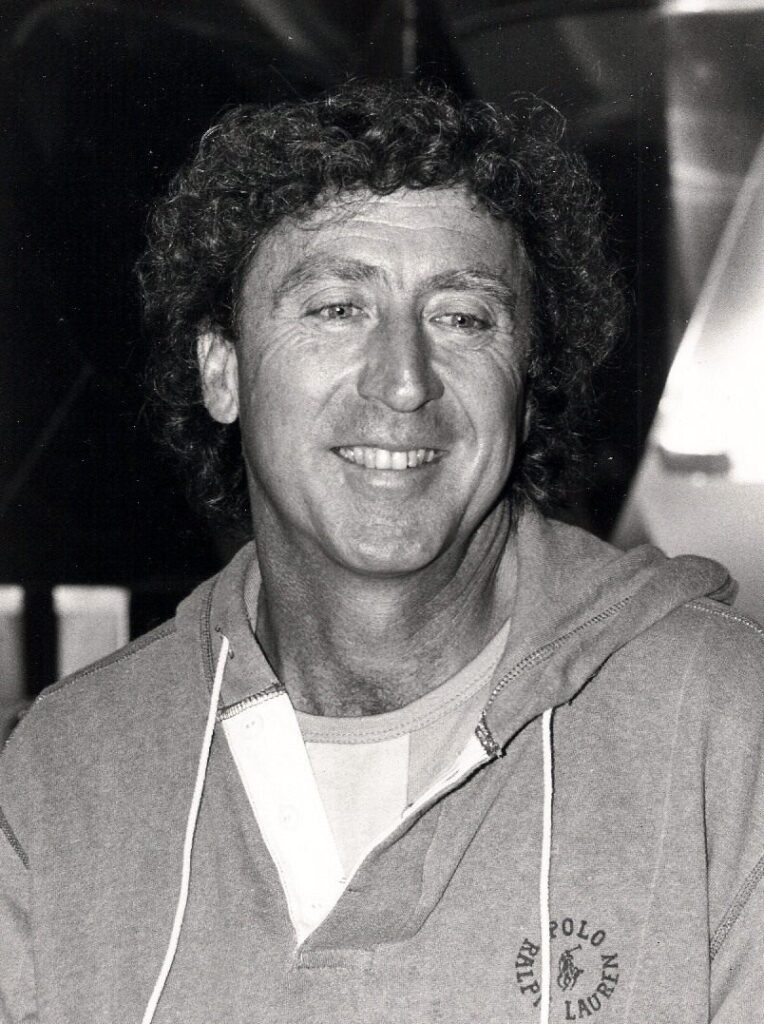
Though he didn’t see combat, Gene Wilder served in the U.S. Army as a paramedic. His role helped him understand the fragility of life and instilled empathy. These traits shone through in his emotionally nuanced performances. Wilder’s military service, while brief, was a key chapter in his development.
Jimi Hendrix
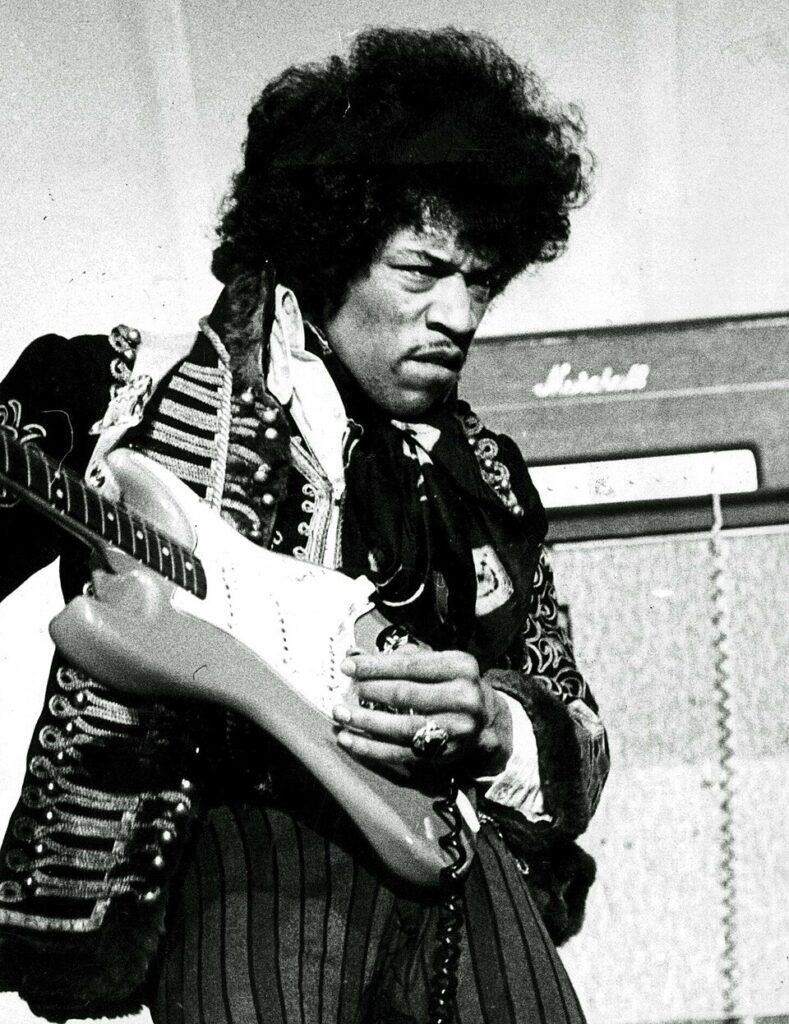
Before redefining rock music, Jimi Hendrix served in the 101st Airborne Division. Though his military career was short and turbulent, it influenced his stage presence and lyrical themes. Hendrix’s guitar skills even earned attention during downtime in the barracks. His service added another layer to his complex personality.
Bob Ross
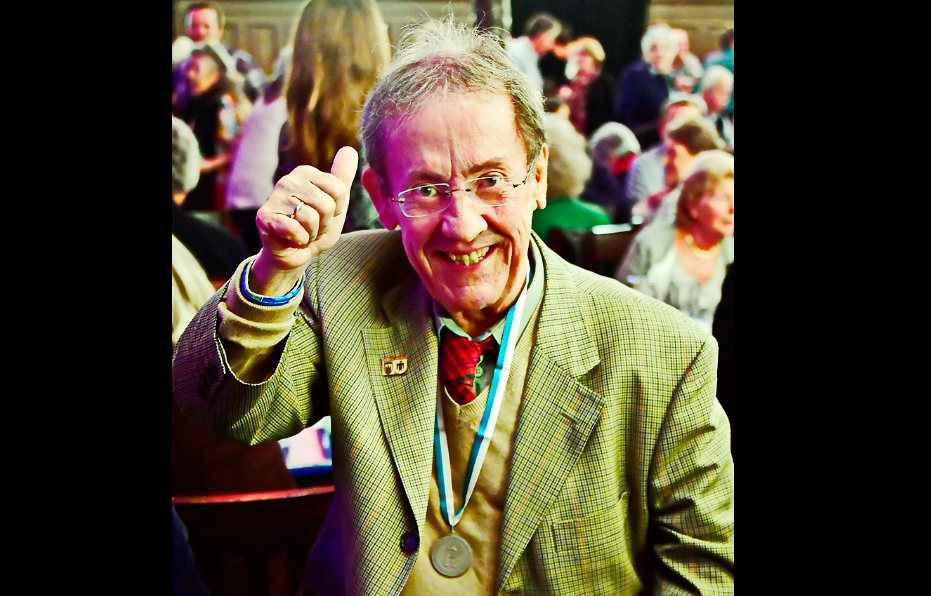
Beloved painter Bob Ross served 20 years in the U.S. Air Force and retired as a Master Sergeant. His calm demeanor was a deliberate contrast to the strictness of military life. Ross later vowed never to raise his voice again, creating his iconic soft-spoken style. His art and persona were born from a desire for peace after years of discipline.
Chuck Norris
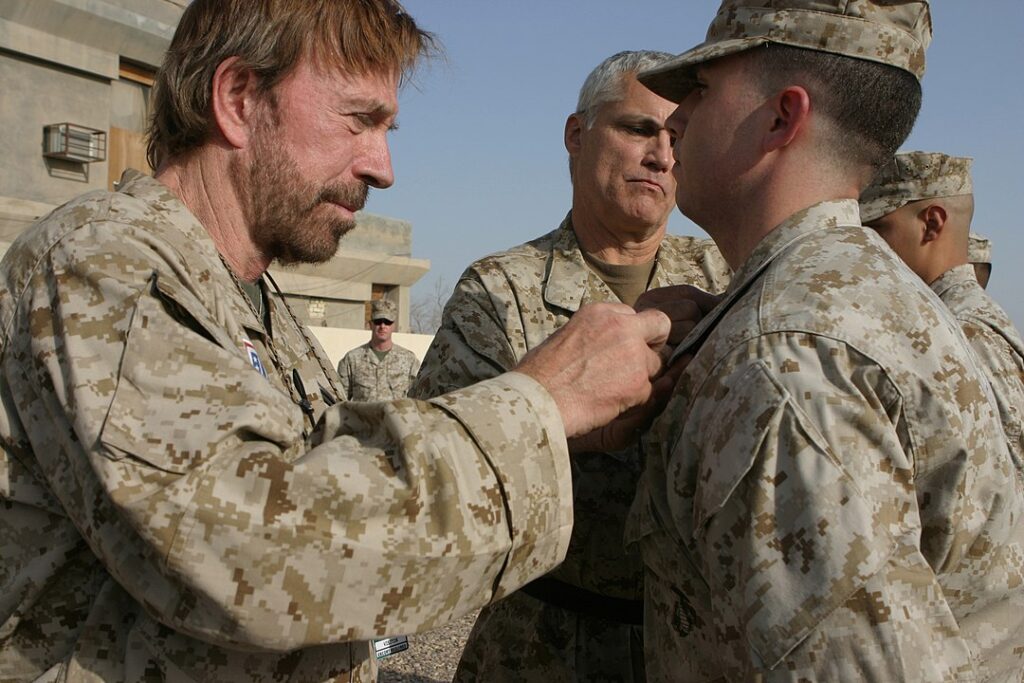
Martial arts legend Chuck Norris served in the U.S. Air Force as an Air Policeman in South Korea. It was there he discovered his passion for martial arts, setting the foundation for his future career. Norris often incorporated themes of justice and service into his movies. His military background remains a proud part of his identity.
Johnny Cash
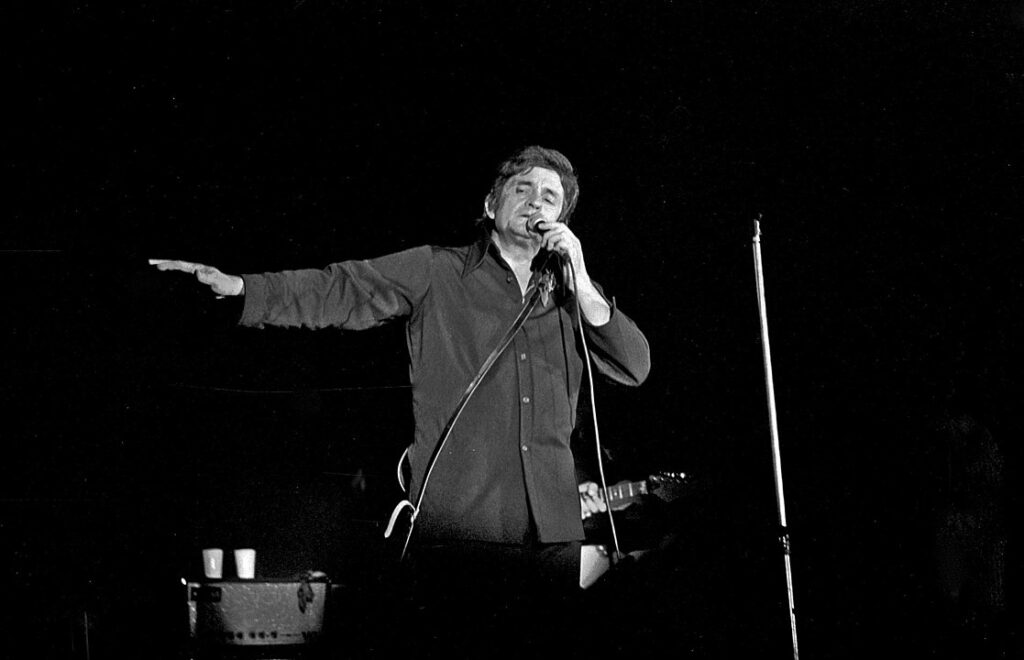
Before he became a country music icon, Johnny Cash served in the U.S. Air Force. He worked as a Morse code operator and was among the first Americans to learn of Stalin’s death. His experiences abroad helped shape his poetic songwriting style. Cash’s time in uniform added depth to his outlaw image.
Kris Kristofferson
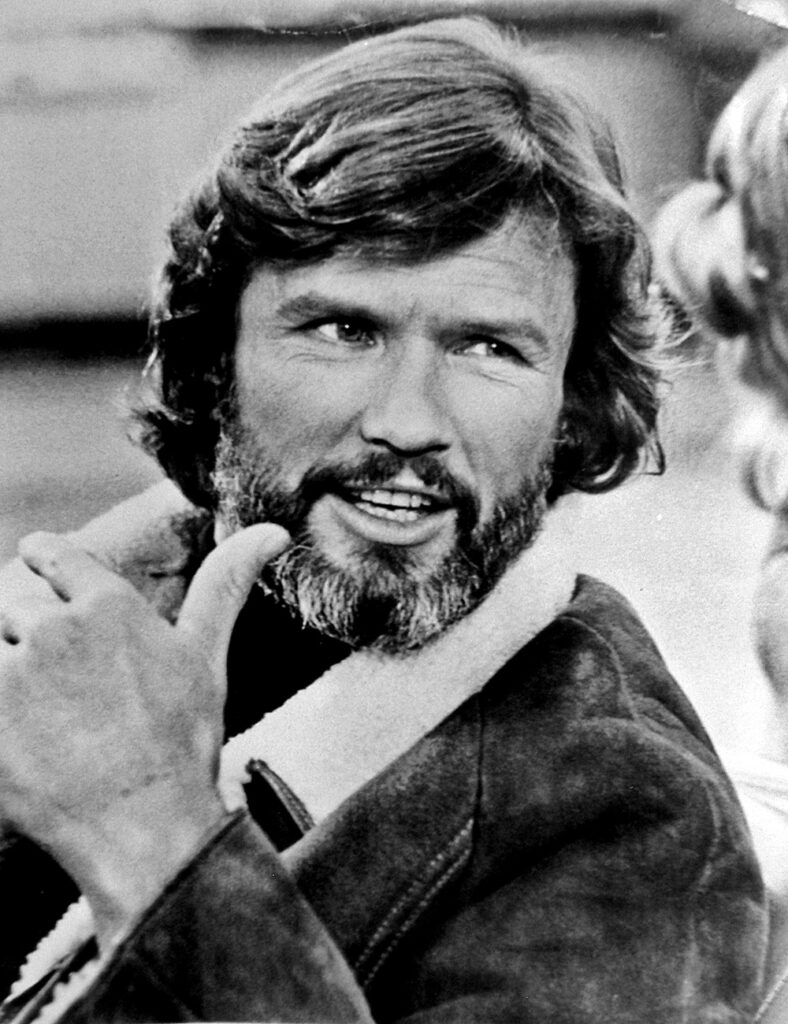
Kris Kristofferson was a Rhodes Scholar and Army helicopter pilot before becoming a country singer and actor. He turned down a teaching position at West Point to pursue music, a decision that shocked his military family. Kristofferson’s discipline and intellect were products of his Army training. His songs often reflect themes of duty and inner conflict.