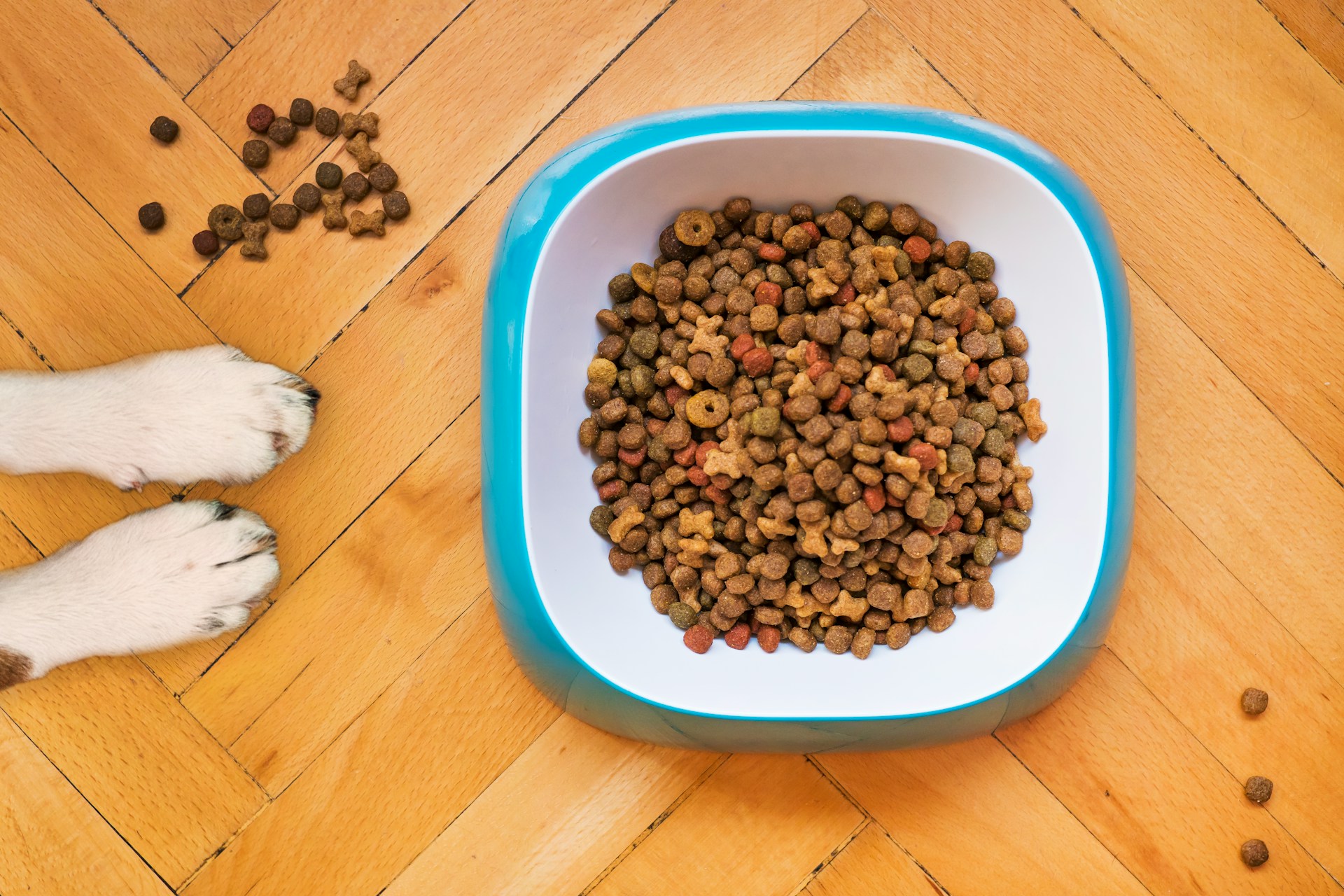
Across the country, familiar comforts once taken for granted have slowly drifted into luxury territory. Inflation, shifting supply chains and lifestyle changes have transformed everyday conveniences into small indulgences that now require second thought. What used to feel routine now carries a price tag that surprises families trying to maintain normal habits. These comforts still exist, but accessing them has become a careful choice rather than a casual grab. The shift reveals how deeply the cost of living has reshaped daily routines, turning ordinary pleasures into rare treats for many Americans.
Morning Coffee Runs
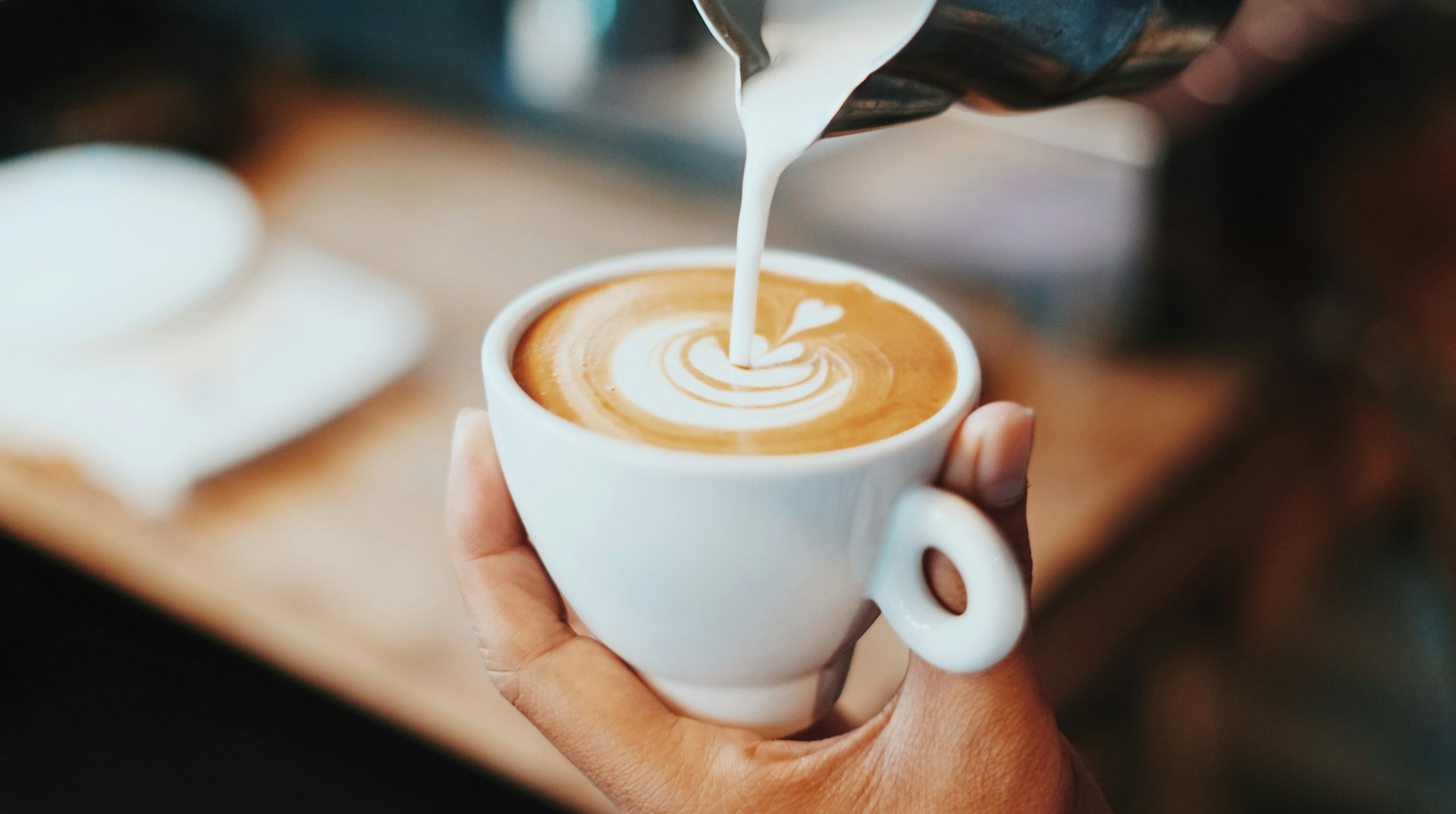
Daily coffee runs were once a harmless ritual, but rising bean costs, labor expenses and specialty drink trends now make a simple cup feel extravagant. Many Americans notice that their favorite orders inch upward each year, turning a small morning comfort into a budget consideration. Grabbing a latte on the way to work used to be an easy habit, but now shoppers weigh prices against home brewing. Coffee shops still offer warmth, routine and community, yet the growing cost makes this once ordinary pleasure feel like a luxury reserved for special days or needed boosts.
Fast Food Meals
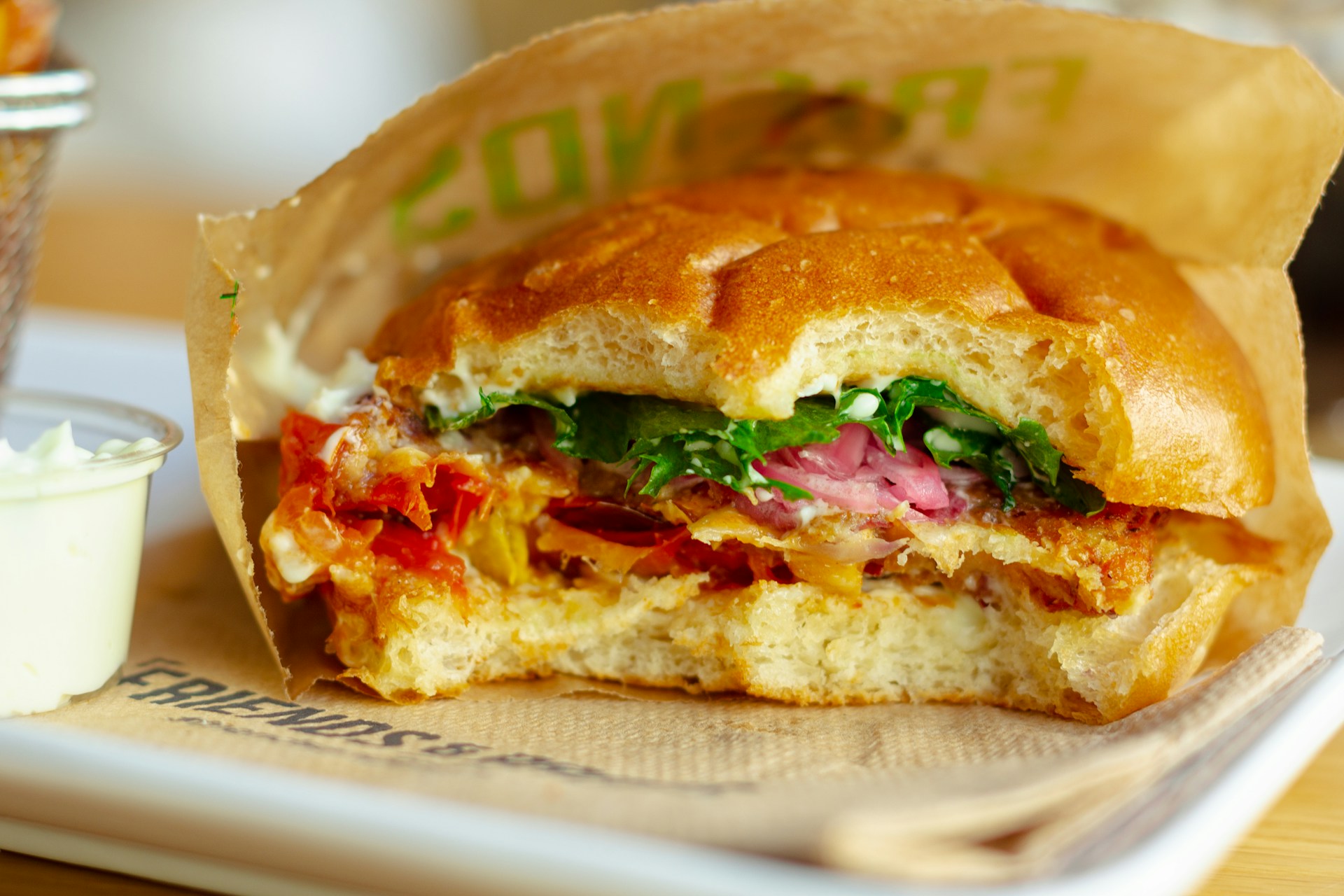
Fast food used to be the most affordable option for busy families, offering quick meals without denting the wallet. Today, rising ingredient and labor costs have pushed combo prices far beyond their reputation for cheap convenience. A simple burger and fries can rival the cost of a casual sit down meal. Families who once relied on fast food as an easy fallback now treat it as an occasional indulgence. The shift from value to premium pricing reveals how economic pressures reshape even the most iconic parts of American life.
Movie Theater Trips

A night at the movies once represented an inexpensive escape, complete with popcorn and soft drinks. Ticket prices, premium screens and concession markups have pushed this classic pastime into the luxury zone. Families often reconsider trips that used to be spontaneous weekend choices. Streaming options provide alternatives, yet the magic of a theater remains tempting. The challenge is balancing nostalgia with cost. What was once a casual outing now feels like an event requiring planning, showing how rising prices can transform beloved traditions into rare splurges.
Simple Haircuts

Routine haircuts were once minor expenses, but salon prices and barbershop rates have climbed steadily. Even basic trimming services now require budgeting that surprises many Americans. Rising rent, product costs and professional training contribute to the increase. While the experience still offers confidence and convenience, it no longer feels like a quick errand. Instead, people stretch appointments or attempt home cuts to save money. A task once considered ordinary has become a quiet luxury, reminding families how everyday grooming now affects their financial decisions.
Casual Dining Outings
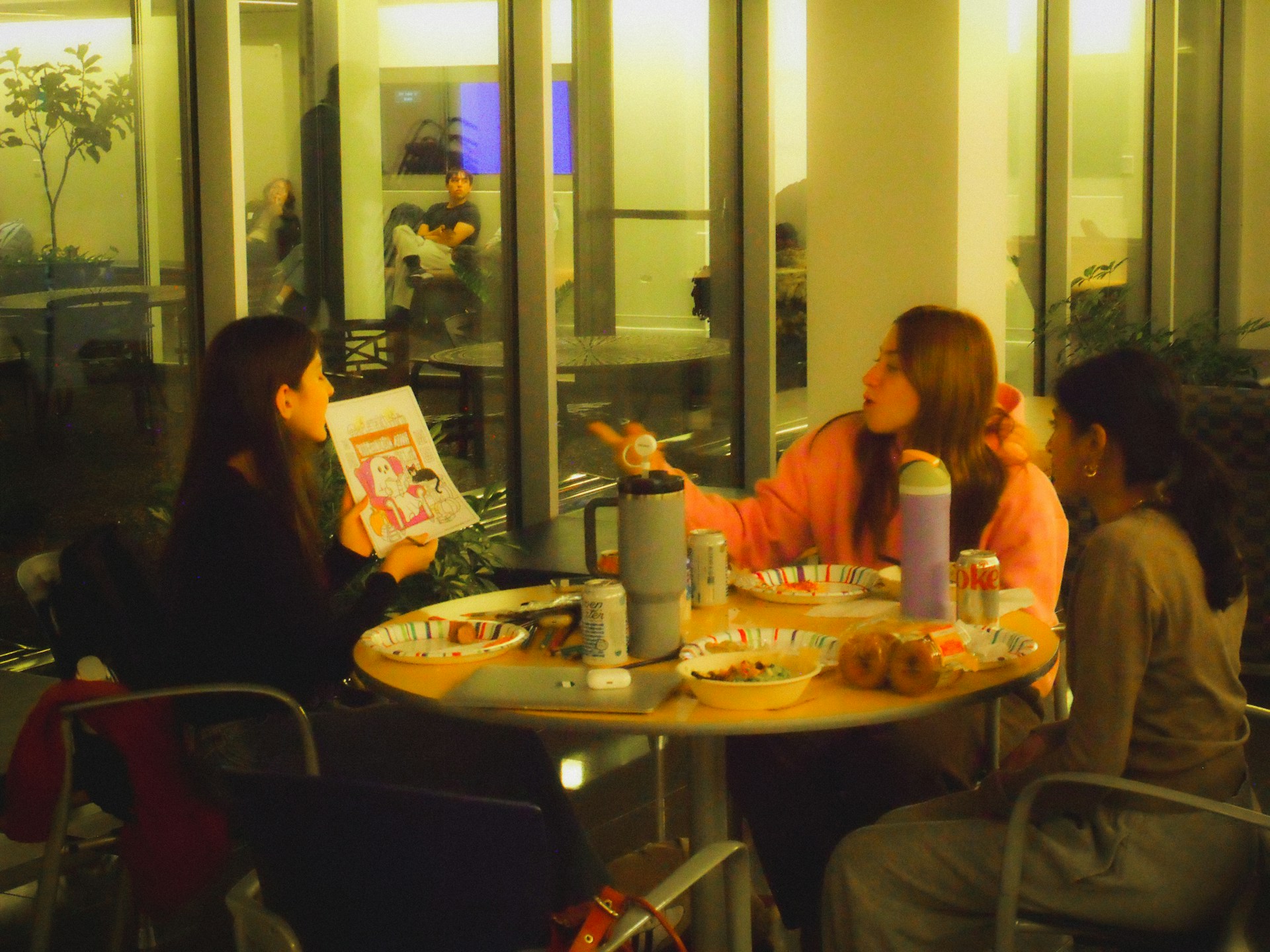
Casual dining used to be the middle ground between takeout and upscale restaurants, offering a relaxed meal at a comfortable price. Today, menu costs and service fees have transformed these outings into significant expenses. Families who once visited weekly now scale back, treating the experience more like a planned treat. Rising ingredient and operational costs contribute to the shift, making even simple dishes feel premium. The comfort of being served without cooking remains appealing, yet the price tag reminds diners that this familiar pleasure has stepped into the realm of quiet luxury.
Streaming Service Stacks

Streaming once promised freedom from expensive cable packages, but multiple subscriptions now add up quickly. With separate platforms hosting different shows and movies, viewers feel pressured to maintain several accounts. Monthly fees that seemed minor grow when stacked, turning convenience into a costly habit. Exclusive releases and rotating libraries keep people subscribed longer than they expect. What began as an affordable entertainment revolution has evolved into a luxury tier of digital choices. Families now reconsider which services to keep, balancing budget concerns with the desire for comfort and escape.
Fresh Bakery Bread
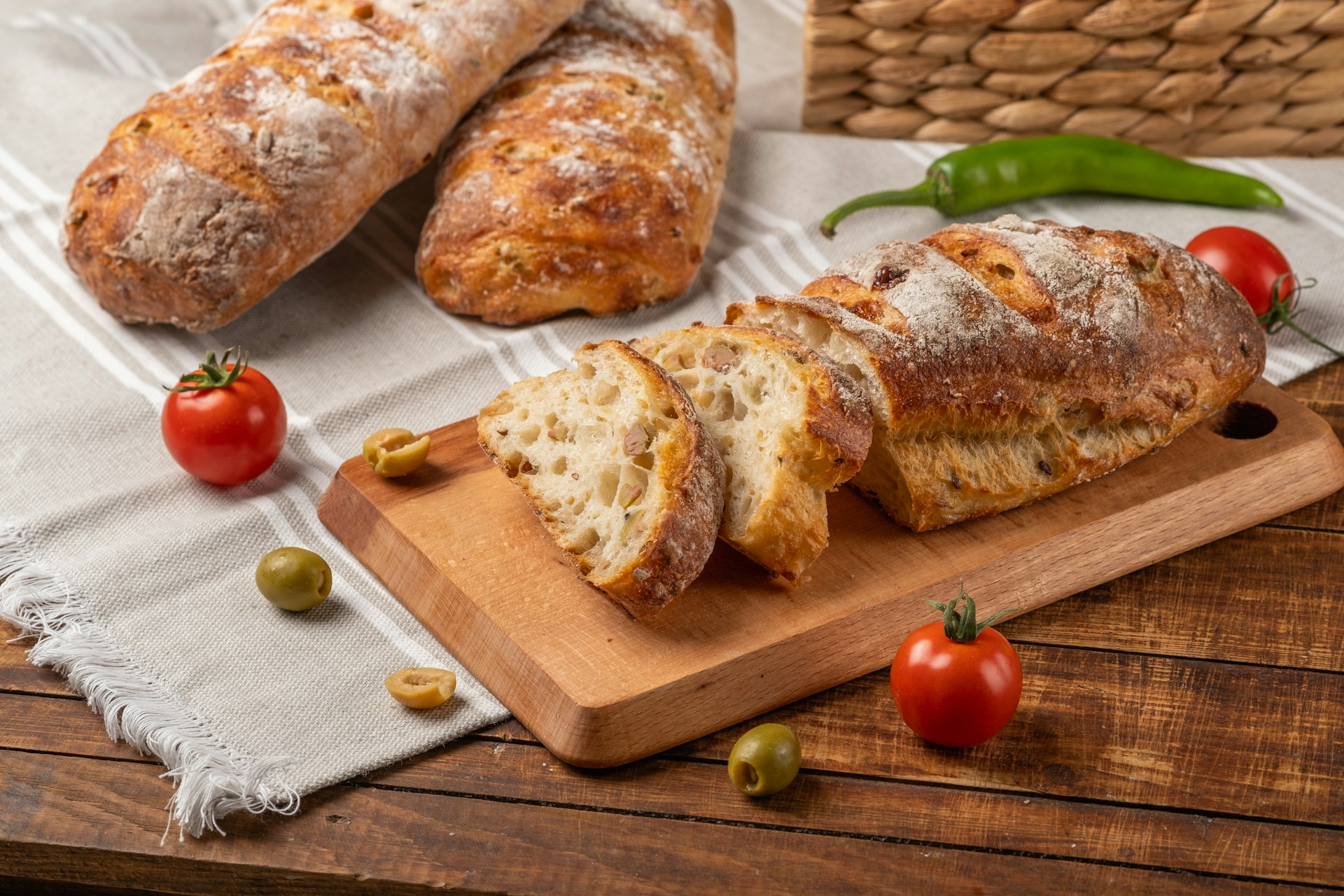
Picking up warm bakery bread on the way home used to be an inexpensive pleasure, but rising flour prices and higher production costs have pushed artisan loaves into the luxury category. Even standard bakery items now cost far more than expected. The aroma and taste still offer comfort, yet the price encourages shoppers to rethink frequency. Some turn to homemade recipes, while others reserve bakery treats for special meals. Bread may be one of the simplest foods, but enjoying it fresh from a bakery has quietly become a pricier comfort than many remember.
Weekend Getaways

Short weekend trips once offered an affordable reset, but rising hotel rates, gas prices and dining costs have turned them into rare indulgences. Families who used to plan spontaneous getaways now hesitate. Even modest road trips require budgeting that feels disproportionate to the simplicity of the experience. The escape remains tempting, offering a break from routine, yet the expenses create a barrier. What was once a casual American tradition now mirrors a luxury vacation, showing how much costs have grown and how travel comfort has shifted away from accessibility.
Comfort Household Brands
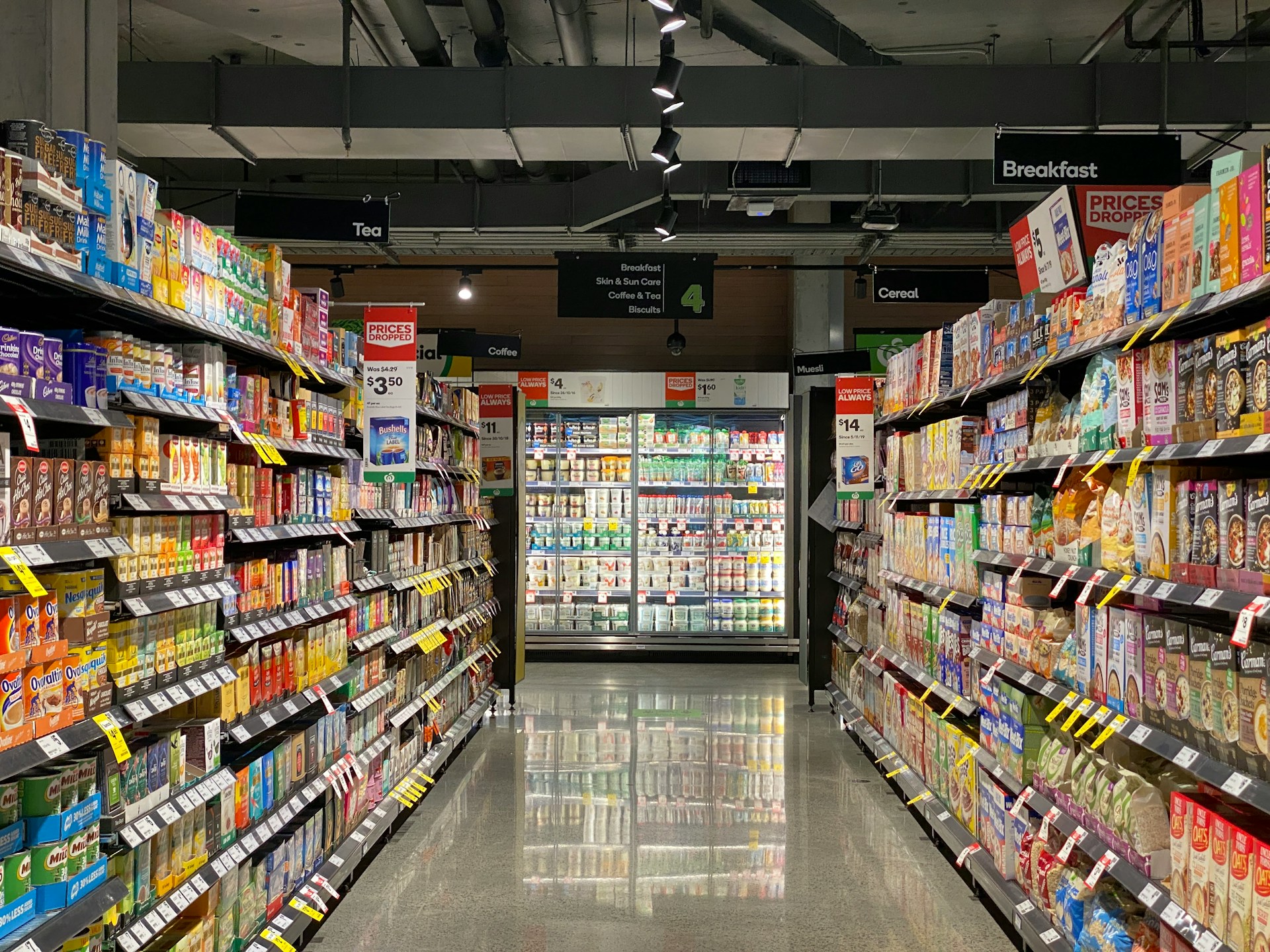
Familiar household brands once priced for everyday use now compete in a crowded market where higher ingredient quality and supply chain costs push prices upward. Shoppers notice that simple comforts like detergents, lotions and soaps carry premium tags. Many switch to generic versions or wait for sales to maintain routines. These brand names still provide reliability and nostalgia, yet they no longer feel casually affordable. The shift reveals how much trust in a product intersects with cost, turning small domestic comforts into quiet luxuries.
After School Snacks
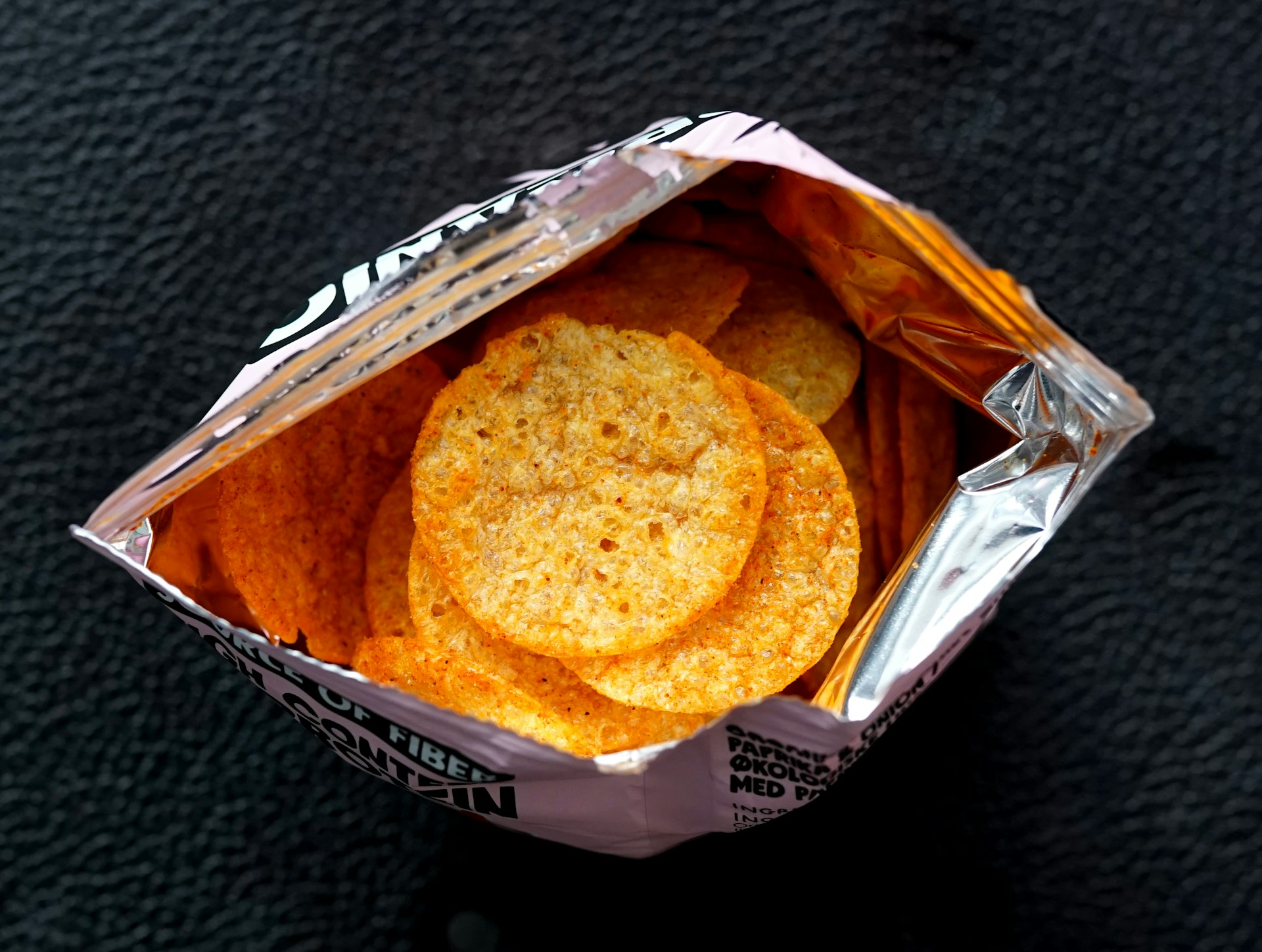
Packaged after school snacks that once filled lunch boxes at low cost now come with higher prices driven by ingredient inflation and transportation expenses. Families accustomed to stocking favorite treats notice the difference quickly. What used to be a simple grocery decision becomes a small budgeting choice each week. The comfort these snacks offer remains strong, tied to childhood memories and convenience, yet the rising price tags discourage frequent indulgence. Even small items now contribute to the growing sense that everyday comforts quietly drift into the realm of luxury.
Quality Paper Goods
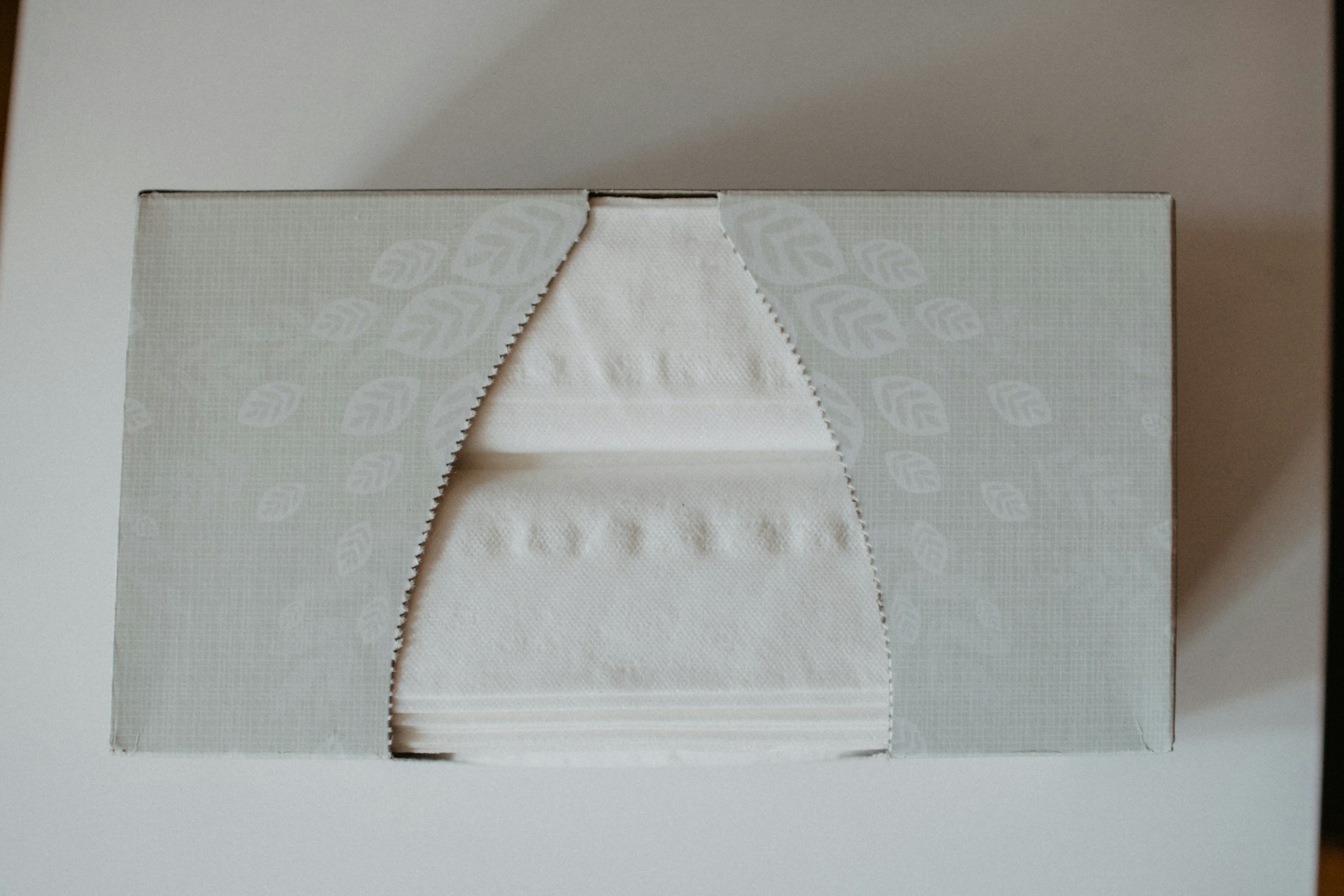
High quality paper goods like soft toilet tissue and absorbent paper towels were once purchased without hesitation, but rising production costs have elevated them into luxury territory. Many notice the jump most during bulk shopping, where familiar brands now demand premium pricing. These everyday essentials still provide comfort and convenience, yet families often stretch supplies or explore alternatives. The shift feels subtle but significant, revealing how even the simplest household materials now require budgeting that reshapes normal habits and expectations across American homes.
Home Cleaning Services

Hiring a cleaning service used to be an occasional convenience for busy households, but rising labor and service fees have placed it closer to a luxury offering. Families who once relied on scheduled cleanings adjust frequency or cancel entirely. The comfort of returning to a freshly cleaned home remains undeniable, yet the cost forces practical choices. What was once an attainable solution for managing busy schedules now feels indulgent. This shift highlights how lifestyle support services gradually moved beyond casual affordability into a realm associated with premium living.
Gym Memberships
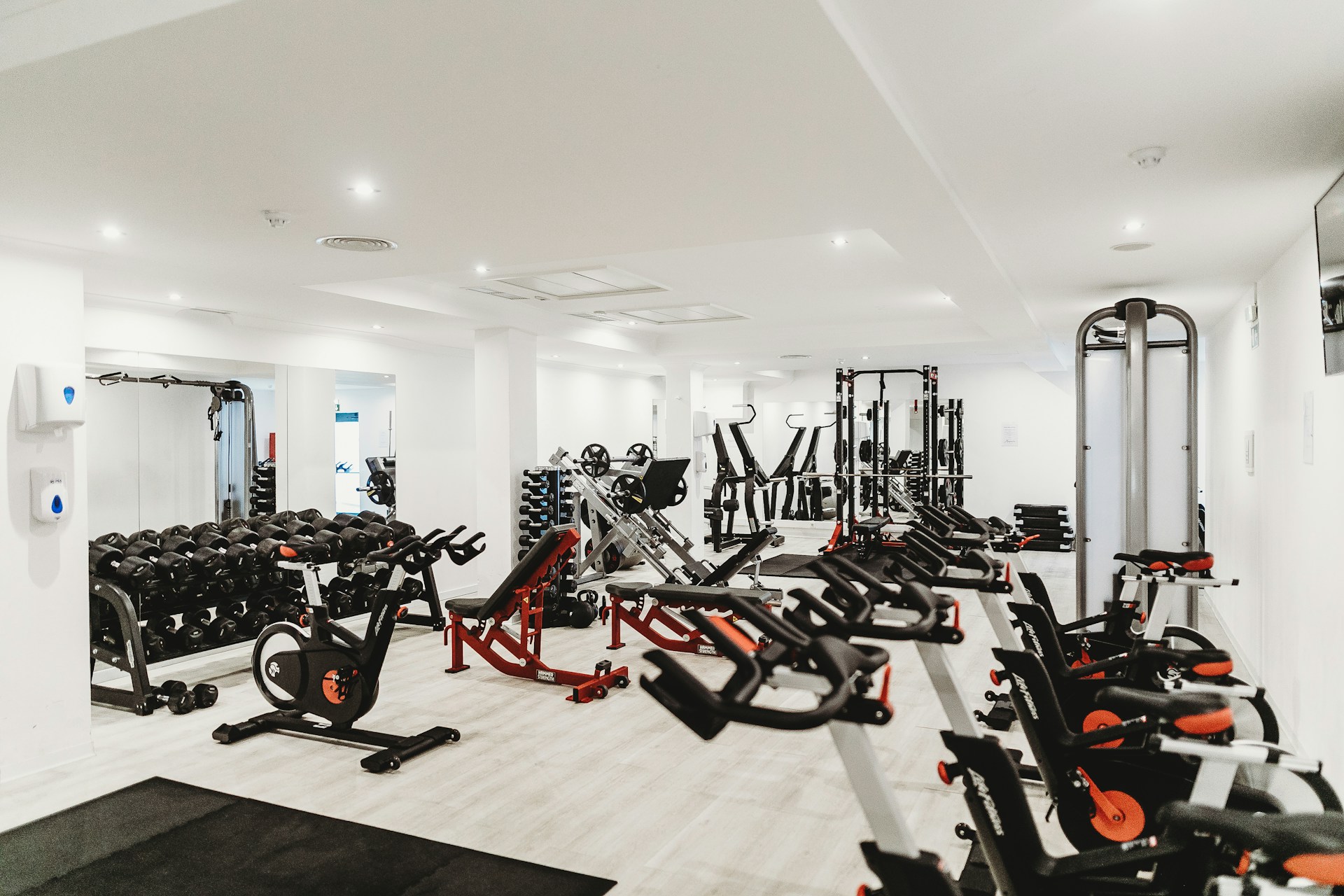
Gym memberships once symbolized affordable self care, offering classes, equipment and community at reasonable rates. Today, monthly fees, initiation costs and premium amenities have increased substantially. For many Americans, fitness centers require budgeting that competes with essential bills. While exercise remains a priority, the expense transforms routine workouts into a calculated decision. Some turn to home routines or outdoor activities instead. This trend shows how wellness, once accessible through local gyms, now carries financial weight that shifts it into the category of luxury comfort.
Seasonal Produce

Buying fresh seasonal produce used to be an easy grocery choice, but rising transport and farming costs have made certain fruits and vegetables noticeably pricier. Items like berries or avocados now feel indulgent rather than routine. Families often skip favorite items until sales appear. The shift challenges the idea that healthy eating is inexpensive. The pleasure of enjoying peak season flavors remains strong, yet the cost steadily transforms these foods into luxuries. This change reshapes kitchen habits and highlights how even basic nutrition now reflects economic pressure.
Branded Pet Food
Pet owners once picked up branded pet food without second thought, but rising ingredient standards and manufacturing costs have pushed prices higher. Maintaining a pet’s preferred diet now requires careful budgeting. Many switch between brands or mix premium formulas with more affordable options. The emotional comfort pets bring makes owners strive to keep routines consistent, yet the expense becomes noticeable each month. What was once a simple purchase now feels like a quiet luxury, showing how inflation affects even the most loyal relationships within American households.
Fresh Flowers
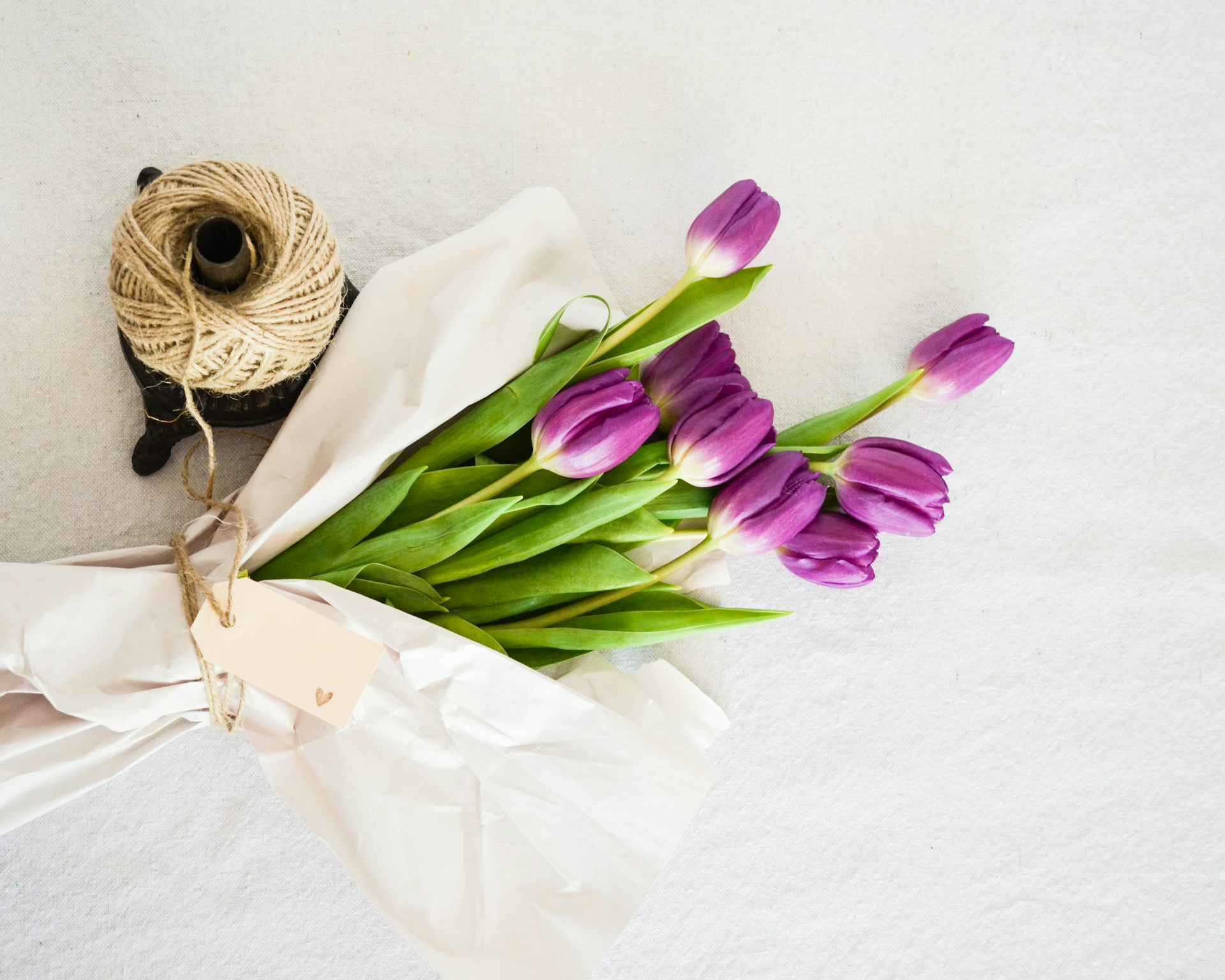
Fresh flowers used to be an affordable way to brighten a home or celebrate small moments, but floral prices have increased due to labor, transport and seasonal availability. Even simple bouquets cost more than many expect. People now reserve flowers for special occasions rather than everyday cheer. The beauty and fragrance remain uplifting, yet rising costs transform this small gesture into a luxury purchase. The trend reflects how inflation touches symbolic comforts that once brought uncomplicated joy, changing household traditions in subtle but meaningful ways.
Car Wash Packages

Automatic car washes and monthly wash plans once offered convenient maintenance at modest pricing. Today, higher labor and equipment costs have pushed these services into premium territory. Drivers who visited weekly now reduce frequency or switch to manual options. The convenience of a spotless car still appeals, yet the rising cost makes the decision less automatic. What was once a small routine comfort has become a calculated expense, reinforcing how even simple upkeep reflects broader economic shifts affecting everyday life.
Household Replacement Parts
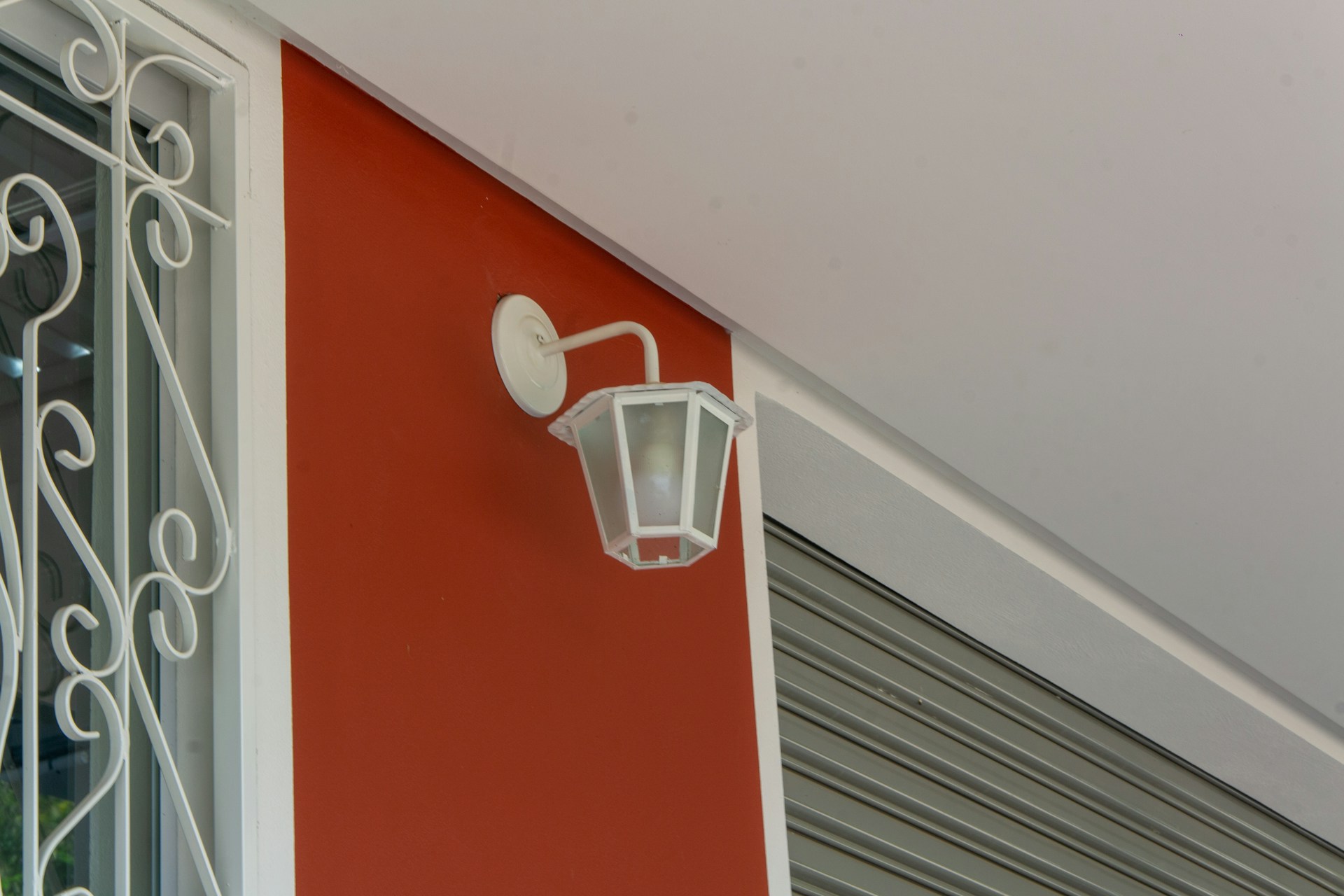
Replacing household items like light bulbs, filters or appliance parts used to be inexpensive and predictable. Now, improved technology, material costs and brand specific components have raised prices. Families feel the difference when maintaining basic home functions. These items still offer essential comfort, ensuring safety and convenience, yet the price tags no longer match their previous reputation for affordability. The shift turns normal household upkeep into a quiet luxury, emphasizing how even minor repairs now impact budgets more heavily than expected.
Casual Clothing Basics

Staple clothing pieces like jeans, T shirts and sweatshirts once offered dependable style at moderate prices, but rising production and shipping costs have pushed everyday apparel into higher price ranges. Shoppers notice significant increases even for items designed for simplicity and comfort. While quality remains important, affordability becomes a concern. People delay purchases or seek sales to maintain their wardrobes. The change shows how inflation reshapes personal expression and daily comfort, turning basic clothing into a category that quietly drifts toward luxury.
Simple Home Decor
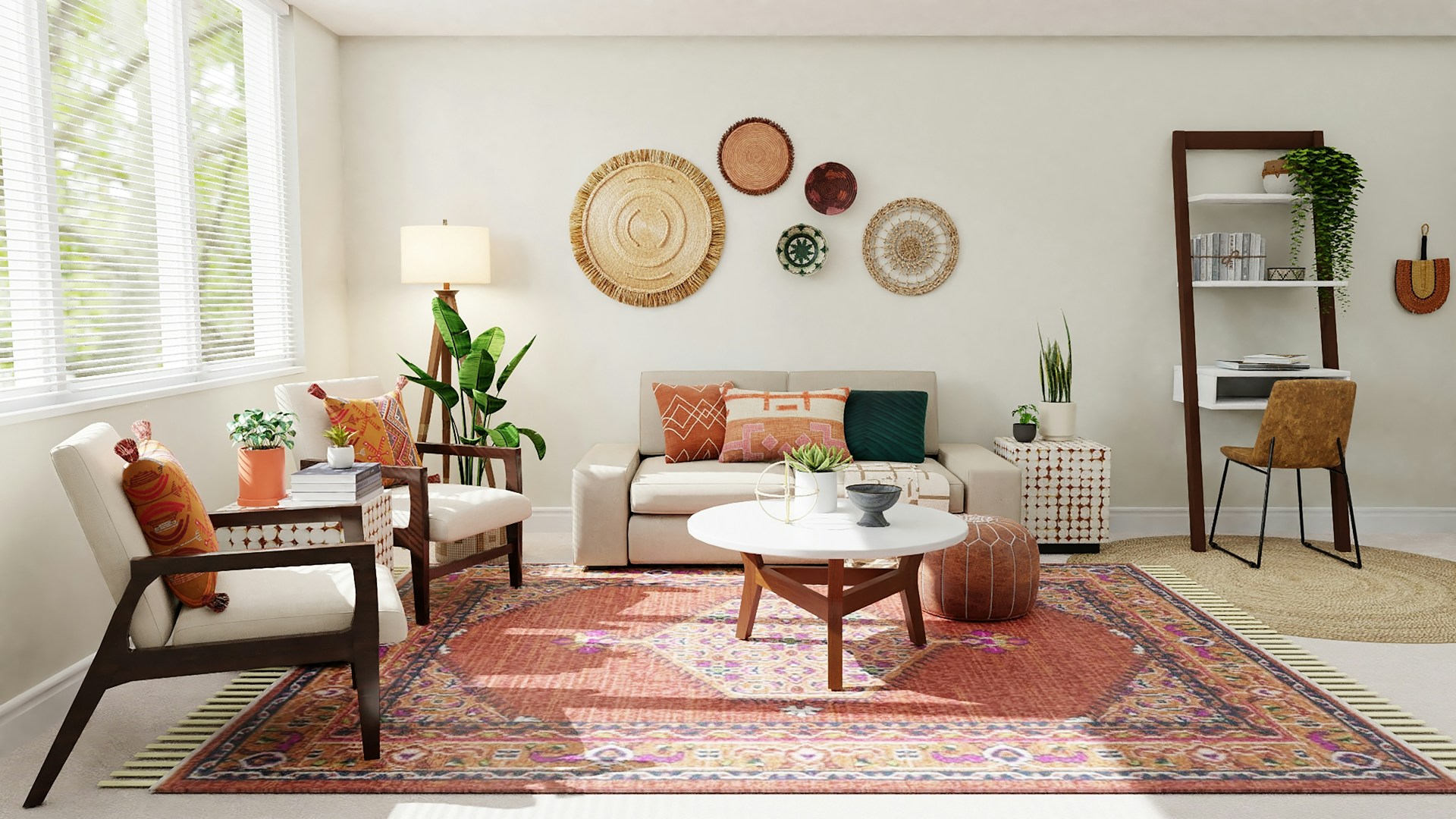
Home decor items like candles, throw pillows and small accents once felt inexpensive enough to refresh a space without strain. Now rising material and production costs make these items more of an indulgence. Families who enjoyed seasonal decorating cut back or choose minimal updates. The comfort of creating a warm environment remains meaningful, yet the higher price tags transform decorating into a planned luxury. This shift highlights how even small gestures of home improvement now reflect a broader trend of familiar comforts becoming unexpectedly premium.
Everyday comforts across America have quietly evolved into luxury priced decisions. Families who once relied on these conveniences now evaluate each one with greater care, balancing tradition, emotion and financial reality. These changes reveal how rising costs reshape not just budgets but lifestyles, turning routine joys into special treats. Understanding this shift helps explain why many Americans rethink habits that previously felt effortless. The comforts remain, but their accessibility has changed, showing how economic pressures influence daily life far beyond major purchases.