Classic cars look romantic in photos, but some of them are waiting to wreck your savings, your patience, or both. Collectors quietly trade notes on models that are money pits, parts nightmares, or overhyped legends that never drive as good as they look. These cars are not worthless, but they demand deep pockets, rare expertise, or a tolerance for breakdowns that most modern drivers do not have. If you are dreaming of a first classic, these are the models seasoned collectors suggest admiring from a distance rather than parking in your garage.
1. Delorean Dmc 12: Stainless Steel Trap
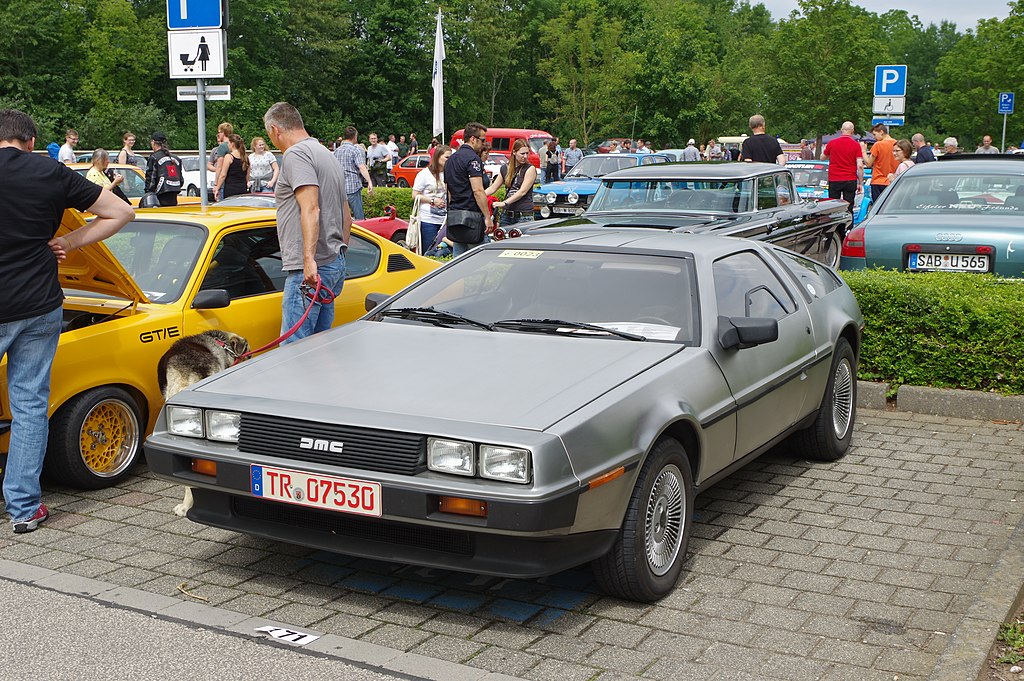
The Delorean Dmc 12 looks like the ultimate dream car for movie fans, yet in reality it behaves more like a slow, fragile sculpture. Its underpowered engine, unreliable electronics, and finicky doors make ownership frustrating rather than fun. Parts exist, but repairs require specialists and time. Many new buyers expect a futuristic rocket and discover a car that struggles with hills and heat. Collectors know the Delorean is better as a display piece than a weekend cruiser. Unless you love tinkering more than driving, this icon can quickly feel like a stainless steel burden.
2. Ford Mustang Ii: Famous Name, Forgettable Drive
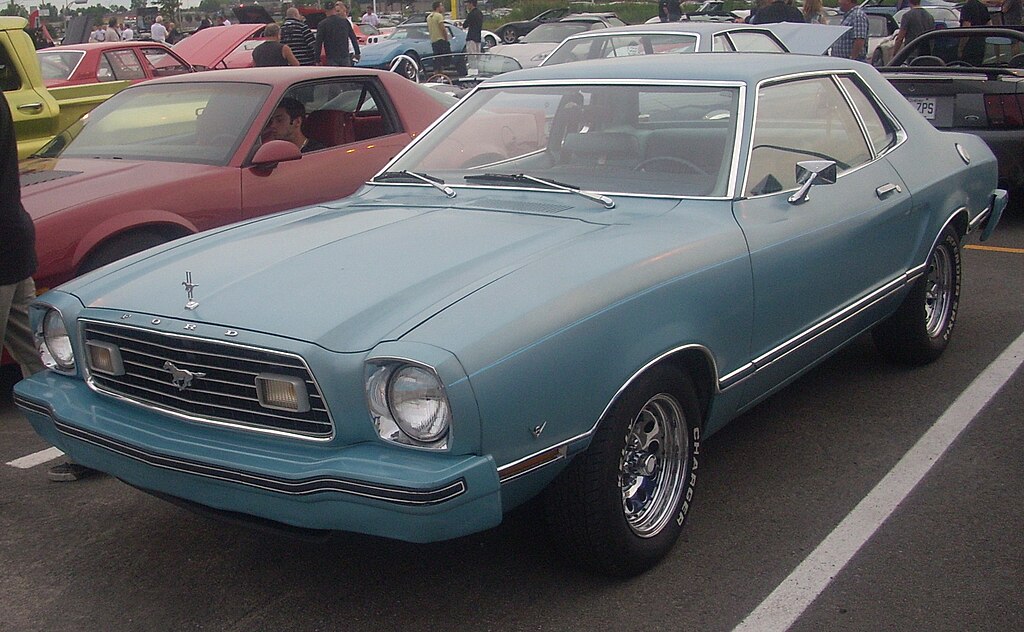
The Ford Mustang Ii borrowed a legendary badge but not the spirit that made the original famous. Built during an era of emissions rules and fuel anxiety, it arrived with weak engines, bland styling, and questionable build quality. Collectors often avoid it because restoration costs do not match resale value. Performance upgrades are possible, but they require money better spent on more rewarding platforms. New buyers are often drawn by low prices and the Mustang name, only to discover limited excitement and lukewarm interest at shows. It is a classic in paperwork more than in passion.
3. Chevrolet Corvair: Controversial Classic
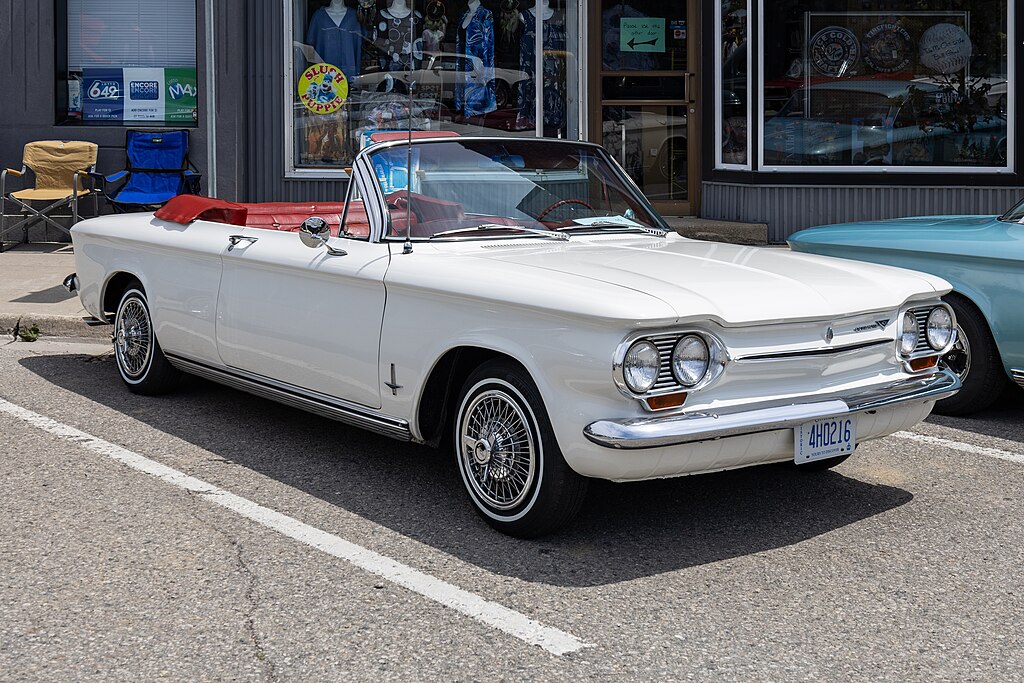
The Chevrolet Corvair is stylish and historically important, but it carries a reputation that still makes cautious buyers nervous. Early handling criticisms and safety debates left a permanent mark on its image. While devoted fans argue it is better than its reputation, parts support and specialized knowledge make ownership more demanding than many expect. A well sorted Corvair can be enjoyable, yet finding or creating one requires time and skill. Collectors often steer newcomers toward simpler alternatives. Without a trusted mechanic and a clear understanding of its quirks, this car can turn fond curiosity into ongoing stress.
4. Maserati Biturbo: Luxury With Hidden Costs
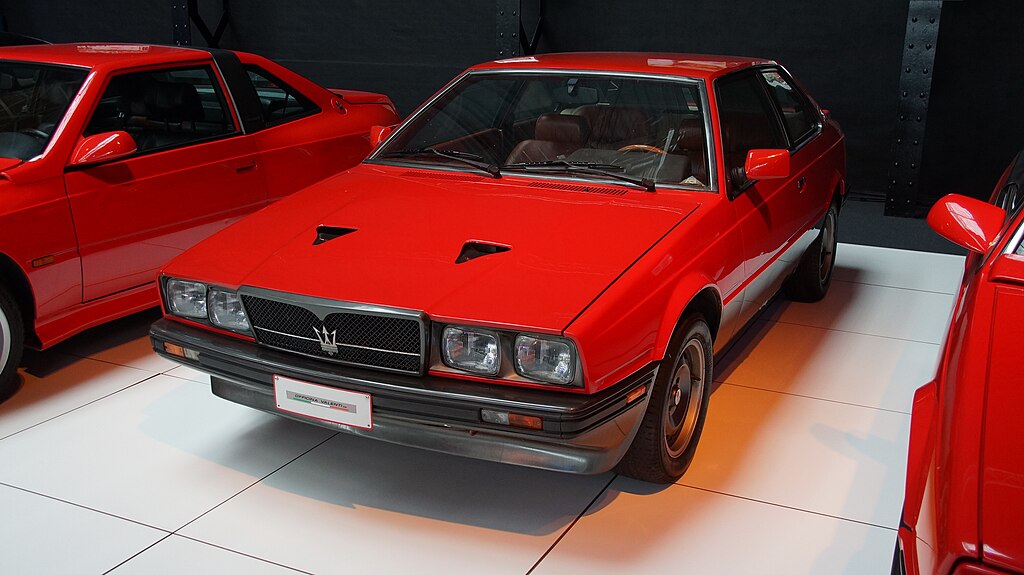
The Maserati Biturbo promises exotic looks and a prestigious badge at surprisingly low purchase prices. The real cost arrives afterward. Complex twin turbo engines, aging electronics, and fragile interiors demand meticulous maintenance. Many examples were neglected, creating layers of problems for the next owner. Parts are not always easy to source, and shop rates for qualified technicians reflect the brand, not the resale value of the car. Collectors view the Biturbo as a tempting trap for buyers who want an Italian classic on a budget. The entry price feels like a bargain. The upkeep quickly proves otherwise.
5. Jaguar Xj S: Grand Tourer With Gremlins
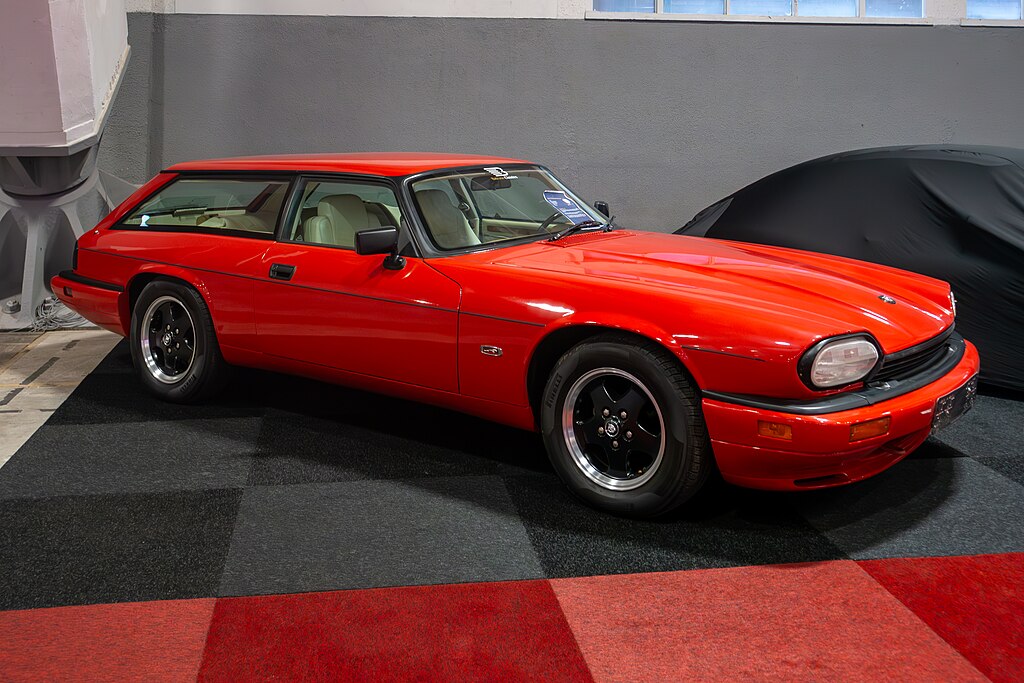
The Jaguar Xj S offers long hood glamour and a beautiful cabin, but beneath that style sits one of the most maintenance heavy classics on the market. Early cars suffered from overheating, electrical failures, and complex fuel systems that age poorly. Even well kept examples need regular attention. The V12 models sound impressive but magnify costs every time something fails. Collectors who adore the look often warn casual buyers away unless they can accept frequent shop visits and patient troubleshooting. An Xj S can be rewarding, yet it rarely suits anyone seeking simple weekend reliability.
6. Triumph Stag: Beautiful But Brittle
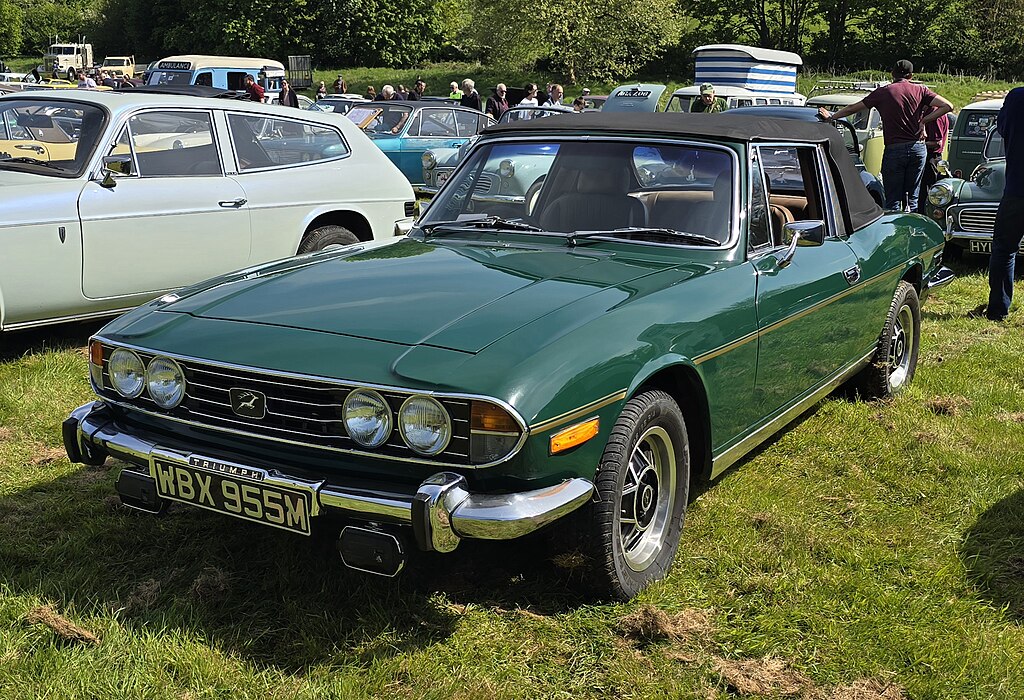
The Triumph Stag looks like a dream grand tourer with its T bar roof and neat proportions. Unfortunately, its factory V8 engine earned a reputation for overheating, timing issues, and poor durability. Many cars were engine swapped just to stay on the road. Rust also attacks key structural areas, turning cosmetic projects into full rebuilds. While dedicated fans have sorted some of these flaws, the Stag still demands constant care. Newcomers drawn by its handsome shape often underestimate the engineering compromises beneath it. Collectors frequently advise skipping it unless you are ready for a long term mechanical relationship.
7. Pontiac Fiero: Mid Engine Misunderstanding
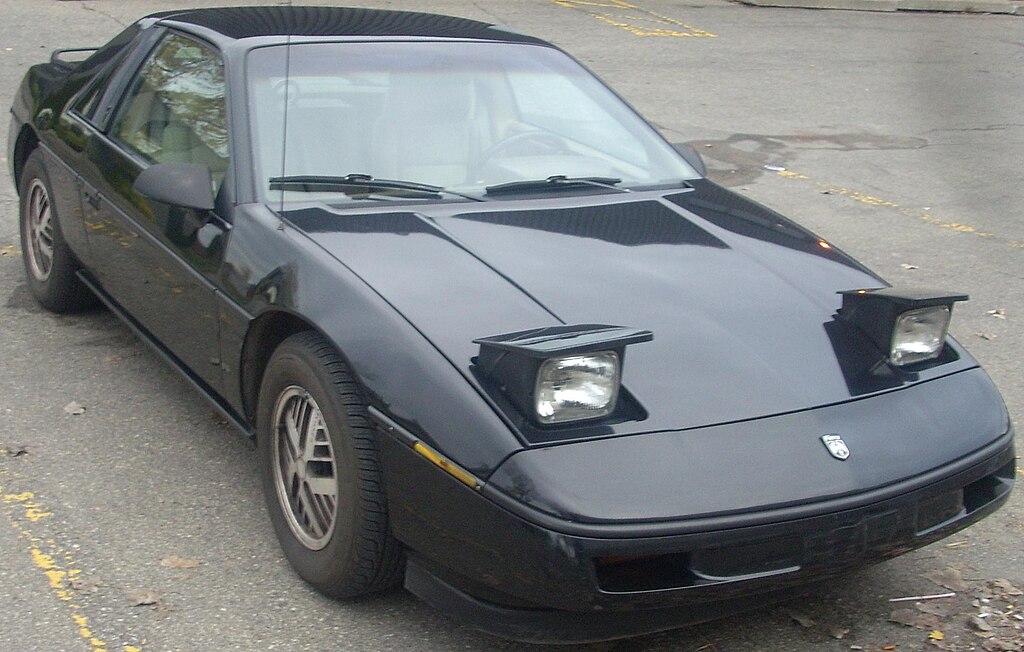
The Pontiac Fiero fascinates buyers with its mid engine layout and wedge styling, yet early models were built with cost cutting compromises and underwhelming performance. Fire related recalls damaged its image, and many surviving cars now suffer from age, neglect, or poorly done modifications. Parts availability is mixed, and finding an unmolested example grows harder each year. While later versions improved, the platform never fully escaped its reputation. Collectors caution that restoring a Fiero to reliable, enjoyable condition often costs more than the car will ever return, making it a risky first classic.
8. Chevrolet Vega: Rust And Regret
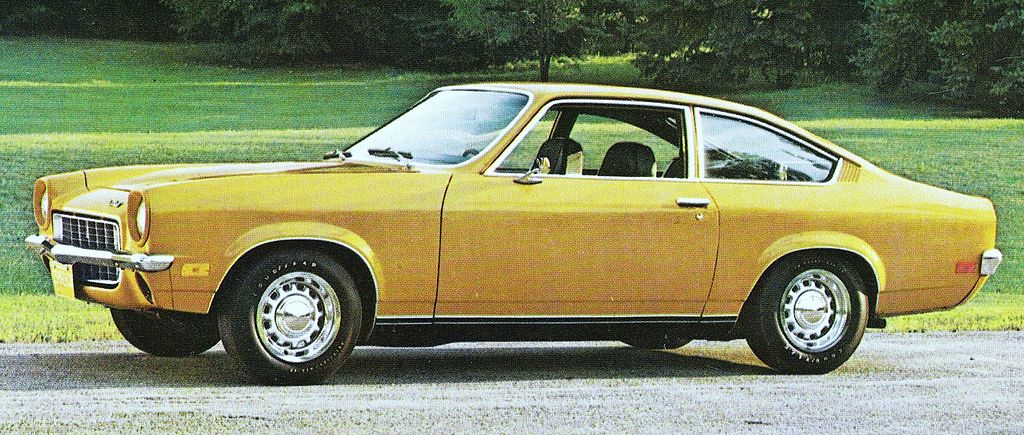
The Chevrolet Vega tried to bring modern small car thinking to American roads but delivered rust, engine wear, and quality problems instead. Attractive lines and hatchback practicality draw some nostalgia, yet the mechanical reality remains harsh. Engines often suffered from premature wear, and bodies could dissolve in harsh climates. Restoring a Vega demands extensive metal work and creative sourcing of parts. Even after that investment, resale values rarely justify the effort. Collectors usually suggest that people who want a small vintage Chevy look elsewhere, unless they are chasing memories rather than value.
9. Amc Pacer: Quirky Shape, Heavy Burden
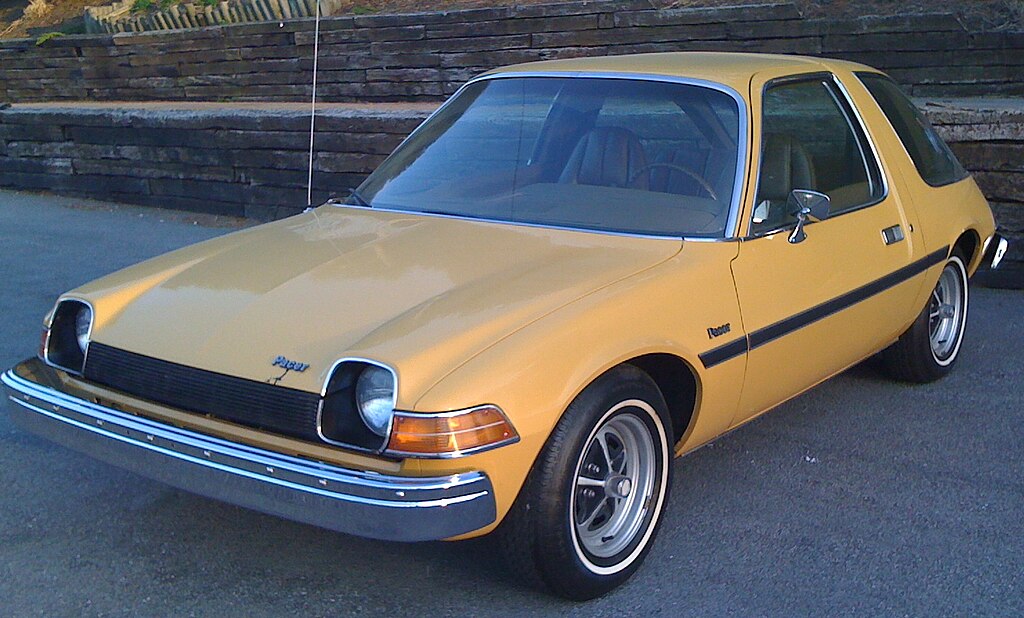
The Amc Pacer has become a cultural punchline and occasional movie star, but collectors often view it as more trouble than it is worth. Its wide body, large glass areas, and unique parts make restoration expensive and tedious. Mechanical components can be shared with other models, yet trim pieces and specific panels are difficult to replace. While its oddball charm appeals to some, most buyers underestimate the challenges of keeping one roadworthy. The Pacer fits collectors who already own multiple cars and want a conversation piece, not someone searching for a practical first classic.
10. Cadillac Allante: Fancy Experiment
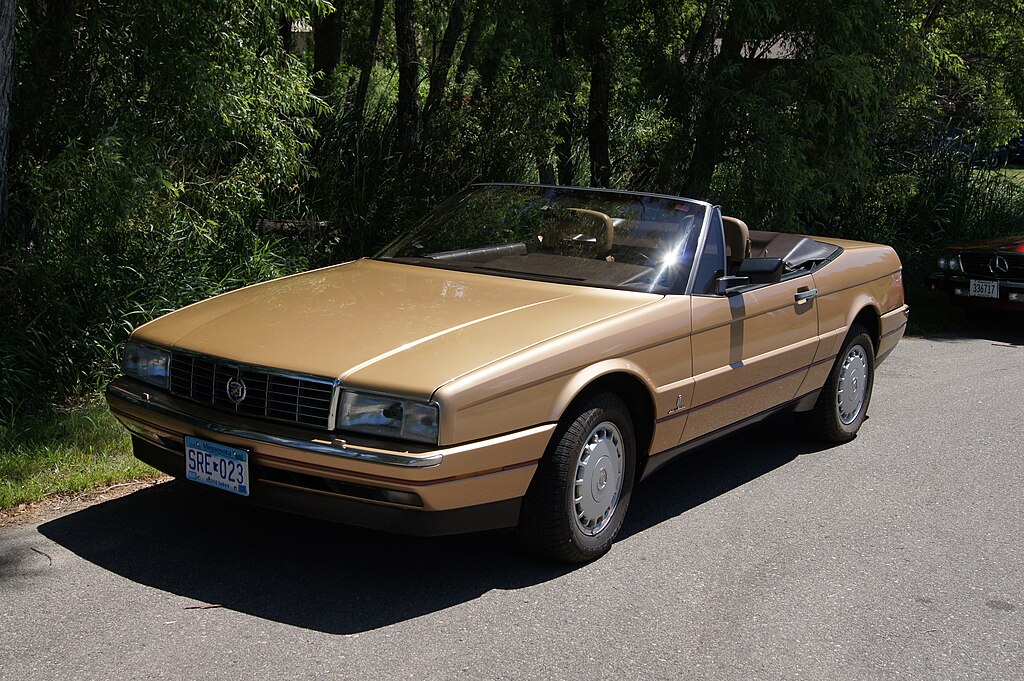
The Cadillac Allante paired Italian styling with American luxury in an ambitious project that never fully landed. Bodies were built in Italy, shipped to the United States, and mated to domestic drivetrains. That complex production history translates into awkward parts sourcing today. Electronics, convertible tops, and unique trim items often fail with age. Special components command high prices when they can be found at all. Collectors note that the car’s resale values lag far behind its maintenance demands. For many buyers, the Allante becomes an expensive reminder that interesting history does not always make a wise purchase.
11. Ferrari Mondial 8: Affordable Ferrari Illusion
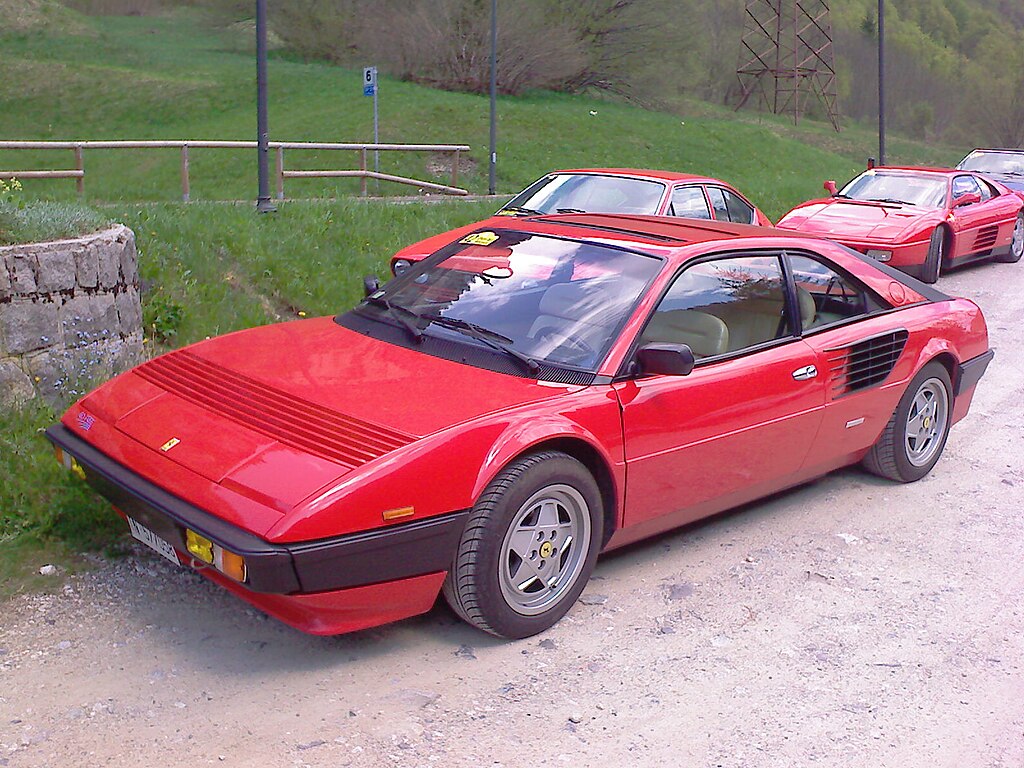
The Ferrari Mondial 8 tempts buyers as one of the least expensive ways to acquire the prancing horse badge. However, lower purchase prices hide the reality of Ferrari level maintenance schedules, labor rates, and parts costs. Performance feels mild compared to the brand’s image, leaving some owners underwhelmed after significant investment. Neglected examples require huge financial commitments to return to proper condition. Collectors often warn that anyone buying a Mondial solely for the badge may quickly resent the bills. The car can be rewarding, but it rarely feels like a bargain.
12. Porsche 924: Entry Level Disappointment
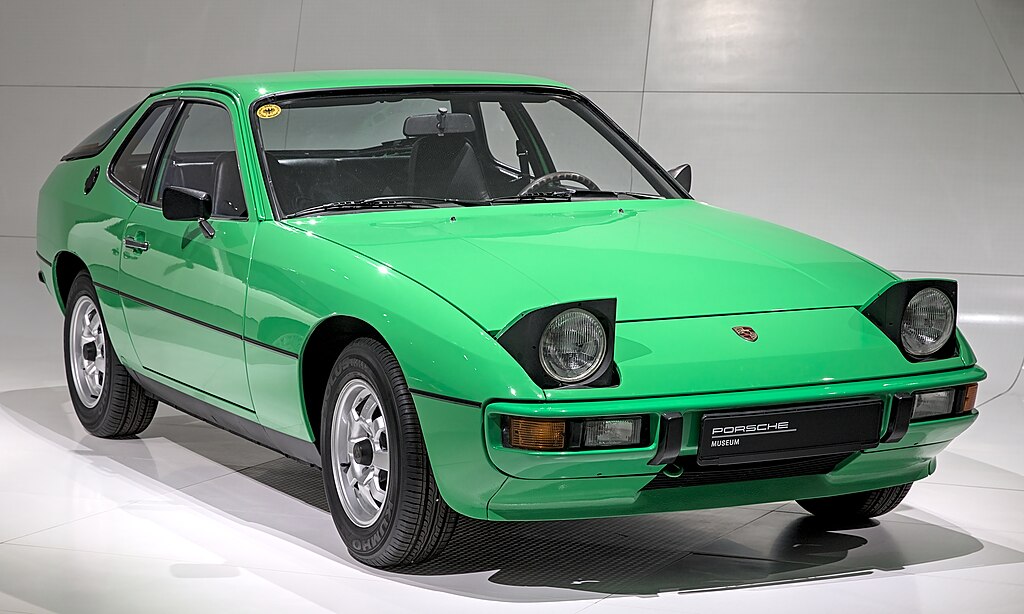
The Porsche 924 arrived as an entry level sports car, yet many enthusiasts never embraced it. Its modest power, Audi sourced engine, and dated interior leave some buyers feeling shortchanged on excitement. Age has not been kind to many examples. Electrical issues, sun damaged interiors, and worn suspension parts are common. Restoration costs can easily exceed the car’s market value. Collectors suggest that if you want a Porsche experience, saving for a better sorted 944 or 911 often makes more sense than sinking time and money into a tired 924 with limited upside.
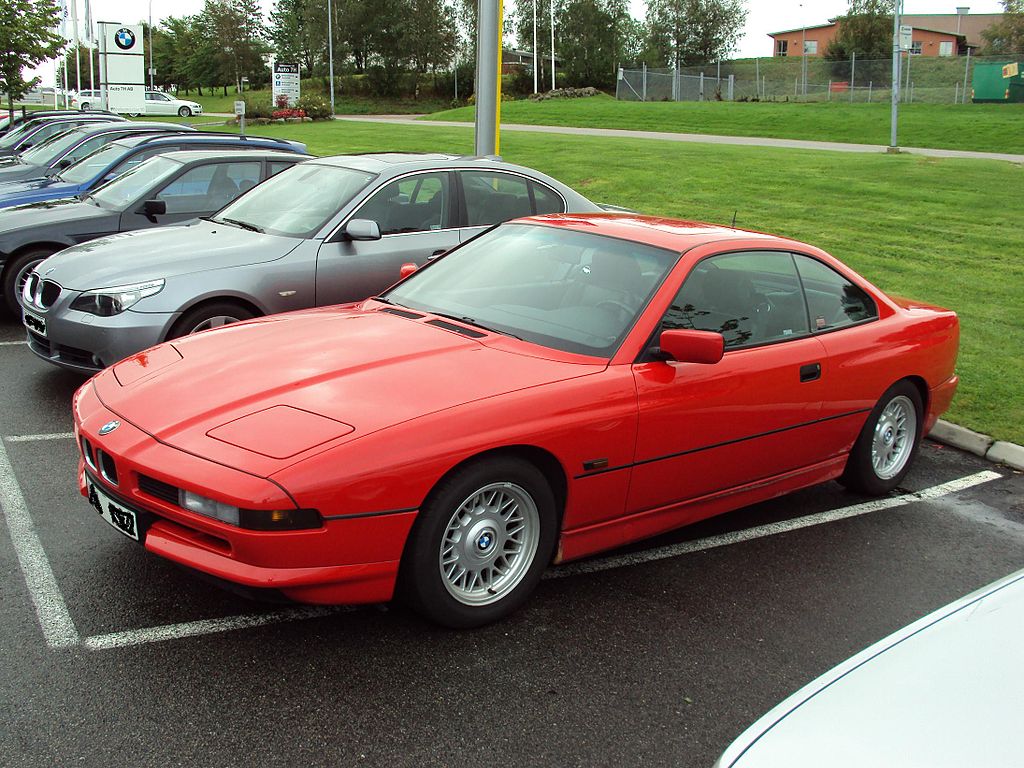
13. Bmw 850I: V12 Money Pit
The Bmw 850I looks like a masterpiece of 90s engineering with its pillarless windows and sleek coupe profile. Underneath lies a complex V12 engine surrounded by electronics that were advanced for their time and demanding today. Repairs involve high labor hours and specialized knowledge, while parts prices reflect its luxury roots. Many systems are interconnected, so one failure can trigger several others. Collectors respect the model but rarely recommend it to someone with a modest budget. What begins as a dream grand tourer often turns into a slow motion financial drain for unprepared owners.
14. Lotus Esprit: Exotic With Expectations
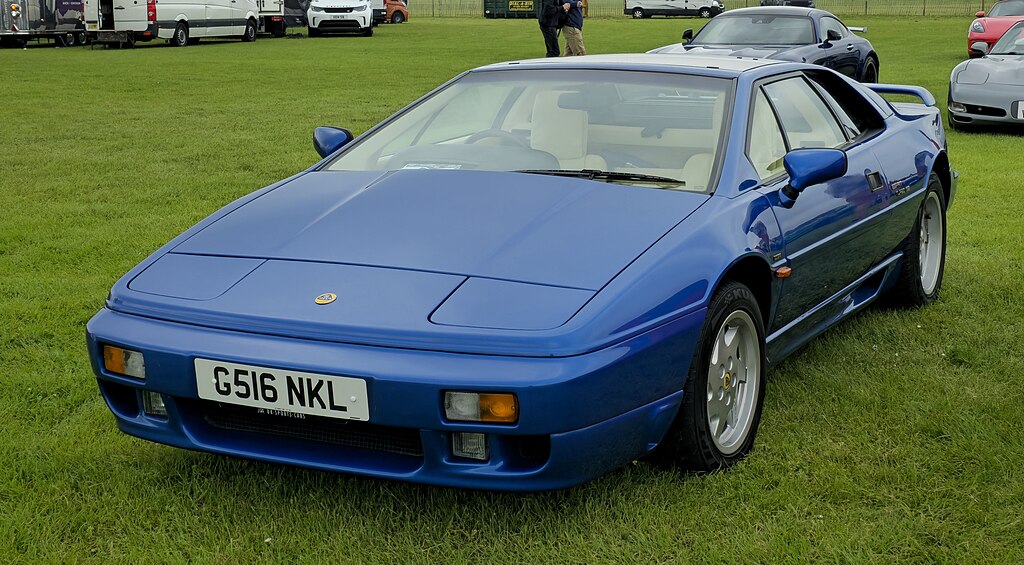
The Lotus Esprit offers dramatic styling and sharp handling, yet it demands commitment. Access to mechanical components can be challenging, making even simple repairs time consuming. Parts must often be imported or sourced from niche suppliers. Older fiberglass bodies hide stress cracks, and interiors can suffer from UV exposure and wear. The car shines when perfectly maintained, but reaching that condition requires more work than many casual enthusiasts expect. Collectors often warn that buying a cheap Esprit is the costliest choice of all. With this model, neglect from past owners becomes your most persistent passenger.
15. Range Rover Classic: Luxury Off Road Headache
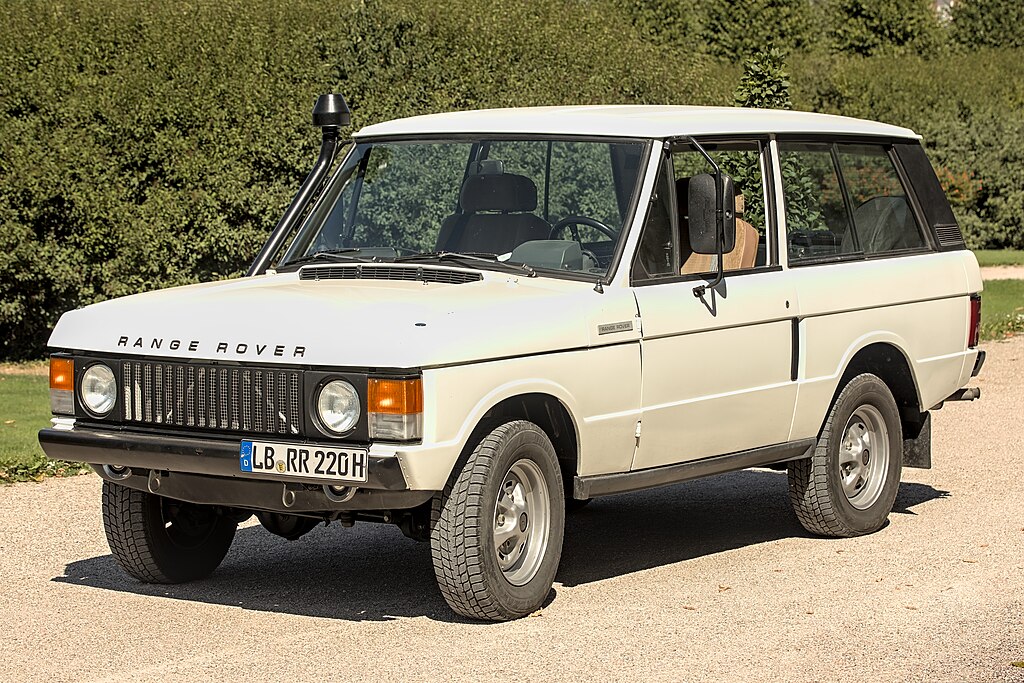
Early Range Rover models charm buyers with upright lines, commanding driving position, and go anywhere heritage. Unfortunately, they also bring electrical gremlins, rust, and mechanical complexity. Cooling systems, air suspensions on newer versions, and drivetrain components all require vigilant care. Fuel economy remains poor even by classic standards. Collectors admit that a well sorted example is delightful, but achieving and maintaining that status is expensive. New owners who imagine carefree mountain drives often encounter long parts lists instead. This is a vehicle best suited for enthusiasts already familiar with its habits and costs.
16. Rolls Royce Silver Shadow: Bargain Purchase, Costly Reality
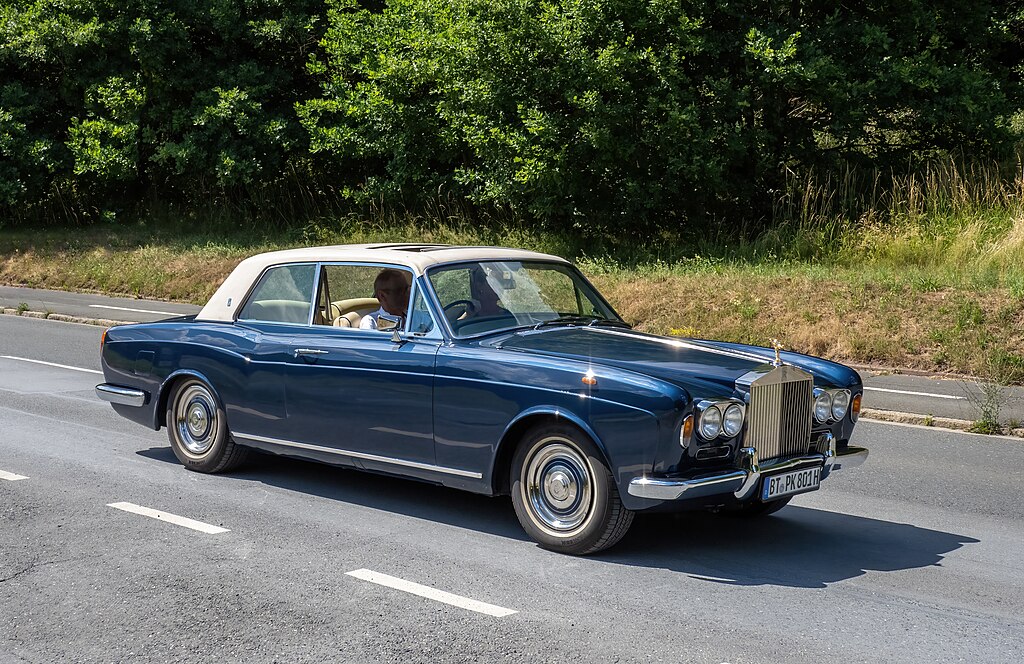
The Rolls Royce Silver Shadow can be surprisingly affordable to buy, which misleads many first time classic shoppers. The problem is not the sticker price, but everything that follows. Complex hydraulic systems, unique suspension components, and handcrafted interiors require specialized care. Even minor repairs quickly add up. Cutting corners on maintenance undermines both safety and value. Collectors frequently describe cheap examples as unfinished projects rather than opportunities. Unless you have a repair fund that matches the car’s original luxury status, the Silver Shadow can feel less like a dream and more like an obligation.
17. Bricklin Sv 1: Safety Car, Risky Investment
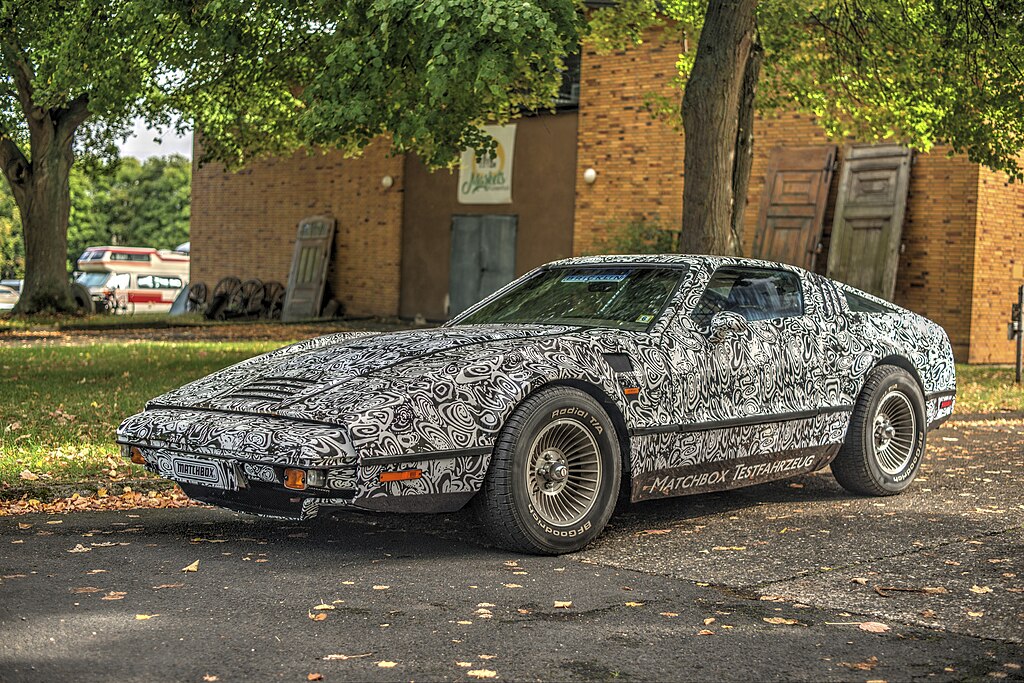
The Bricklin Sv 1 marketed itself as a safety sports car, featuring gullwing doors and bold colors. Production problems, quality issues, and unreliable powertrains limited its success. Today, its rarity complicates ownership. Body panels, interior parts, and unique door mechanisms are difficult and costly to fix. While the car draws attention at shows, that curiosity rarely translates into high resale value. Collectors view it as an interesting historical footnote rather than a practical classic. Buyers looking for reliability or accessible parts quickly discover that the Bricklin demands more patience than most enthusiasts can spare.
18. Alfa Romeo Spider: Charming But Demanding
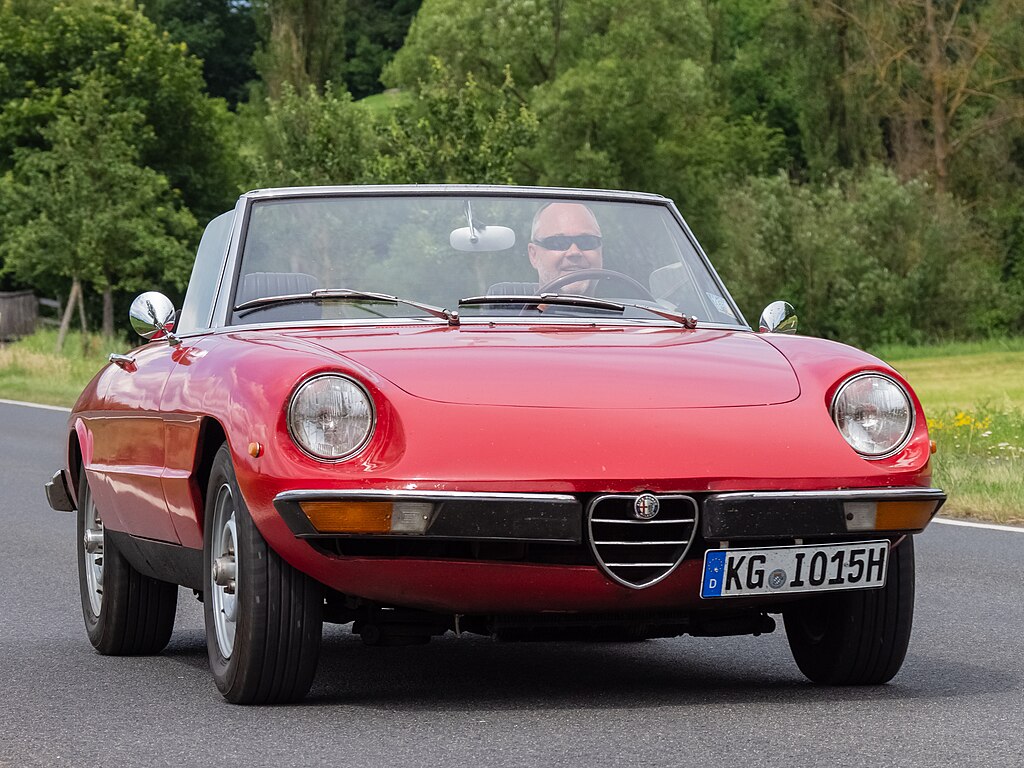
The Alfa Romeo Spider delivers romance in its lines, sound, and driving feel. However, it arrives with quirks that can overwhelm new owners. Rust attacks structural areas, electrical issues arise, and carburetor tuning requires finesse. A properly maintained Spider can be delightful, yet finding one is harder each year. Many cars suffer from deferred maintenance and patchwork repairs. Collectors often warn that anyone attracted purely by aesthetics should also prepare emotionally and financially for surprises. The Spider rewards dedication, not casual curiosity, making it a risky choice for a first time classic car buyer.
19. Aston Martin Lagonda: Digital Nightmare
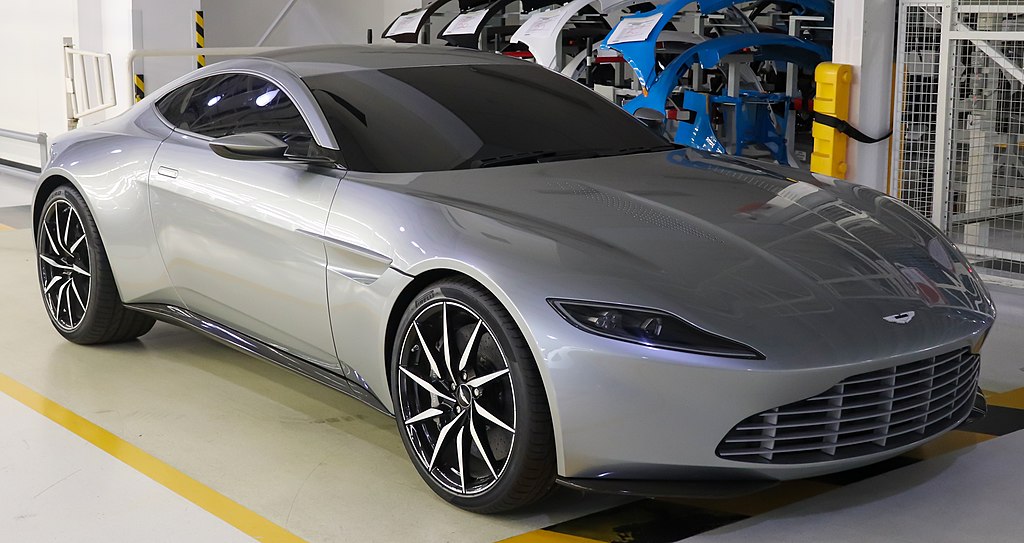
The Aston Martin Lagonda combines sharp wedge styling with some of the most ambitious electronics of its era. Unfortunately, those digital dashboards and control systems became infamous for failures and complexity. Restoring them to full function is costly, and many cars carry partial fixes rather than complete solutions. Mechanical parts support exists, but specialized electrical work requires rare expertise. Collectors admire the Lagonda as a conversation piece and daring design statement. They rarely suggest it to buyers seeking regular use. Owning one means accepting that half the car is a rolling experiment from another time.
20. Chevrolet Corvette C4: Cheap Does Not Mean Easy
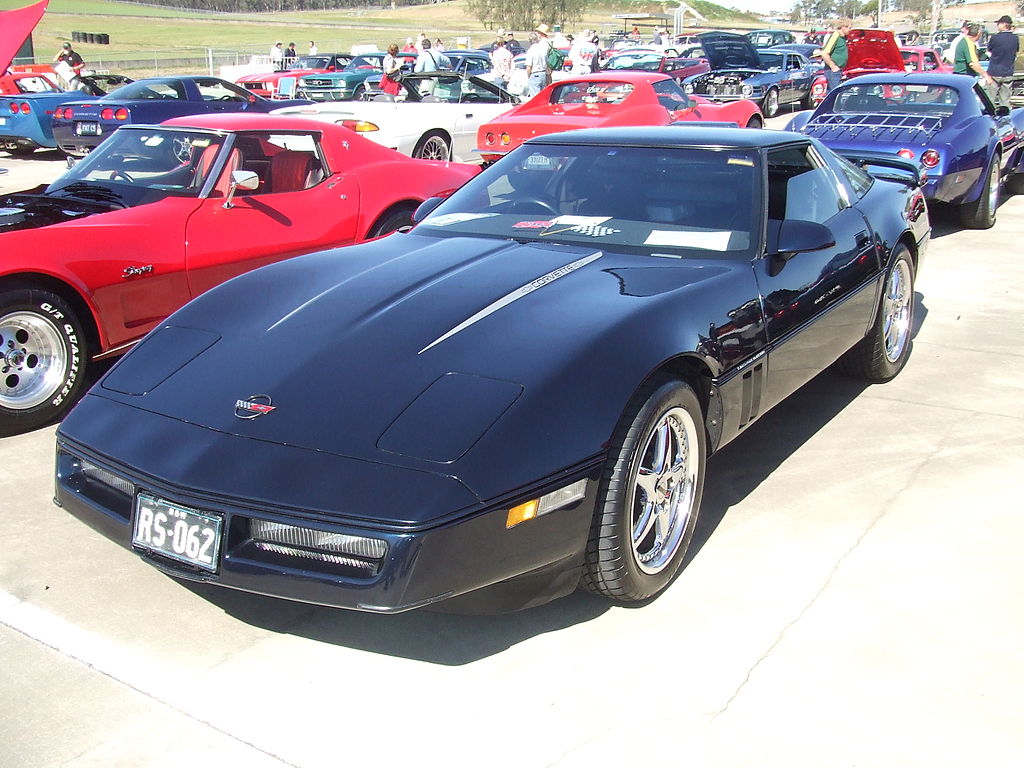
The Chevrolet Corvette C4 offers modern looks and performance at tempting prices, yet not all examples are equal. High mileage cars, neglected maintenance, and aging interiors make restoration more expensive than the initial deal suggests. Electronics, digital dashboards, and suspension components can all demand attention. While some C4s are worth owning, the rough ones dominate classifieds. Collectors warn that chasing the lowest price often leads to disappointment. Without careful inspection and realistic expectations, buyers can end up with a Corvette that spends more time on stands than on roads.
These cars prove that not every classic is a wise target for first time buyers or budget conscious dreamers. Beauty, rarity, or a famous badge cannot erase parts shortages, design flaws, or decades of neglect. Collectors are not saying these models should disappear. They are saying honesty matters more than fantasy. Admire them at shows, photograph them, even enjoy riding in a well maintained example. Just think carefully before letting one follow you home. In the world of classic cars, restraint can be the most valuable part you own.