
As modern life became faster, louder, and more digitally connected, many of America’s most cherished traditions slipped quietly into the past. These customs once strengthened communities, fostered creativity, and brought families closer together. While commercial culture introduced convenience and endless options, it also replaced handmade rituals with mass-produced alternatives. Revisiting these lost traditions offers a window into how American life has transformed and what values have slowly faded along the way.
Handmade Holiday Decorations

There was a time when families gathered around tables to create handmade ornaments, paper garlands, and wreaths using items from their yard or home. These decorations carried emotional value because each one was crafted with care and creativity. Today, store-bought décor has taken over, encouraging uniform styles and seasonal trends rather than personal expression. While commercially produced items may be convenient, they lack the intimate charm of homemade holiday art.
Front-Porch Socializing

Front porches were once the heartbeat of neighborhood life, where families relaxed, greeted passersby, and shared news. This tradition faded as suburban developments shifted architectural designs indoors and people became more absorbed in screens. Commercial entertainment replaced these natural interactions, leading to less spontaneous community connection. The decline of porch culture symbolizes a broader shift toward privatized and individual lifestyles.
Handwritten Letters

Sending handwritten letters was once the most meaningful way to communicate across distance, offering personality through penmanship and heartfelt effort. With digital messaging dominating communication, the tactile beauty of a letter has nearly vanished. Commercial convenience has replaced the emotional depth that once came with taking time to write. Although faster communication is helpful, something essential has been lost in the process.
Homemade Family Recipes
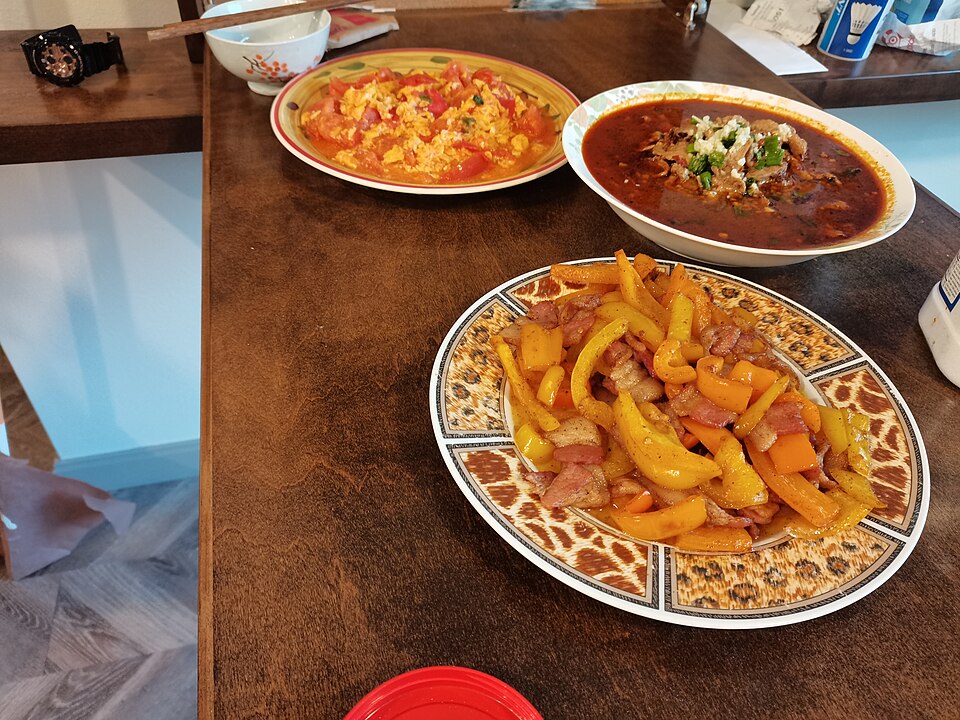
Families once passed down recipes through handwritten notes and shared kitchen time, creating a legacy that bound generations together. Today, many rely on prepackaged meals, restaurants, and mass-produced ingredients, pushing aside the art of home cooking. Commercial food culture encourages instant preparation over the slow joy of crafting a meal from scratch. As a result, many heirloom recipes and techniques are disappearing.
Local Festivals and Fairs
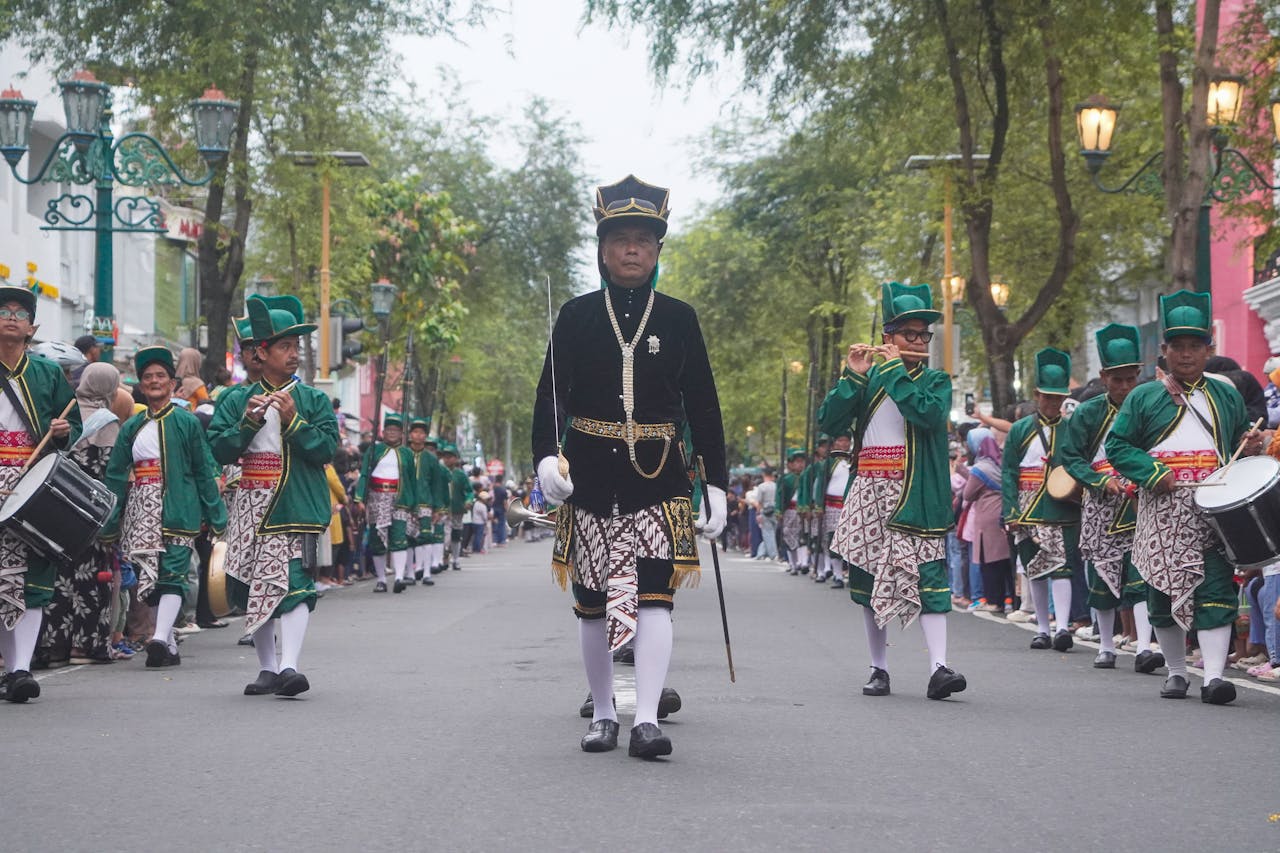
Small towns used to host local fairs rooted in community history, agriculture, and seasonal traditions. Many of these events have been overshadowed by larger commercial attractions that prioritize profit over heritage. What once celebrated local identity has, in many places, been replaced by standardized entertainment experiences. The loss of these traditions reflects a shift away from locally grown culture.
Saturday Family Outings

Families once looked forward to simple Saturday outings like picnics, hikes, or browsing local shops together. Commercial culture replaced these with mall trips, chain stores, and digital entertainment that require little personal interaction. While convenient, these activities lack the spontaneity and warmth of the older traditions. The result is a decline in the simple, relationship-building experiences families once cherished.
Homemade Halloween Costumes

Children used to create Halloween costumes using everyday household items, encouraging creativity and imagination. Today, store-bought costumes dominate, with children choosing from mass-produced characters rather than designing their own. Commercial culture has transformed Halloween into a highly marketed event rather than a crafting adventure. This shift has reduced the creative spark once central to the holiday.
Community Potlucks
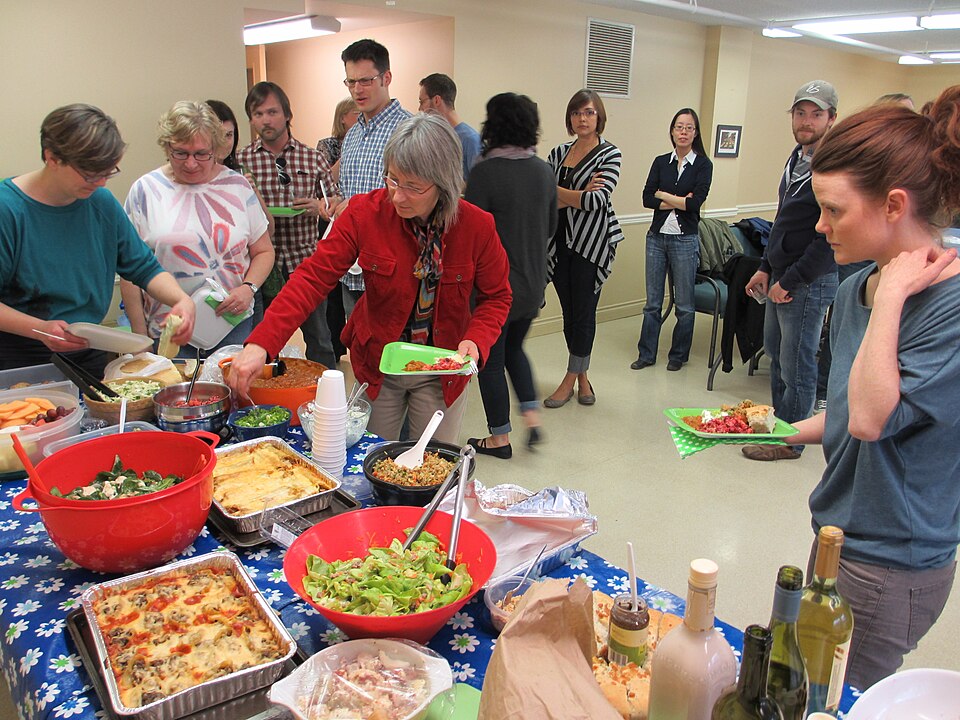
Community potlucks once brought neighbors together to share homemade dishes and stories. Over time, restaurant catering and commercial food options replaced these gatherings. With convenience as the priority, the bonding element of sharing personal dishes has declined. Potlucks symbolized unity and togetherness, values now overshadowed by commercial alternatives.
Family Board-Game Nights
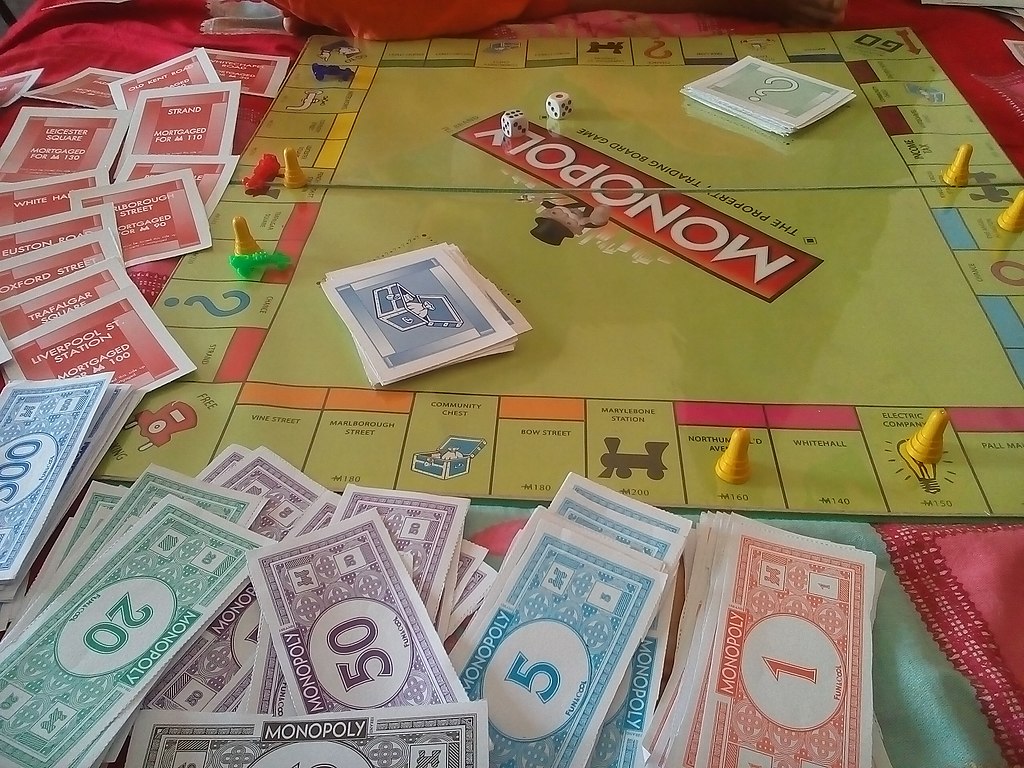
Before digital entertainment took over, many families spent evenings playing board games together. These games encouraged teamwork, competition, and laughter without screens or distractions. Commercial streaming and gaming have shifted attention toward solitary entertainment. Although families still play games, the tradition is far less common than it once was.
Repairing Instead of Replacing Items
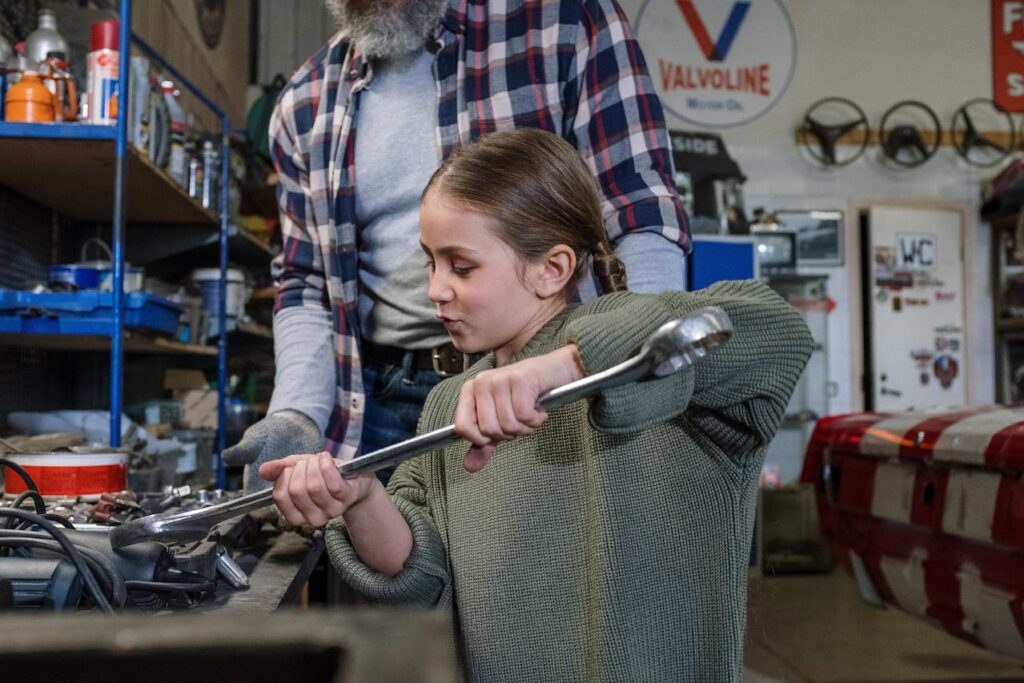
Generations ago, Americans repaired everything from clothing to appliances, valuing craftsmanship and sustainability. Today, commercial culture promotes quick replacement rather than thoughtful repair. This shift has diminished practical skills and increased wastefulness. The tradition of mending with care has become rare in a throwaway culture.
Seasonal Canning and Preserving

Canning fruits and vegetables was once an essential seasonal ritual in many households. This tradition brought communities together as people shared produce and techniques. Commercial food availability year-round has made home preserving less common. The loss of this practice reflects a broader disconnection from seasonal rhythms and self-sufficiency.
Door-to-Door Caroling

Caroling was once a beloved winter tradition where neighbors visited homes singing festive songs. Over time, commercial holiday events replaced these heartfelt community performances. While organized concerts remain popular, they lack the personal touch of spontaneous doorstep singing. The fading of caroling illustrates how commercial culture has reshaped holiday participation.
Handmade Gifts

Handmade gifts once carried emotional weight, representing time, effort, and personal thoughtfulness. The rise of commercial gift-buying has reduced the emphasis on creating something meaningful by hand. Although purchased items offer convenience, they rarely match the sentiment of handcrafted items. This shift reflects how commercial culture prioritizes speed over sincerity.
Local Bookstores and Reading Clubs
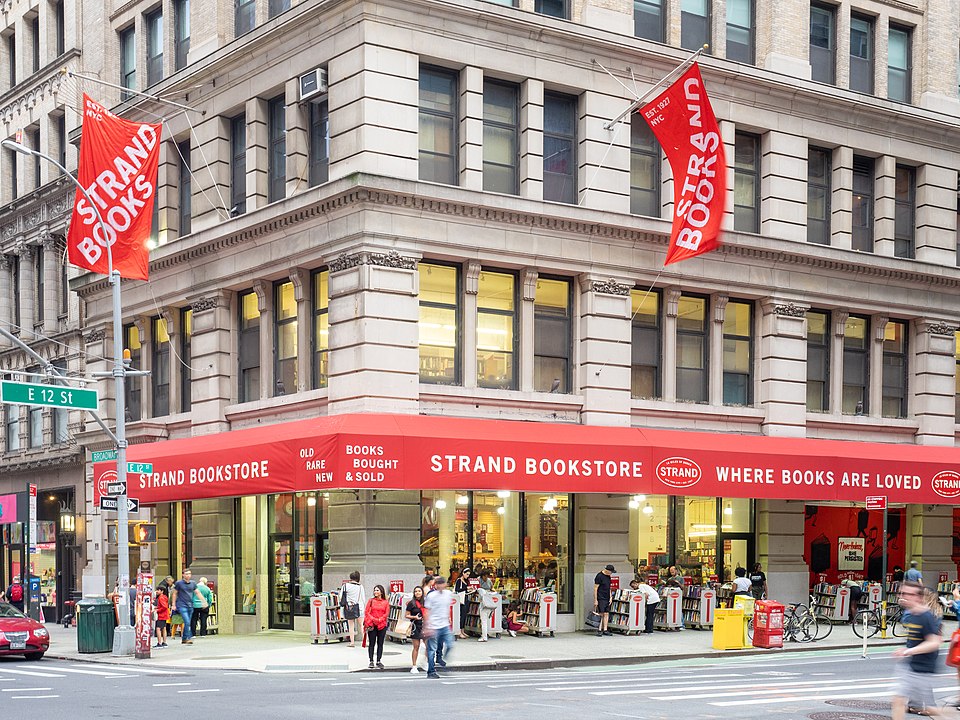
Local bookstores once hosted reading clubs that encouraged discussion and literary exploration. Commercial megastores and digital platforms changed how people engage with books, reducing the prevalence of such intimate gatherings. While reading remains popular, the community element has weakened. Local book culture has been replaced by mass distribution and online algorithms.
Family Photo Albums
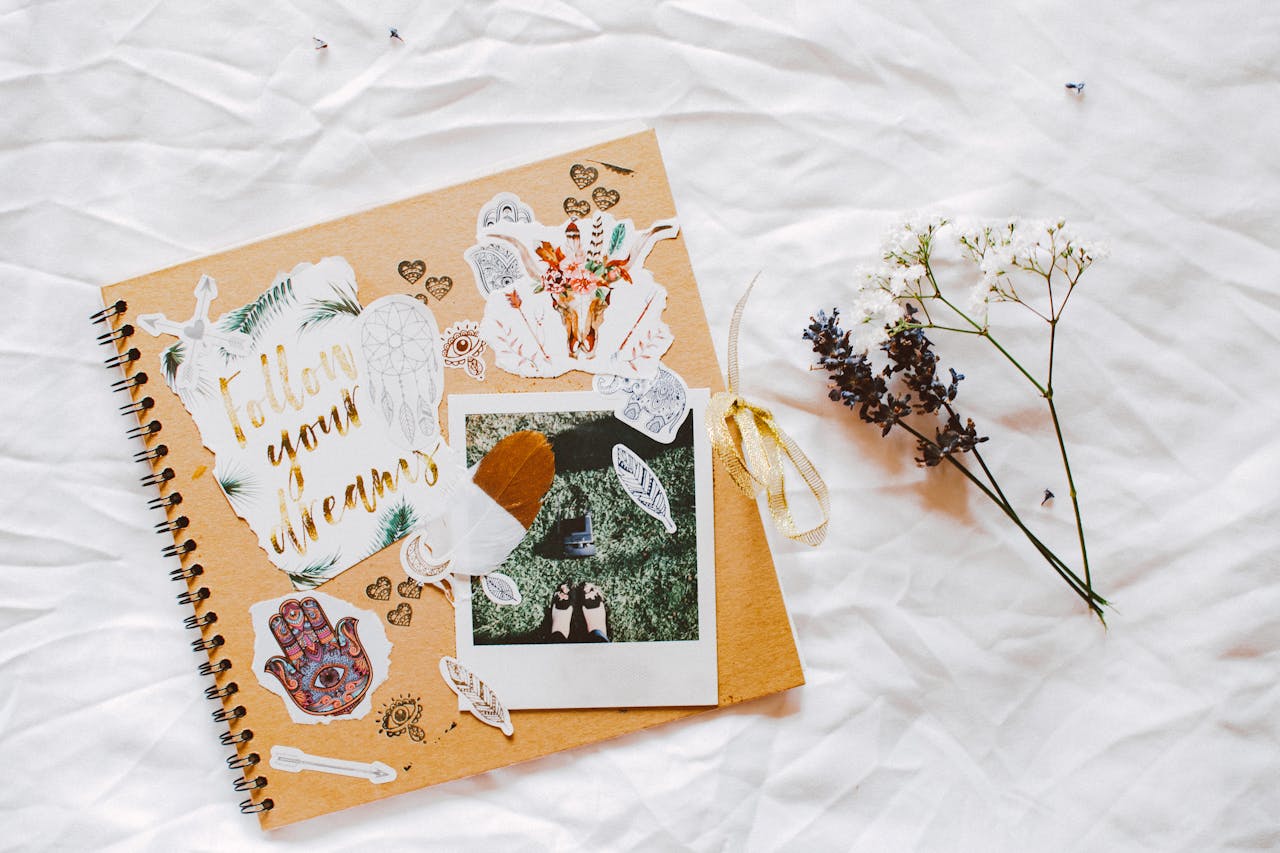
Families once meticulously created photo albums to preserve memories with care and storytelling. Digital photography has made these physical keepsakes far less common, shifting memory-keeping to cloud storage and social media. While convenient, digital images lack the tactile warmth of album pages. The tradition of gathering to flip through family albums has largely disappeared.
Sunday Dinners

Sunday dinners were once a cornerstone of family life, where extended relatives gathered to share a home-cooked meal. Commercial schedules and fast-paced lifestyles have pushed this ritual aside. Many families now rely on quick meals or dine separately due to busy routines. The decline of Sunday dinners reflects broader changes in American family dynamics.
Community Clean-Up Days

Neighborhoods once hosted cleanup days where residents worked together to beautify their streets and parks. As commercial services expanded, fewer communities maintained these grassroots efforts. This loss weakened civic pride and reduced collaborative involvement. Many places now rely on paid services instead of local cooperation.
Traditional Quilting Circles
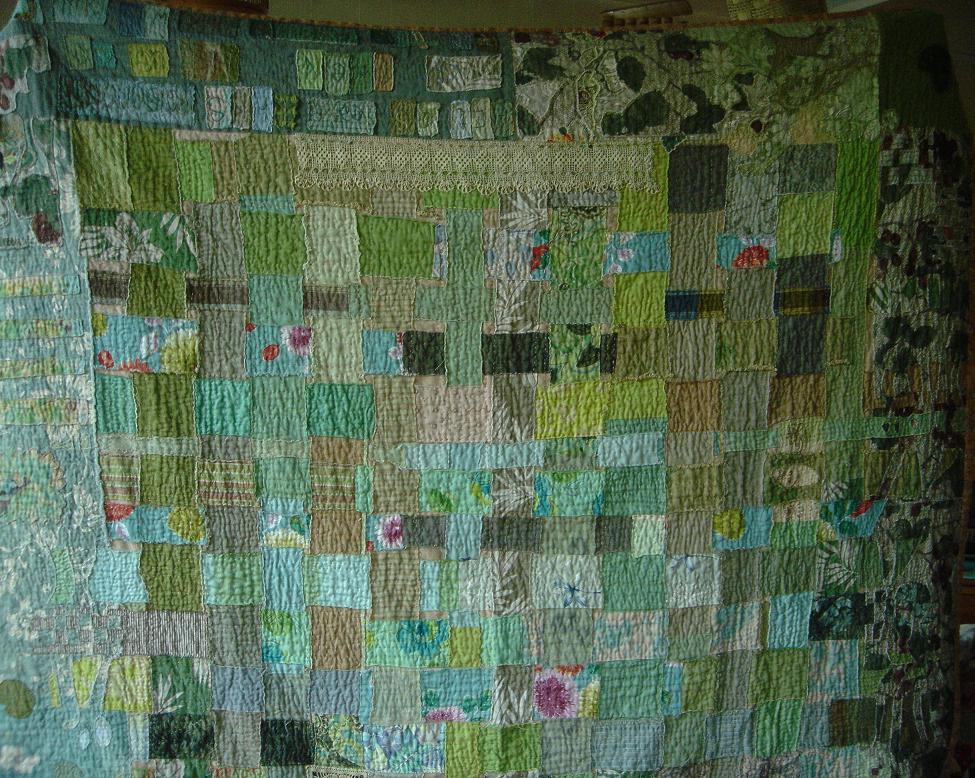
Quilting circles were once important social gatherings where women created intricate handmade quilts. Today, commercial bedding has replaced these communal craft traditions. Although quilting still exists, it is often pursued individually rather than as a shared activity. These circles once fostered companionship and storytelling, now largely lost.
Handcrafted Toys
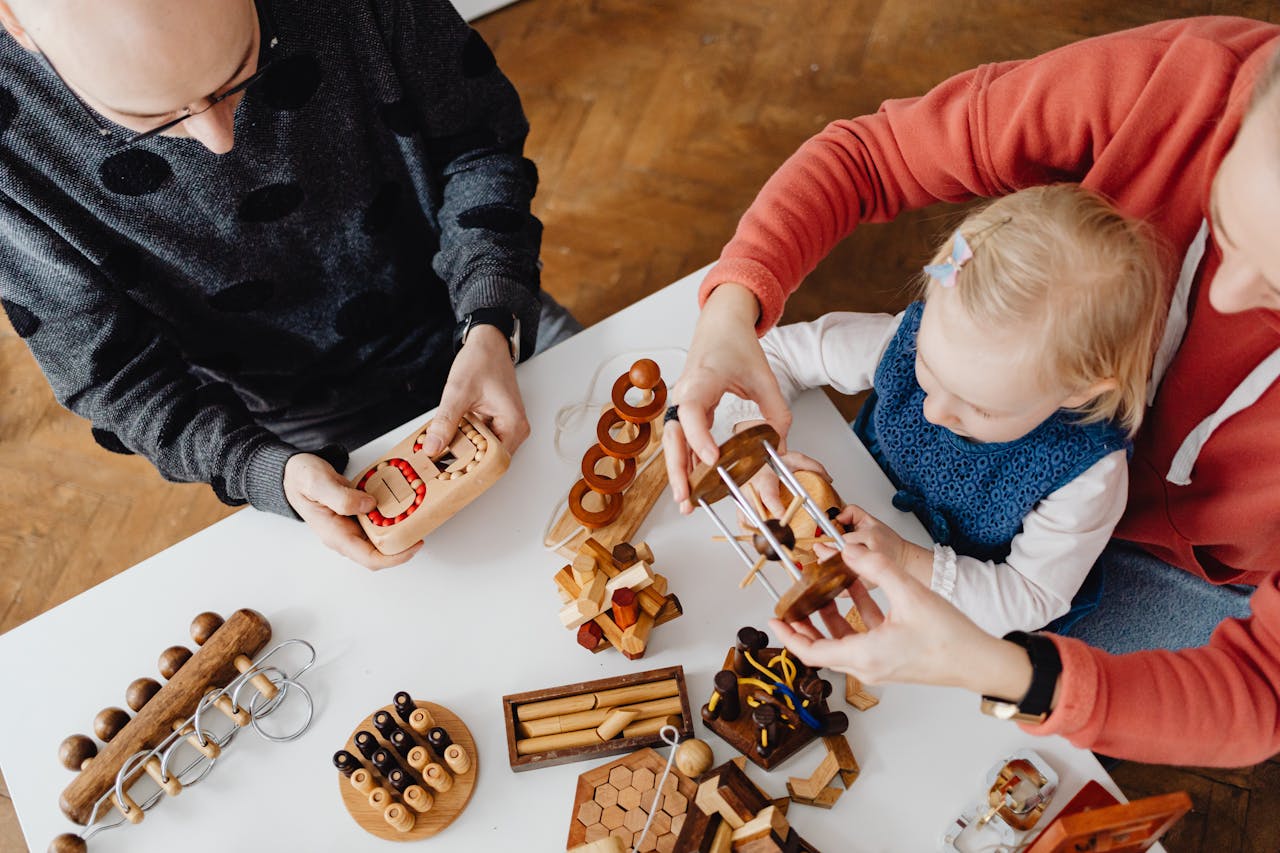
Before mass production dominated the toy market, many children grew up with handmade wooden or fabric toys. These items were built to last and often held sentimental value. Commercial toys have replaced them with disposable, quickly outdated products. The shift marks a broader change toward fast consumption and less durability.