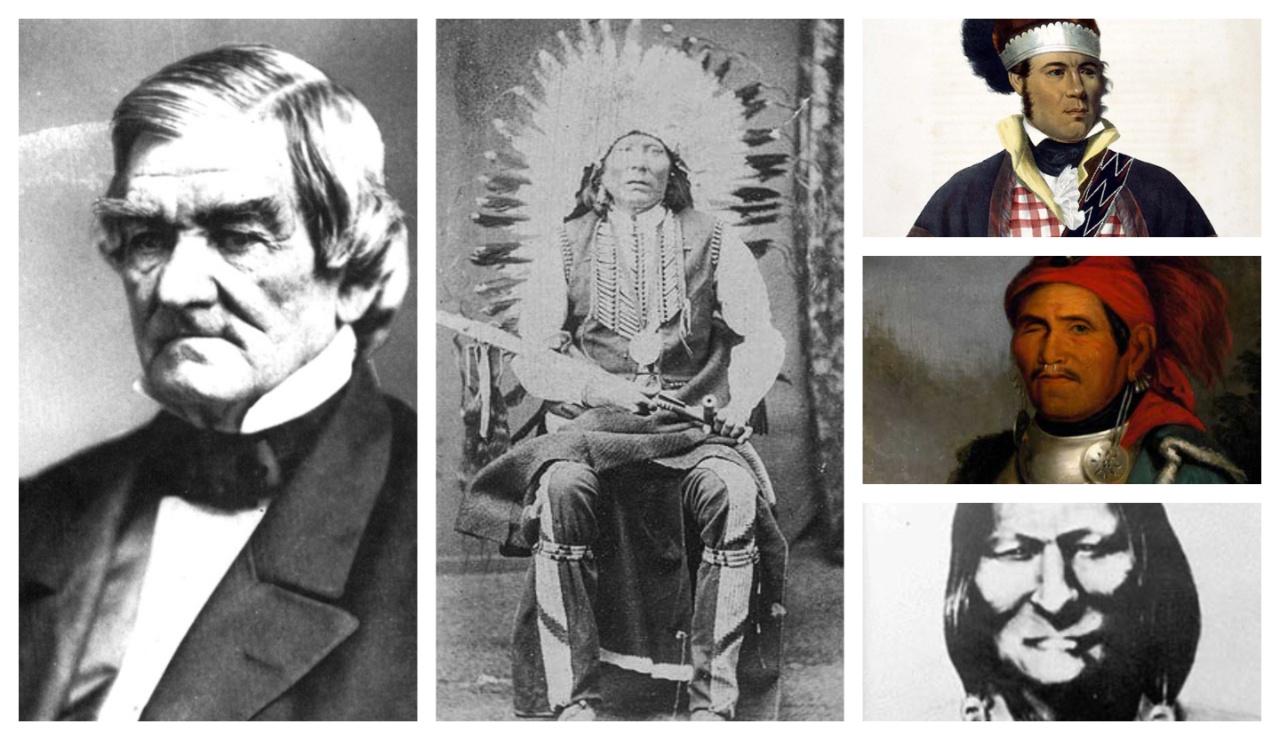
Across centuries, Native American leaders left an enduring impact on U.S. history through diplomacy, resistance, and cultural revival. Their lives highlight courage, resilience, and a determination to protect their people against extraordinary odds. These nineteen leaders shaped the course of history and left legacies that continue to inspire.
Powhatan
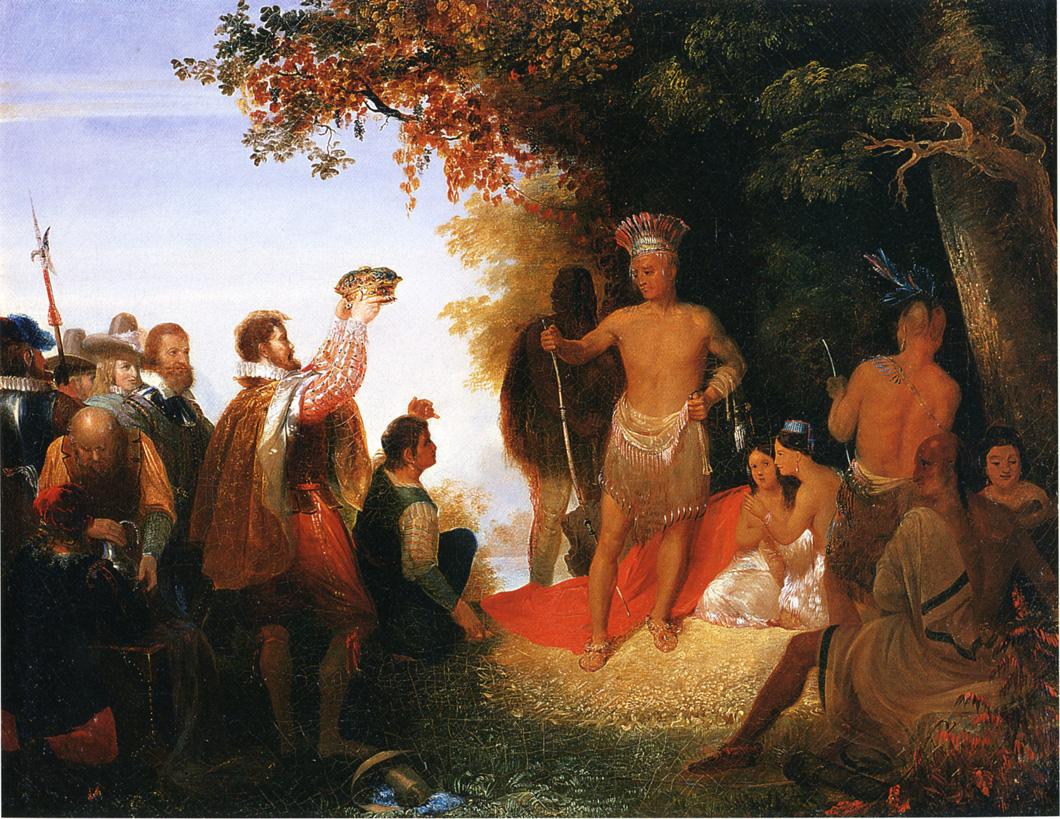
Powhatan, or Wahunsunacawh, was the paramount chief of the Powhatan Confederacy in present-day Virginia. He oversaw a network of tribes during the early colonial period, negotiating with Jamestown settlers while also resisting their expansion. His leadership balanced both diplomacy and force in a volatile time. His influence ensured that Native voices shaped the earliest years of English colonization.
Metacomet (King Philip)
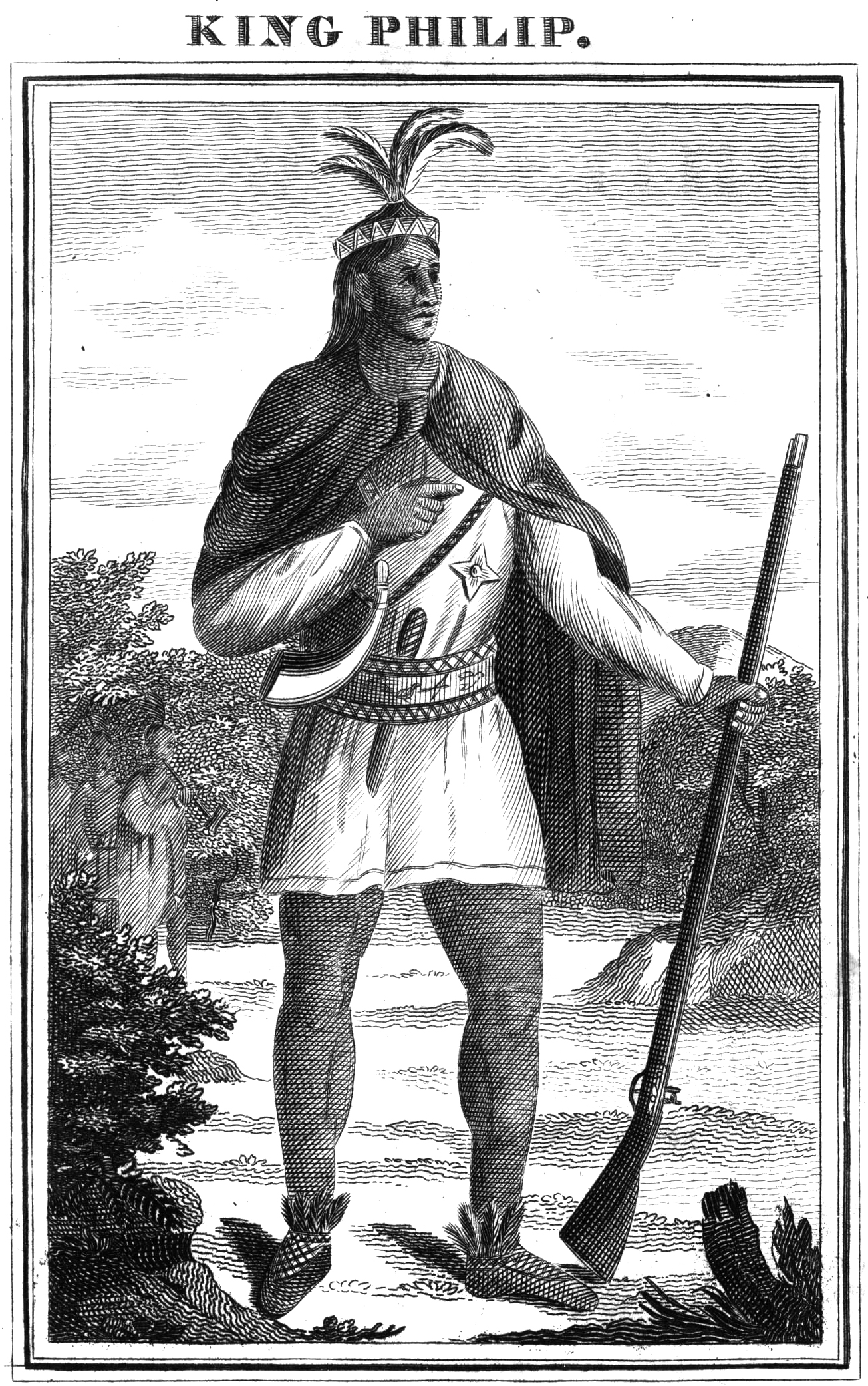
Metacomet, known to colonists as King Philip, was a Wampanoag leader who resisted English encroachment in the 1670s. He organized tribes in New England during King Philip’s War, one of the bloodiest conflicts of the colonial era. His determination to defend Native lands reshaped early American history. Though defeated, his legacy symbolizes Indigenous resistance.
Tecumseh
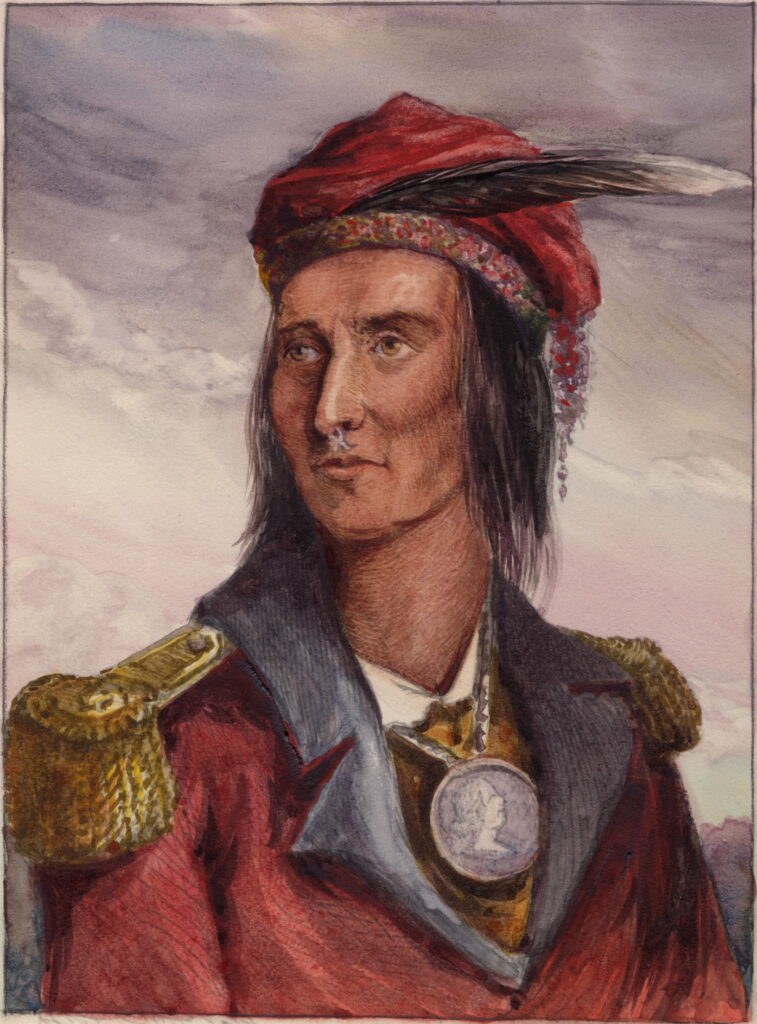
Tecumseh, the Shawnee leader, sought to unite tribes into a confederacy strong enough to resist U.S. expansion. He allied with the British during the War of 1812 but was killed at the Battle of the Thames. His eloquence and vision for Native unity remain legendary. Tecumseh is remembered as one of the greatest Indigenous statesmen of his era.
Tenskwatawa (The Prophet)
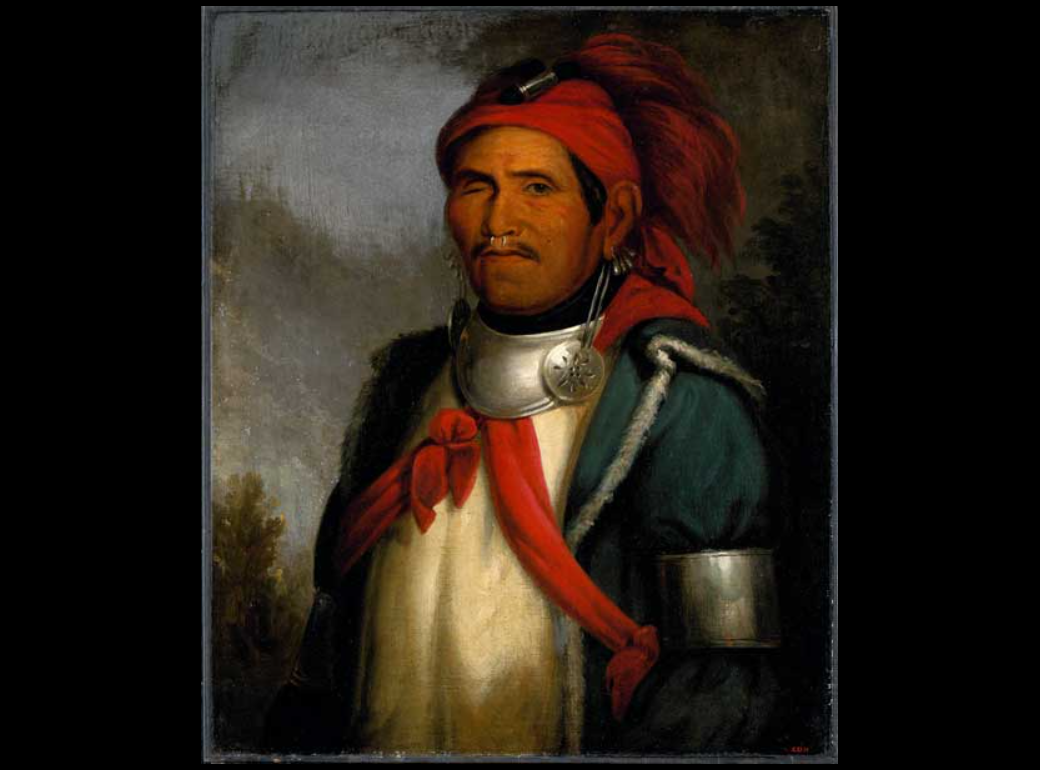
Tenskwatawa, brother of Tecumseh, inspired a religious revival among Native tribes. Known as The Prophet, he urged a return to traditional ways and rejection of European customs. His spiritual movement fueled resistance against U.S. settlers. Though less militarily inclined than his brother, his teachings shaped Native identity.
Sitting Bull
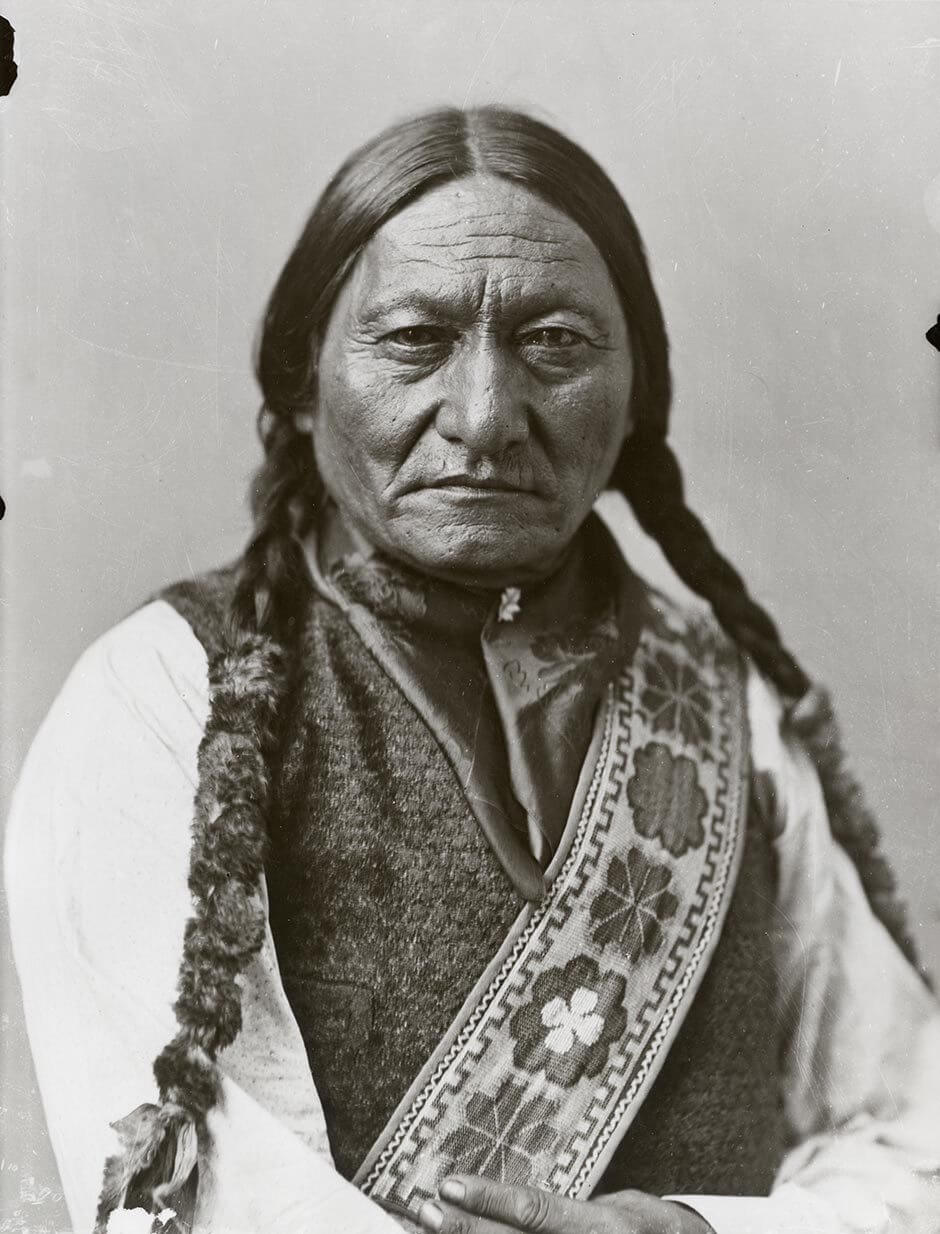
Sitting Bull, a Hunkpapa Lakota Sioux leader, is remembered for his role in the Battle of the Little Bighorn. He resisted signing treaties that undermined his people’s sovereignty and became a unifying figure. Later, he reluctantly surrendered and even joined Buffalo Bill’s Wild West show. His death in 1890 marked the end of an era of open resistance.
Crazy Horse
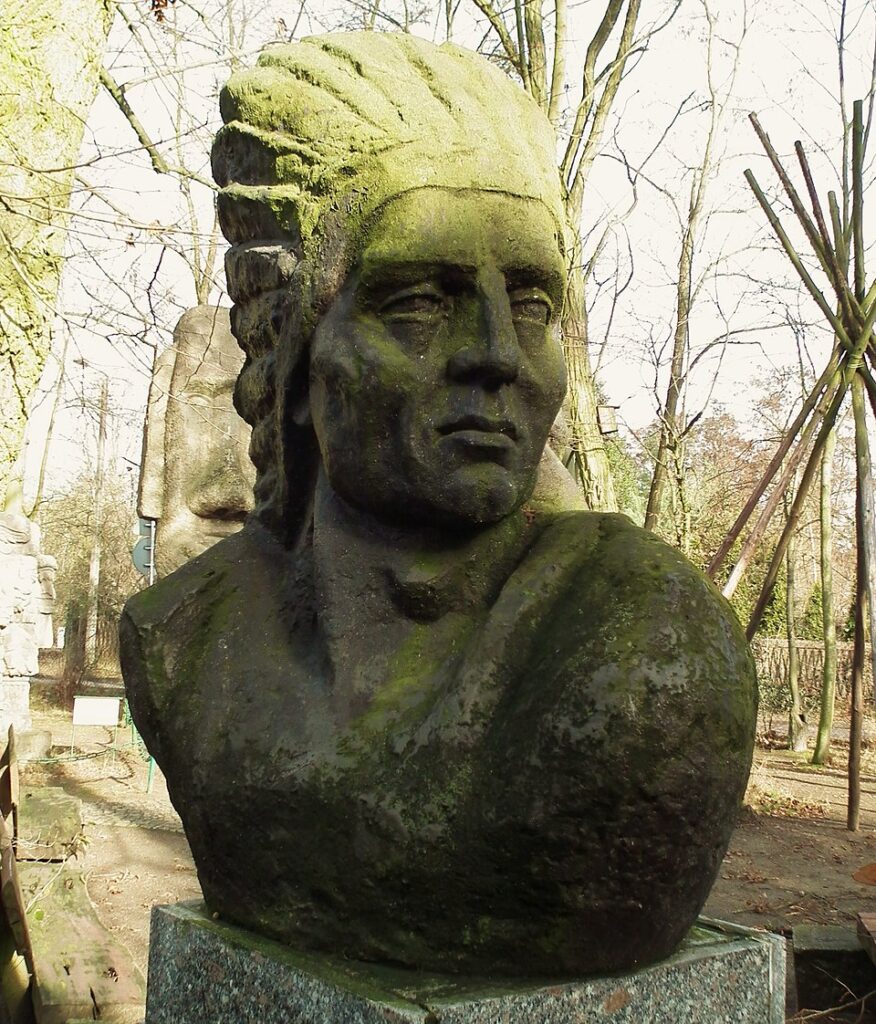
Crazy Horse, an Oglala Lakota warrior, was known for his skill and bravery in battle. He played a pivotal role at the Battle of the Little Bighorn alongside Sitting Bull. Fiercely protective of his people’s independence, he refused to compromise with U.S. authorities. He was killed in 1877, but his spirit lives on as a symbol of defiance.
Red Cloud
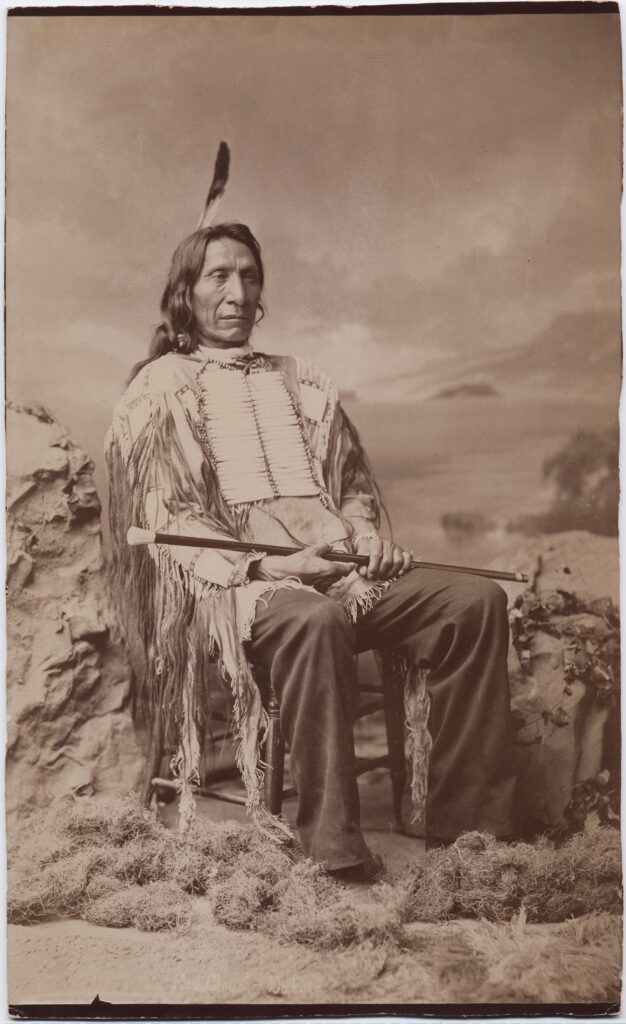
Red Cloud successfully fought the U.S. Army during Red Cloud’s War, forcing the government to abandon forts along the Bozeman Trail. Later, he pursued diplomacy to protect his people’s interests. His ability to shift from war to negotiation reflected both pragmatism and vision. Red Cloud is remembered as one of the most successful Native leaders in military history.
Chief Joseph
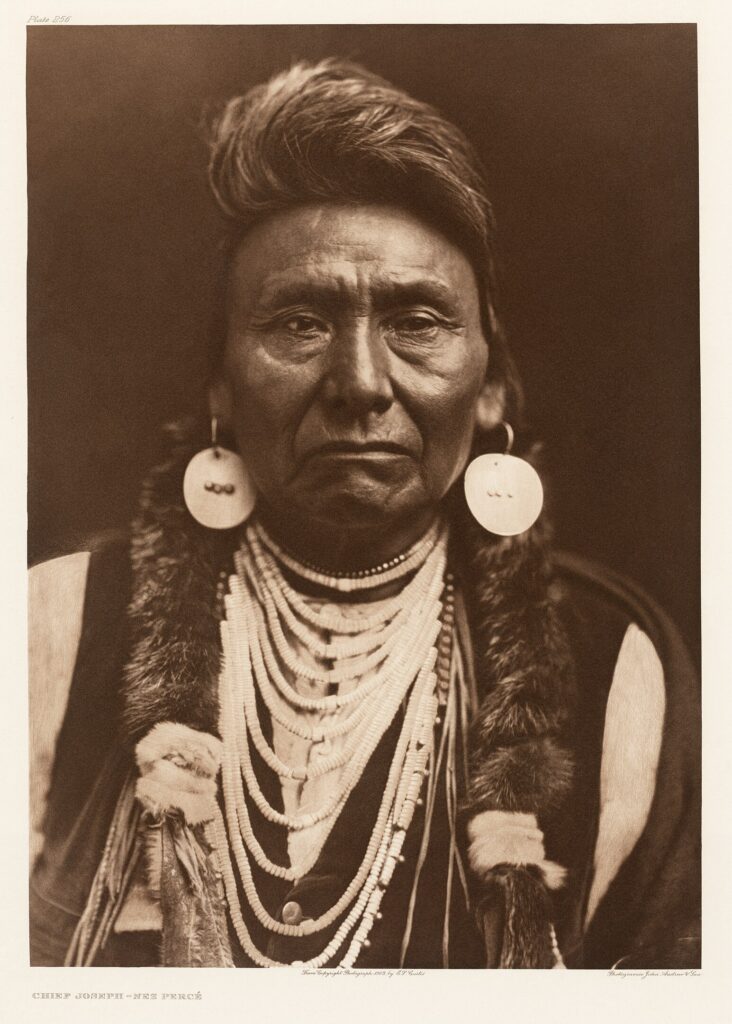
Chief Joseph of the Nez Perce sought to avoid war with the U.S. Army while protecting his people. In 1877, he led his tribe on a 1,700-mile retreat before finally surrendering. His words, “I will fight no more forever,” captured the pain of forced displacement. He later worked to secure justice for his tribe through diplomacy.
Geronimo
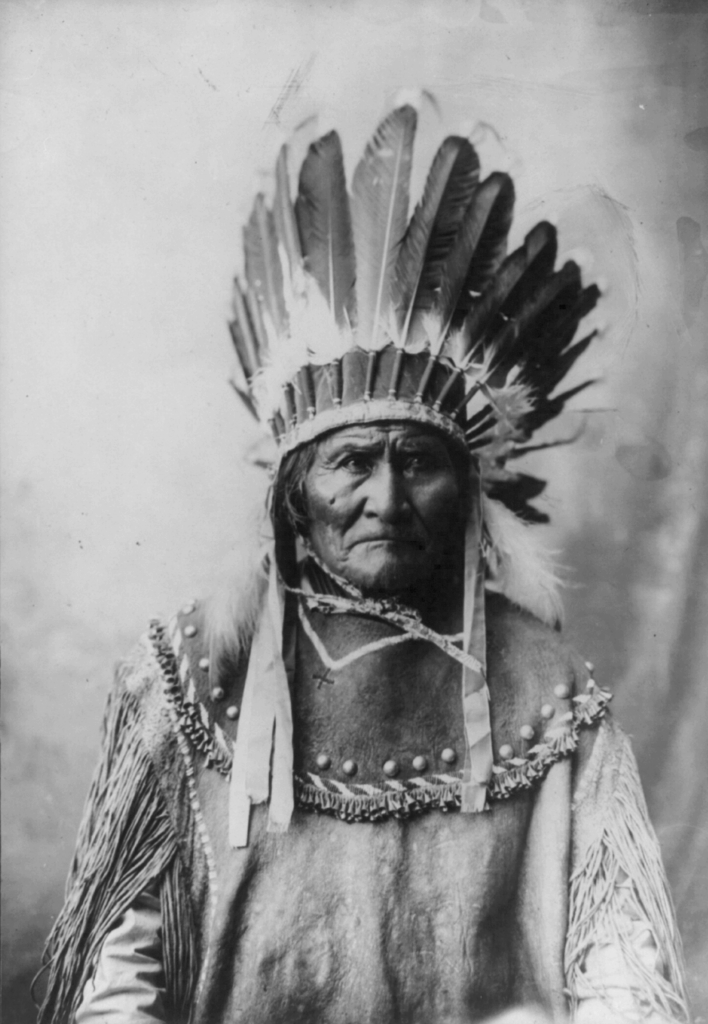
Geronimo, a Chiricahua Apache leader, resisted U.S. and Mexican forces for decades in the Southwest. Known for his daring escapes and raids, he became a symbol of Native defiance. Even after his capture, he remained a cultural figure and appeared at public events. His name still resonates as a cry of courage.
Osceola
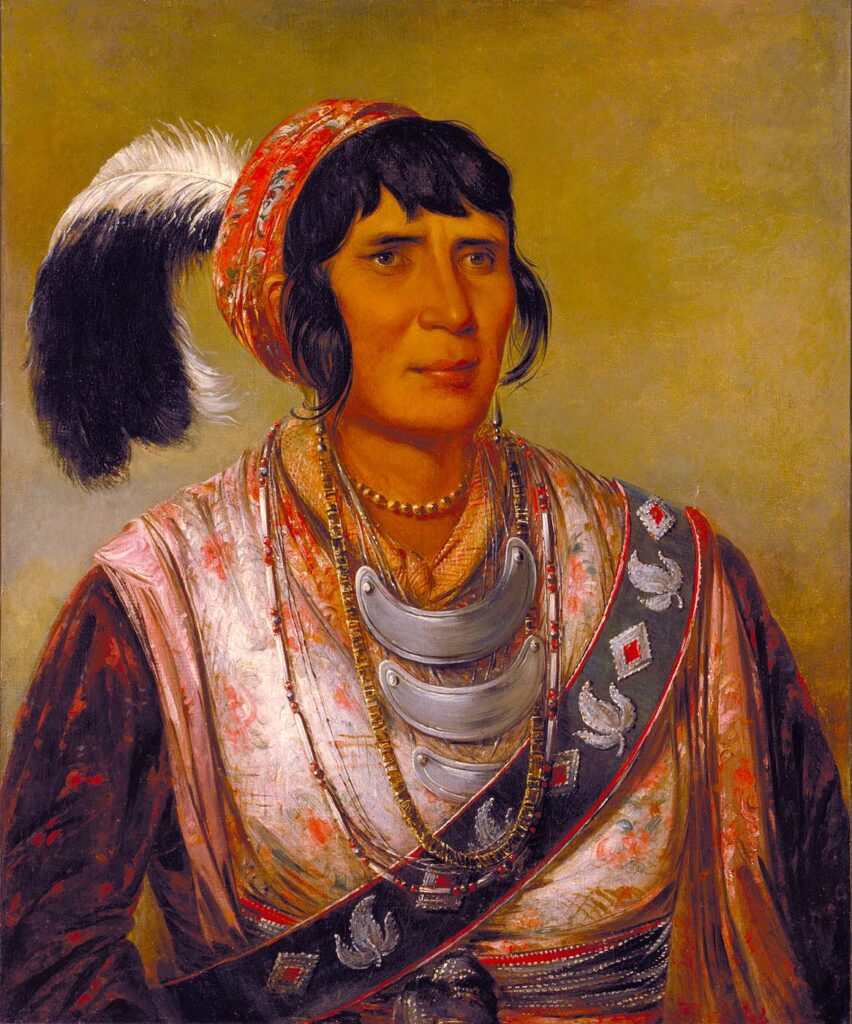
Osceola led the Seminoles during the Second Seminole War in Florida. Using guerrilla tactics, he prolonged resistance against U.S. forces far longer than expected. Captured under a flag of truce, he died in prison in 1838. His legacy embodies resilience against overwhelming odds.
Wilma Mankiller
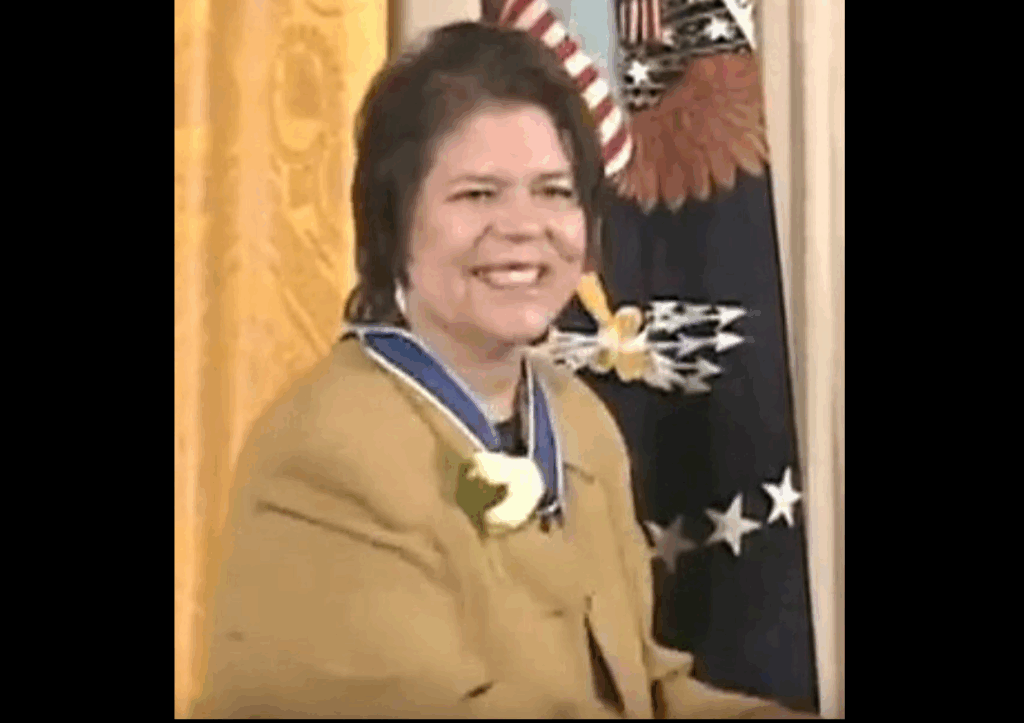
Wilma Mankiller became the first woman to serve as Principal Chief of the Cherokee Nation. She prioritized healthcare, education, and community development. Under her leadership, the Cherokee Nation grew stronger economically and politically. She remains an icon of modern Native leadership.
Standing Bear
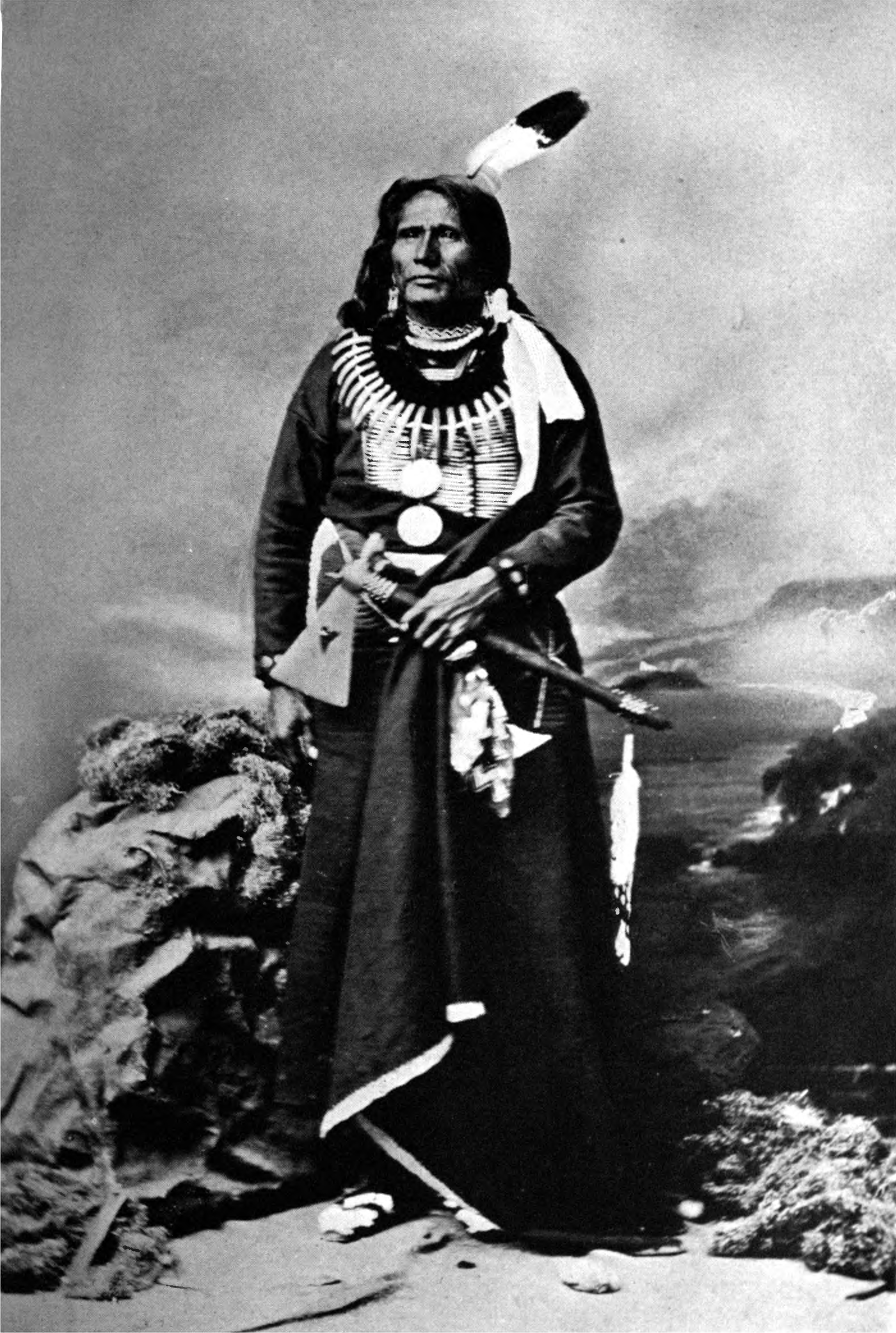
Standing Bear, a Ponca leader, won a historic legal victory in 1879 when a federal court recognized Native Americans as “persons” under the law. His case set a precedent for civil rights. By asserting his humanity in court, Standing Bear advanced justice for Indigenous people. His courage changed U.S. legal history.
John Ross
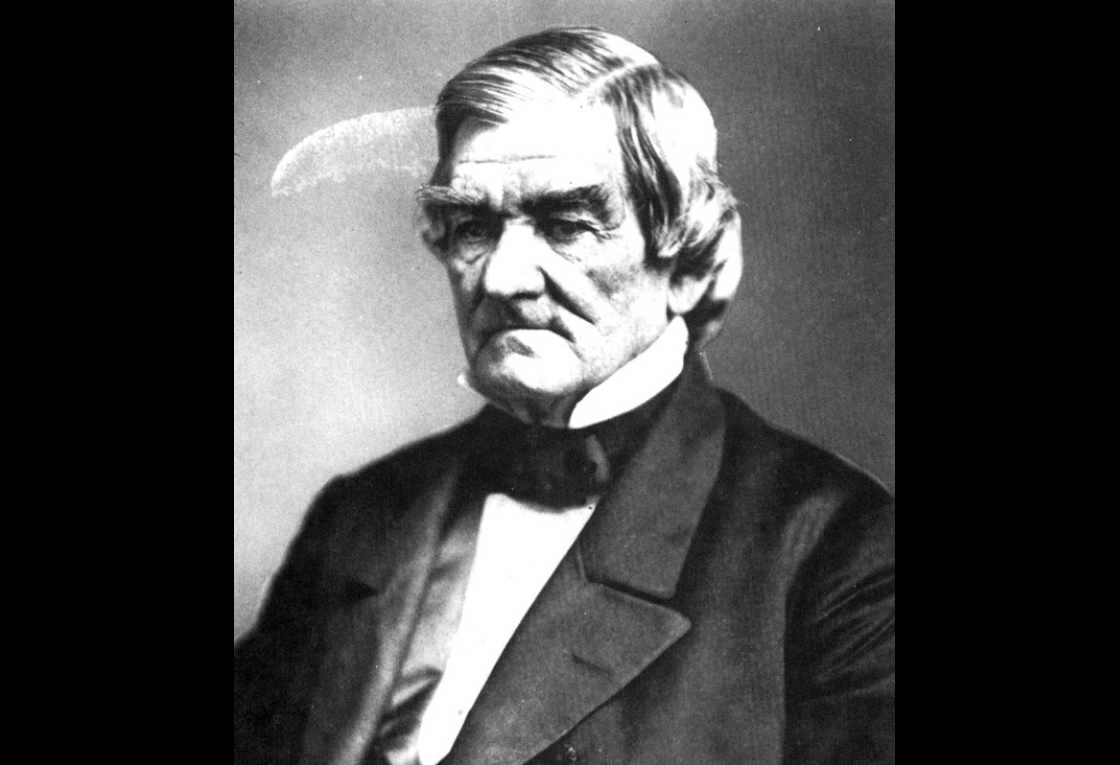
John Ross served as Principal Chief of the Cherokee Nation during the Trail of Tears. He fought tirelessly to defend Cherokee sovereignty through diplomacy. Though forced removal devastated his people, his leadership preserved Cherokee political identity. Ross guided the Cherokee Nation through its darkest chapter.
William McIntosh
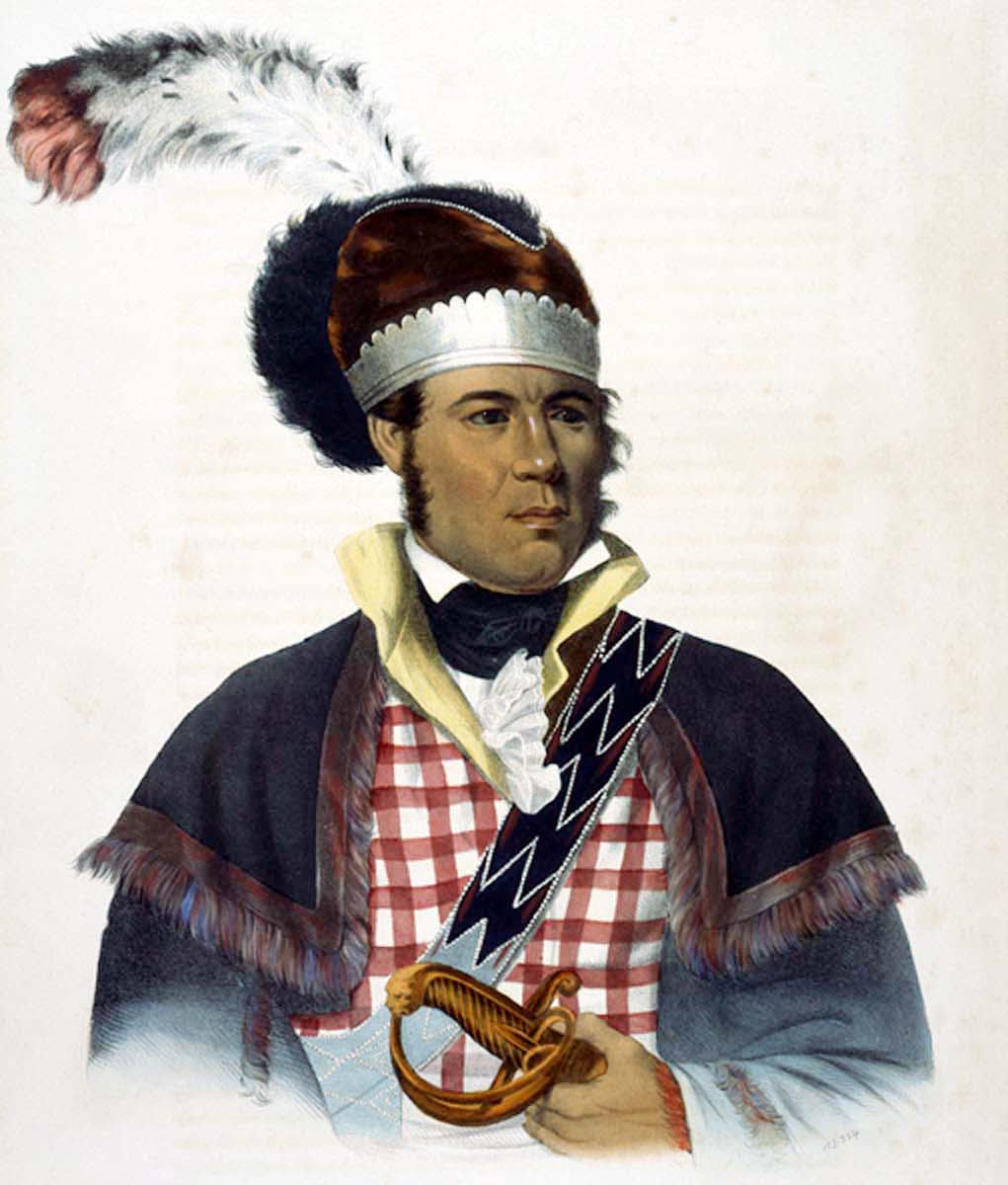
William McIntosh, a Creek leader, signed treaties ceding Native lands to the U.S. His decision sparked outrage and led to his execution by fellow Creek members. While controversial, his role reflects the complex choices Native leaders faced under U.S. pressure. His story is a reminder of the divisions colonial policies created.
Lozen
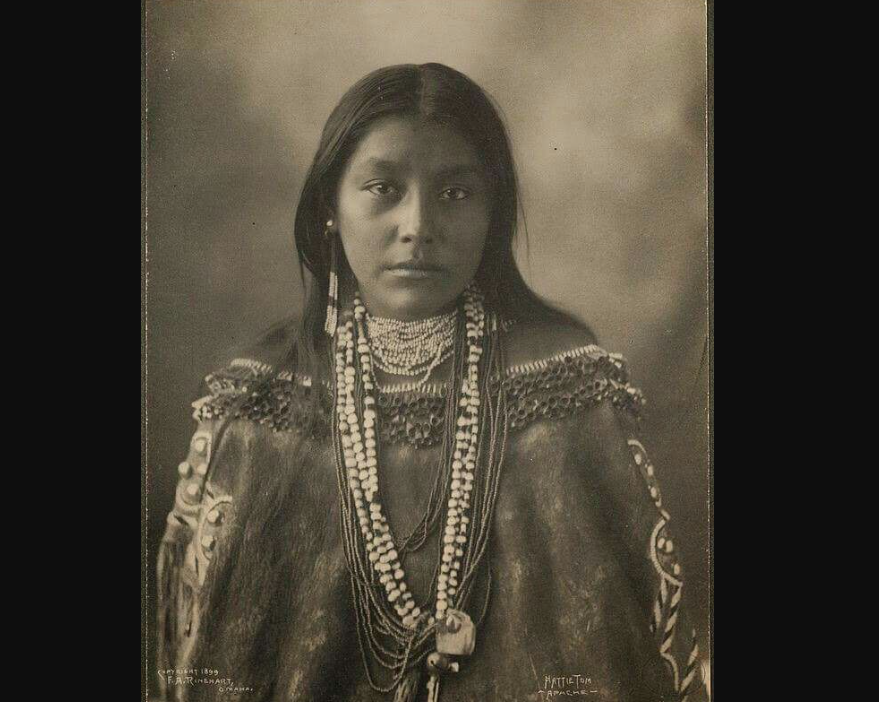
Lozen, an Apache warrior and prophetess, fought alongside her brother Victorio against U.S. and Mexican forces. She guided her people with spiritual insight and tactical brilliance. As a woman in warfare, she defied gender norms while embodying courage. Lozen remains a revered figure in Apache history.
Chief White Eagle
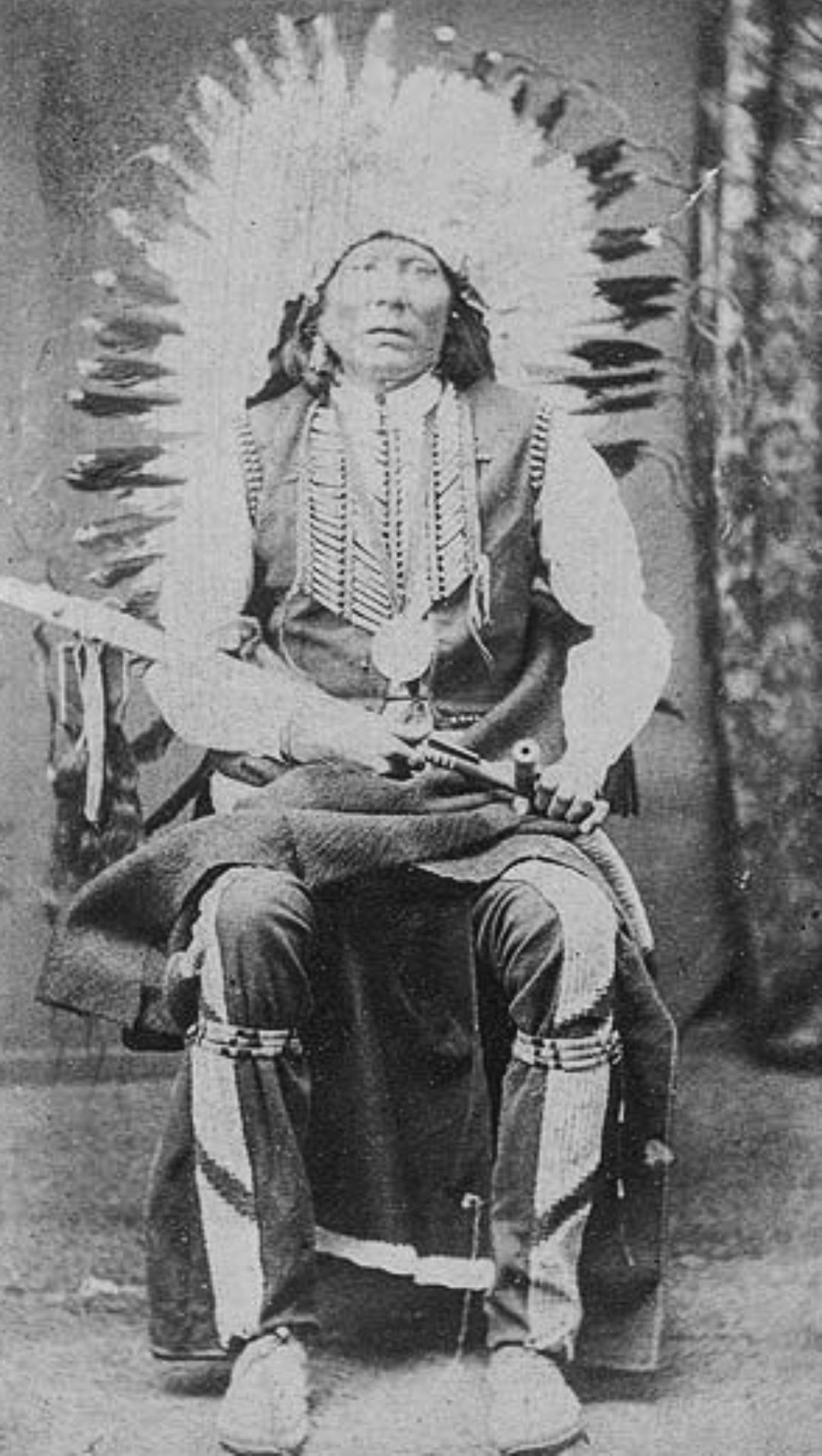
Chief White Eagle led the Ponca during their forced removal to Indian Territory. He campaigned for justice, using both public opinion and political channels. His advocacy brought attention to Native suffering under federal policies. His leadership helped build the foundation for Native civil rights activism.
Black Kettle
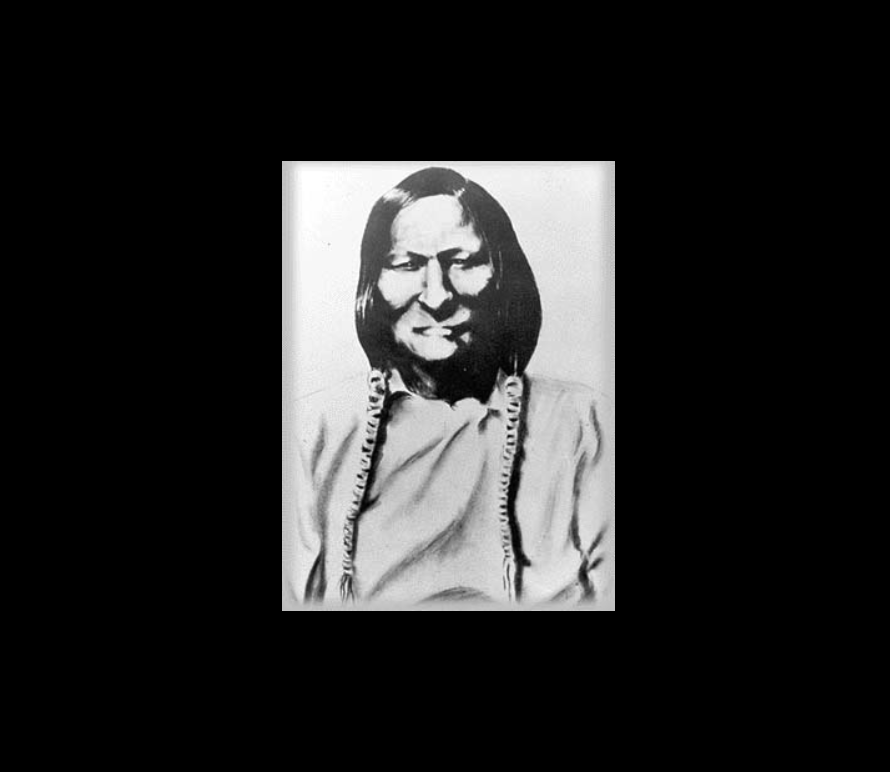
Black Kettle, a Cheyenne chief, pursued peace even amid violent conflict. Despite his efforts, his village was massacred at Sand Creek in 1864, and he was later killed at the Battle of Washita. His attempts at diplomacy in the face of betrayal remain deeply tragic. His life highlights the challenges peace-seeking leaders faced.
Buckongahelas
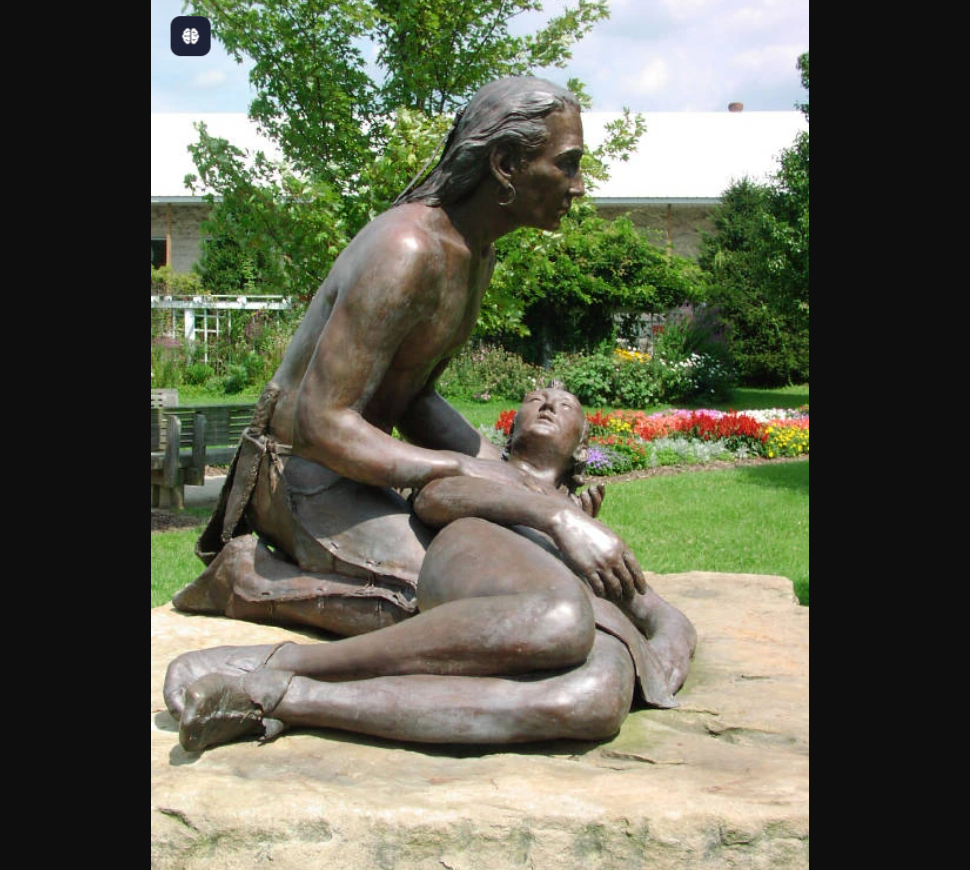
Buckongahelas, a Delaware chief, guided his people through displacement and colonial conflict. He balanced diplomacy and resistance during the late 1700s. His leadership shaped Delaware survival strategies in a changing America. Though less widely known, his legacy was significant for his people.
Pontiac
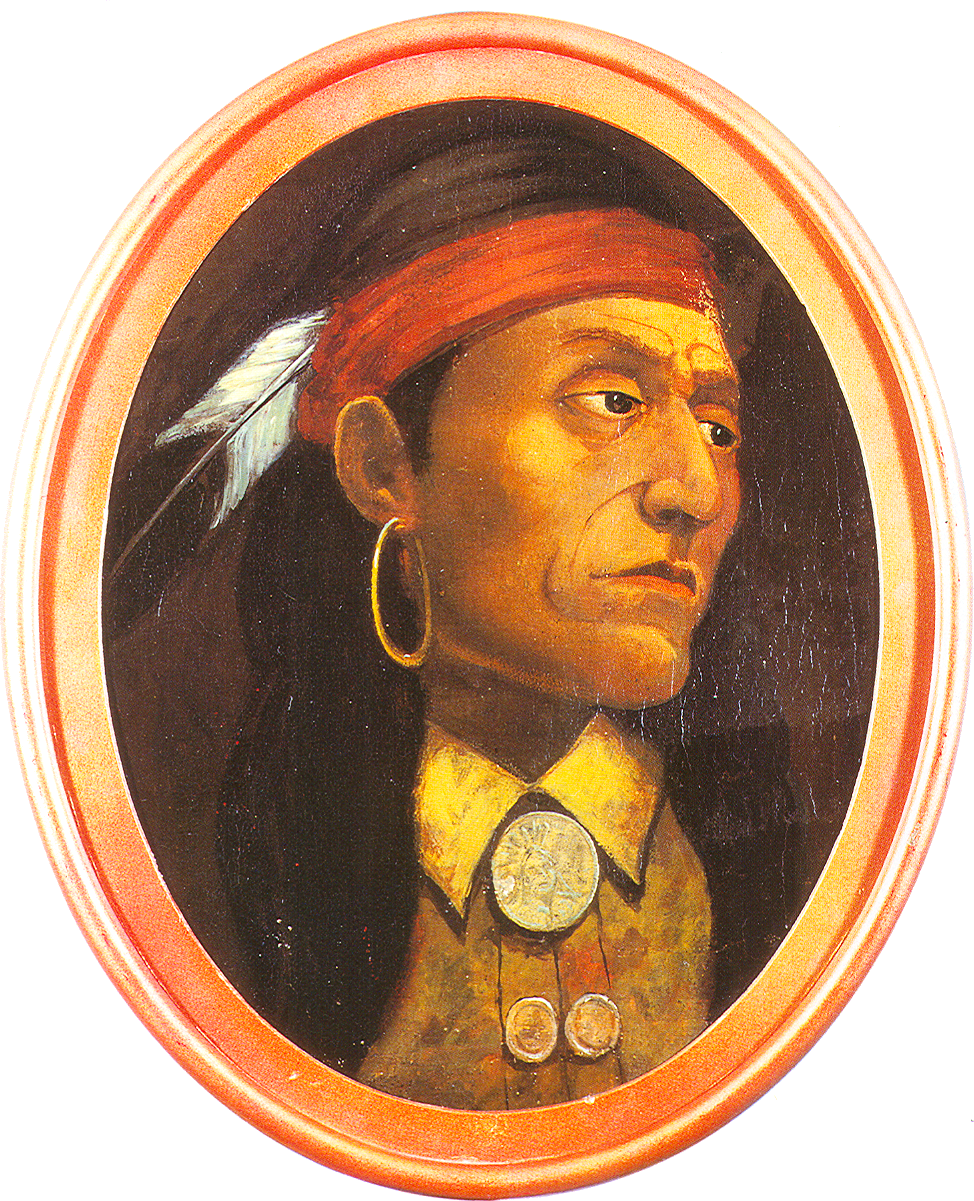
Pontiac, an Ottawa leader, launched Pontiac’s Rebellion against British rule after the French and Indian War. His call for unity inspired widespread Indigenous resistance. Although the rebellion failed, it forced colonial powers to reconsider Native grievances. Pontiac’s name endures as a symbol of unity and struggle.