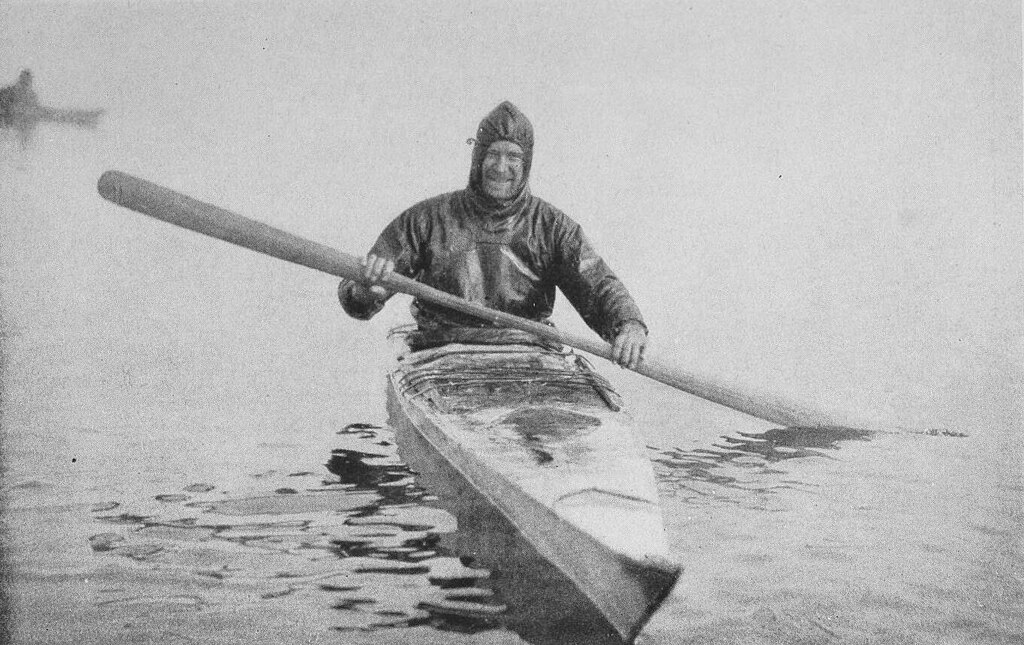
The story of America is also the story of those who dared to go beyond the map. These explorers crossed mountains, rivers, and deserts without knowing what awaited them. They chased discovery, knowledge, and sometimes survival itself. Their courage built routes, revealed lands, and shaped the nation’s destiny. Each one opened a new chapter of exploration, proving that curiosity and bravery can redefine the limits of human achievement and imagination.
1. Lewis and Clark
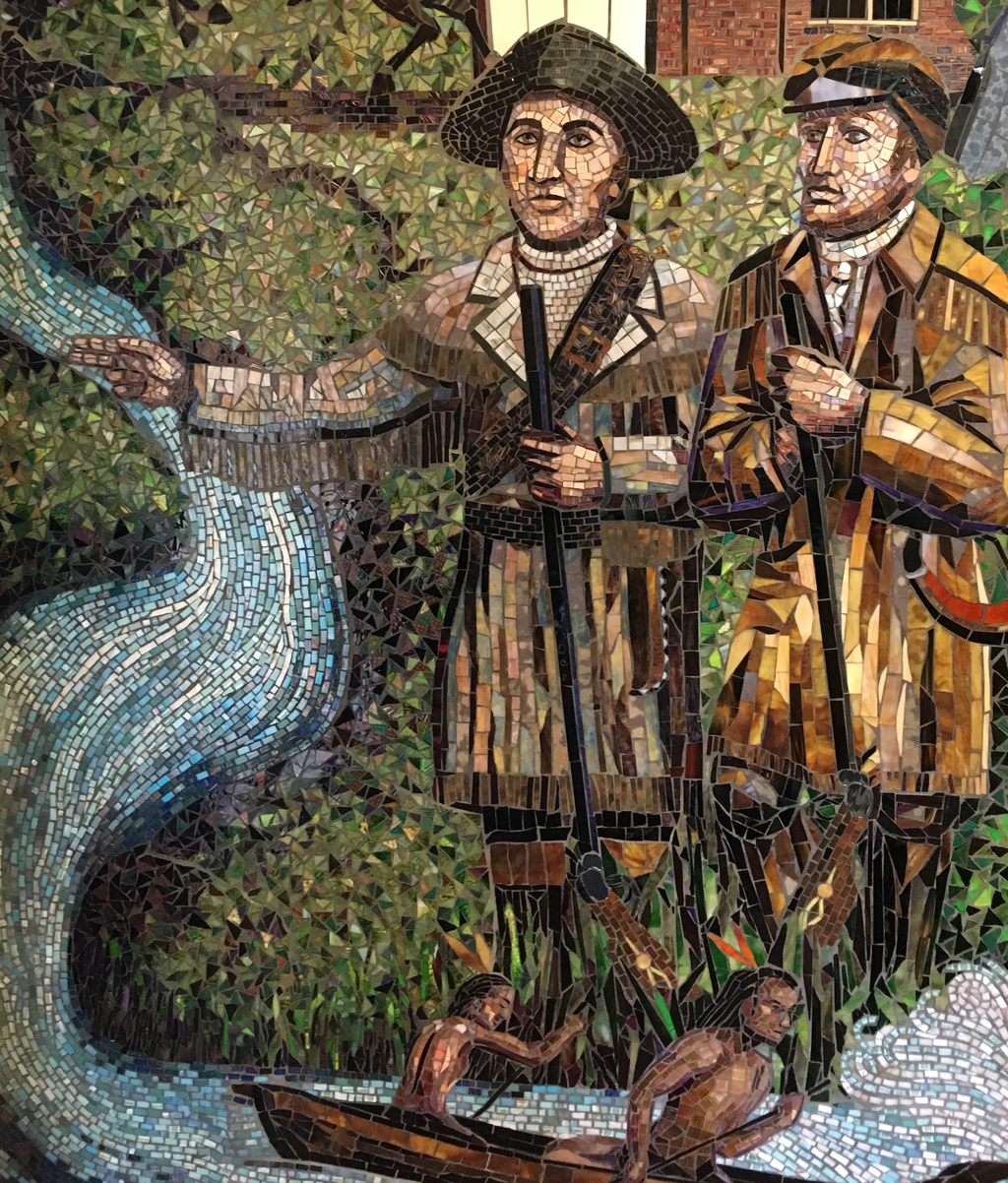
Meriwether Lewis and William Clark led one of the greatest expeditions in history, charting the vast unknown territory acquired through the Louisiana Purchase. Their journey covered thousands of miles of wilderness and documented countless plants, animals, and native cultures. Guided by Sacagawea, their team mapped the American West and changed how the nation saw itself. Their legacy lives on as a symbol of courage and relentless curiosity about the natural world.
2. Sacagawea
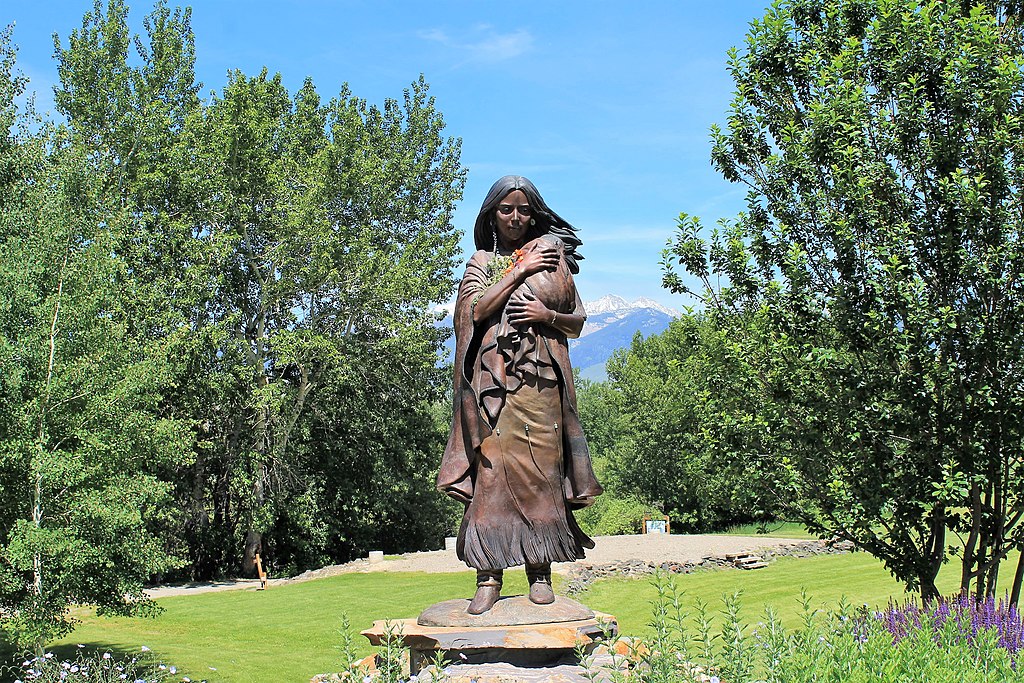
A Shoshone woman who became an invaluable guide for the Lewis and Clark expedition, Sacagawea embodied resilience and wisdom. Carrying her infant on the journey, she bridged cultures and helped the explorers communicate with tribes along the way. Her calm leadership and deep knowledge of the land shaped the success of the mission. Today she remains a powerful symbol of strength, survival, and the often-overlooked contributions of Indigenous women in history.
3. Daniel Boone
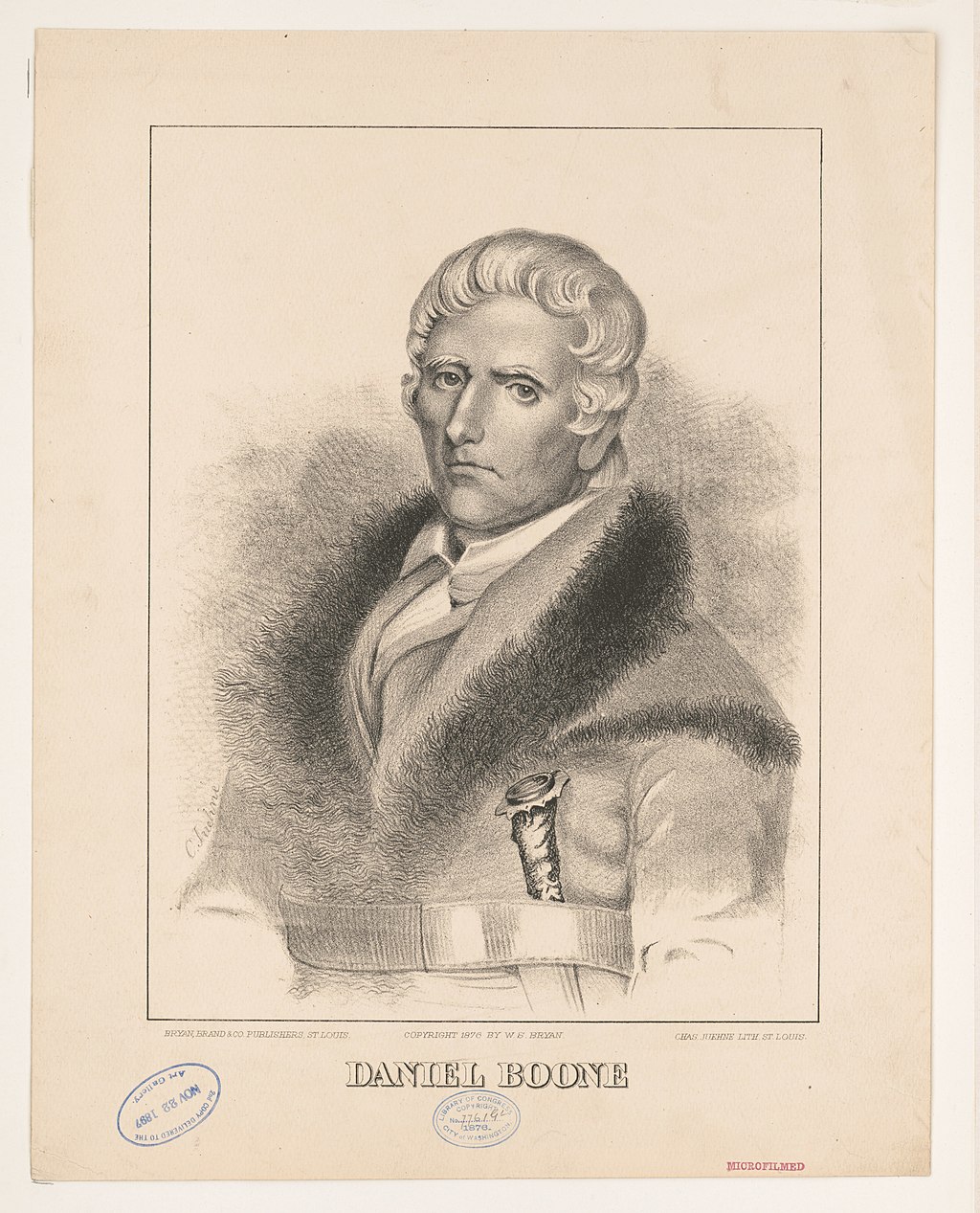
Daniel Boone carved paths through the Appalachian Mountains, opening the gateway to the West. His exploration of Kentucky led countless settlers across the rugged frontier. Boone’s name became synonymous with adventure and freedom in the wilderness. He faced danger, hardship, and isolation but never stopped exploring. His courage and determination made him a true pioneer whose spirit helped define early American exploration and its relentless quest for new horizons.
4. Zebulon Pike
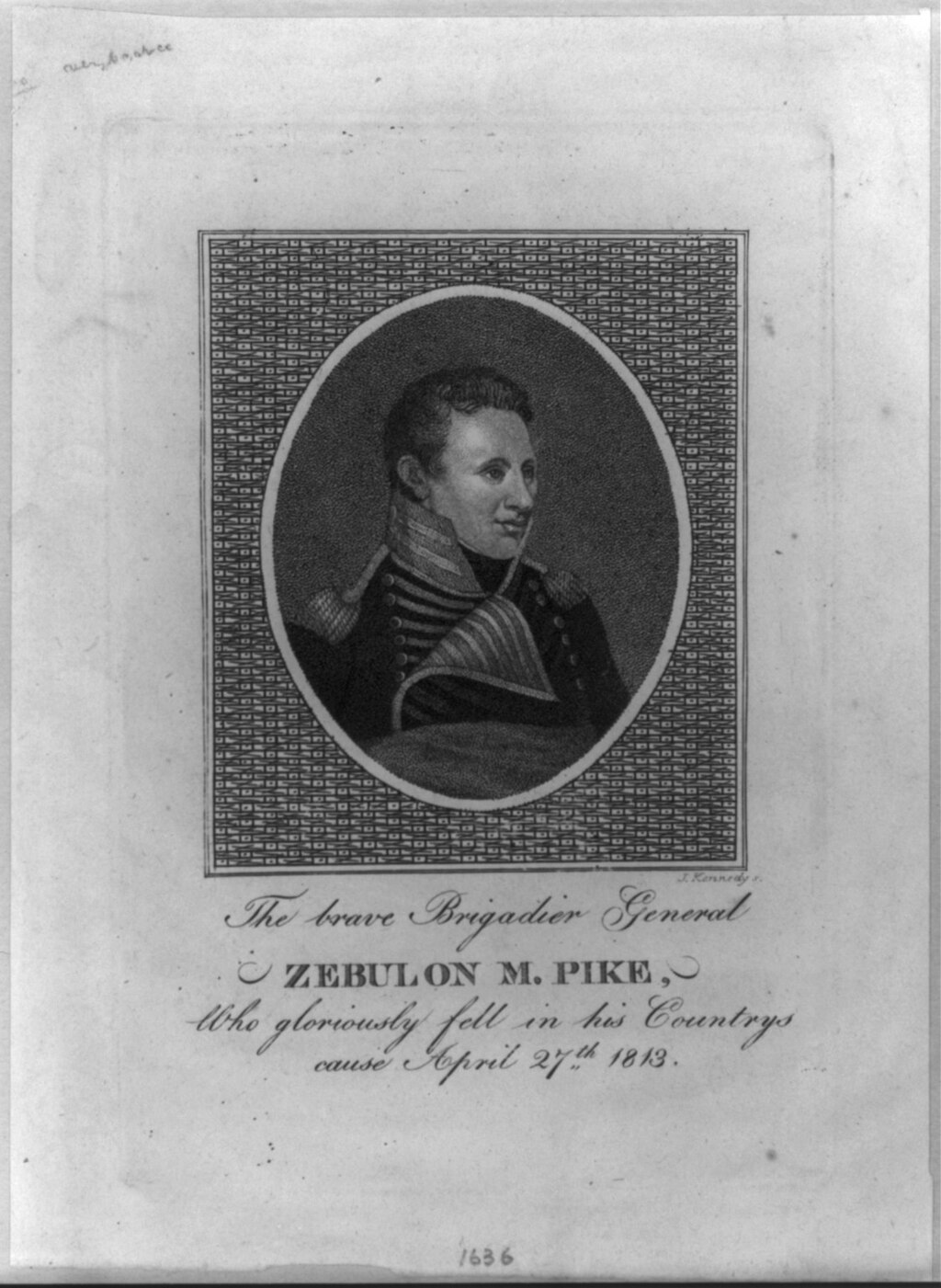
Known for discovering the majestic peak that bears his name, Zebulon Pike explored the southwestern parts of the Louisiana Territory. His expeditions revealed the geography and challenges of regions unknown to the young United States. Pike’s determination to push further despite harsh conditions earned him lasting recognition. Though often overshadowed by Lewis and Clark, his journeys helped shape the nation’s early understanding of its western lands and their vast potential.
5. John C. Frémont
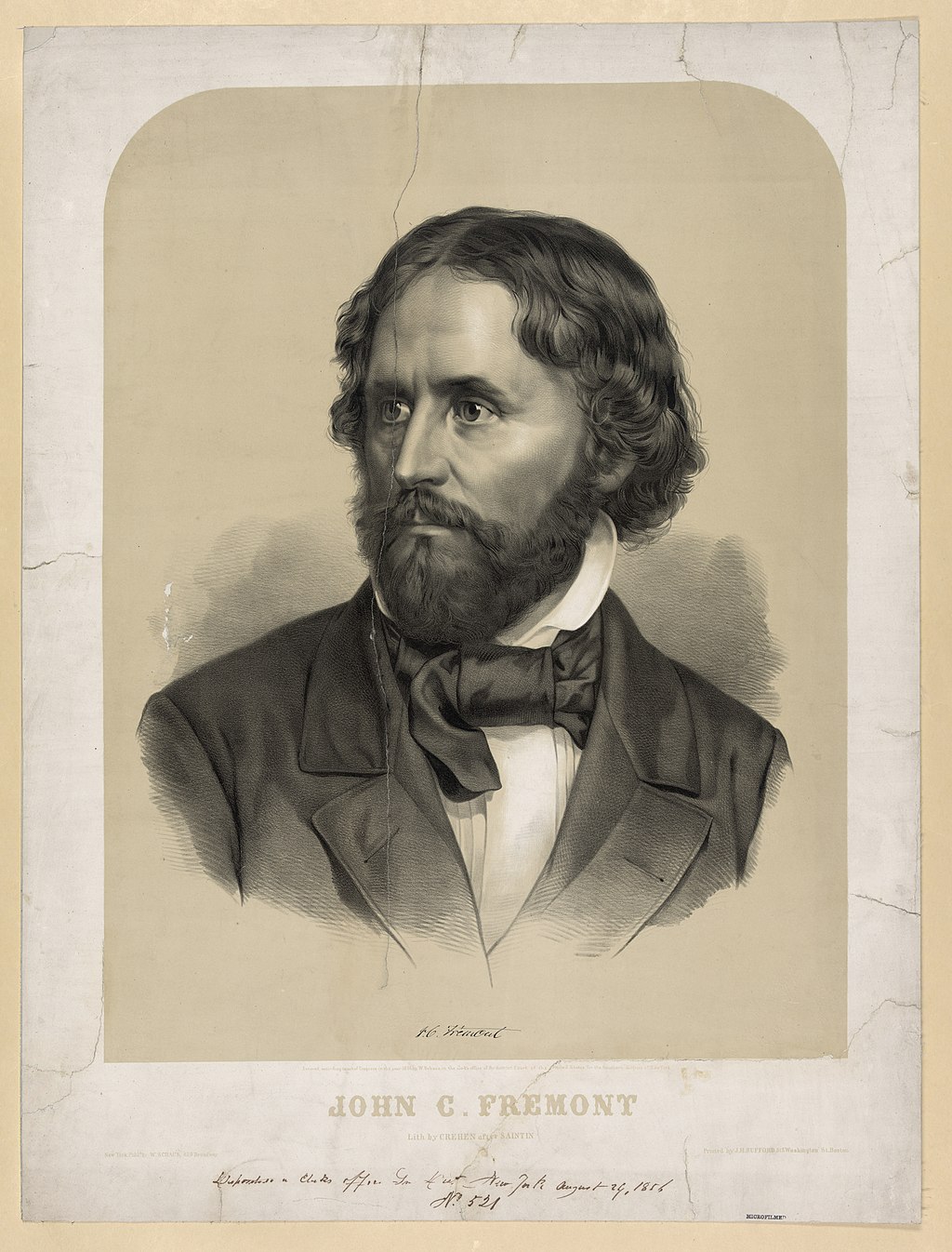
Nicknamed the Pathfinder, John C. Frémont mapped large parts of the American West in the mid-1800s. His reports and maps guided countless settlers along trails that shaped expansion toward the Pacific. Frémont’s adventurous spirit and detailed records inspired a generation of pioneers to seek new opportunities. His exploration connected imagination with geography, helping Americans see the West not as distant wilderness but as a land full of promise and discovery.
6. Kit Carson
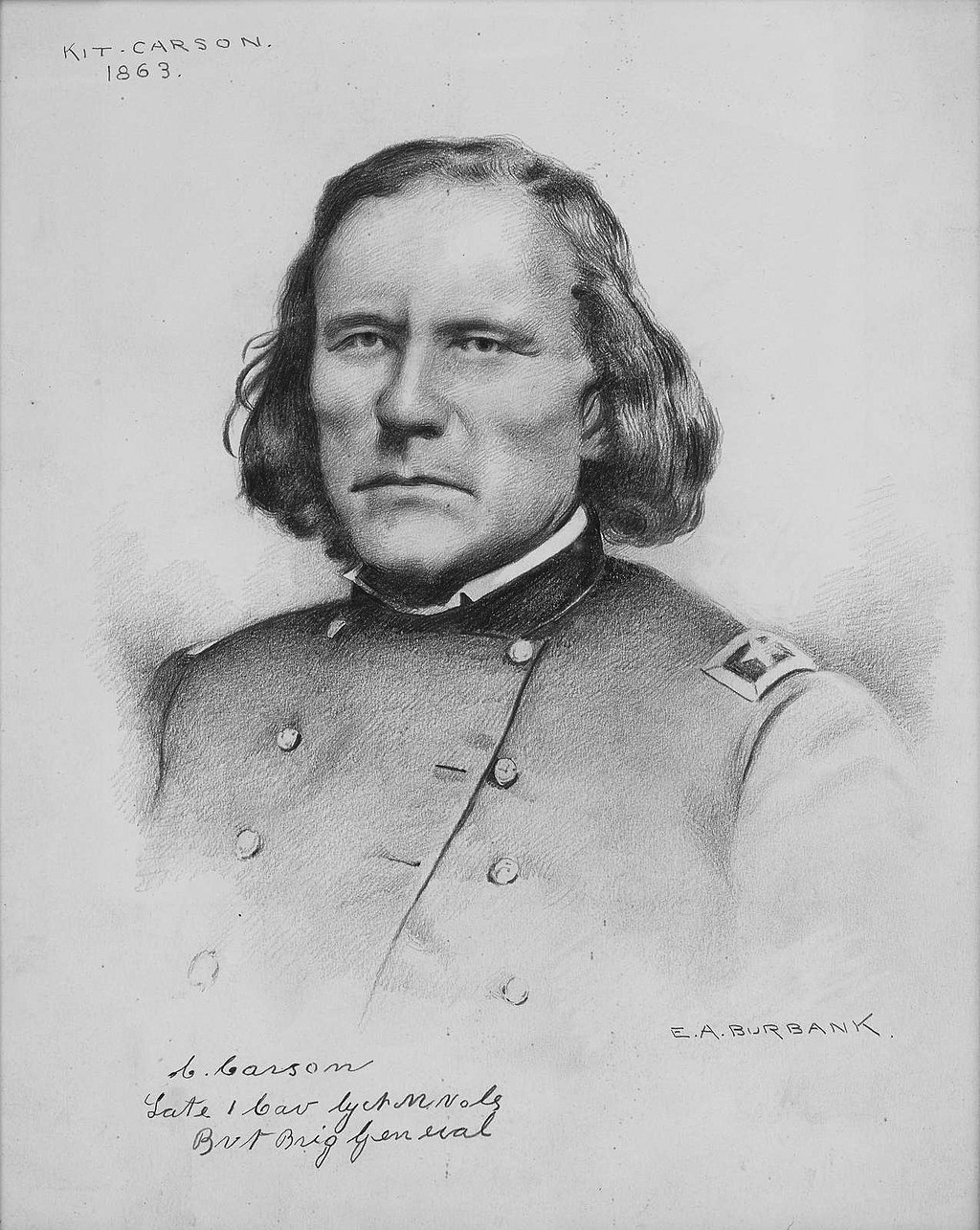
Kit Carson’s life was filled with daring adventures as a frontiersman, explorer, and guide. He worked alongside John Frémont and became legendary for his survival skills and courage in untamed lands. Carson’s reputation grew from countless stories of exploration, danger, and discovery. Though controversial for his role in conflicts with Native tribes, he remains one of the most recognized figures of America’s frontier age and its complex legacy of expansion.
7. Jedediah Smith
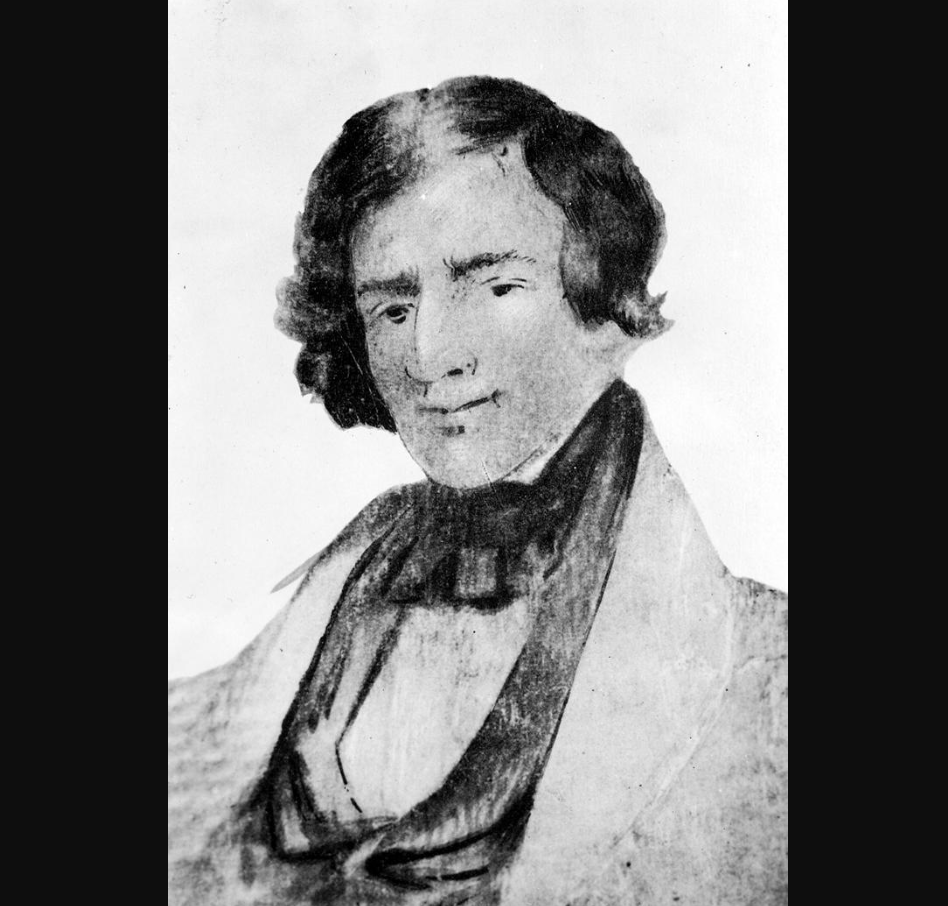
Jedediah Smith was one of the first Americans to explore the Rocky Mountains and reach California by land. Known for his faith and endurance, he faced wild terrain and hostile encounters yet continued charting unknown regions. His maps and journals gave vital insight into western lands long before railroads existed. Smith’s bravery and persistence captured the daring essence of early American exploration and helped future travelers find their way westward.
8. John Wesley Powell
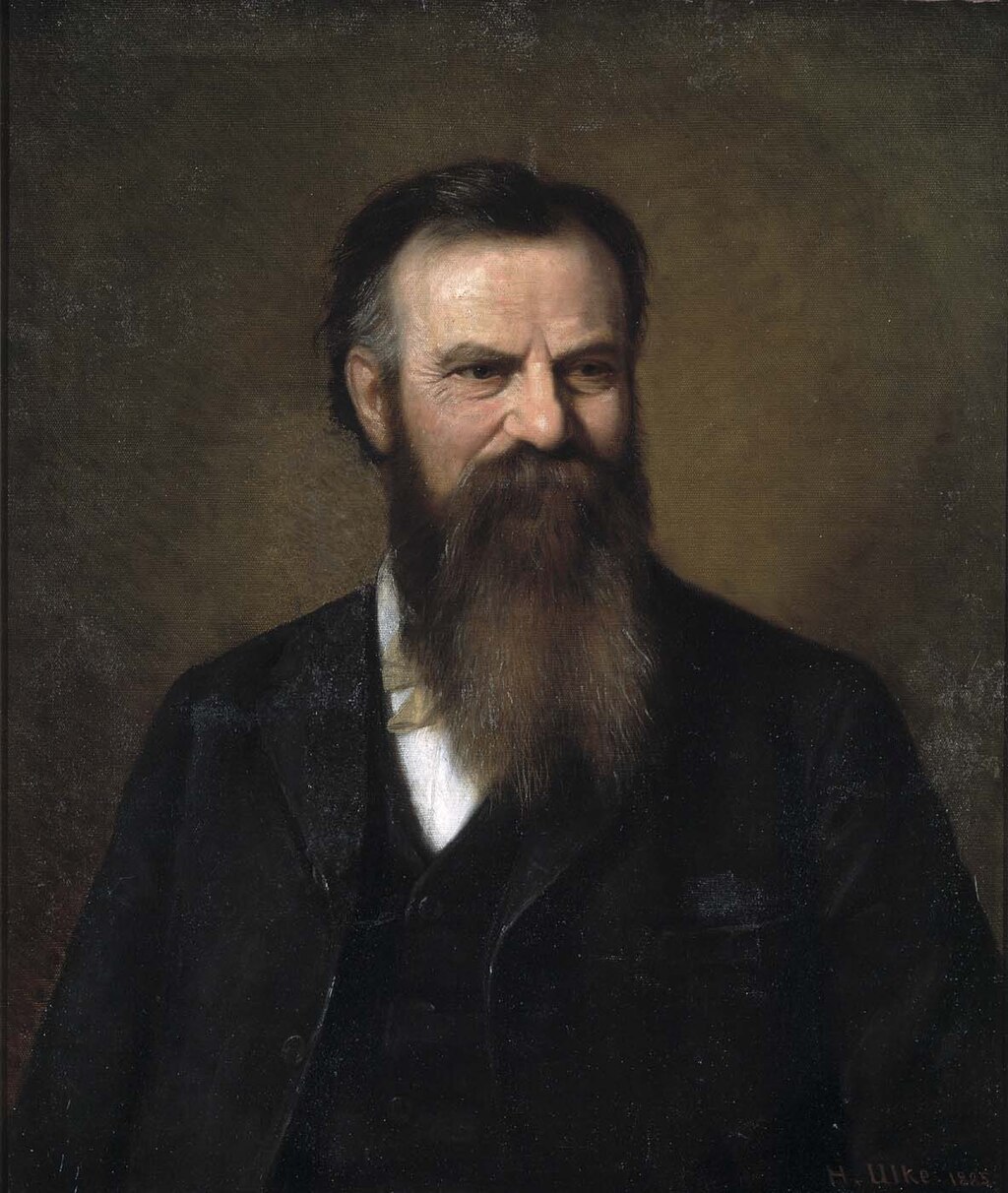
After losing an arm in the Civil War, John Wesley Powell turned to exploring the great rivers of the American West. He led the first recorded expedition through the Grand Canyon, facing treacherous rapids and sheer cliffs. Powell’s passion for science and discovery transformed how Americans understood geology and geography. His boldness and intellect redefined exploration as both adventure and knowledge, making him a true pioneer of American science.
9. Charles Wilkes
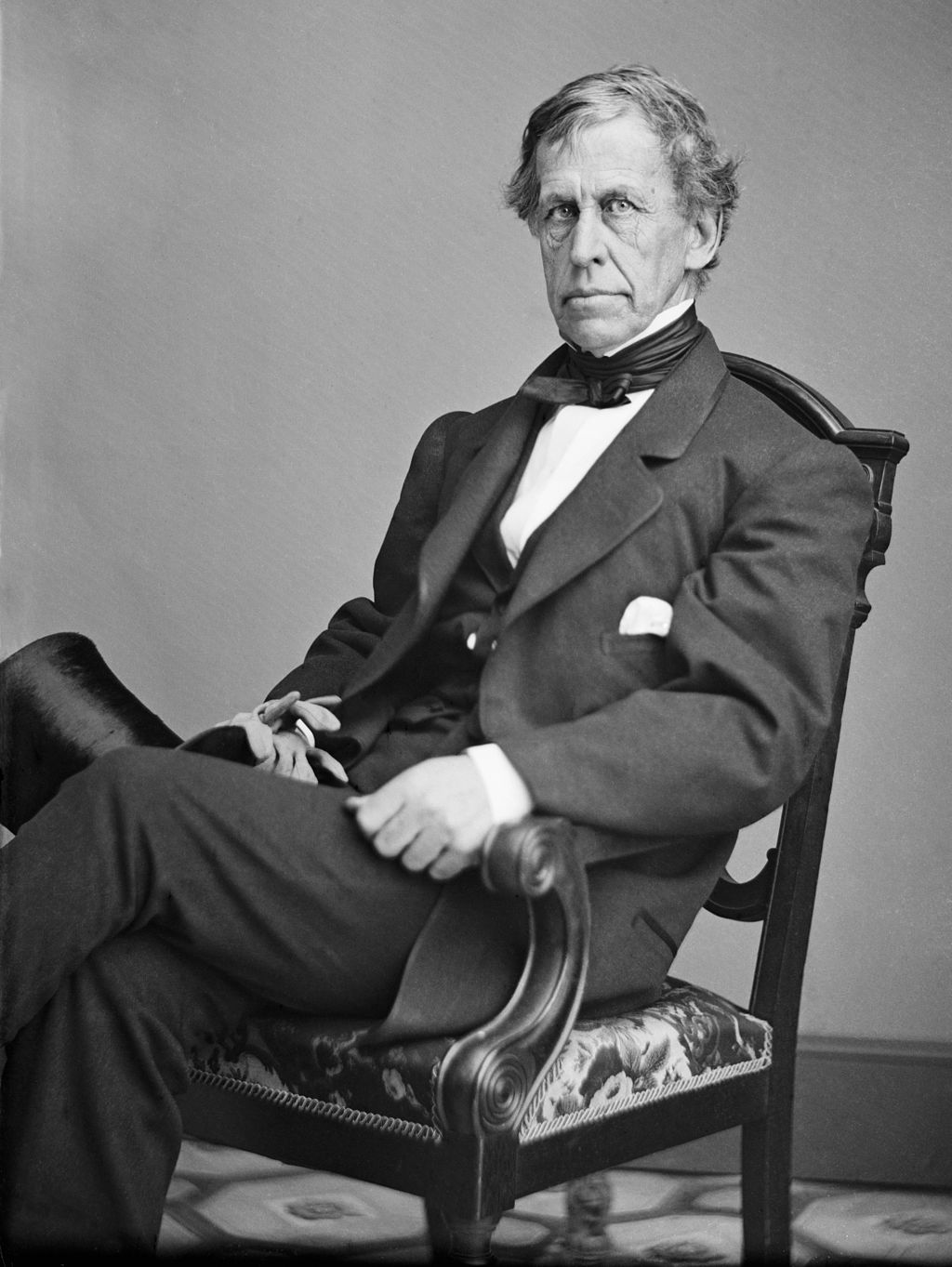
Commander Charles Wilkes led the U.S. Exploring Expedition of the 1830s, a global voyage that mapped thousands of miles of coastlines. His team surveyed the Pacific Ocean, parts of Antarctica, and islands never before charted by Americans. The data they collected helped shape naval strategy and scientific research for decades. Though strict and sometimes controversial, Wilkes expanded America’s reach and reputation as a nation of exploration and discovery.
10. Robert Peary
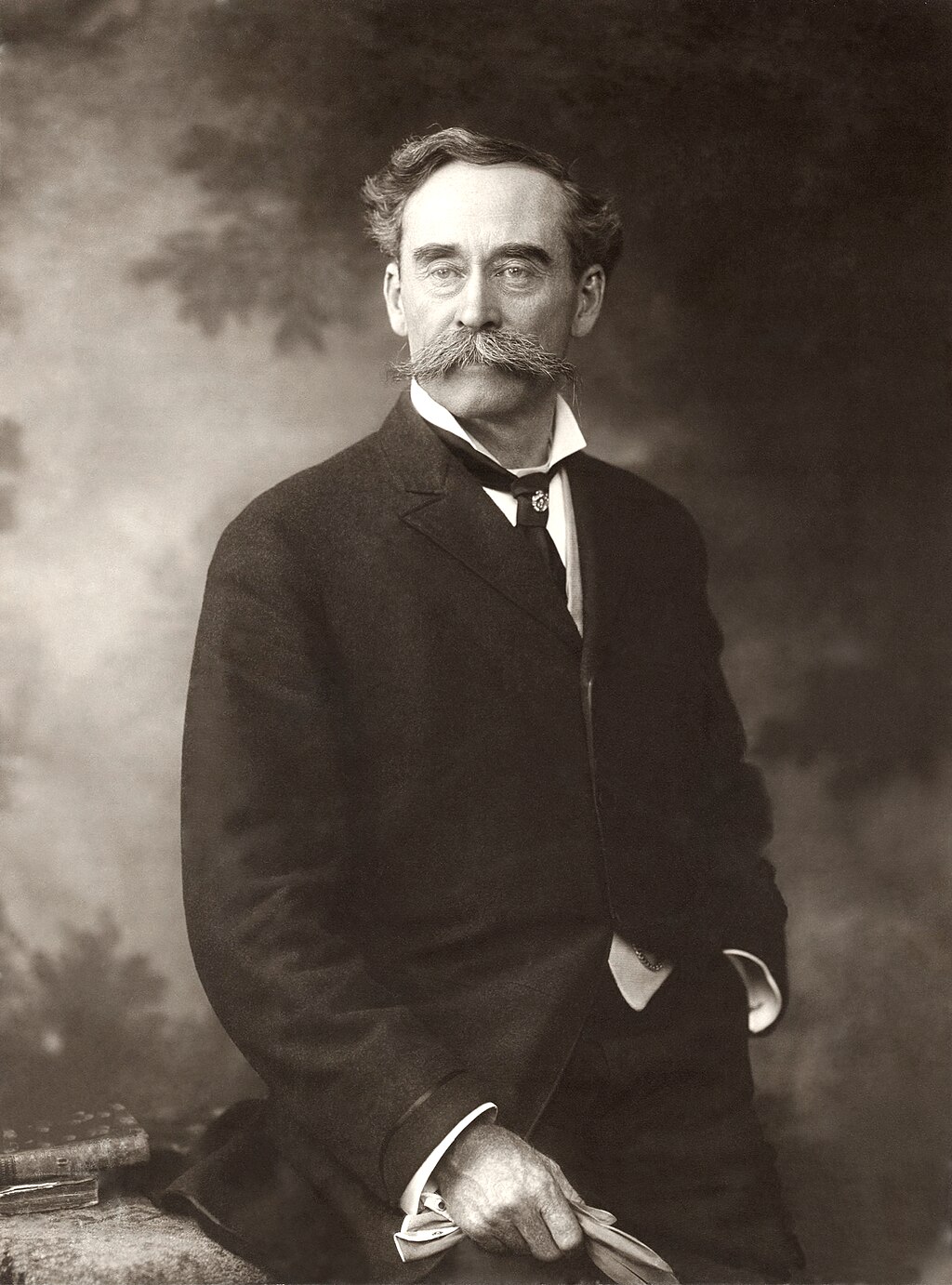
Robert Peary devoted his life to reaching the North Pole, enduring endless snow, frostbite, and isolation in pursuit of that goal. In 1909, he claimed to have reached it with his team, including Matthew Henson. Whether or not he truly arrived first, Peary’s determination in extreme conditions was unmatched. His expeditions pushed human endurance to the limit and represented the relentless spirit of American exploration during the age of polar discovery.
11. Matthew Henson
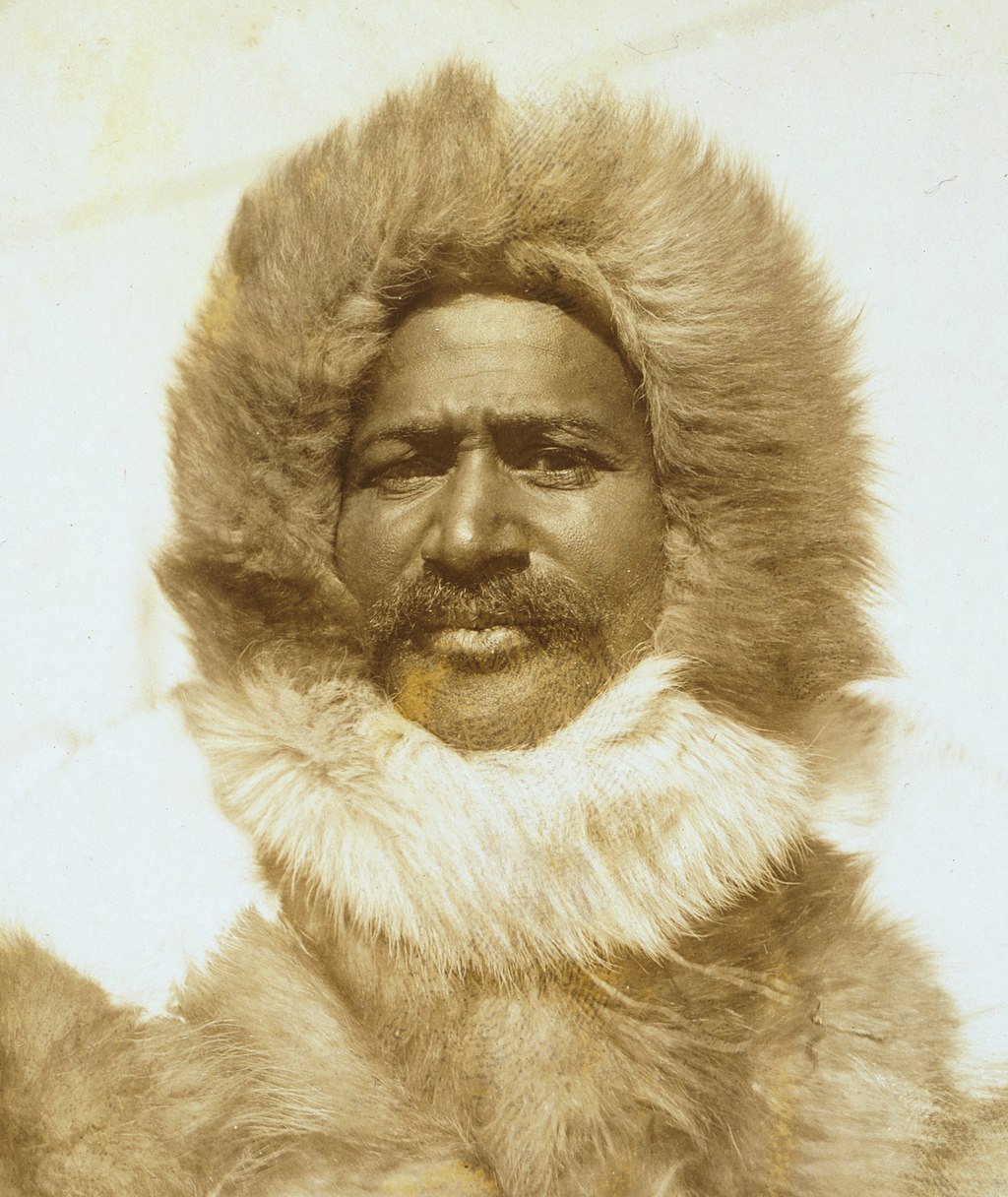
Matthew Henson, Peary’s loyal companion, was the true unsung hero of Arctic exploration. An African American explorer with remarkable survival skills, he was instrumental in navigating the harsh polar landscape. His strength and resilience helped the team survive the impossible. Henson’s achievements were overlooked for years, but history has finally given him the recognition he deserves as one of the bravest and most skilled explorers of his time.
12. John Muir
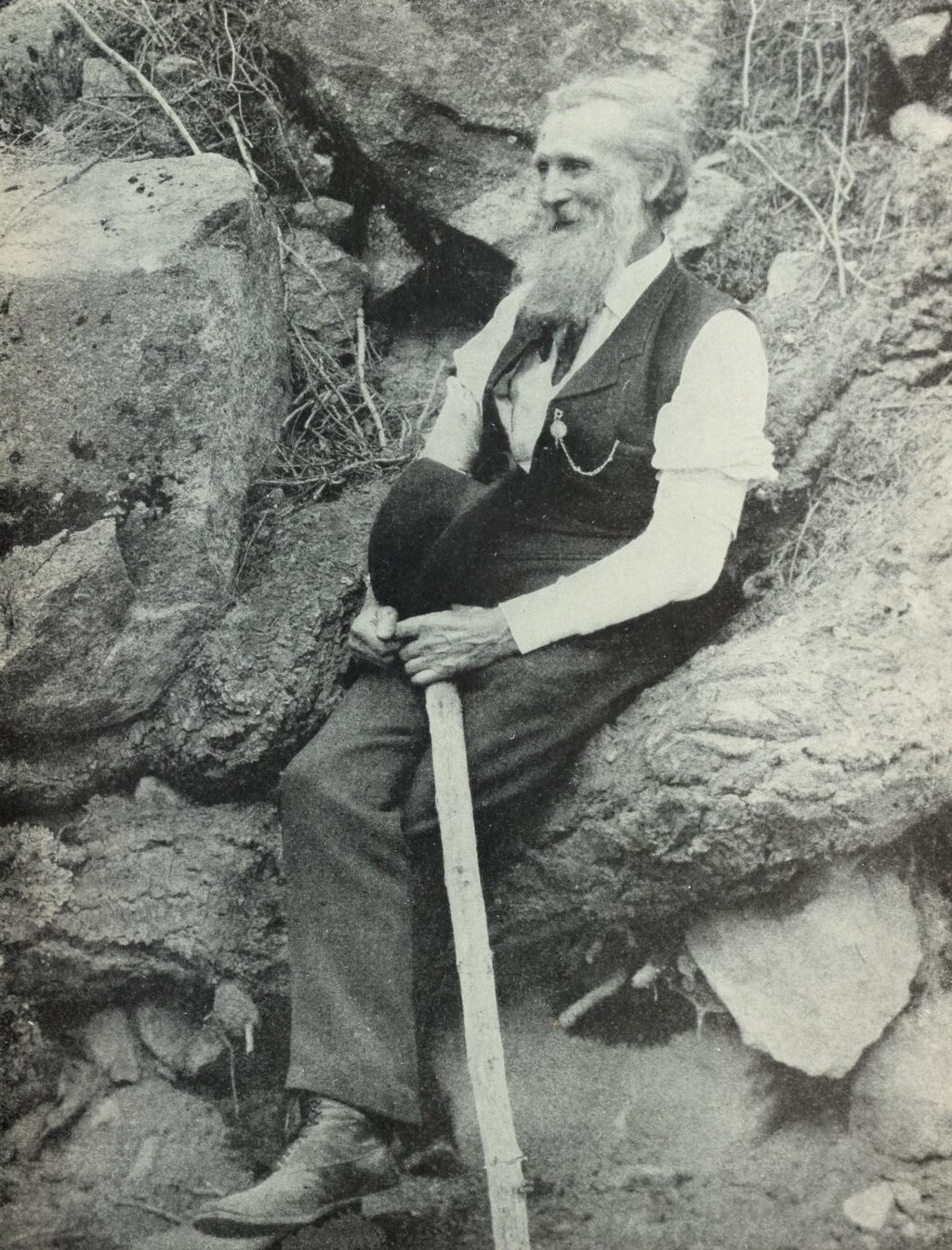
John Muir explored America’s wilderness with a heart full of wonder and a mind devoted to preservation. His adventures through Yosemite, the Sierra Nevada, and Alaska inspired the national park movement. Muir believed nature was sacred and worth protecting for generations to come. His writings encouraged people to see the wild not as an obstacle but as a teacher. His exploration shaped both conservation and America’s love for the great outdoors.
13. Amelia Earhart
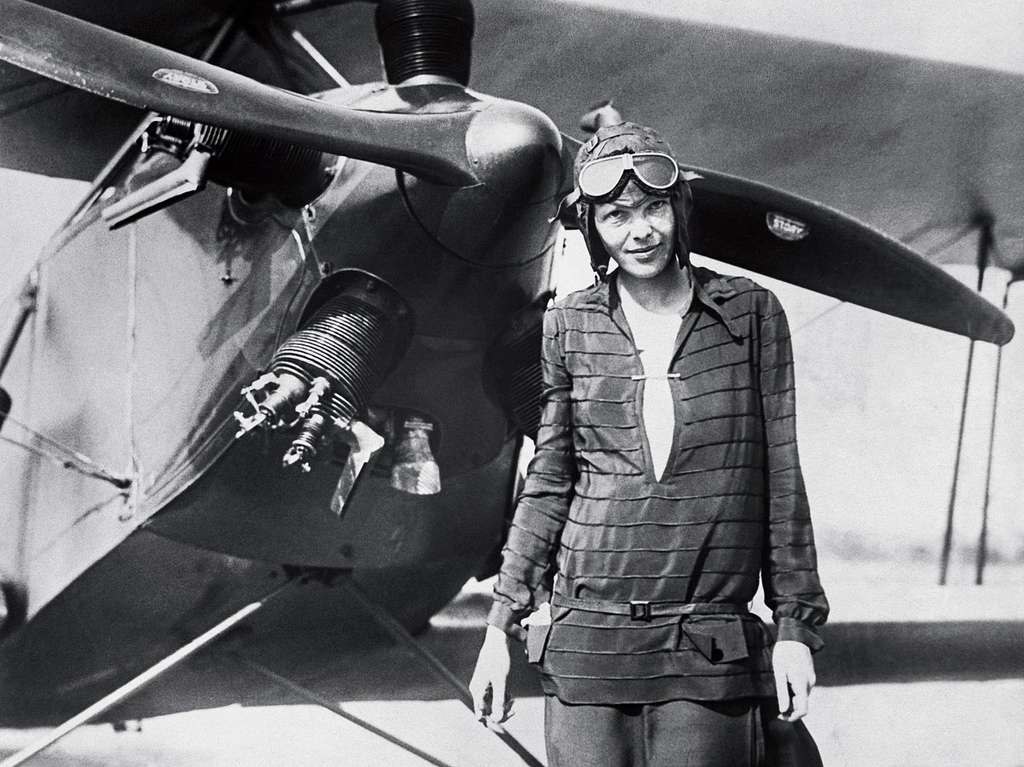
Amelia Earhart broke barriers in aviation, flying solo across the Atlantic and becoming a symbol of courage and independence. Her spirit of adventure pushed the limits of what women could achieve in exploration. Earhart’s mysterious disappearance during her Pacific flight only deepened her legend. She proved that exploration is not only about geography but about daring to challenge what others believe is impossible. Her story continues to inspire dreamers everywhere.
14. Ernest Shackleton
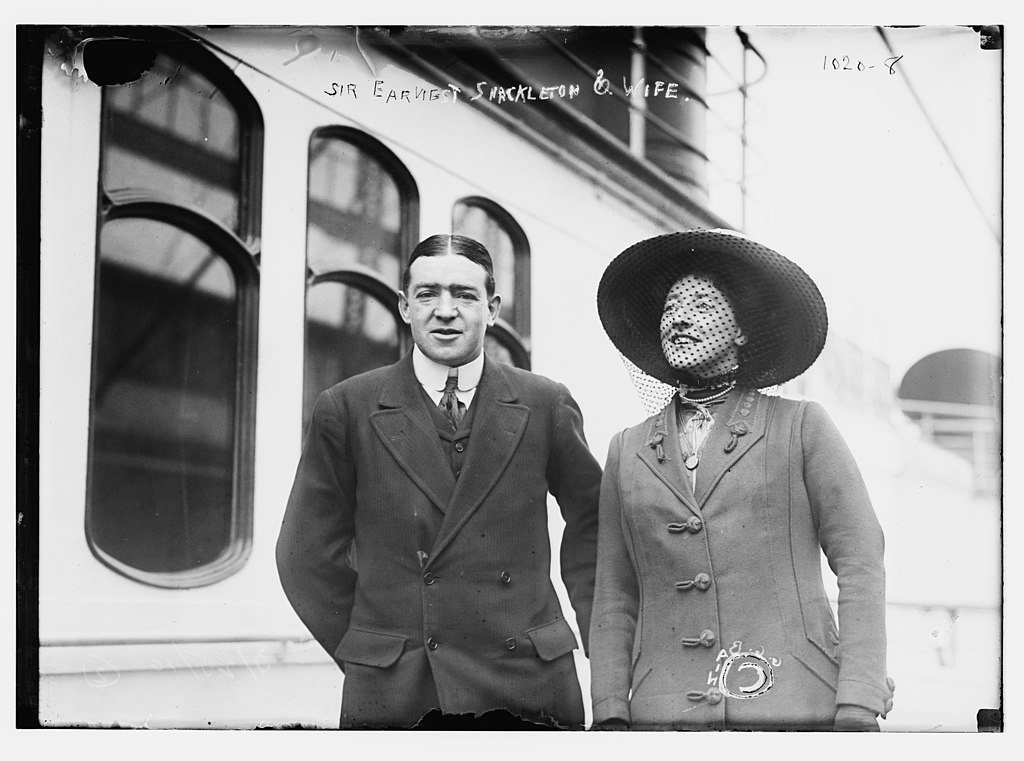
Although British-born, Ernest Shackleton’s Antarctic expeditions deeply influenced American explorers. His leadership during the Endurance expedition became a timeless lesson in perseverance and survival. Shackleton’s will to save his crew against impossible odds made him a legend of exploration. His story traveled across oceans, inspiring generations to face challenges with courage. Few explorers showed such strength in the face of utter despair and desolation.
15. William Clark’s Slave York
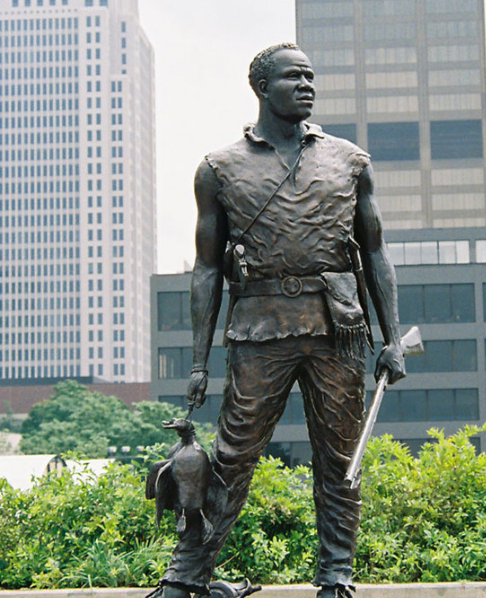
York, the enslaved man who traveled with Lewis and Clark, contributed immeasurably to their journey. He hunted, traded, and negotiated with Native tribes, often being the first Black man many had ever seen. His presence helped the expedition succeed, though his contributions went unrecognized for centuries. York’s story adds a vital human layer to American exploration, reminding us that history’s heroes were not always the ones celebrated in textbooks.
16. Francisco Vásquez de Coronado
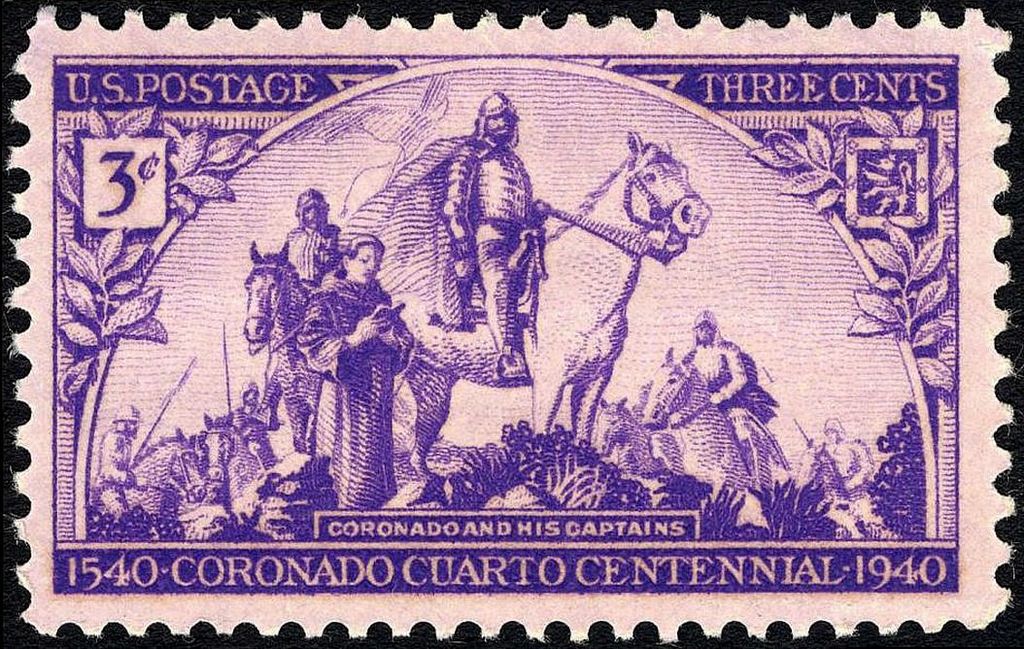
In search of mythical golden cities, Coronado led one of the earliest European expeditions across the American Southwest. Though he never found the treasure he sought, his journey opened vast areas to future exploration. He mapped regions that now include Arizona, New Mexico, and Kansas. His expedition brought both discovery and conflict, leaving a complex legacy that shaped centuries of exploration that followed in his path.
17. Clarence King
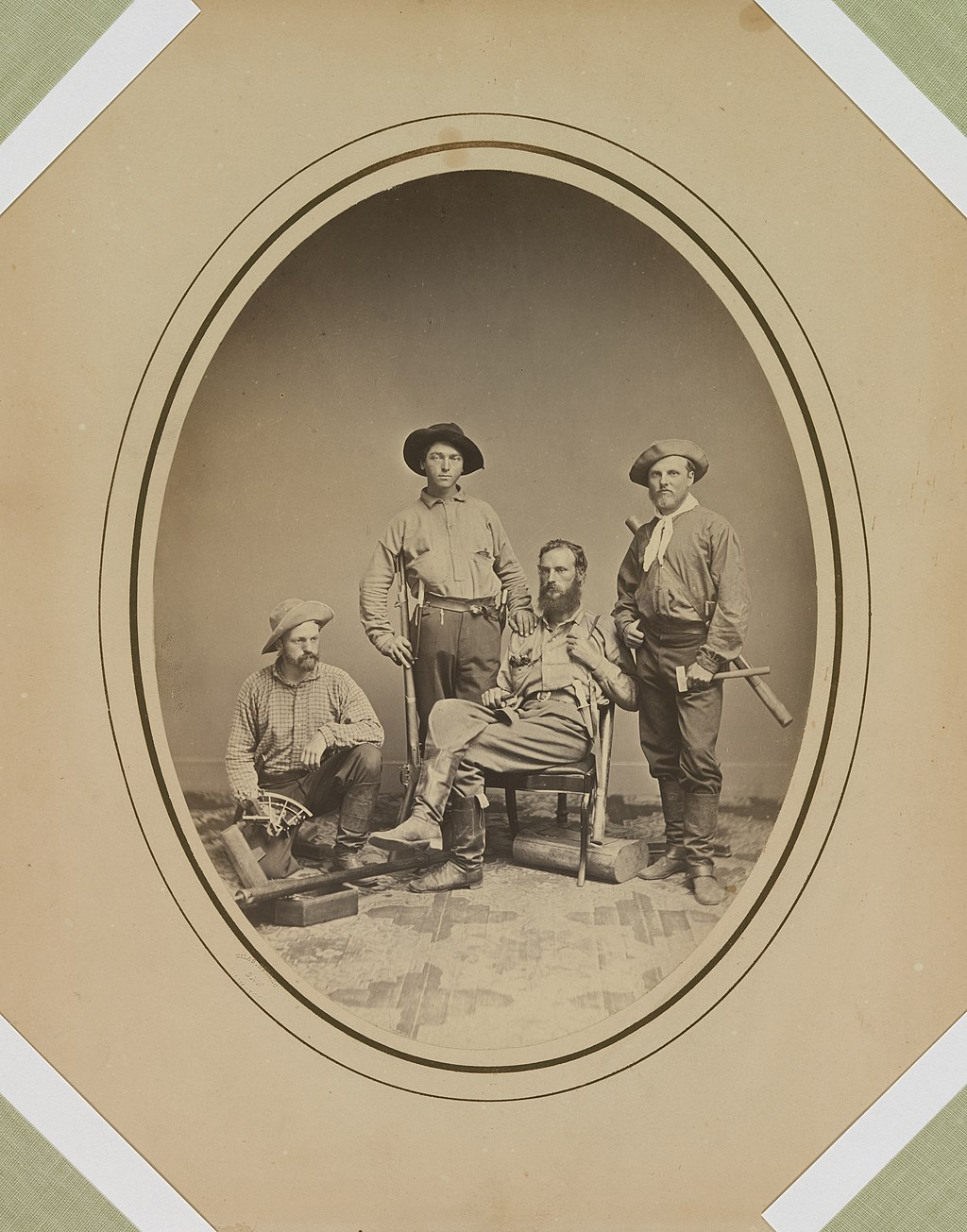
Clarence King combined adventure with science as one of America’s first geologists and mountaineers. He explored the Sierra Nevada and the Rocky Mountains, mapping minerals and studying glaciers. King later became the first director of the U.S. Geological Survey, where he turned exploration into a national mission for understanding the land. His blend of intellect and daring adventure marked a turning point between discovery and scientific exploration in America.
18. Richard Byrd
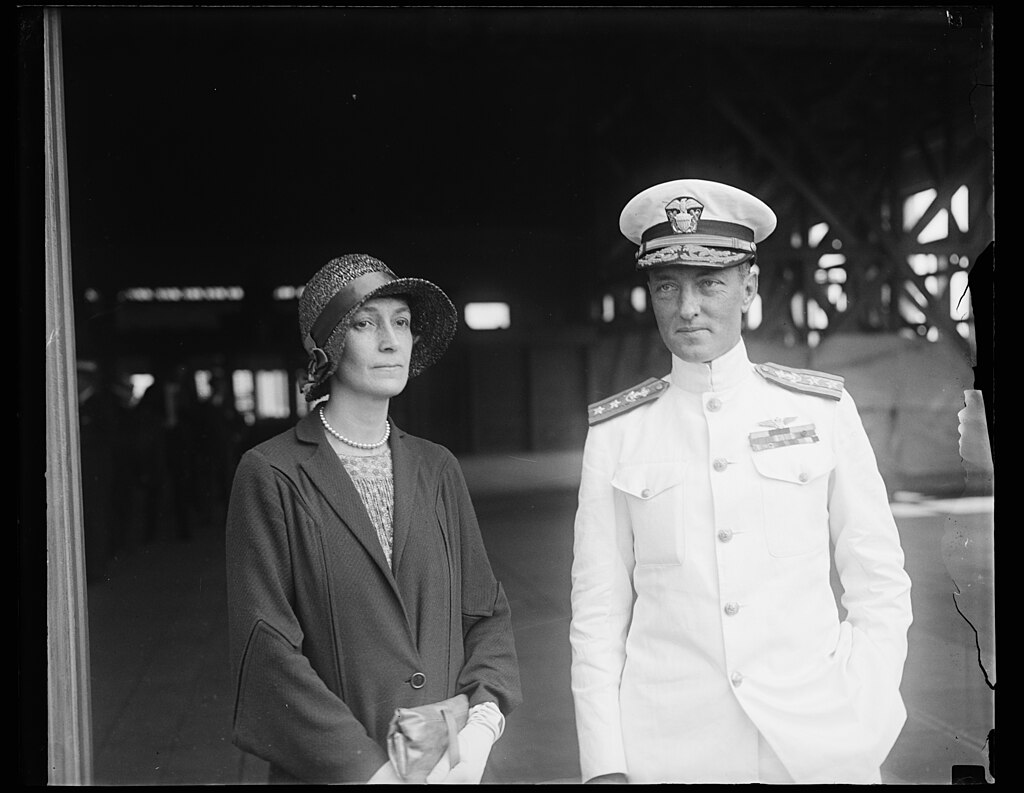
Admiral Richard Byrd brought exploration into the modern age with his daring flights over Antarctica. He was among the first to use airplanes for large-scale exploration and mapping. Byrd’s expeditions combined science and technology to reach places once thought unreachable. His courage and innovation inspired new generations of explorers. Byrd’s achievements expanded not just physical horizons but the idea of what exploration could mean in the twentieth century.
19. Sally Ride
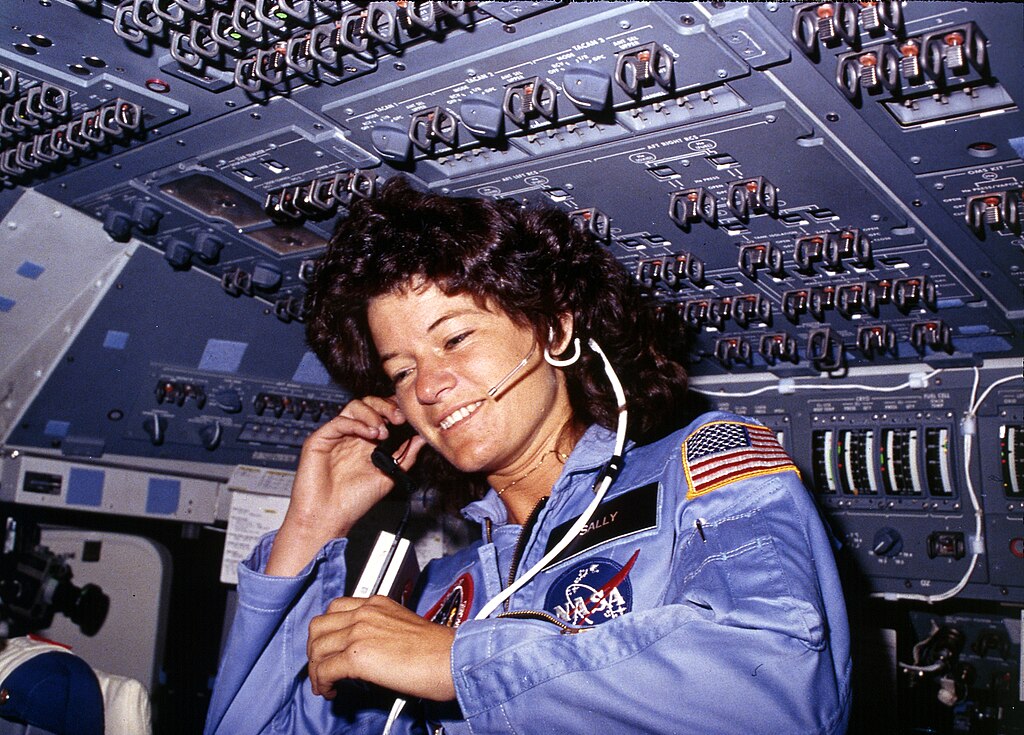
As the first American woman in space, Sally Ride carried the explorer’s spirit beyond Earth. Her mission aboard the Challenger symbolized a new frontier of discovery. Ride proved that exploration is not limited to oceans and continents but extends to the stars. Her legacy continues through education and inspiration, encouraging young minds to see curiosity as the first step to greatness. She made history by showing that space is for everyone willing to reach for it.
These explorers remind us that adventure is not just about discovery, but about courage, endurance, and imagination. They faced the unknown with hope and determination, shaping America’s story through their journeys. Though centuries have passed, their spirit lives on in every explorer who dares to step beyond the familiar and chase the promise of a new horizon.