America’s landscape is dotted with iconic landmarks that tell stories of history, culture, and innovation. Yet, many of these symbols face threats from climate change, neglect, and urban development. From crumbling bridges to eroding coastlines, these sites are at risk of fading into memory if action is not taken. Preserving them requires awareness, funding, and community effort. Here are eighteen American landmarks whose survival is uncertain, highlighting the importance of protecting these treasures for future generations before they are lost forever.
1. Statue of Liberty, New York
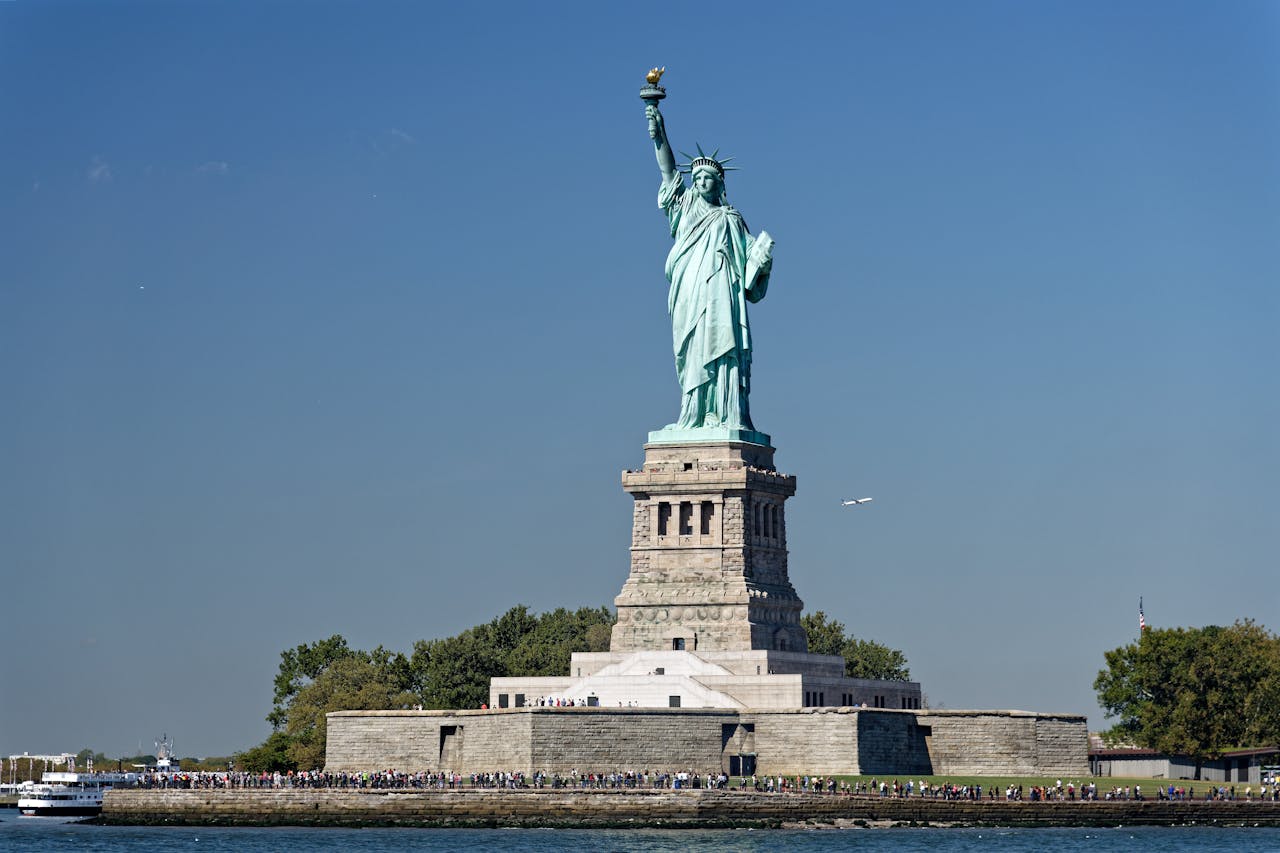
The Statue of Liberty has stood as a symbol of freedom and hope for over a century, but rising sea levels and severe storms threaten its foundation and surrounding structures. Erosion, saltwater corrosion, and increased hurricane intensity put the island and monument at risk. Preservation efforts are ongoing, but climate change challenges make continued protection a priority. Without sustained attention, this iconic emblem of American ideals could face significant structural damage, diminishing its cultural and historical significance.
2. Golden Gate Bridge, California
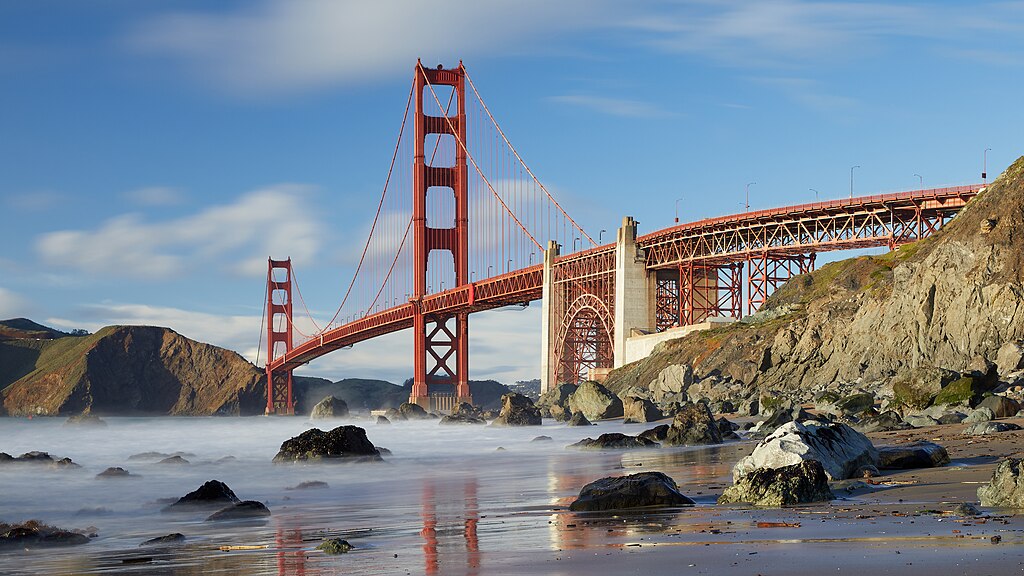
The Golden Gate Bridge is an engineering marvel and a globally recognized symbol of San Francisco. Decades of heavy traffic, salt-laden air, and seismic threats place the bridge at ongoing risk. Structural fatigue and rust require continuous maintenance and retrofitting. Future earthquakes could severely damage the suspension system if preventive measures are insufficient. Preserving this landmark demands investment and engineering ingenuity, ensuring it remains safe and iconic for generations of visitors and locals alike.
3. Mount Rushmore, South Dakota
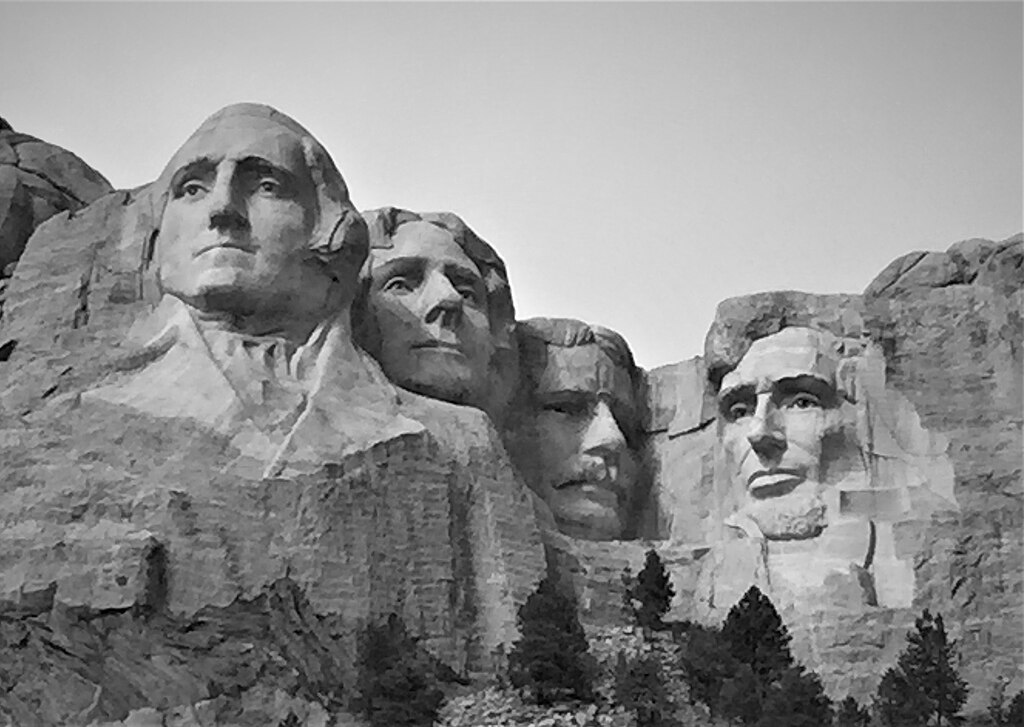
Mount Rushmore, carved into the Black Hills, faces natural erosion, acid rain, and freeze-thaw cycles that threaten the carved faces. The granite is resilient but not immune to long-term wear. Climate factors, including heavy precipitation and temperature fluctuations, accelerate deterioration. Conservationists monitor the monument carefully, but ongoing environmental pressures mean the sculpture could gradually lose sharp detail. Protecting Mount Rushmore preserves a vital piece of American history and artistry.
4. Alcatraz Island, California
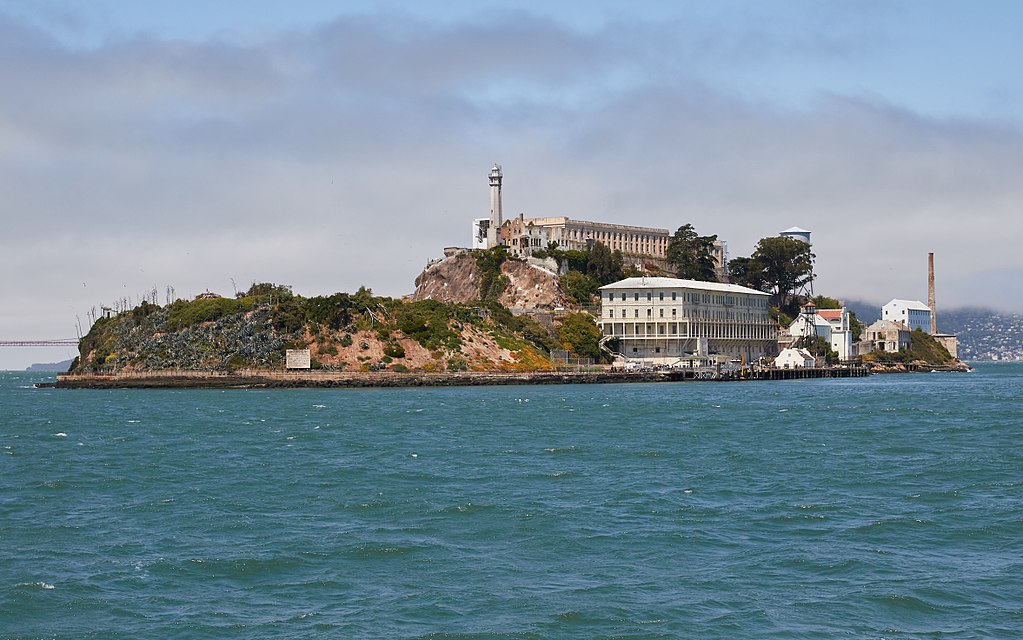
The infamous Alcatraz Island, once home to a federal penitentiary, faces erosion and sea-level rise that threaten its foundations. Coastal storms and tidal fluctuations can compromise structural integrity. Historic buildings, including cell blocks and guardhouses, are exposed to harsh marine conditions. Preservation requires constant upkeep and monitoring. Losing parts of Alcatraz would erase tangible links to its complex history, including tales of imprisonment, escape attempts, and its significance as a symbol of American penal history.
5. Gateway Arch, Missouri
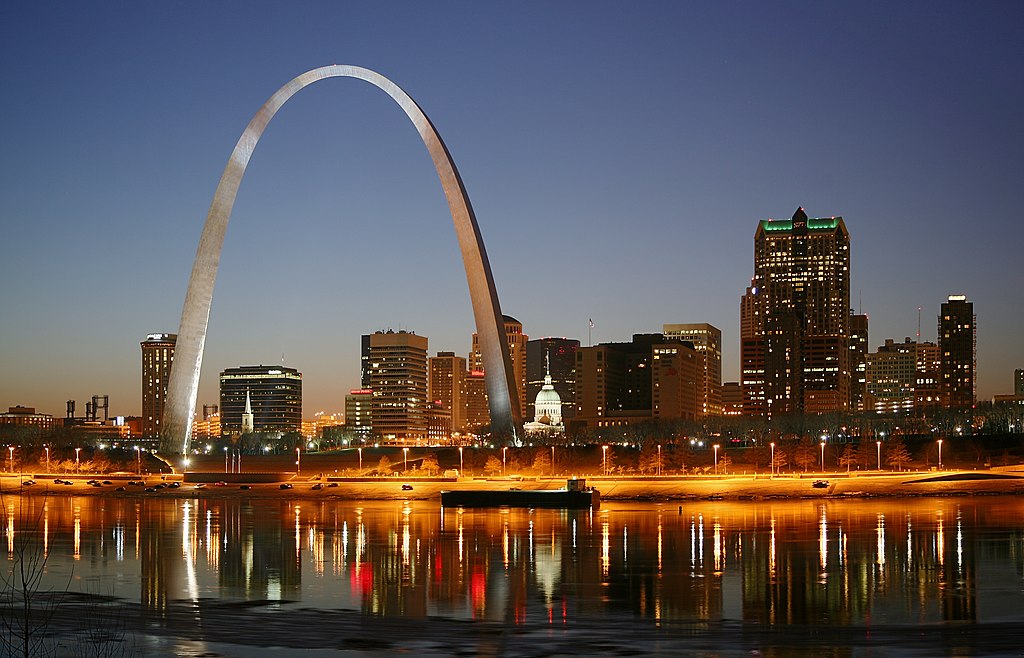
The Gateway Arch in St. Louis, a symbol of westward expansion, is exposed to harsh weather, temperature extremes, and occasional seismic activity. Though structurally sound, the steel surface requires ongoing cleaning and corrosion prevention. Severe storms could damage the surrounding park or cause minor wear to the foundation. Preservation ensures that the monument continues to represent America’s pioneering spirit. Without maintenance, aesthetic and structural integrity could decline over time, affecting visitor experience and historic value.
6. Independence Hall, Pennsylvania
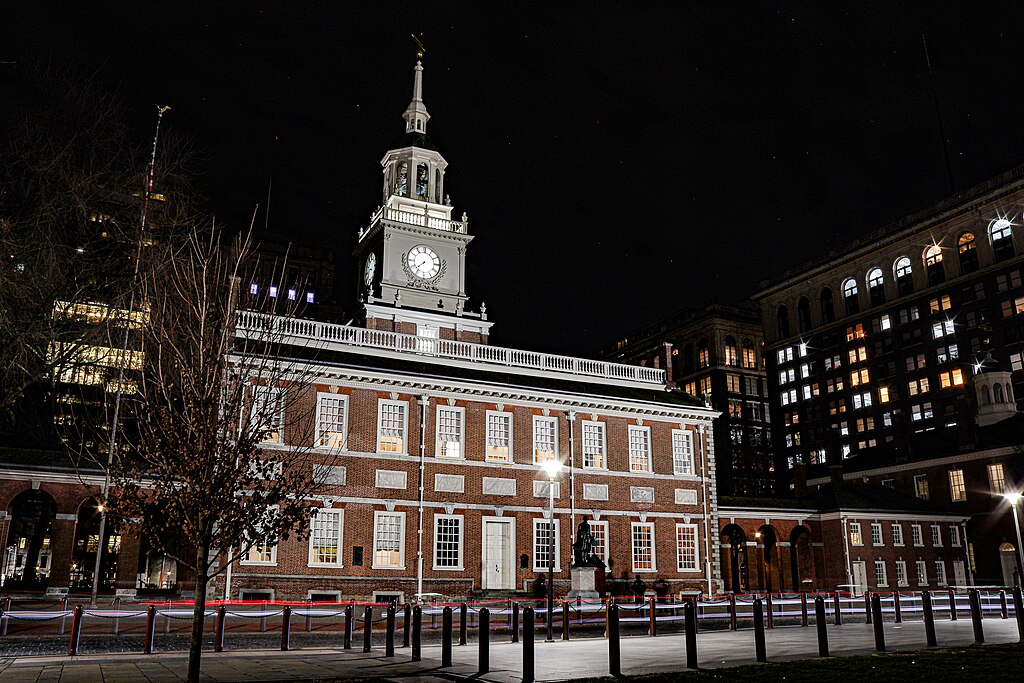
Independence Hall, where the Declaration of Independence was signed, faces threats from weather, pollution, and urban encroachment. Wood, brick, and stone are sensitive to moisture and air pollutants. Maintaining historical accuracy while preventing decay is complex and expensive. Rising urban development nearby adds additional risk to the setting and context. Preserving this landmark protects the birthplace of American democracy and educates future generations about the nation’s foundational history.
7. Hoover Dam, Nevada/Arizona
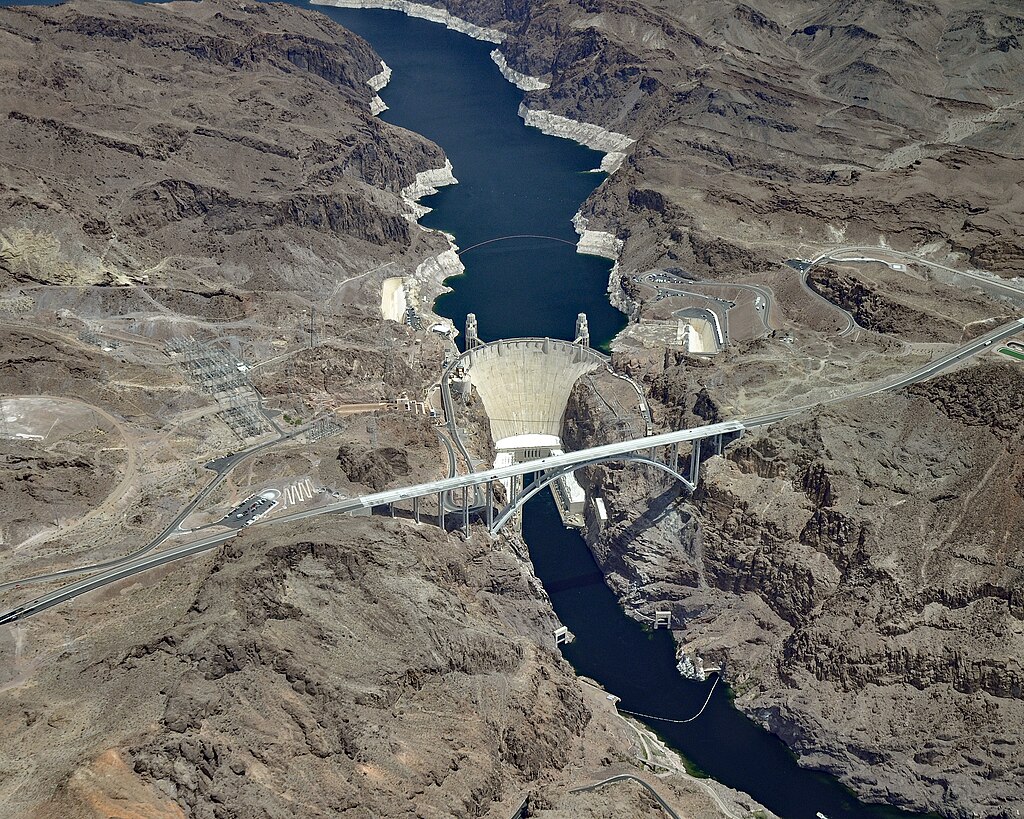
The Hoover Dam, a critical infrastructure and historical feat, faces challenges from prolonged drought, fluctuating water levels, and aging structures. Reduced inflow from the Colorado River impacts power generation and reservoir levels. Maintenance is extensive but crucial to prevent structural compromise. Climate change and resource pressures may force long-term adaptation measures. Protecting the dam preserves both its historical significance and its vital role in energy, water management, and tourism for the region.
8. Statue of Liberty Island Grounds, New York
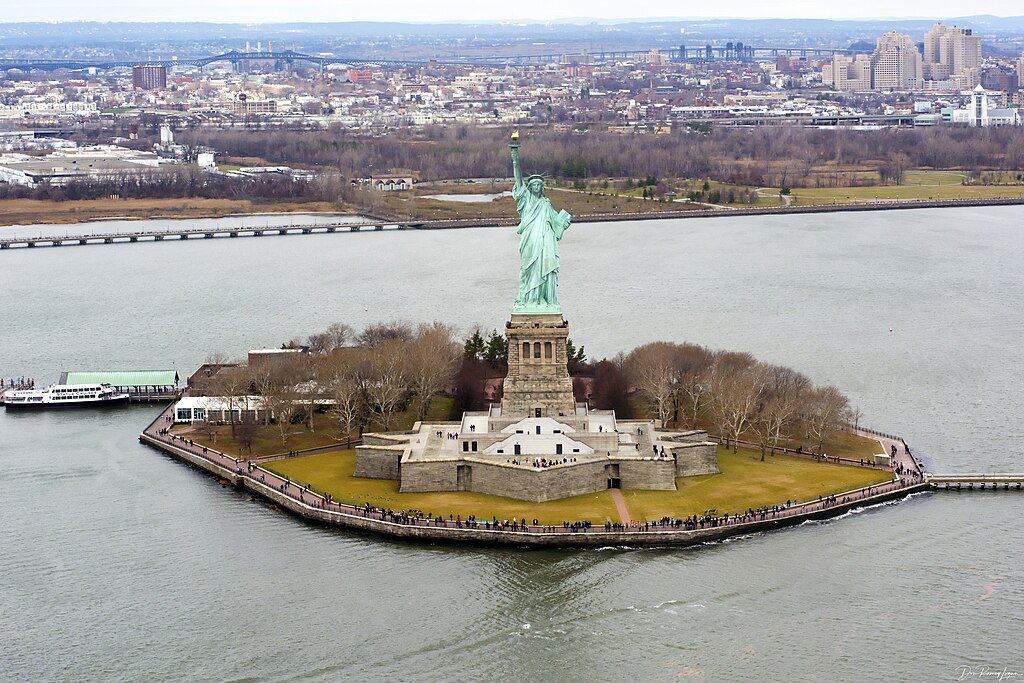
Beyond the monument itself, the island’s grounds are subject to coastal erosion, flooding, and saltwater damage. Rising sea levels threaten pathways, visitor centers, and surrounding park areas. Continuous investment in seawalls and landscaping is necessary to maintain accessibility and preserve historical context. Without intervention, erosion could compromise infrastructure and visitor safety, diminishing the experience and cultural value of this landmark site.
9. Cape Hatteras Lighthouse, North Carolina
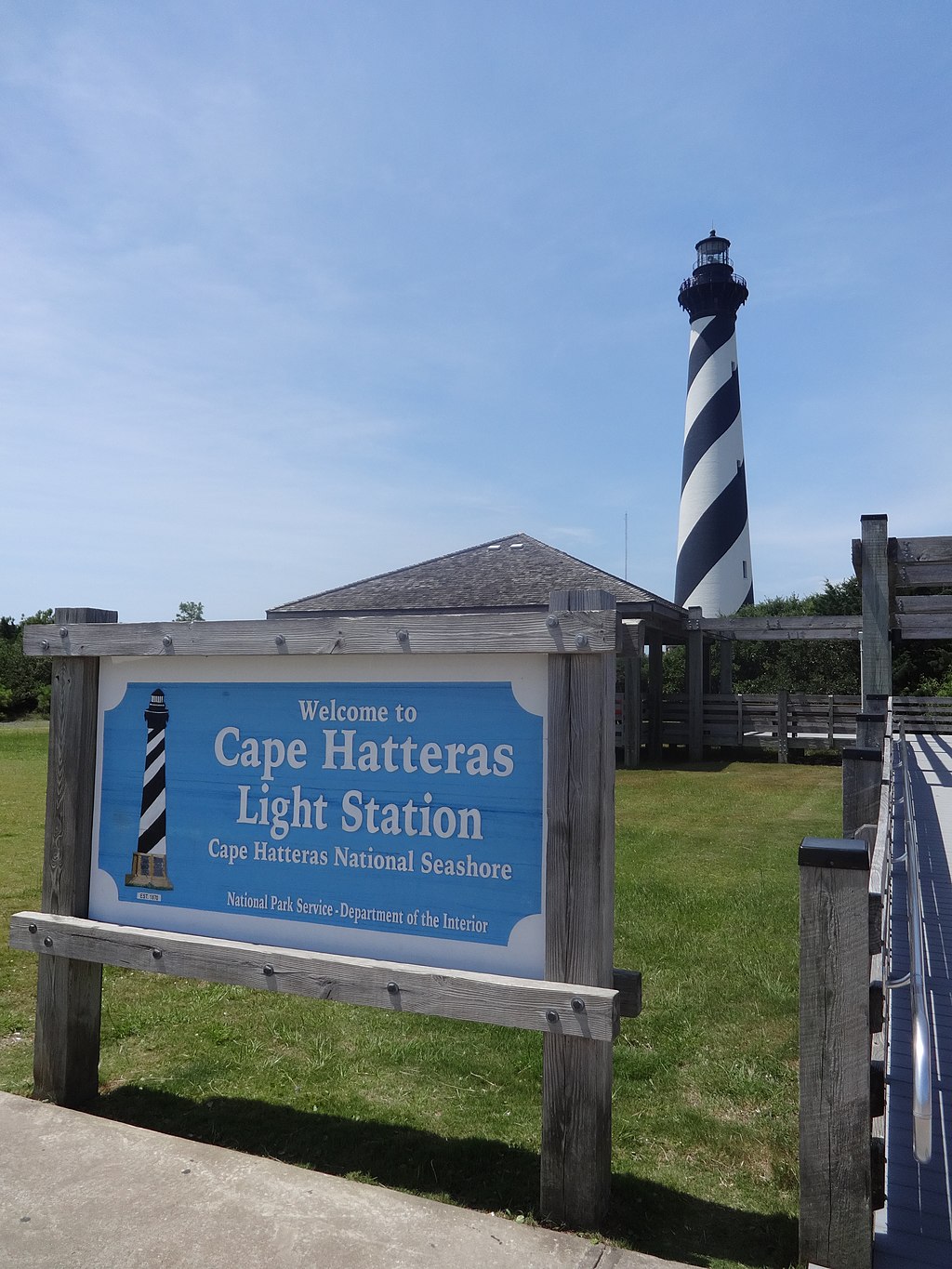
The Cape Hatteras Lighthouse, famous for its black-and-white spiral, faces ocean encroachment and severe storms along the Outer Banks. Rising seas have required moving the lighthouse inland to prevent collapse. Despite relocation, erosion and climate threats remain. Preservation is ongoing, but without vigilance, this symbol of coastal navigation history could be lost. Its survival depends on continued engineering solutions and awareness of environmental challenges.
10. Brooklyn Bridge, New York
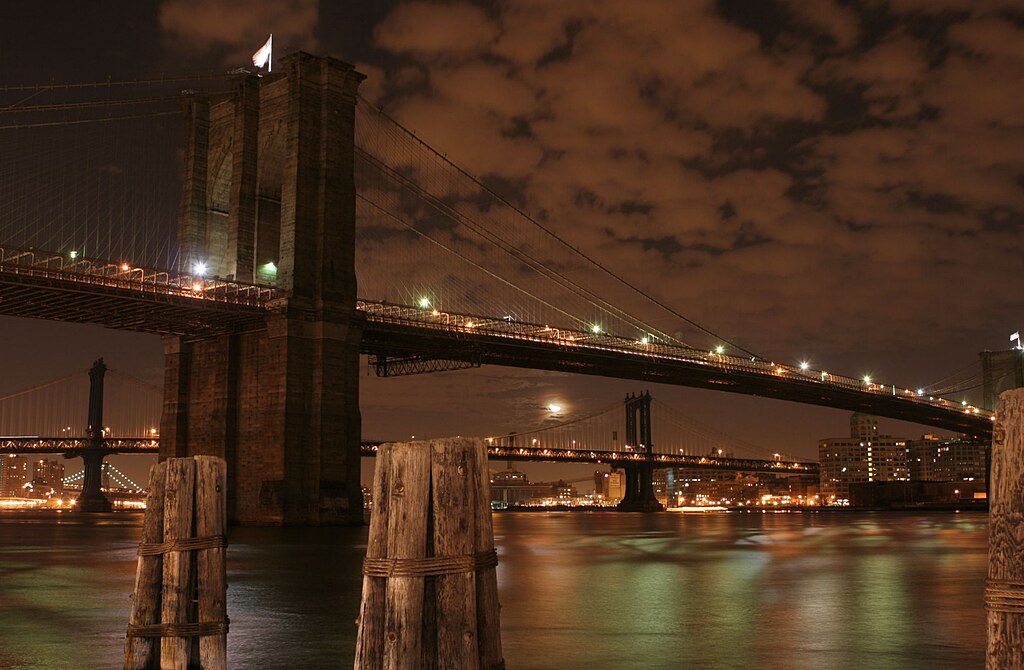
The Brooklyn Bridge, connecting Manhattan and Brooklyn, is under constant stress from traffic, weather, and corrosion. Salt air accelerates metal deterioration, while heavy pedestrian and vehicle use increases wear. Retrofitting and maintenance projects have extended its lifespan, but future storms and aging structures pose risk. Preserving the bridge protects its status as both functional infrastructure and an emblem of 19th-century engineering excellence.
11. Everglades National Park, Florida
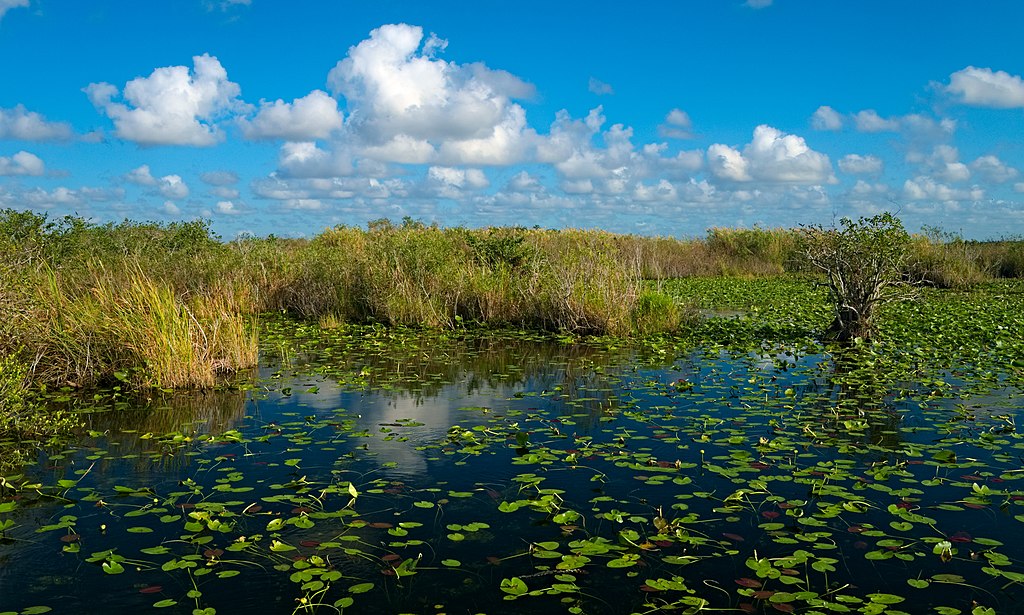
The Everglades, a unique ecosystem and UNESCO World Heritage site, faces threats from water diversion, pollution, and rising sea levels. Wetlands are shrinking, endangering wildlife and biodiversity. Human activity and climate change exacerbate degradation. Preserving the park requires sustainable management and restoration efforts. Failure to act could result in irreversible environmental loss, diminishing one of America’s most treasured natural landmarks and its role in ecological research and conservation.
12. Old Faithful Geyser, Wyoming
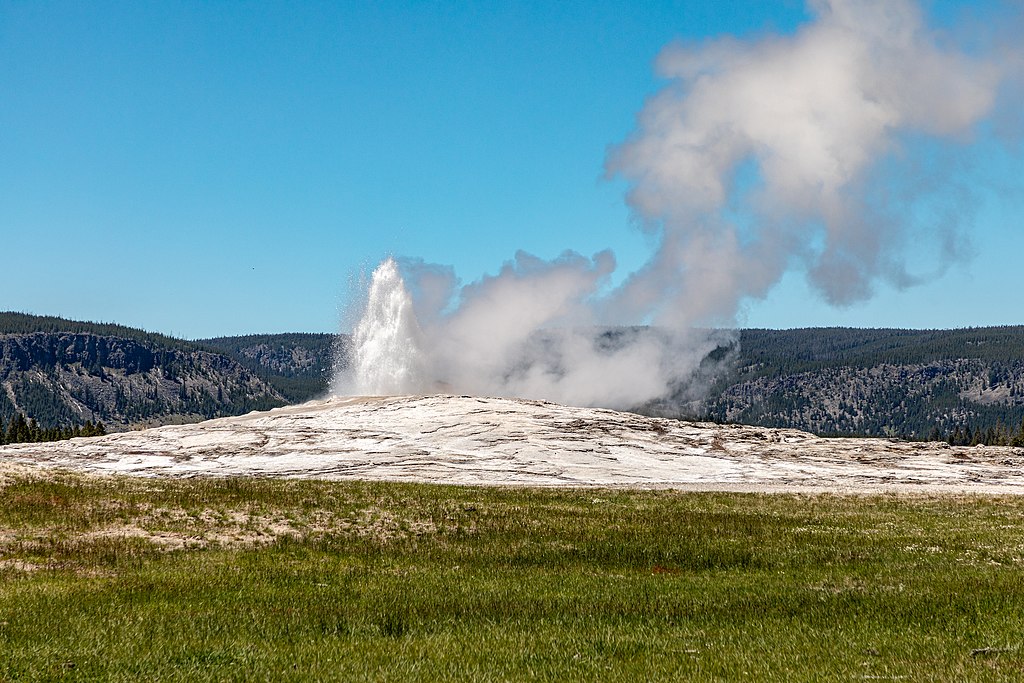
Yellowstone’s Old Faithful, a symbol of geothermal activity, is threatened by changing underground water flow patterns and increased tourism. Erosion and human interference may impact the geyser’s reliability and surrounding infrastructure. Protecting it involves monitoring geothermal activity, regulating visitors, and preserving the natural environment. Loss of predictability or degradation would affect both tourism and scientific observation, reducing the impact of one of the country’s most iconic natural landmarks.
13. Mount Vernon, Virginia
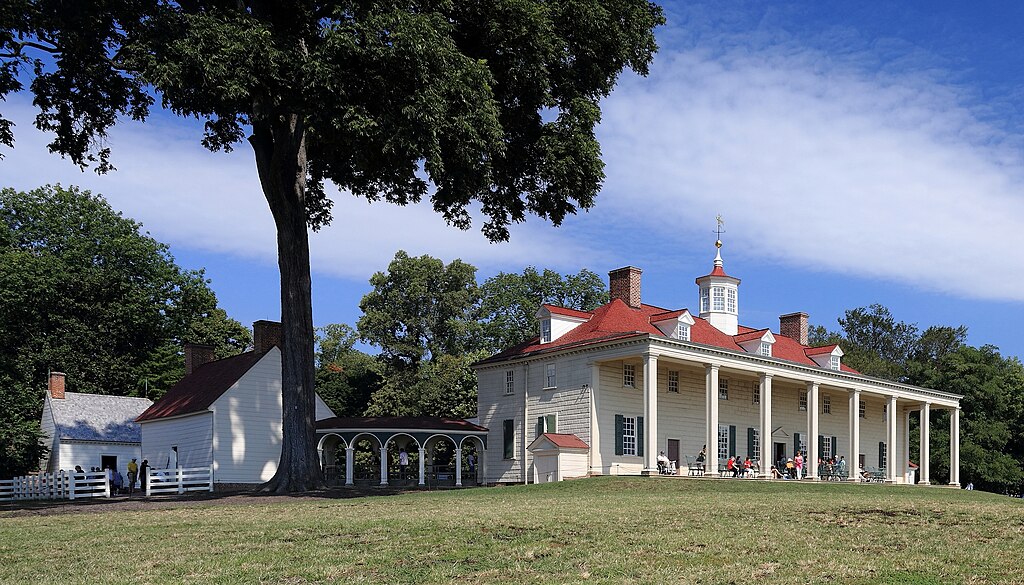
George Washington’s historic estate faces risks from weather, humidity, and wear from thousands of visitors. Preserving wooden structures, gardens, and artifacts requires constant upkeep. Rising temperatures and severe weather events increase the challenge. Conservationists must balance visitor access with protective measures. Failure to maintain Mount Vernon could compromise its authenticity and historical education value, threatening the integrity of an essential piece of American history.
14. The White House, Washington D.C.
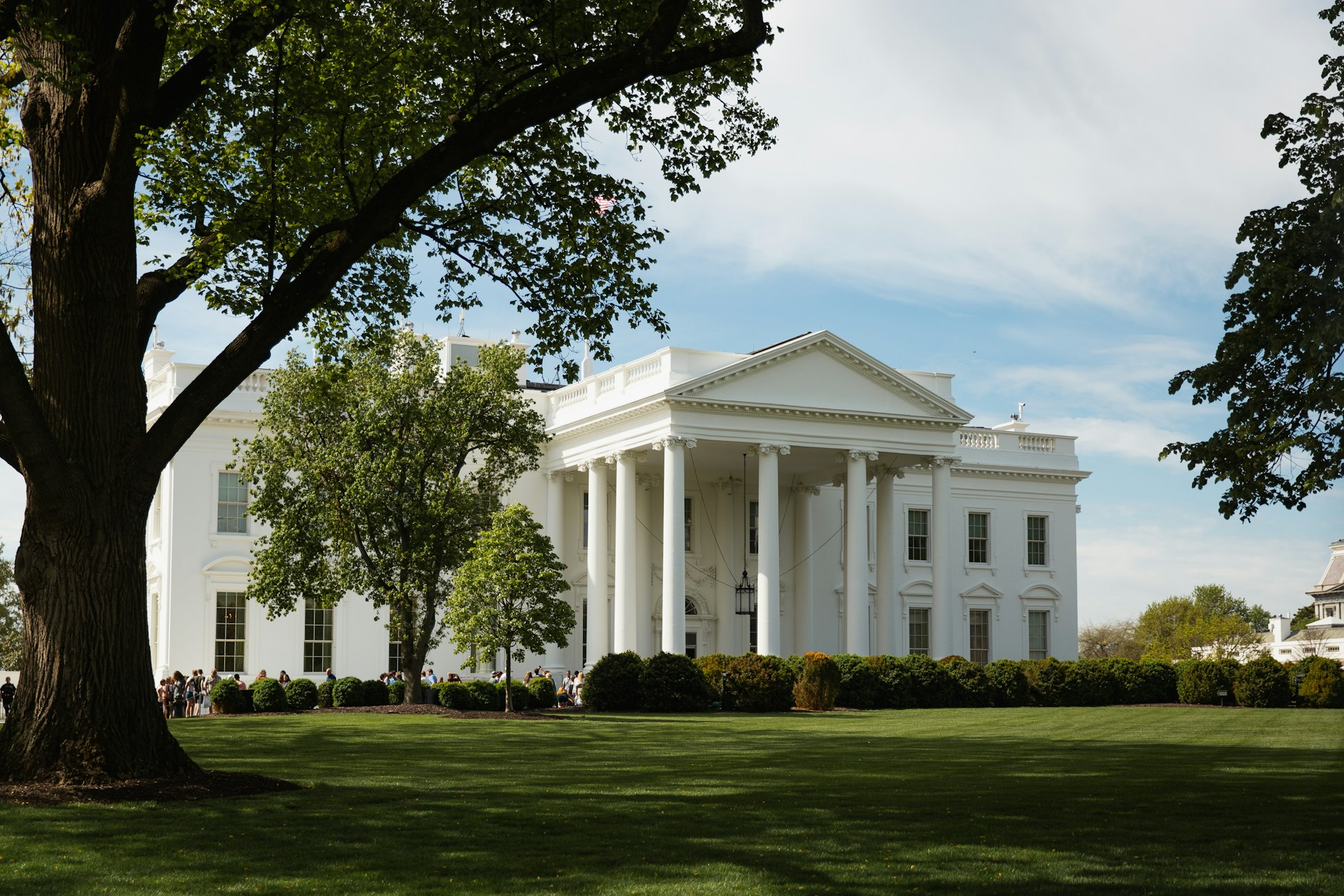
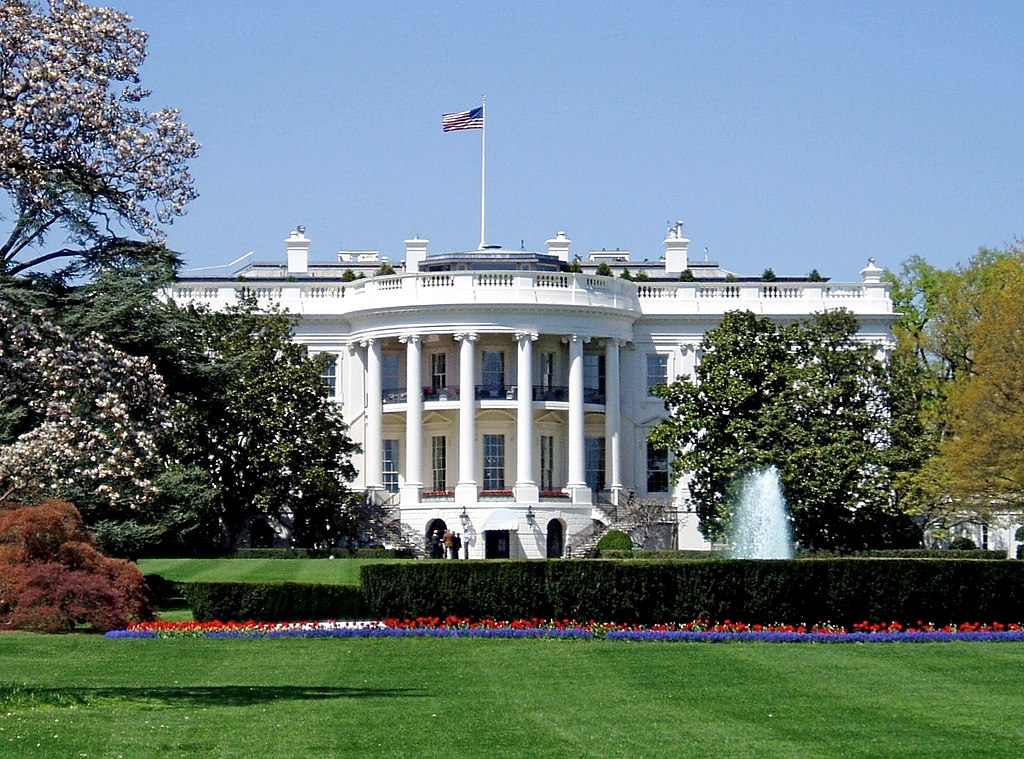
The White House is not only a residence but a symbol of American governance. Its aging infrastructure requires continuous updates to prevent deterioration. Security upgrades and environmental threats such as storms or extreme temperatures add complexity to preservation. Maintaining both historical architecture and functional utility ensures it remains a working landmark. Without careful management, structural or aesthetic decline could threaten its iconic status and historical legacy.
15. Mesa Verde Cliff Dwellings, Colorado
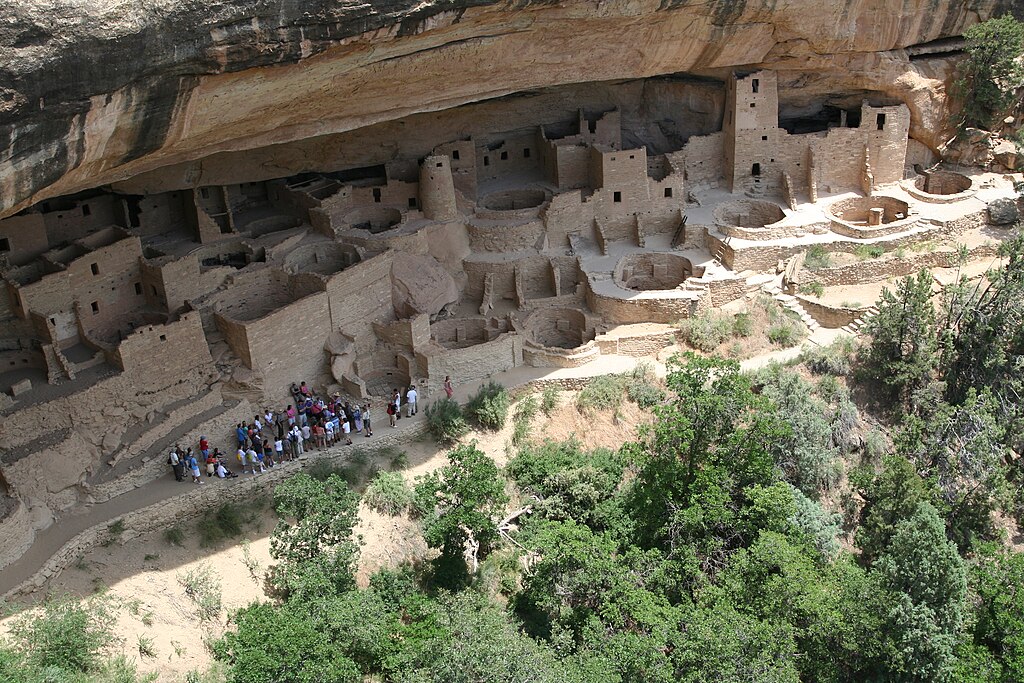
The ancient cliff dwellings at Mesa Verde face natural erosion, human impact, and climate-related changes. Protecting fragile stone and wooden structures from wind, rain, and temperature swings is critical. Visitor traffic must be managed to prevent damage. Ongoing preservation efforts aim to maintain accessibility while safeguarding historical authenticity. Losing these dwellings would erase unique insights into ancestral Puebloan culture and architecture, making proactive conservation essential.
16. The Liberty Bell, Pennsylvania
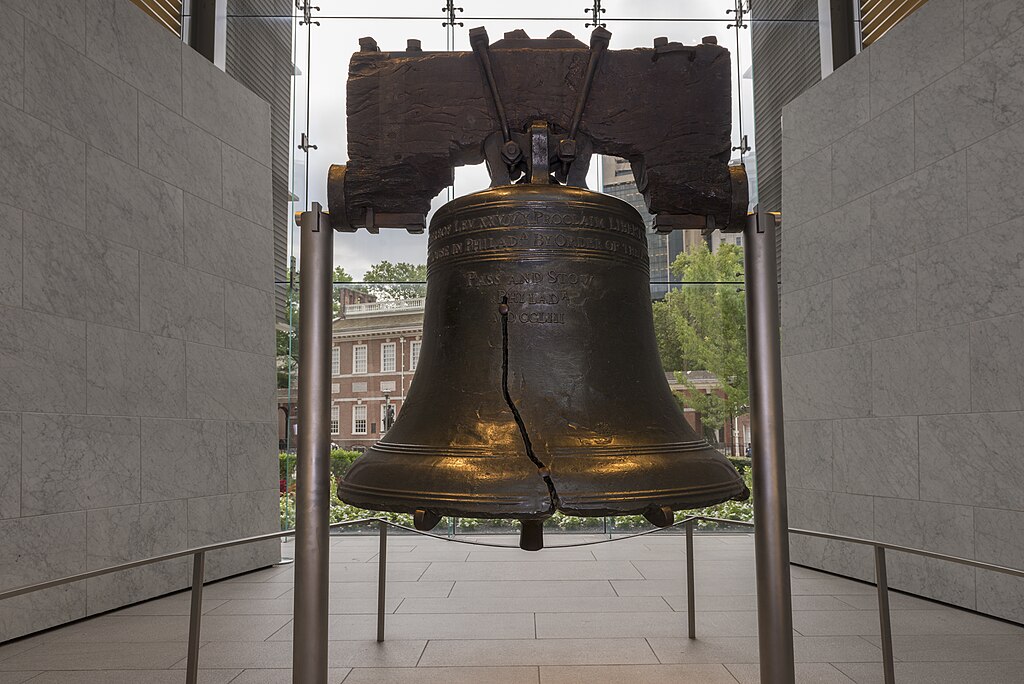
The Liberty Bell is exposed to environmental factors, temperature fluctuations, and handling risks that threaten its condition. Though it is housed indoors, humidity and air quality require monitoring to prevent metal deterioration. Conservation efforts are continuous, and even minor damage could compromise its historic and symbolic significance. Protecting the bell ensures that this iconic emblem of freedom remains a tangible connection to American independence for future generations.
17. Gateway Arch Grounds, Missouri
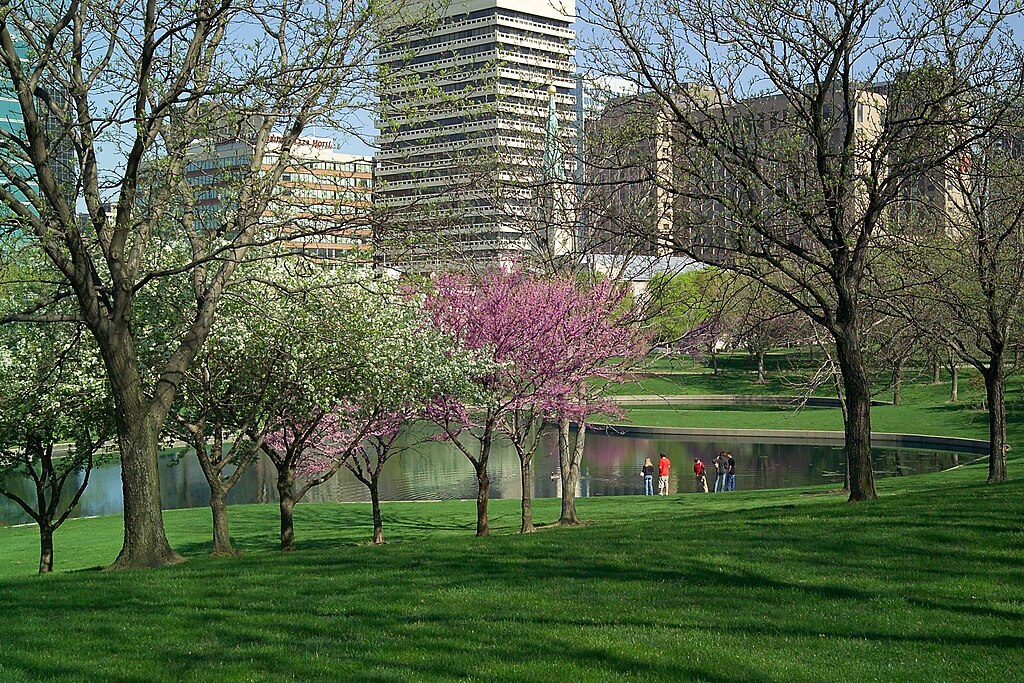
Surrounding the Gateway Arch, the park’s landscaping and infrastructure face flooding, erosion, and urban pressures. Maintaining accessibility and aesthetic appeal is vital to preserve the visitor experience. Climate change increases the risk of storm damage, which could compromise walkways, plazas, and supporting structures. Investing in landscaping and flood mitigation ensures the Arch remains a welcoming landmark while protecting its cultural and historical context from environmental threats.
18. Independence National Historical Park, Pennsylvania
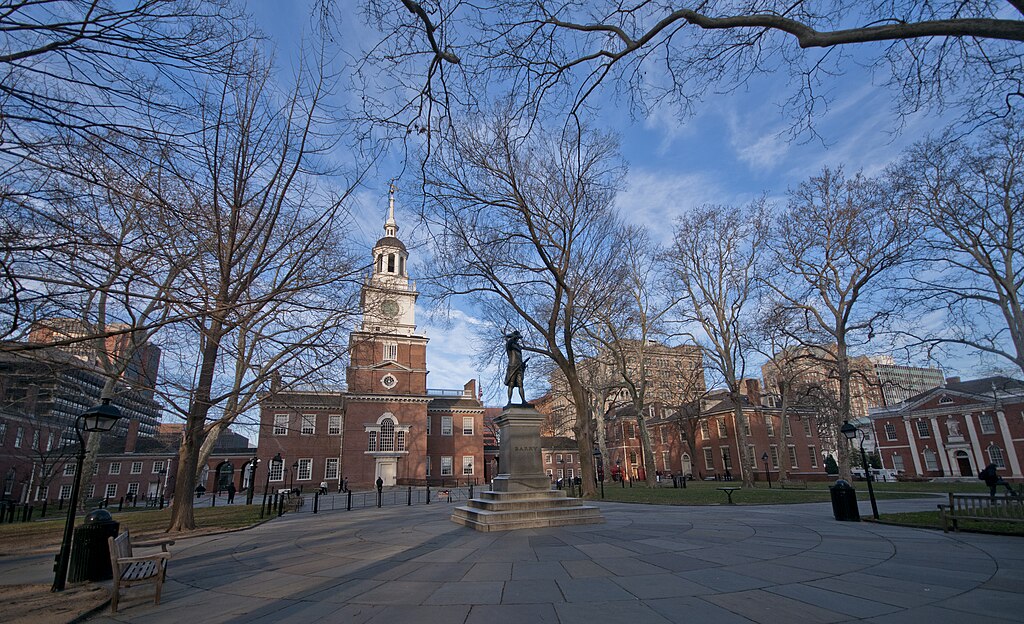
The buildings and grounds of Independence National Historical Park face challenges from weather, pollution, and heavy visitor traffic. Brickwork, wood, and stone require continual conservation to prevent decay. Urban development pressures and environmental threats add risk. Preserving the park safeguards critical sites of American history, including Independence Hall and surrounding structures, ensuring that future generations can experience the birthplace of democracy without losing authenticity or integrity.
From man-made structures to natural wonders, America’s landmarks are at risk if protective measures are not prioritized. Preserving them requires awareness, funding, and action to maintain cultural, historical, and environmental integrity. These eighteen sites serve as reminders that iconic landmarks are not immortal. Protecting them ensures that their stories, symbolism, and beauty continue to inspire generations instead of fading into memory.