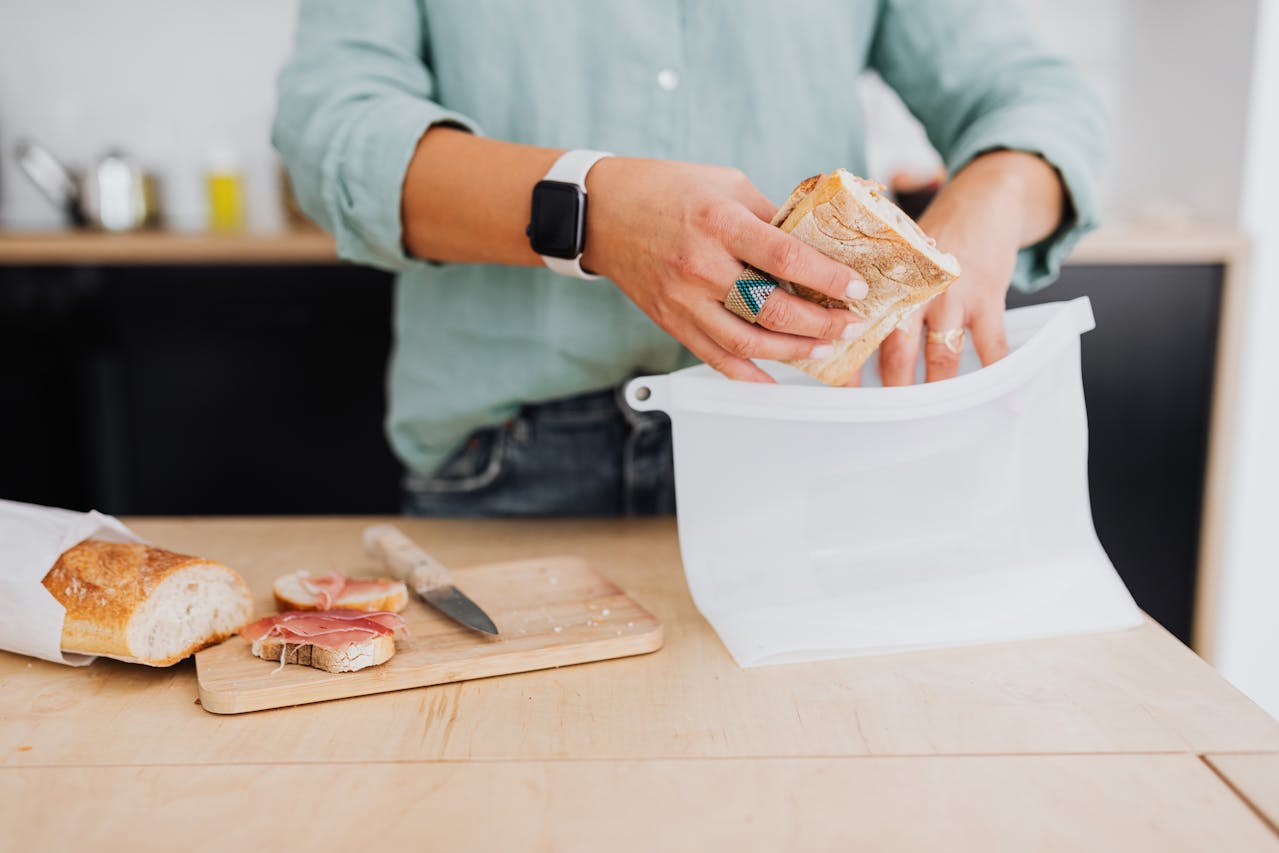
Many American households unintentionally mishandle food storage, leading to wasted ingredients and reduced flavor. Chefs often point out that certain foods last longer or taste better when stored differently. Small changes in storage habits can dramatically improve freshness and cooking quality. Learning these kitchen secrets helps home cooks get closer to professional-level results.
Tomatoes
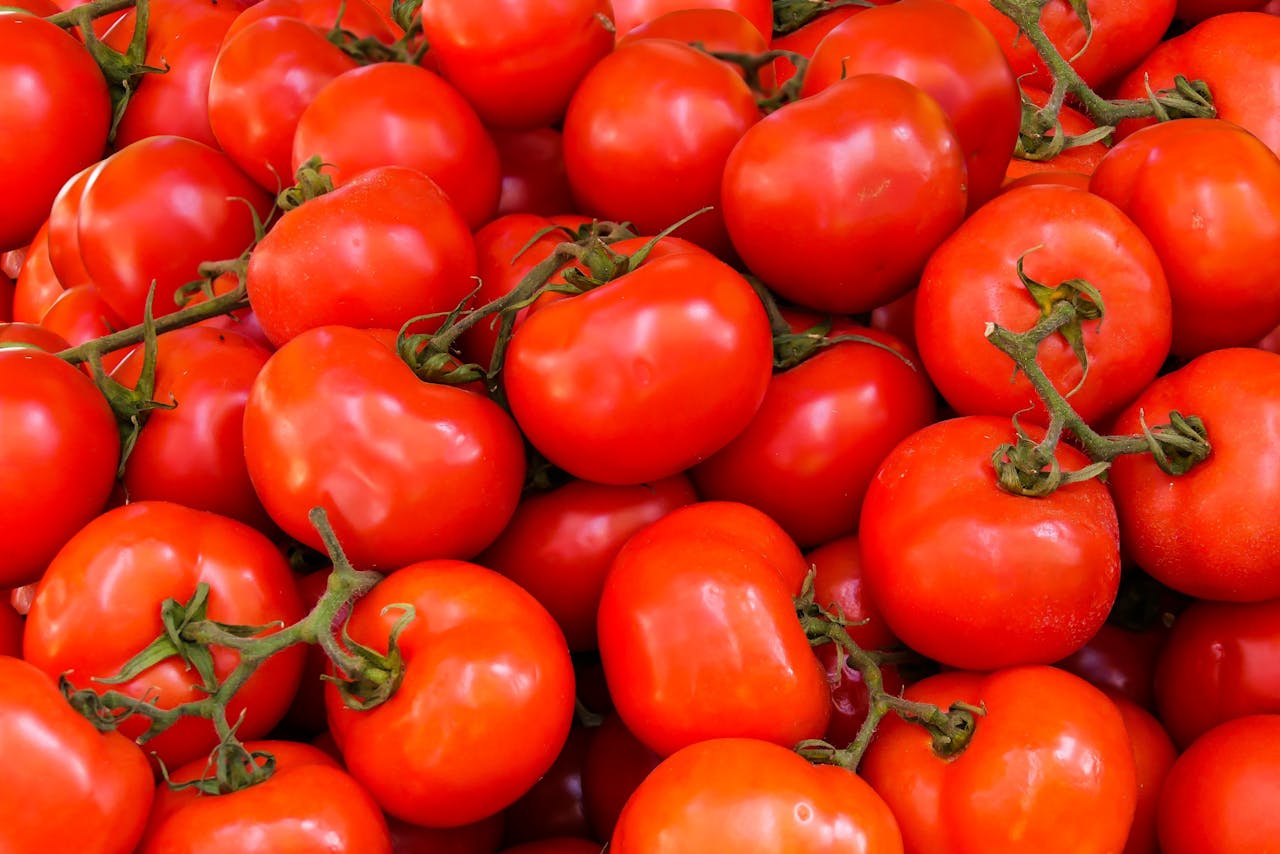
Chefs strongly recommend keeping tomatoes at room temperature, not in the refrigerator. Cold temperatures ruin their texture and mute their natural flavor. Many Americans store them incorrectly out of habit. Countertop storage keeps them vibrant and juicy.
Bread

Bread becomes stale much faster when refrigerated. Chefs advise storing it at room temperature and freezing what won’t be used soon. Refrigeration dries it out quickly. Proper storage keeps it soft and flavorful.
Fresh Herbs
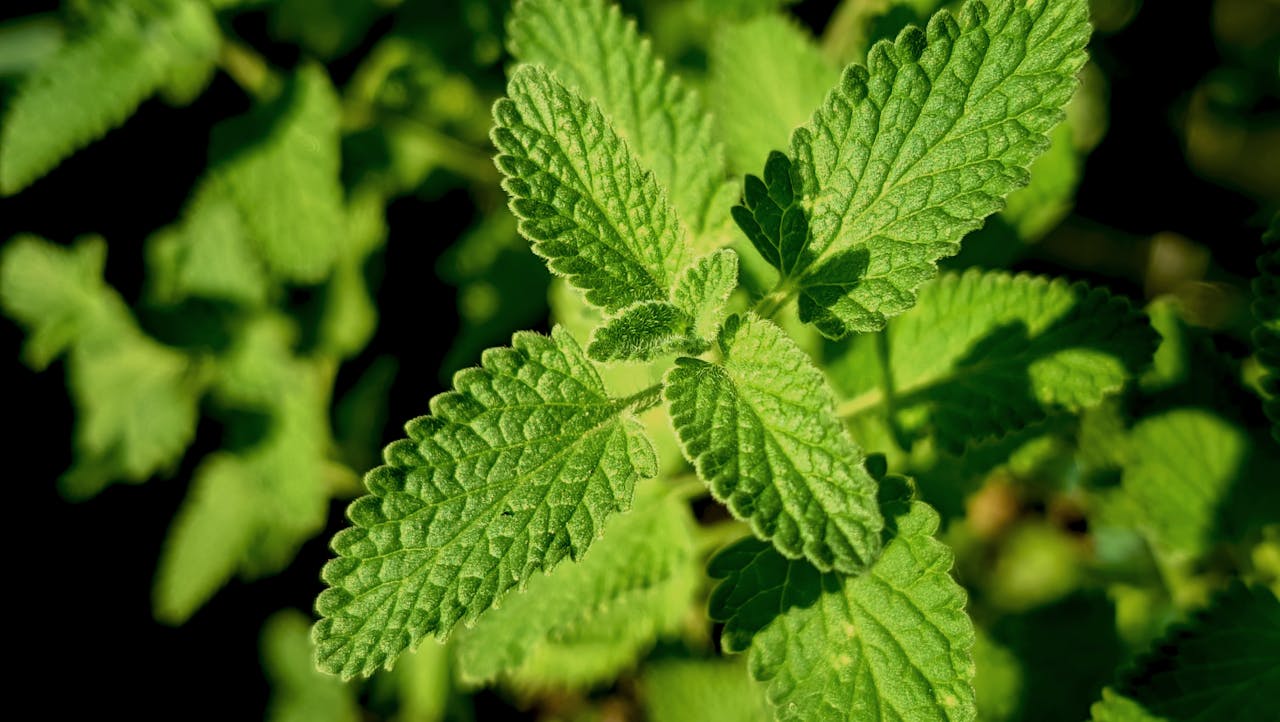
Many people store herbs bunched in plastic bags, causing them to wilt. Chefs suggest treating them like flowers by trimming stems and placing them in water. This keeps them fresh longer and preserves aroma. Some herbs also benefit from light refrigeration.
Garlic
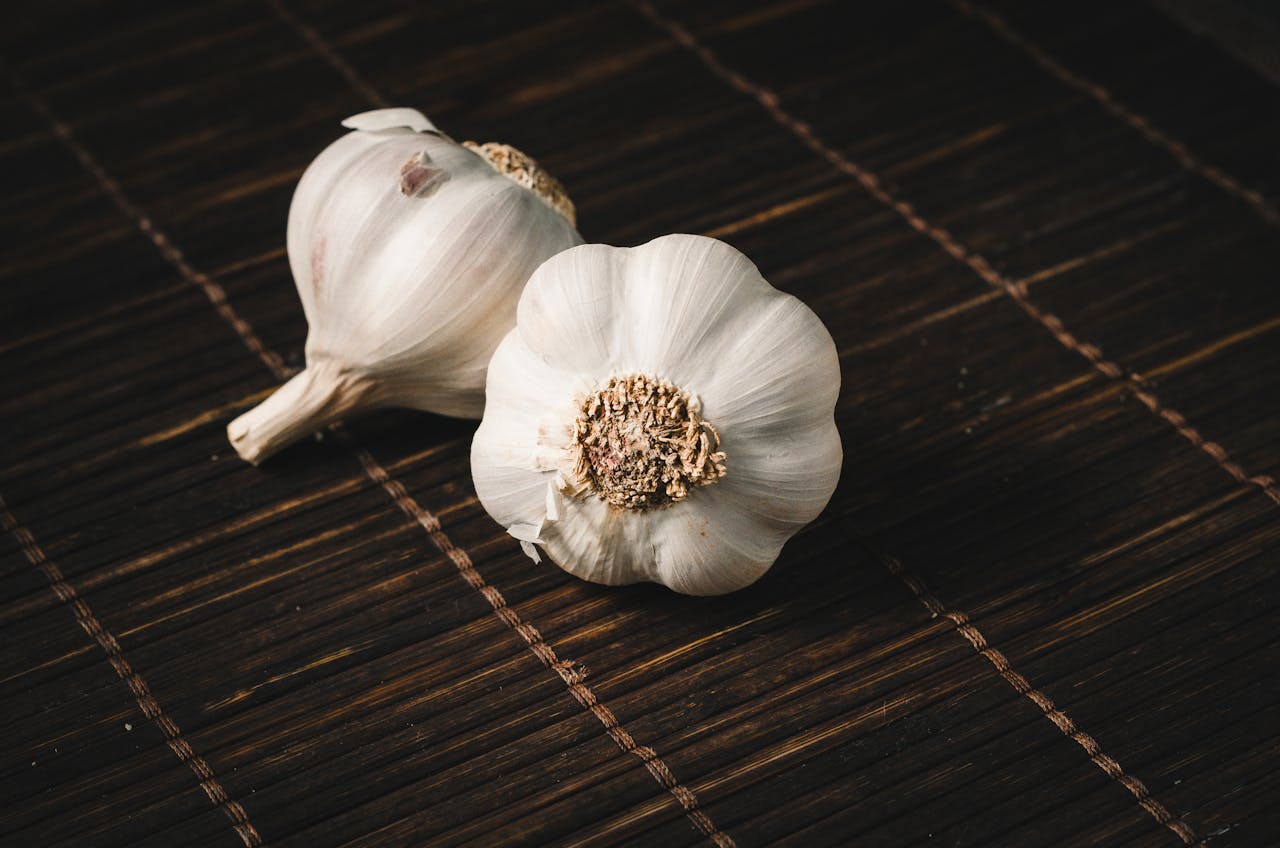
Storing garlic in sealed plastic traps moisture and encourages mold. Chefs prefer dry, breathable storage like open baskets. Proper ventilation keeps cloves firm and aromatic. Avoiding airless environments preserves flavor.
Onions
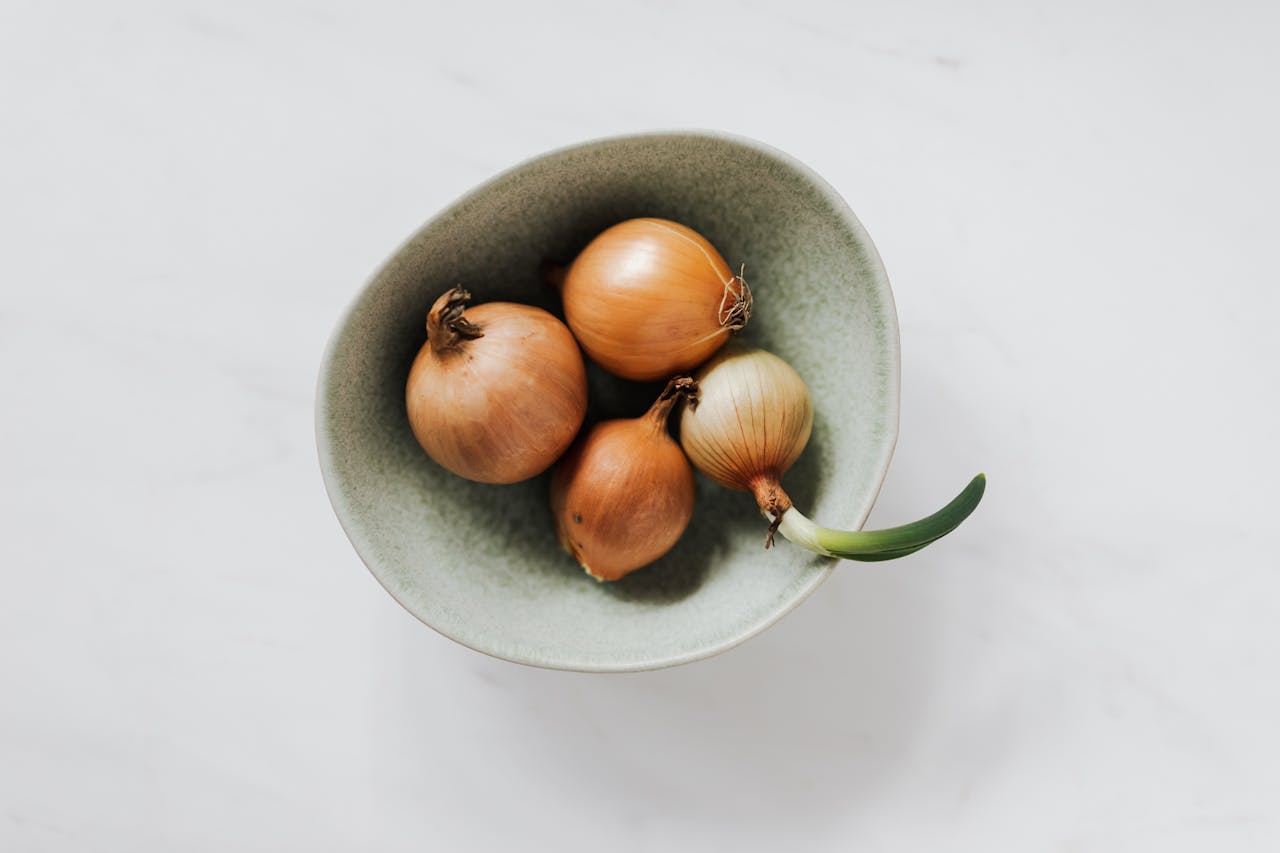
Refrigerating onions makes them mushy and promotes faster spoilage. Chefs recommend keeping them in cool, dry, and dark areas. Good airflow is essential for longevity. Separation from potatoes prevents mutual deterioration.
Potatoes
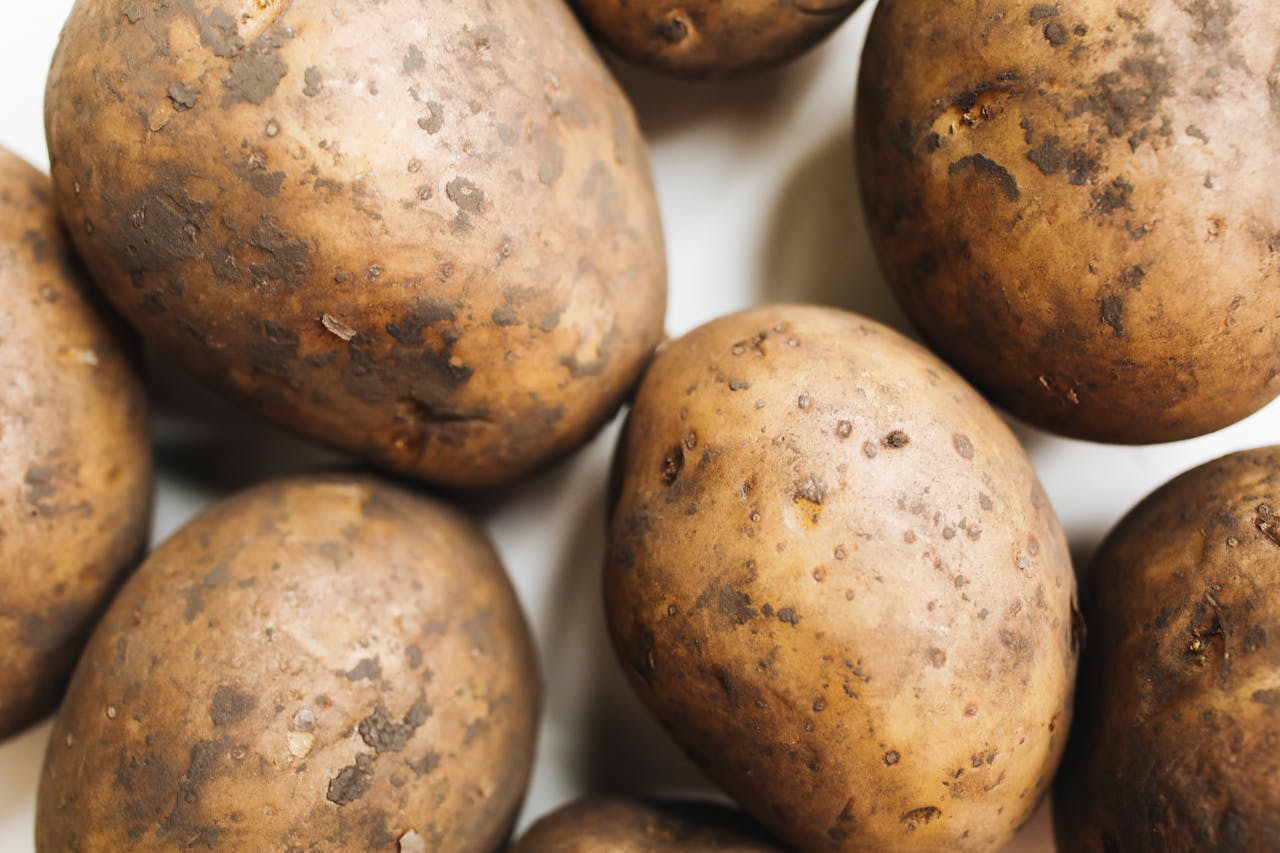
Storing potatoes in the fridge converts starches into sugar. This affects taste and cooking performance. A cool pantry is best for maintaining proper texture. Chefs warn against cold environments.
Coffee
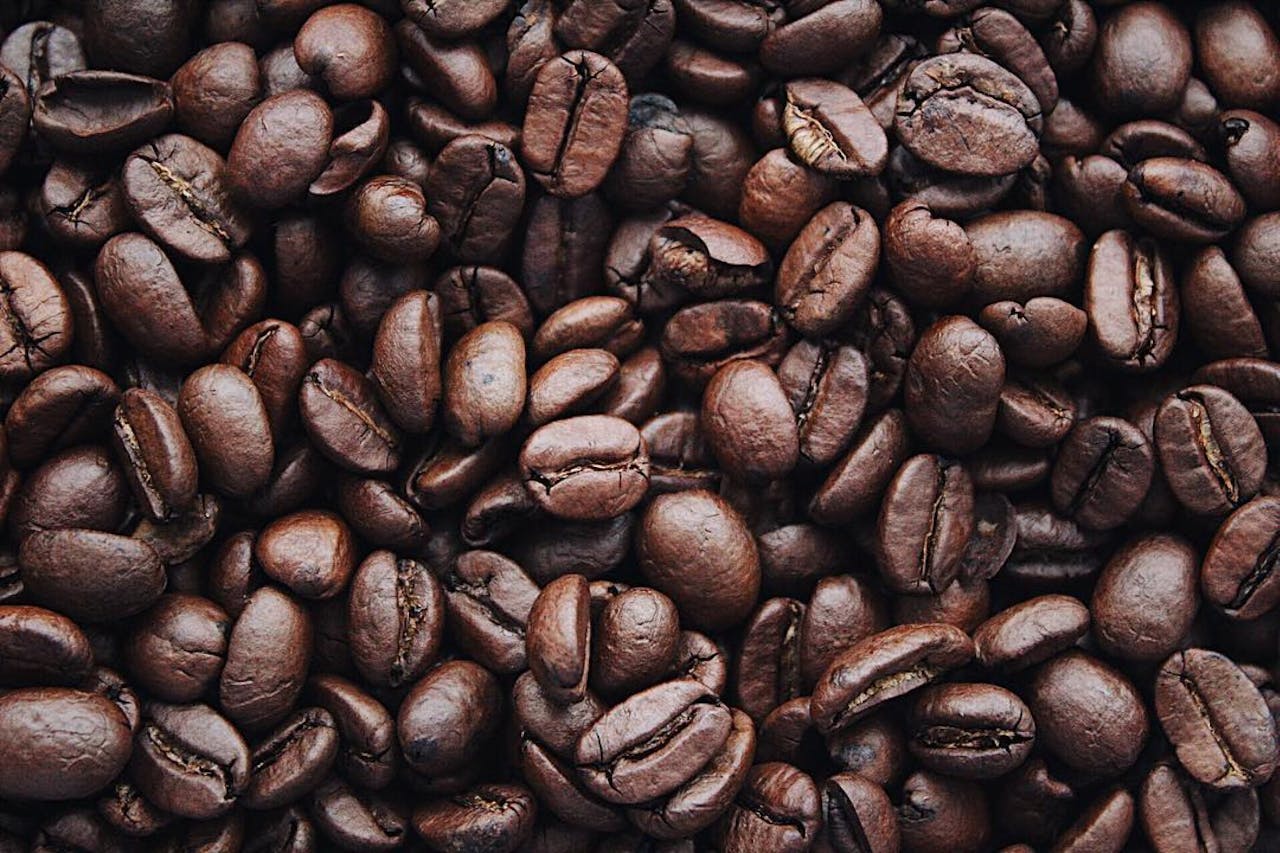
Many Americans store coffee in the fridge or freezer unnecessarily. Chefs advise keeping it in airtight containers at room temperature. Moisture ruins its flavor quickly. Proper storage enhances richness.
Avocados
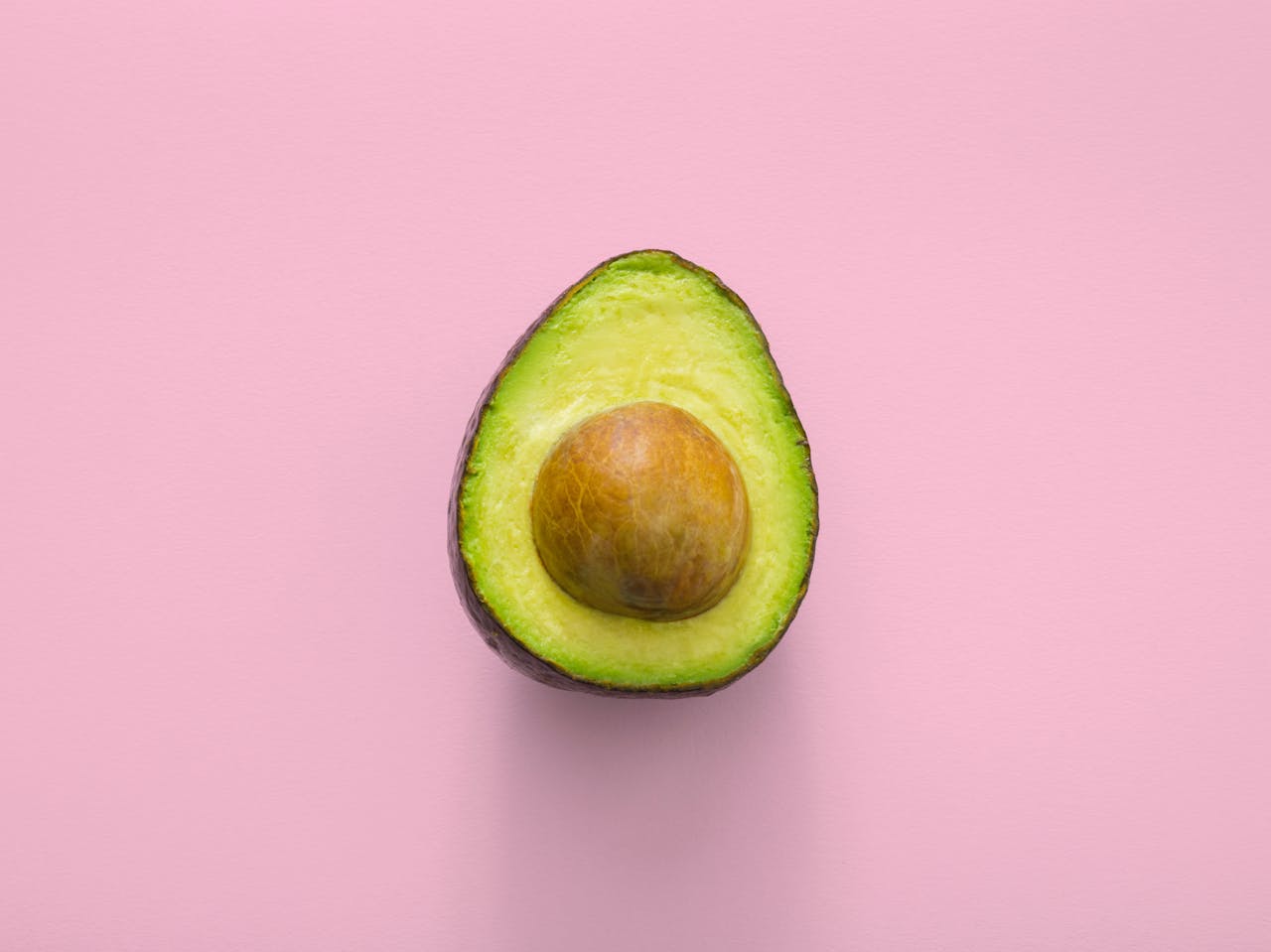
Some people refrigerate avocados too early, halting their ripening. Chefs recommend letting them ripen on the counter first. Refrigeration is only useful once they’re fully ripe. Timing is key to perfect texture.
Eggs
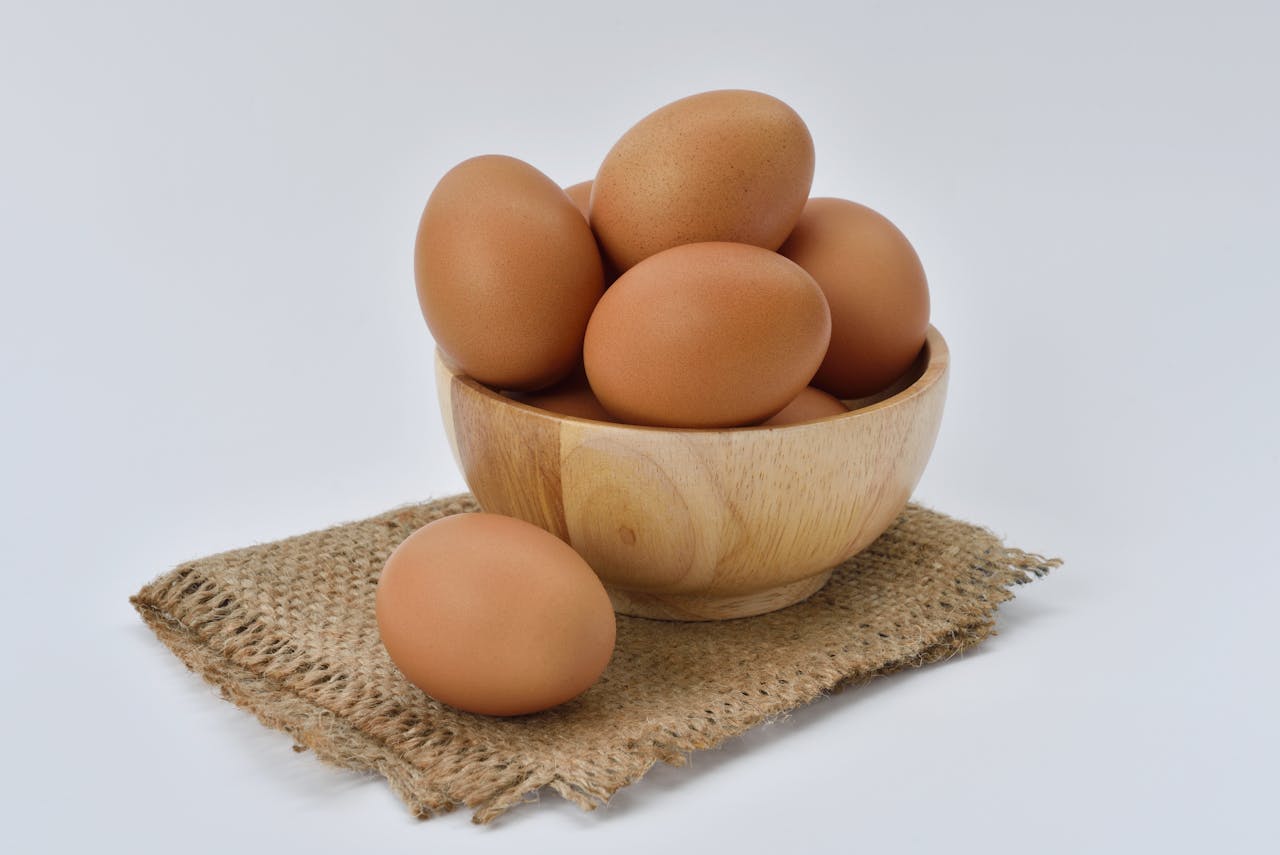
America’s practice of refrigerating eggs differs from other countries. Chefs say refrigeration is necessary only because eggs are washed in the U.S. However, storing them in the door fluctuates temperature too often. The interior shelf is best.
Apples
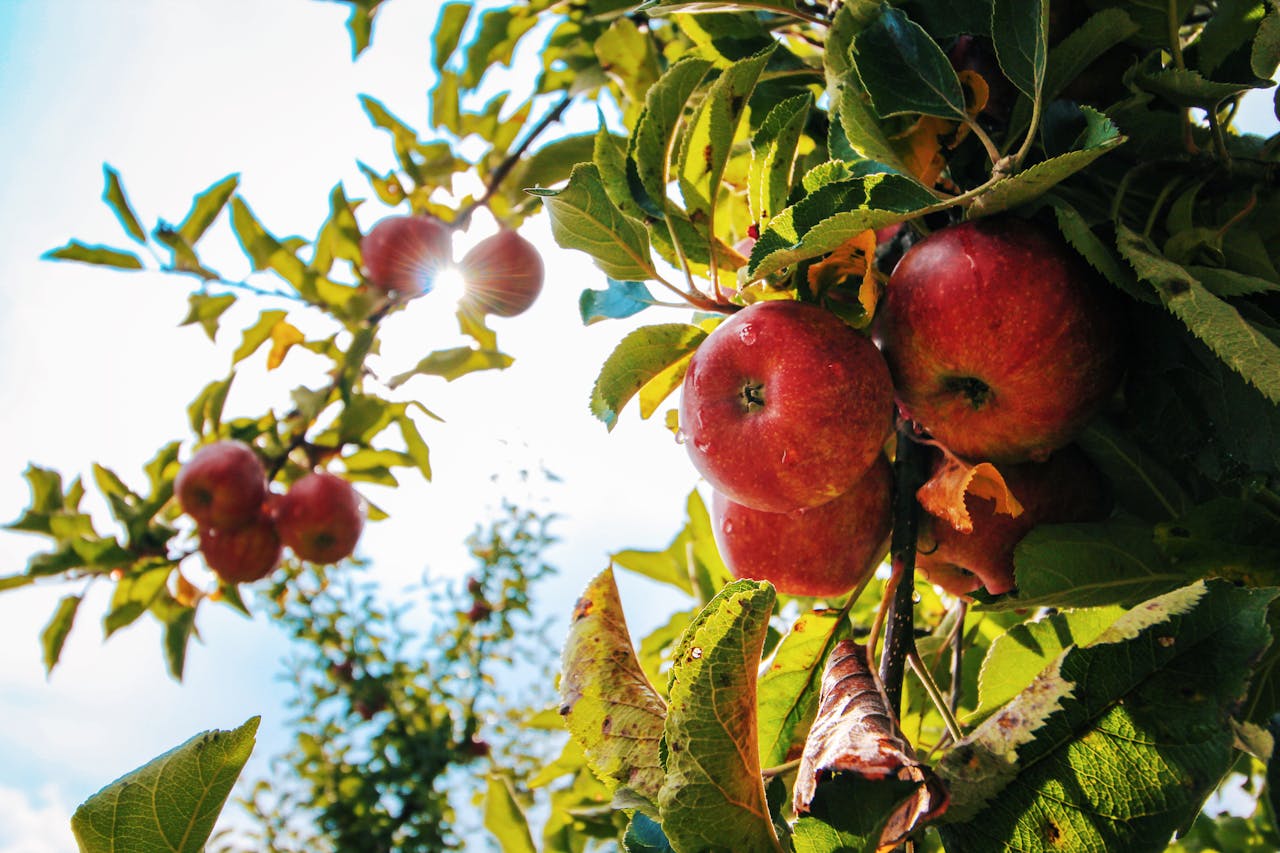
Storing apples near other produce accelerates spoilage due to ethylene gas. Chefs advise separating them for longer freshness. A cool environment helps them stay crisp. Simple rearrangement makes a big difference.
Cheese
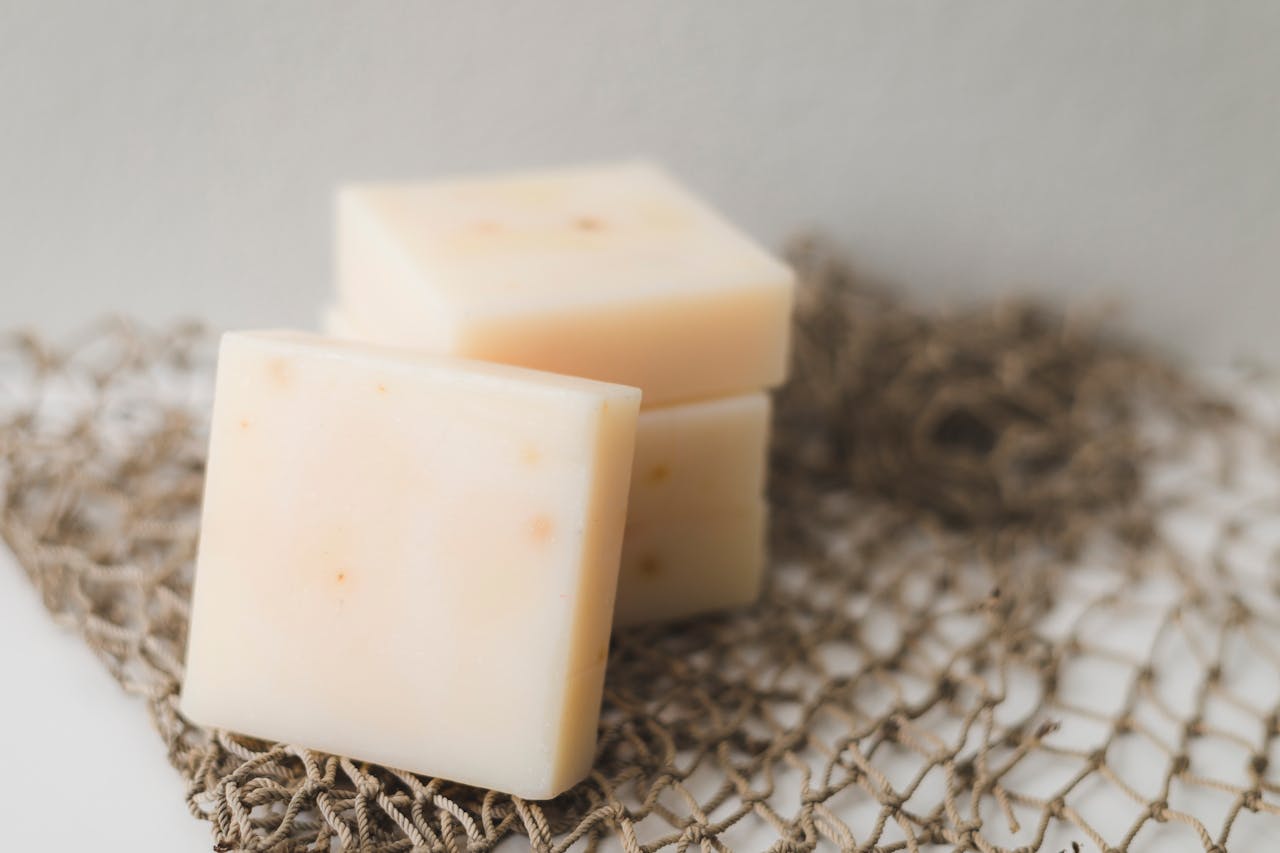
Wrapping cheese in plastic suffocates it and affects flavor. Chefs prefer breathable paper that lets it mature properly. Cheese needs to breathe yet not dry out. The right wrapping preserves quality.
Bananas
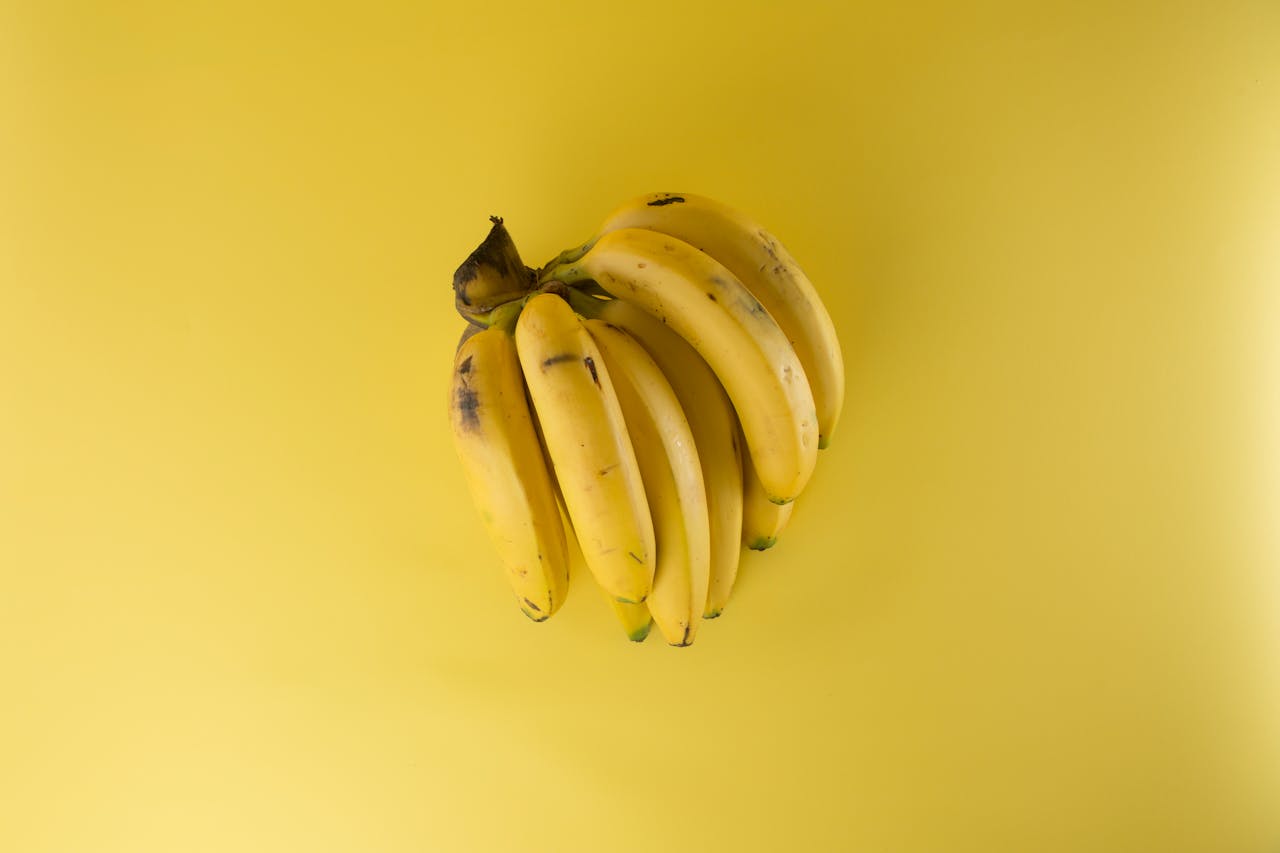
Refrigeration turns bananas black and interrupts proper ripening. Chefs recommend keeping them at room temperature and separating bunches if needed. This helps manage ripeness better. Only refrigerate once fully yellow.
Nuts
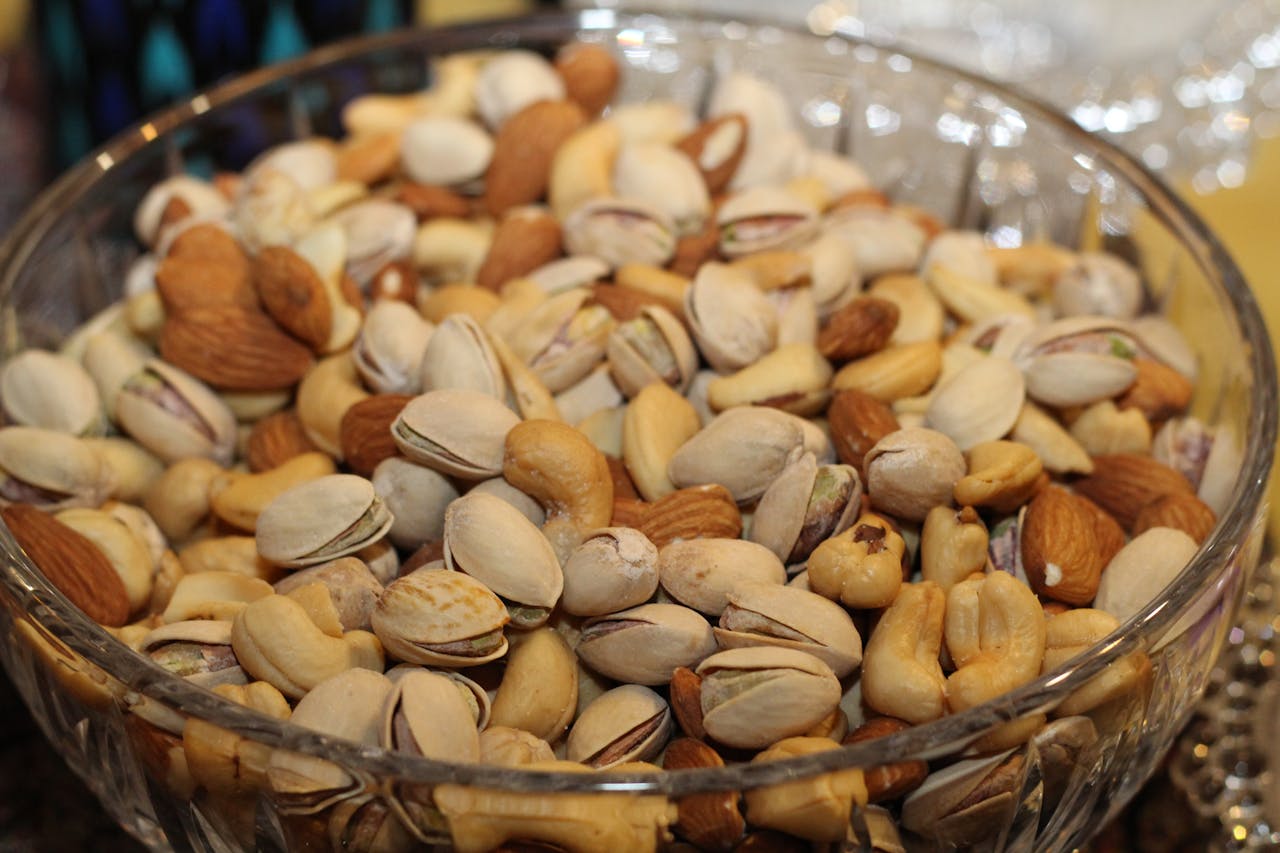
Storing nuts in warm pantries causes oils to go rancid. Chefs advise refrigeration or freezing for long-term freshness. Cold slows oxidation dramatically. It preserves flavor and texture.
Butter
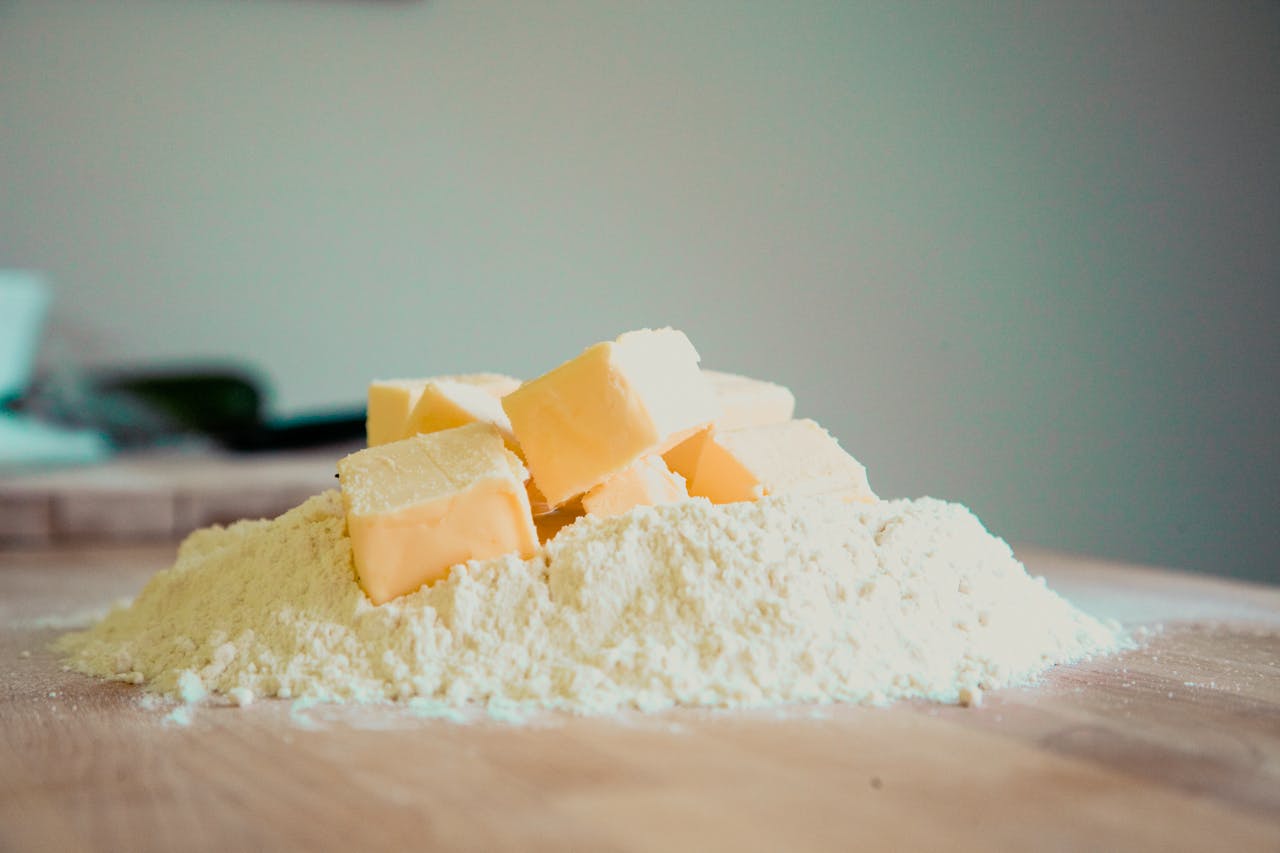
Leaving butter out all the time can lead to spoilage depending on climate. Chefs say small amounts can be kept on the counter, but the rest belongs in the fridge. Balance is essential. Proper storage prevents waste.
Berries
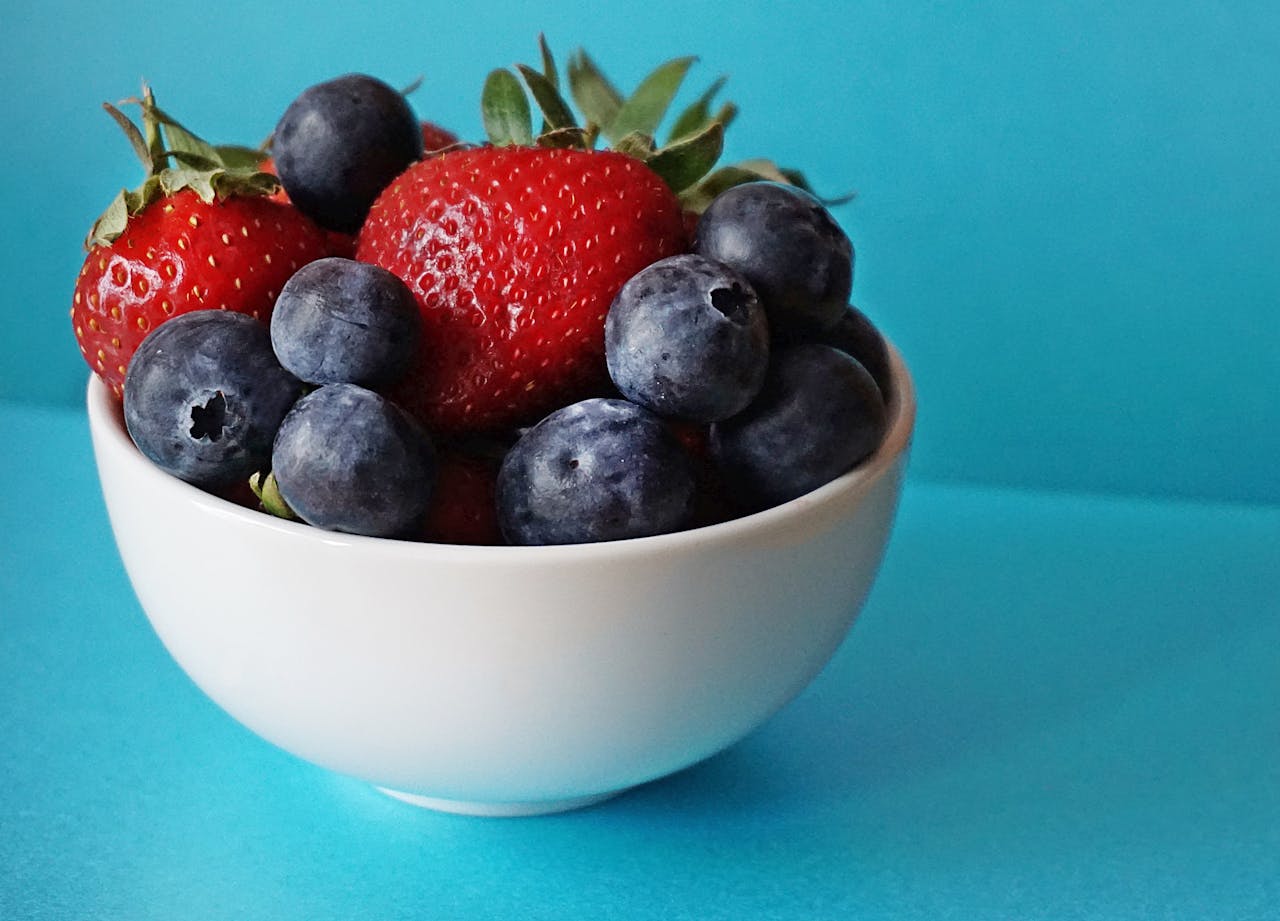
Many Americans store berries without washing or drying them properly. Chefs suggest a gentle rinse with vinegar water and thorough drying. Moisture leads to mold quickly. Careful prep ensures longer life.
Flour
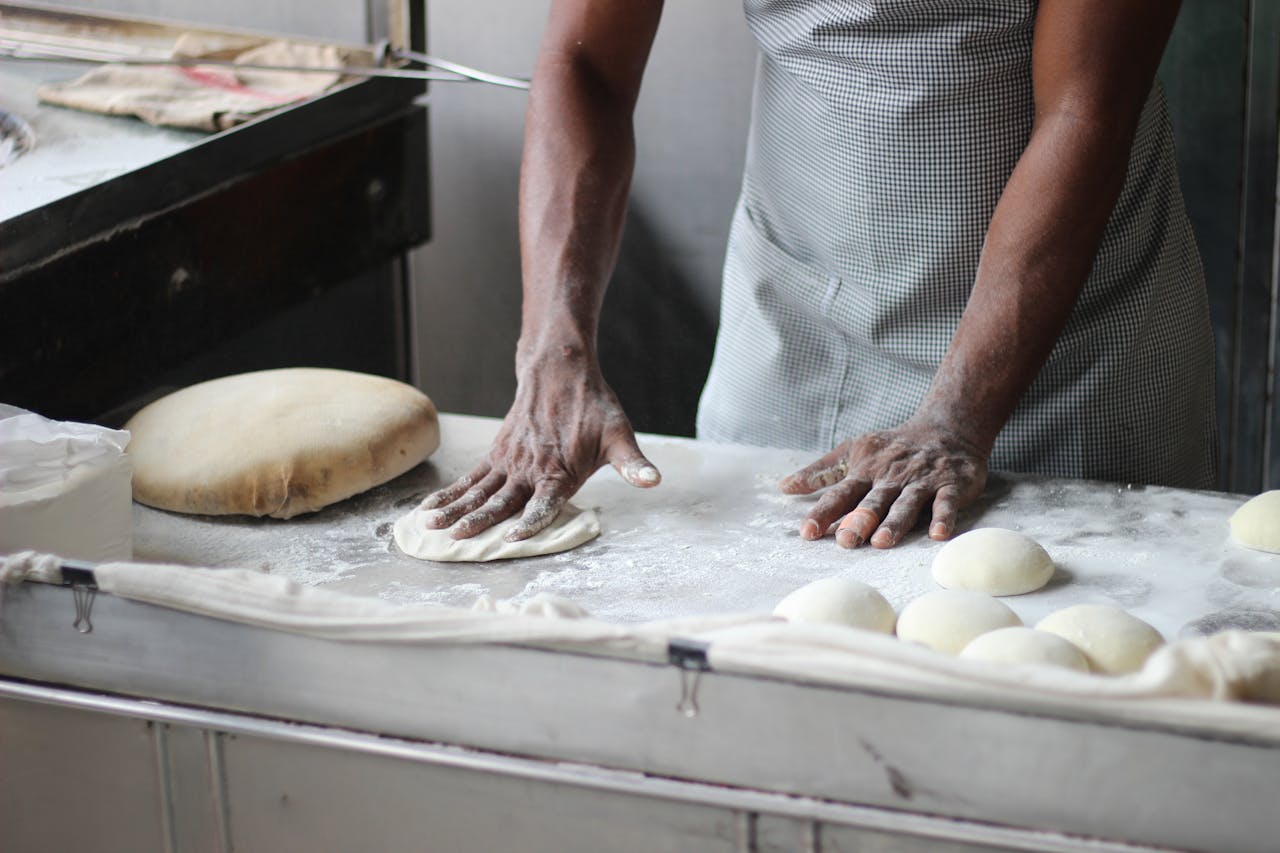
Flour stored in warm pantries can attract pests. Chefs recommend airtight containers and cool spaces. Some even refrigerate or freeze it for longevity. Clean storage protects quality.
Spices
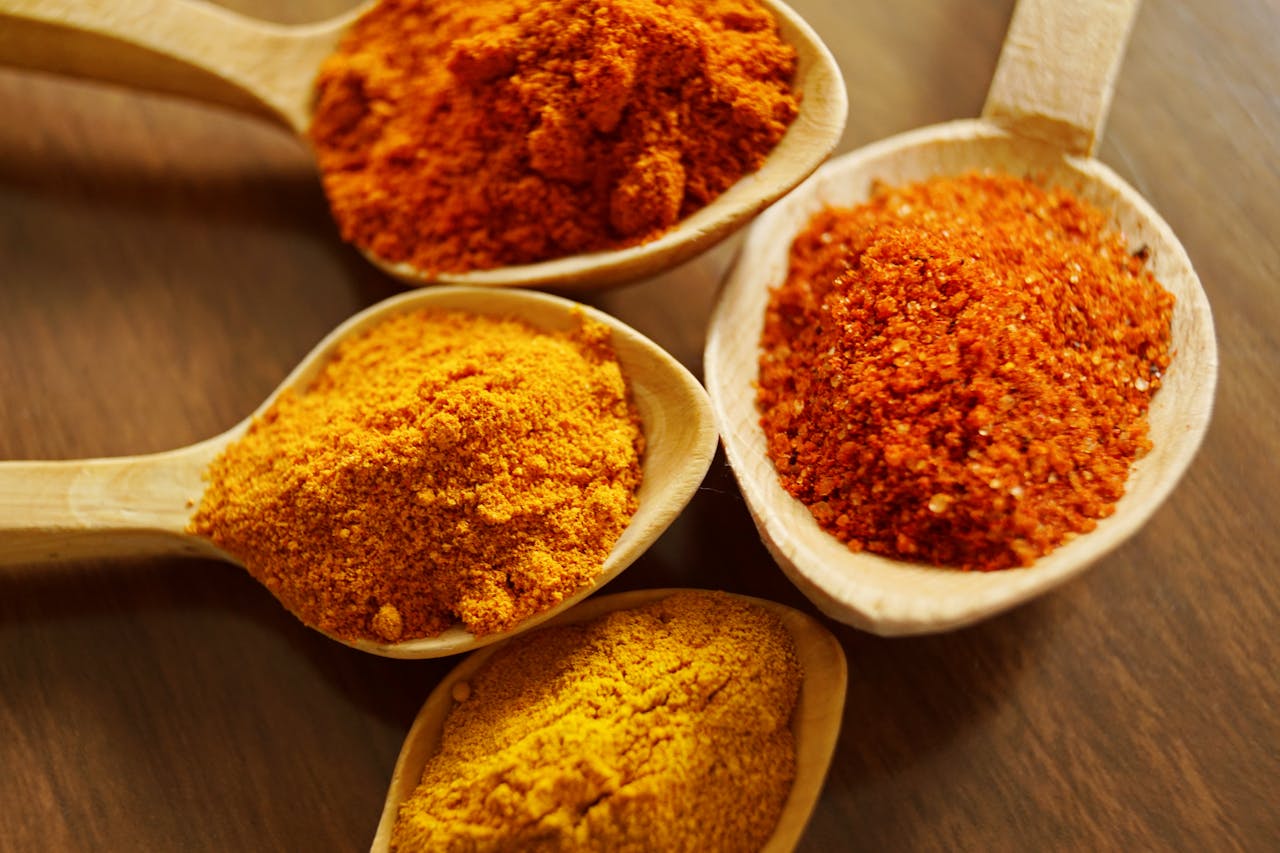
Old spices lose potency, especially when stored near heat. Chefs advise keeping them away from stoves and sunlight. Airtight containers maintain aroma. Refreshing them routinely ensures vibrant flavors.
Olive Oil
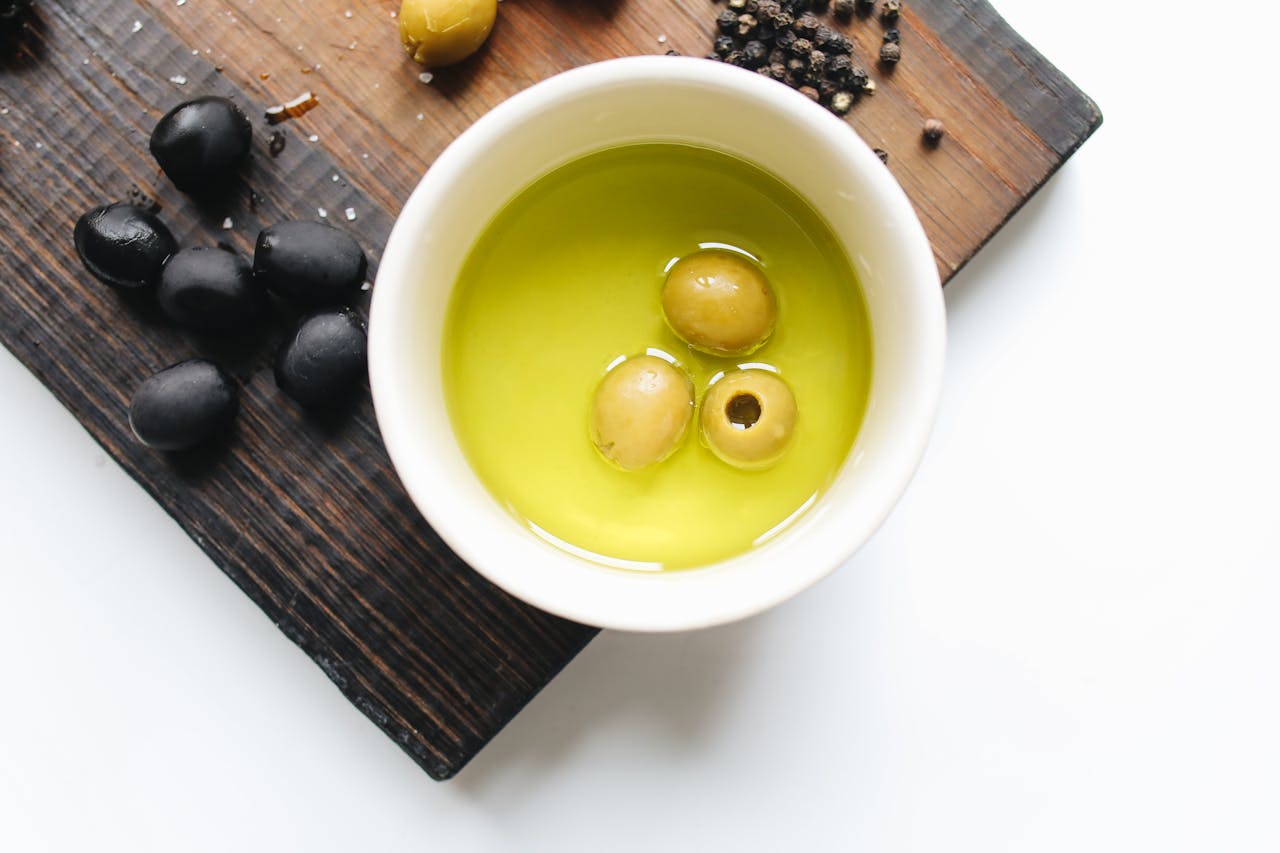
Many households store olive oil above the stove, exposing it to heat and light. Chefs warn this degrades quality quickly. A cool, dark cabinet keeps it fresh. Proper storage maintains flavor integrity.