For much of modern history, blue-collar skills were viewed as practical labor rather than cultural capital. They were learned out of necessity, not choice, and rarely admired outside their function. As automation, outsourcing, and convenience stripped daily life of physical making, these skills took on new meaning. Scarcity transformed them into markers of patience, taste, and independence. What once signaled survival now signals intentional living. Today, mastering these skills suggests time, discipline, and values rather than economic limitation. Here are eighteen blue-collar abilities that quietly crossed from everyday work into elite, high-status hobbies.
Woodworking and Fine Carpentry
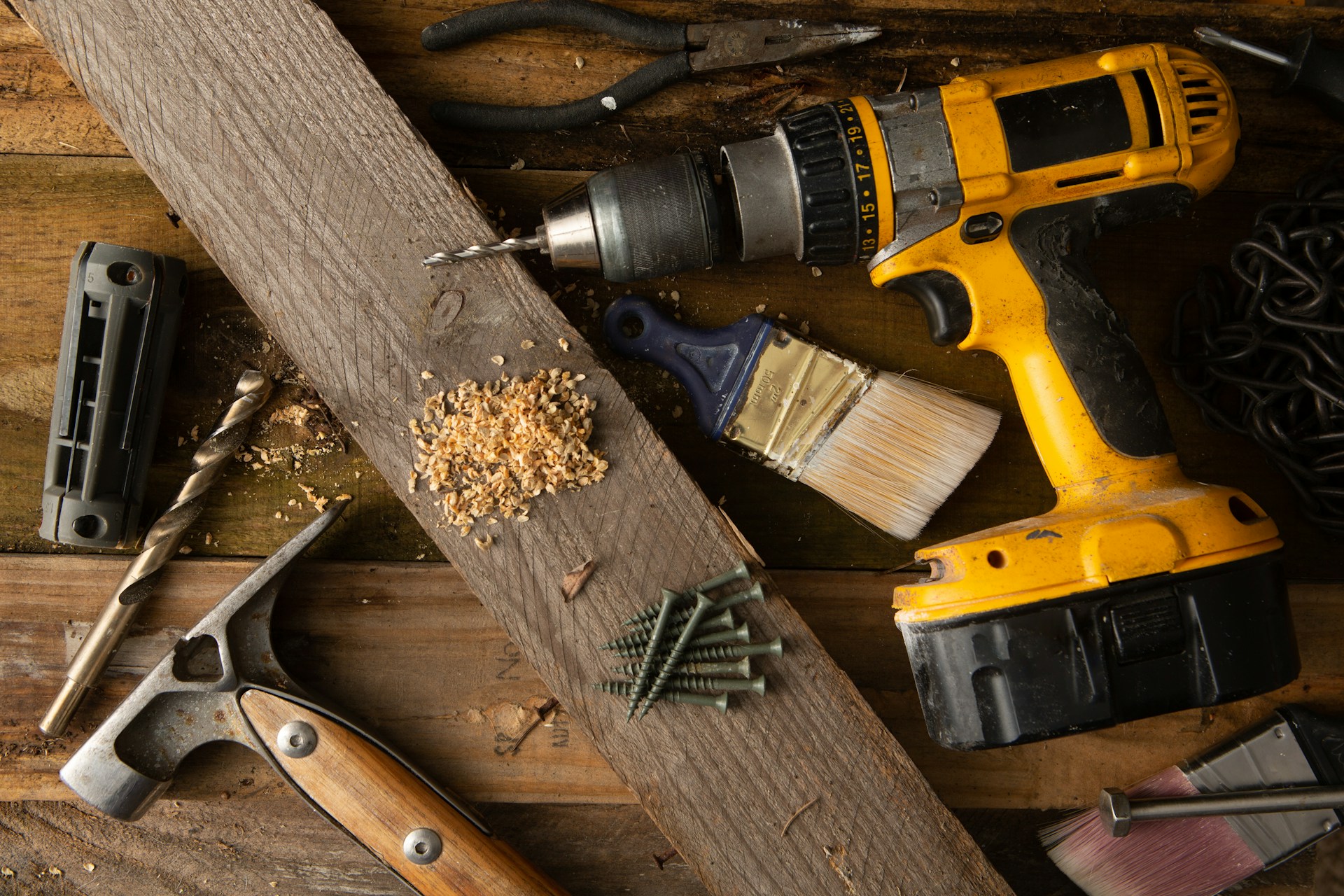
Woodworking was once associated with construction sites and functional furniture, not prestige. Today, hand-cut joinery, solid wood tables, and heirloom cabinetry signal patience and refinement. The appeal lies in resisting mass production and embracing slow, tactile mastery. People admire woodworking not just for the object produced, but for the process itself. Precision tools, hardwood selection, and visible craftsmanship communicate discernment and time investment. In a world of disposable furniture, the ability to build something meant to last generations has become a quiet but powerful status signal.
Blacksmithing and Metal Forging
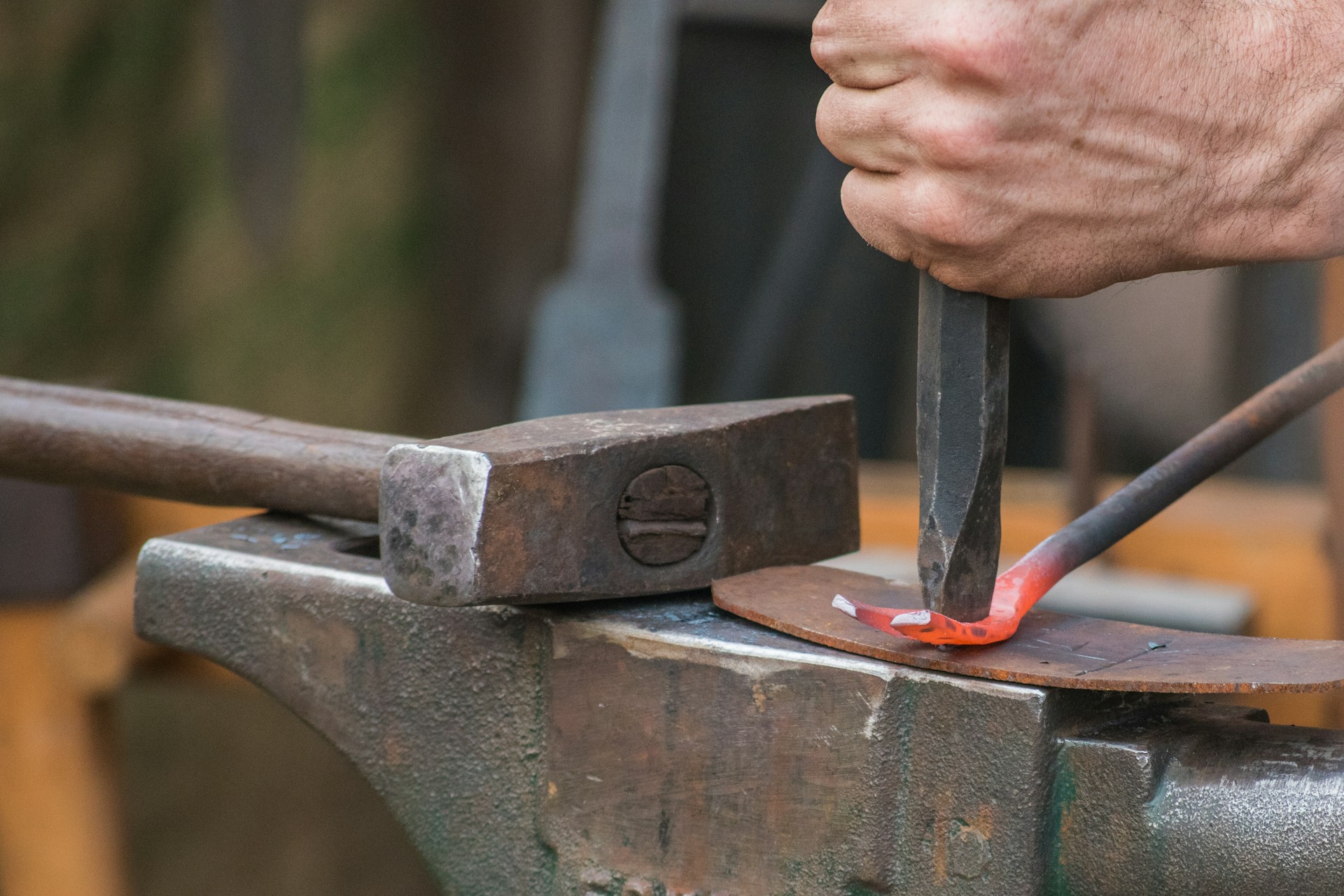
Blacksmithing was historically exhausting, dangerous labor tied to necessity. Now it appears in studios, workshops, and curated social feeds as an artisanal pursuit. Forging knives, tools, or sculptural pieces communicates strength combined with control. The craft’s appeal lies in transforming raw force into refined output. Heat, timing, and technique matter more than speed. As industrial metalwork vanished from daily life, its manual counterpart gained symbolic value. Practicing blacksmithing today suggests a deliberate return to elemental skill and embodied knowledge.
Leatherworking

Leatherworking evolved from repairing saddles and belts into crafting bespoke accessories prized for longevity. Hand-stitched wallets, bags, and journals signal resistance to fast fashion and planned obsolescence. The skill requires patience, precision, and respect for materials. Unlike mass-produced goods, handmade leather shows wear as character rather than decay. Mastery communicates taste rather than trend following. In an era of synthetic substitutes, choosing traditional leathercraft reflects an appreciation for durability, restraint, and long-term use over visual novelty.
Mechanical Restoration

Restoring engines, motorcycles, or vintage cars has become a marker of deep technical literacy. Unlike replacing parts, restoration requires understanding how systems interact. The skill communicates problem-solving ability, patience, and respect for engineering history. Mechanical restoration is admired because it rejects disposability. Knowing how to diagnose, repair, and rebuild complex machines signals competence that cannot be automated easily. As fewer people understand mechanical systems firsthand, those who do gain cultural capital beyond the machines themselves.
Furniture Upholstery
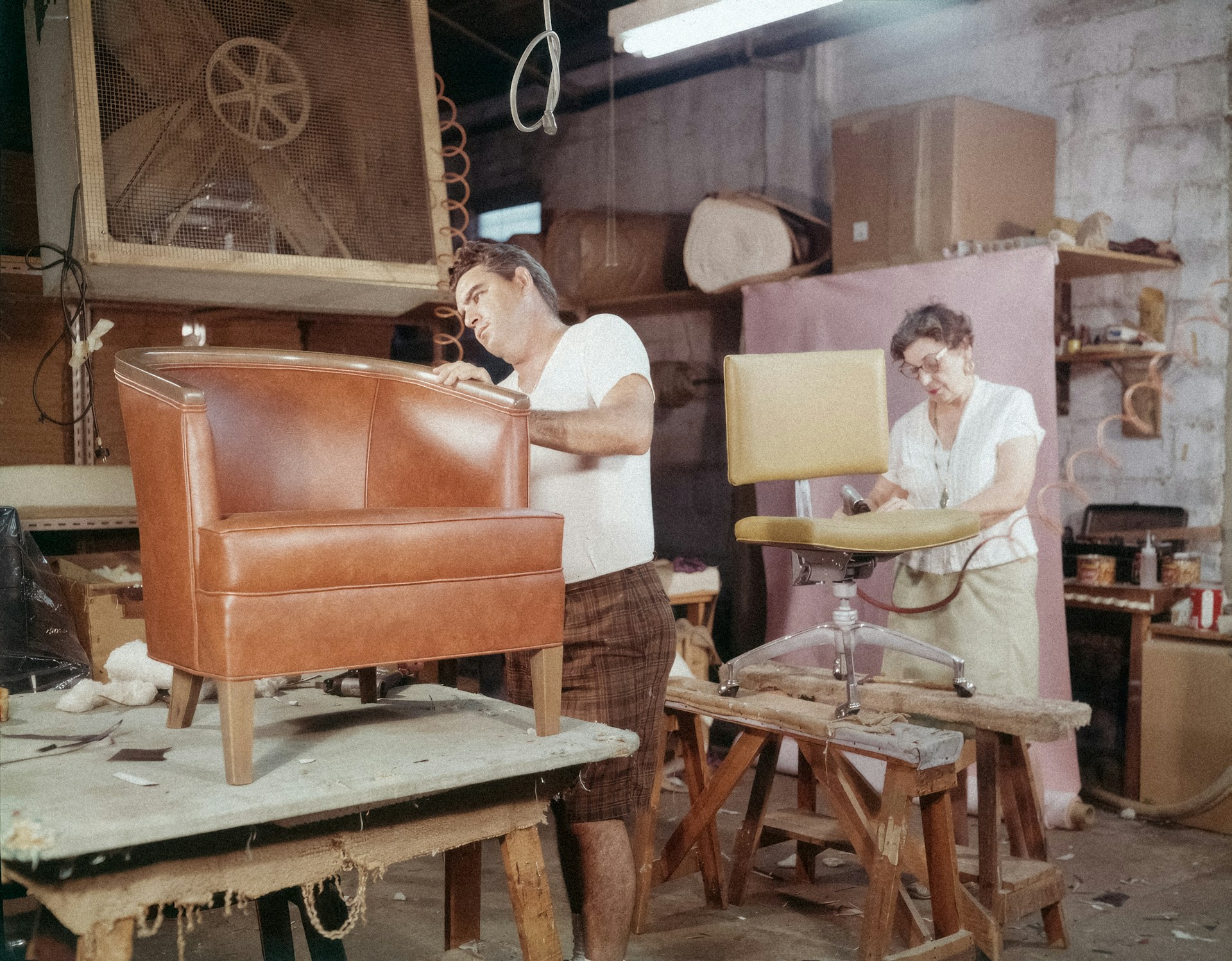
Upholstery was once a utilitarian trade focused on repair. Today it represents design literacy and sustainability. Reupholstering vintage furniture requires knowledge of structure, materials, and aesthetics. The skill demonstrates an ability to see value where others see waste. Choosing restoration over replacement signals discernment and environmental awareness. Upholstery has become elite not because it is decorative, but because it requires time, technical understanding, and an appreciation for craftsmanship over convenience.
Home Brewing and Craft Distilling

Brewing beer or distilling spirits moved from necessity to obsessive craft. Precision, experimentation, and patience elevate it from hobby to cultural signal. The appeal lies in controlling variables rather than consuming finished products. Home brewers are admired for understanding fermentation, chemistry, and timing. Craft distilling further signals restraint and technical confidence. In a world of mass-produced alcohol, creating small batches by hand suggests knowledge, intention, and appreciation for process over volume.
Butchery and Whole-Animal Processing

Butchery was once survival labor tied to agriculture. Today, knowing how to break down an animal signals food literacy and ethical awareness. The skill reflects respect for sourcing, waste reduction, and tradition. Practitioners understand anatomy, preservation, and preparation deeply. In contrast to anonymous consumption, whole-animal processing emphasizes responsibility and intention. Its elite status comes not from exclusivity, but from willingness to engage with the realities of food production many prefer to ignore.
Sewing and Garment Construction
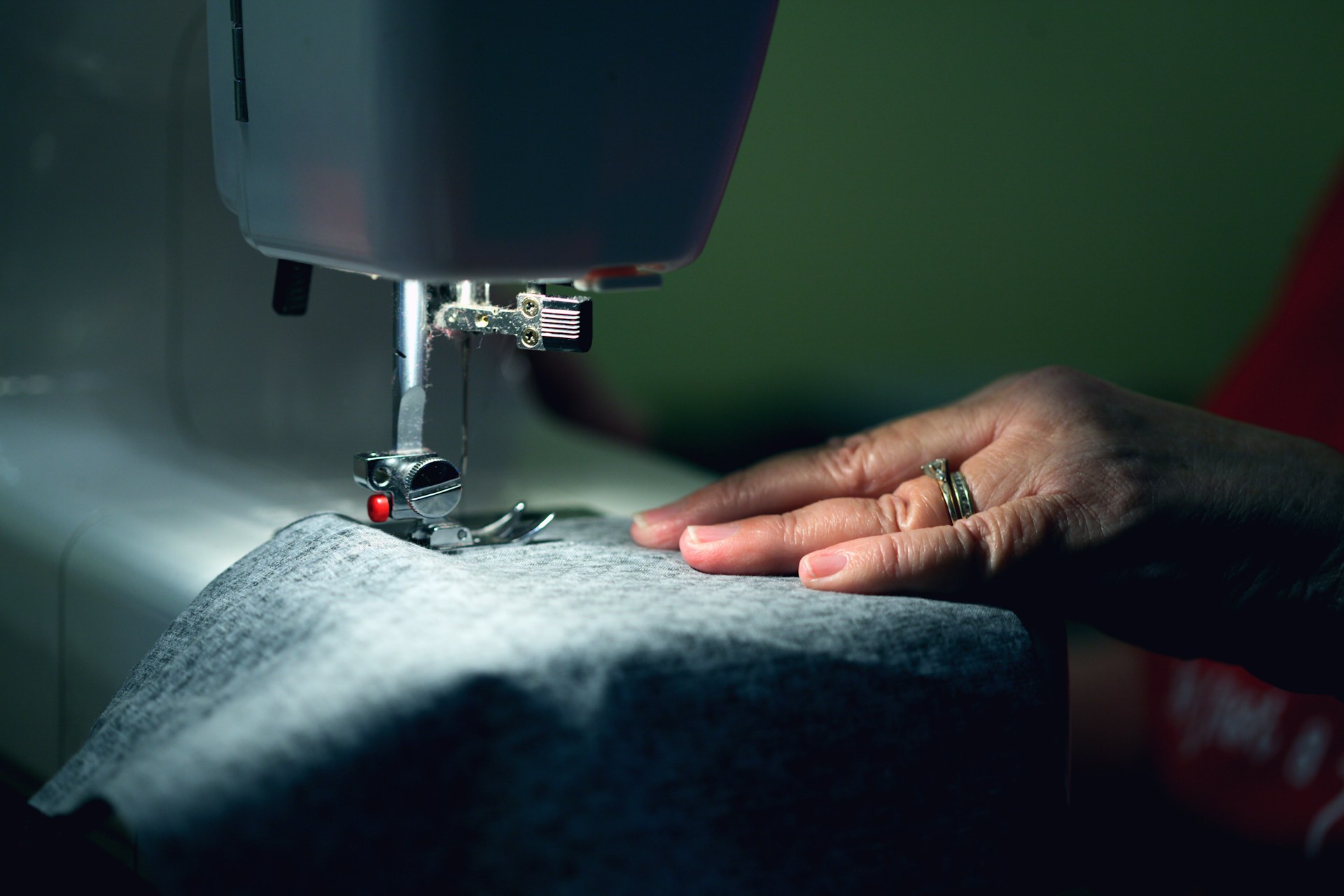
Sewing shifted from domestic necessity to rare expertise. Making garments by hand now signals independence from fast fashion systems. Pattern drafting, tailoring, and fabric selection require patience and spatial intelligence. The skill communicates control over quality and fit rather than reliance on trends. As clothing became cheaper and less durable, the ability to construct or alter garments gained cultural value. Sewing represents self-sufficiency in a world built around disposability.
Stone Masonry
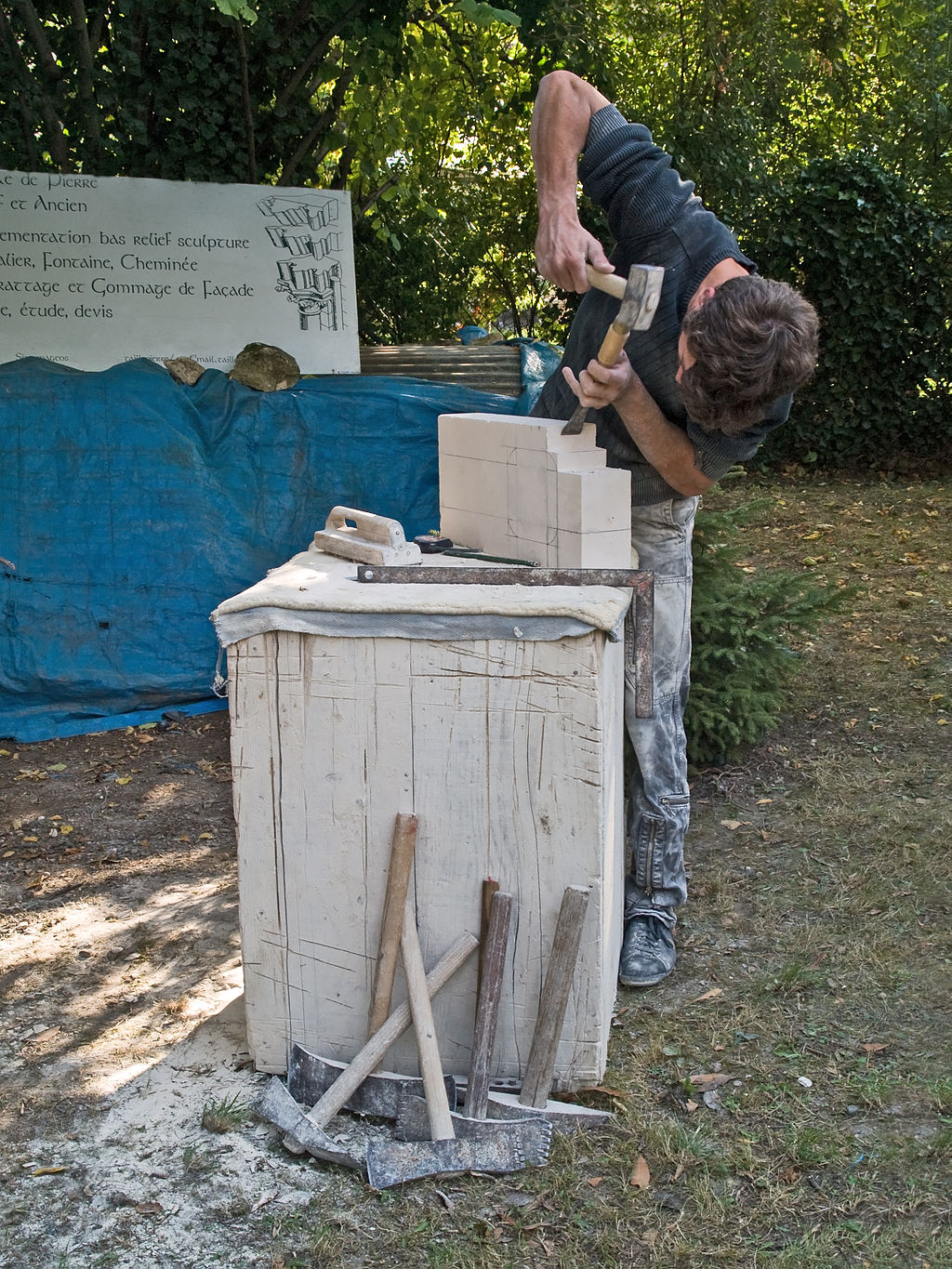
Stone masonry was foundational infrastructure labor for centuries. Today it represents permanence in an impermanent world. Building dry stone walls or custom masonry projects requires physical strength, precision, and an understanding of balance without shortcuts. The craft resists speed and rewards experience. Stonework communicates long-term thinking and respect for materials that outlast human timelines. Its elevated status reflects admiration for skills that prioritize endurance over efficiency.
Watch Repair and Horology

Watch repair was once a practical service required to keep timepieces functional. Today, it has become an elite niche skill tied to patience, precision, and mechanical intimacy. Working with microscopic components demands steady hands, intense focus, and long training. In a digital age where time is abstract and disposable, understanding mechanical timekeeping signals respect for craft and continuity. Horology attracts admiration because it preserves systems designed to last decades rather than years. The skill communicates reverence for engineering complexity and resistance to throwaway culture.
Boat Building and Restoration
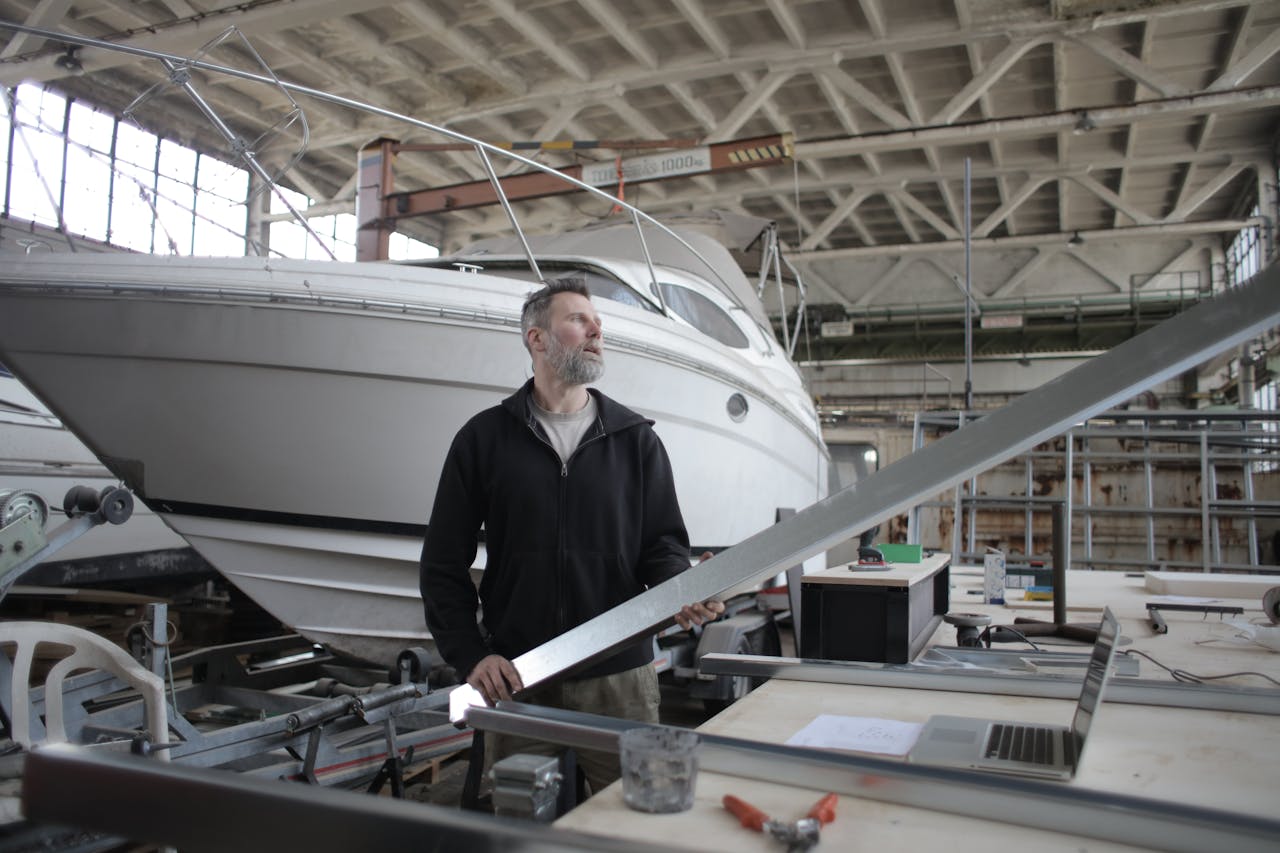
Traditional boat building and restoration require mastery of materials, water dynamics, and structural logic. Once tied to trade and transportation, the craft now exists primarily as a passion project. Rebuilding wooden boats signals commitment, patience, and deep respect for legacy techniques. The scale of the work demands space, time, and long-term vision. In a world optimized for speed and minimalism, maintaining a vessel designed to endure water, weather, and years of use reflects both technical confidence and cultural distinction.
Welding as a Creative Practice
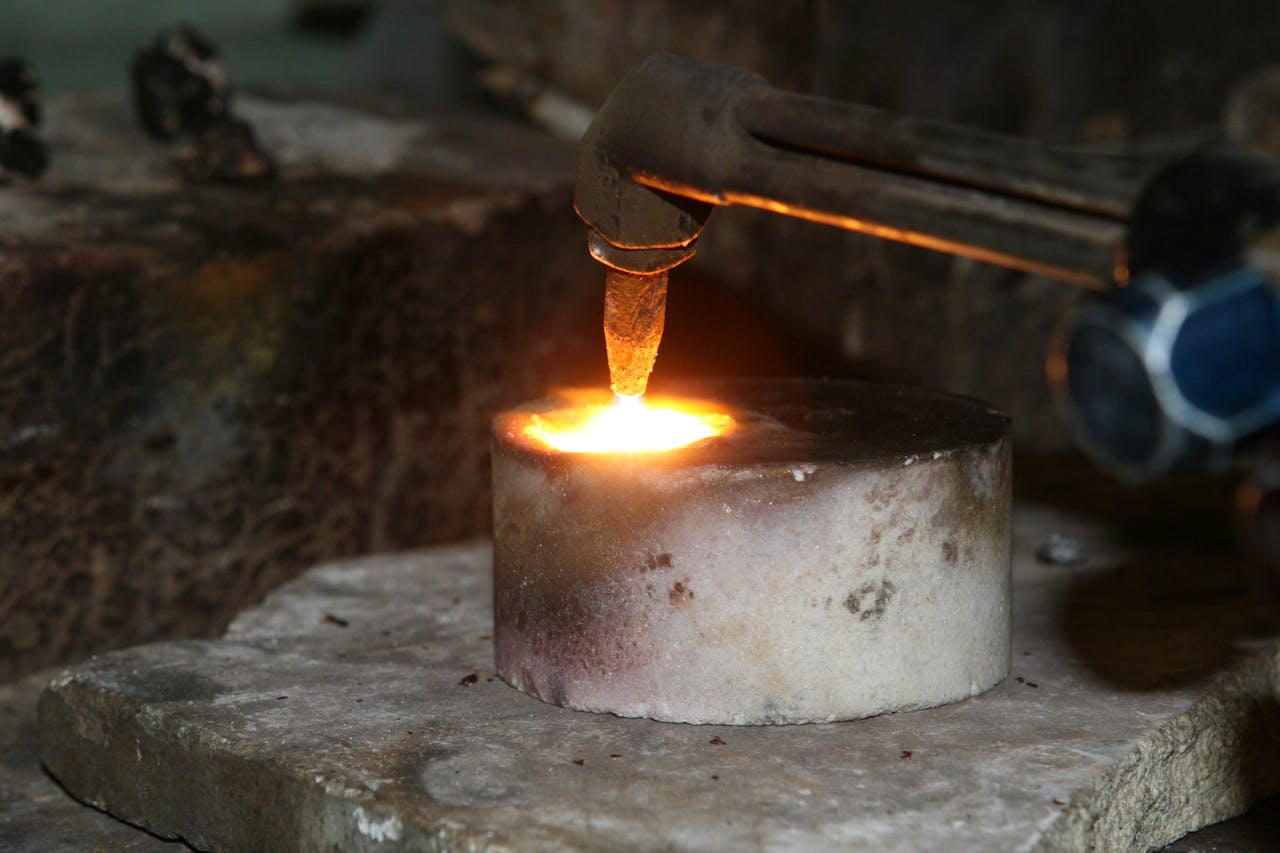
Welding has moved beyond industrial necessity into creative expression. Artists and designers now use welding to create furniture, sculpture, and architectural elements. Mastery involves controlling heat, tension, and structure simultaneously. The appeal lies in visible transformation, turning raw materials into permanent forms. As automation absorbs much industrial welding, manual welding becomes symbolic. It signals embodied knowledge and control over elemental forces. The skill’s status comes from precision under pressure rather than volume of output.
Tool Restoration and Maintenance
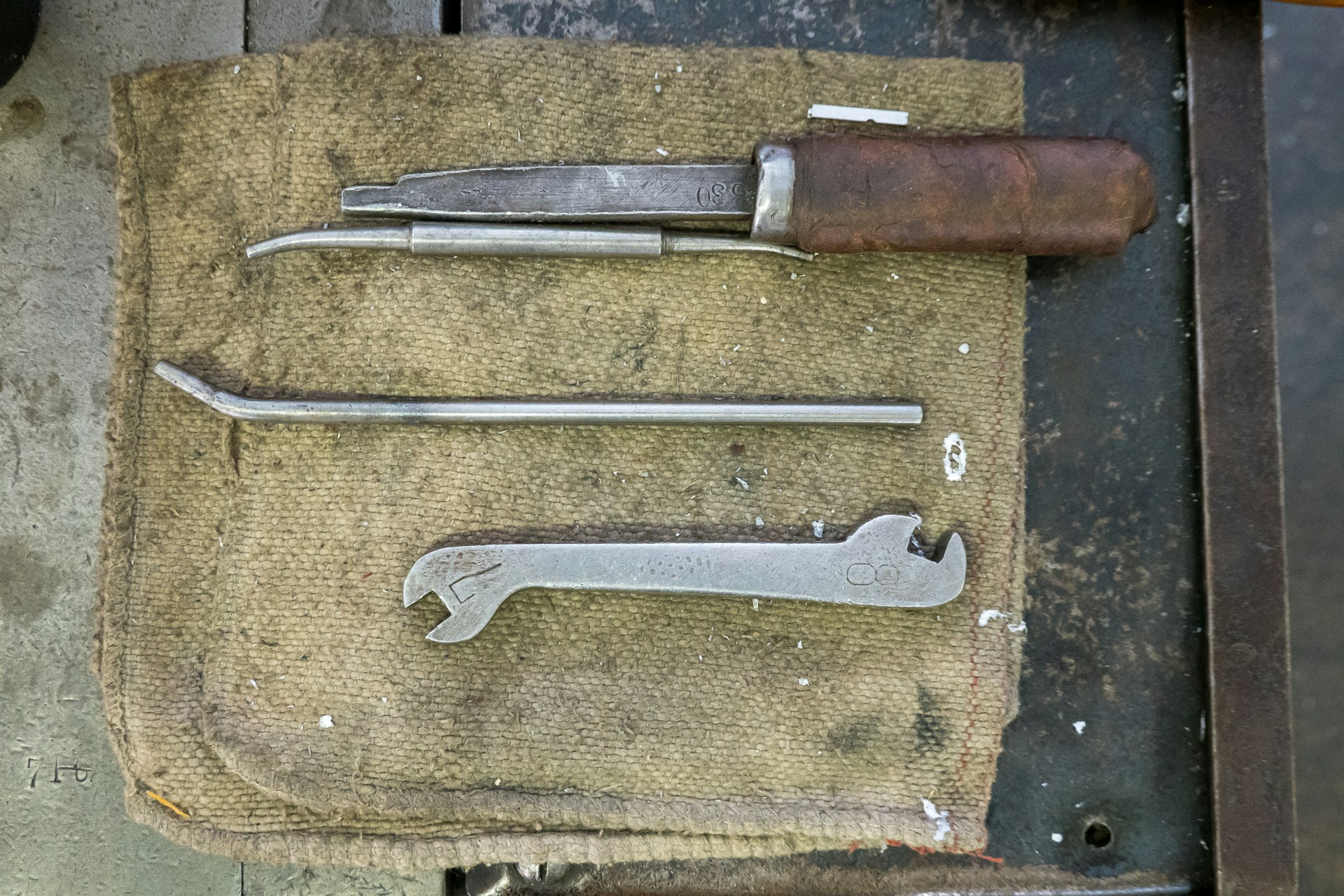
Restoring old tools communicates respect for durability and historical continuity. Rather than replacing broken equipment, practitioners clean, sharpen, rehandle, and calibrate. The skill reflects a mindset that values maintenance over consumption. In modern culture, repair has become rare, which elevates those who practice it. Tool restoration signals patience and understanding of materials. It also represents quiet defiance against disposability. Knowing how to keep tools alive suggests competence that extends beyond any single object.
Glass Blowing
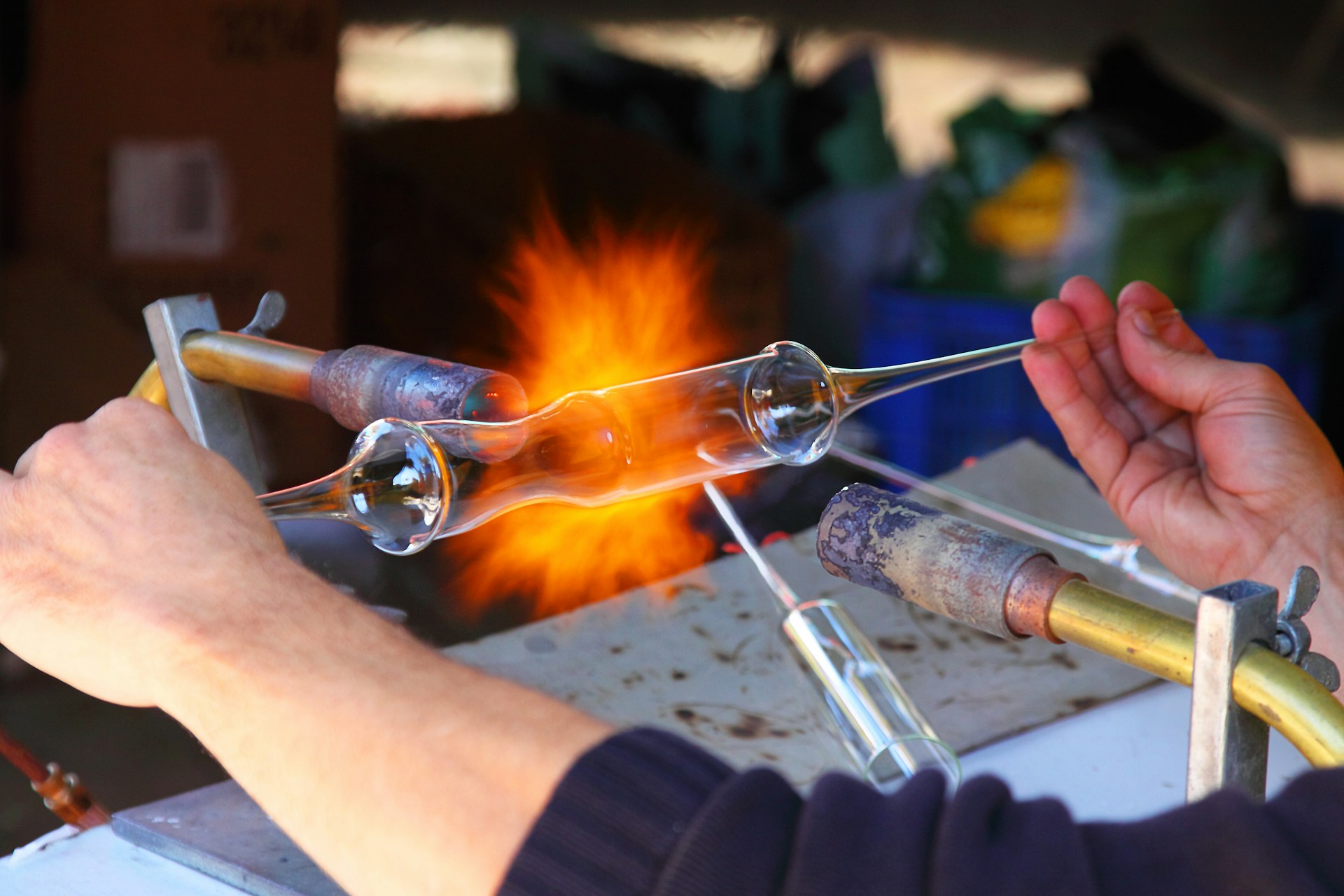
Glass blowing was once factory labor producing utilitarian objects. Today it exists primarily in studios and galleries. The skill demands coordination, timing, and sensitivity to temperature and gravity. Mistakes cannot be undone, which increases its prestige. Practitioners are admired for controlling molten material that solidifies within seconds. Glass blowing’s elite status comes from difficulty and rarity. In a world of automated perfection, creating functional or artistic glass by hand signals courage, focus, and respect for imperfection.
Hand Bookbinding and Paper Restoration

Bookbinding and paper repair were once essential trades supporting literacy and record keeping. Today they survive as niche crafts valued by collectors and institutions. The work requires precision, material knowledge, and historical awareness. Restoring books emphasizes preservation rather than replacement. In a digital age, maintaining physical texts feels intentional and symbolic. The skill communicates reverence for knowledge as an object, not just information. Its status comes from protecting cultural memory through manual care.
Plumbing Beyond Basic Repair
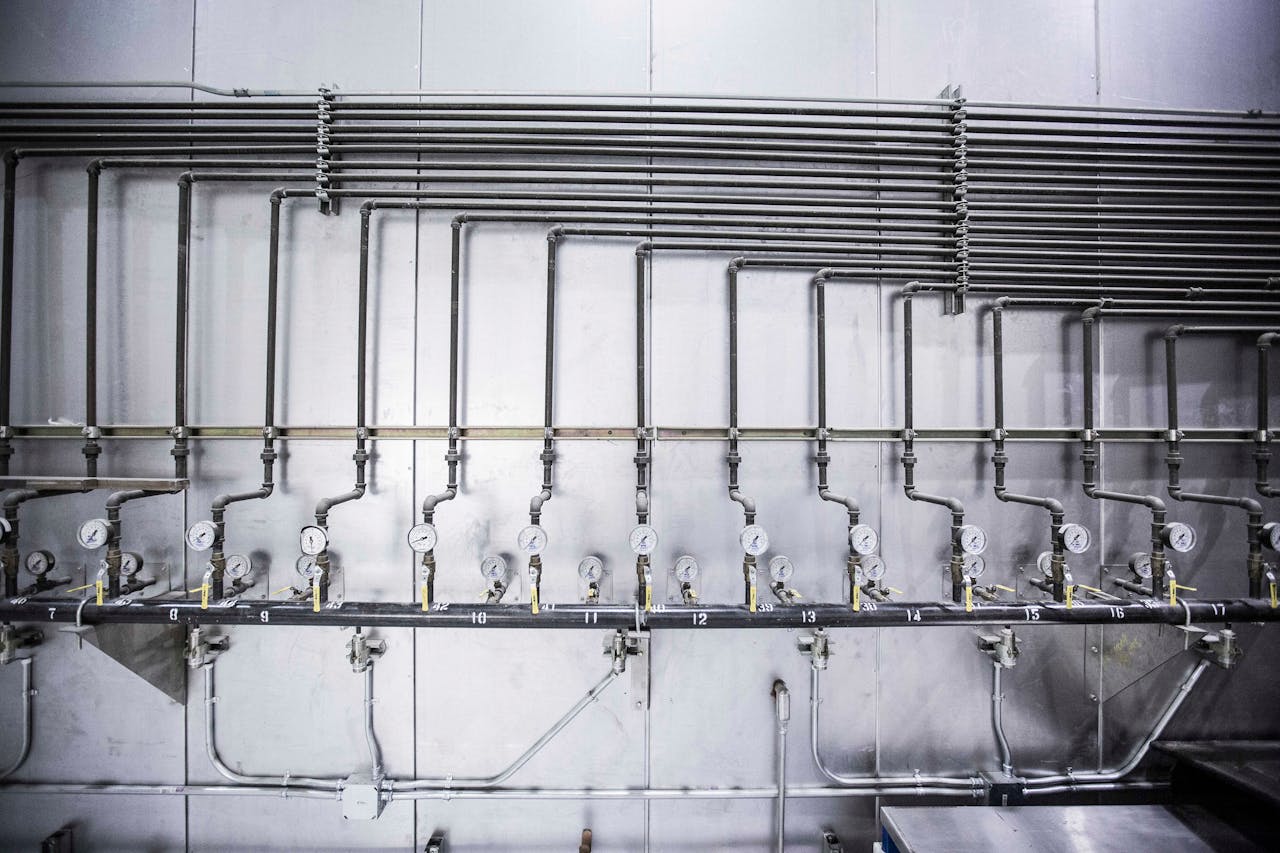
Advanced plumbing knowledge has shifted from invisible labor to respected expertise. Understanding water systems, pressure, drainage, and long-term reliability requires problem-solving under constraint. When practiced intentionally, plumbing reflects mastery over infrastructure most people take for granted. Those who learn it as a hobby are admired for confronting complexity rather than outsourcing it. The skill’s elevated status comes from its invisibility. Knowing how essential systems truly work signals grounded competence.
Electrical Wiring and System Design
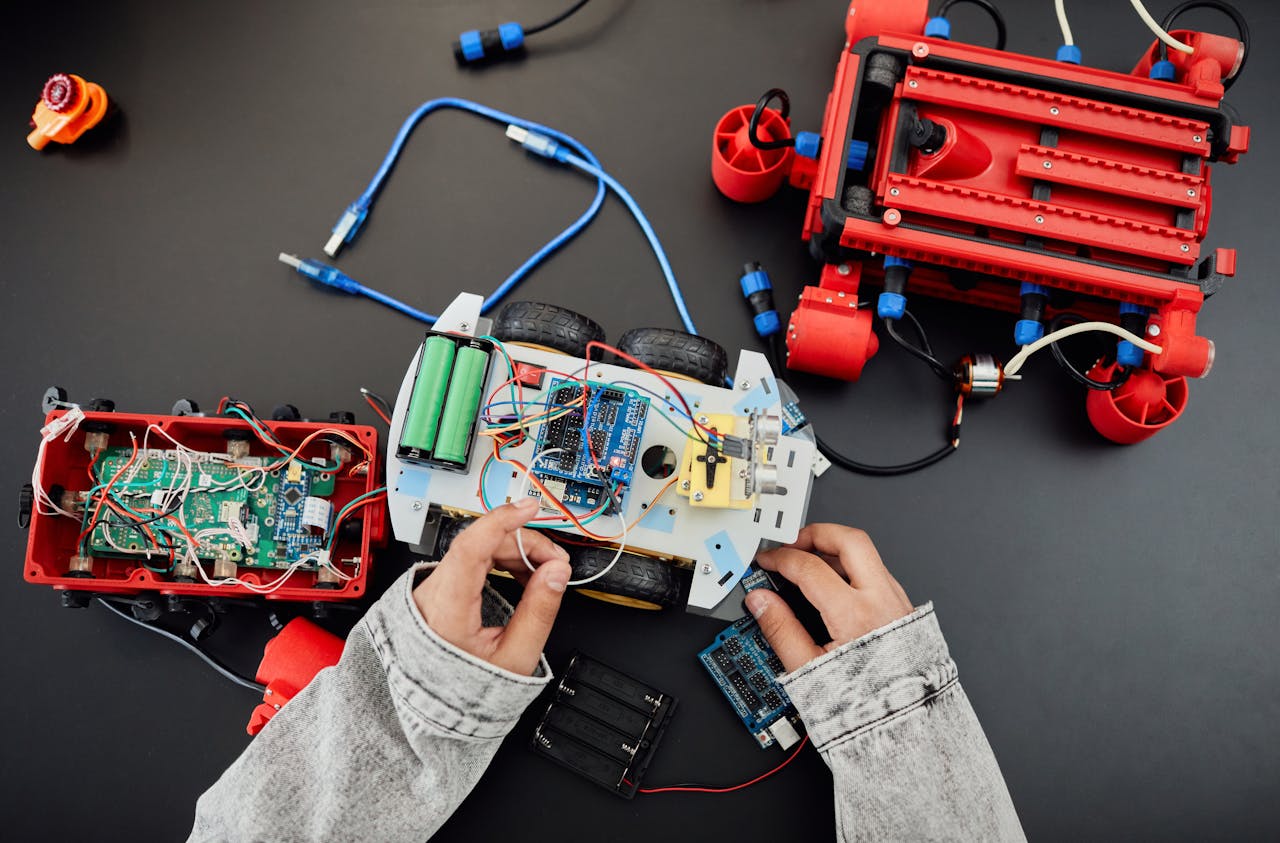
Electrical work once meant survival and safety. Today, mastering wiring and system planning is associated with technical literacy and independence. Understanding circuits, load balance, and safety protocols requires discipline and trust in one’s reasoning. As homes become smarter, electrical competence gains symbolic value. The skill communicates confidence with unseen systems that power daily life. Its prestige lies in responsibility. Errors have consequences, making mastery both rare and respected.
Traditional Cooking Techniques at Scale
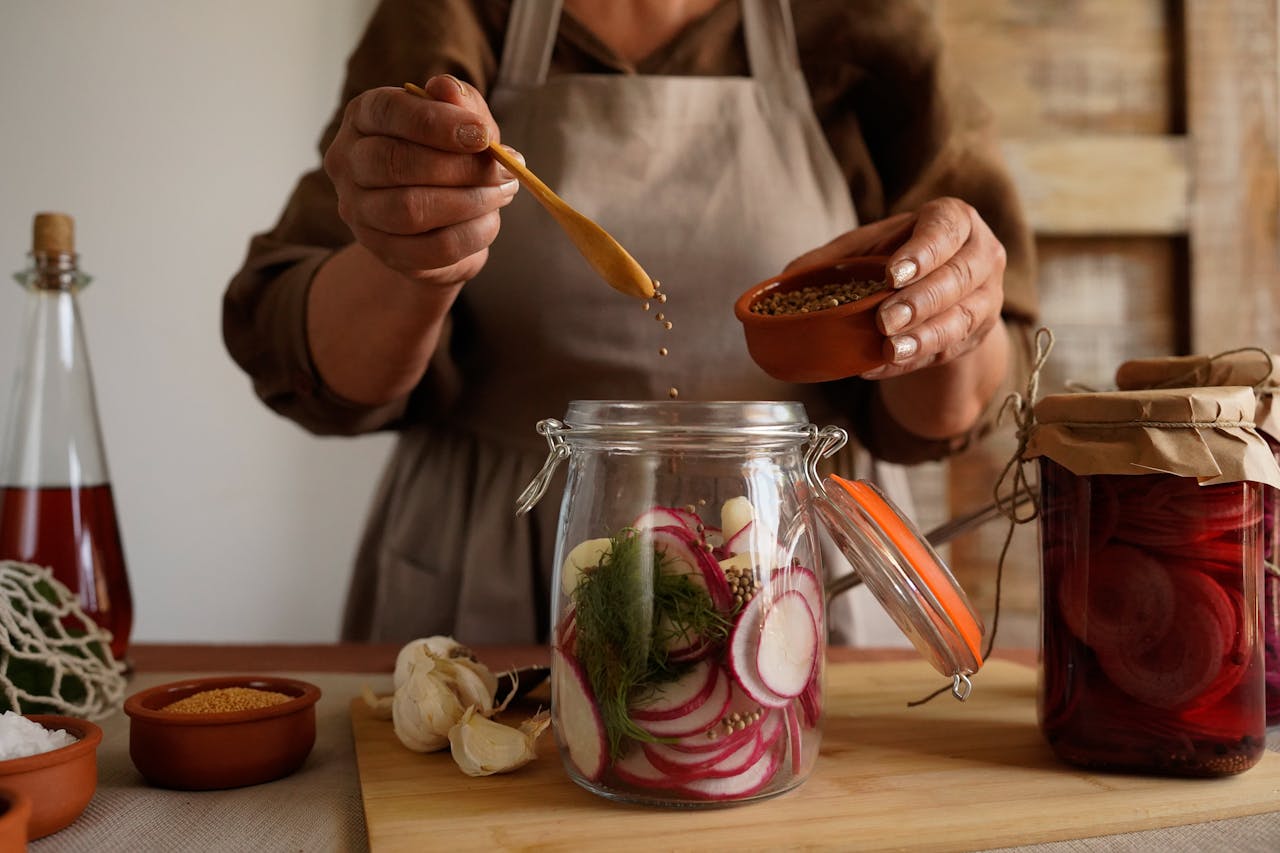
Cooking over fire, curing, preserving, and preparing food without shortcuts was once necessity. Today it signals dedication and restraint. Techniques like fermentation, smoking, and long-form preparation require planning and patience. The appeal lies in process over convenience. Practitioners are admired for understanding food beyond recipes. In a culture built on speed, traditional cooking reflects intentional living. Its elite status comes from time investment rather than exclusivity.
The rise of these skills as high-status hobbies reveals a cultural reversal. What was once invisible labor is now admired craft. As convenience removed making from daily life, those who reclaim it gain symbolic value. These skills signal patience, competence, and respect for process. Their prestige is not loud, but enduring. In a disposable world, the ability to build, repair, and preserve has quietly become elite.