Professional organizers have a keen eye for what adds value to your home—and what doesn’t. They know that clutter doesn’t just take up physical space; it weighs down mental clarity too. Decluttering isn’t about being minimal—it’s about being intentional. If you’re ready to make your home more functional and peaceful, here are 17 things a pro organizer would immediately recommend you let go of.
Expired Pantry Items

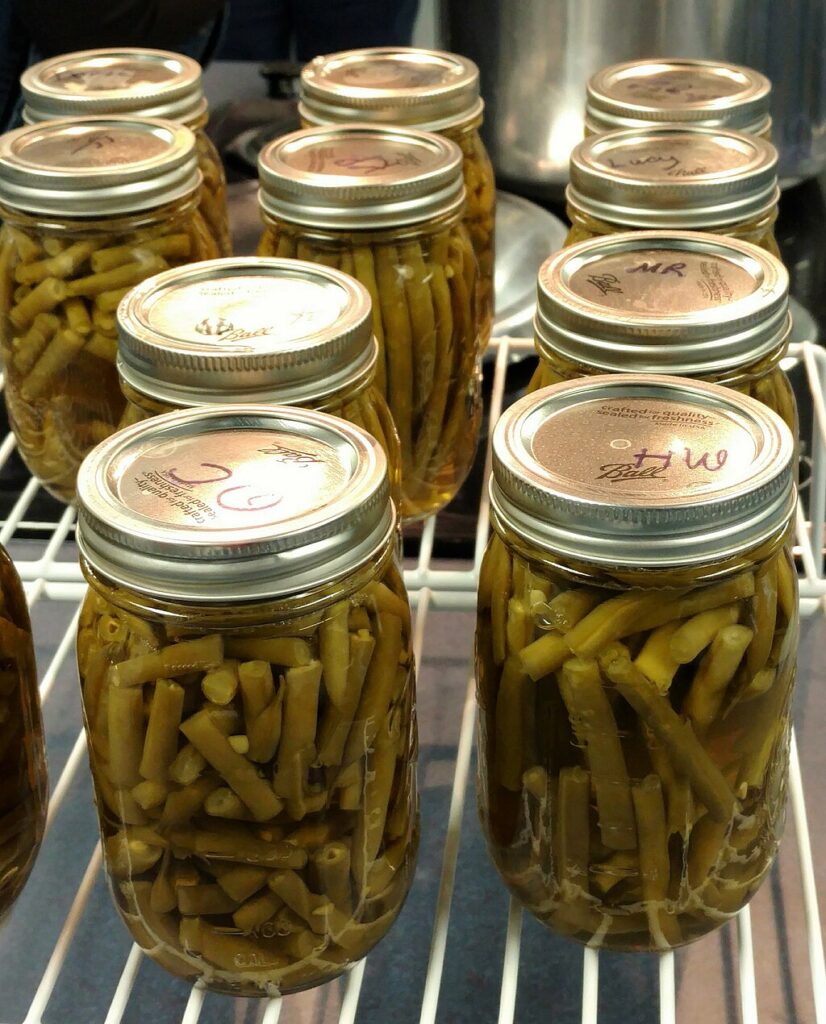
Canned goods, old spices, and expired snacks can accumulate quickly. These items not only take up space but may also pose health risks. Organizers recommend doing a seasonal pantry sweep to keep things fresh and organized. It also helps you shop smarter and avoid overbuying. A clean pantry makes cooking more enjoyable and efficient.
Single Socks and Holey Undergarments
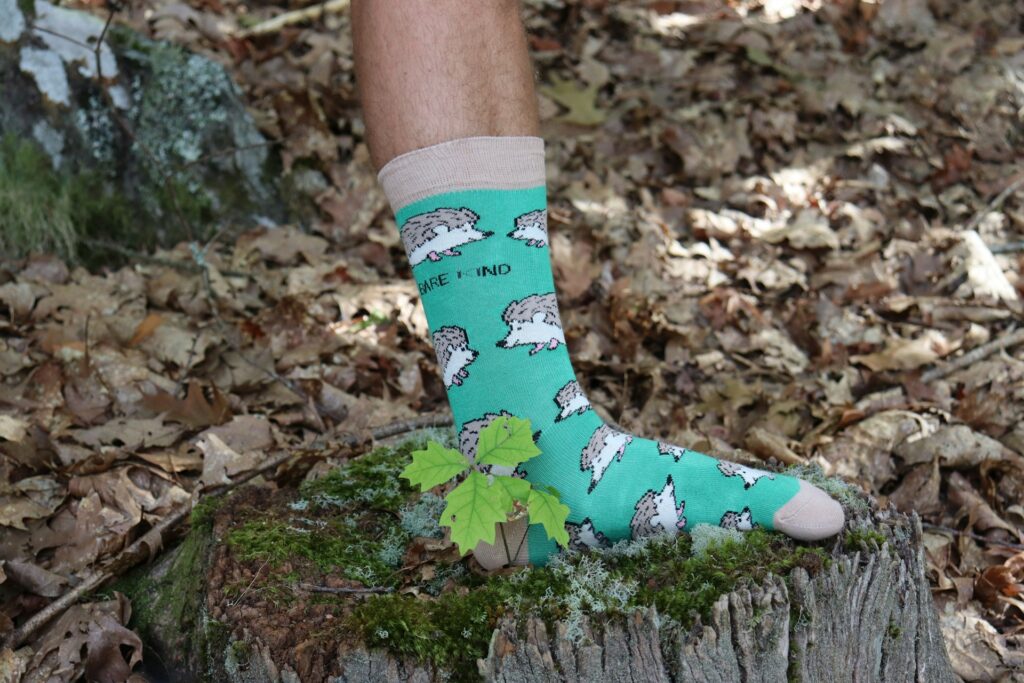
That drawer full of lonely socks and worn-out underwear is prime clutter territory. These items offer no real use but often get overlooked. Organizers suggest tossing them without guilt. If it doesn’t serve a purpose or make you feel good, it shouldn’t be there. Keep only items that are in good condition and regularly worn.
Broken Electronics and Old Cords
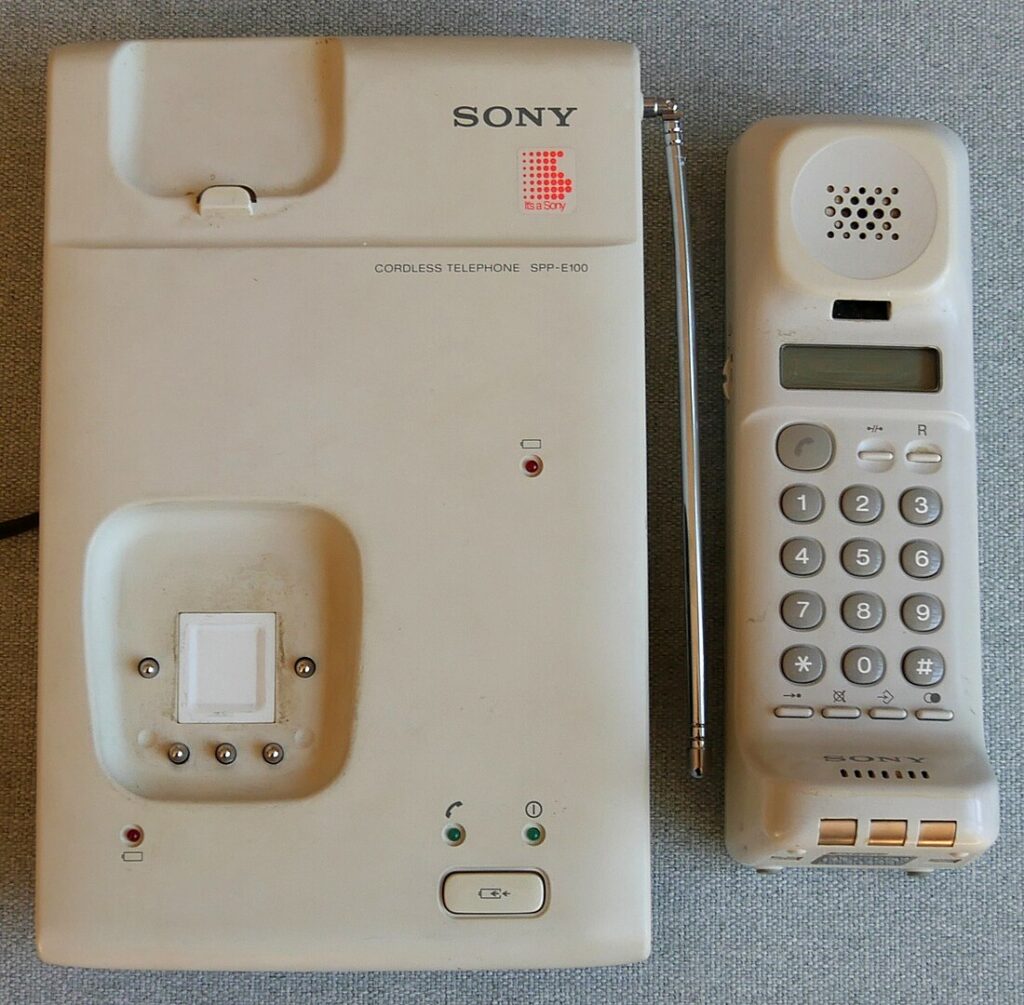
From tangled charging cables to broken remotes, these electronics often linger for years. Professional organizers know these items rarely get fixed or used. Recycling or donating functioning parts is a better option. Keeping your tech area clean reduces digital and visual chaos. A tidy drawer is far more helpful than one filled with cluttered cords.
Unused Kitchen Gadgets
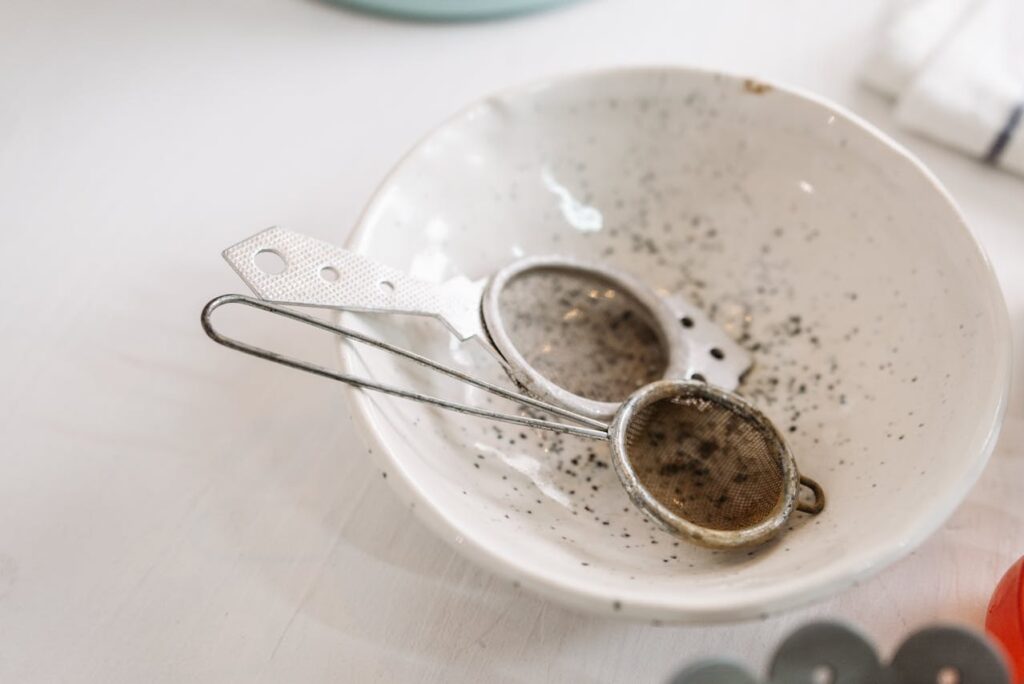
That avocado slicer or fondue set used once five years ago? It’s likely wasting precious cabinet space. Organizers focus on practicality—if you haven’t used it in a year, let it go. Freeing up space in the kitchen improves flow and functionality. Keep only tools that match your cooking habits.
Clothes That Don’t Fit
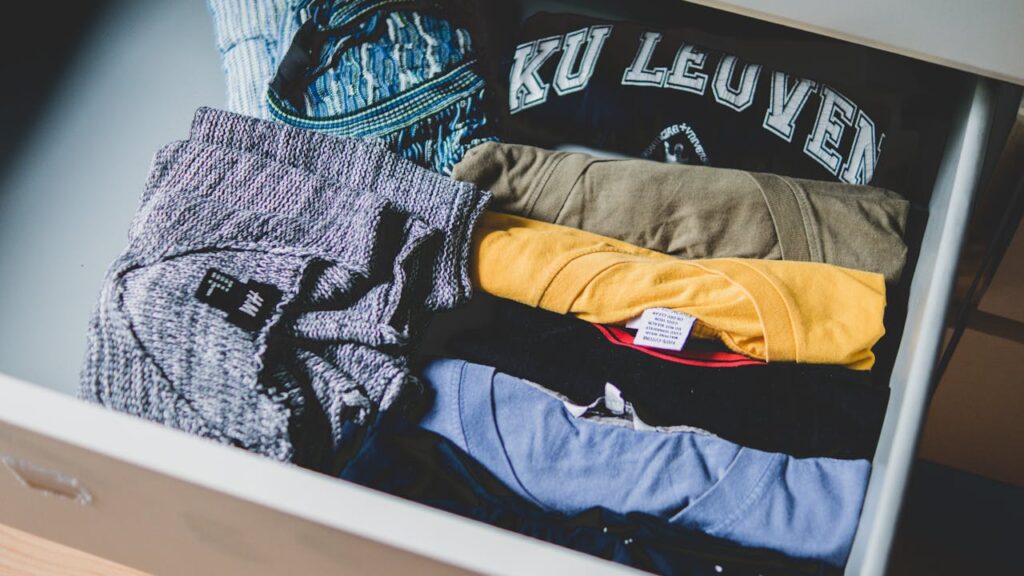
Closets filled with “someday” clothes can sabotage your space and self-esteem. Organizers advise keeping only what fits and flatters you now. It reduces decision fatigue when getting dressed. Donating clothes in good condition helps others and clears space. Confidence starts with a well-curated wardrobe.
Excess Towels and Linens
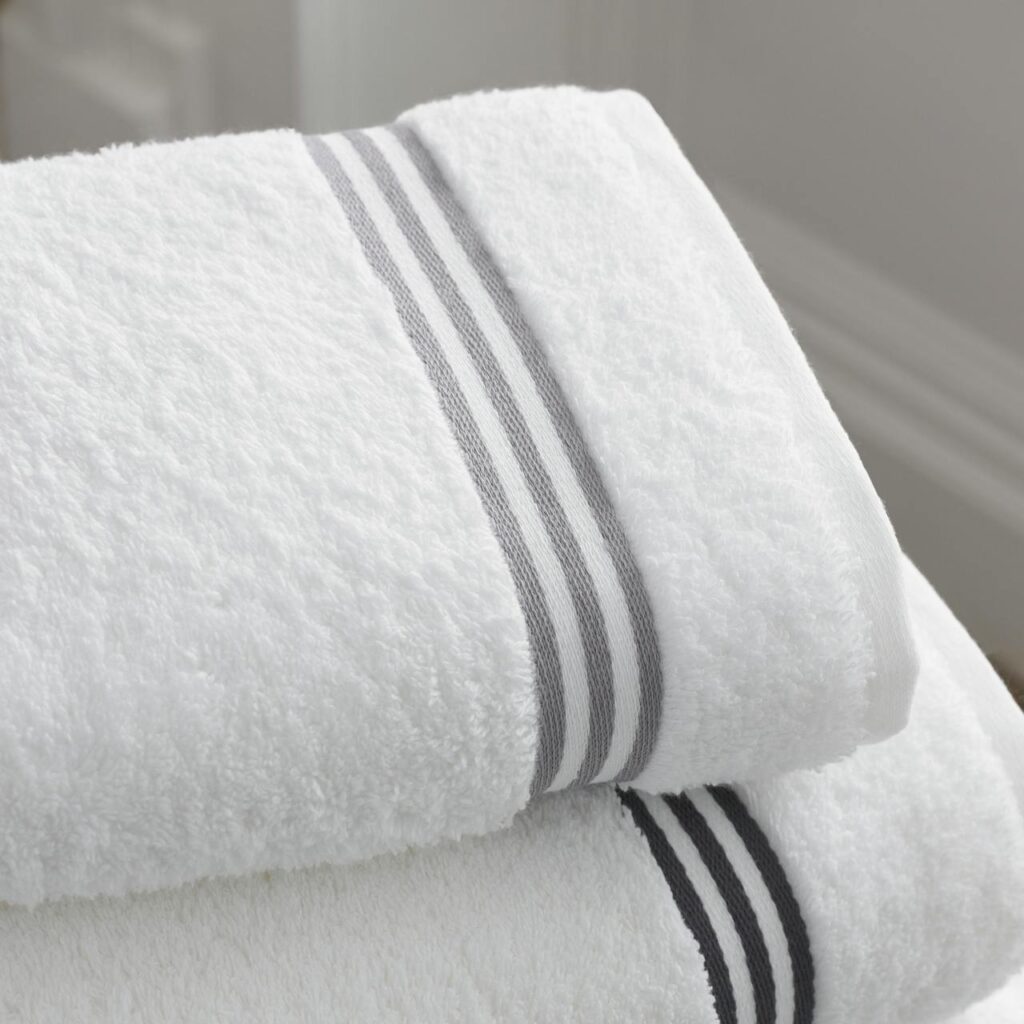
If your linen closet is bursting with mismatched or frayed towels, it’s time to pare down. Organizers recommend two to three sets per person. Extras can go to animal shelters or be repurposed as rags. A streamlined linen closet is easier to manage and maintain. You’ll always know what you have and where it is.
Promotional Swag
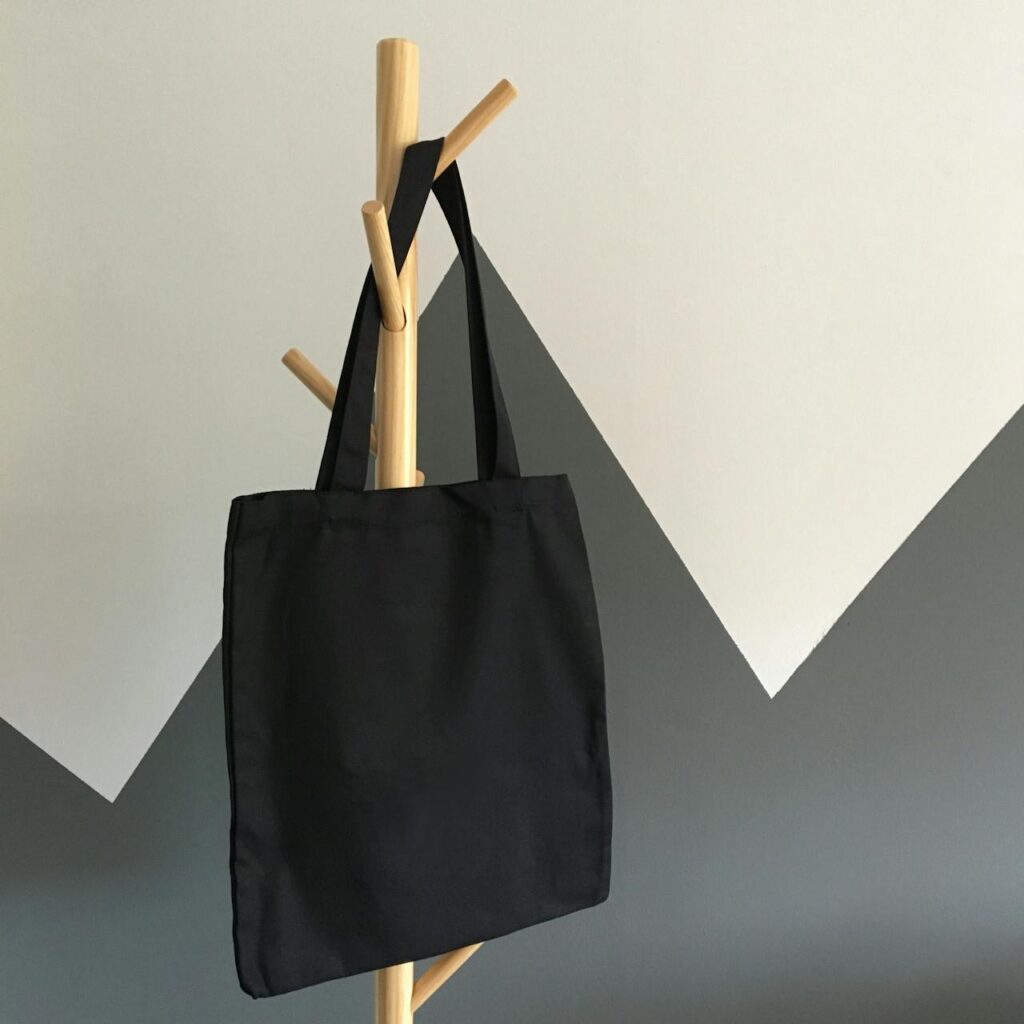
Free tote bags, water bottles, or pens from events tend to pile up. These items often go unused and clutter drawers or closets. Organizers quickly toss or donate such giveaways. Keeping only high-quality or sentimental items helps preserve space. Let utility guide your decisions.
Half-Used Toiletries
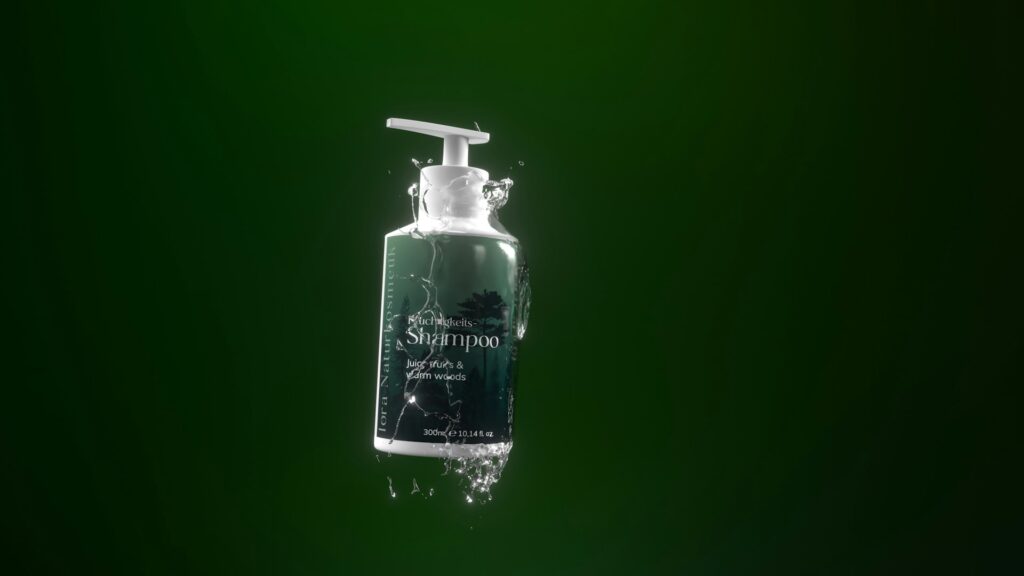
Drawers filled with half-empty bottles and expired makeup are common clutter zones. Organizers suggest tossing anything past its prime. These items collect dust and reduce bathroom efficiency. Keeping surfaces clean improves your daily routine. Aim for quality over quantity in personal care.
Old Magazines and Junk Mail
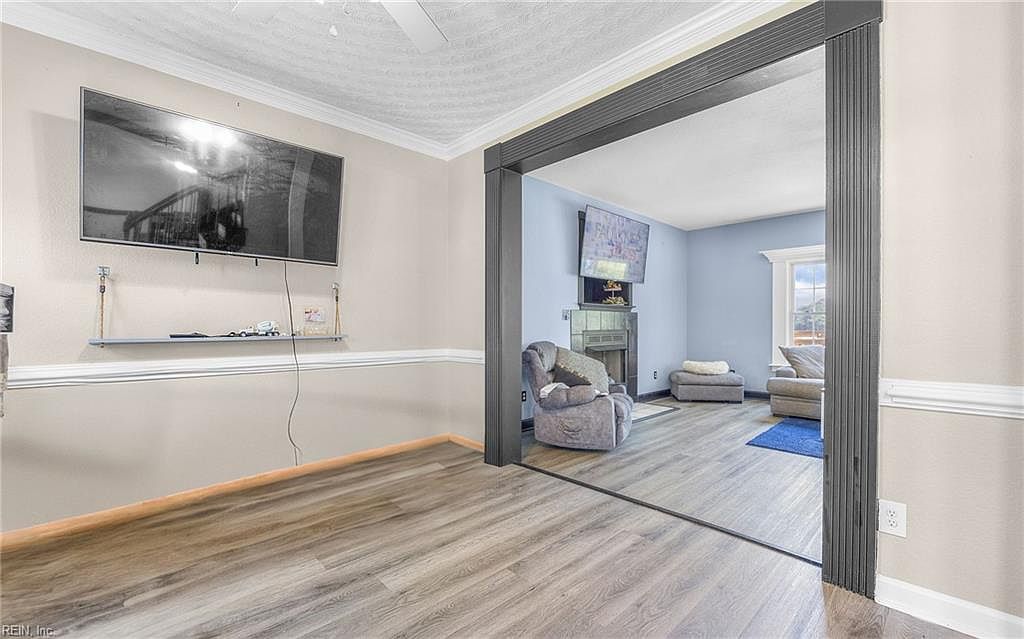
Stacks of unread magazines and unopened mail take over space quickly. Unless they’re for specific reference, organizers recommend recycling them. Setting up a mail sorting station can prevent future buildup. Less paper means less visual stress. A clear desk or table invites calm.
Toys with Missing Pieces
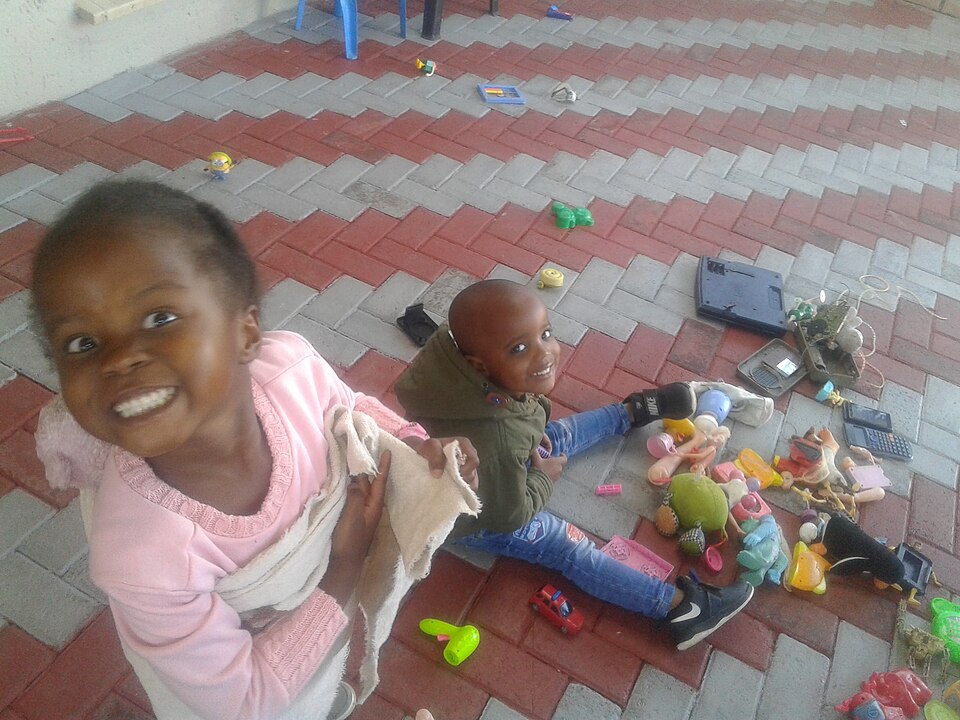
Puzzle sets, games, or toys missing key parts no longer serve their purpose. Organizers encourage regular checks of kids’ areas for broken items. Teaching children to donate or discard responsibly also helps instill order. A well-kept toy area fosters more meaningful play. Fewer toys can actually lead to more engagement.
Duplicate Items
Multiple can openers, five pairs of scissors, or six mugs per person can be overkill. Organizers recommend evaluating how many of each item you truly need. Extras can be donated to shelters or friends. Simplicity boosts usability. Less duplication means more clarity.
Outdated Paperwork
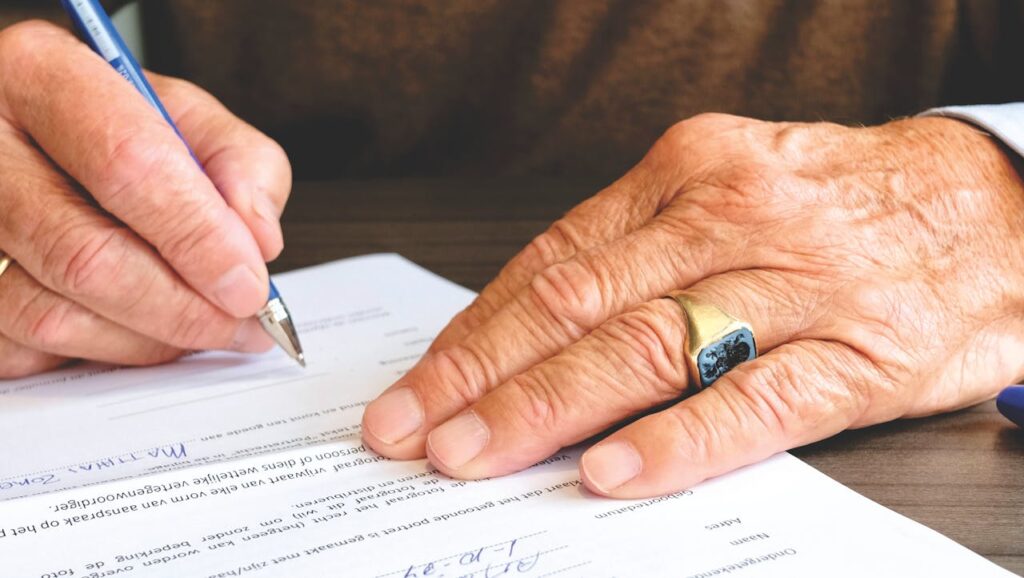
Old tax documents, warranty manuals for items you no longer own, and expired insurance papers often linger far too long. Organizers suggest digitizing what you must keep and shredding the rest. It creates more drawer space and enhances security. An organized filing system saves time during emergencies.
Sentimental Clutter
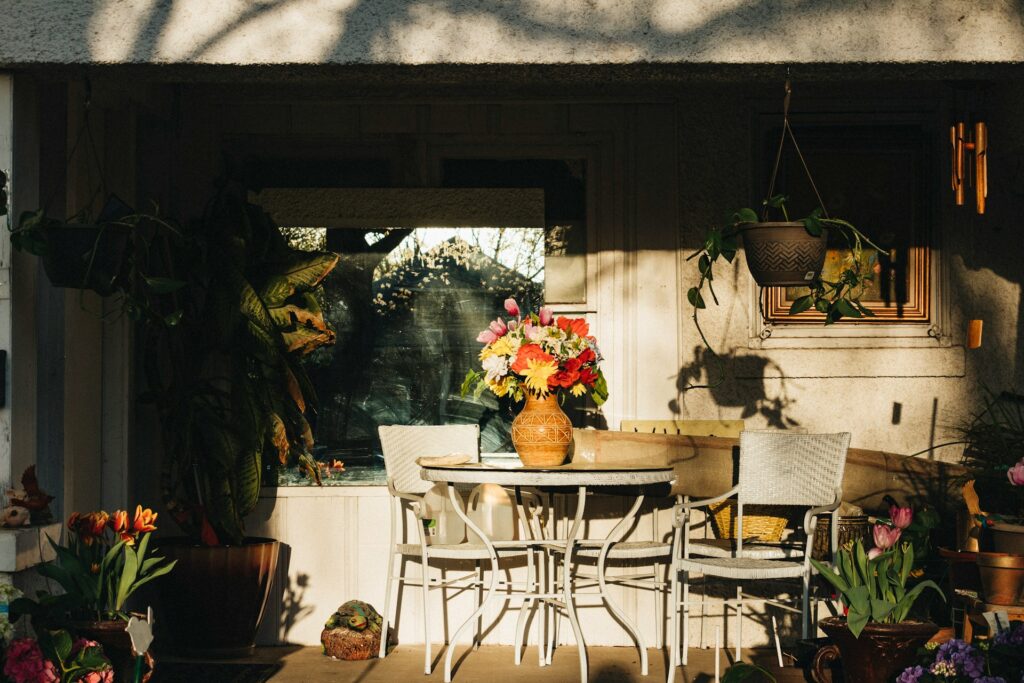
While difficult to part with, not every memento needs to be saved. Professional organizers advise selecting a few meaningful keepsakes and letting the rest go. Taking a photo can preserve the memory without the mess. Your home should reflect your life now, not just your past. Sentimentality should inspire, not overwhelm.
Damaged Furniture
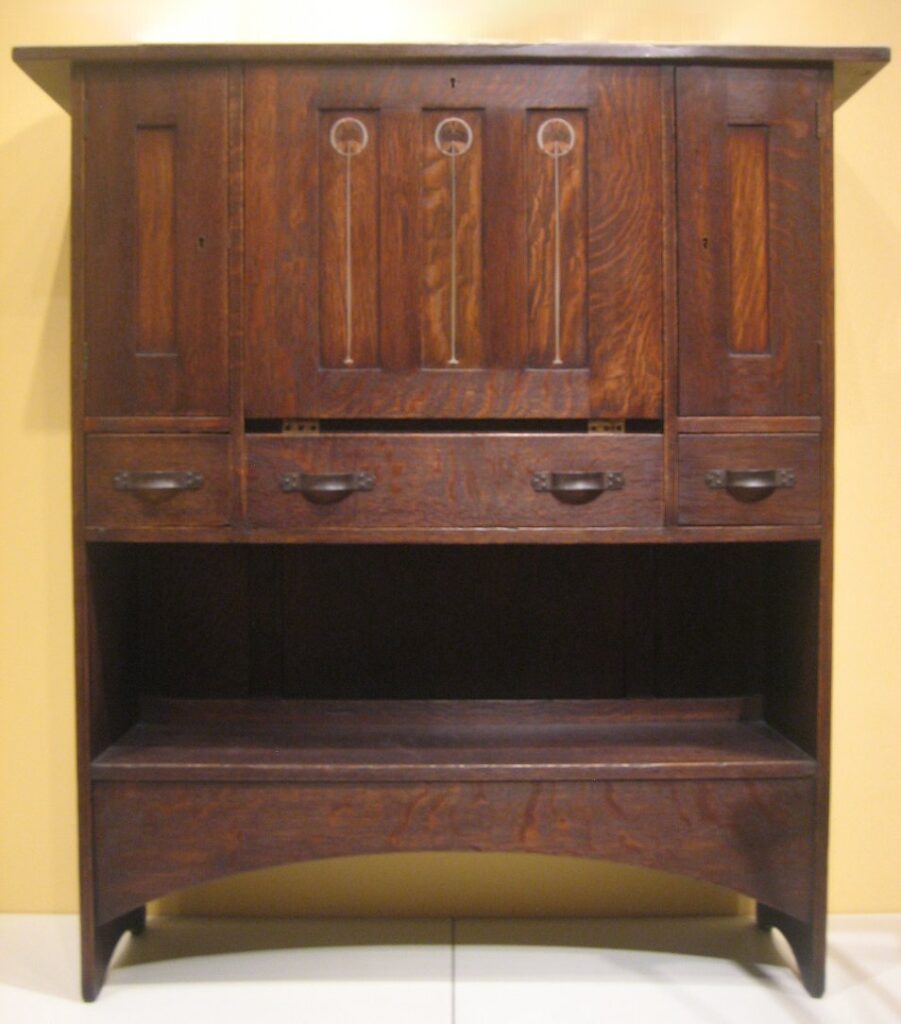
Wobbly chairs, scratched side tables, or broken dressers often sit around waiting to be fixed. Organizers recommend being honest about whether repair is realistic. If not, it’s time to let it go. Keeping only functional furniture improves flow. It also opens up valuable living space.
Stale Craft Supplies
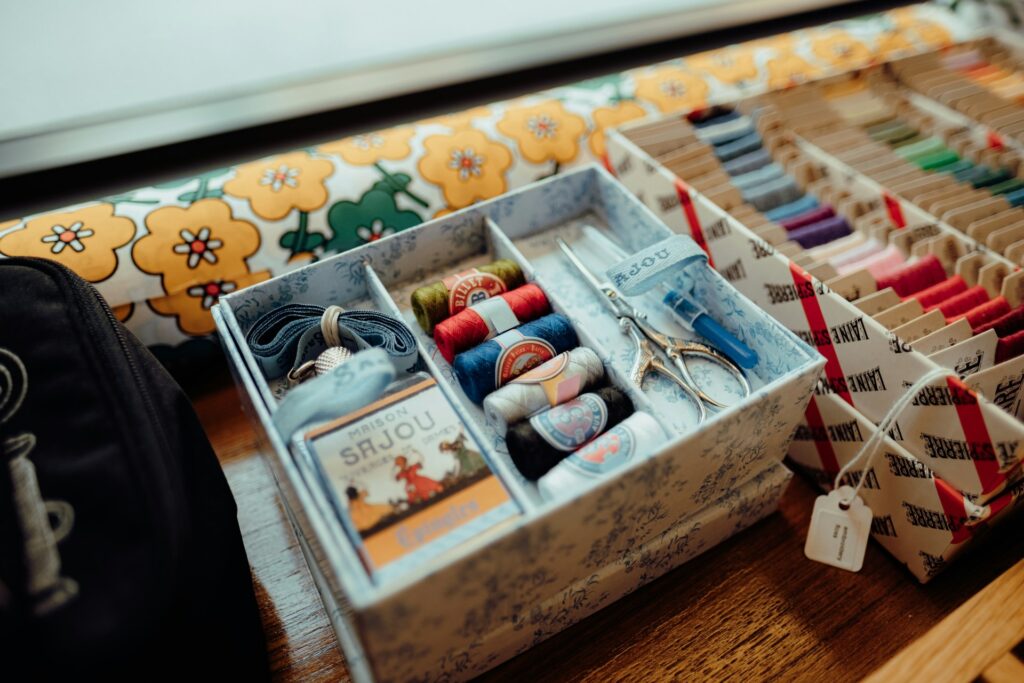
Dry glue, tangled yarn, and unused beads can overrun your hobby area. Organizers suggest purging supplies that are damaged or haven’t been touched in years. This clears space for projects you actually enjoy. A streamlined craft station invites creativity.
Excess Mugs and Water Bottles

While useful, mugs and water bottles easily multiply beyond reason. Keep only your favorites and donate the rest. This frees up shelf space and makes kitchen storage more manageable. Practicality should guide your selection