“The Simpsons” has influenced generations with humor, social commentary, and memorable lines. Many phrases from the show have entered casual conversation, subtly shaping family interactions, humor, and cultural references. These lines often carry meaning beyond the screen, becoming shorthand for frustration, surprise, or amusement in everyday life.
“D’oh!”
Homer’s iconic exclamation expresses frustration, surprise, or self-blame. Families often mimic it when mistakes happen, turning the line into a playful expression of human error. Its widespread recognition has made it a cultural shorthand for minor mishaps. Even outside television, it is used in schools, workplaces, and homes, illustrating its subtle integration into daily language.
“Eat My Shorts”
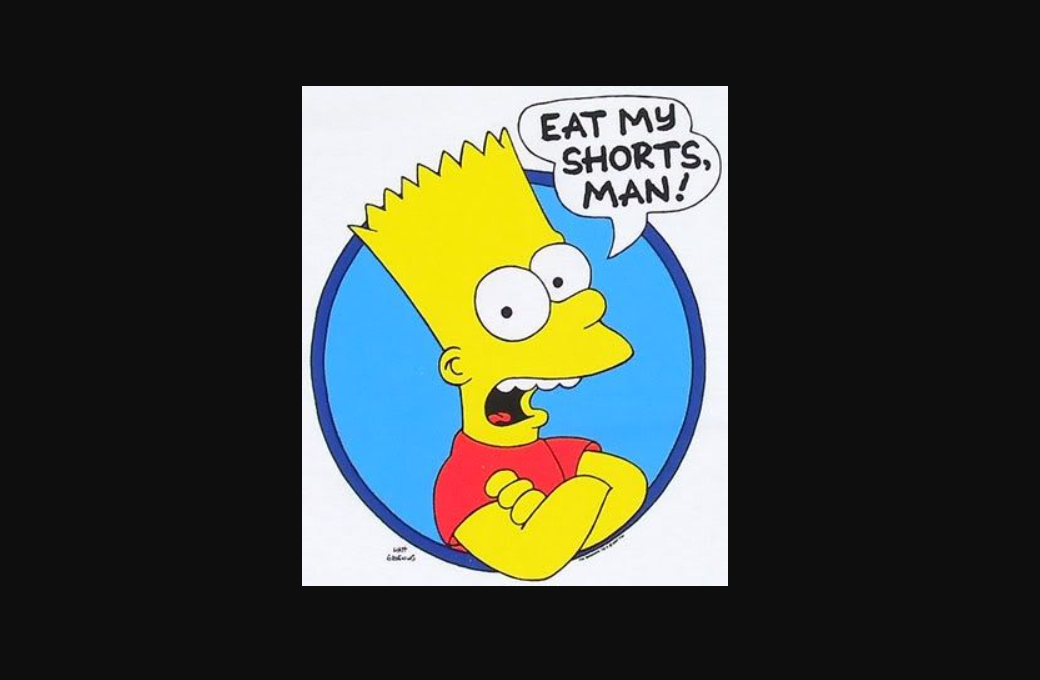
Bart’s rebellious catchphrase conveys defiance or playful teasing. Many children and adults use it jokingly to assert independence or push back on minor authority. The phrase reflects humor and mischief, common in family interactions. Over time, it has become shorthand for harmless rebellion in conversations among siblings, friends, and colleagues.
“Ay Caramba!”

Bart’s expression of surprise or shock has transcended the show. Families often use it during unexpected events, from spilled drinks to startling news. Its playful tone softens stressful moments while adding humor. The line’s Spanish origin adds cultural flair, reflecting the show’s subtle multilingual influence on casual speech.
“Don’t Have a Cow, Man”
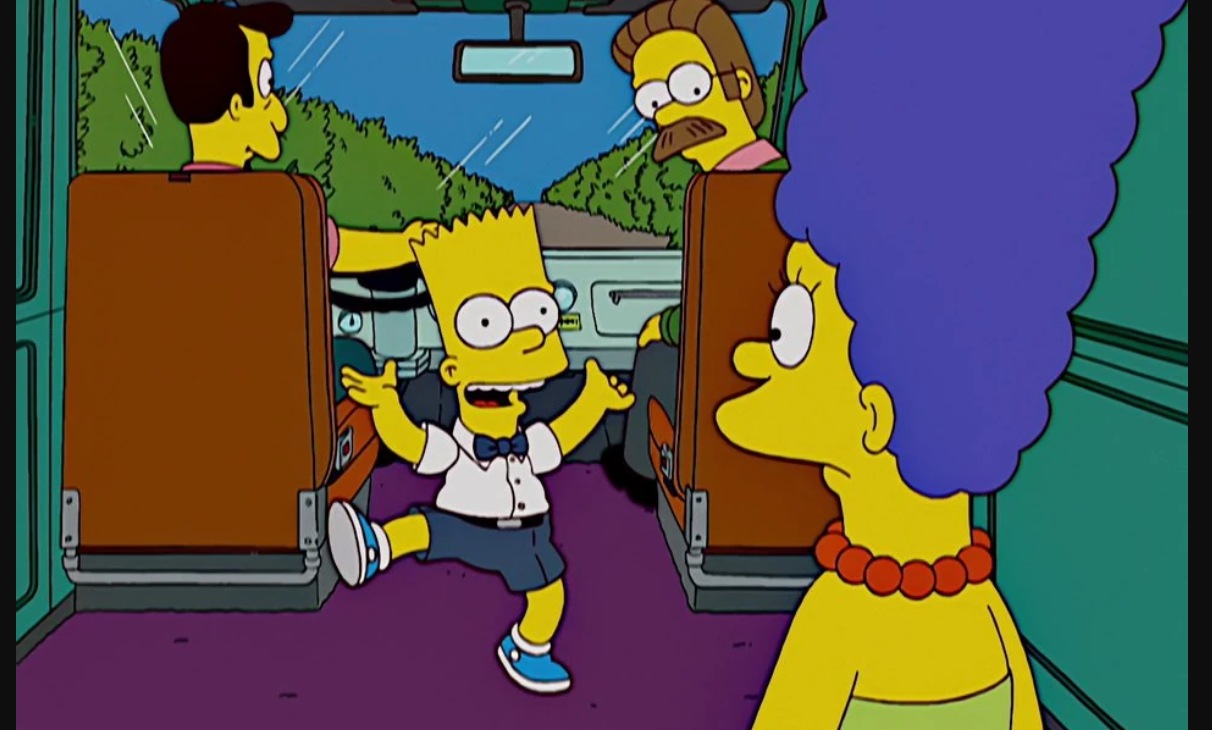
Bart’s plea for calm humorously criticizes overreactions. Children and adults alike use it to lighten tense situations or disagreements. The line embodies the blend of sarcasm and levity characteristic of family interactions. It reflects how television humor can translate into everyday guidance for managing frustration.
“I Didn’t Do It”
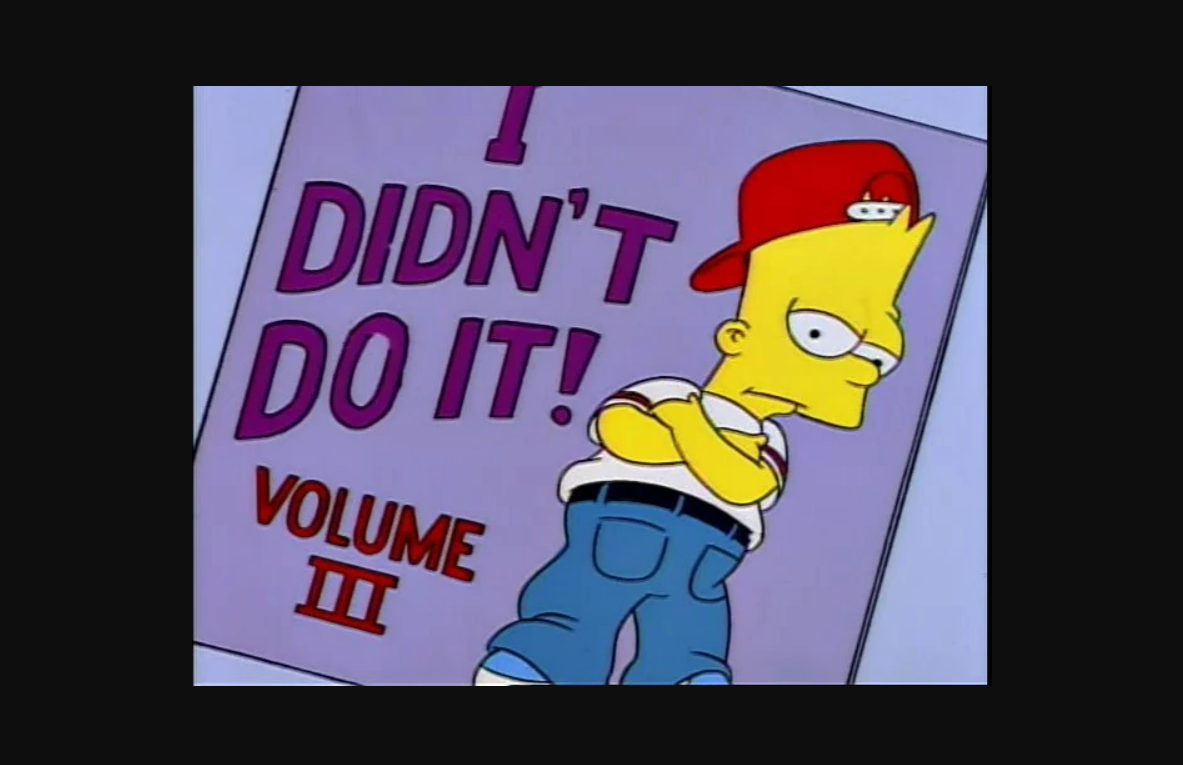
Ralph Wiggum’s simple excuse resonates with children and adults alike. Parents often hear it after messes, spills, or minor accidents. Its repetition in homes mirrors the humor of the show, while providing a light-hearted way to navigate blame. The line illustrates how character traits translate into real-world interactions.
“Excellent”

Mr. Burns’ drawn-out approval has entered family vernacular as a dramatic way to acknowledge success or cleverness. Parents and children alike mimic the tone for comedic effect. The line demonstrates how exaggerated character delivery can influence everyday expressions. It adds theatricality to ordinary praise.
“Cowabunga”

Popularized by Bart, this exclamation expresses excitement or adventure. Families adopt it during playful activities, sports, or outings. Its energetic tone embodies childlike enthusiasm. The line’s adoption into common use reflects how television culture encourages expressive communication.
“Release the Hounds”
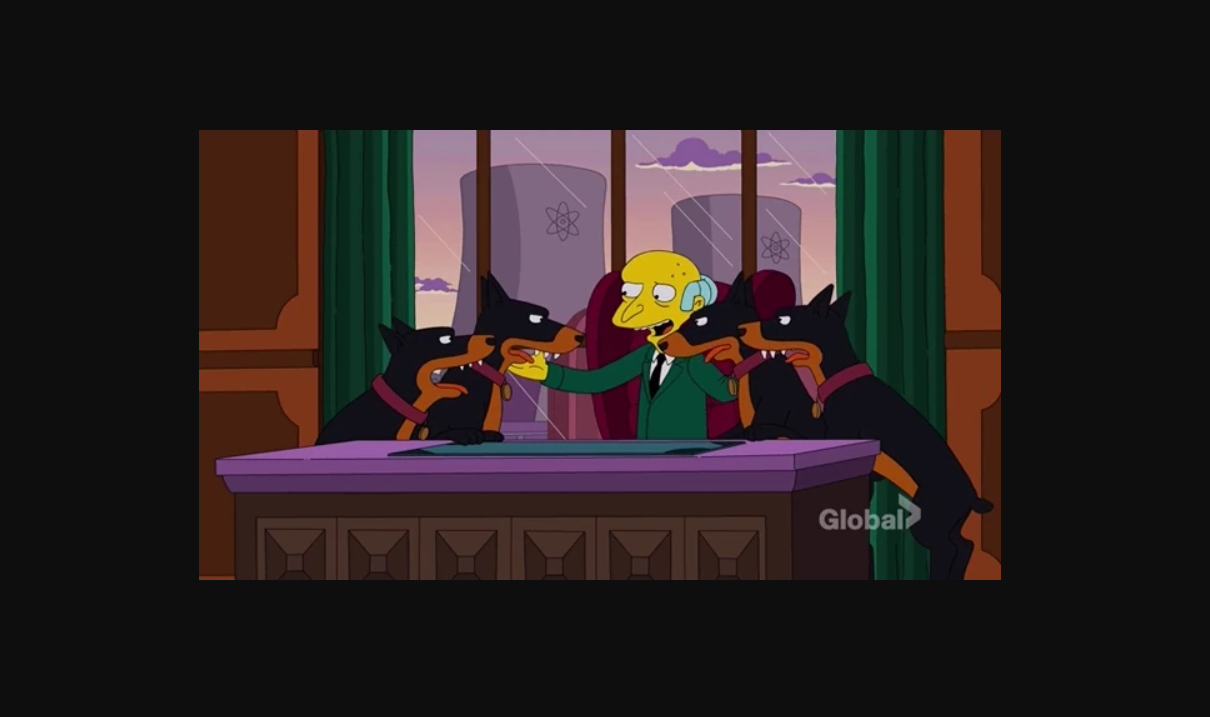
Mr. Burns’ menacing command is often humorously referenced during games, chores, or household tasks. It transforms potentially stressful situations into playful scenarios. Families use it to dramatize minor inconveniences. The line shows how hyperbolic television humor enters domestic routines.
“Hi-diddly-ho, Neighborino”
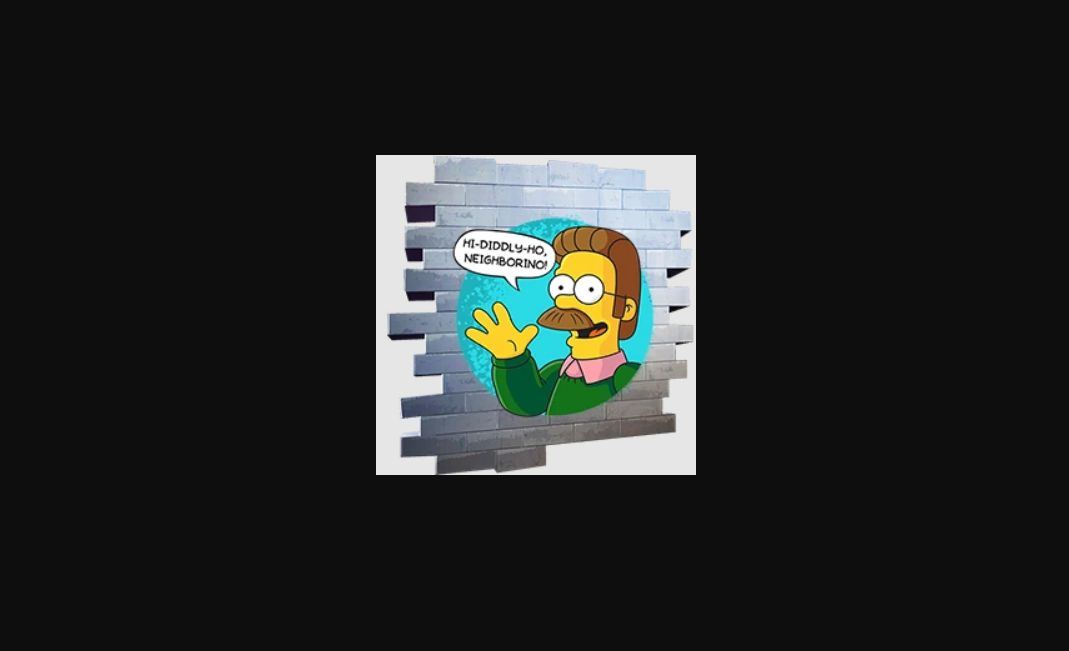
Ned Flanders’ cheerful greeting conveys friendliness and optimism. Families often use it ironically or sincerely in everyday salutations. Its infectious positivity contrasts with Homer’s cynicism, reflecting diverse communication styles. The line highlights how character speech patterns influence family humor and interaction.
“Why You Little…”

Homer’s frustrated exclamation often accompanies mock aggression in jest. Parents and children mimic it during playful disputes or teasing. Its exaggerated delivery turns conflict into humor. The line demonstrates how animated exaggeration becomes a safe and funny way to express irritation.
“Do What You Feel”
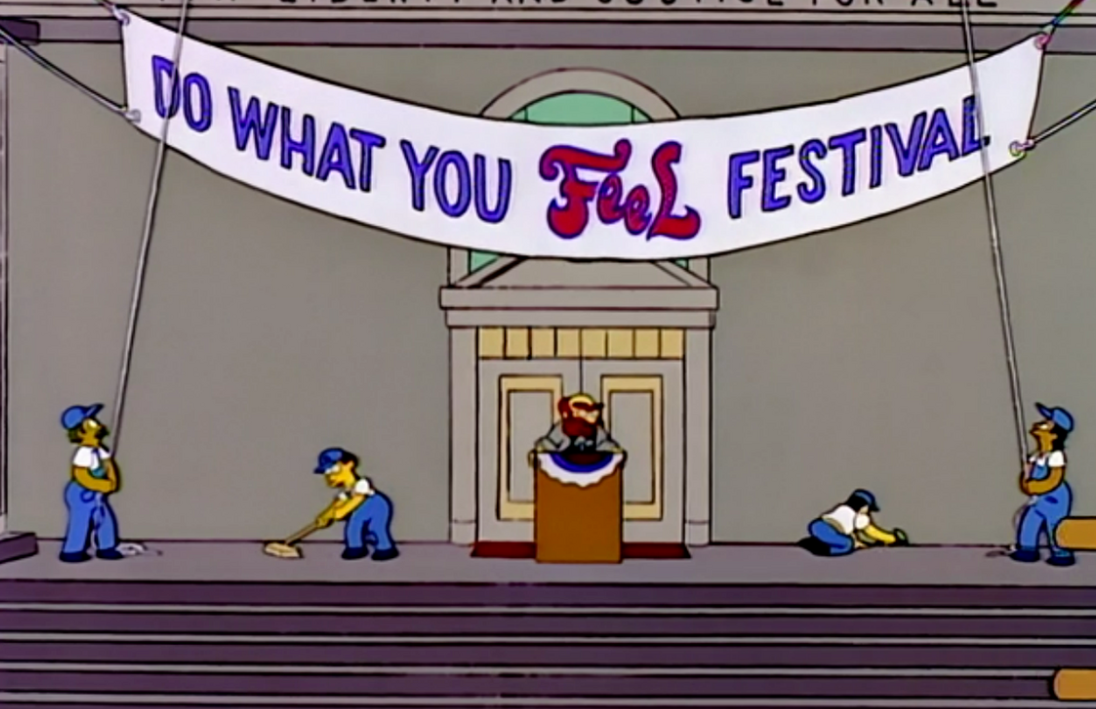
Lisa Simpson’s advice encourages authenticity and emotional expression. Families often reference it when discussing choices or personal values. The line promotes empathy and understanding in everyday decisions. Its presence illustrates how television can subtly reinforce positive communication and family support.
“Shut Up, Brain!”
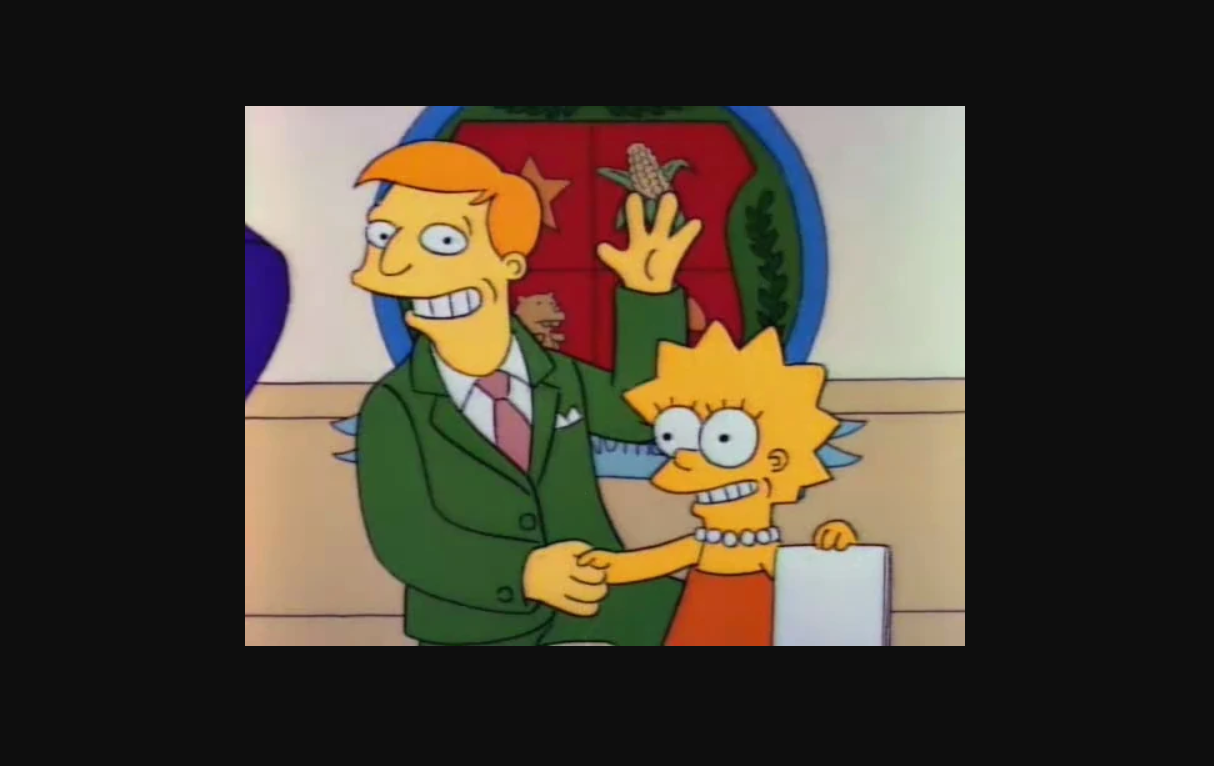
Lisa’s exasperation resonates with students and adults facing internal conflict or decision fatigue. Families adopt it humorously to acknowledge mental overwhelm. The line transforms frustration into comedy, reinforcing shared understanding of emotional experiences. It exemplifies subtle integration into daily language.
“I Am So Smart! S-M-R-T”

Homer’s ironic self-congratulation highlights overconfidence and humor. Children and parents use it playfully when feeling clever or when mistakes are made. Its exaggerated tone makes it a fun, shared family reference. The line captures how television humor bridges learning, pride, and amusement.
“Everything’s Coming Up Milhouse”
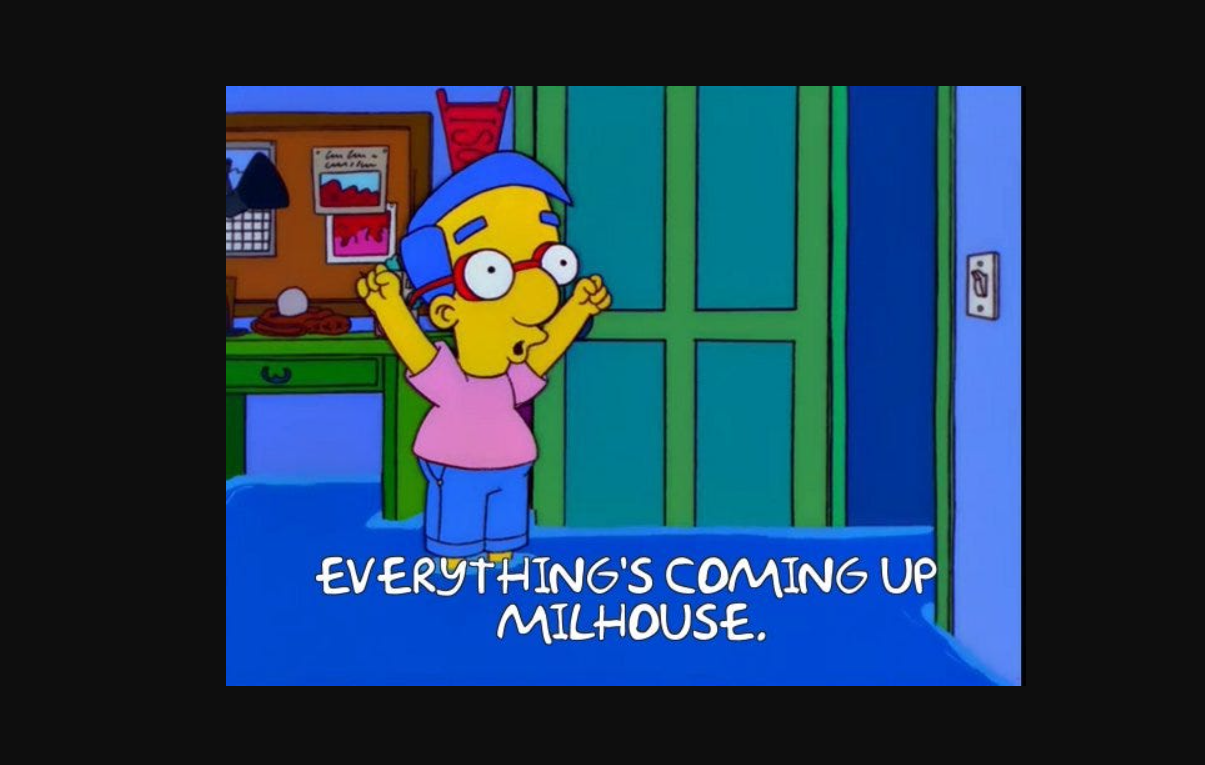
Milhouse’s phrase is used humorously to celebrate small victories or unexpected success. Families incorporate it during games, achievements, or chores. Its optimistic tone adds light-hearted perspective to everyday wins. The line shows how minor characters can inspire memorable, reusable dialogue.
“I Choo-Choo-Choose You”
Comic exaggeration of affection, often referenced by families during Valentine’s Day or playful interactions. Children and adults imitate the sentiment to express admiration or camaraderie. Its humor and charm demonstrate the blending of media references into personal expression. The line exemplifies television shaping social gestures.
“Worst. Day. Ever.”
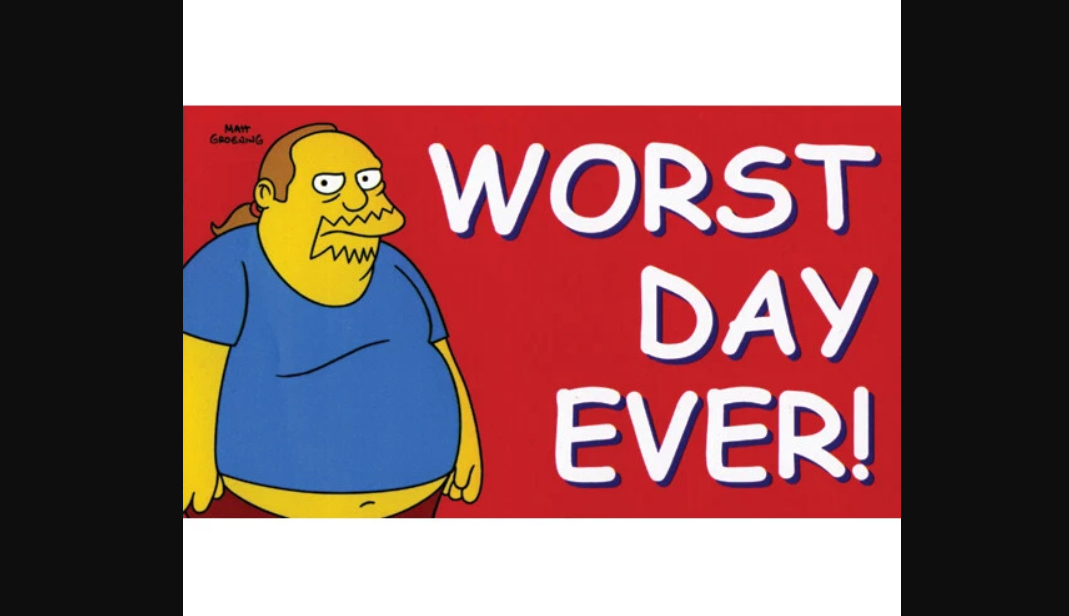
Adapted from Homer’s dramatic complaints, families use it to exaggerate minor frustrations, from spilled cereal to rainy days. The line communicates humor and relatability. Its formulaic structure is easy to adapt to daily experiences. It shows how television exaggeration informs casual family rhetoric.
“Worst. Birthday. Ever.”

Homer’s hyperbole is repeated when children or adults face minor disappointments. Families use it humorously to exaggerate small setbacks. The line demonstrates how exaggeration for comedic effect becomes part of casual communication. It reflects the show’s influence on humor and shared storytelling.