Christmas stories are meant to celebrate generosity, warmth, and redemption, yet some of the most memorable figures associated with the season are villains. These characters disrupt tradition, mock sentimentality, or embody anxieties that surface during the holidays. What makes them compelling is not their cruelty, but their contrast. They expose the pressures, expectations, and emotional contradictions hidden beneath festive rituals. Over time, many of these villains have become more iconic than the heroes themselves, stealing attention through sharp humor, exaggerated flaws, or uncomfortable honesty that feels oddly relatable.
The Grinch
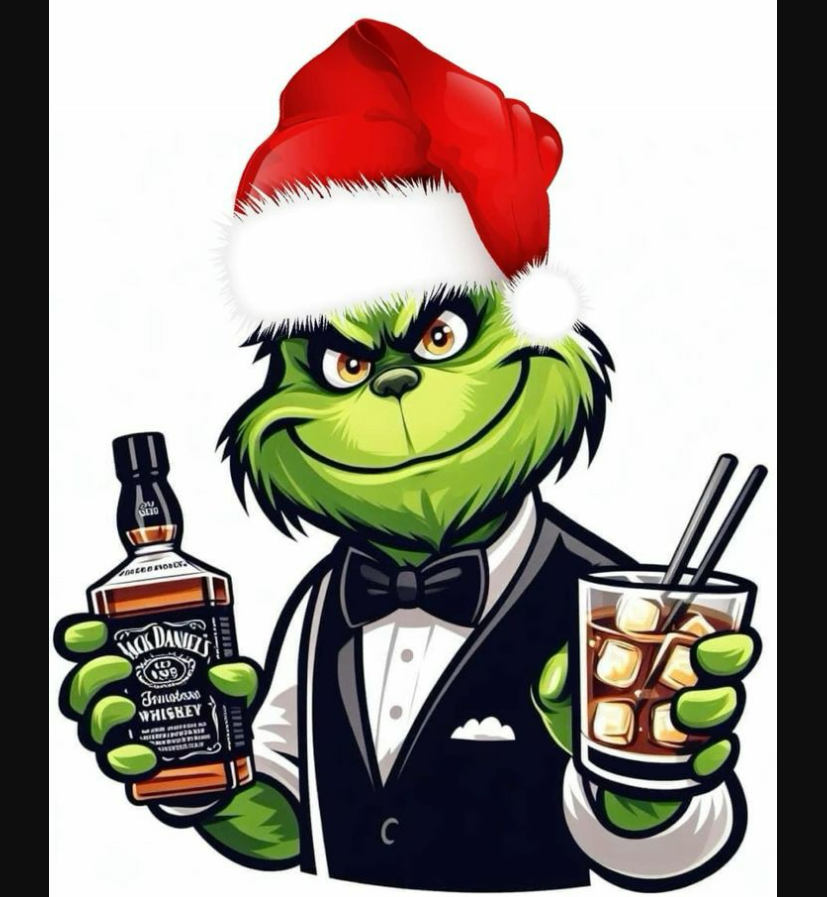
The Grinch remains the definitive Christmas villain because he articulates what many feel but rarely admit. His resentment toward forced cheer, noise, and obligation mirrors real holiday fatigue. While the story frames him as wrong, his early observations are uncomfortably accurate. The Grinch steals the spotlight because he challenges the idea that joy must be mandatory. His eventual redemption does not erase his critique. Instead, it validates his frustration before resolving it. That emotional honesty keeps him culturally dominant every December.
Ebenezer Scrooge
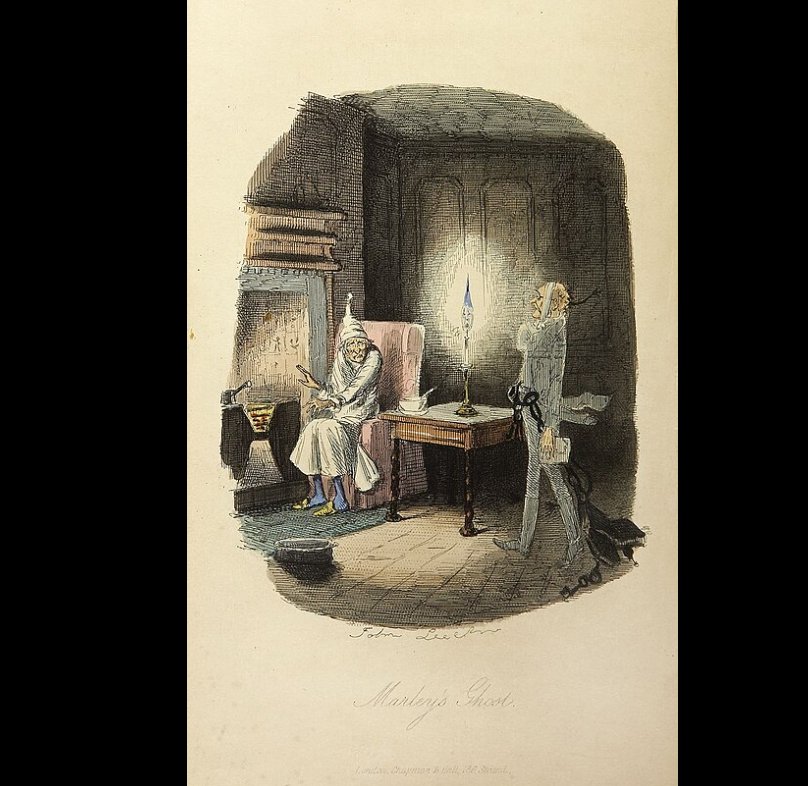
Scrooge’s villainy is rooted in emotional isolation rather than malice. He represents fear of vulnerability, loss, and generosity in a season that demands openness. His transformation is famous, but it is his pre-redemption presence that dominates memory. Scrooge’s resistance gives the story tension and relevance. He steals attention because he embodies the cost of emotional withdrawal. Audiences recognize fragments of themselves in his reluctance, making him more compelling than the moral lesson meant to correct him.
Hans Gruber
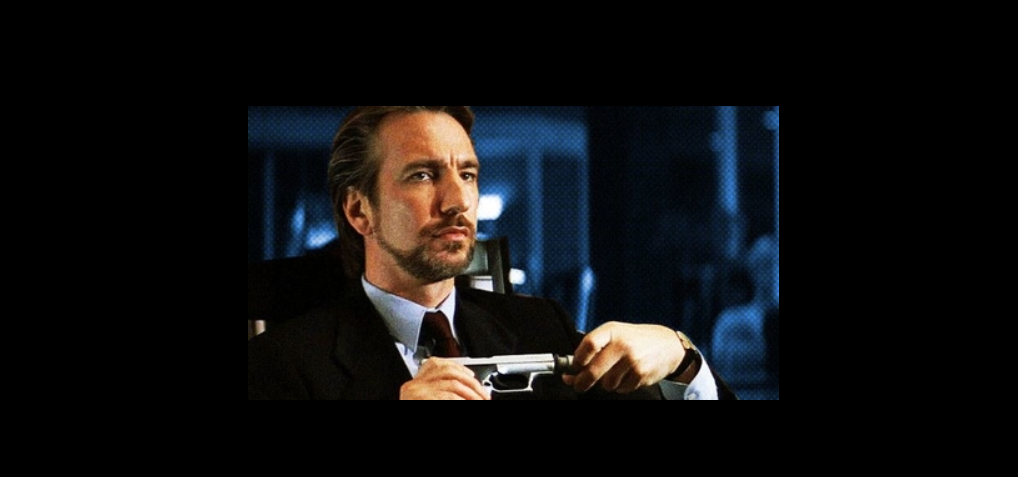
Hans Gruber is not a Christmas villain by theme, but by timing. Die Hard’s setting transformed him into an unlikely holiday icon. His sophistication, calm menace, and sharp intelligence contrast with the chaos around him. Gruber steals the spotlight because he elevates the story beyond seasonal sentiment. His presence reframes Christmas as backdrop rather than focus, which paradoxically makes the holiday feel more memorable. He represents how Christmas stories can absorb unexpected genres without losing cultural traction.
Jack Skellington
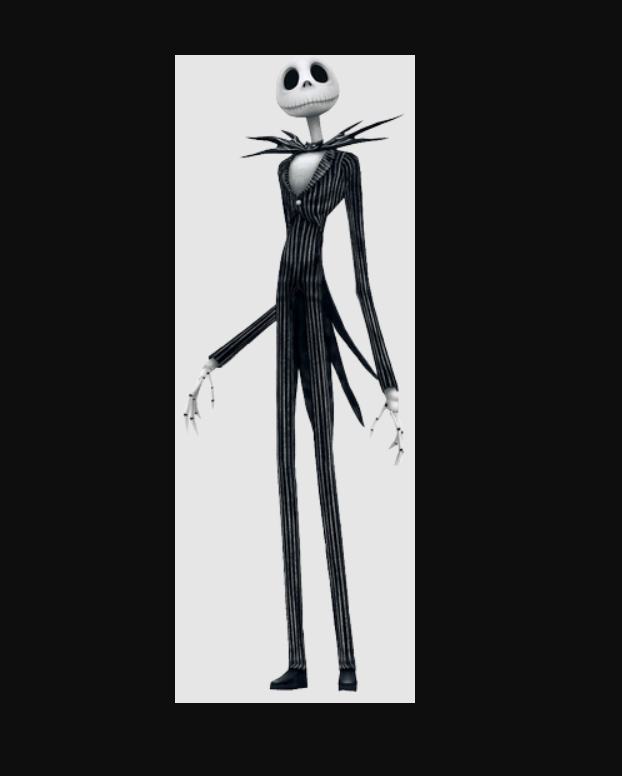
Jack Skellington functions as a villain through misunderstanding rather than cruelty. His attempt to take over Christmas exposes how easily meaning is lost when rituals are copied without context. Jack steals attention because he is charming, creative, and misguided rather than evil. His obsession reflects artistic ego and cultural appropriation. Audiences forgive him quickly, but his disruption drives the narrative. He dominates the story because curiosity, not malice, creates the most interesting conflict.
The Wet Bandits
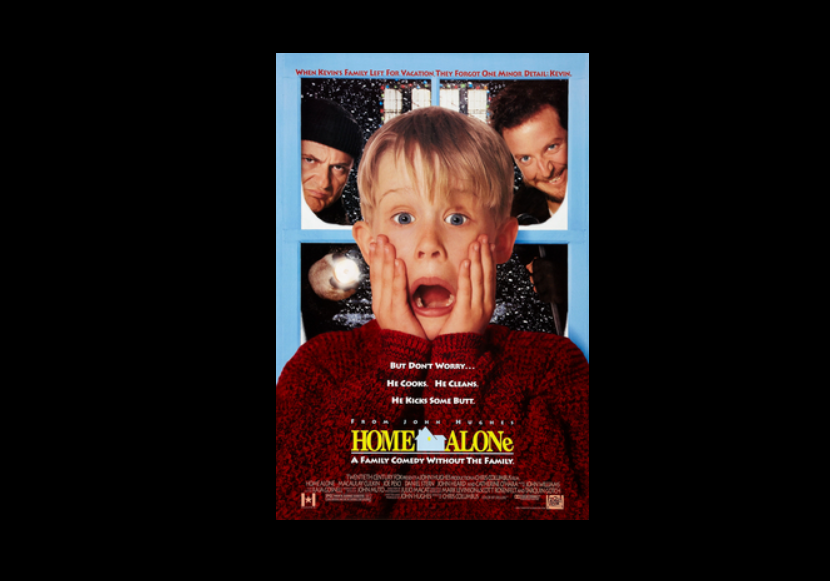
The Wet Bandits are comedic villains whose incompetence makes them memorable. Their presence highlights childhood vulnerability during the holidays while diffusing fear through slapstick. They steal the spotlight because they are endlessly inventive in failure. Every attempt to harm becomes spectacle. Rather than menace, they provide rhythm and anticipation. Their exaggerated persistence transforms danger into entertainment, making them more iconic than the holiday warmth surrounding them. Chaos, not kindness, becomes the most watchable element.
Oogie Boogie
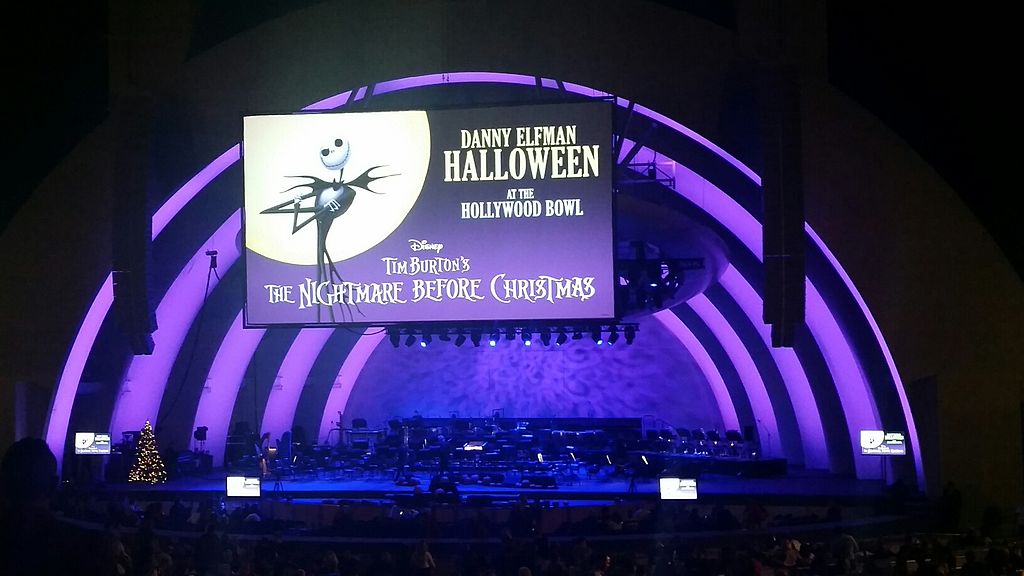
Oogie Boogie represents fear hiding beneath festive surfaces. His gambling obsession, darkness, and unpredictability contrast sharply with holiday order. He steals the spotlight through theatrical menace and visual flair. Oogie is not subtle, but symbolic. He embodies the anxiety that celebration cannot fully suppress. His musical presence and grotesque charm make him unforgettable. While he exists outside Christmas itself, his intrusion highlights how darkness often makes light feel more dramatic.
The Snow Miser
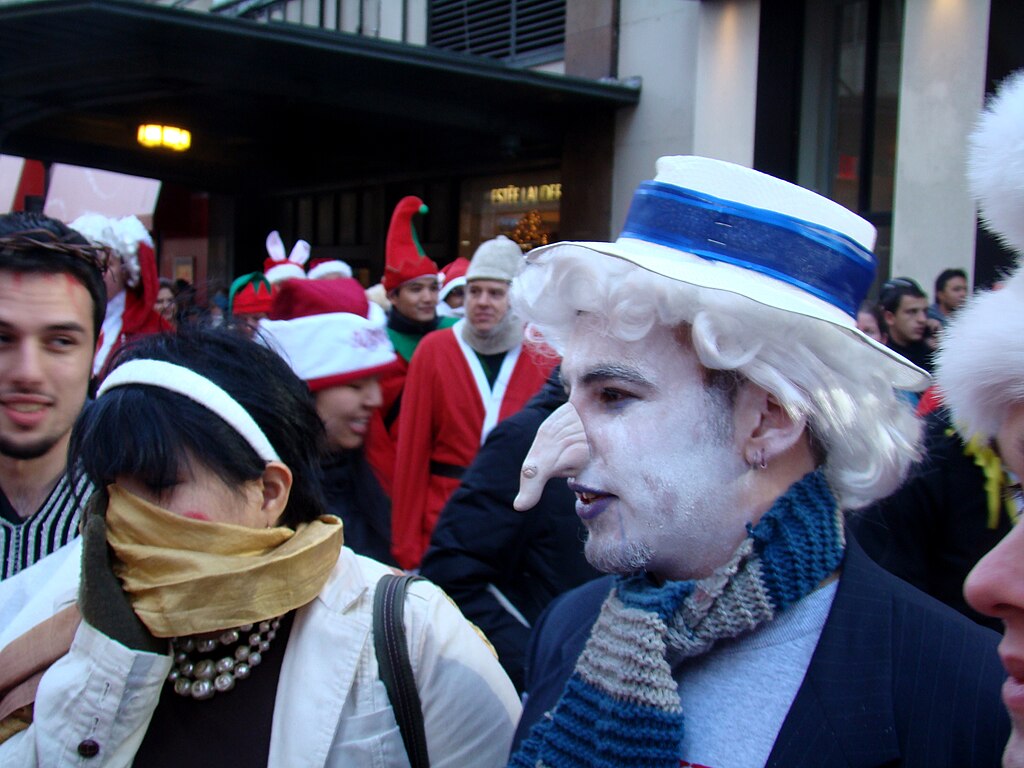
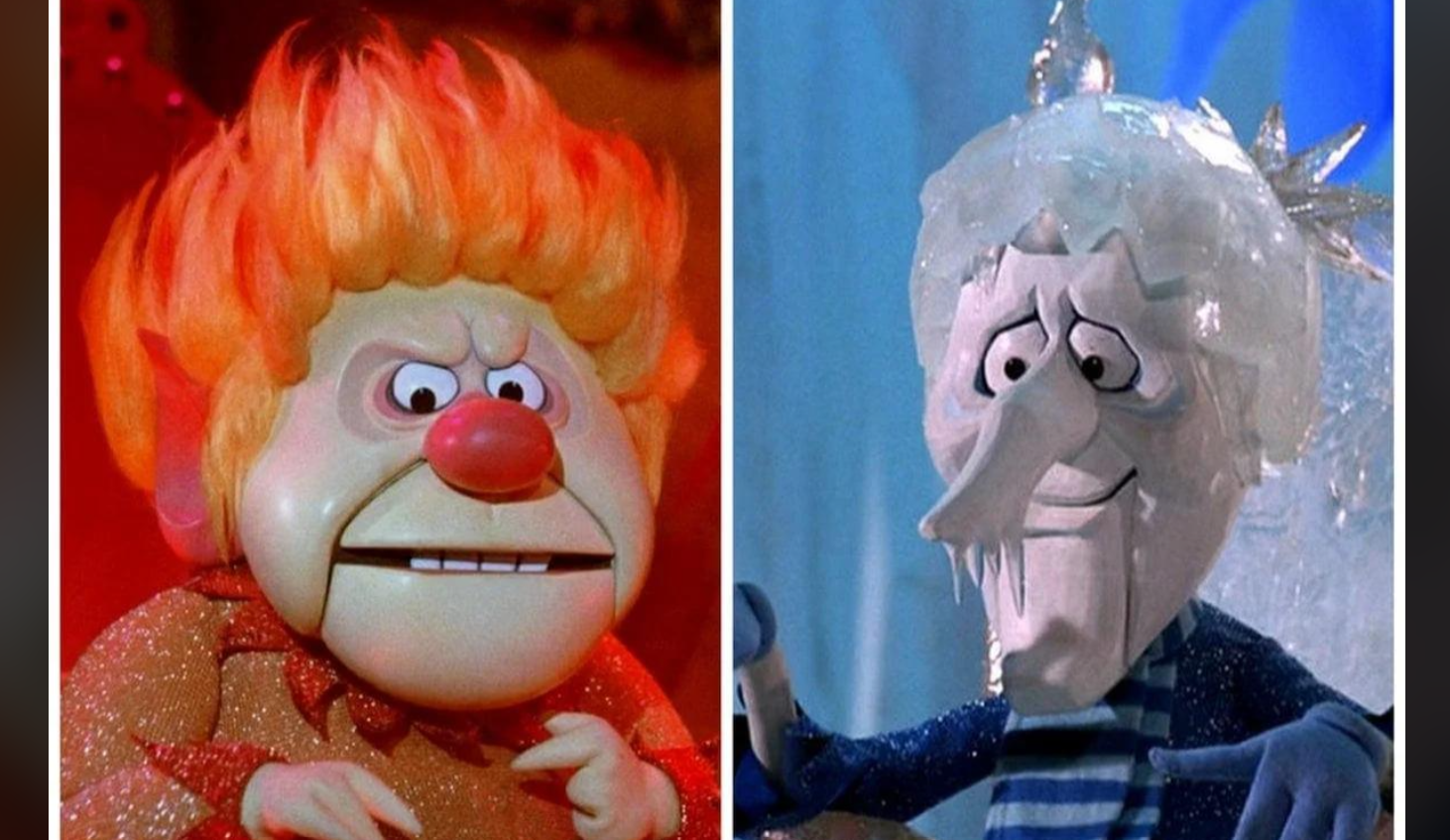
The Snow Miser steals the Christmas spotlight by turning weather into personality. His exaggerated ego and territorial obsession transform seasonal inconvenience into dramatic conflict. He represents how even natural forces become power struggles during the holidays. The Snow Miser dominates because he externalizes tension people already feel about travel, schedules, and control. His musical bravado makes him memorable, while his stubbornness mirrors real-life holiday standoffs. He is not evil, but immovable, and that rigidity becomes the source of both humor and disruption.
The Heat Miser
As the Snow Miser’s counterpart, the Heat Miser embodies imbalance and excess. His rivalry turns climate into character-driven chaos, overshadowing Santa himself. He steals attention through volume, entitlement, and refusal to compromise. The Heat Miser reflects how holidays amplify extremes rather than harmony. His dominance of scenes shows how conflict often becomes more engaging than resolution. Viewers remember his energy more than the message because exaggeration leaves a stronger imprint than moderation.
The Ghost of Christmas Yet to Come
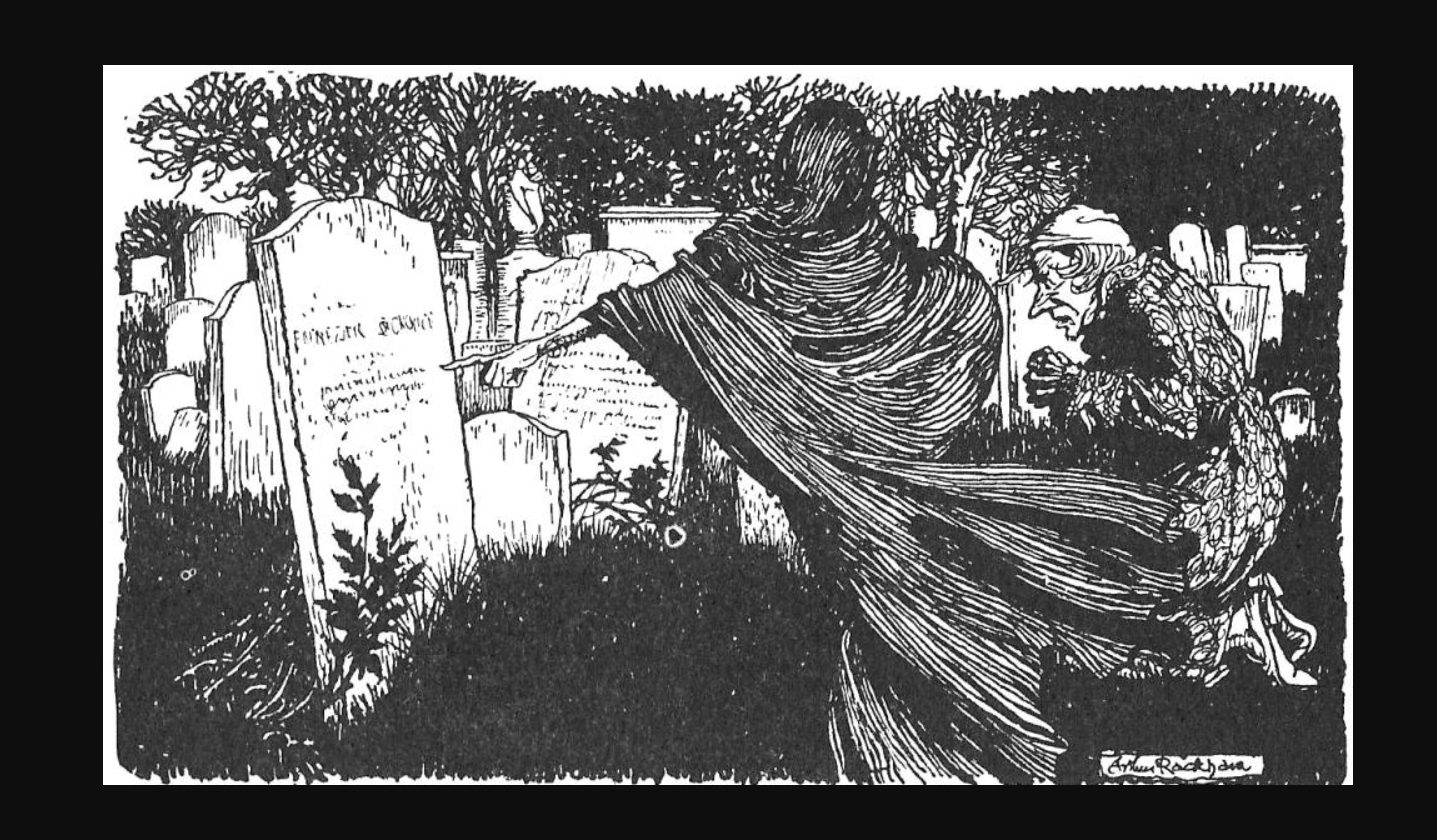
This silent figure commands attention through absence rather than action. Unlike other spirits, it offers no comfort, only consequence. The Ghost steals the spotlight because fear cuts through sentimentality. Its presence transforms Christmas from celebration into reckoning. By refusing explanation, it forces introspection. The character embodies the anxiety beneath seasonal optimism, reminding audiences that avoidance has cost. That starkness makes it unforgettable.
The Bumble
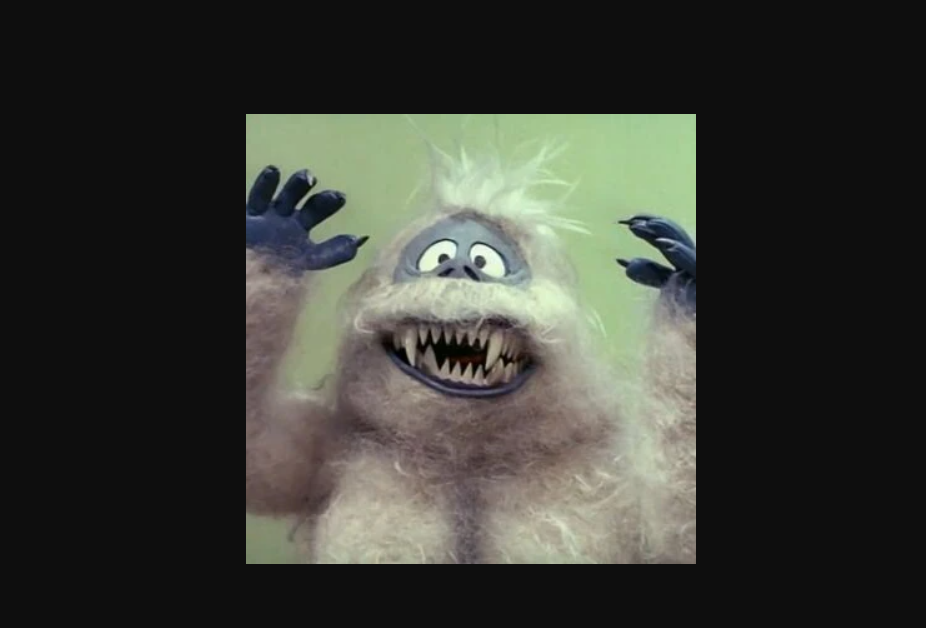
The Bumble from Rudolph the Red-Nosed Reindeer dominates memory through brute force and misunderstanding. Initially presented as a monster, he is later revealed as lonely and manageable. His arc reframes fear as misinterpretation. The Bumble steals attention because he represents exaggerated threat that dissolves under scrutiny. His transformation mirrors how holiday fears often shrink when confronted. Viewers remember him because fear followed by relief is emotionally powerful.
Mr. Potter
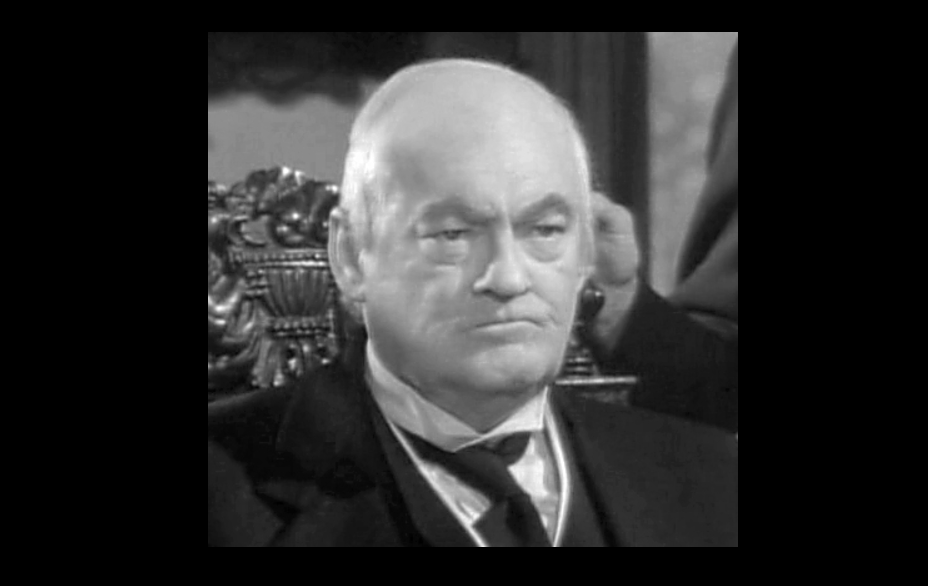
Mr. Potter’s villainy lies in quiet, systemic cruelty rather than spectacle. He represents greed embedded within everyday structures. Unlike flashy antagonists, Potter feels plausible. He steals the spotlight because his power is subtle and unpunished. The discomfort he creates lingers beyond the film. Potter embodies the fear that goodness does not always triumph visibly. That realism makes him more haunting than redemptive arcs.
The Polar Express Conductor (Ambiguous Authority)
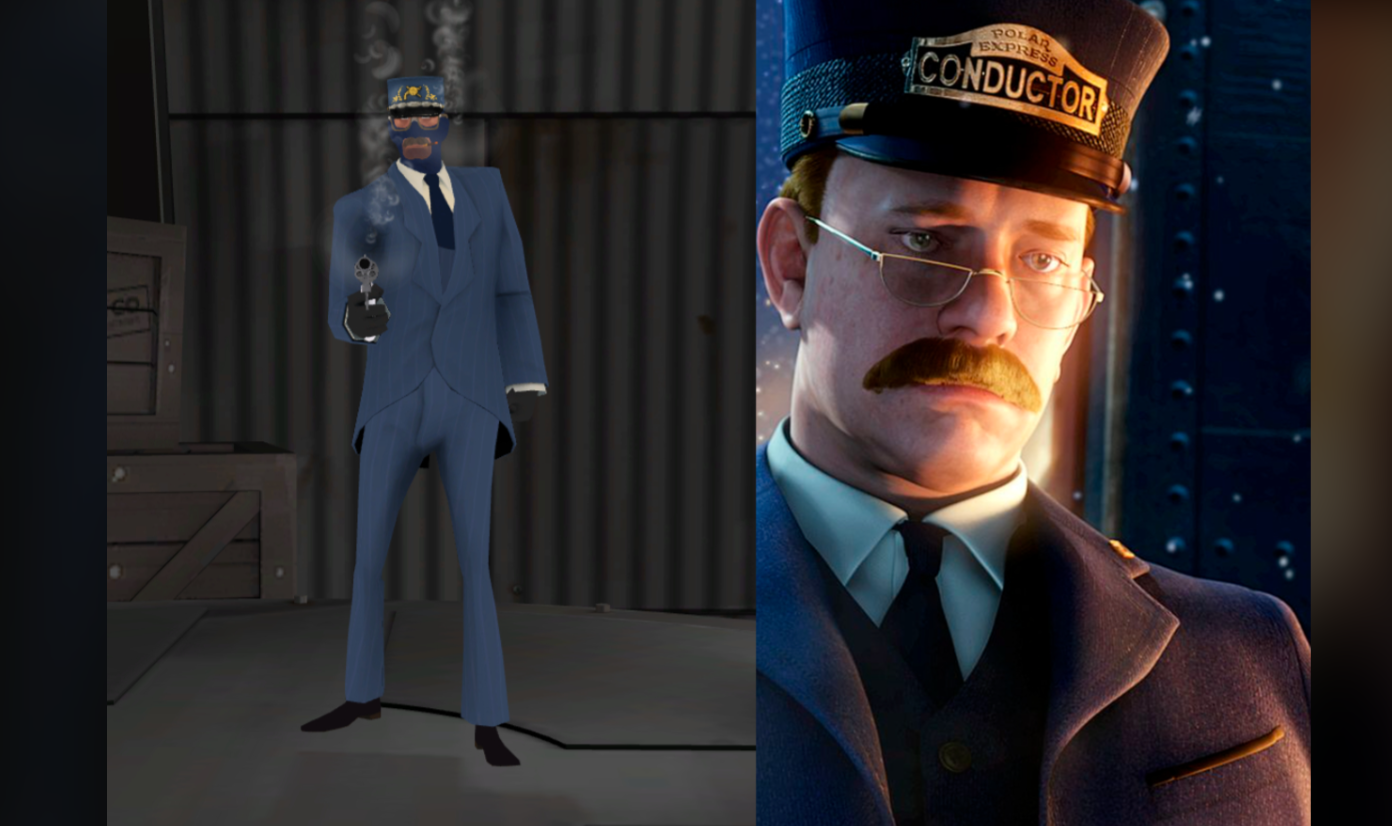
The Conductor unsettles because his authority is unquestioned yet emotionally distant. He enforces belief through pressure rather than warmth. This ambiguity steals attention by challenging the idea that guidance must feel comforting. He represents institutional belief systems that demand compliance. His calm intensity contrasts with festive imagery, creating unease. The character lingers because he embodies discipline where wonder is expected.
The Miser Brothers’ Mother Nature
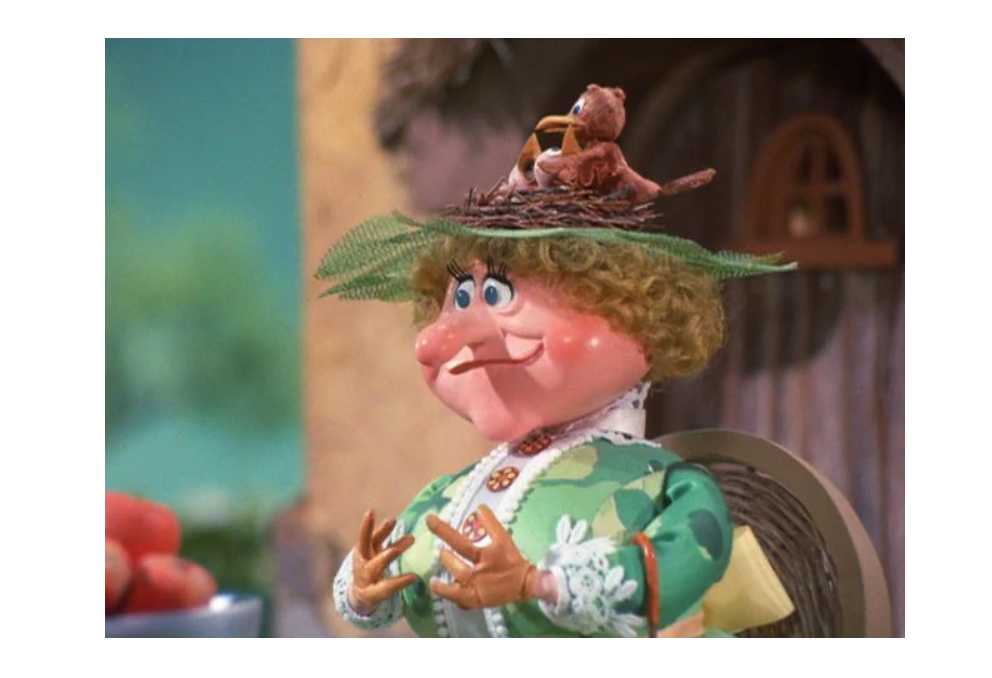
Mother Nature controls the conflict without appearing villainous herself. Her detachment allows chaos to continue unchecked. She steals attention by refusing urgency while others panic. This indifference mirrors how authority figures sometimes prioritize balance over empathy. Her presence reframes the story’s stakes, making resolution feel delayed and frustrating. She dominates through restraint rather than action.
Scut Farkus
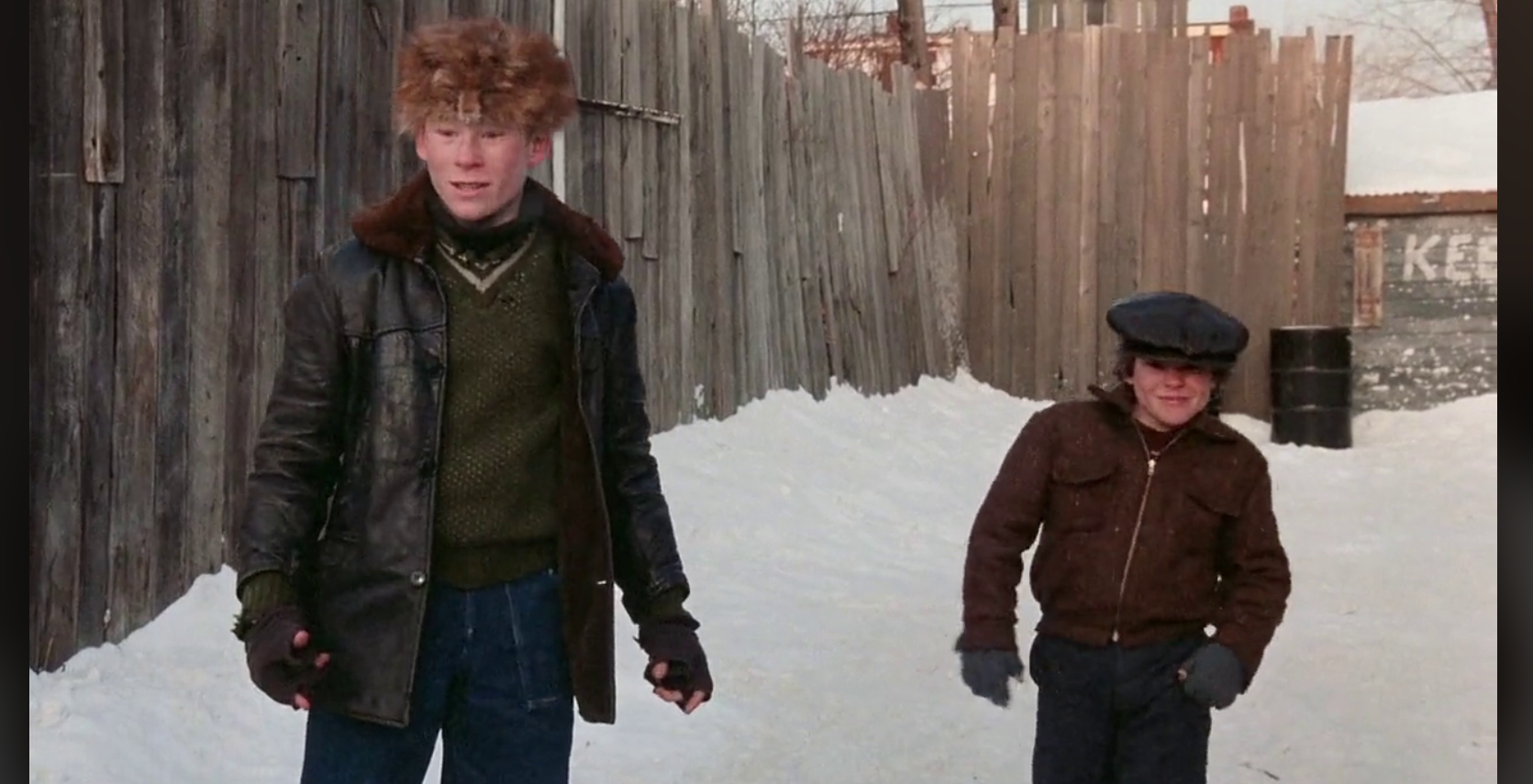
Scut Farkus represents childhood fear amplified by holiday vulnerability. His menace feels personal rather than epic. He steals the spotlight because his cruelty is familiar. Unlike supernatural villains, he exists in everyday life. The holiday setting intensifies his presence by stripping away safe routines. His eventual defeat resonates because it restores agency, but his intimidation lingers longer than the triumph.
The Grinch’s Inner Voice
Beyond the character himself, the Grinch’s internal monologue steals attention. It articulates resentment with clarity and humor. This voice validates frustration before redemption occurs. It dominates because it feels honest. Audiences connect with thoughts they rarely express. The villain becomes internal rather than external, making the story psychologically resonant. That intimacy keeps the Grinch culturally relevant.
Krampus
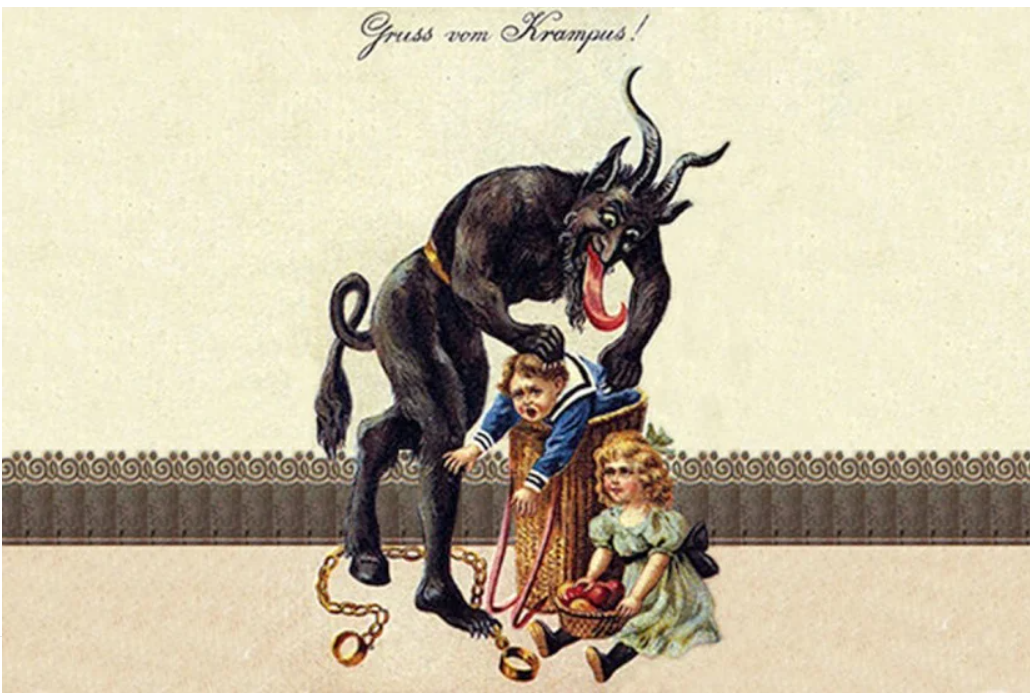
Krampus intrudes into Christmas as punishment incarnate. He steals the spotlight by rejecting gentleness entirely. Rooted in folklore, Krampus reflects fear-based morality tied to obedience. His resurgence signals discomfort with purely sentimental narratives. He dominates because he introduces consequences into celebration. Darkness becomes spectacle, reminding audiences that holidays historically balanced reward with warning.
The Holiday Itself
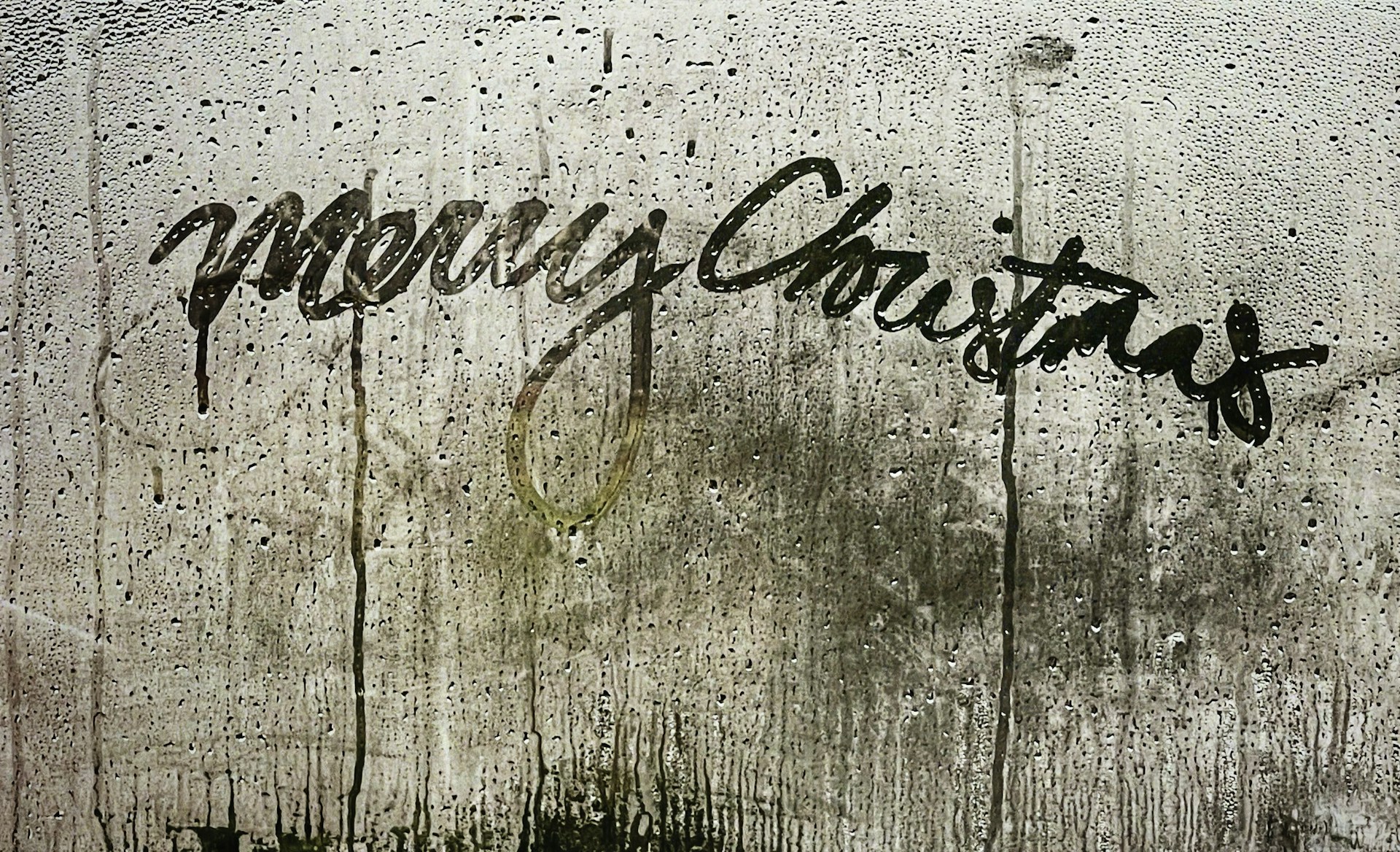
In many stories, the true antagonist is expectation. Christmas becomes overwhelming, judgmental, and emotionally demanding. This invisible villain steals attention by pressuring characters into performance. Stress, obligation, and comparison undermine joy. The holiday dominates narratives because it creates conflict without a face. By personifying expectation, stories reveal how celebration itself can become oppressive.
Holiday villains endure because they express tension that cheer alone cannot resolve. They embody resistance, fear, and exhaustion that surface when joy feels mandatory. By disrupting tradition, they make stories honest. These characters steal the spotlight not because they ruin Christmas, but because they reveal what it asks of people. Villainy becomes commentary, and discomfort becomes memory.