American history is best understood by walking through the places where its defining stories unfolded. These historic homes offer a rare and intimate look into the lives of leaders, writers, inventors, and communities that shaped the nation’s identity. Families visiting these sites experience architecture, culture, and memory in ways textbooks cannot replicate. Each home highlights different eras, lifestyles, and legacies that continue to influence the country today.
Mount Vernon
Mount Vernon stands as the preserved estate of George Washington, showcasing his role not just as a president but as a farmer and visionary leader. Families can tour the mansion’s elegant rooms, each restored with accuracy to Washington’s time. The surrounding grounds, including the slave quarters, provide honest insight into the labor essential to the plantation. This historic home gives visitors a balanced view of Washington’s influence and contradictions.
Monticello
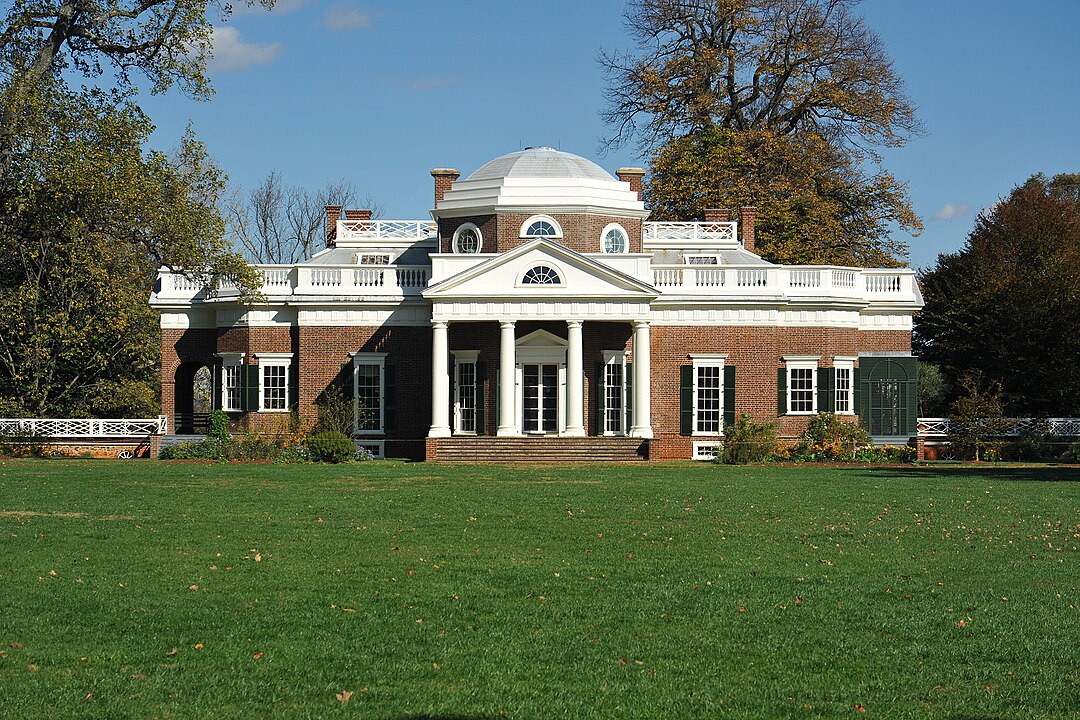
Thomas Jefferson’s Monticello blends classical architecture with inventive design details ahead of its time. Visitors explore spaces that highlight Jefferson’s love for science, philosophy, and agriculture. The estate’s exhibits also document the lives and struggles of the enslaved individuals who lived there. Monticello’s layered narrative preserves both innovation and injustice within early America.
Mount Vernon Estate of the Harrisons
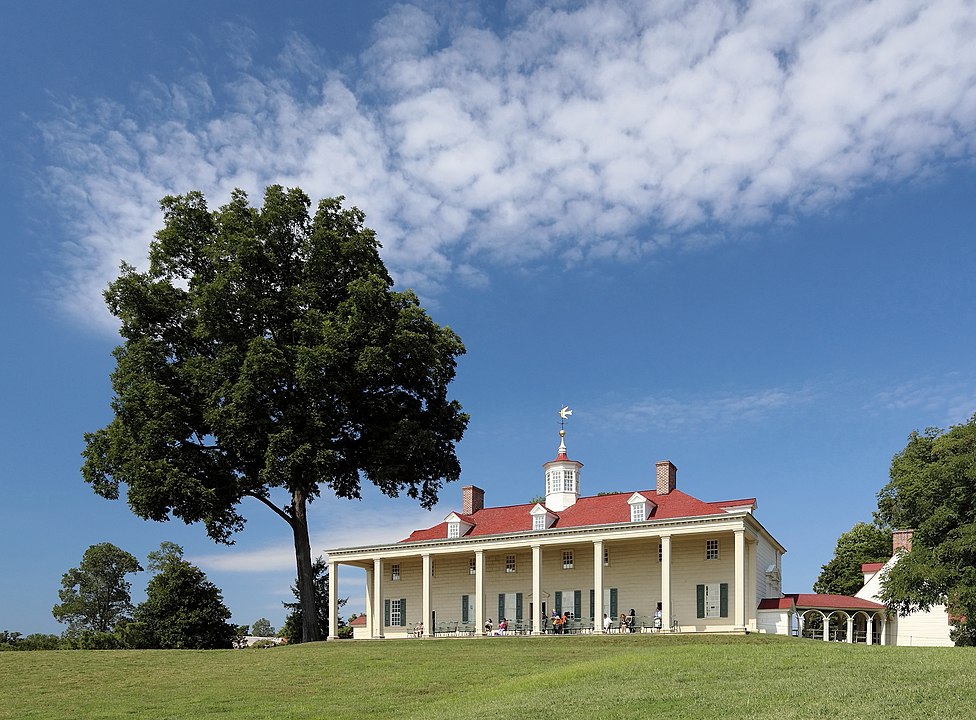
The Harrison family estate reveals the lineage of two American presidents—William Henry Harrison and Benjamin Harrison. Its rooms capture generations of political influence and frontier life. Visitors can explore artifacts, farming tools, and documents that show how the family shaped national leadership. This home gives a rare intergenerational view of American public service.
The Biltmore House
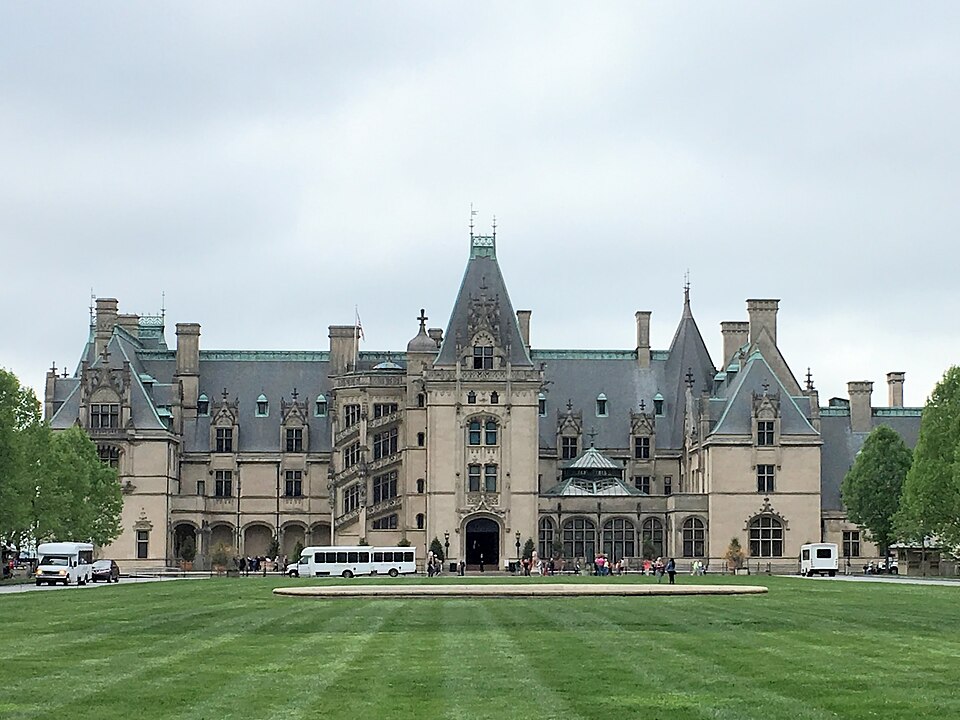
The Biltmore House stands as the largest private home ever built in the United States. Its grand halls, lavish décor, and advanced 19th-century technology reflect the industrial wealth of the Vanderbilt family. Guided tours allow families to see more than 250 rooms filled with original art and furnishings. The house illustrates how the Gilded Age reshaped the American landscape.
The Hemingway Home
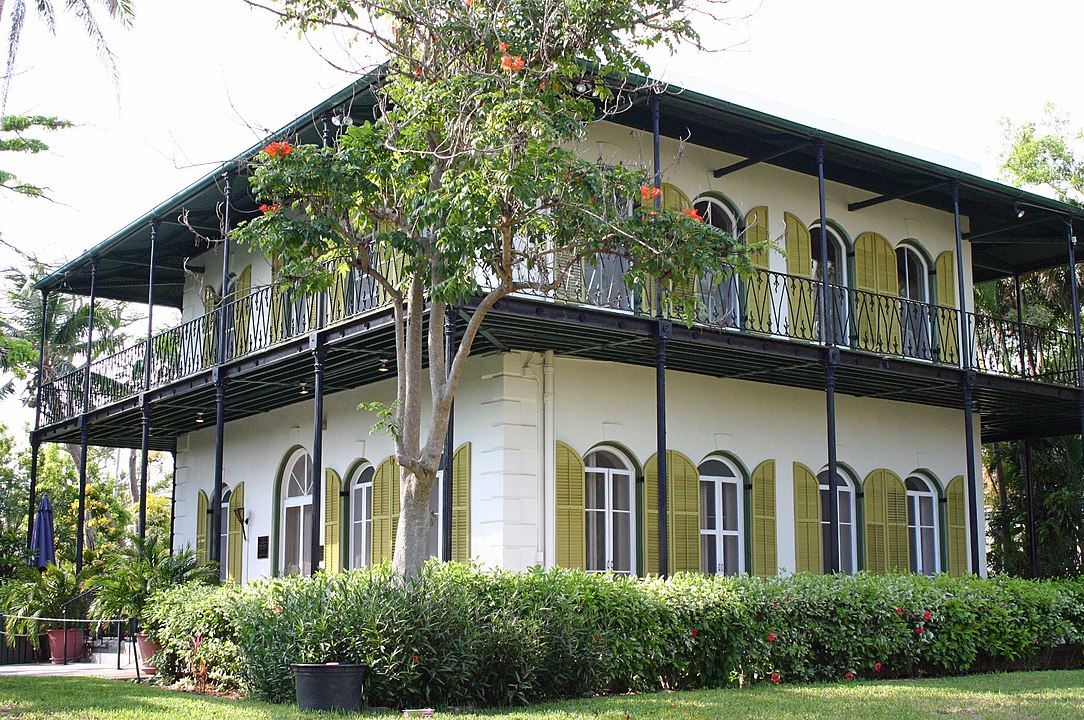
The Ernest Hemingway Home invites visitors into the world where the author crafted some of his most iconic novels. The estate’s tropical gardens and historic architecture preserve the Key West literary atmosphere. Descendants of Hemingway’s famous six-toed cats still roam the property, connecting past and present. This home captures the bold and restless spirit that defined Hemingway’s life.
The Mark Twain House
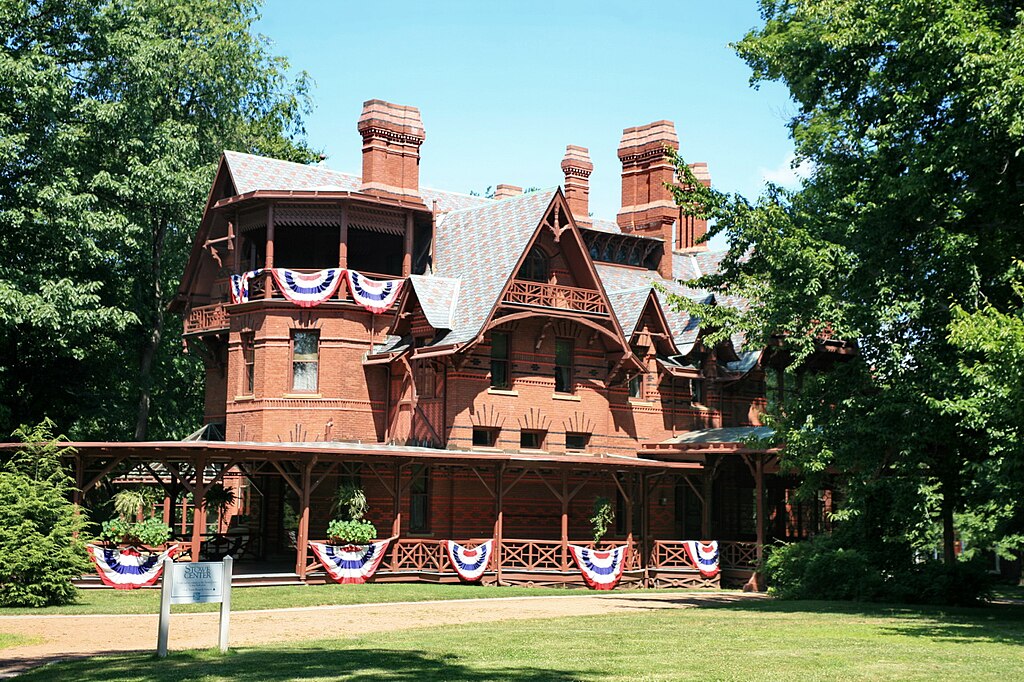
Mark Twain’s home in Connecticut reflects the creativity and humor of America’s most iconic storyteller. Its Victorian architecture and colorful interior highlight Twain’s love for theatrical spaces. Visitors can stand in the billiards room where he wrote several classics. The house immerses families in the energy and imagination surrounding Twain’s writing process.
The Frederick Douglass House
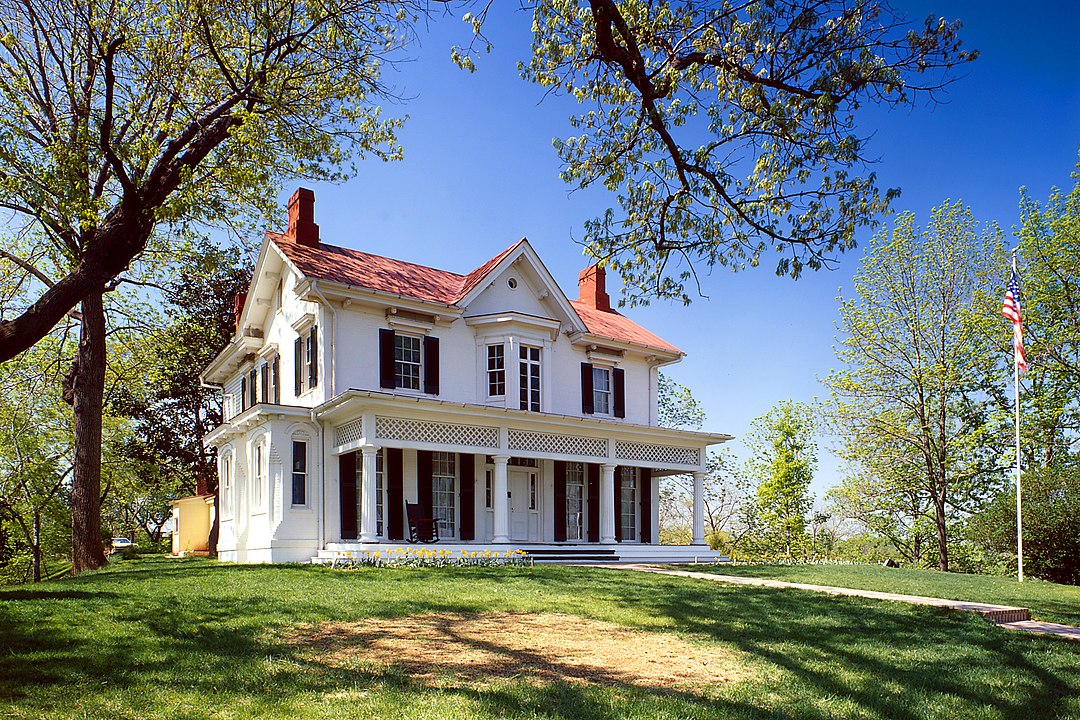
The Frederick Douglass House preserves the home of one of America’s greatest abolitionists and orators. Overlooking Washington, D.C., it showcases Douglass’s library, personal artifacts, and meeting spaces. Guided tours explore his dedication to civil rights and education. This home keeps Douglass’s legacy alive with emotional and historical power.
The Edison Home
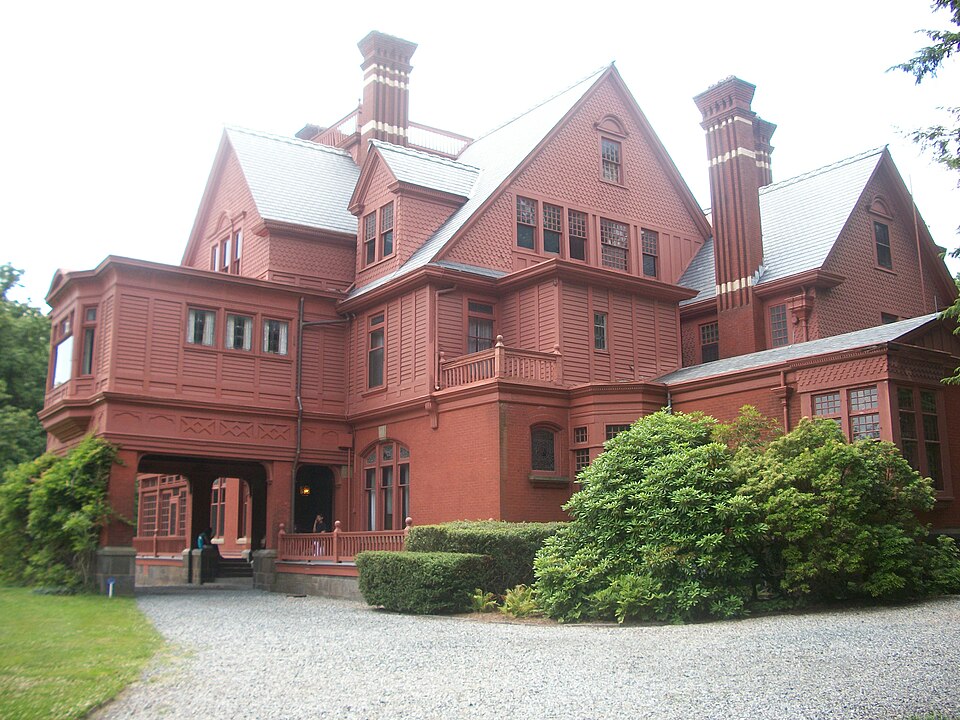
Thomas Edison’s home and laboratory complex remain a testament to his relentless curiosity and innovation. Families can explore preserved workspaces where Edison developed groundbreaking inventions. The estate’s tools, notes, and machinery highlight the earliest stages of American industrial advancement. The home demonstrates how perseverance shaped the modern world.
The Wright Brothers Home
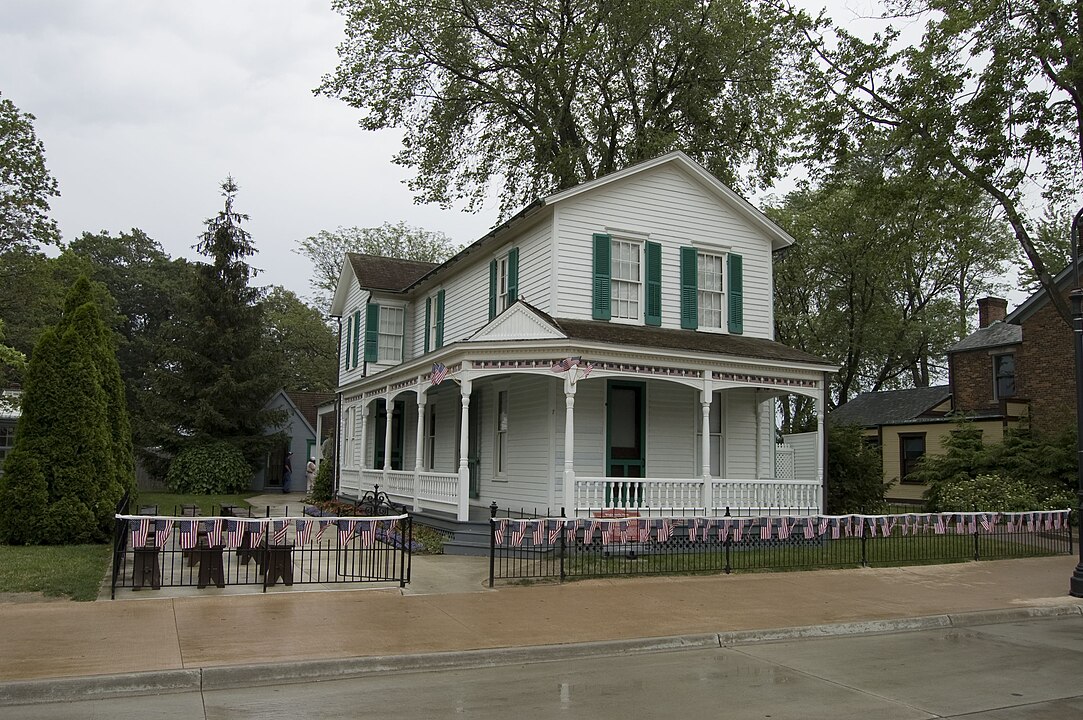
The Wright Brothers’ home reveals the childhood environment of the pioneers of aviation. Exhibits show how their curiosity and discipline began long before their famous flights. Visitors can study early bicycle tools that influenced their understanding of mechanics. The home embodies the roots of American innovation.
The Harriet Tubman Home
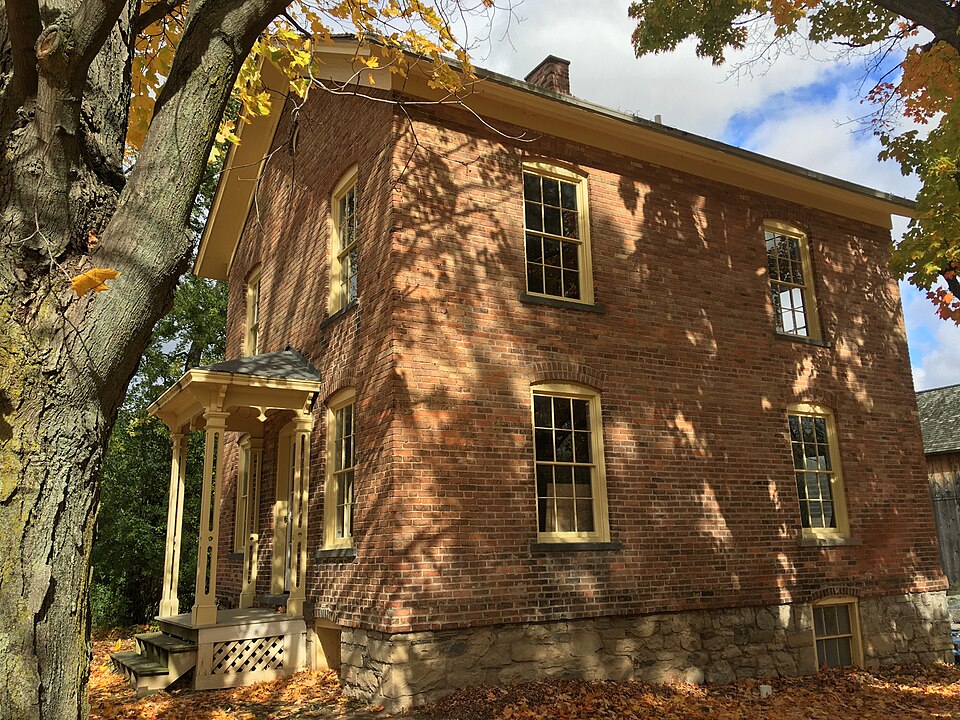
The Harriet Tubman Home honors the bravery and humanitarian work of the renowned conductor of the Underground Railroad. Its museum and farm provide insight into Tubman’s later years as a caregiver and activist. Visitors learn how she supported vulnerable communities long after the Civil War. This home preserves her lifelong fight for freedom and dignity.
The Lincoln Home
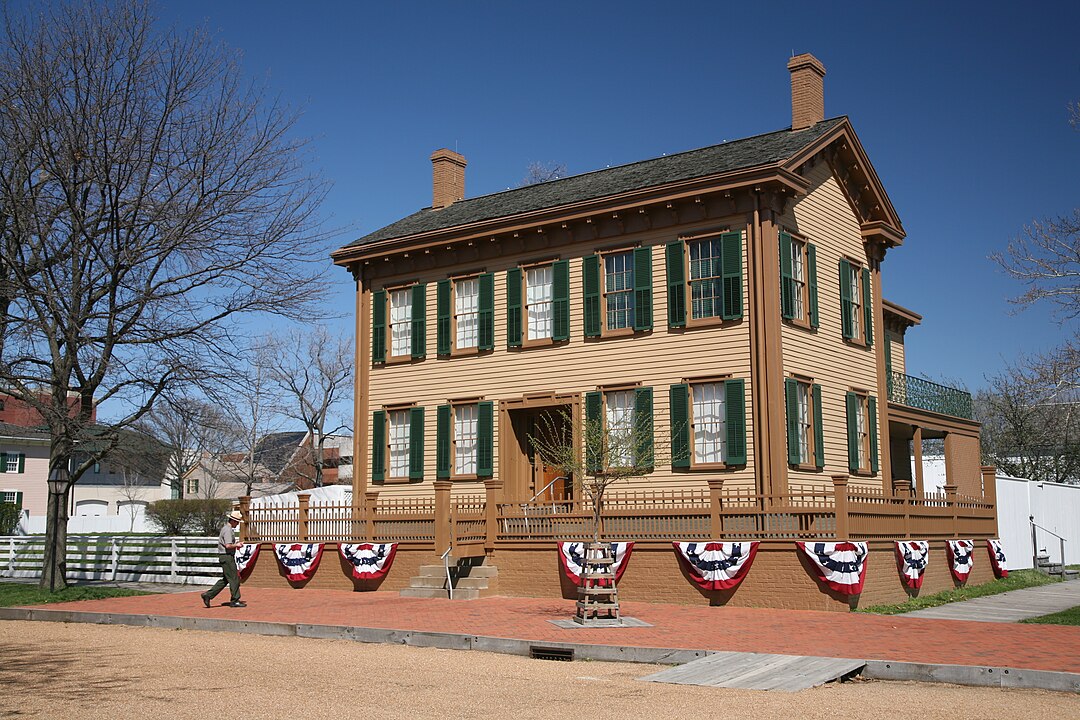
Abraham Lincoln’s preserved Illinois home captures the quiet domestic life he shared before becoming president. Visitors walk through restored rooms that display his early career, family memories, and formative decisions. The home conveys Lincoln’s humble origins and evolving political identity. Families leave with a deeper understanding of the man behind the presidency.
The Truman Home
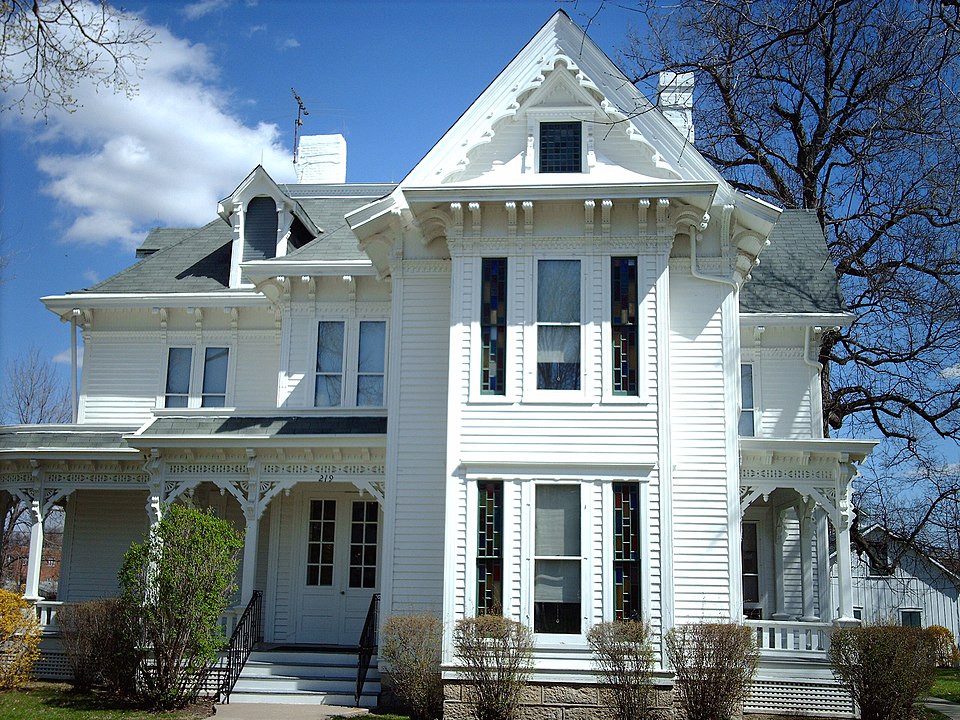
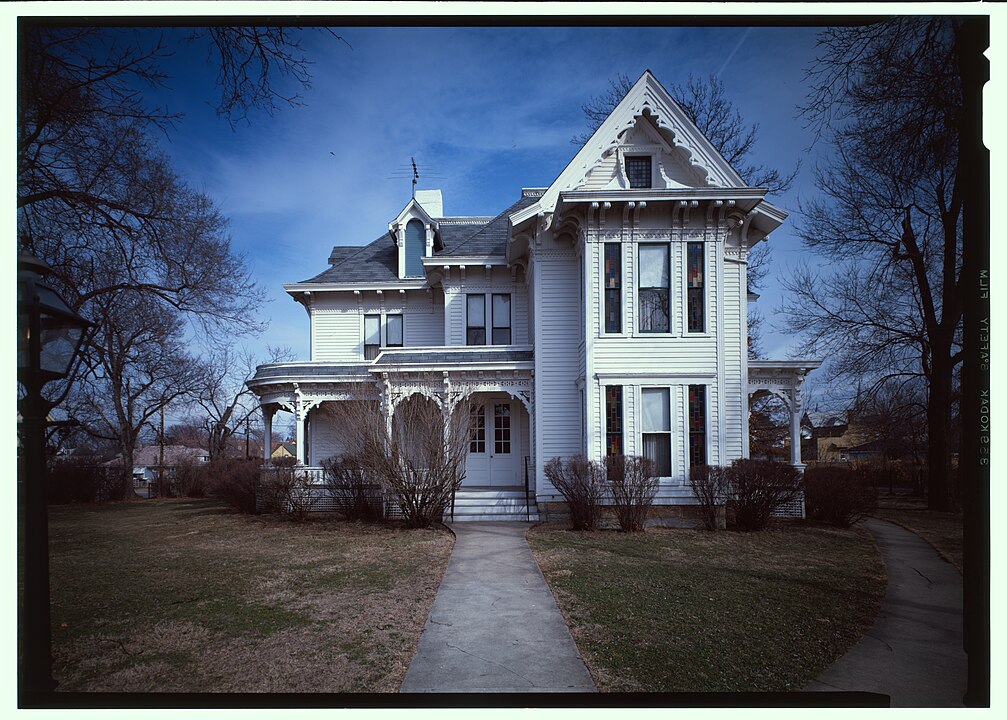
The Truman Home preserves the everyday life of Harry S. Truman in his Missouri community. Its décor remains largely unchanged, portraying the modest lifestyle Truman valued. Visitors see how the president balanced responsibility with a strong sense of humility. The home illustrates the simpler side of political leadership.
The Fallingwater House
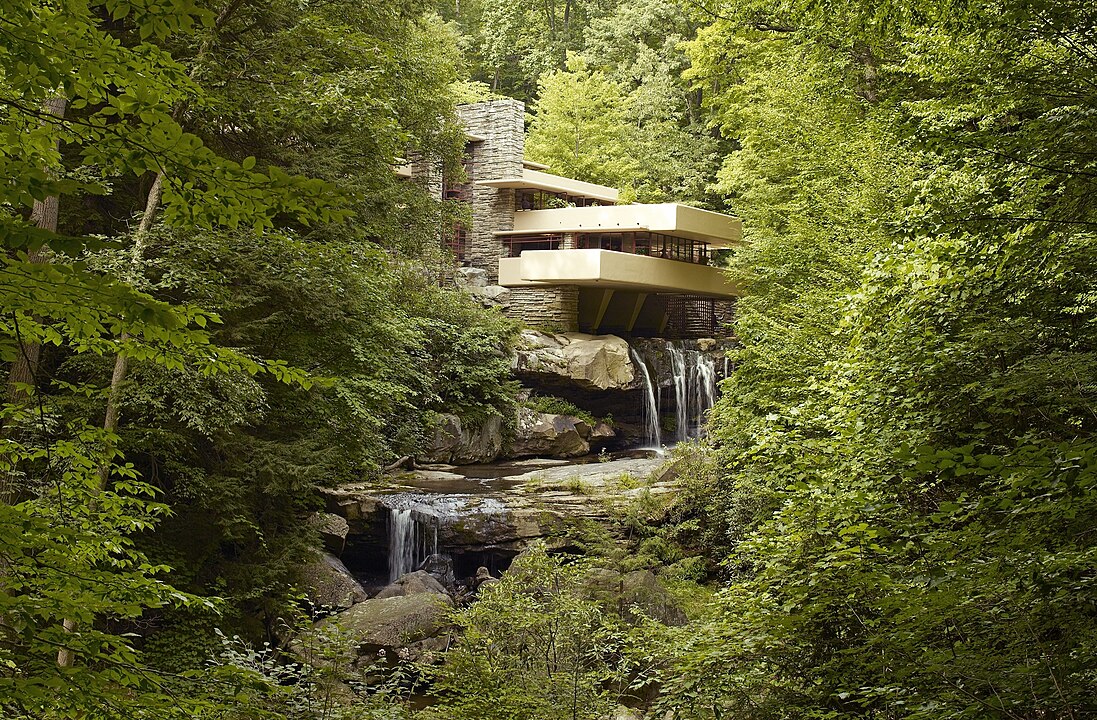
Fallingwater, designed by Frank Lloyd Wright, stands as one of the most influential works of American architecture. Built over a waterfall, the home blends natural landscapes with modern design principles. Visitors see how Wright envisioned harmony between structure and environment. Fallingwater remains a defining symbol of American creativity.
The Hearst Castle
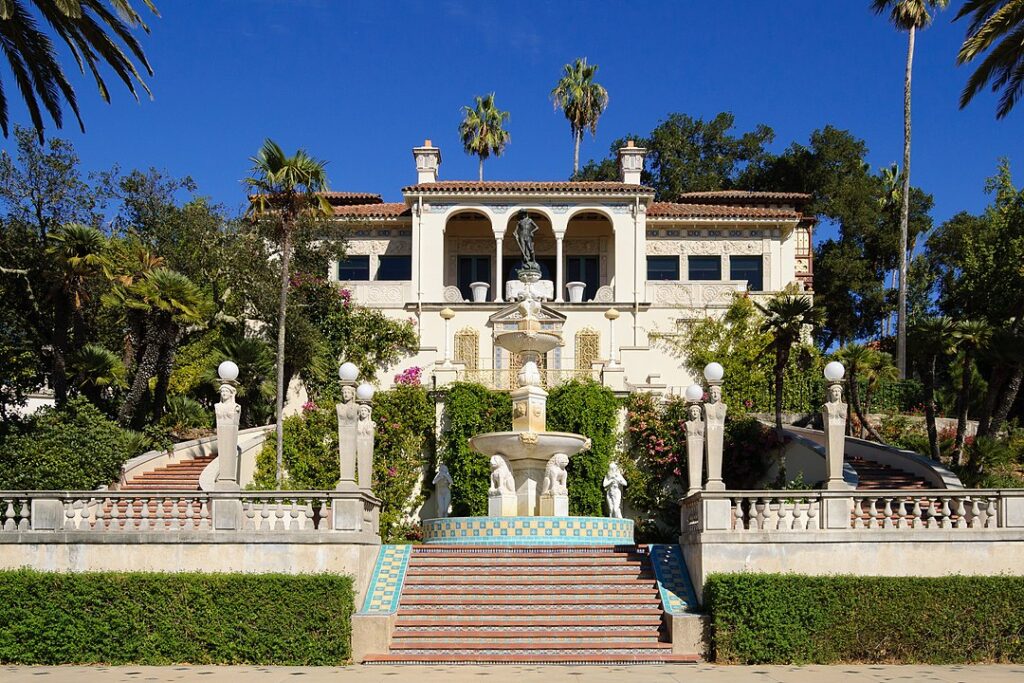
Hearst Castle represents the larger-than-life personality of media mogul William Randolph Hearst. Its grand halls, pools, and art collections showcase extreme ambition and opulence. Tours allow families to understand how media power shaped American culture. The estate remains one of the most extravagant homes ever built.
The Vanderbilt Marble House
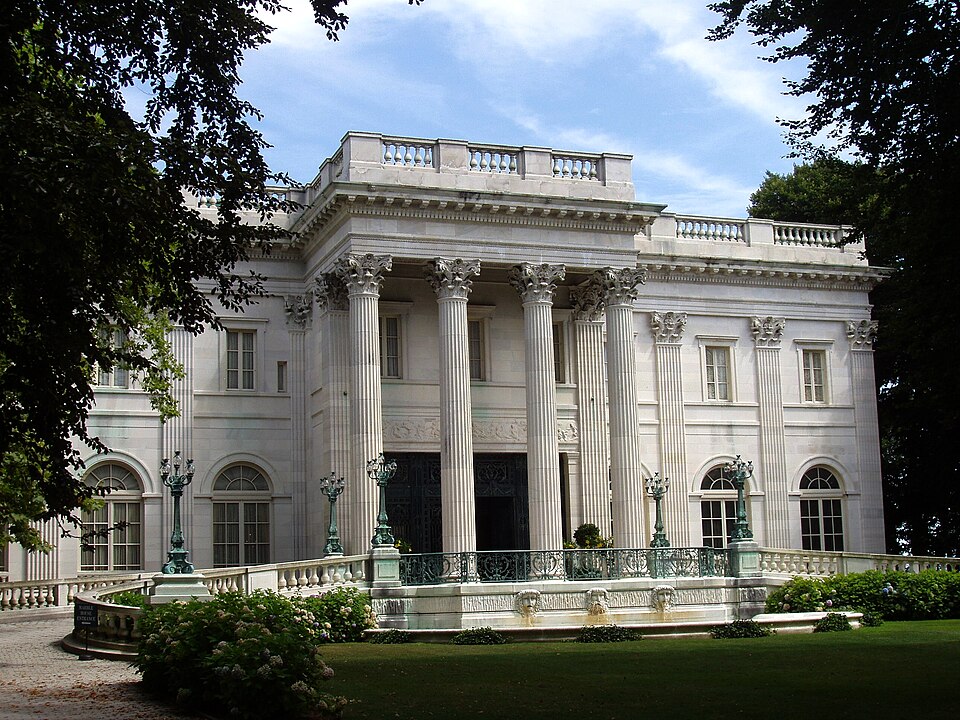
Marble House stands as a Gilded Age masterpiece featuring extravagant stonework and European-inspired design. Visitors explore detailed rooms filled with historic furnishings and platinum-level luxury. The home reflects the lifestyle of America’s wealthiest families in the late 1800s. It represents a defining era in American economic history.
The Lyndon B. Johnson Ranch
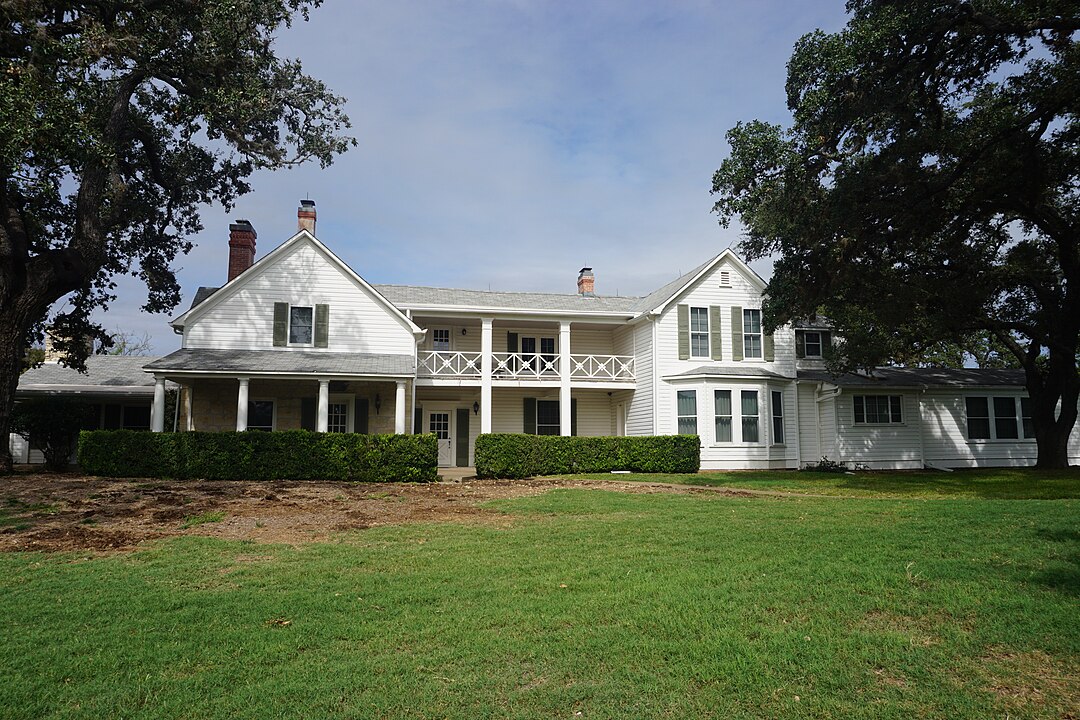
The LBJ Ranch, often called the “Texas White House,” captures the personal and political world of President Johnson. Visitors see his offices, vehicles, and meeting spaces used during pivotal national decisions. The ranch also highlights Johnson’s dedication to rural development. It remains a powerful political landmark.
The New Salem Historic Village
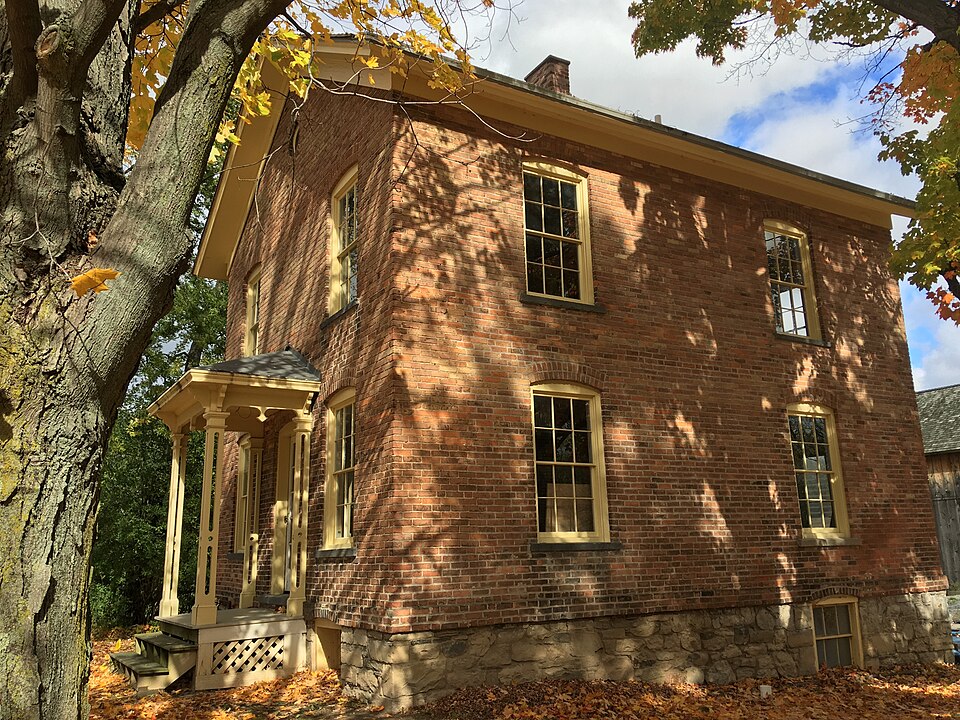
New Salem reconstructs the village where Abraham Lincoln lived as a young adult. Families walk through log cabins, shops, and workspaces reflecting frontier life. Actors reenact daily tasks from the 1830s, helping history come alive. The village preserves the early experience that helped shape Lincoln’s character.