Buying a home is often one of the biggest financial decisions in life, and many people focus only on the price listed on the property. While the sticker price may be the most obvious expense, there are many other costs that come into play when you begin the journey of homeownership. Some of these hidden costs can sneak up on you and put a strain on your budget if you are not prepared. Knowing what to expect allows you to make better choices and avoid surprises that could take the shine off your new purchase. Here are seventeen hidden costs every buyer should keep in mind.
Closing Costs

Closing costs are the fees and charges paid at the final step of buying a home, and they often catch buyers off guard. These can include attorney fees, title search fees, appraisal costs, and lender charges, which together may add up to several thousand dollars. Many buyers underestimate this total and only budget for their down payment. Since closing costs usually range from two to five percent of the purchase price, being prepared for this large expense is crucial. Knowing ahead of time prevents the stress of scrambling to cover costs at the last moment.
Property Taxes

Property taxes are an ongoing cost that can vary greatly depending on where the home is located. Even if the purchase price feels affordable, annual taxes can significantly increase your monthly expenses. In some regions, taxes may rise over time as home values increase, creating an even larger financial burden. Many first time buyers forget to calculate this into their long term budgets. Always research the current property tax rate in the neighborhood before committing to a home. Planning ahead ensures you are not caught off guard by a bill that could challenge your financial stability.
Homeowners Insurance

Lenders typically require homeowners insurance to protect the property against risks like fire, theft, or storm damage. While it may seem like a small addition, insurance premiums can vary widely based on the age of the home, location, and coverage levels. In areas prone to natural disasters, policies can be significantly higher and may even require additional riders. It is important to get quotes early in the buying process to understand the full cost of protecting your new investment. Skipping this step could result in an unpleasant surprise once the purchase is finalized.
Private Mortgage Insurance

Private Mortgage Insurance, often called PMI, is an added cost for buyers who put down less than twenty percent on their mortgage. While it helps lenders reduce their risk, it can add hundreds of dollars to your monthly payment without building equity in your home. Many buyers do not realize how much this cost affects affordability until after they commit. Though PMI can eventually be removed when equity reaches a certain level, it still creates a significant upfront burden. Being aware of this requirement allows you to plan for larger down payments or future refinancing options.
Appraisal Fees

Before approving a mortgage, lenders require a professional appraisal to confirm the home’s market value. While this protects both the buyer and the lender from overpaying, the cost of an appraisal is typically the buyer’s responsibility. Depending on the size of the property and its location, appraisal fees can range from several hundred to over a thousand dollars. Many buyers overlook this fee when calculating upfront expenses. Scheduling the appraisal early and budgeting for it ensures you are not blindsided by an essential step that is required for the home purchase to move forward.
Home Inspections

A home inspection is strongly recommended before buying, as it uncovers potential issues with plumbing, electrical systems, roofing, or structure. Although inspections come with a price tag that may reach several hundred dollars, skipping one can lead to far greater costs down the road if hidden problems are missed. Some buyers try to cut corners by avoiding inspections, but this often backfires when expensive repairs appear later. Treating the inspection as an investment in peace of mind ensures you know exactly what you are purchasing, and it allows you to negotiate repairs before closing the deal.
Moving Expenses

It is easy to focus so much on the purchase itself that the cost of moving becomes an afterthought. Depending on how far you are relocating, moving expenses can include truck rentals, professional movers, packing supplies, and even temporary storage. For long distance moves, the bill can climb into the thousands. Even small local moves involve fuel costs and heavy labor. Factoring in these expenses prevents stress when moving day arrives. Planning ahead also allows you to decide whether to handle the move yourself or hire professionals for convenience and efficiency.
Utilities and Connection Fees
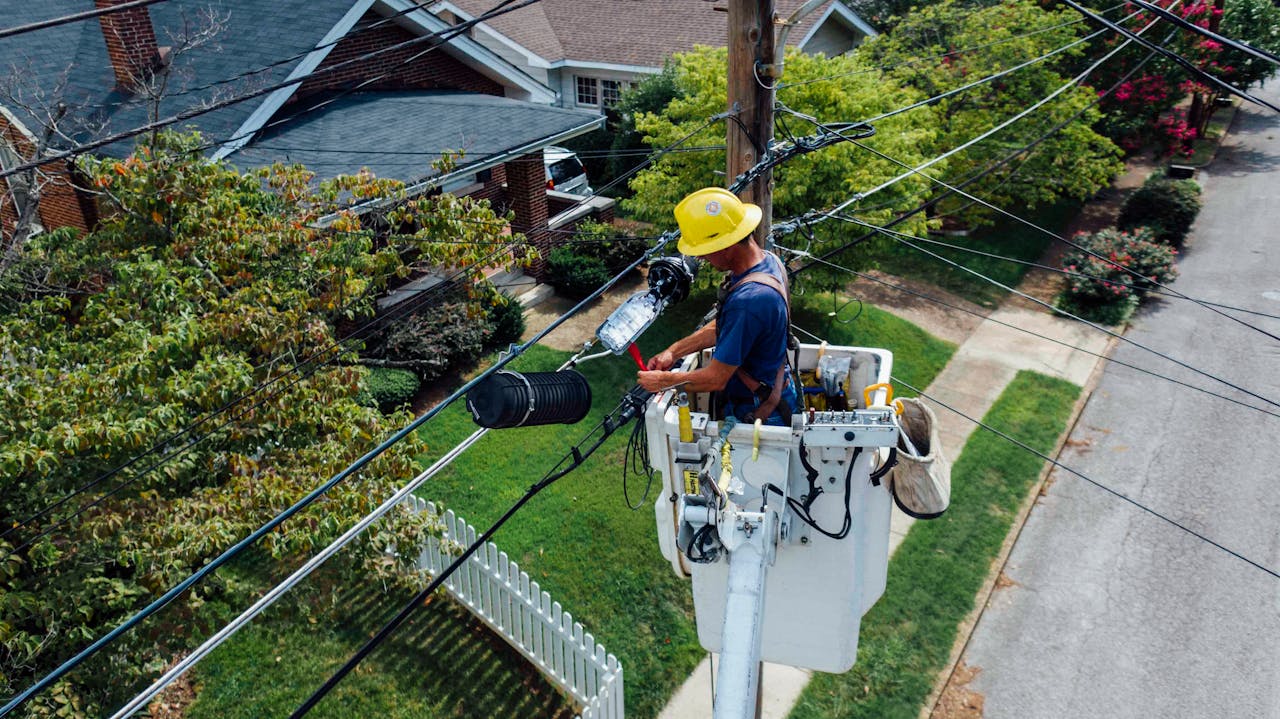
Once you move in, you will need to set up electricity, water, gas, internet, and other utilities, which often come with connection or activation fees. Some providers require deposits for new customers, especially if you do not have an established payment history. These charges can add up quickly and surprise new homeowners. Beyond the initial setup, utility bills themselves may be higher than expected if the home is larger or less energy efficient than your previous living space. Reviewing average utility costs in the area can help you prepare for this often overlooked category.
Repairs and Maintenance

Even a brand new home requires ongoing upkeep, while older homes often demand more frequent repairs. From fixing leaky faucets to replacing worn out appliances, maintenance is an unavoidable cost that adds up over time. Experts recommend budgeting at least one percent of the home’s value annually for repairs. Failing to set aside funds for these inevitable expenses can leave you scrambling when something breaks unexpectedly. Having a dedicated repair fund helps you address problems quickly and keeps your home in good condition without financial stress.
HOA Fees

If your new home is located in a community governed by a Homeowners Association, monthly or annual HOA fees will be part of your ongoing costs. These fees cover maintenance of shared spaces, landscaping, or community amenities like pools and gyms. While they can add value to the neighborhood, they also represent a significant financial commitment that may increase over time. Some buyers are caught off guard when HOA rules also require approval for home improvements. Understanding the association’s fees and restrictions beforehand prevents frustration and allows you to budget accordingly.
Landscaping Costs

Keeping your yard attractive and functional comes with costs that many buyers do not anticipate. Whether it is lawn care, tree trimming, or seasonal planting, landscaping expenses can quickly become a regular part of your budget. Homes with large yards or elaborate gardens often require professional services, which can be expensive. Even basic upkeep may require purchasing new tools and equipment. Considering landscaping needs early helps you decide whether you can manage the work yourself or need outside help. Factoring this into your costs avoids the disappointment of an overgrown or neglected yard.
Pest Control

Pests like termites, ants, or rodents can cause costly damage if left unchecked. While an initial home inspection may uncover signs of infestation, regular pest control is often necessary to protect the property. These services can involve quarterly treatments that add up over the course of the year. Many homeowners are surprised at how quickly pest control becomes a routine expense. Ignoring this need can lead to far more expensive repairs in the future. Making pest control part of your budget ensures your investment remains safe and your living environment healthy.
Renovation and Personalization
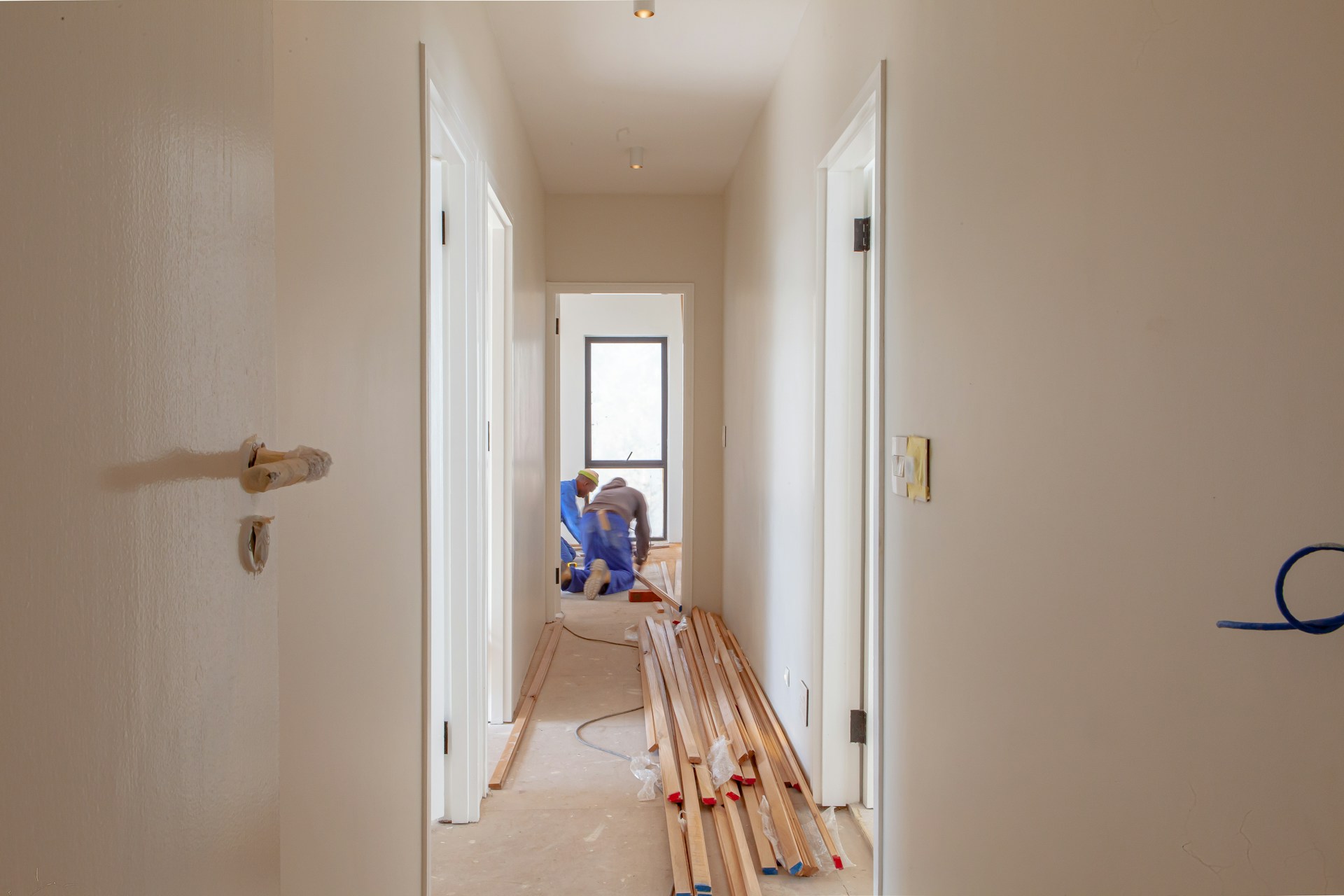
Few buyers move into a home and find it perfectly suited to their style and needs. Renovations, upgrades, or even small personalization projects often follow soon after closing. Whether it is painting walls, updating lighting, or remodeling a bathroom, these costs can quickly pile up. Even modest changes take both time and money, especially if professional help is needed. Setting aside funds for adjustments allows you to enjoy your home sooner without feeling overwhelmed by unexpected expenses. This preparation makes it easier to turn the house into a space that feels truly yours.
Appliance Replacements

Many homes come with existing appliances, but they may be older models nearing the end of their lifespan. Replacing refrigerators, ovens, washers, or dryers can cost thousands of dollars, and often these expenses arise shortly after moving in. While it is easy to overlook during the buying process, checking the age and condition of included appliances helps you anticipate upcoming costs. Budgeting for replacements prevents financial strain and ensures you are not left without essential items soon after purchasing your home.
Furniture and Decor

Even if you already own furniture, moving into a new home often means needing additional pieces to fit the new layout or fill larger spaces. Buying furniture, window coverings, and decor can add up quickly, especially when you want the home to feel comfortable and inviting right away. Many new homeowners underestimate how much it costs to furnish each room. Planning for these expenses helps you avoid maxing out credit cards or leaving spaces bare. Gradually building your collection with a clear budget keeps this cost manageable over time.
Emergency Fund for Unexpected Issues

Unexpected problems can arise shortly after moving in, from a burst pipe to a broken furnace. Without an emergency fund, these situations can become stressful and financially draining. Setting aside money specifically for unforeseen issues ensures you are ready to address problems quickly without derailing your budget. Many financial experts recommend maintaining a few months of living expenses in reserve for emergencies. Having this safety net makes homeownership more secure and less overwhelming when the unexpected happens.
Ongoing Legal or Administrative Fees

In some cases, owning property can involve legal or administrative expenses beyond the purchase itself. This might include updating legal documents, filing fees for permits, or charges related to zoning or property adjustments. While not as common as other costs, these fees can arise unexpectedly depending on your situation. Being aware that such expenses exist prepares you for occasional surprises. It is wise to factor in some flexibility to cover these less predictable but still real costs of homeownership.
While buying a home is an exciting milestone, it comes with many hidden expenses that extend far beyond the sale price. From upfront costs like inspections and appraisals to long term commitments such as taxes, insurance, and maintenance, these financial factors shape the true cost of ownership. By planning for them in advance, you protect yourself from stress and disappointment, giving you the ability to enjoy your home with confidence and peace of mind. Prepared buyers make better choices and turn the dream of homeownership into a more manageable reality.