Fashion never truly disappears. It waits patiently in closets, thrift stores, and old photo albums until a new generation rediscovers it. Gen Z has turned this cycle into a cultural reset by unearthing looks that once defined American youth. What seemed outdated or embarrassing years ago is suddenly iconic again. These trends return not as replicas, but as reinventions shaped by social media, nostalgia, and identity. Gen Z treats clothing like storytelling, and these revivals prove that history is stitched into every hem, buckle, and pattern still waiting to be worn again.
Low Rise Jeans
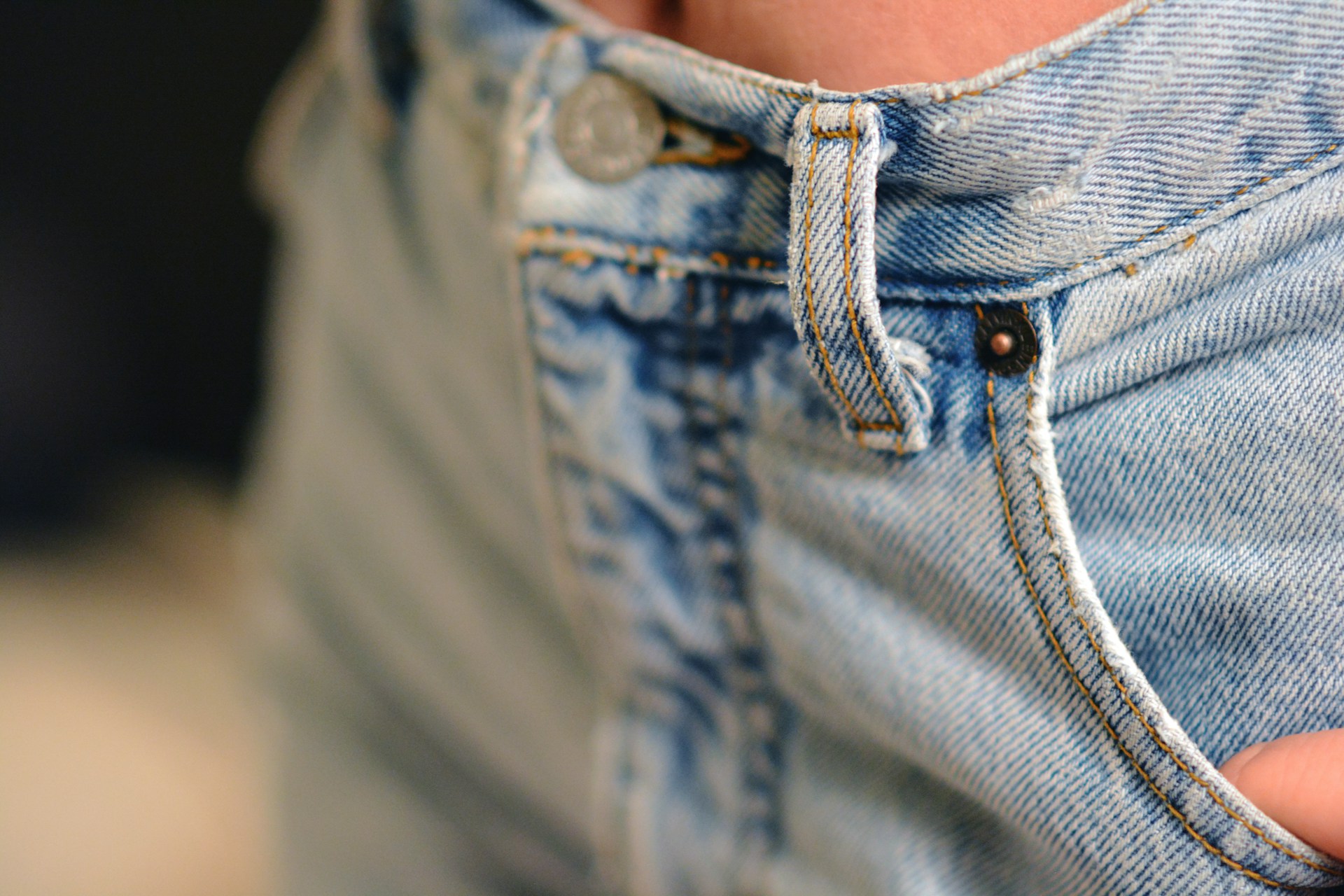
Once dismissed as a relic of early 2000s pop culture, low rise jeans are now trending on social media, where Gen Z pairs them with modern silhouettes and confidence driven styling. The look shifts the focus from high waistlines to relaxed, hip slung fits that feel more rebellious than polished. Critics questioned the comeback, yet influencers turned doubt into demand. What was once a mall staple has returned as a personal statement, proving that trends never die. They simply wait for someone bold enough to reclaim them.
Cargo Pants
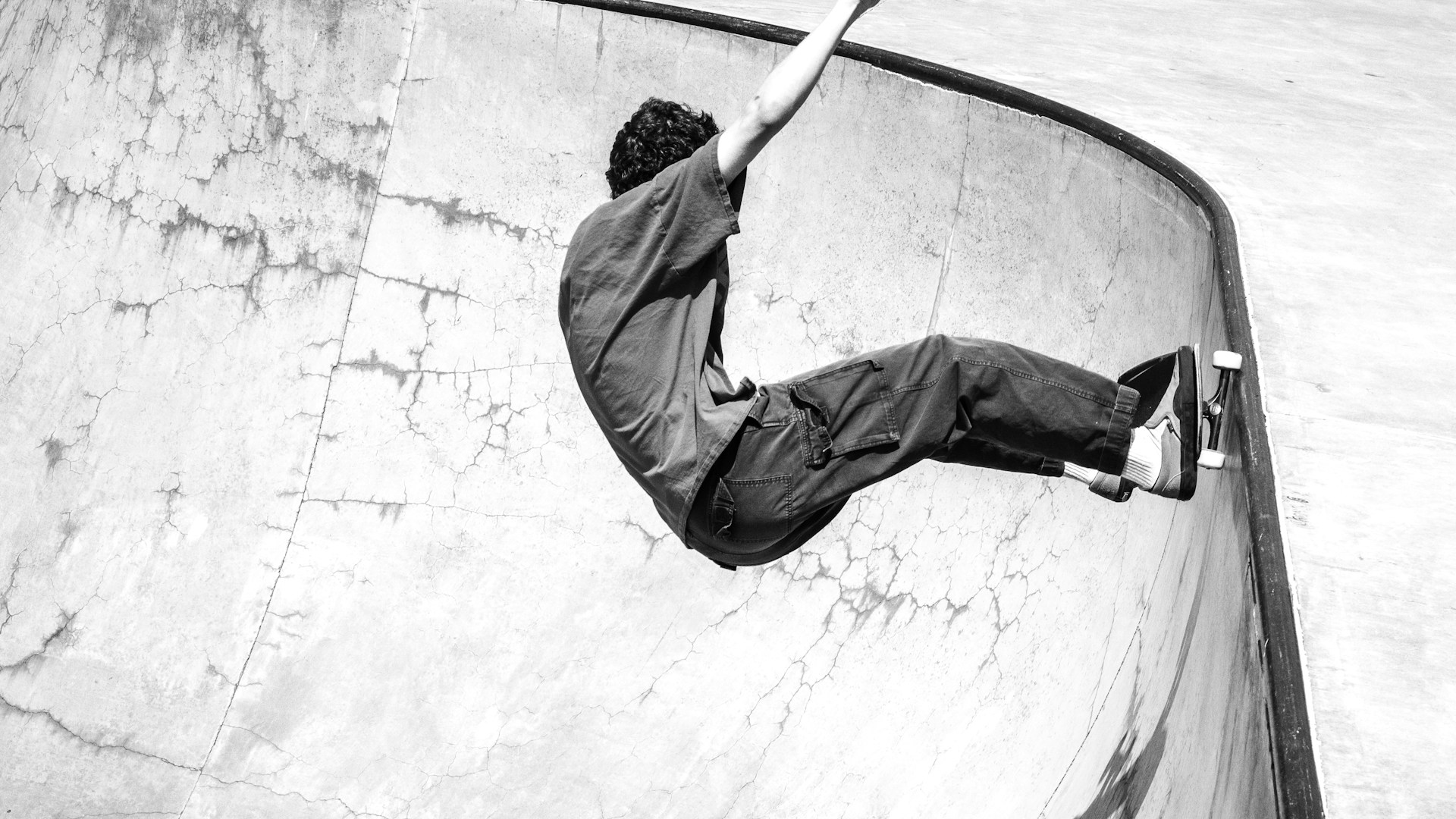
Cargo pants once symbolized utility and outdoor adventure, but Gen Z treats their oversized pockets as part of a playful aesthetic. What once carried gadgets now carries identity. The pants appear in denim, parachute fabric, and streetwear edits that transform practicality into fashion. Their loose structure rejects rigid beauty standards, turning comfort into confidence. What used to be weekend attire now appears at concerts, photo shoots, and city walks. Cargo pants show how nostalgia and innovation can share the same seams.
Baby Tees

Baby tees turn minimal fabric into maximum impact. Originally worn in the late 90s and early 2000s, these cropped tops resurfaced as Gen Z embraced fitted silhouettes that contrast with oversized bottoms. The shirts now carry graphics, slogans, and vintage references that transform simple cotton into cultural messaging. Their return reflects a desire for playful rebellion rather than polished perfection. Baby tees prove that fashion thrives when it feels effortless, confident, and slightly mischievous.
Flared Jeans
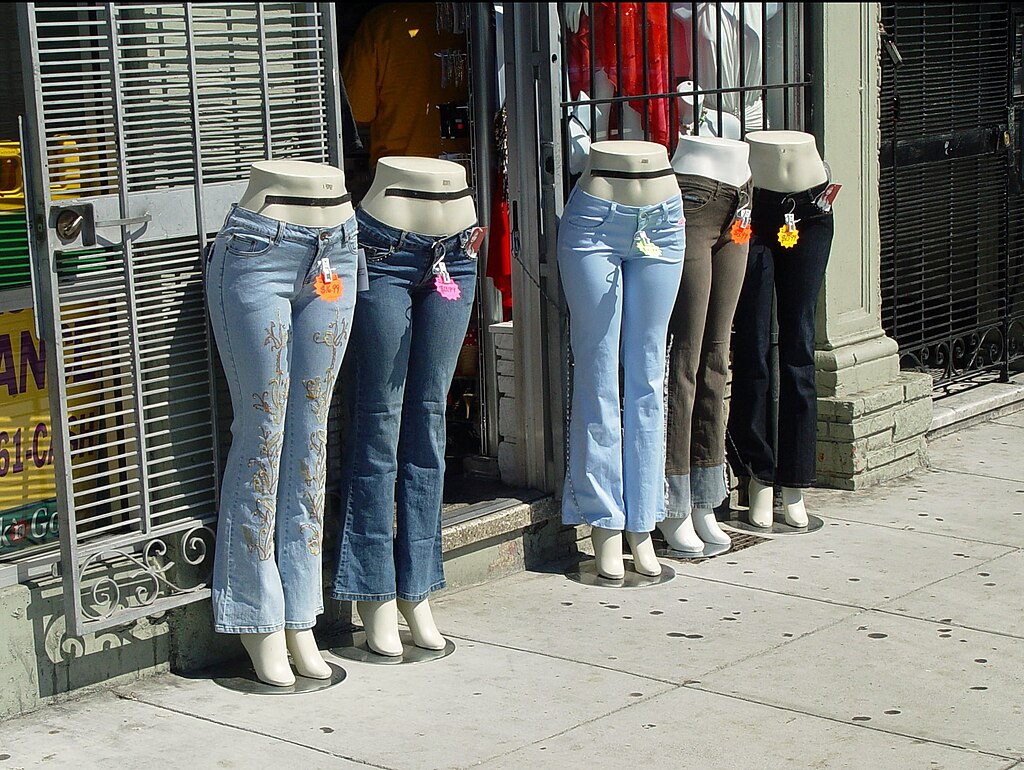
Flared jeans once defined disco nights and 70s swagger, but their comeback owes more to Gen Z’s love for balanced shapes than nostalgia alone. The flare alters posture, movement, and presence. It softens the line between casual and dramatic, replacing skinny jeans with motion and air. These jeans return as a quiet protest against restrictive fits, offering room to breathe and space for style. Whether paired with boots or sneakers, flares turn every sidewalk into a subtle runway.
Velour Tracksuits
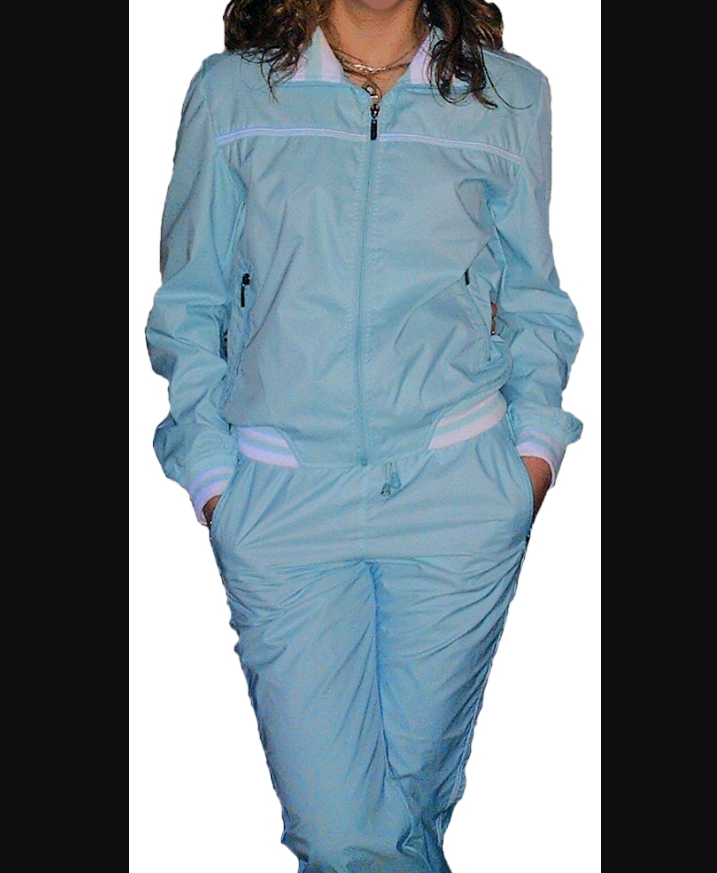
Velour tracksuits dominated early celebrity culture, then vanished into fashion memory. Their revival brings comfort and glamour into the same outfit. Gen Z treats velour as a texture of confidence rather than luxury, pairing sets with sneakers and bold accessories. The trend blends softness with swagger, offering a uniform for people who want to feel comfortable without disappearing. Velour makes the mundane feel intentional and the casual feel curated. It is fashion you can lounge in and still feel seen.
Fanny Packs
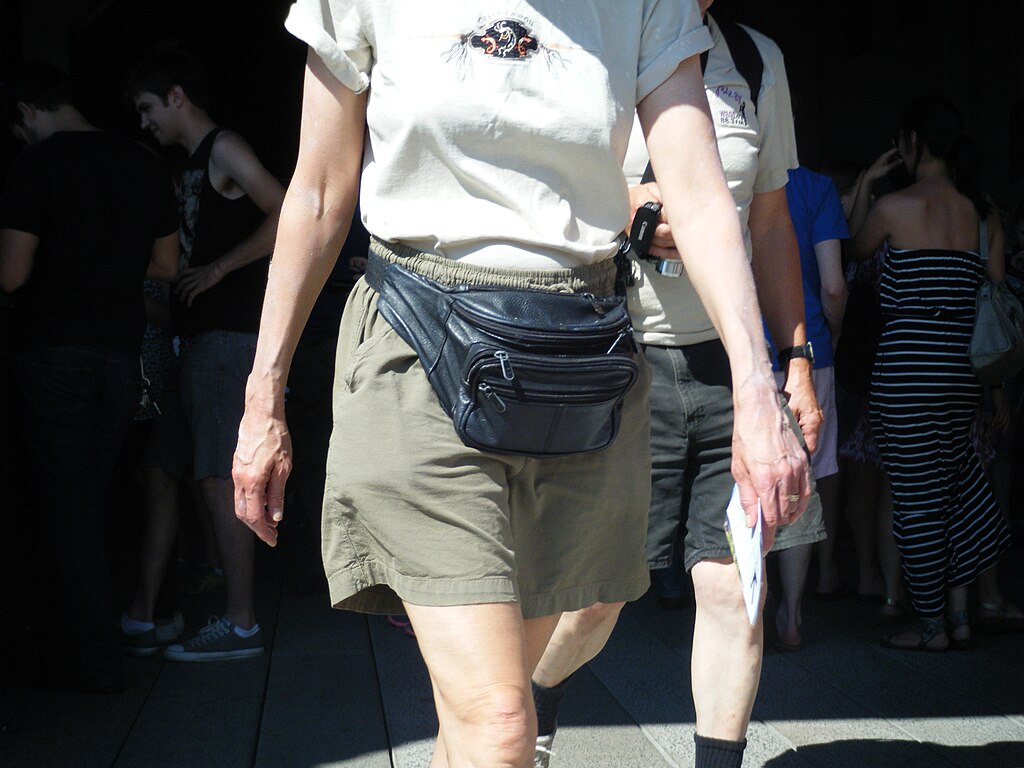
Fanny packs were once the punchline of tourist jokes, yet Gen Z transformed them into a hands free accessory that reflects practicality and edge. These packs accent outfits rather than hide behind them. Worn crossbody, at the waist, or over jackets, they flatten the line between storage and style. Their return proves that usefulness can be fashionable, and that confidence often starts with not needing both hands to hold your life together. The once mocked accessory now leads the revival of functional fashion.
Platform Sandals
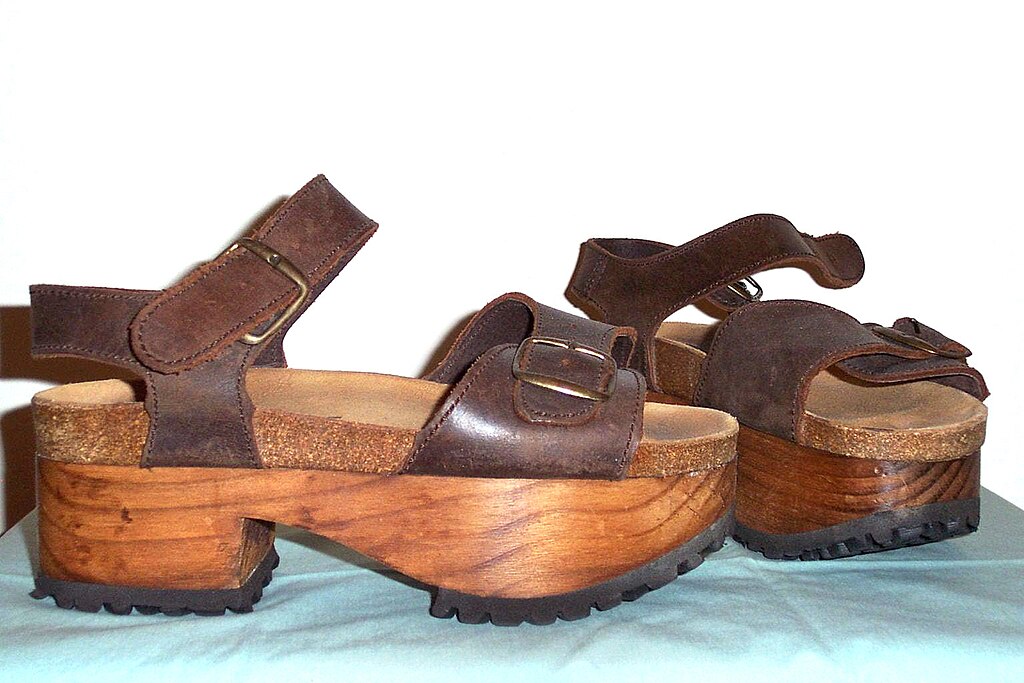
Platform sandals elevate more than height. Their exaggerated soles create silhouettes that feel playful yet powerful. Gen Z treats these sandals as statements rather than casual slip ons. The trend bends nostalgia into personality, blending 90s pop aesthetics with modern outfits. What once looked impractical now feels expressive. Platforms remind wearers that fashion is not about blending in. It is about stepping into a room and refusing to shrink.
Butterfly Clips
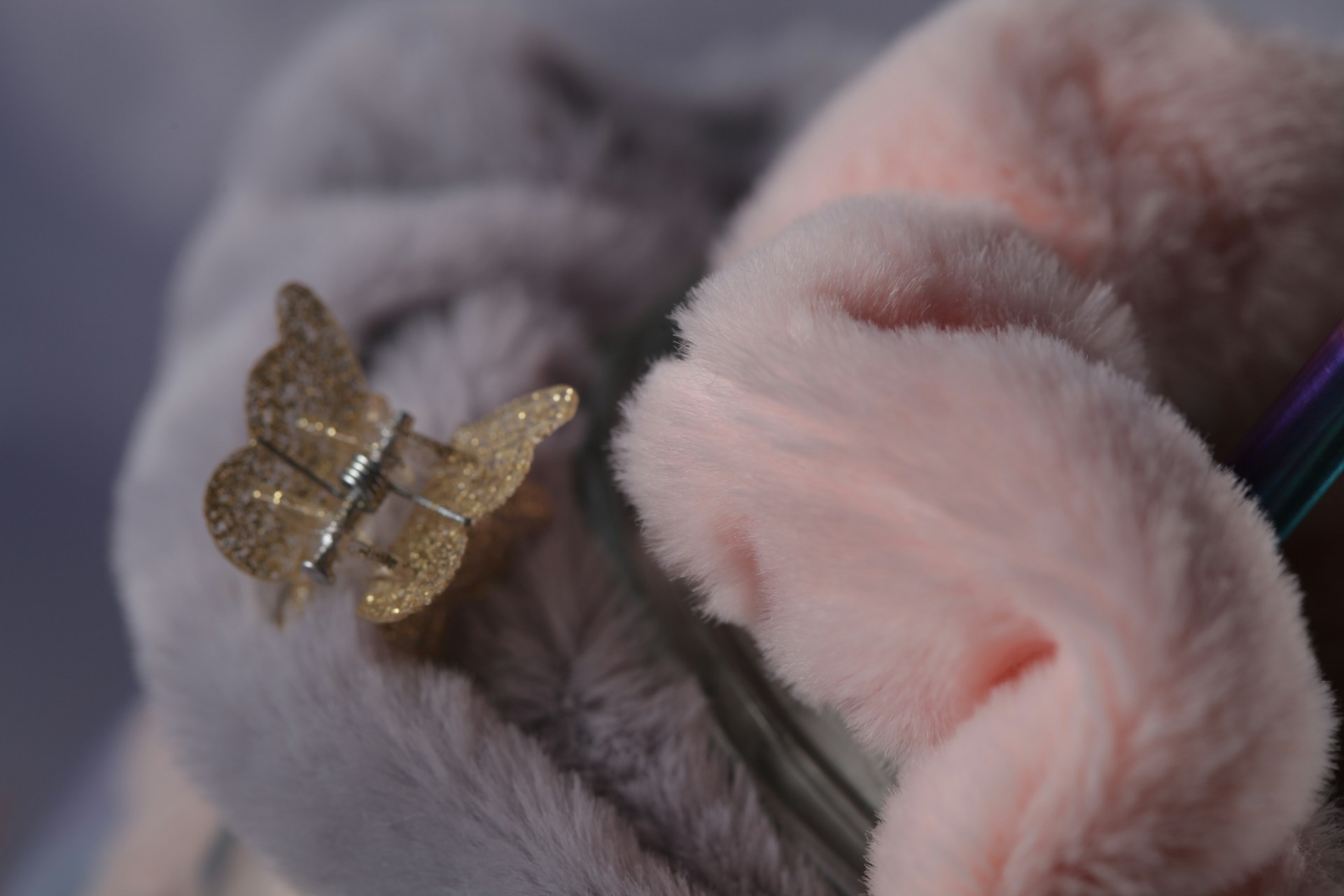
Butterfly clips fluttered through childhood hairdos, then disappeared when trends shifted. Now they return as tiny emblems of joy. Gen Z uses them not for neatness, but for expression. Clips scatter through braids, curls, and layered hairstyles, turning hair into canvas. Their comeback celebrates whimsy over polish, proving that style can be playful without appearing childish. Butterfly clips revive a memory, then reinvent it as art.
Tie Dye Everything
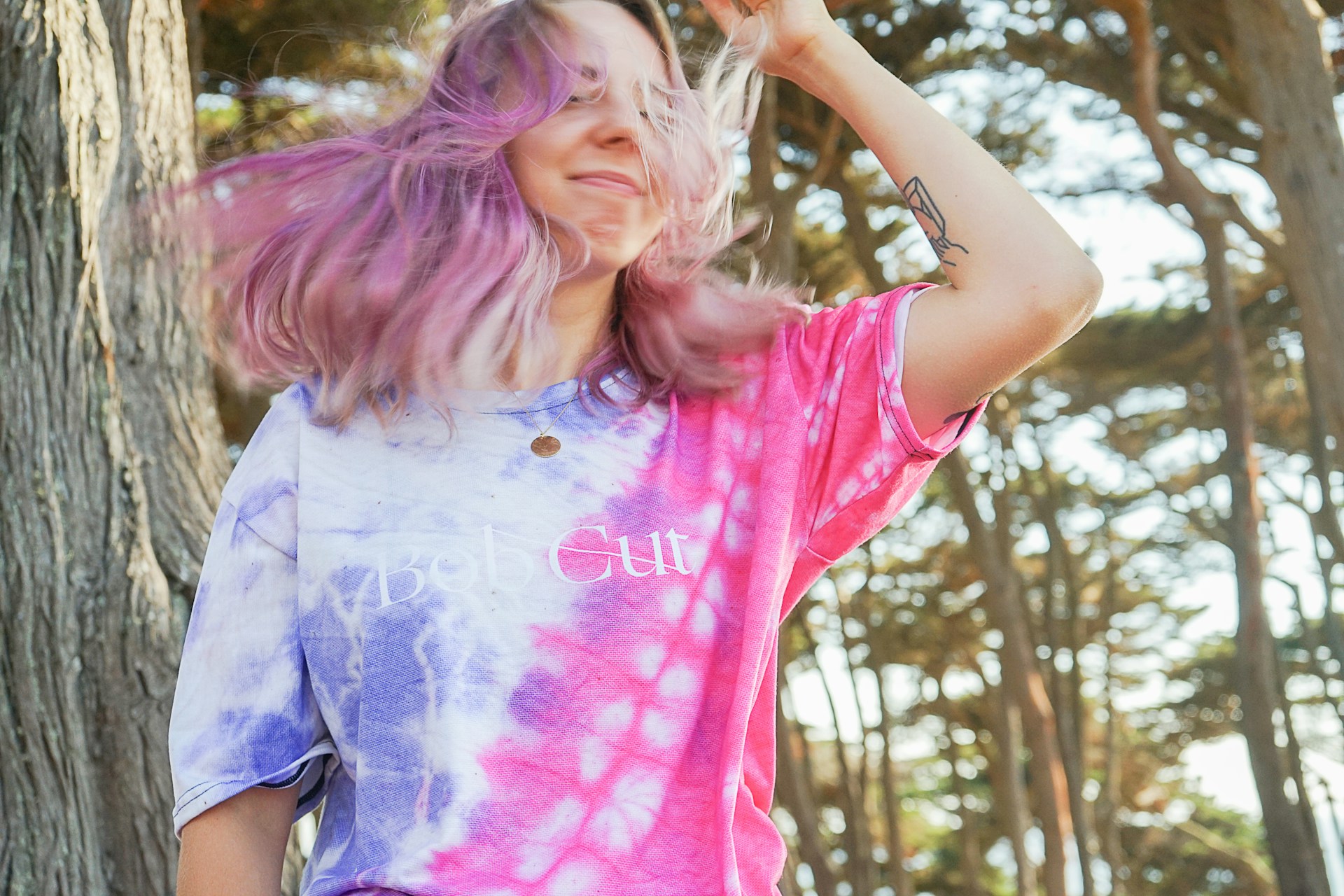
Tie dye once defined counterculture movements, youth camps, and music festivals. Today, it represents individuality wrapped in color. Gen Z turned tie dye into a digital era experiment, using palettes and patterns the 60s never imagined. Hoodies, pants, and jackets carry swirls that feel handcrafted and unrepeatable. Tie dye transforms clothing into emotional texture, letting people wear mood instead of fabric. The trend speaks to freedom stitched into every curve of color.
Oversized Blazers
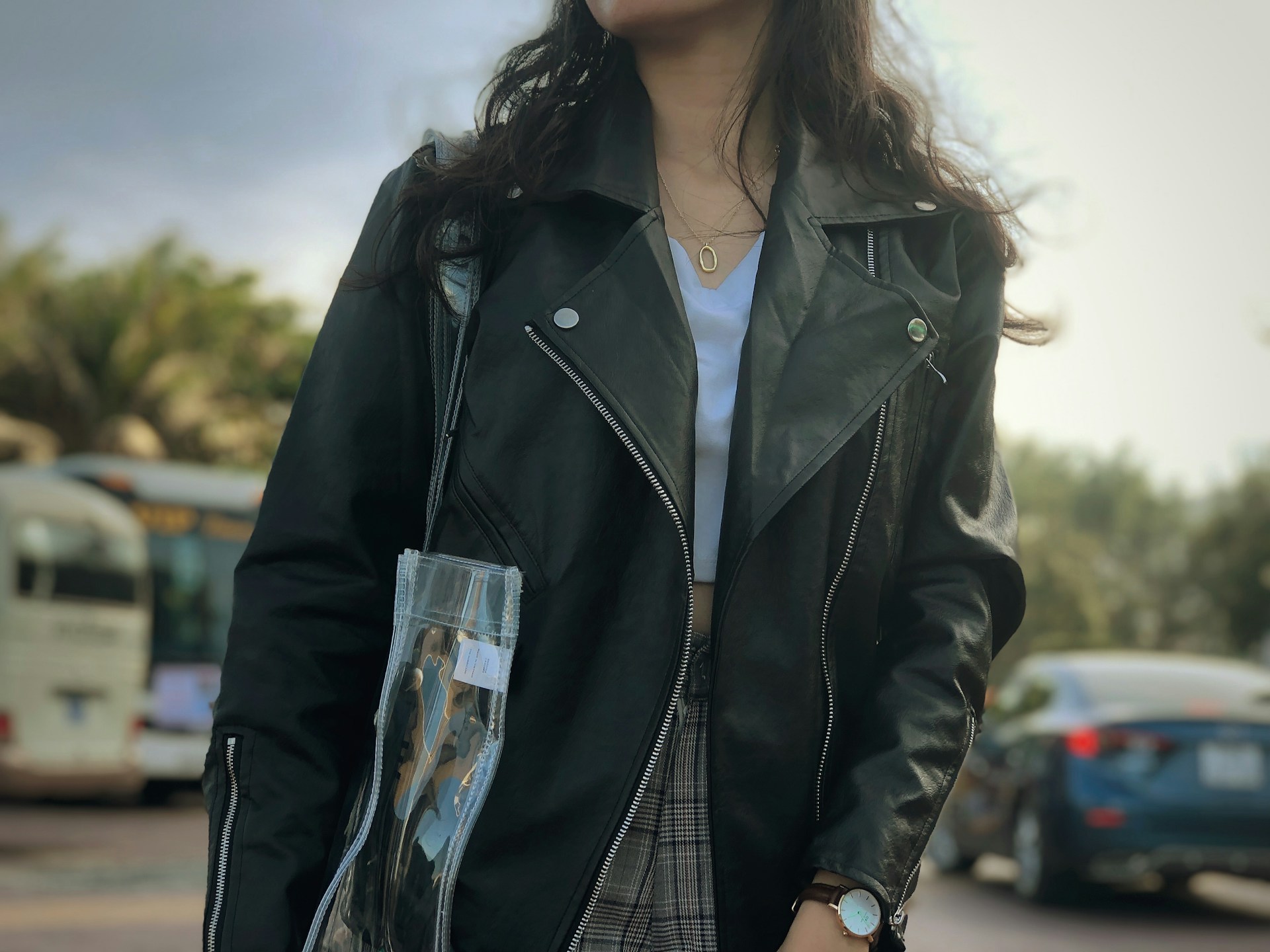
Oversized blazers reappear as armor for a generation that mixes comfort with assertiveness. Once a corporate staple, the blazer now escapes formality and pairs with denim, shorts, and sneakers. Its structure adds presence without stiffness. Gen Z uses it to blur gender lines and rewrite professionalism. The blazer becomes an invitation to take up space, physically and socially. What once symbolized office hierarchy now symbolizes personal authority.
Cat Eye Glasses
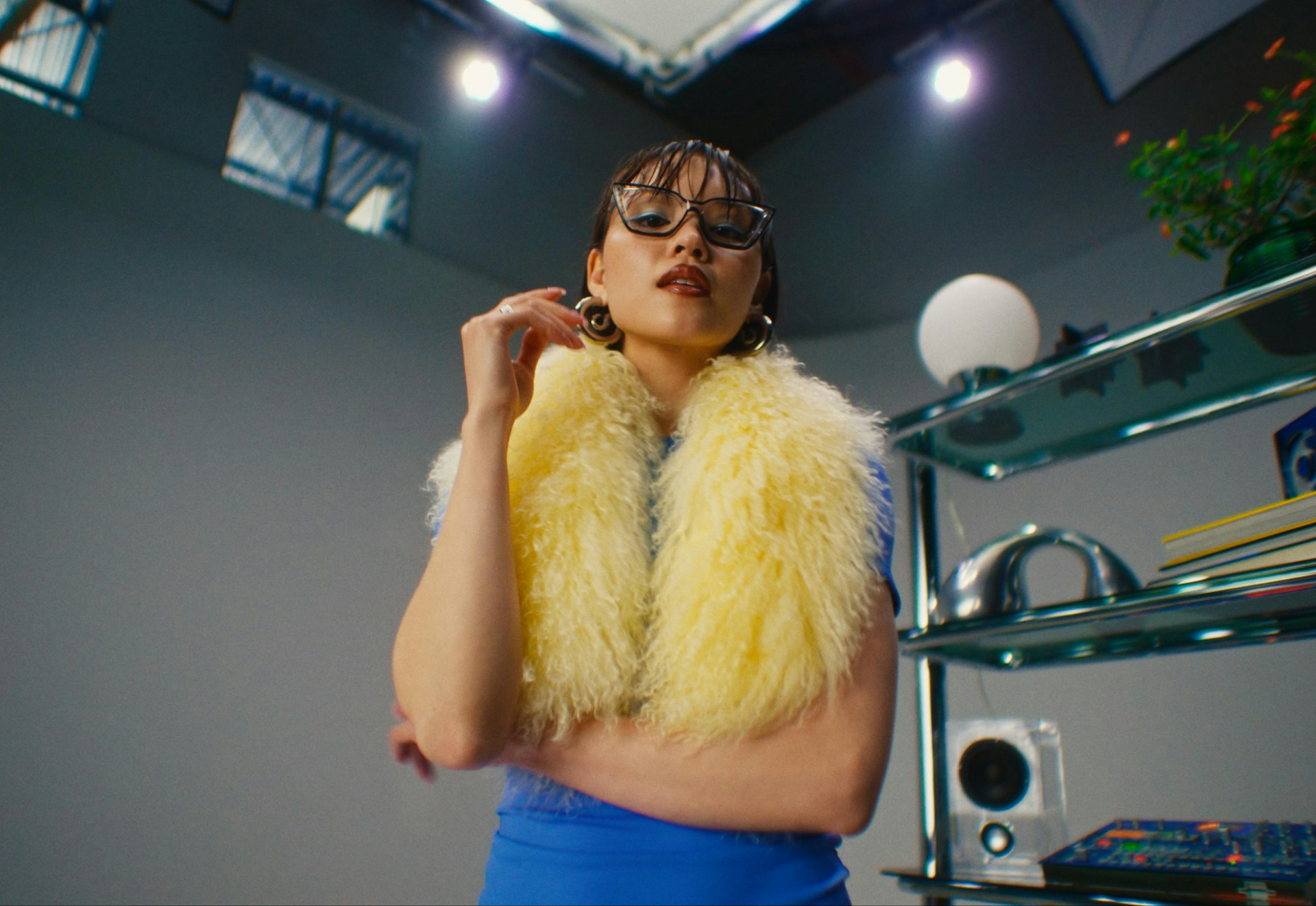
Cat eye glasses sharpen expression through shape alone. Their angles evoke retro glamour, yet Gen Z wears them with streetwear and casual outfits. The frames turn faces into focal points, offering attitude without words. Their revival represents a desire for silhouettes that carry history while remaining modern. Cat eye sunglasses prove that accessories can define emotion, not just outfit direction. They stare back at trends rather than follow them.
Pleated Tennis Skirts
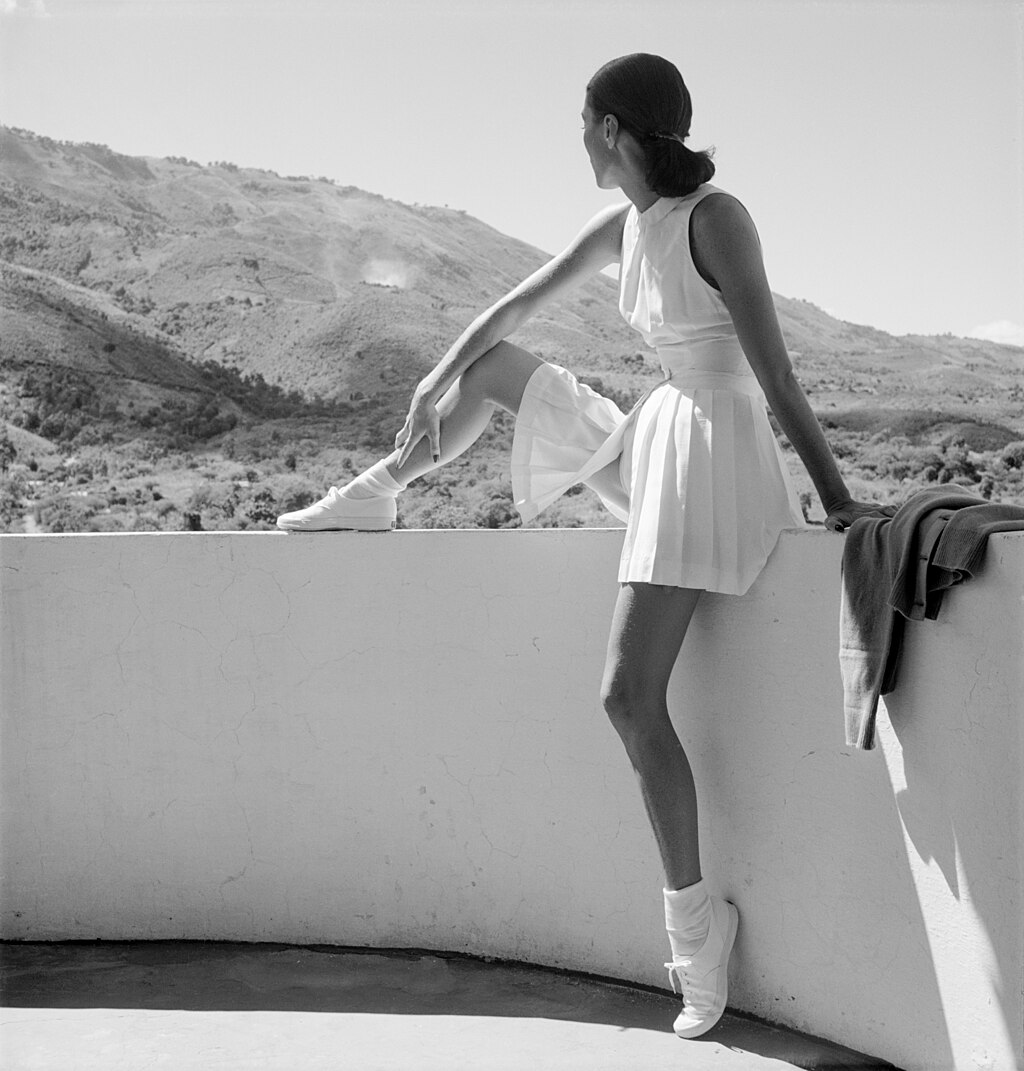
Pleated tennis skirts take athletic heritage and filter it through fashion. Gen Z turned them into everyday wear, pairing them with sweaters, tees, and jackets. These skirts feel polished yet light, offering movement without constraint. Their return reflects a fascination with prep culture reimagined through a playful lens. The skirts symbolize confidence wrapped in fabric that sways rather than clings. They redefine sporty as stylish.
Jorts
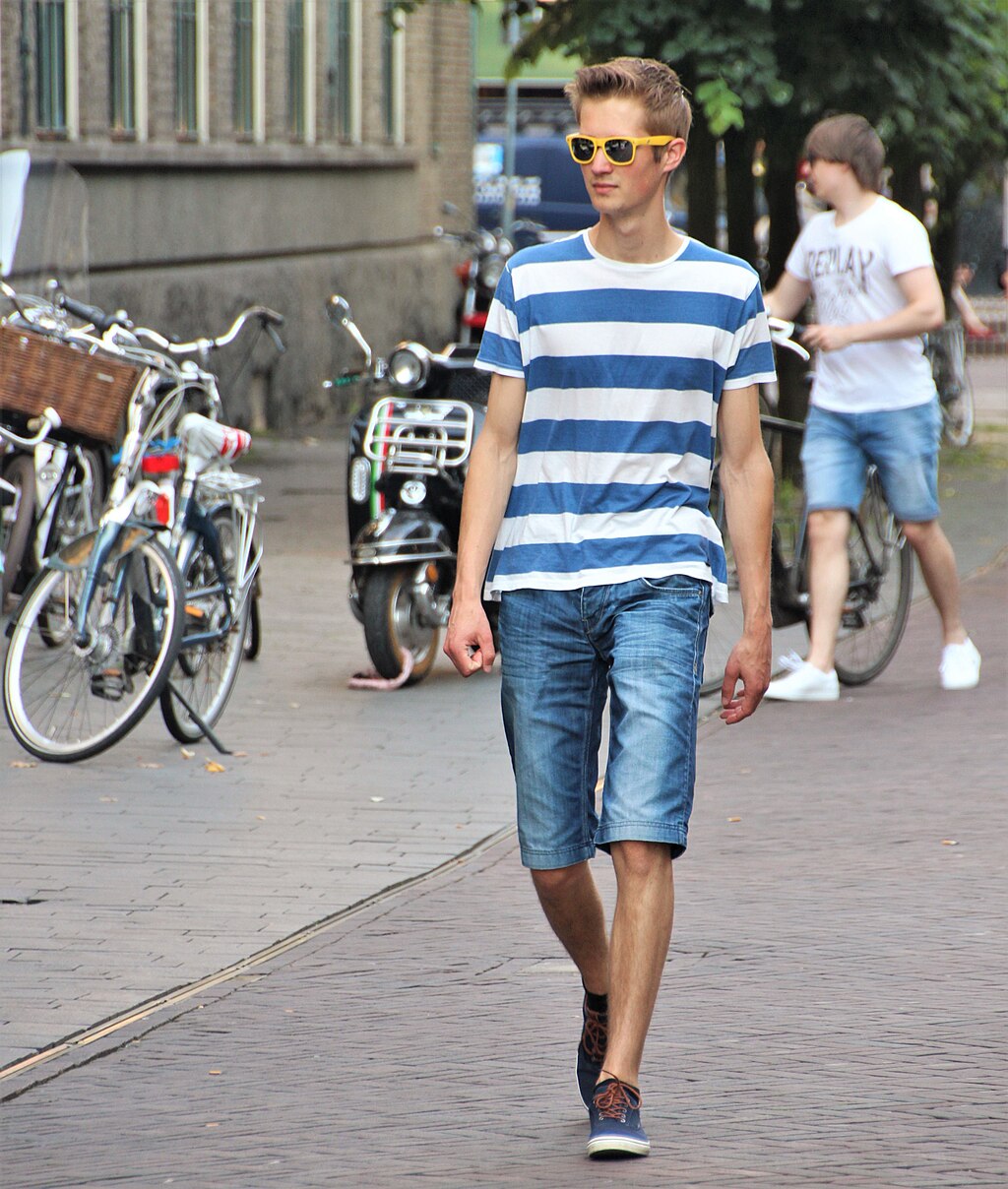
Jorts are denim cutoffs that once symbolized laid back summer laziness. Gen Z revived them as a carefree statement, pairing them with boots, oversized shirts, and layered tops. The rough edges and unfinished hems transform imperfection into aesthetic. Jorts reject polish in favor of comfort and authenticity. They prove that fashion does not always require tailoring. Sometimes it requires scissors, attitude, and a willingness to be unbothered.
Halter Necklines
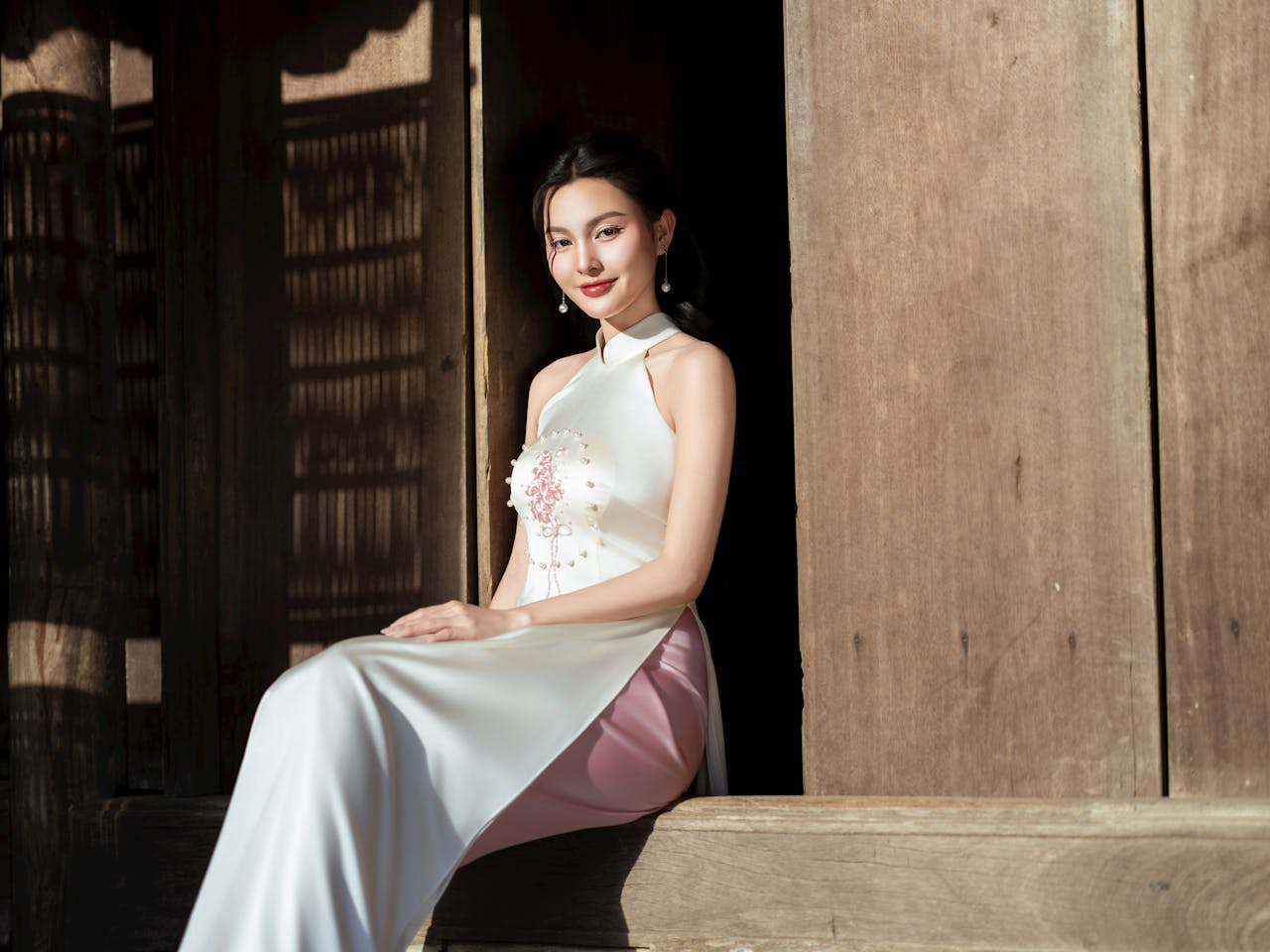
Halter necklines return with quiet power. Their shape plays with silhouette and draws attention upward. Gen Z adopts halters for their ability to balance simplicity with presence. The design blends retro appeal with modern sensibility, offering a look that defines shoulders without demanding attention. Halters carry nostalgia into a contemporary narrative where confidence becomes the only accessory needed.
Leg Warmers
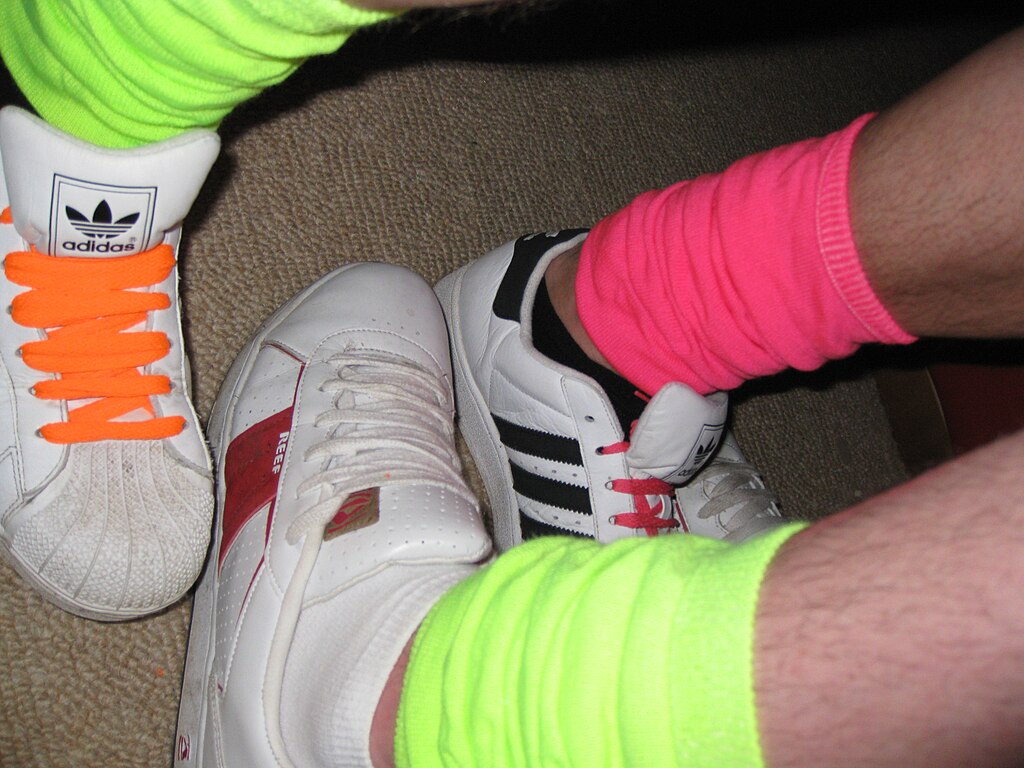
Leg warmers once thrived in dance studios and 80s aerobics videos. Now they reappear on city streets, layered over leggings and boots. The trend blends irony with sincerity, turning a once specific garment into universal winter expression. Leg warmers offer comfort and warmth, but more importantly, they offer personality. Their revival proves that fashion can return from unexpected corners when imagination leads.
Corduroy Pants
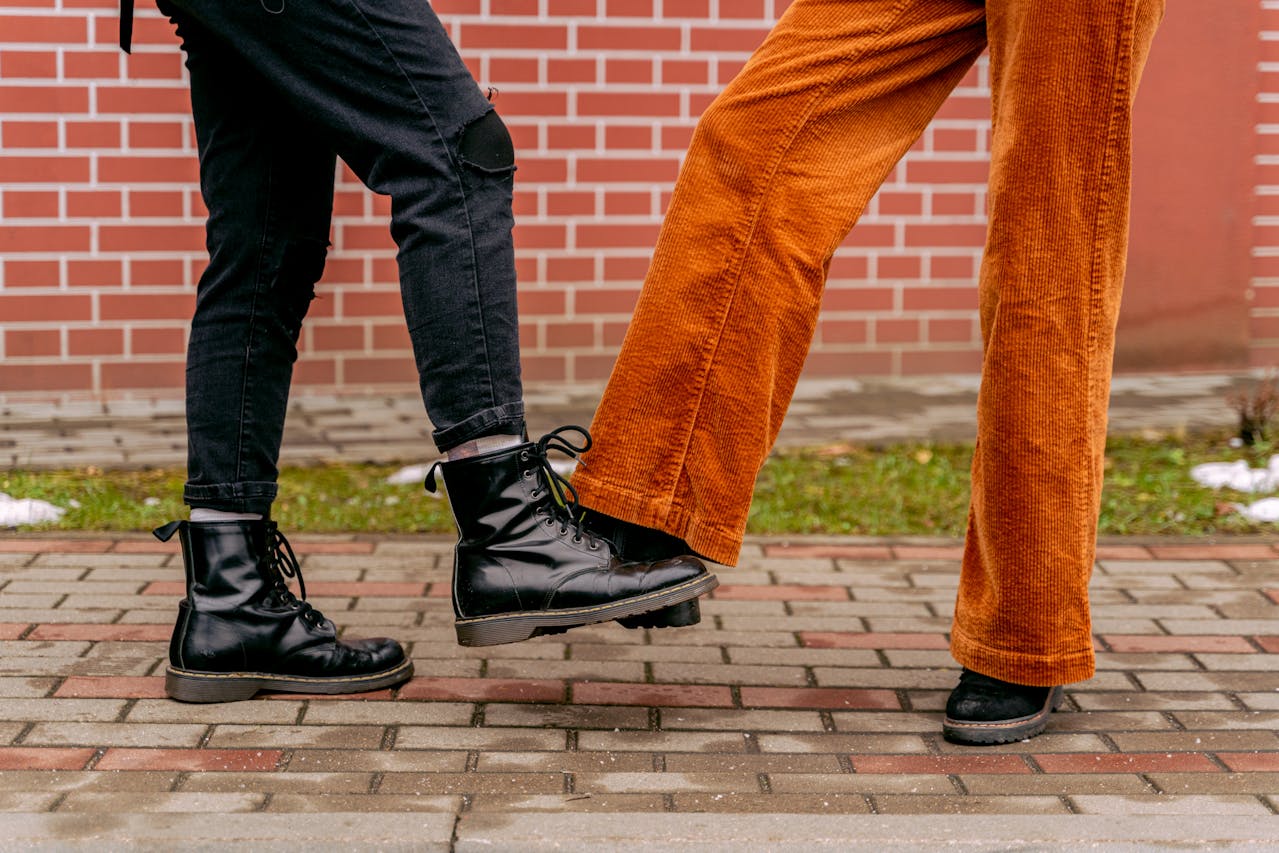
Corduroy pants transform texture into identity. Their ribbed fabric carries character and nostalgia. Gen Z embraces corduroy for its warmth and visual depth, pairing pants with sweaters, jackets, and boots. The trend returns because it feels tangible in a digital world. Fabric becomes memory, and clothing becomes comfort. Corduroy survived not because it stayed trendy, but because it stayed real.
Cowboy Boots
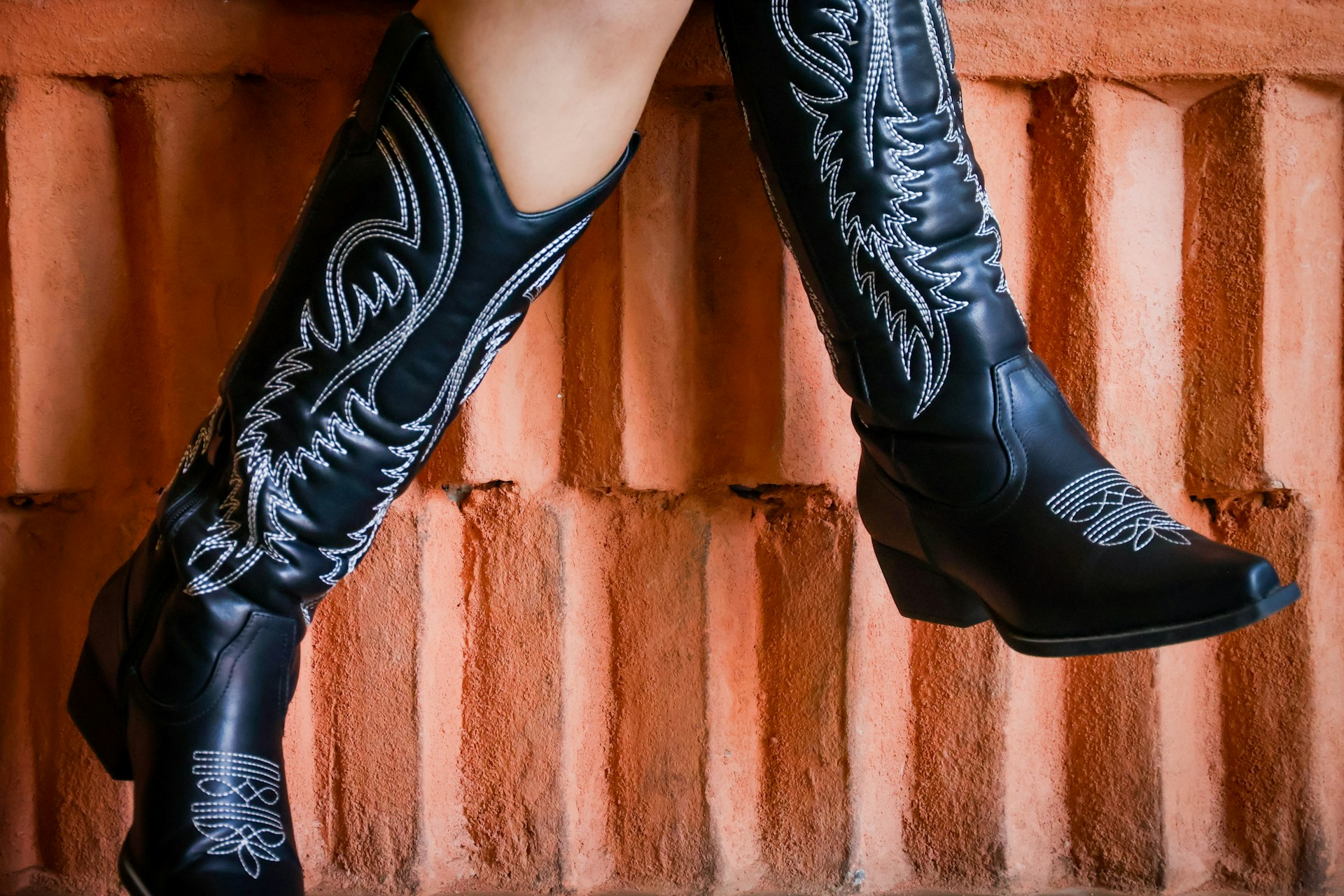
Cowboy boots once lived on ranches and rodeos. Now they stride across runways, city sidewalks, and music festivals paired with flowing dresses. The contrast mixes rugged practicality with playful femininity. Gen Z embraces combinations that ignore tradition and celebrate contradiction. Cowboy boots become more than footwear. They become punctuation at the end of an outfit that refuses to apologize for existing.
Fashion cycles are not random. They are emotional returns to ideas that once shaped identity. Gen Z revives these forgotten trends not because they mirror the past, but because they rewrite it. Clothing becomes a conversation between decades, allowing history to walk beside innovation. When trends return, they remind every generation that style does not age. It simply waits for rediscovery.