Scams don’t always come in the form of a shady phone call or a phishing email. Many of them are built into everyday life, so common that most people no longer question them. They are disguised as conveniences, hidden fees, or misleading practices that drain our wallets little by little. Here are some everyday scams that have become normalized, even though we often know they don’t serve us fairly.
Extended Warranties

Extended warranties sound like a safeguard, but they often cost more than they are worth. Many products already come with a manufacturer’s warranty that covers defects for a reasonable period. The fine print on extended plans tends to exclude common problems. In most cases, people pay for peace of mind that they rarely use.
Hotel Resort Fees

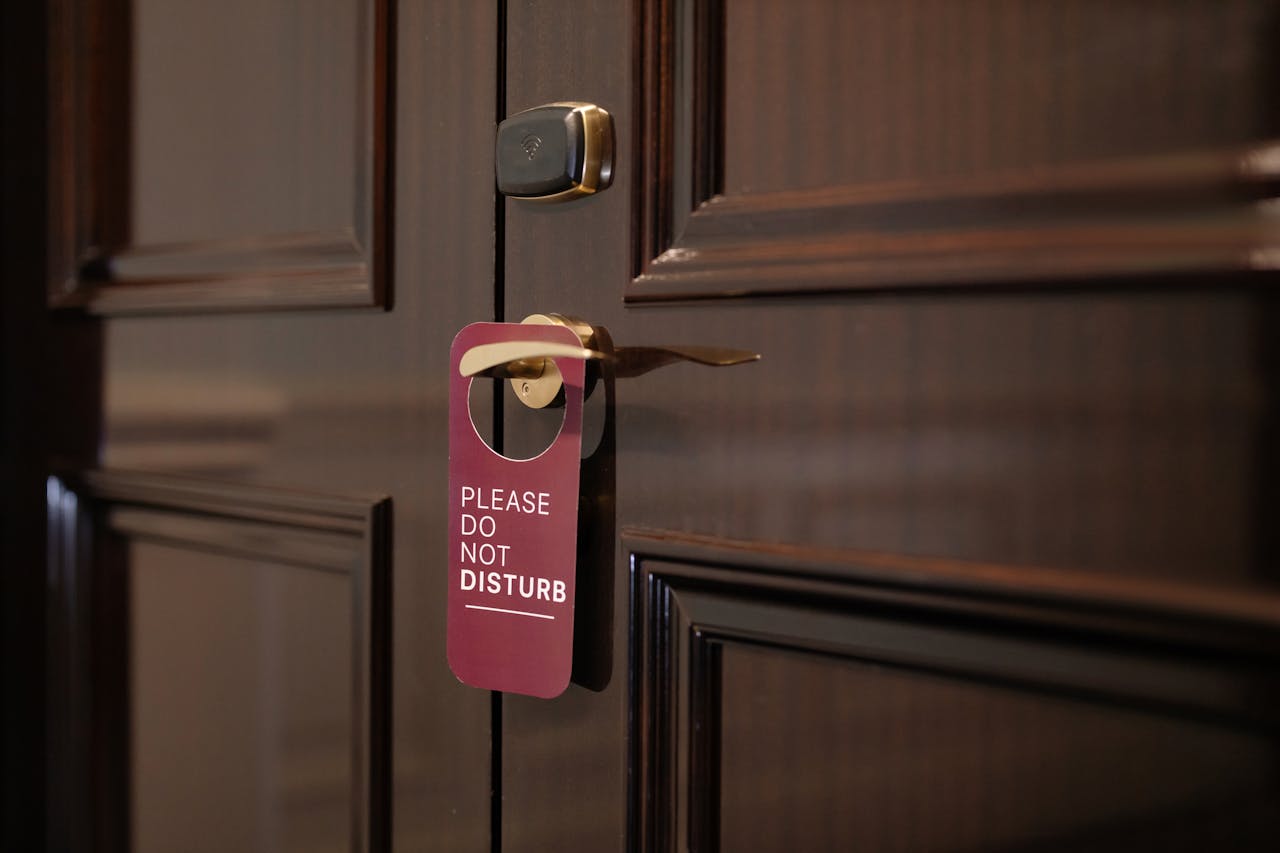
Hotels frequently add “resort fees” on top of nightly rates, even when amenities like pools or gyms go unused. These charges are rarely optional and can significantly raise the cost of a stay. By hiding the true price, hotels mislead travelers comparing room rates. It’s a practice that has become standard in the hospitality industry.
Credit Card Late Fees
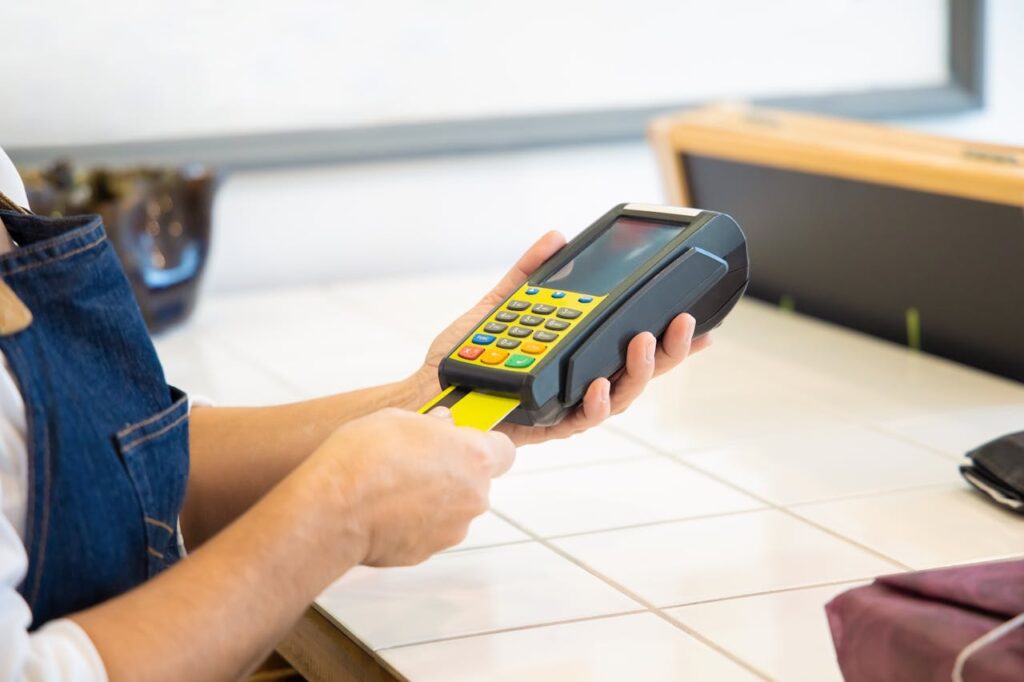
Credit card companies make billions each year from late payment penalties. Even being a single day late can trigger steep fees, sometimes alongside increased interest rates. These charges often far outweigh the actual administrative cost of processing late payments. It’s an accepted system that profits heavily from consumer mistakes.
Airline Baggage Fees

What was once included in a ticket price is now an expensive add-on. Airlines charge for checked bags, carry-ons, and sometimes even seat selection. This practice turns basic travel needs into a revenue stream. Passengers often pay far more than the advertised ticket price by the time they reach their destination.
Bottled Water

Bottled water is marketed as a necessity, but in many places it is no better than tap water. Companies profit by selling what is often municipal water at a massive markup. The environmental cost of plastic waste adds another layer of harm. Yet, bottled water sales continue to soar, making it one of the most normalized scams in modern life.
Ticket Service Fees
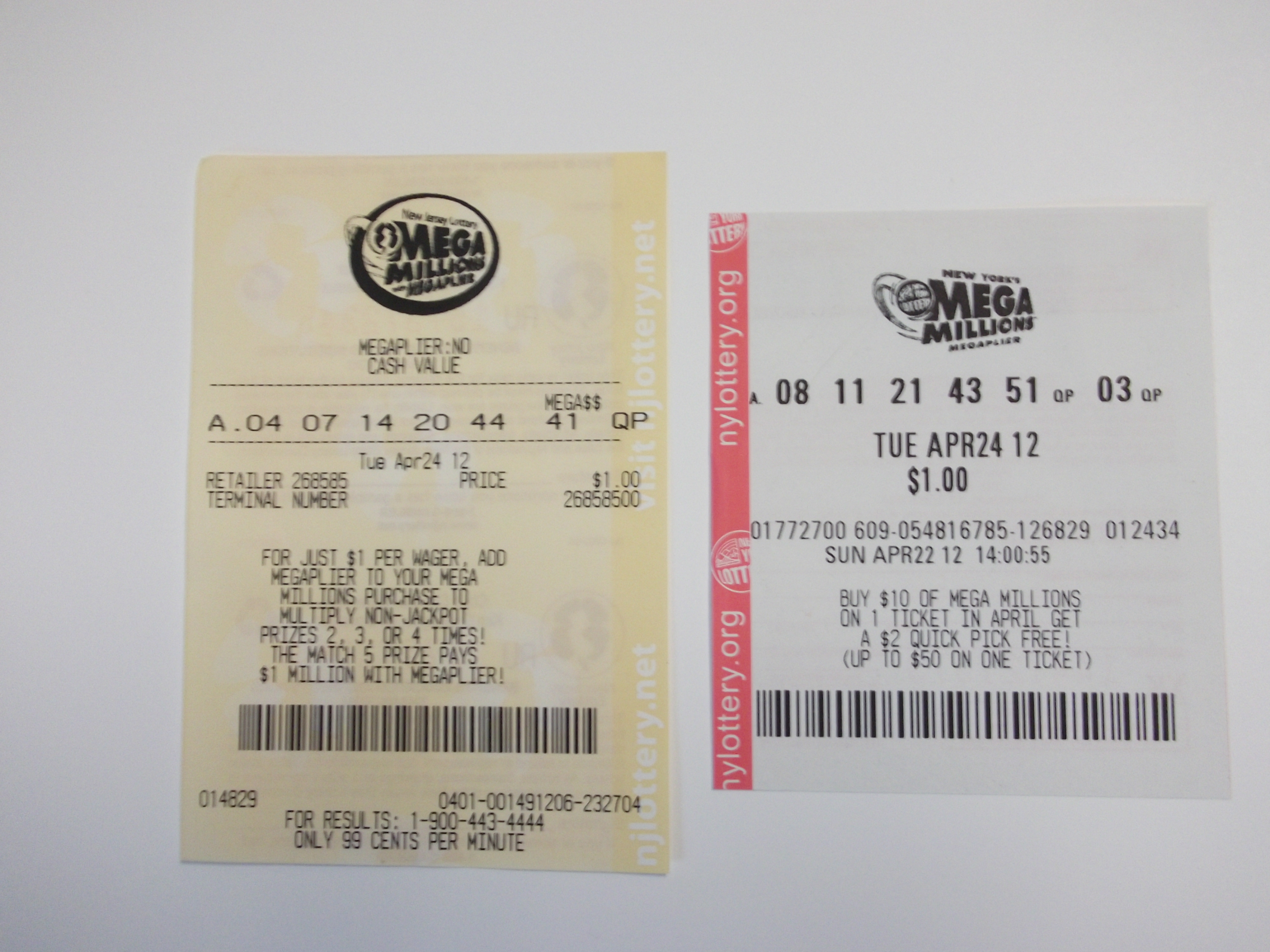
When buying event tickets, customers face a list of mysterious service charges. These fees often double the cost of the ticket without a clear explanation of what they cover. Companies like Ticketmaster have been criticized for exploiting their near-monopoly. Despite the frustration, consumers have little choice but to pay.
Free Trials That Auto-Renew
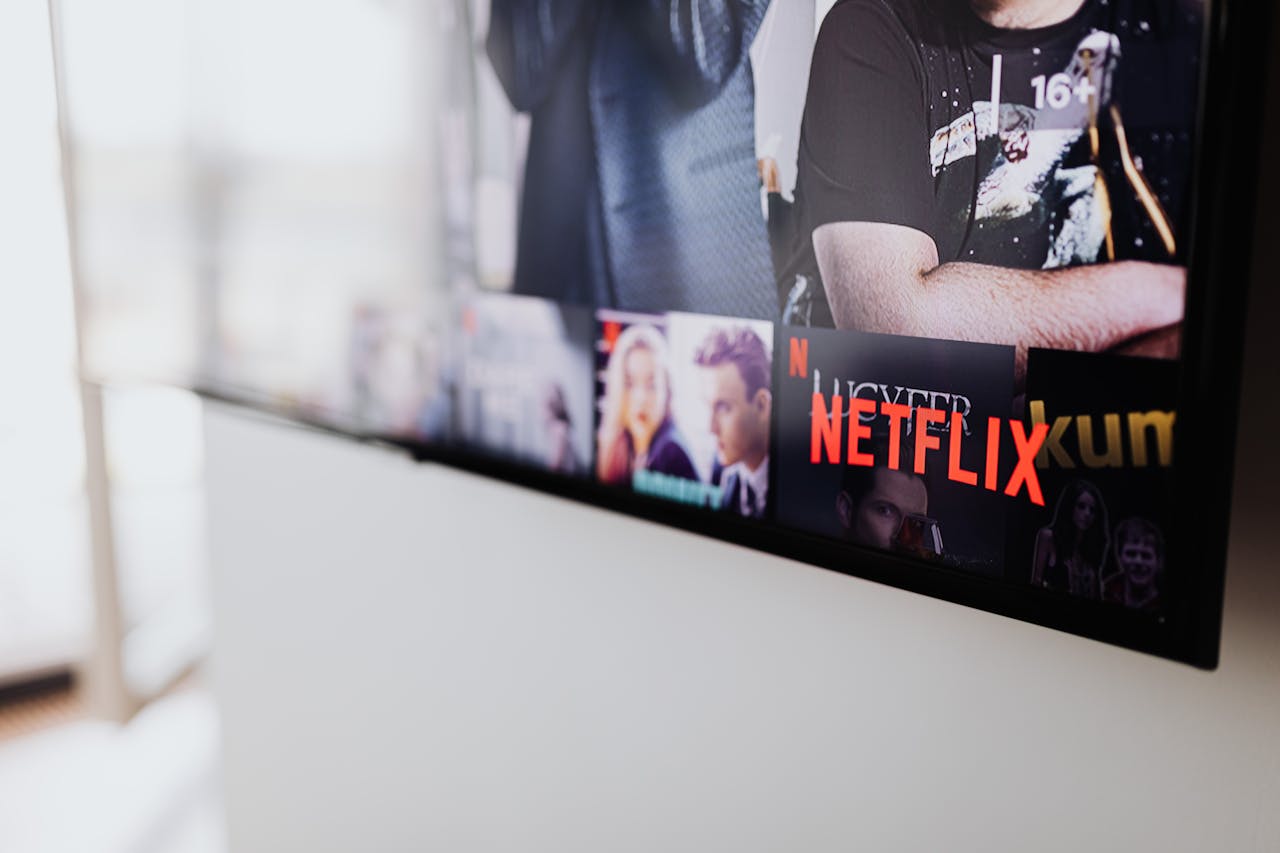
Free trials are marketed as risk-free, but companies design them to trap forgetful customers. Subscriptions renew automatically, often at full price, once the trial ends. Cancellation can be intentionally complicated to discourage users from opting out. This practice exploits human oversight rather than genuine consumer interest.
Car Rental Insurance

Car rental counters often push customers into buying expensive insurance. In many cases, personal car insurance or credit card benefits already provide coverage. The added cost becomes unnecessary for most renters. Still, companies rely on fear and uncertainty to boost their profits.
ATM Withdrawal Fees
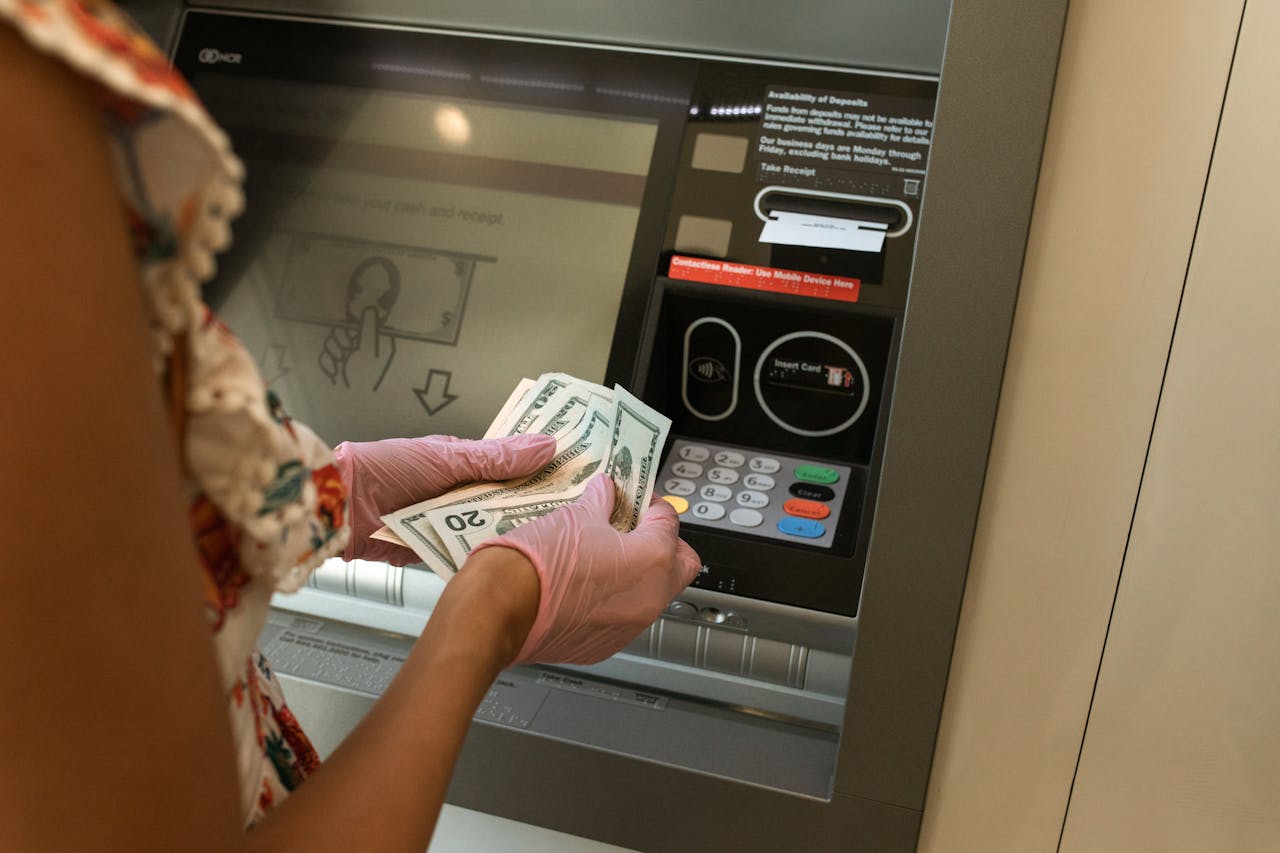
Withdrawing money from an out-of-network ATM often comes with multiple fees. Customers are charged by both their bank and the ATM operator, sometimes paying more than $5 just to access their own money. The true cost of processing these transactions is far lower. It’s a system designed to penalize convenience.
Cable TV Packages
Cable companies bundle dozens of channels together, forcing customers to pay for ones they never watch. On top of this, hidden equipment and broadcast fees inflate the monthly bill. Consumers often feel trapped due to limited service providers in their area. The rise of streaming has exposed just how overpriced cable has been for decades.
Pharmaceutical Markups

Prescription drugs in the U.S. are often sold at drastically inflated prices compared to other countries. Patients sometimes pay hundreds of dollars for medications that cost only a fraction to produce. Middlemen and lack of regulation contribute to these inflated costs. For many, this scam has life-or-death consequences.
Gift Card Breakage

Gift cards are marketed as thoughtful presents, but billions of dollars in value go unused each year. Companies profit from cards that expire, get lost, or are only partially redeemed. This system relies on the fact that not every cardholder will spend the full amount. While convenient, gift cards often benefit businesses more than consumers.
Gym Membership Contracts

Many gyms use long-term contracts that are difficult to cancel. Even if someone stops going, monthly charges continue until the agreement ends. Hidden fees for maintenance or early termination add more costs. The business model counts on customers not fully using what they pay for.
Mobile Data Overages
Mobile carriers frequently charge steep fees for exceeding data limits. These overages are far more expensive than the actual cost of providing extra data. Many carriers also throttle speeds to push customers toward pricier plans. Consumers end up paying far more than the service is truly worth.
Coffee Shop Markups

Specialty coffee drinks cost a fraction to make compared to what customers are charged. A latte that costs less than a dollar in ingredients may sell for five times as much. The convenience and branding keep people coming back. While not inherently dishonest, the markup is one of the most normalized forms of everyday overcharging.
Car Dealership Add-Ons
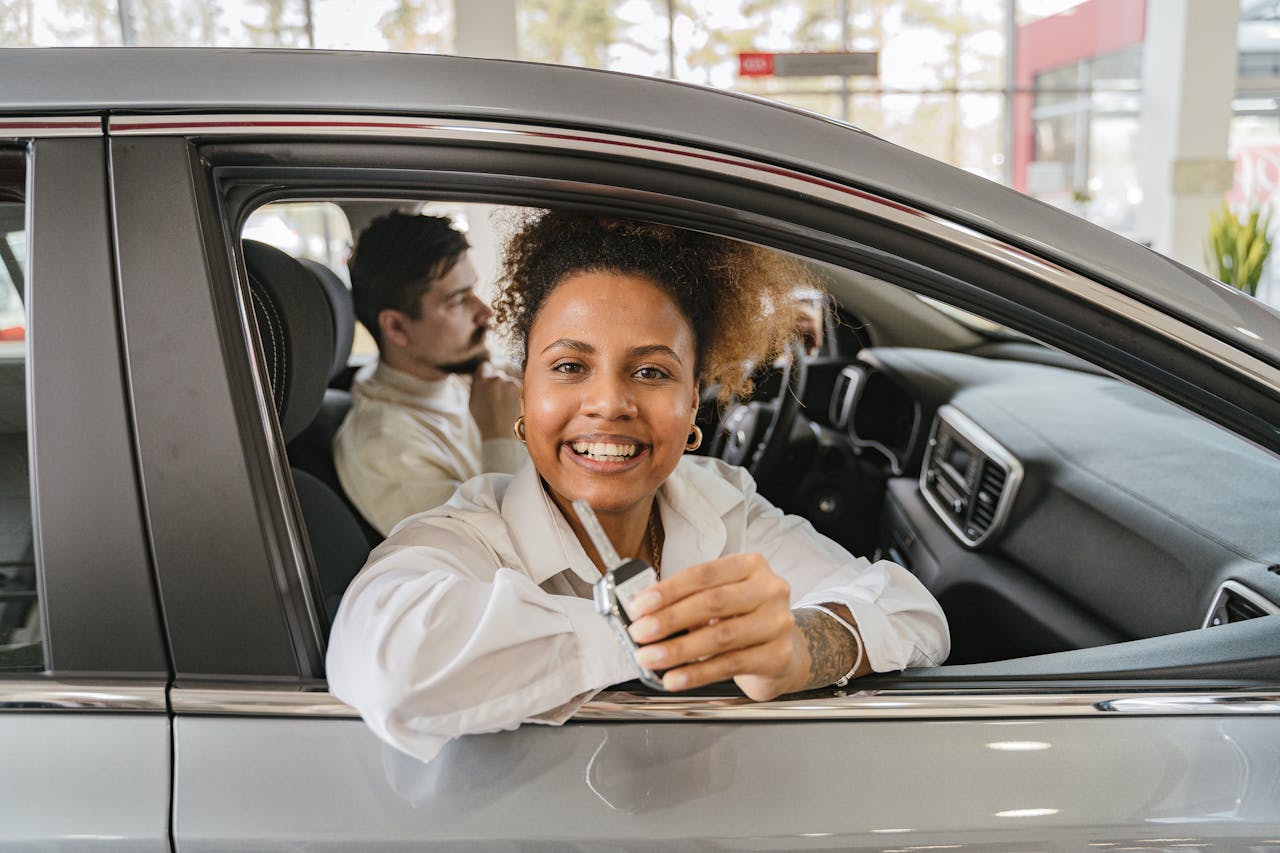
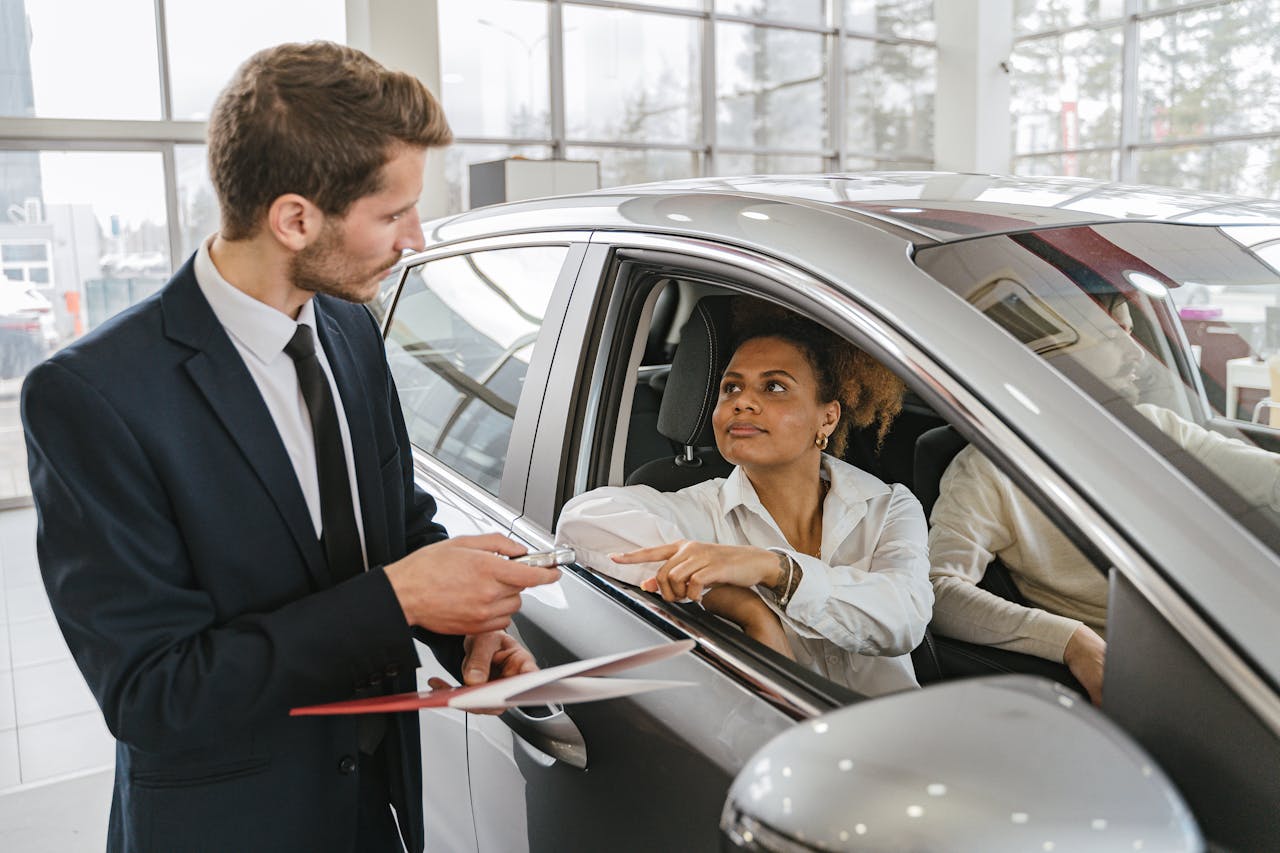
When buying a car, dealerships often add unnecessary extras like fabric protection, VIN etching, or overpriced warranties. These items inflate the purchase price without adding real value. Customers, already overwhelmed by paperwork, often agree without questioning. The dealership model thrives on these upsells.
Shrinkflation

Shrinkflation is when companies reduce product sizes while keeping prices the same. From cereal boxes to candy bars, consumers often don’t notice until after purchase. This quiet form of inflation allows companies to increase profits without raising obvious red flags. It’s a subtle scam that has become increasingly common.