The 1980s were filled with everyday items that we barely noticed at the time, but now, they carry a certain charm and even a sense of luxury. What was once ordinary is now nostalgic, sometimes expensive, and often sought after by collectors or those craving a simpler, more tangible life. From handwritten notes to renting a VHS tape, these everyday staples of the ’80s evoke memories of patience, craftsmanship, and a slower pace that feels almost indulgent today. Let’s take a trip down memory lane and rediscover 17 everyday ’80s items that now seem fancy.
Home Library
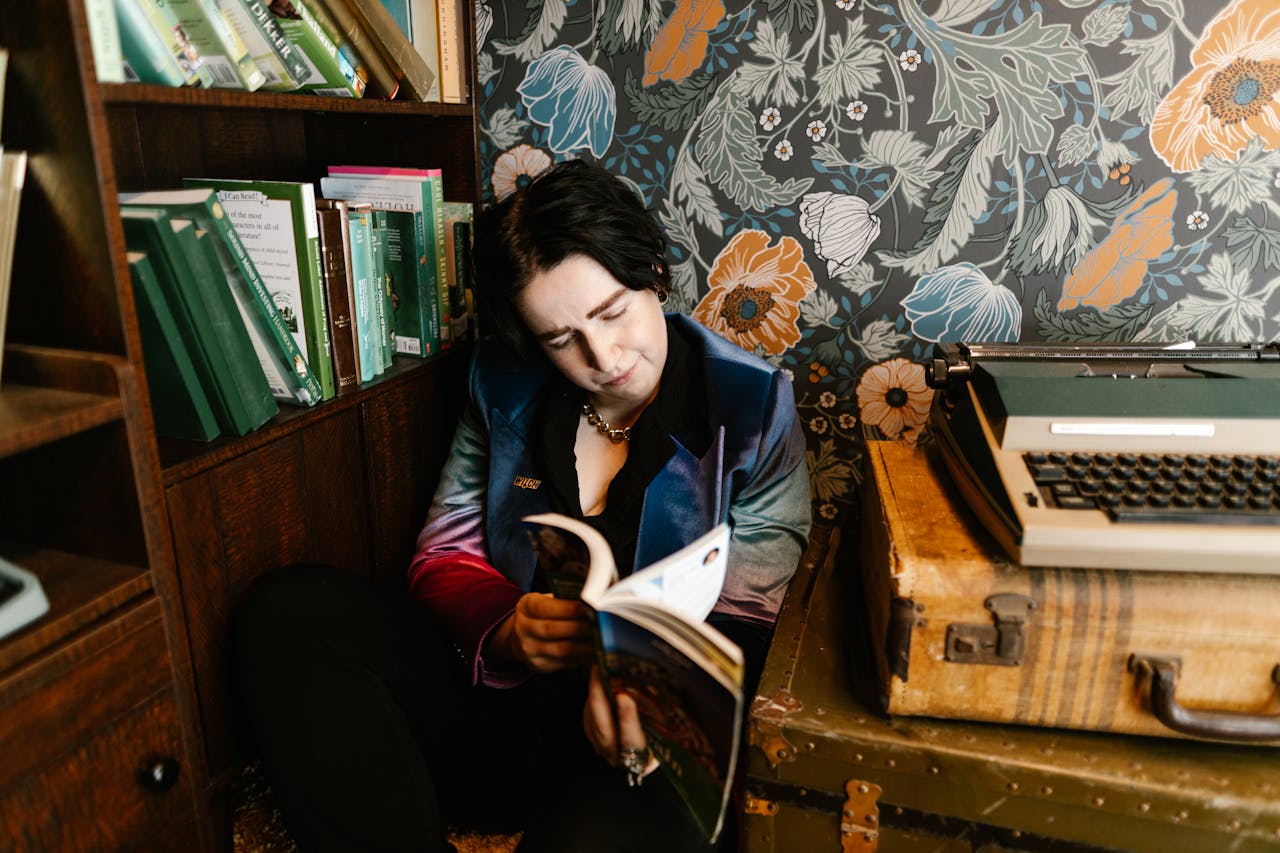
In the 1980s, a home library wasn’t necessarily a sign of wealth—it was simply a space where families kept their favorite novels, encyclopedias, and photo albums. Shelves were often filled with dog-eared paperbacks, family scrapbooks, and stacks of National Geographic magazines. Today, having a dedicated home library feels like an indulgence, especially in an era dominated by e-books and streaming entertainment. The tactile joy of running your fingers along a row of spines, pulling out a beloved book, and smelling the faint aroma of paper and ink is a rare luxury in the digital age.
Wood Furniture
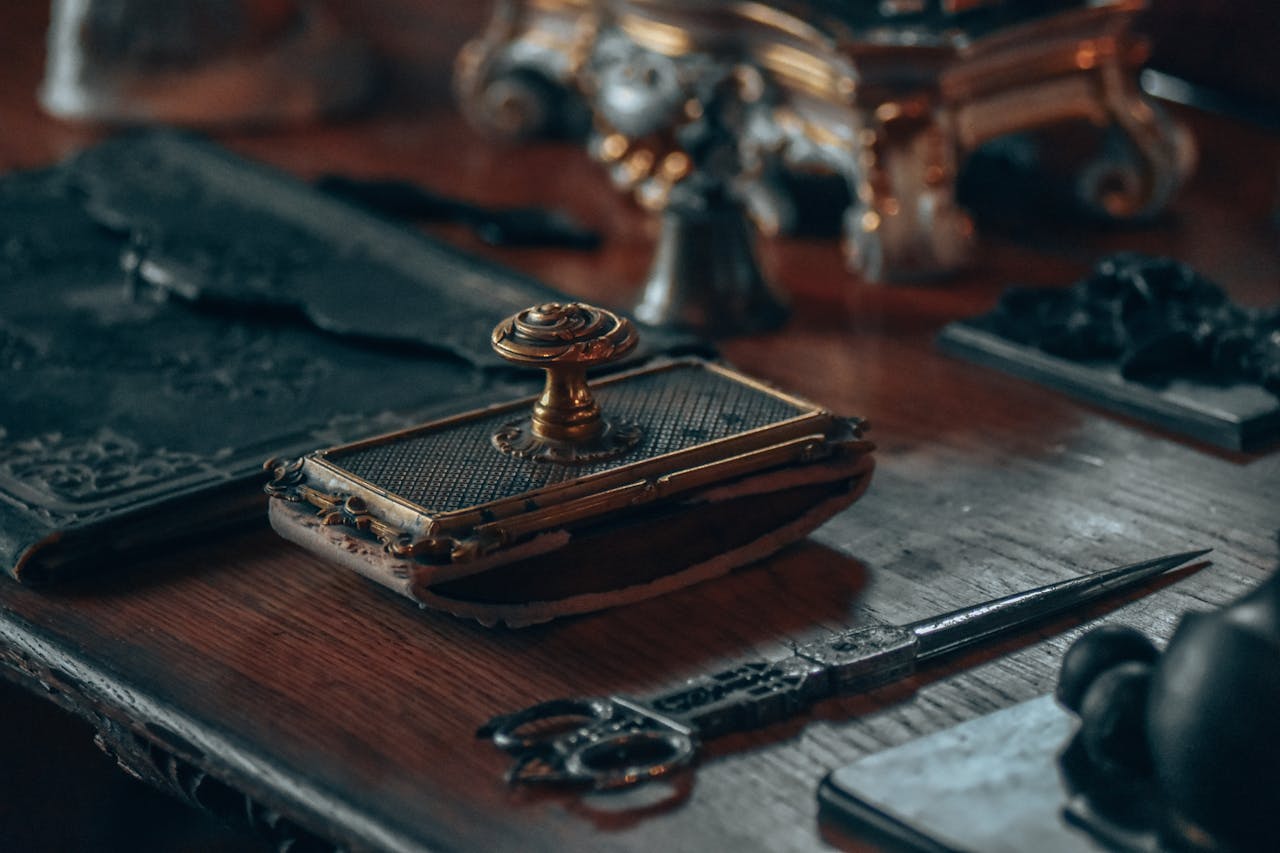
Solid wood furniture was once the norm, built to last decades and often passed down through generations. In the ’80s, a sturdy oak dining table or a walnut dresser wasn’t considered extravagant—it was simply what you bought. Today, with mass-produced particleboard dominating the market, authentic hardwood pieces carry a price tag that reflects their durability and craftsmanship. Owning such furniture now means you value longevity, timeless design, and the rich patina that only years of use can create. It’s not just décor—it’s an heirloom in the making.
Home-Cooked Meals
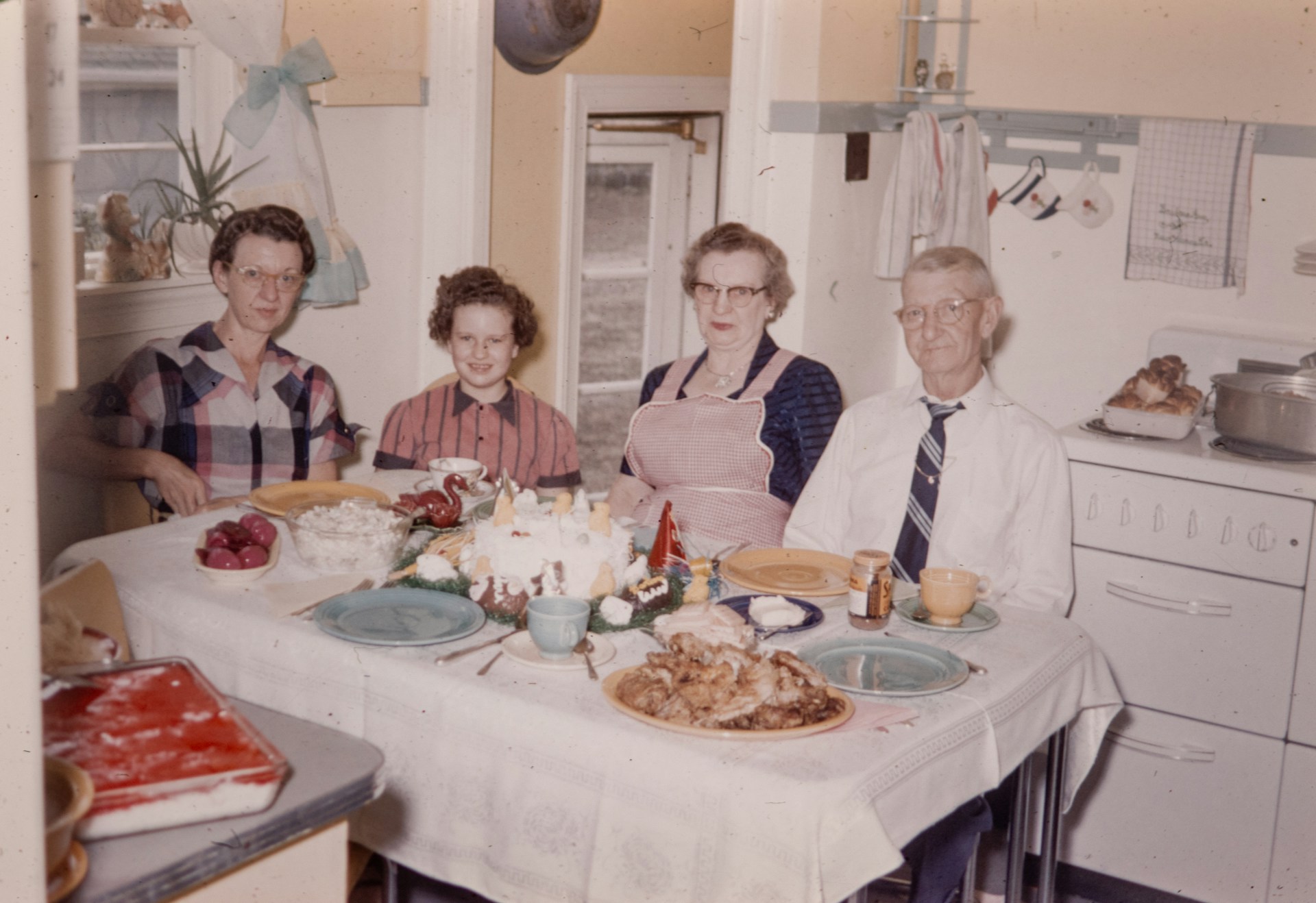
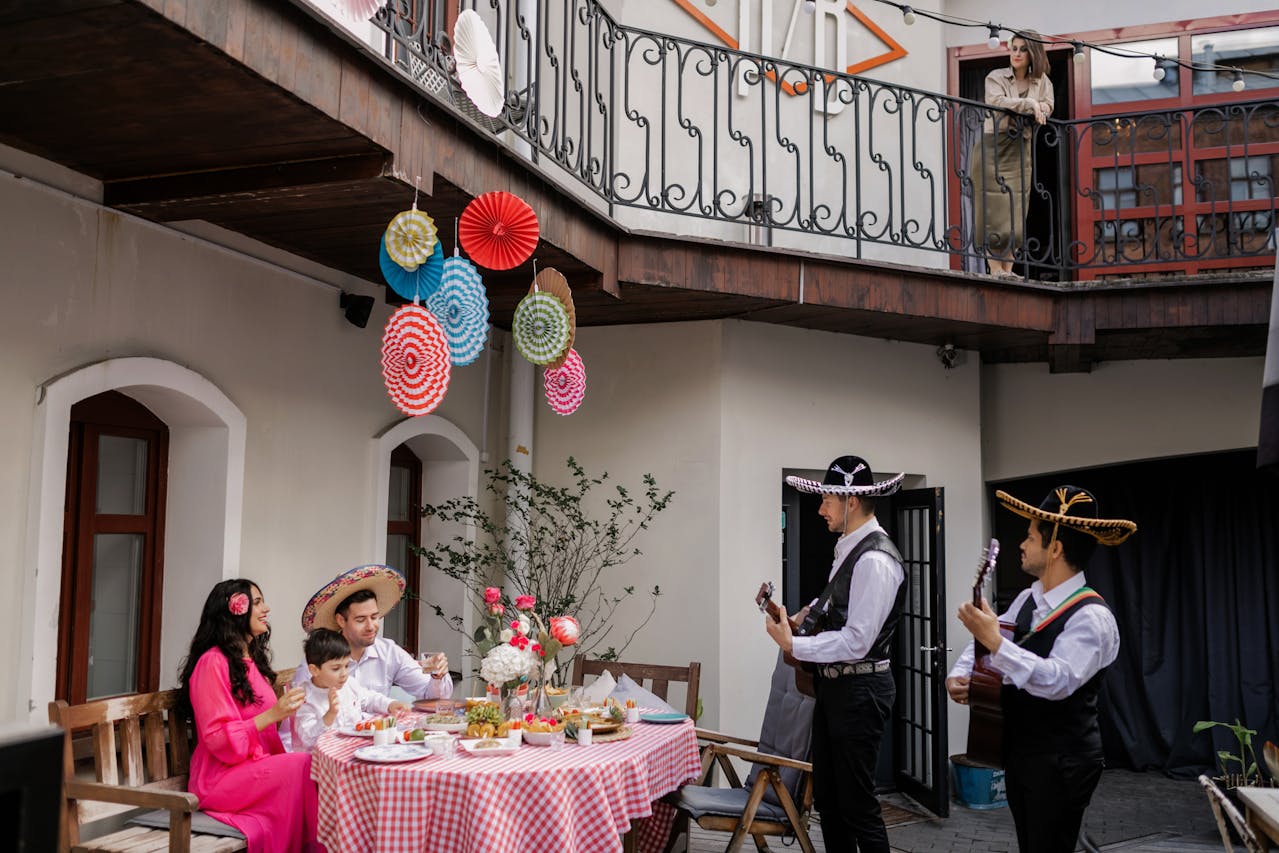
In the ’80s, sitting down for a home-cooked dinner was a near-daily ritual for many families. Meals were made from scratch, often using recipes passed down through generations. While convenience foods existed, they didn’t dominate the dinner table like they do today. Now, with our fast-paced lifestyles and reliance on takeout, the idea of a lovingly prepared, multi-course home meal feels almost gourmet. The time, effort, and personal touch that goes into cooking from scratch has transformed it into a special occasion rather than an everyday norm.
Handwritten Letters
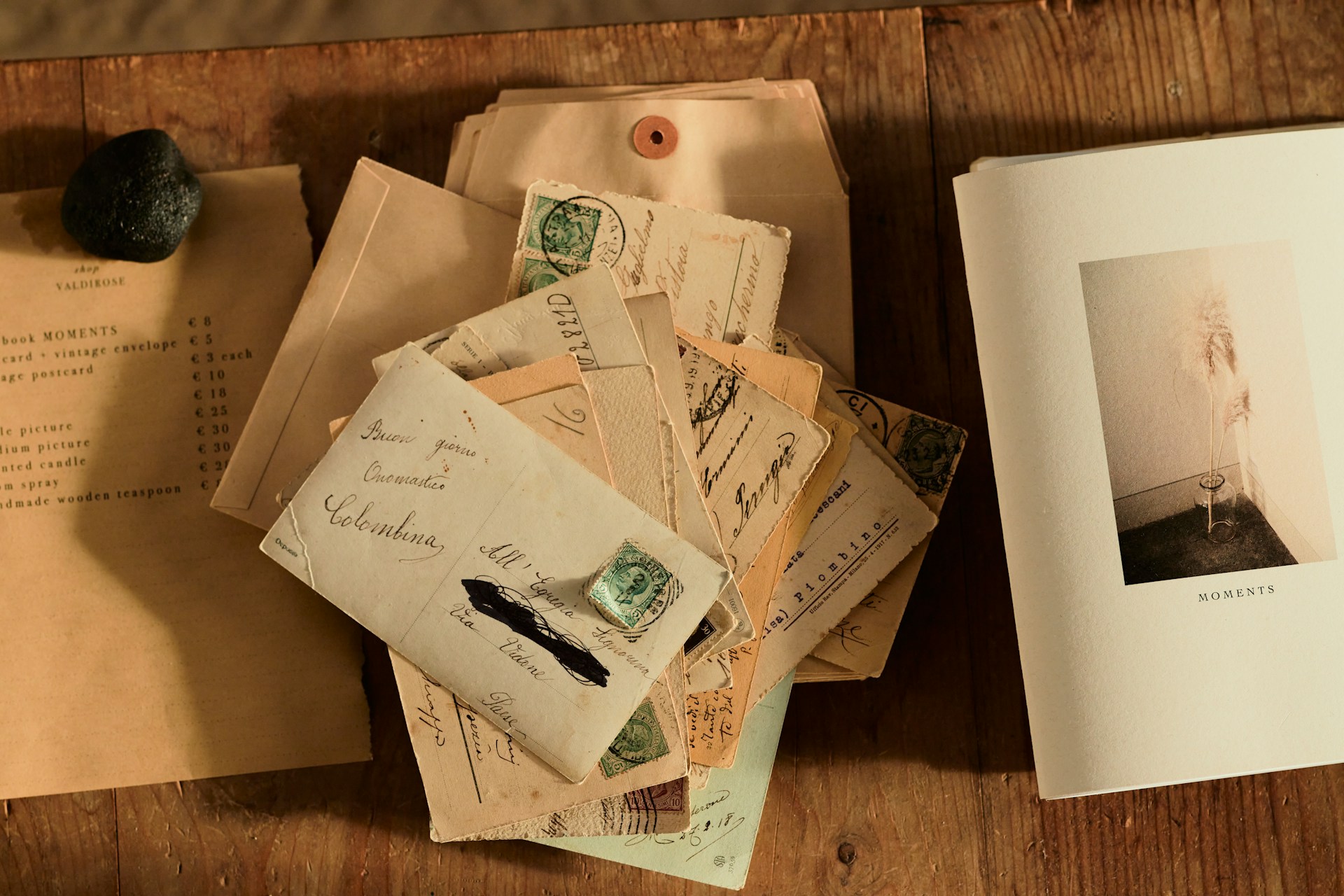
Before email and instant messaging, handwritten letters were a primary way to keep in touch. In the 1980s, people would take the time to choose stationery, carefully craft their thoughts, and send them via post. Each letter carried the sender’s personality, from penmanship style to the choice of ink. Today, receiving a handwritten note feels deeply personal and rare, a keepsake rather than just communication. In a world of digital brevity, the patience and intention behind pen and paper correspondence is a true luxury.
Affordable College Education

In the ’80s, college tuition was far more accessible, with many students able to work part-time and graduate without being buried under massive debt. Higher education was seen as a realistic investment for middle-class families, opening doors to career opportunities without financial ruin. Fast forward to today, and the soaring cost of tuition makes such a scenario feel almost unreal. The idea of earning a degree without decades of repayment now feels like a privilege reserved for a fortunate few, turning affordable education into a nostalgic dream.
Renting Movies From Video Stores

Friday nights in the ’80s often meant a trip to the local video store to pick out a VHS tape or two. The ritual involved browsing shelves, reading blurbs on the back of cases, and maybe grabbing popcorn at the checkout. Today, while streaming offers instant access, it lacks the tactile fun of movie rentals. The experience of physically choosing your entertainment, chatting with the store clerk for recommendations, and making a night of it feels like a quaint luxury in an on-demand world where everything is just a click away.
Vinyl Records
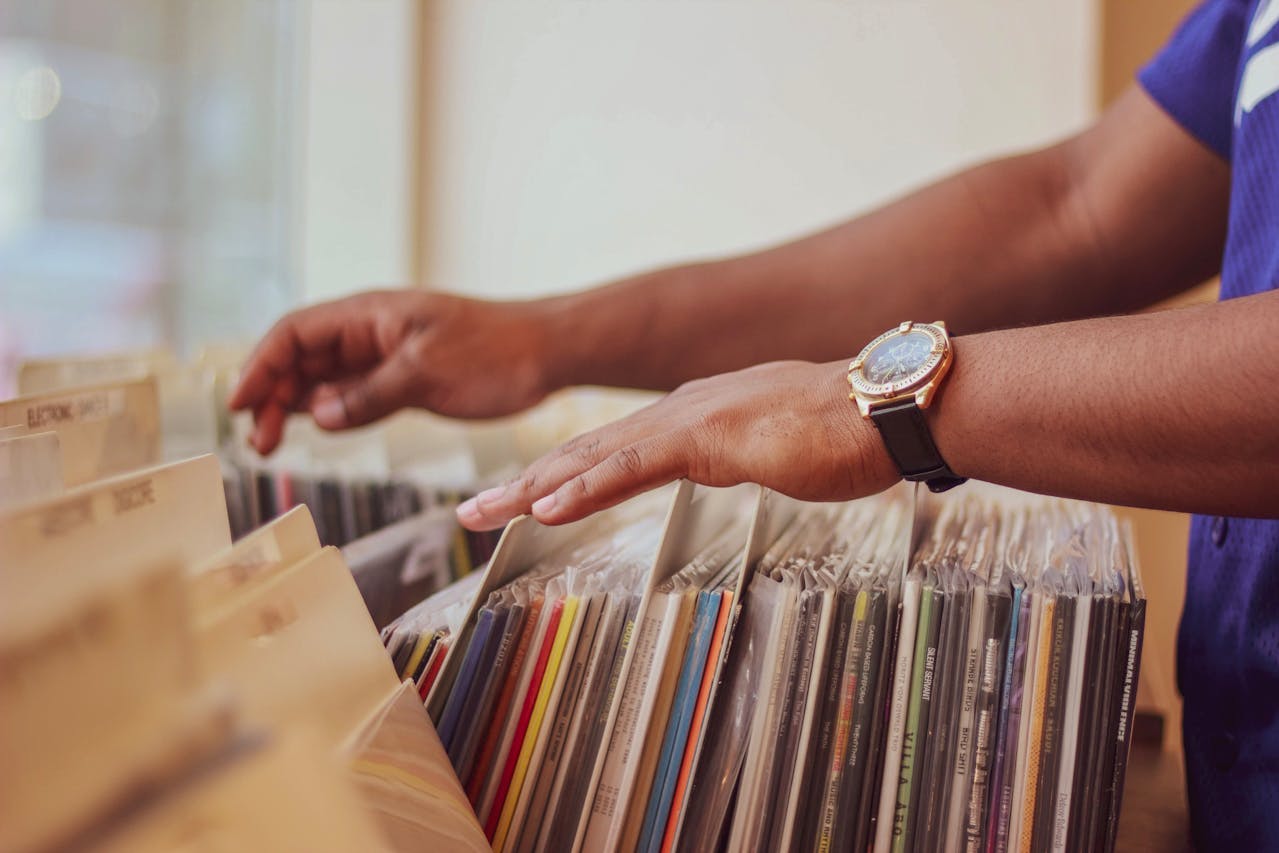
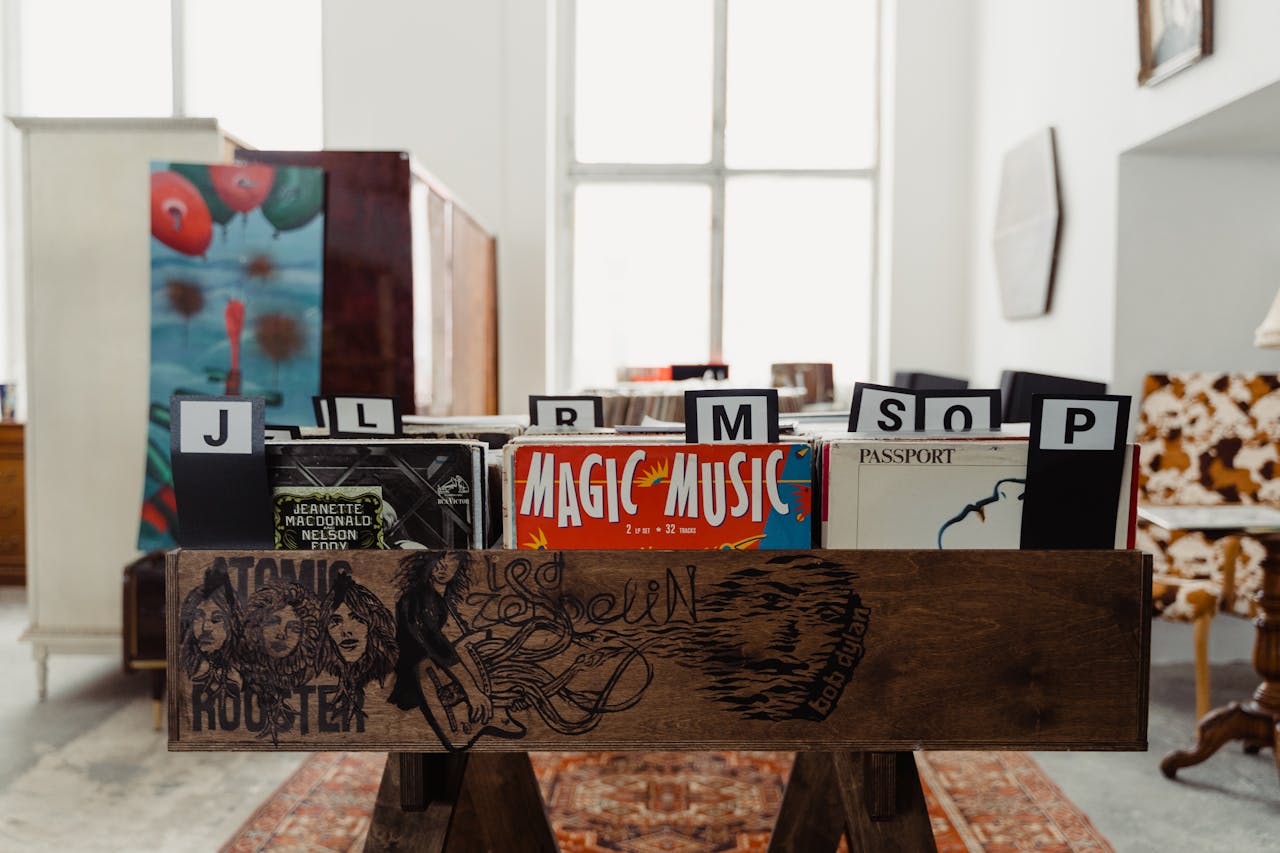
In the 1980s, vinyl records were simply the standard format for music lovers, offering large, colorful album art and rich analog sound. They were found in every home, often stacked next to the turntable. Today, vinyl has made a stylish comeback, prized for its warmth, authenticity, and collectability. Owning and playing records has transformed from an everyday habit into a deliberate act of savoring music, complete with the crackle of the needle and the satisfaction of flipping sides—a slow pleasure in a fast world.
Writing in Cursive
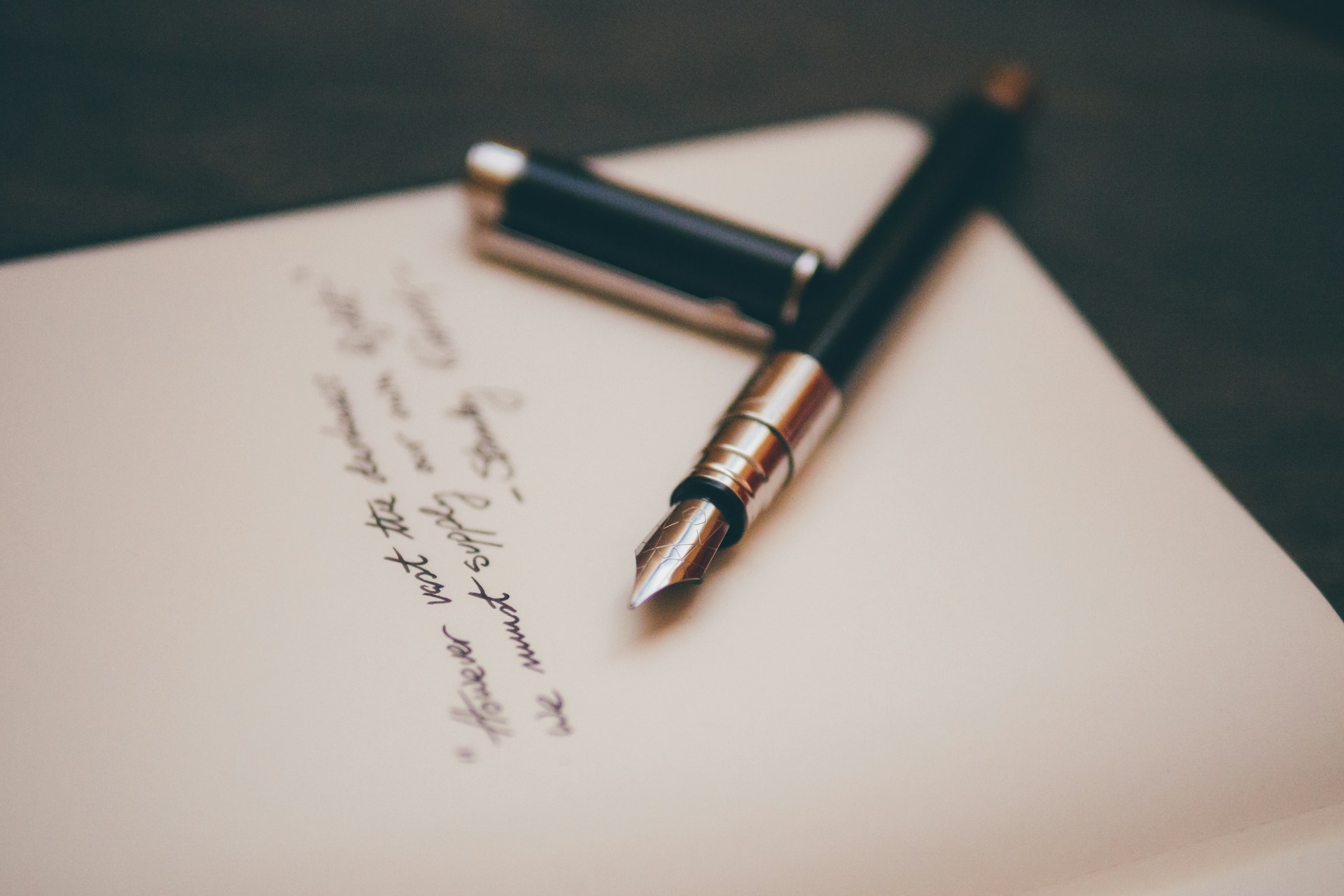
In the ’80s, cursive writing was a standard skill taught in schools and used in everyday life, from signing documents to jotting down notes. It was as natural as breathing, and everyone had their own unique style. Today, cursive is rarely taught, and many younger people struggle to read or write it. That flowing, elegant handwriting has become a sign of refinement and nostalgia, turning what was once a daily skill into something almost artistic and rare.
Travel Agent Bookings

Booking a trip in the ’80s often meant visiting a travel agency, where professionals would help you plan your itinerary, secure the best flights, and arrange accommodations. These services were accessible to nearly everyone and came with personalized recommendations you couldn’t find online. Today, while booking is just a few clicks away, the tailored service of a travel agent feels like an exclusive perk. Having someone handle every detail of your vacation now carries an air of sophistication and care.
Durable Appliances
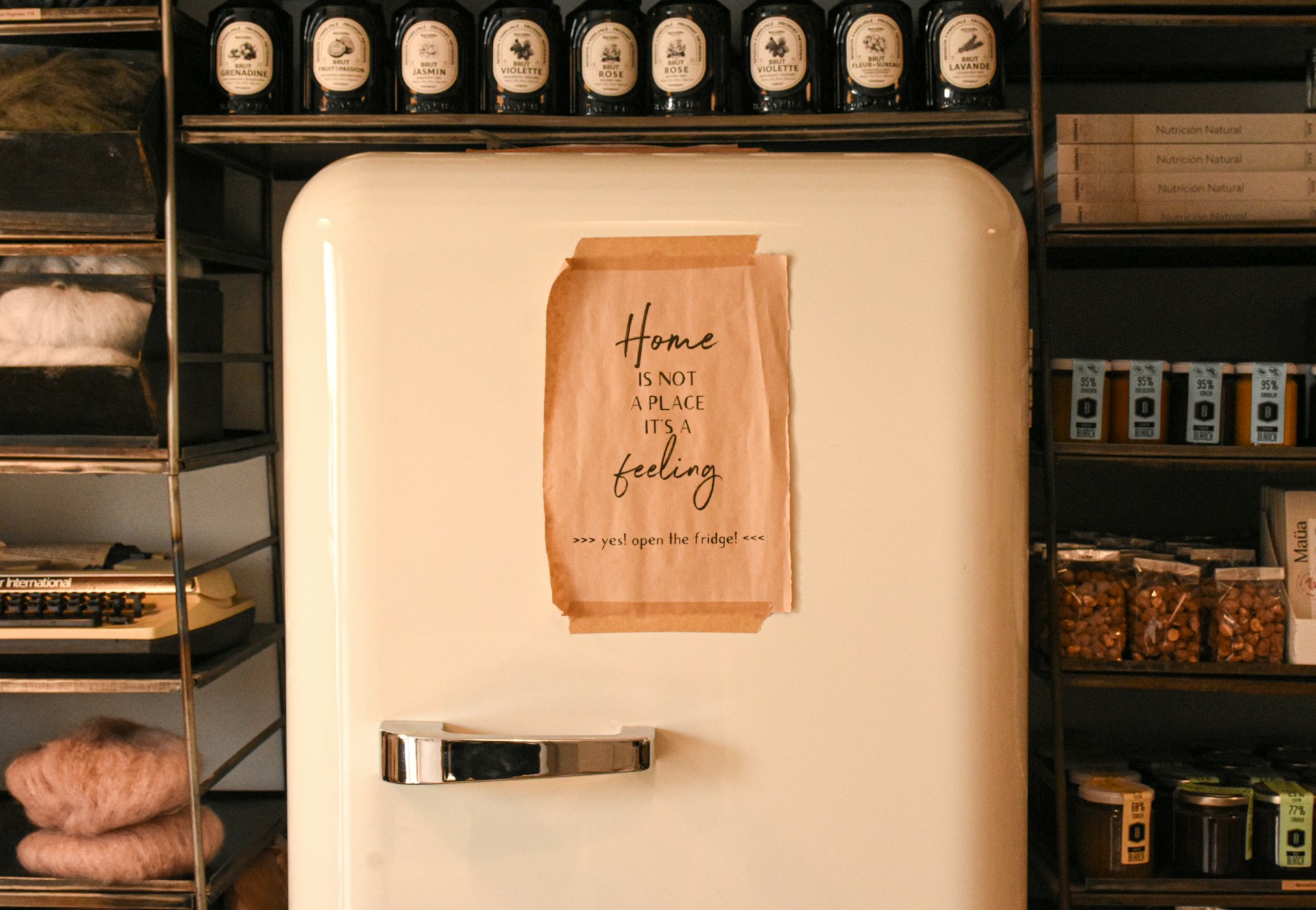
Household appliances in the 1980s were built to last. Whether it was a washer, refrigerator, or blender, many units ran reliably for decades with minimal repairs. They were made from sturdy materials and designed for longevity, not planned obsolescence. Today’s appliances, though often more energy-efficient, rarely last as long. Owning a still-functioning appliance from the ’80s is now a mark of quality and durability, making such reliability a luxury in a throwaway culture.
Brick-and-Mortar Shopping
In the ’80s, shopping meant visiting local stores, browsing aisles, and interacting with staff. The mall was not just for buying things—it was a social experience. Today, online shopping dominates, offering convenience but removing the tactile joy of touching fabrics, trying on clothes, and smelling fresh-baked goods in a store. The personal touch and in-person experience of brick-and-mortar shopping has shifted from everyday necessity to occasional indulgence, making it feel special and even nostalgic.
Arcade Games
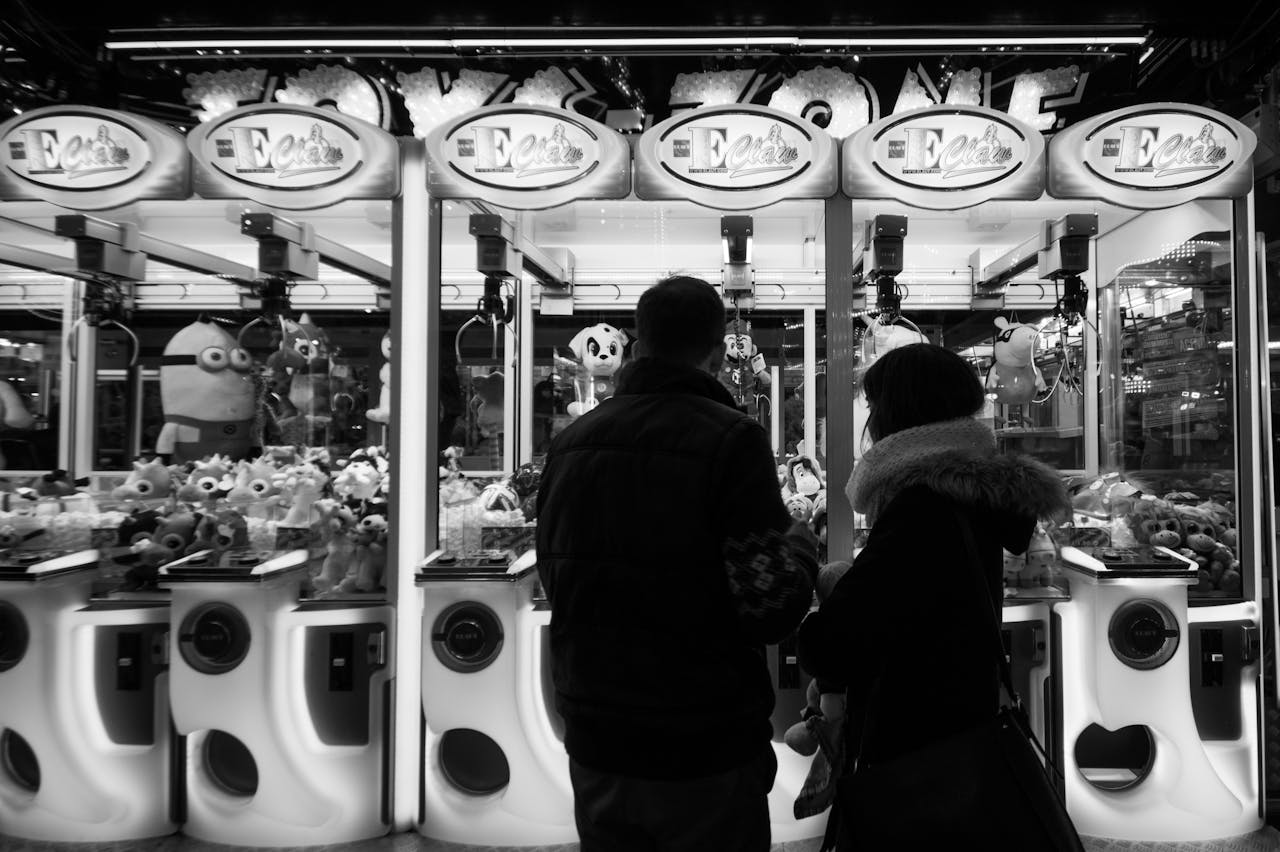
Arcades were a social hub in the 1980s, buzzing with the sounds of pinball machines, 8-bit music, and quarters clinking into slots. Playing games like Pac-Man or Space Invaders with friends was an affordable and thrilling pastime. Today, while video games are more advanced, the communal arcade experience is rare. Visiting a retro arcade now feels like a novelty—a chance to immerse yourself in a physical, interactive environment that’s miles away from the solitary world of online gaming.
Rotary Phones
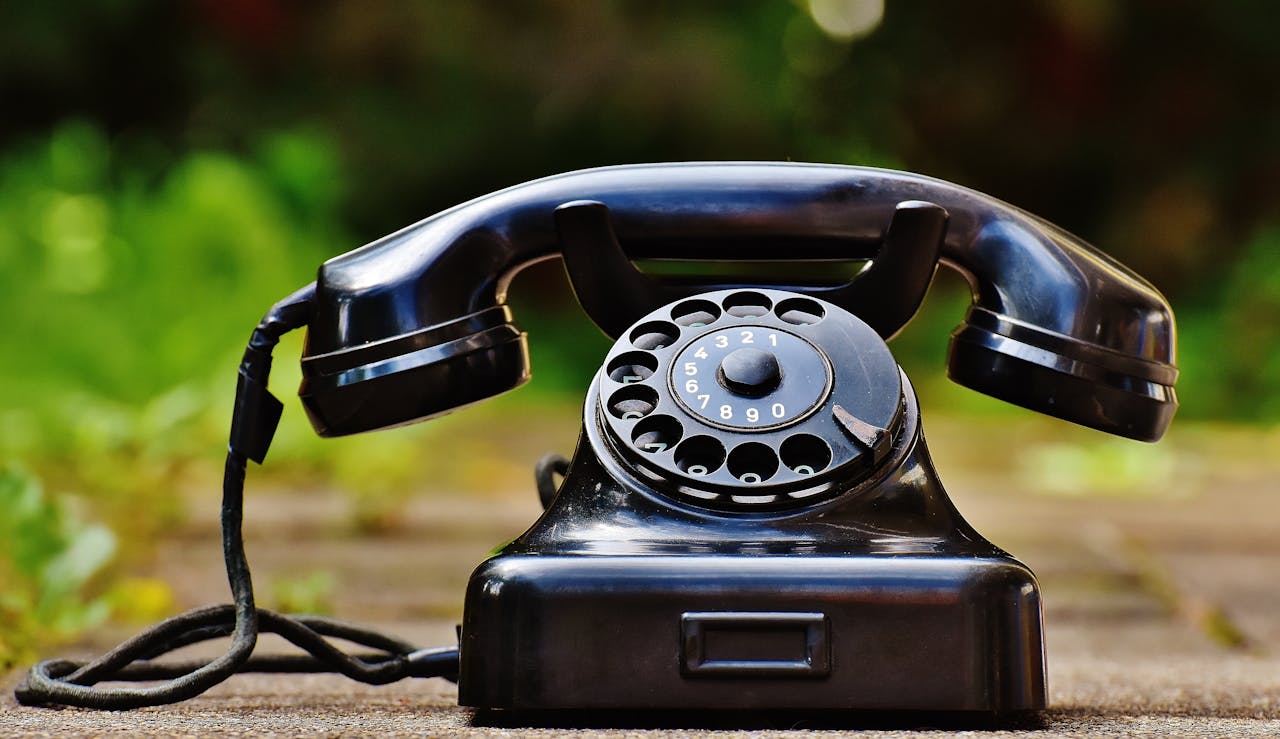
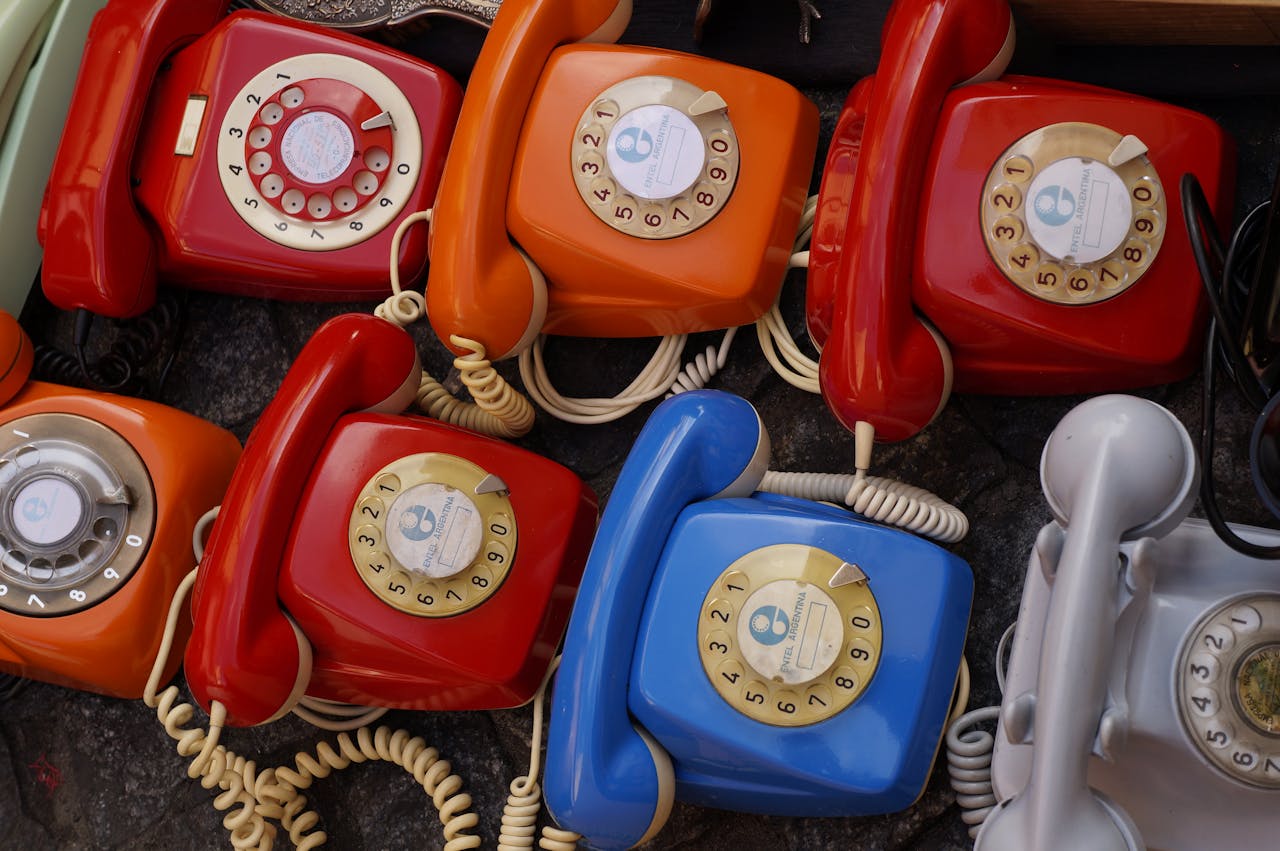
In the ’80s, rotary phones were a household staple. Calling someone meant dialing each number with a satisfying click and hearing the mechanical return of the dial. Conversations happened without the distraction of texts, notifications, or endless apps. Today, rotary phones are vintage collectibles, admired for their design and simplicity. Using one now feels like a deliberate act of slowing down—a reminder of when phone calls were intentional, meaningful moments, not background noise.
The everyday items of the 1980s weren’t considered extravagant at the time, but their craftsmanship, personal touch, and tangible presence now stand out in our fast-paced, digital lives. Whether it’s the sound of a vinyl record, the weight of a handwritten letter, or the thrill of browsing a video store, these once-common things have gained a new status as treasured luxuries. They remind us that sometimes, the most “fancy” experiences are the ones that bring us back to life’s simpler pleasures.