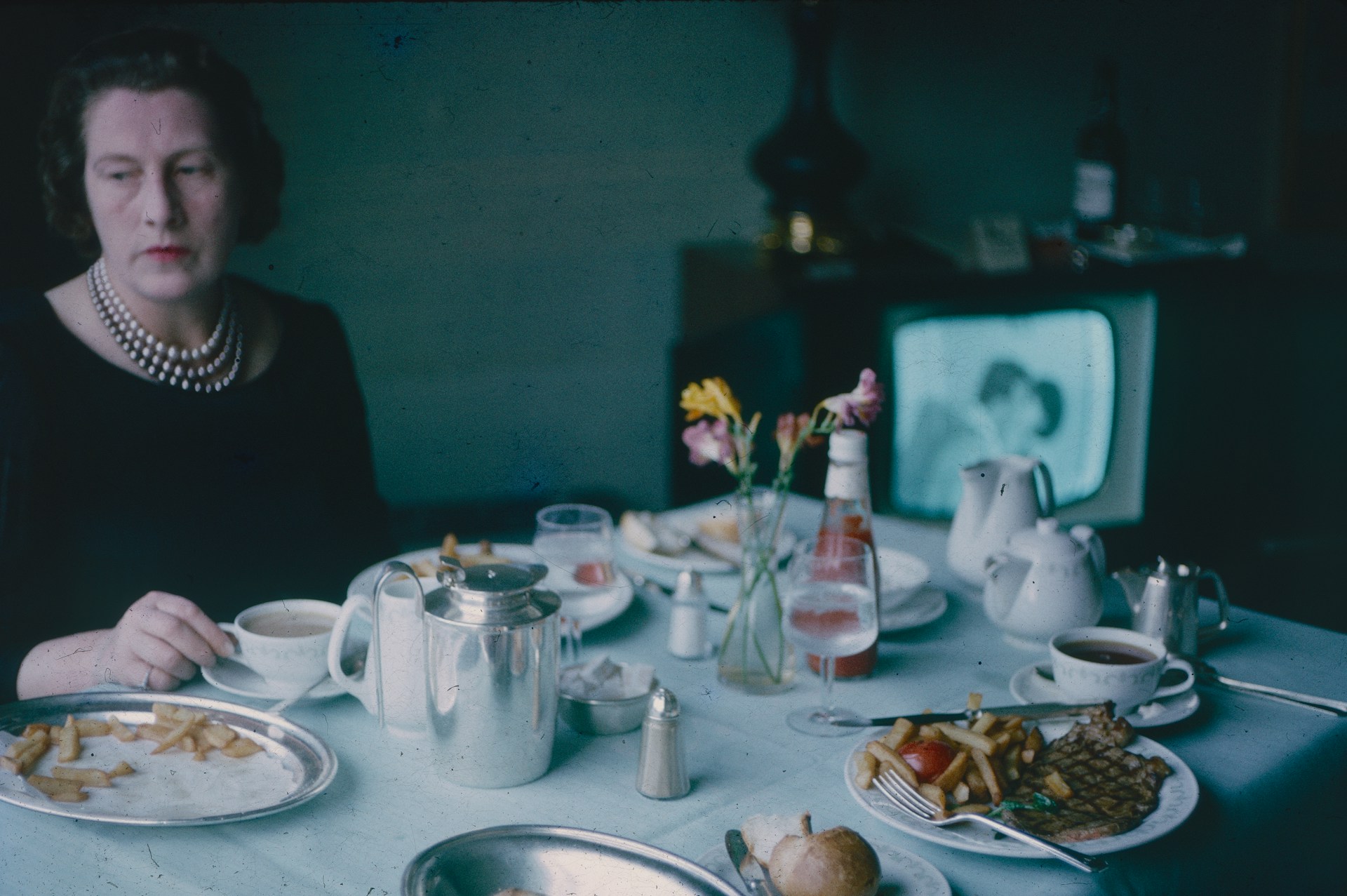
Looking back at the customs of our great-grandparents reveals a world shaped by etiquette rules that now seem strange or unnecessary. These social codes governed how people dressed, dined, and interacted, often with a strictness that feels foreign today. While many of these customs were meant to maintain order and propriety, they also highlight how much social norms have evolved over the past century. Here are seventeen bizarre social rules that once guided everyday life, giving us a glimpse into the culture of the past.
1. Women Could Not Show Ankles

In many communities, showing even a glimpse of ankle was considered scandalous for women. Dresses and skirts were designed to fall well below the ankle, and any slip of fabric revealing more was thought improper. This rule reinforced strict modesty standards that dictated women’s behavior. Today it seems extreme, but back then it was tied to perceptions of respectability and virtue. It reveals how fashion was less about style and more about conforming to rigid social codes of propriety.
2. Gloves Required in Public

Great-grandparents were expected to wear gloves when going out, especially for formal occasions. Gloves symbolized refinement, class, and hygiene. Women had gloves for every outfit, while men wore them to show manners and status. Removing them too early in a social setting was frowned upon. While gloves are now practical accessories for cold weather, they once represented an essential marker of respectability. The absence of gloves could make someone appear careless or uncouth.
3. Calling Cards for Visits
Social visits required calling cards, small printed cards handed to the host to announce one’s arrival. These cards were an essential part of etiquette and often carried elegant designs. Failing to present one was considered rude and disrespectful. The ritual gave hosts the chance to decide whether to welcome the visitor or not. Today, text messages or quick phone calls replace this formal custom. Yet, calling cards remind us of the strict, almost ceremonial, nature of past social interactions.
4. No Whistling for Women

For women, whistling was considered highly improper. It was thought to be unfeminine and disruptive, clashing with expectations of quiet refinement. Men could whistle freely, but women risked harsh judgment if they did the same. This bizarre rule reflects how gender norms dictated even the smallest behaviors. Over time, whistling became simply a matter of personal expression, not reputation. Yet, in earlier days, it was one of many restrictions imposed on women’s conduct in public.
5. Dance Cards at Social Events
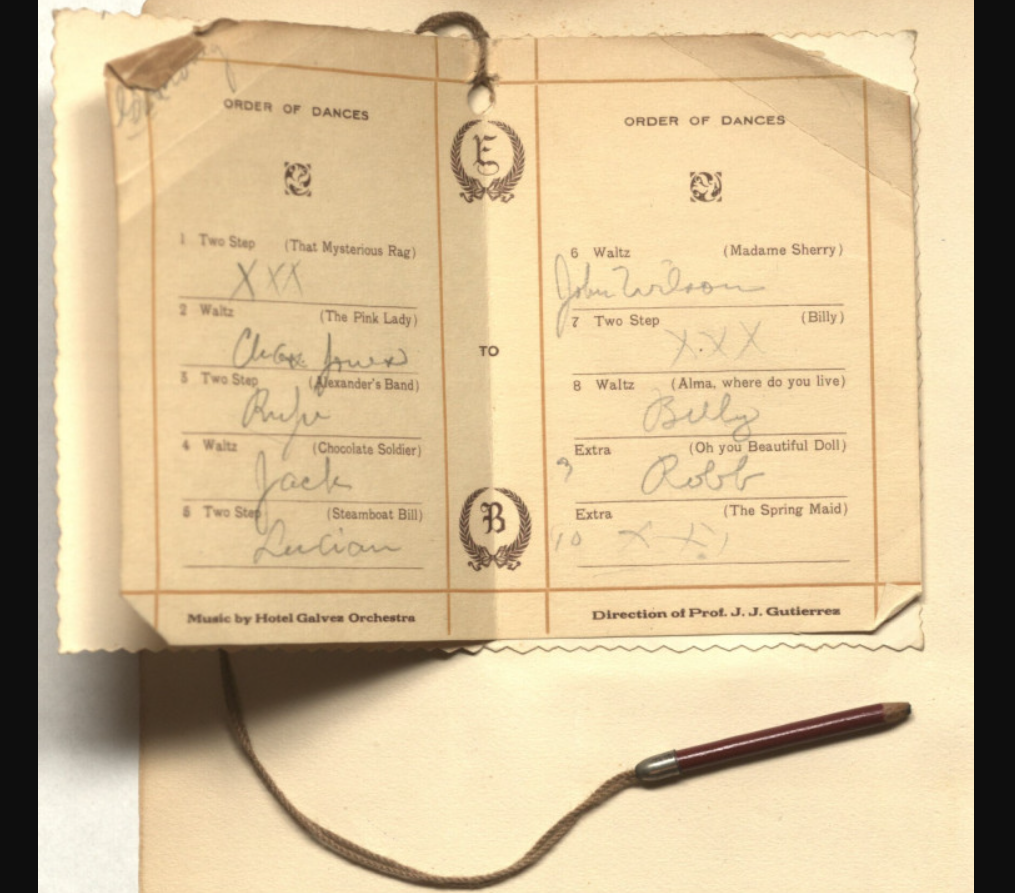
Women attending formal dances carried dance cards listing the order of their partners for each dance. Men would request spots in advance, and the cards served as a record of social commitments. Leaving a dance card incomplete or disorganized could reflect poorly on a woman’s reputation. While the custom seems quaint today, it shows how even leisure activities were carefully orchestrated. The dance card was less about fun and more about displaying social status and organization.
6. No Laughing Too Loudly

Loud laughter was considered unrefined, especially for women. People were expected to smile or chuckle modestly, keeping their emotions controlled in public. This rule reinforced the idea that dignity was linked to restraint. While laughter is now celebrated as a sign of joy and connection, in the past it could damage a person’s reputation. The expectation of subdued laughter reveals how much pressure was placed on individuals to maintain composure at all times.
7. Strict Mourning Dress Codes
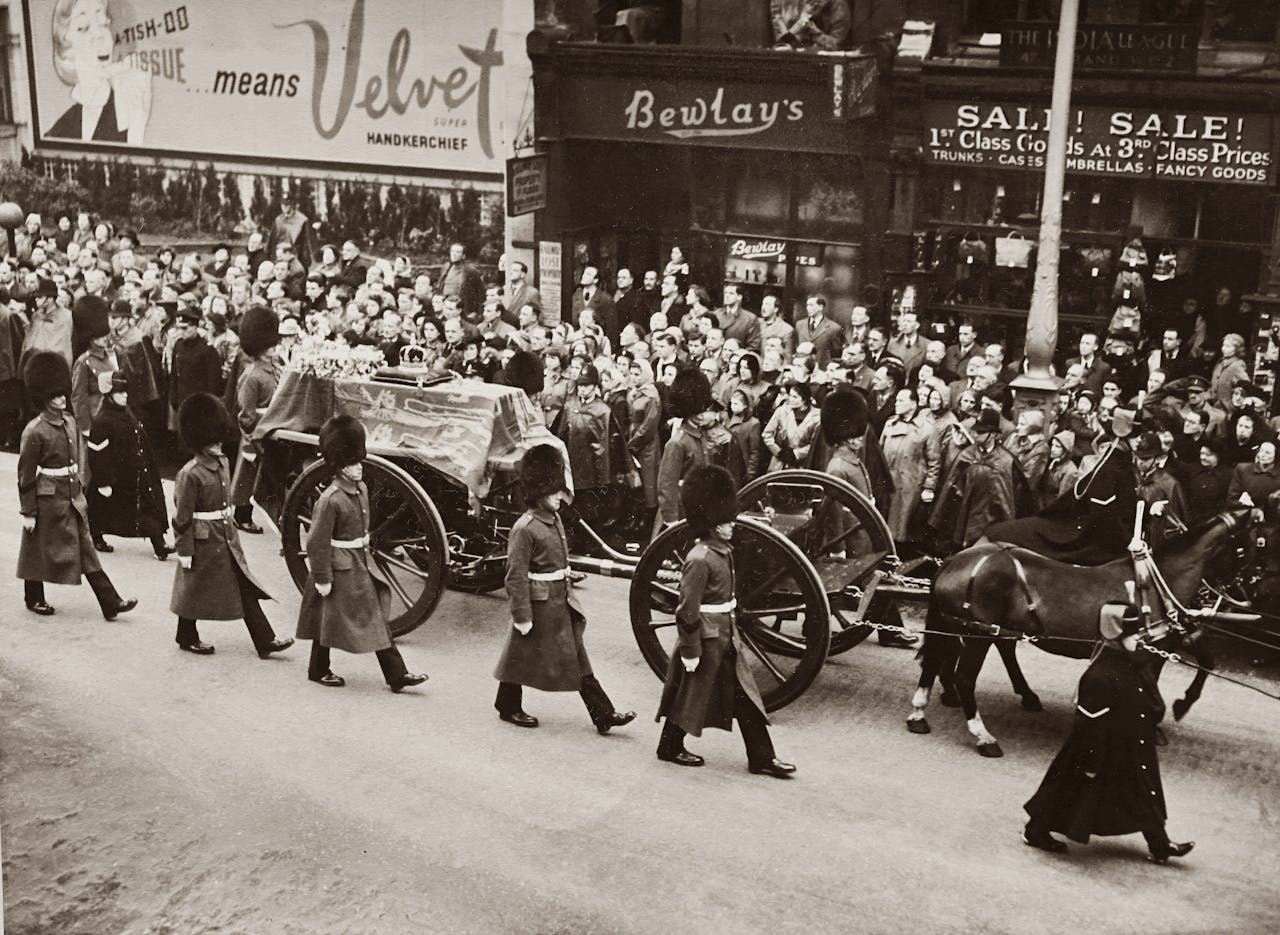
After a loved one’s death, people were required to follow strict mourning attire rules. Women often wore black for a full year, while men added black armbands to their outfits. Attending social events too soon after a death was frowned upon. These rules were intended to display respect but often became burdensome. Mourning attire served as a public signal of grief, leaving little room for personal choice. The practice highlights how much emphasis society placed on appearances and outward displays of emotion.
8. No Talking During Meals
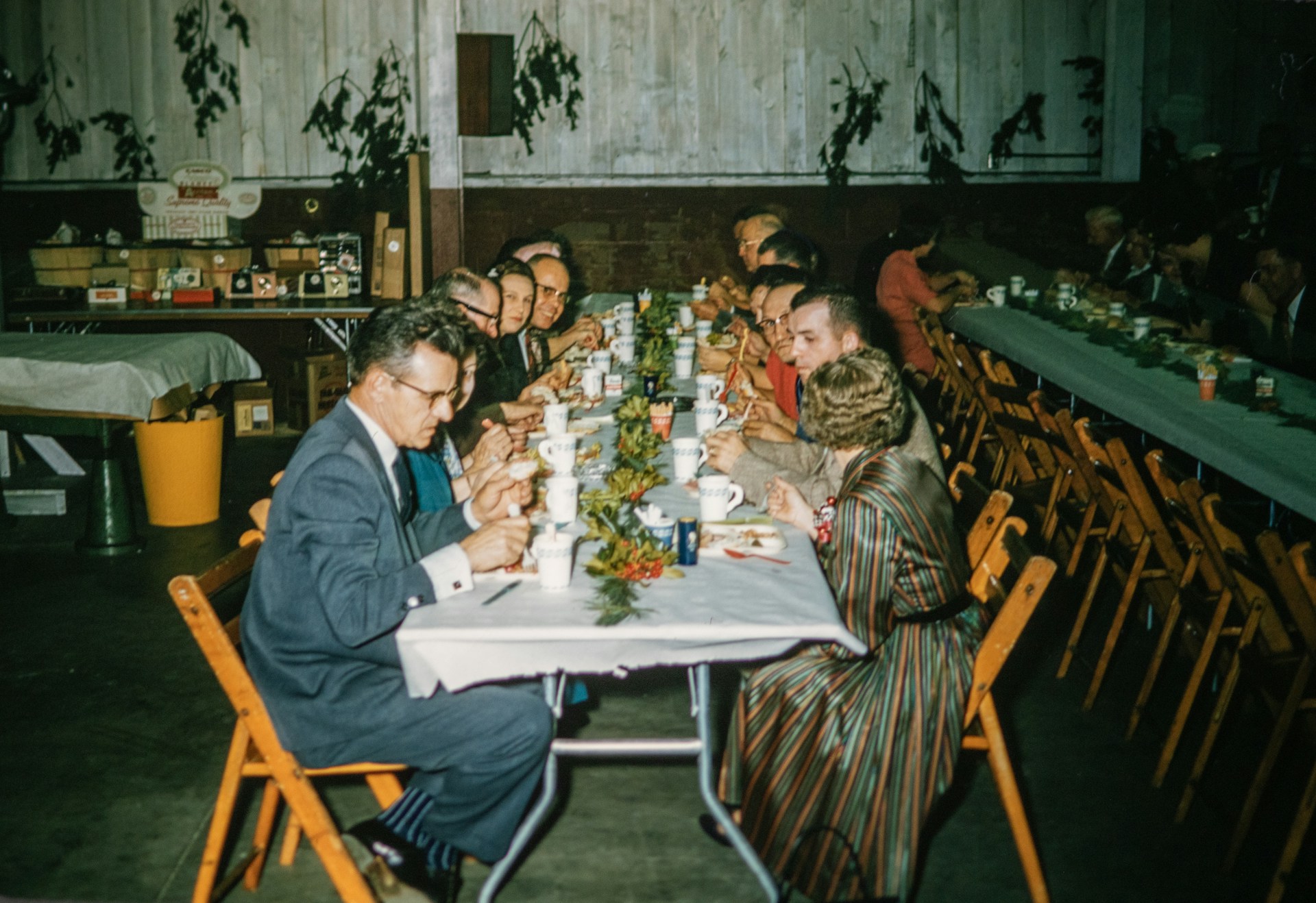
In some households, conversation during meals was considered impolite, especially for children. Meals were meant for eating quietly, not socializing. Speaking out of turn could result in reprimands, particularly in strict families. Today, family meals are valued as times for bonding and sharing stories. Yet, for great-grandparents, silence at the table was a sign of discipline and respect. This odd rule reflects a very different view of what mealtime should represent.
9. Chaperones for Young Women
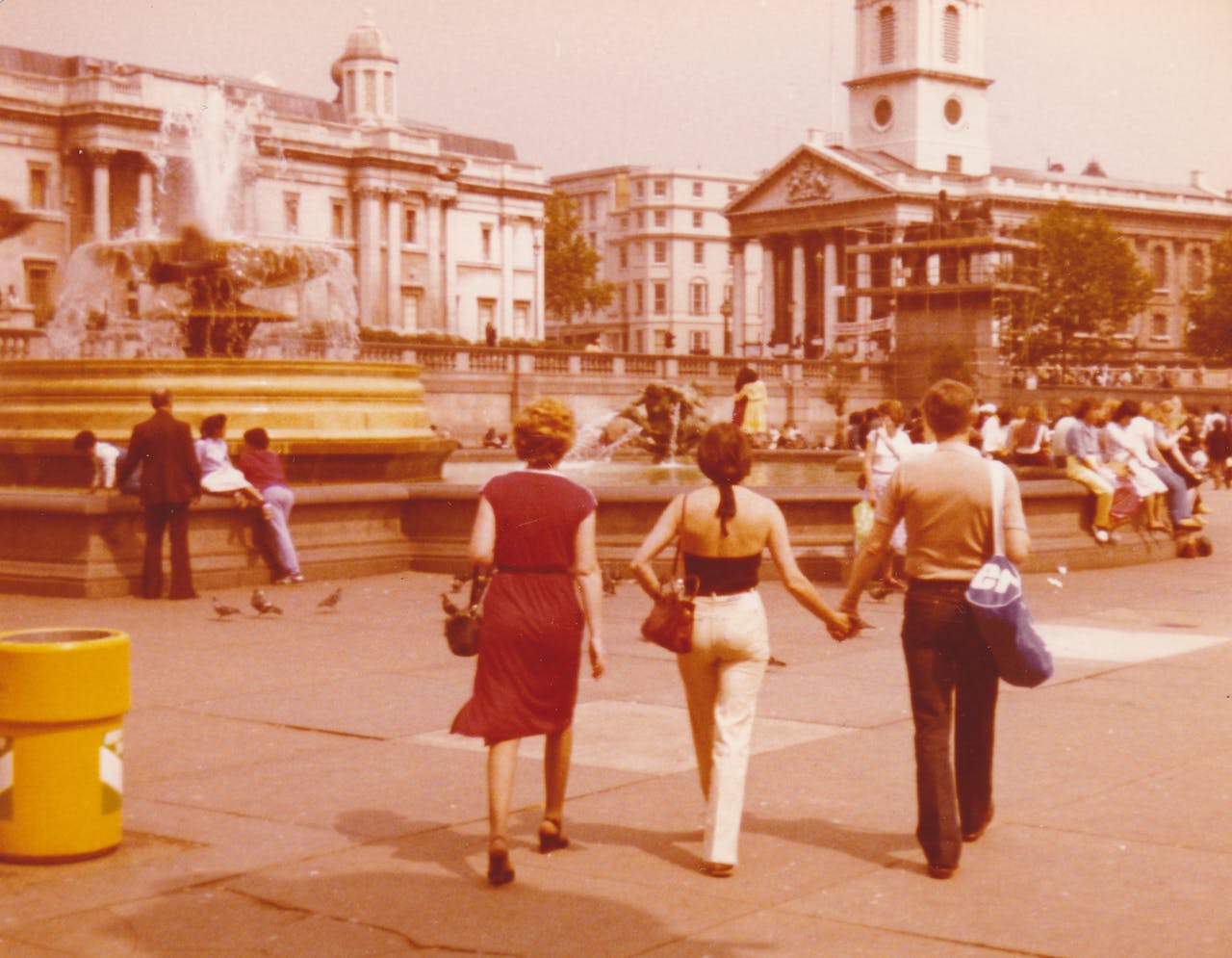
Young women were rarely allowed to go out without a chaperone. A trusted older relative would accompany them to ensure propriety. This rule limited independence and reinforced the idea that women needed constant supervision. Any outing without a chaperone could lead to gossip or reputational harm. While today independence is celebrated, back then, protection of reputation was prioritized above personal freedom. The chaperone tradition reveals how tightly women’s behavior was controlled by societal expectations.
10. No Using First Names Casually
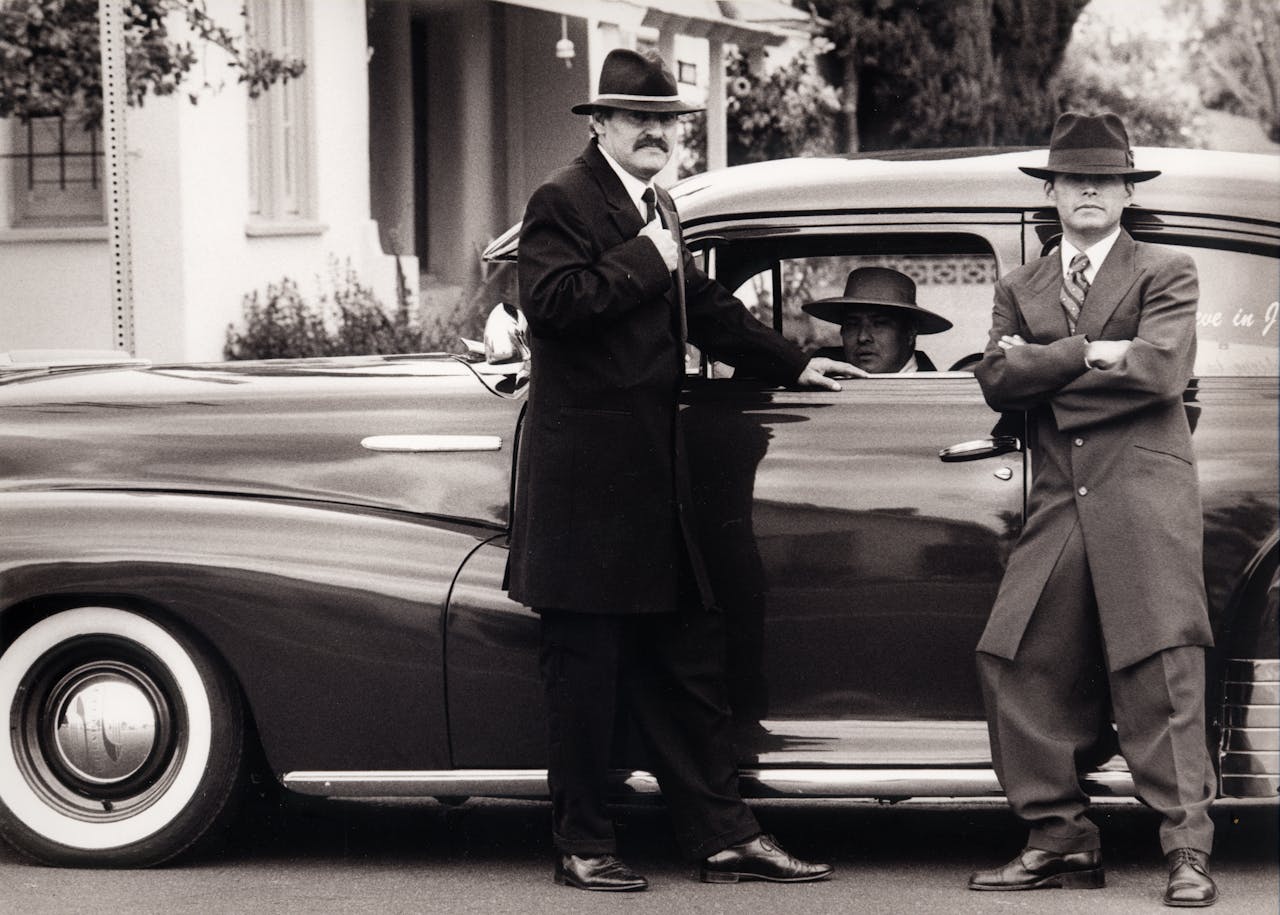
Addressing someone by their first name without permission was considered disrespectful. Titles like “Mr.,” “Mrs.,” or “Miss” were standard, even among acquaintances. Using a first name too soon suggested familiarity and impropriety. This formality reinforced social hierarchies and boundaries. Today, first names are used freely in most contexts, signaling equality and friendliness. The rule reminds us how social distance and formality once defined relationships much more rigidly.
11. Hats Indoors Were Forbidden

Etiquette demanded that men remove their hats indoors as a sign of respect. Women, on the other hand, were often expected to keep hats on in formal settings. The rules varied depending on the place and occasion, creating a complex system of dos and don’ts. Forgetting the rule could embarrass both the individual and their host. While hats are less common today, the custom reveals how deeply symbolic clothing choices once were in everyday life.
12. Writing Letters Daily
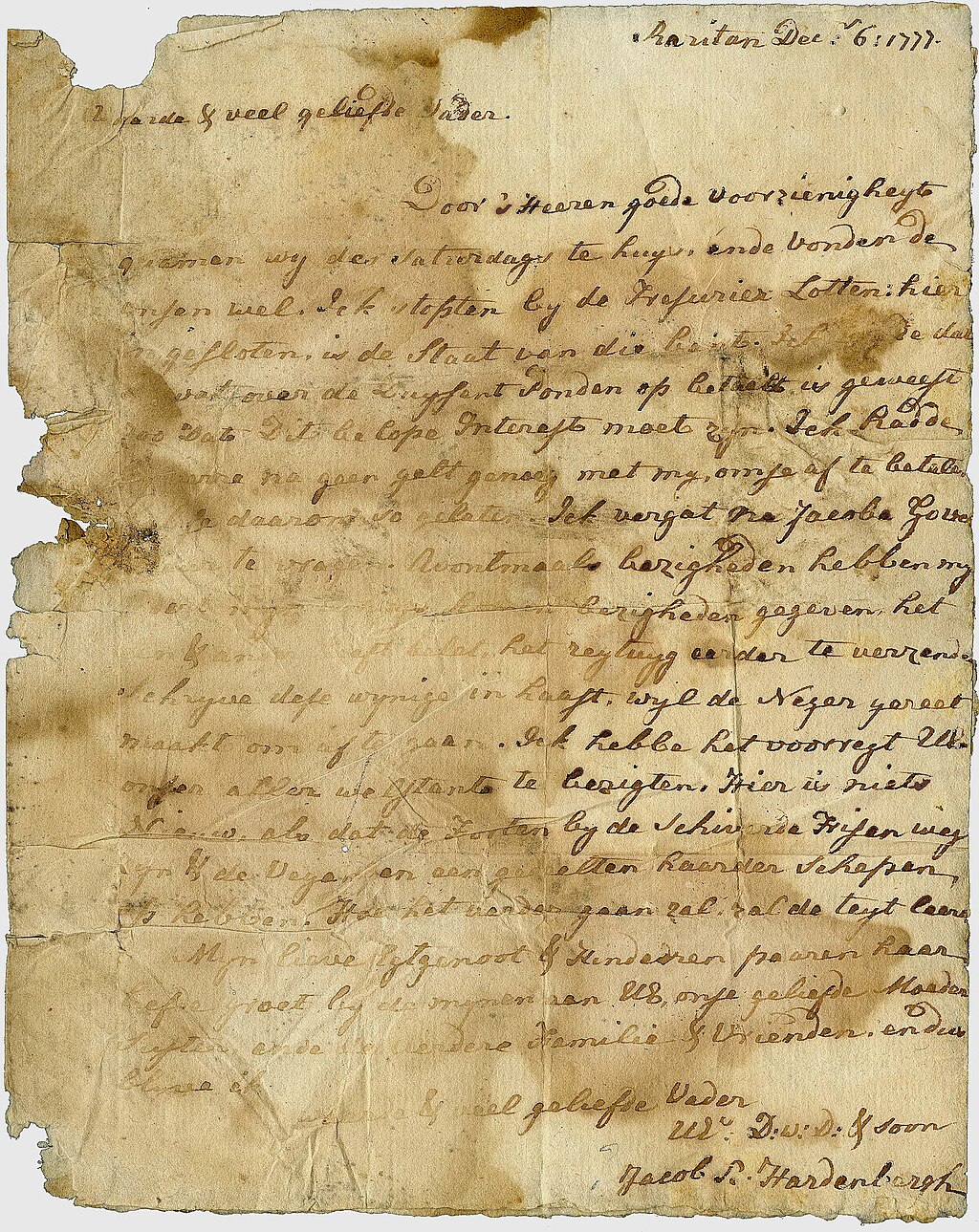
Great-grandparents often followed the practice of writing letters daily to friends, family, or acquaintances. Failing to keep up correspondence was considered rude. The practice required significant time and effort, as people were expected to reply quickly and thoughtfully. Today, instant messaging has replaced letter writing, but the idea of constant updates feels familiar. Still, the pressure to maintain daily correspondence would seem excessive in modern life. It reflects how communication was both a duty and an art form in the past.
13. No Eating on the Street

Eating food while walking outdoors was seen as improper behavior. Meals were meant to be eaten at home or in designated spaces, never on the go. This rule reflected ideas of decorum and self-control. Today, street food and casual dining on the move are celebrated as cultural experiences. The ban on public snacking highlights how rigidly everyday actions were monitored in earlier times. To our great-grandparents, eating while walking could be seen as undisciplined and disrespectful.
14. No Crossing Legs for Women
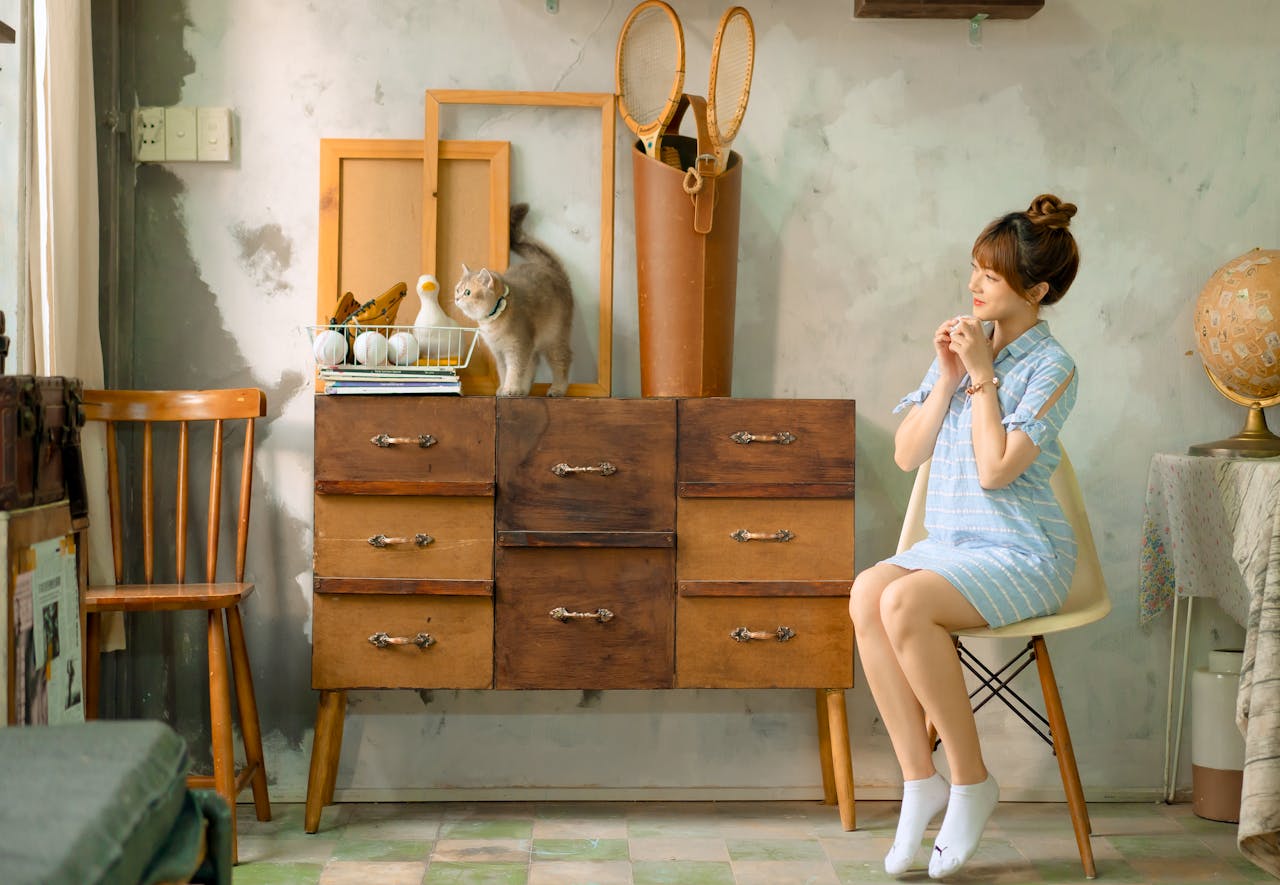
For women, crossing legs while sitting was considered unladylike. They were expected to keep both feet flat on the floor or ankles modestly crossed. This posture rule reinforced modesty and restraint, even in casual settings. Breaking it could invite criticism or disapproval. Today, sitting comfortably is the norm, and posture is rarely judged so harshly. The rule shows how women’s behavior was policed in ways that extended even to how they sat in a chair.
15. Elaborate Thank-You Notes

After social visits, gifts, or events, writing detailed thank-you notes was required. Failing to send one could damage relationships and reputations. These notes were expected to be sincere, thoughtful, and often handwritten on special stationery. While modern thank-yous may come as quick texts or emails, the older practice reflected how much emphasis was placed on formal gratitude. It turned courtesy into a ritual, often making relationships feel more like transactions of politeness than genuine exchanges.
16. Strict Tableware Etiquette
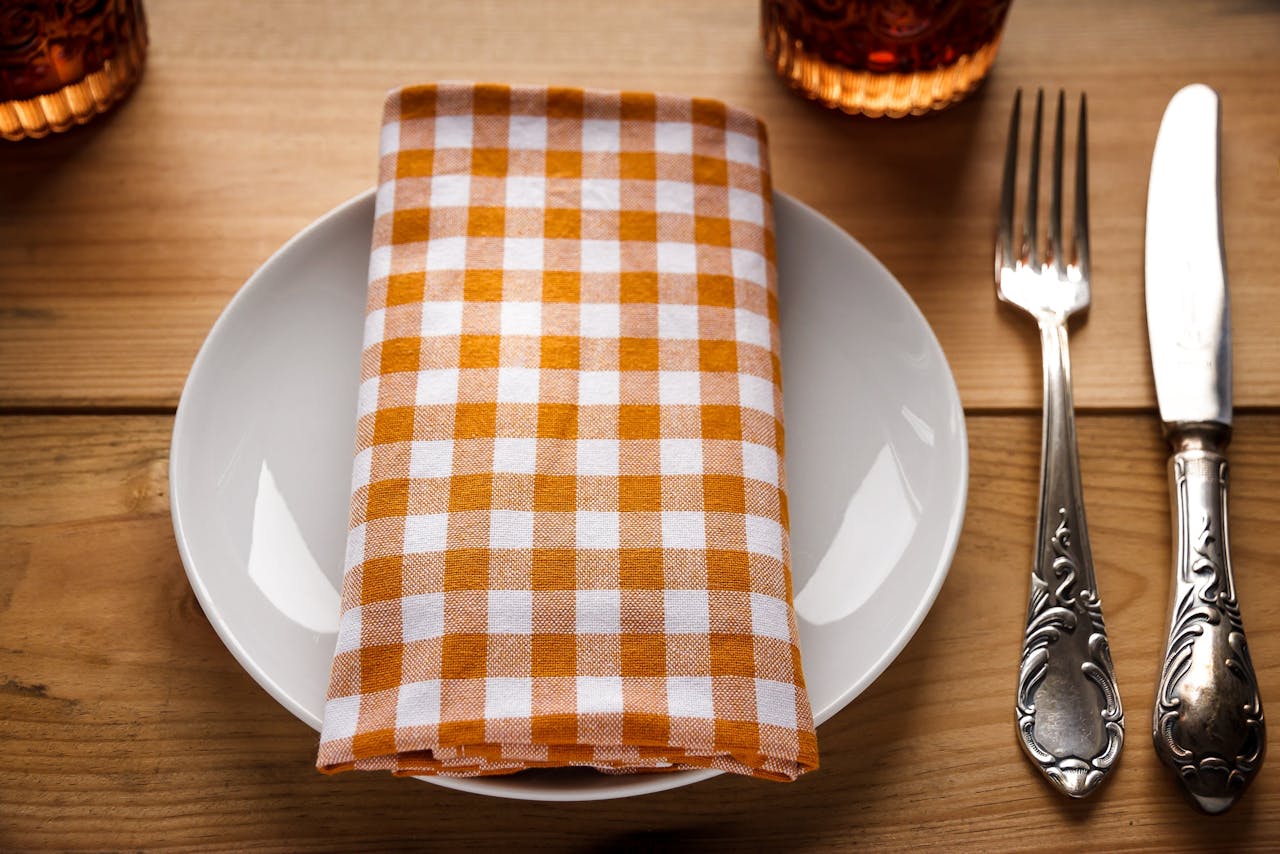
Using the wrong fork or spoon at a meal could be seen as a major social faux pas. Guests were expected to know the exact purpose of each piece of cutlery, and mistakes could lead to embarrassment. Formal dinners often included multiple courses, making the rules even more complex. Today, most meals are casual, and such details are rarely enforced. Yet for great-grandparents, tableware etiquette was a serious matter, reflecting knowledge of social rules and class identity.
17. Greeting Bows and Curtsies
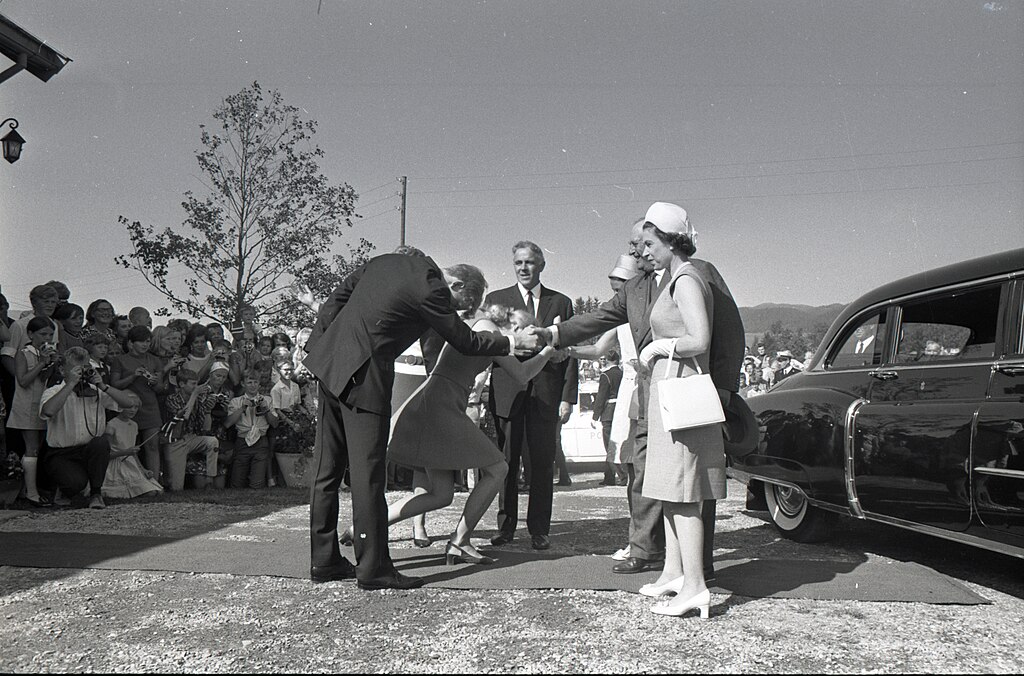
Formal greetings often required bows from men and curtsies from women. These gestures showed respect but also reinforced social hierarchies. Forgetting or refusing to perform them could be seen as disrespectful. Today, greetings are much more casual, ranging from handshakes to hugs. The formality of bows and curtsies reveals how much emphasis was placed on outward gestures of respect. It serves as a reminder of how choreographed daily interactions once were.
These rules, though bizarre by today’s standards, were once essential parts of everyday life. They reveal how society valued formality, restraint, and appearances over personal freedom. While many of these customs have vanished, they remind us of the dramatic changes in how people connect, communicate, and define respect in modern times.