Long before Hollywood glamorized vampires with sleek charm and brooding romance, ancient cultures feared them as dark, restless spirits that fed on the living. These early myths were rooted in superstition, disease, and mystery, shaping the legends that would one day evolve into modern horror. From blood-drinking demons of Mesopotamia to ghostly night creatures in Slavic folklore, these tales reveal how humanity’s oldest fears became the backbone of every vampire story we know today.
Lilitu of Mesopotamia
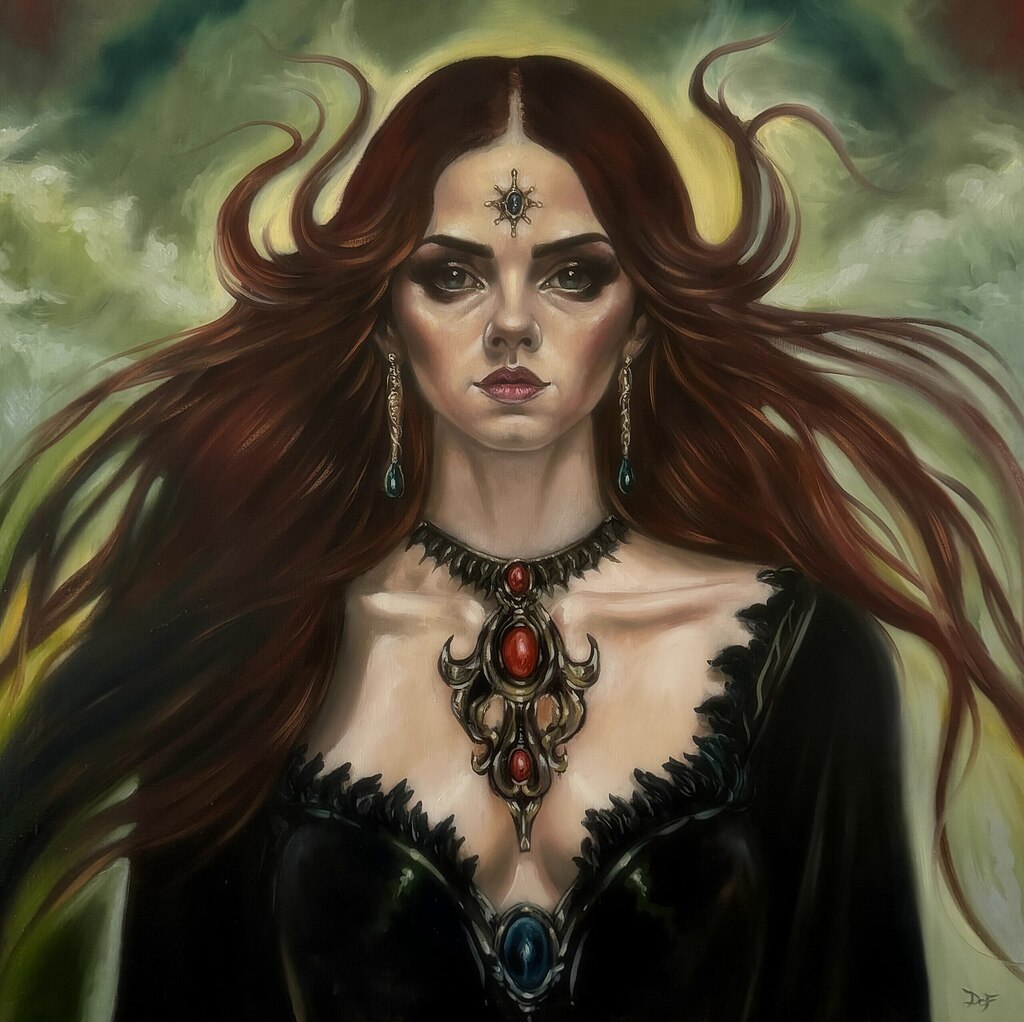
The Mesopotamian Lilitu is one of the earliest known vampire figures. Described as a female demon who preyed upon infants and men, she embodied both fear and temptation. Scholars link her to the later Hebrew figure Lilith, often seen as Adam’s first wife who rebelled against submission. Ancient people blamed Lilitu for illness and nocturnal attacks, giving rise to charms and rituals meant to keep her away at night. Her legend laid the foundation for the seductive yet deadly female vampires in modern fiction.
Empusa of Ancient Greece
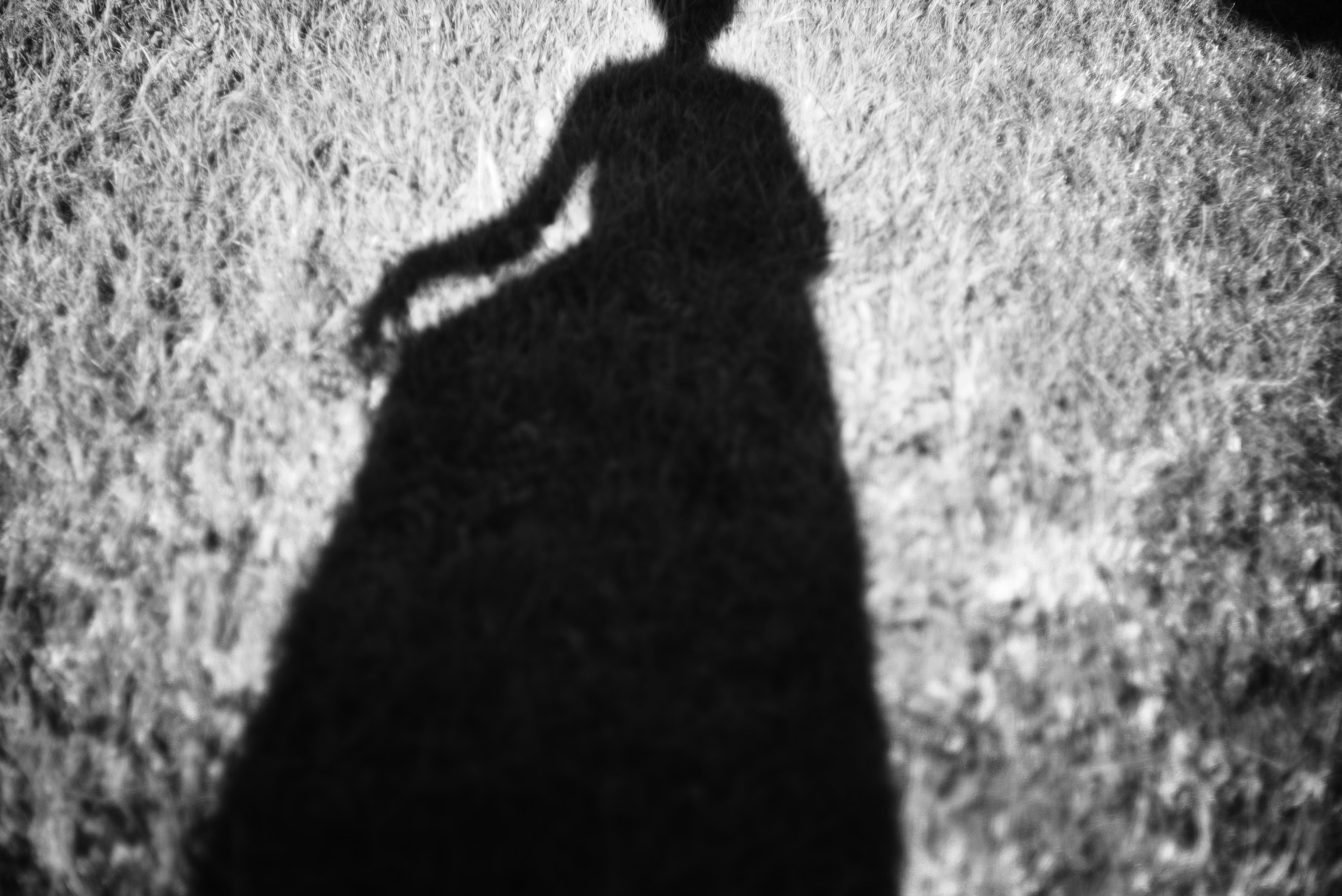
Empusa, a creature of Greek mythology, was said to disguise herself as a beautiful woman to lure men before devouring them. She had a bronze leg and one made of a donkey’s hoof, emphasizing her monstrous nature. Greek stories described her as a servant of Hecate, goddess of witchcraft and ghosts. The myth of Empusa reflects early fears of female deception and nocturnal predation, themes that echo in the femme fatale archetype found in countless vampire tales today.
Lamia of Greece
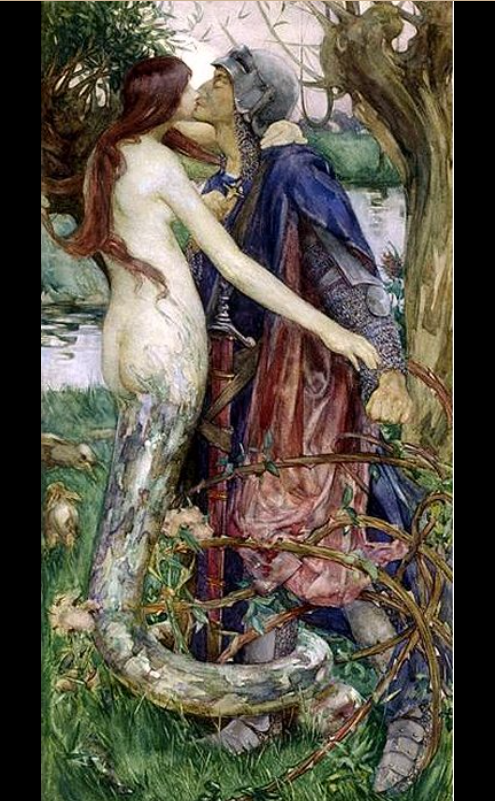
Lamia’s story is both tragic and terrifying. Once a queen loved by Zeus, she was cursed by Hera to lose her children and wander the night feeding on the young. Lamia’s insatiable hunger for children turned her into a figure of horror, representing both grief and revenge. In later folklore, she was described as part woman, part serpent, a shape-shifting monster whose beauty masked her thirst for blood. Her myth heavily influenced the modern image of the seductive vampire.
Strigoi of Romania
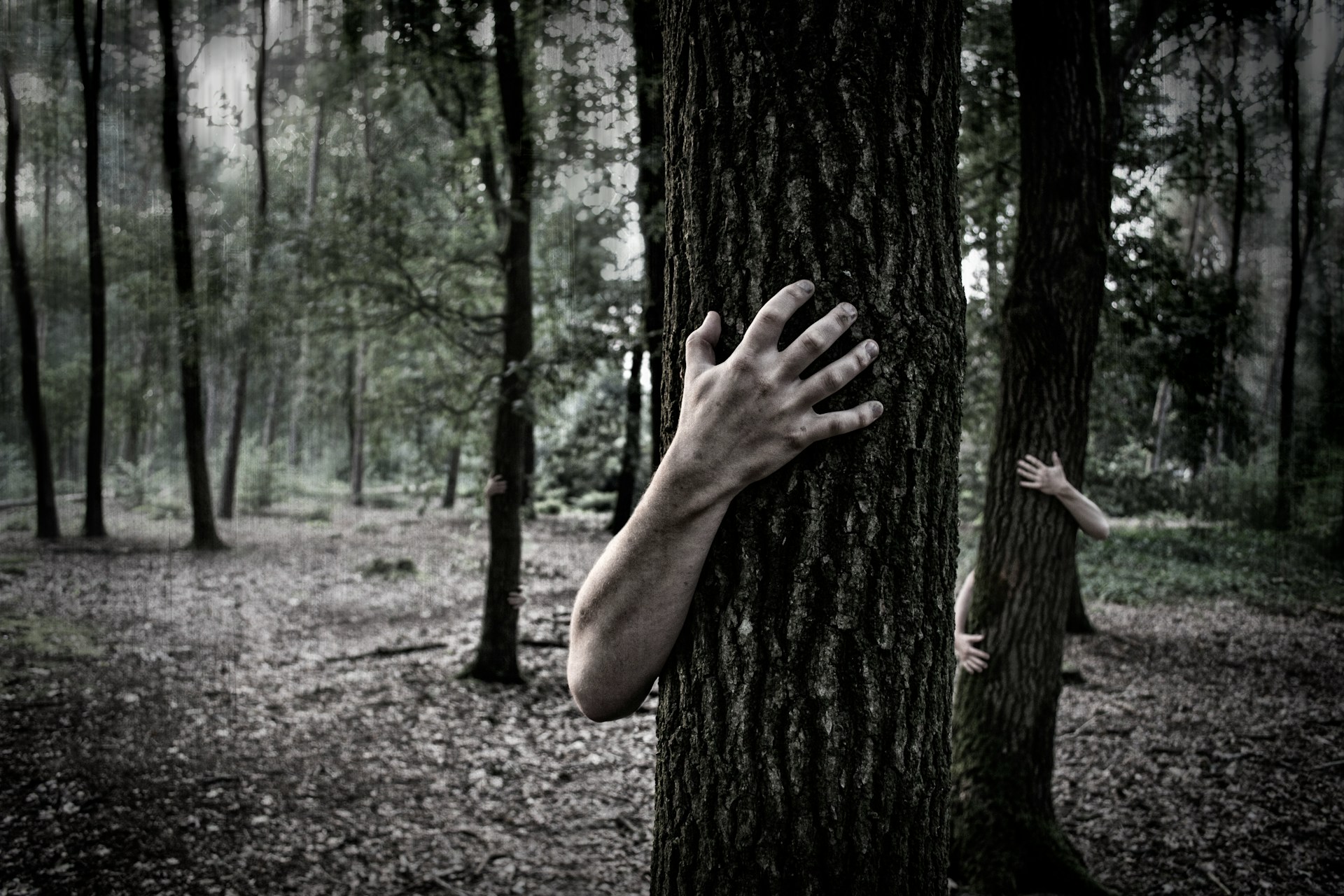
Before Dracula, there were the Strigoi: restless souls that rose from their graves to drink the blood of the living. Romanian villagers believed these creatures could transform into animals, become invisible, and torment families. Rituals like staking the corpse or turning it face-down in the grave were used to prevent their return. The Strigoi myth directly inspired Bram Stoker’s “Dracula,” transforming ancient superstitions into one of literature’s most enduring horrors.
Nachzehrer of Germany
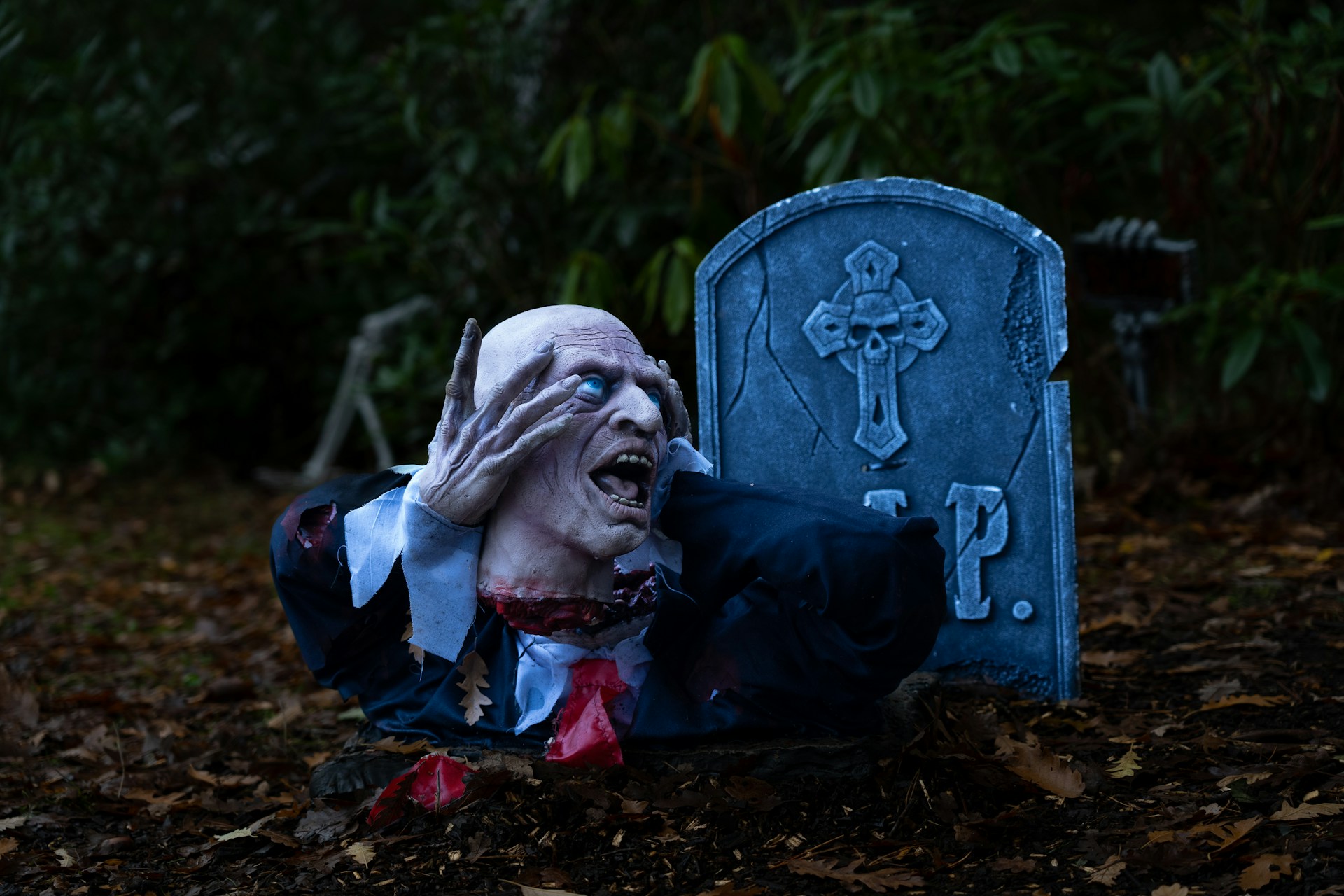
The German Nachzehrer, meaning “after-devourer,” was a corpse that fed on its own burial shroud and eventually on the living relatives it left behind. It was blamed for plagues and unexplained deaths in the family. Legends claimed that if a Nachzehrer chewed too loudly in its grave, those sounds foretold the next death. This eerie belief tied vampirism to disease, echoing how ancient communities tried to make sense of epidemics before understanding infection.
Asanbosam of West Africa
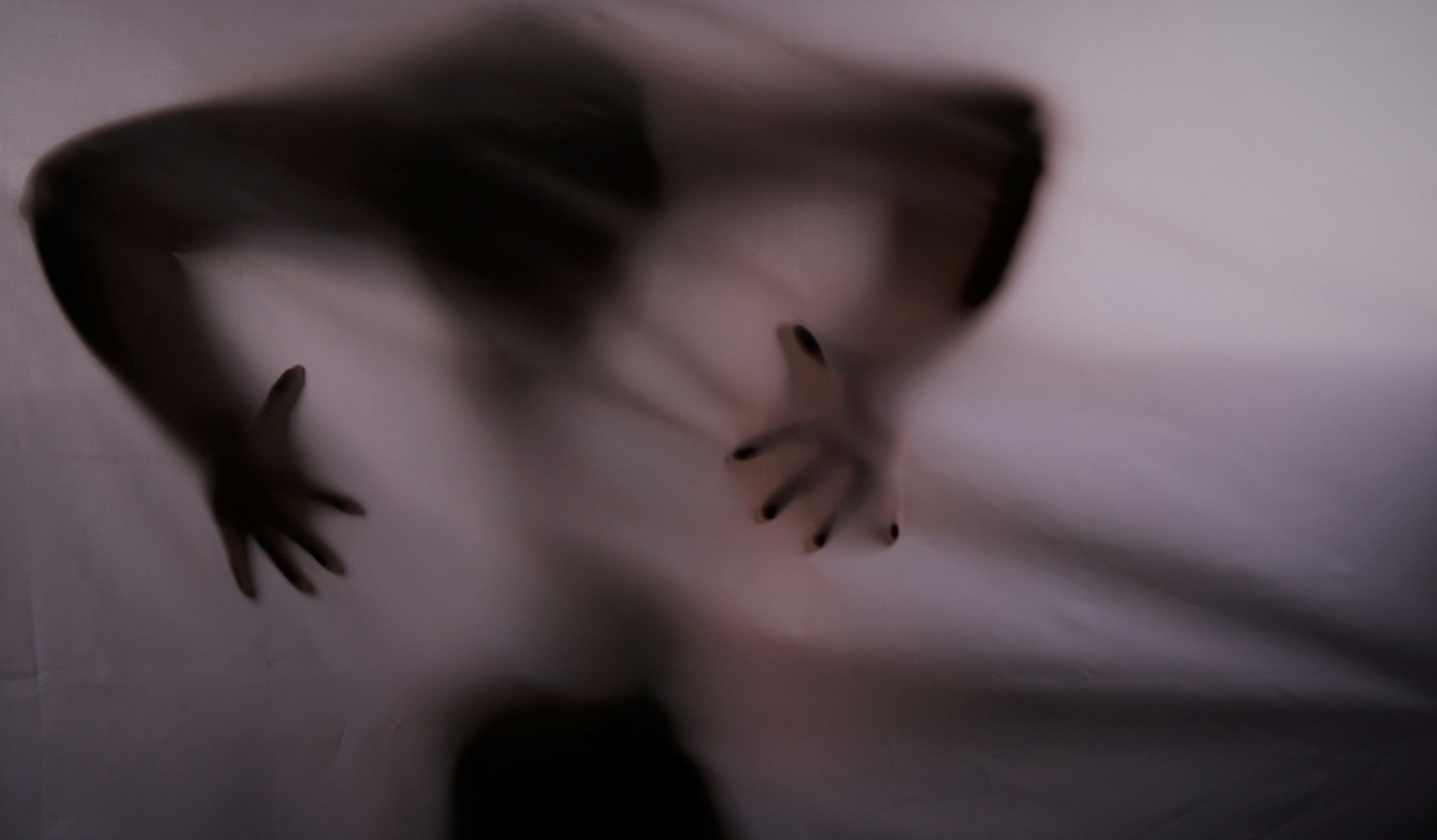
The Asanbosam of the Ashanti people in West Africa was a vampire-like creature with iron teeth and hook-shaped feet. It lived in trees, swooping down on unsuspecting victims to drink their blood. Unlike the European vampire, the Asanbosam symbolized danger lurking in the wilderness rather than in graveyards. Its myth reflects a fear of the forest and the unknown, themes that persist in horror stories where nature itself becomes the predator.
Manananggal of the Philippines
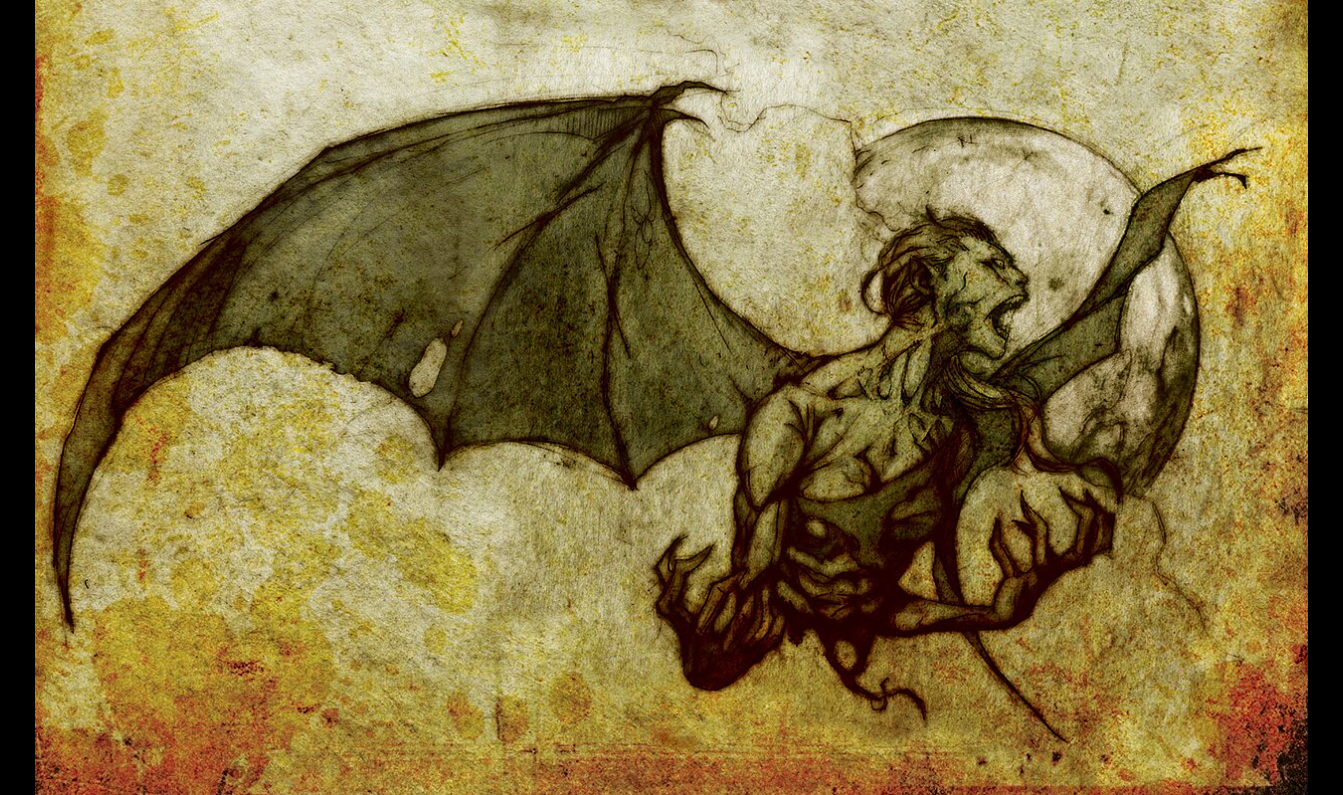
The Manananggal is a terrifying vampire from Filipino folklore that detaches its upper body and flies into the night with bat-like wings to feed on sleeping victims. Pregnant women were said to be her favorite targets. By day, she appeared as a regular woman, but by night she became a monster. The only way to stop her was to sprinkle salt or ash on her lower half, preventing her from reuniting with her body. This dual nature inspired countless shapeshifting monsters in modern horror.
Vetala of India
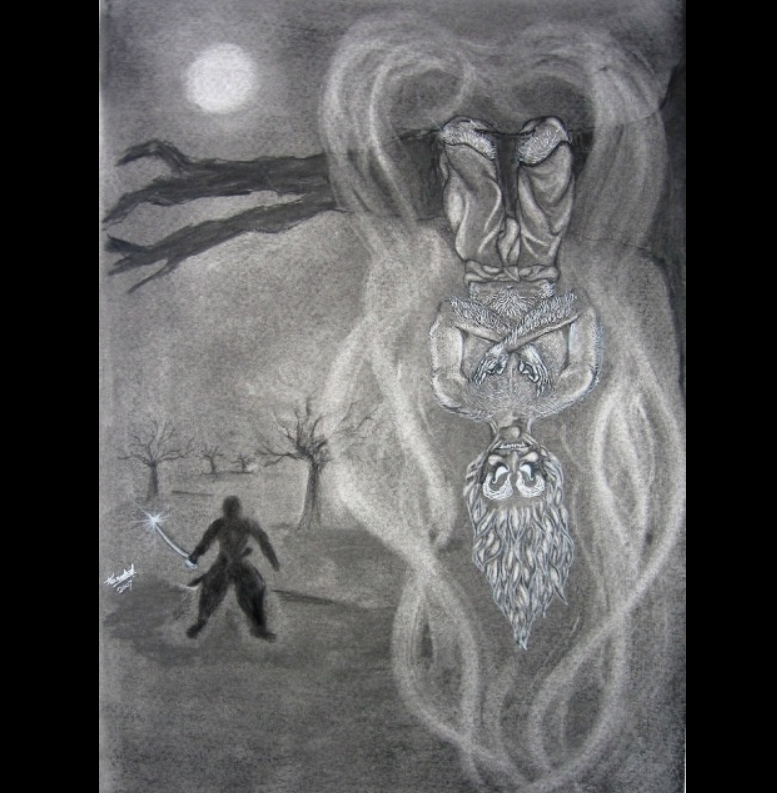
In ancient Hindu texts, the Vetala is a spirit that inhabits corpses, using them to torment the living. Unlike traditional vampires, the Vetala did not need blood but thrived on fear and chaos. These beings were often trapped in cemeteries and haunted travelers who disturbed them. Their stories carry philosophical undertones about death and reincarnation, showing how India’s spiritual traditions influenced the global idea of undead creatures that linger between life and death.
Jiangshi of China
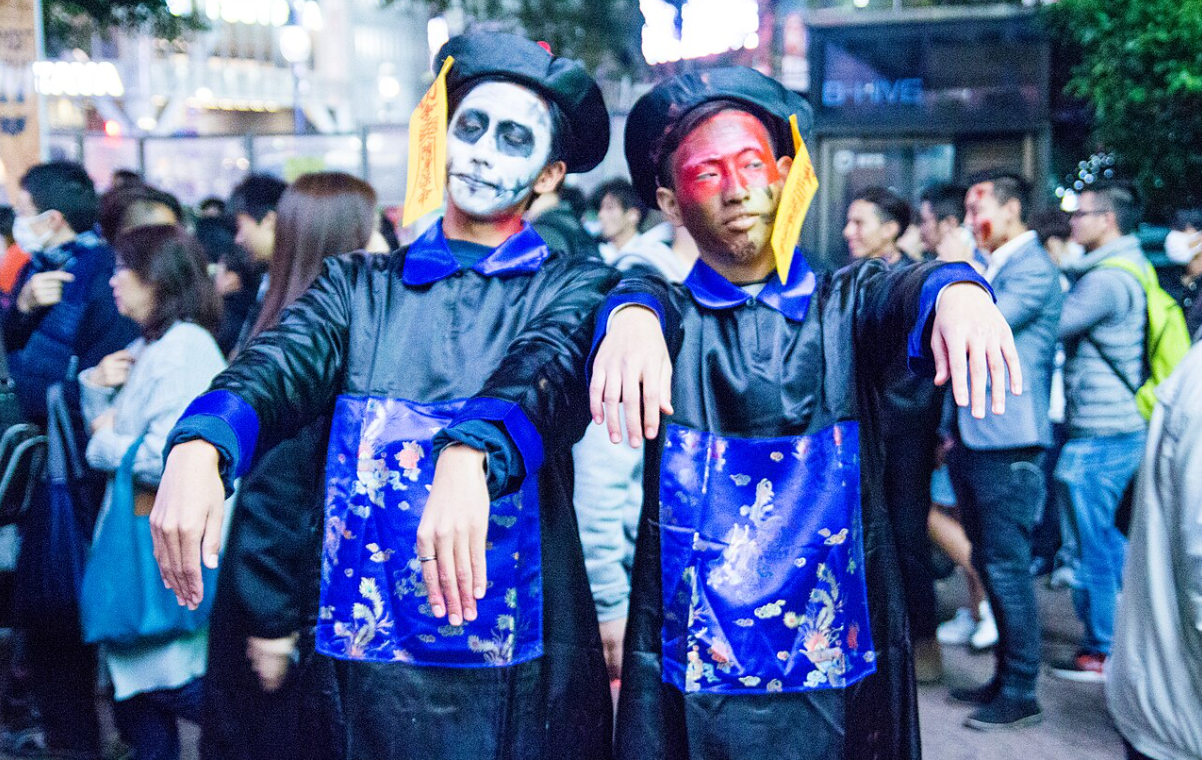
China’s Jiangshi, or “hopping vampire,” is one of the most recognizable figures in East Asian folklore. These reanimated corpses moved stiffly with arms outstretched, draining life energy from victims rather than blood. Taoist priests were believed to control or repel them with spells and talismans. The Jiangshi legend was likely inspired by fears of improper burials and the unnatural disturbance of the dead. It continues to influence Asian horror cinema and folklore today.
Obayifo of West Africa
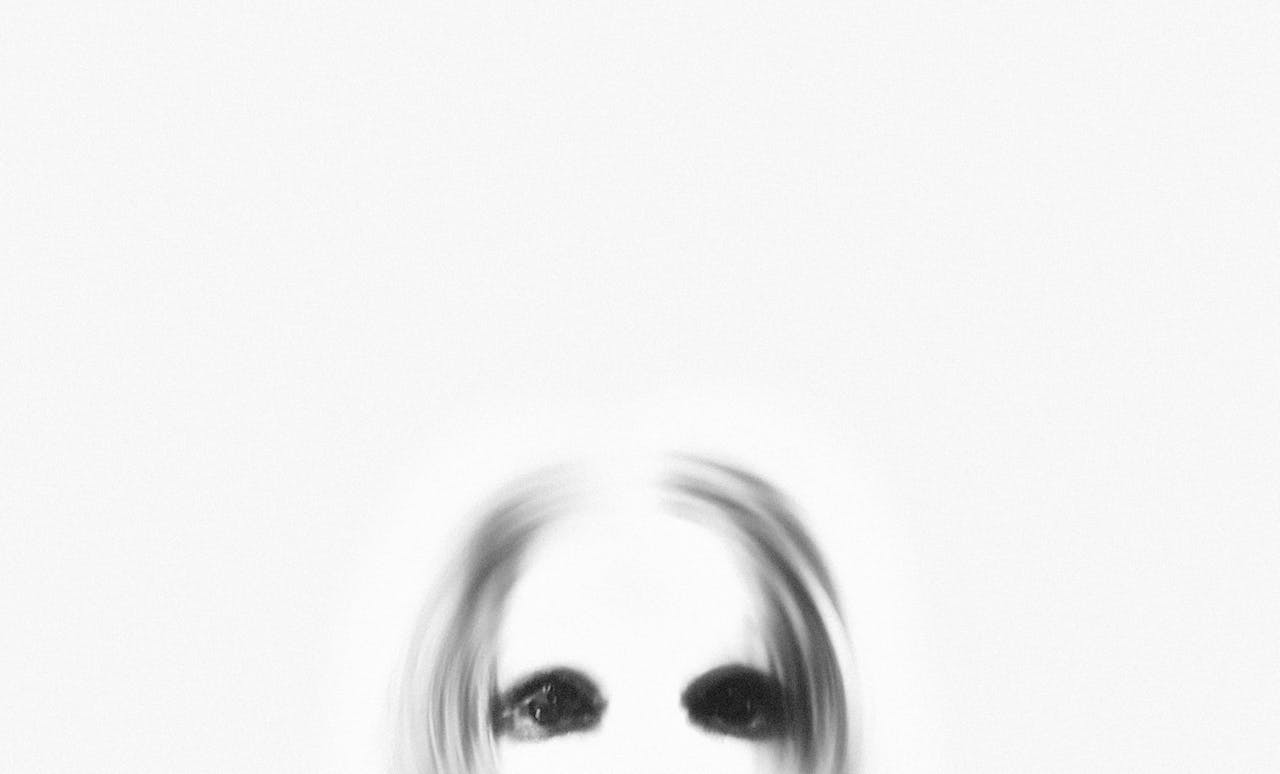
In West African folklore, the Obayifo is a vampire-like witch that feeds on the life force of children. By day, they lived as ordinary humans, but at night their glowing essence revealed their true nature. The myth symbolized jealousy and social corruption, warning against those who drain others emotionally or spiritually. This moral undertone mirrors the way modern horror often uses vampires as metaphors for greed and exploitation.
Chupacabra of Latin America
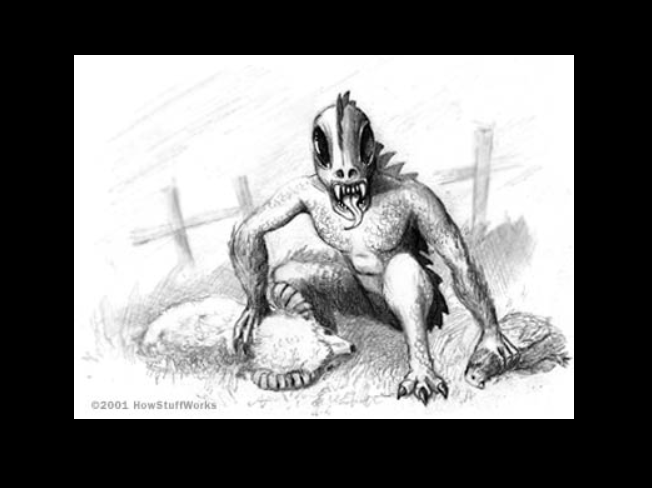
Though a more recent legend, the Chupacabra carries echoes of ancient vampire myths. Said to drain livestock of blood, it combines elements of folklore and modern paranoia. Originating in Puerto Rico in the 1990s, its myth quickly spread across Latin America. Like older vampire tales, it blends fear of the unknown with fascination for mysterious creatures that defy explanation. The Chupacabra shows how the vampire archetype evolves with every generation’s anxieties.
Upir of Slavic Folklore
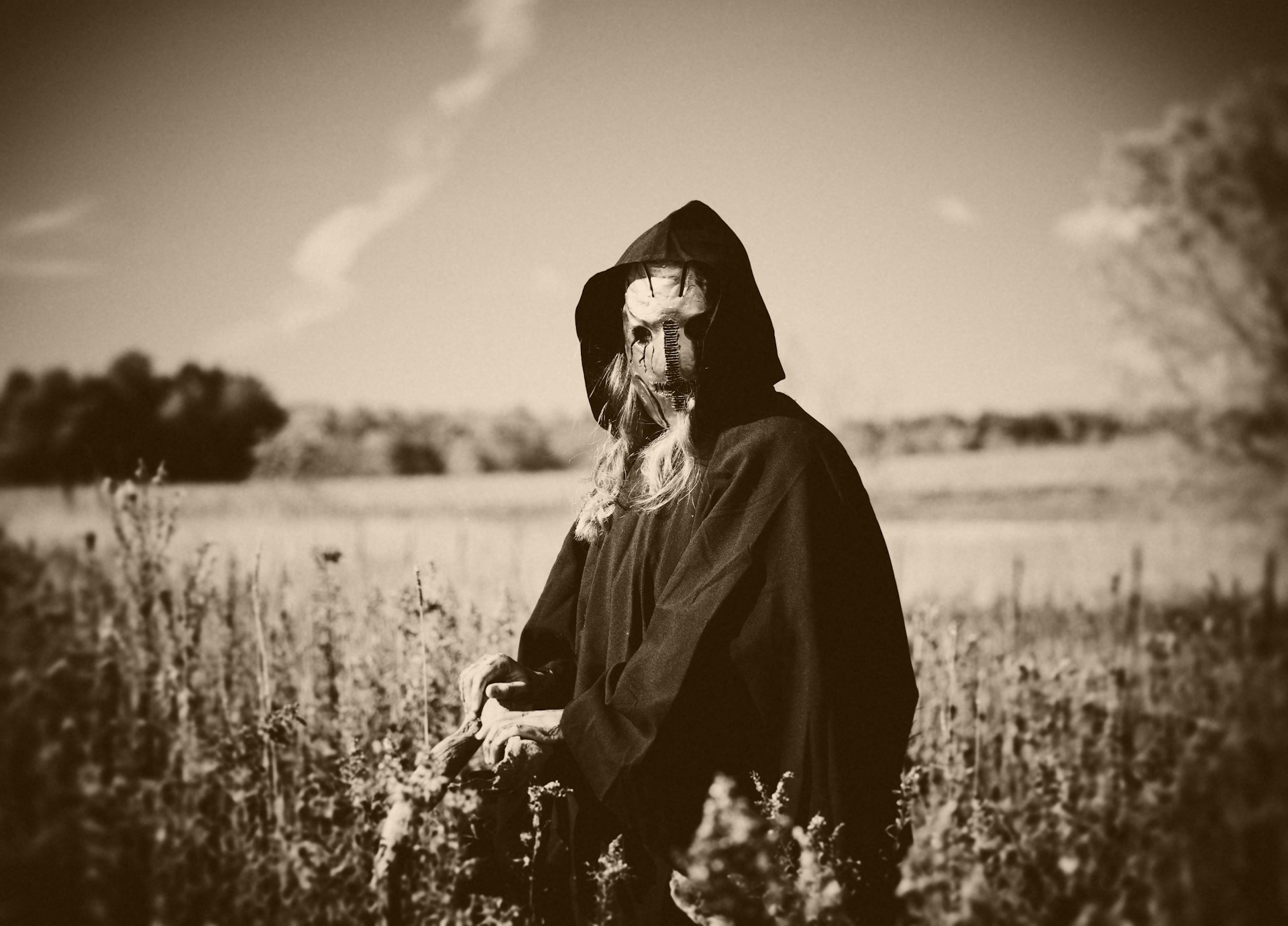
The Upir was a fearsome spirit in early Slavic mythology, long before Count Dracula was imagined. It was both a ghost and a blood-drinker, haunting villages and preying on families at night. The Upir could walk in daylight and appeared almost human, blurring the line between the living and the undead. This resemblance to normal people fueled paranoia about neighbors being vampires, a fear that carried into the witch hunts and vampire panics of Europe.
Baobhan Sith of Scotland
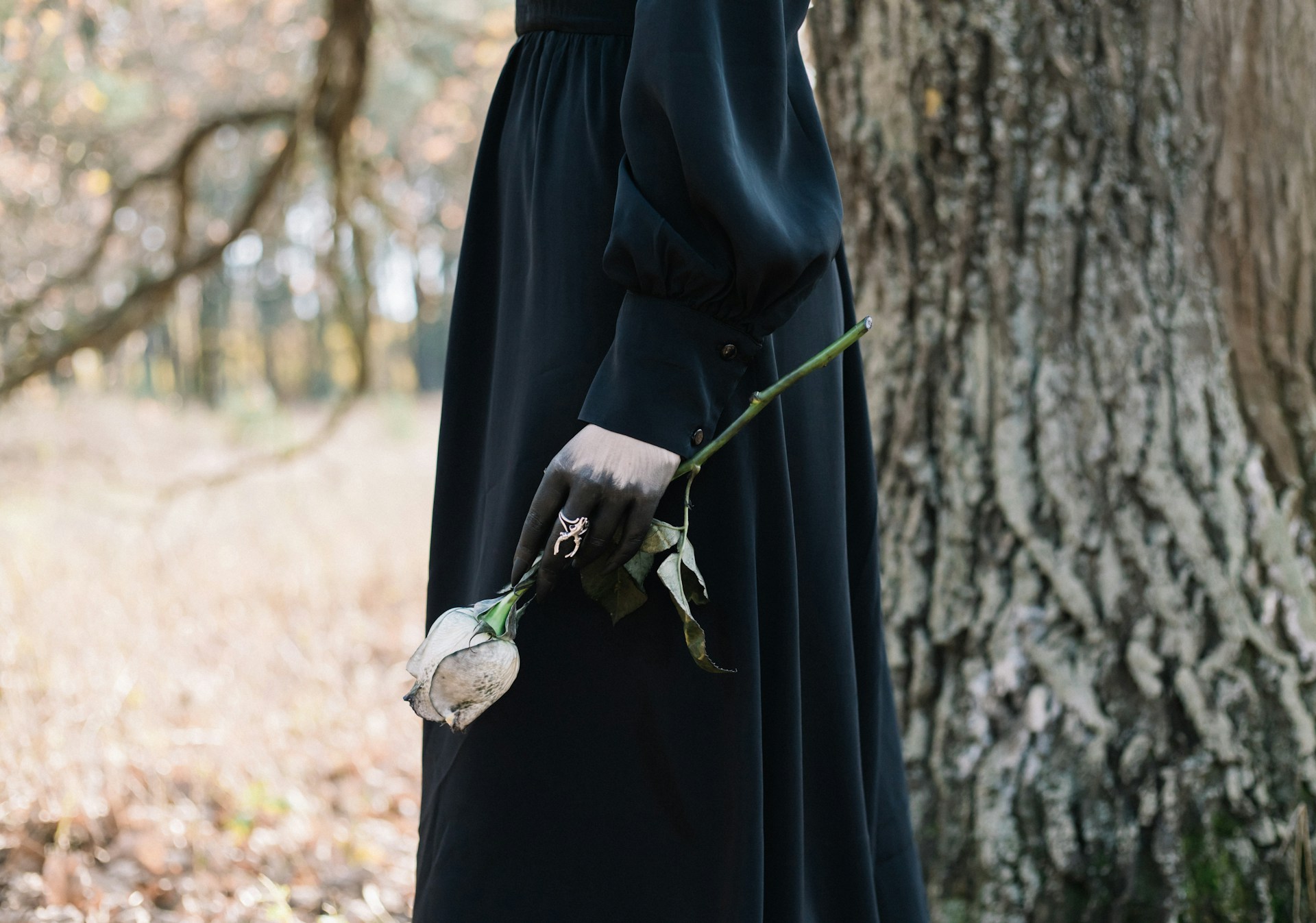
The Baobhan Sith, a spirit from Scottish folklore, appeared as a beautiful woman dressed in green who lured men into the woods. Once alone, she revealed her fangs and drained their blood. Her legend was a cautionary tale about temptation, isolation, and the dangers of wandering off alone. The Baobhan Sith reflected both fascination and fear of feminine power, a theme that continues to shape how female vampires are portrayed in modern horror.
Penanggalan of Malaysia
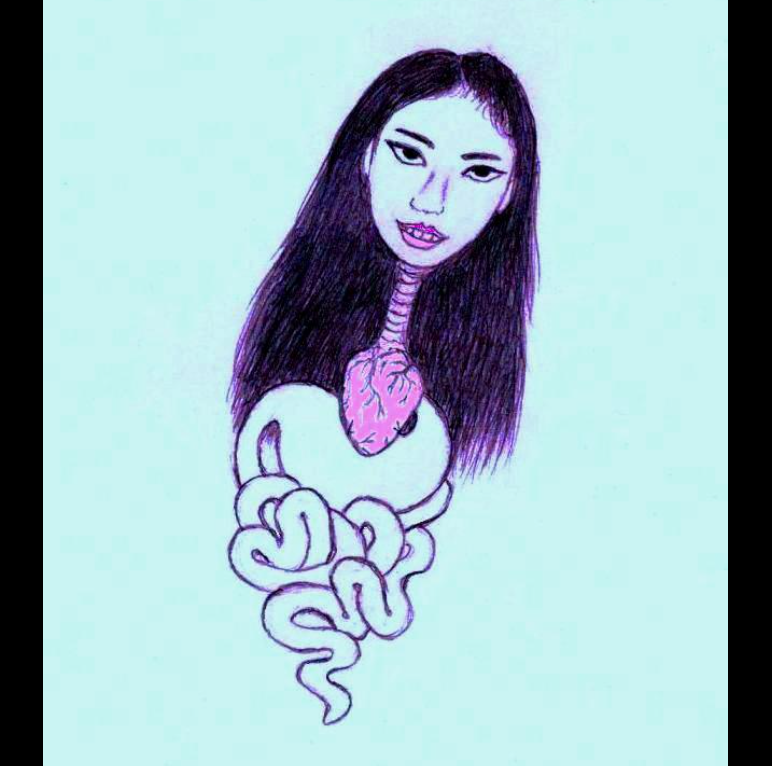
In Malaysian mythology, the Penanggalan was a woman who could detach her head, leaving her organs dangling as she flew through the night in search of blood. She preyed mostly on newborns and pregnant women, representing a dark inversion of motherhood. To protect themselves, villagers would hang thorny vines around windows to trap her floating entrails. The image of the Penanggalan remains one of the most gruesome and memorable in global vampire lore.
Adze of the Ewe People
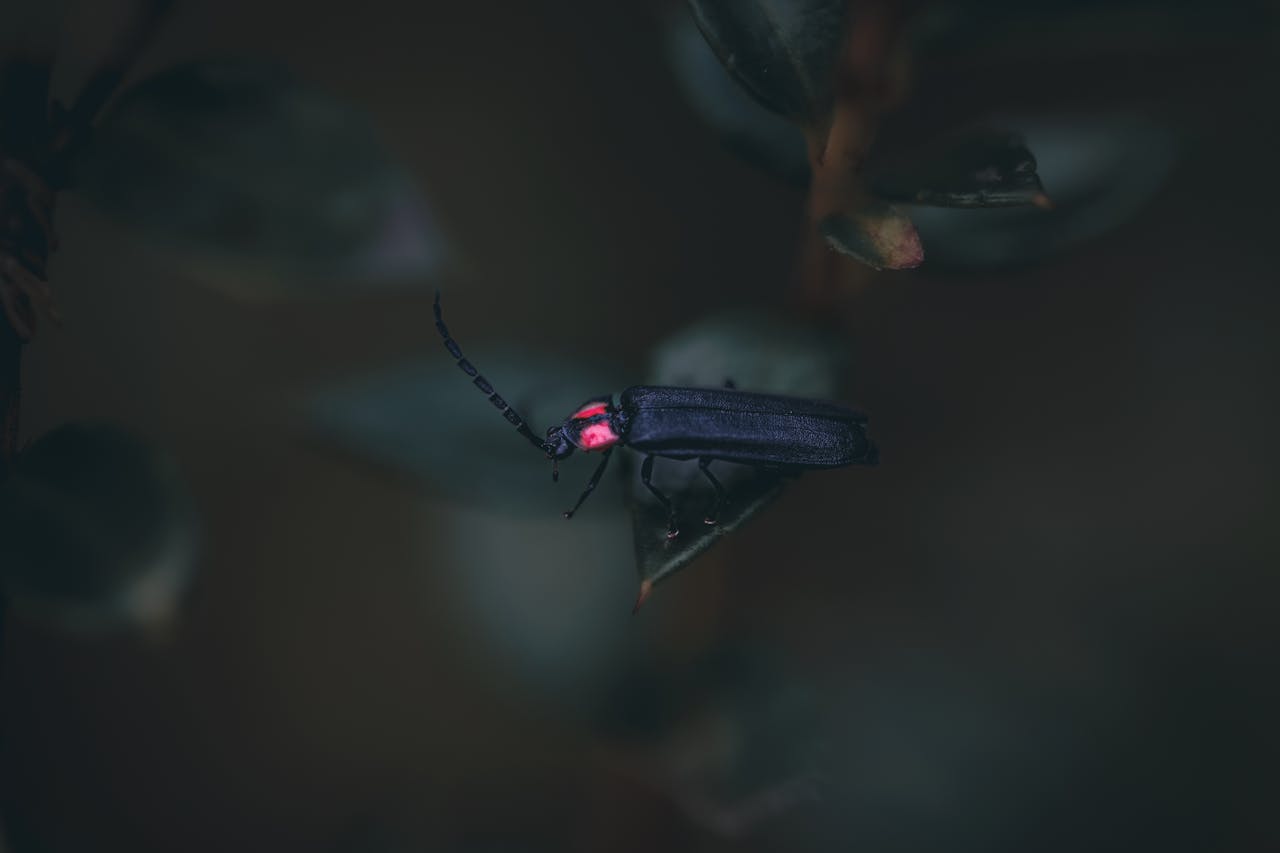
Among the Ewe people of Togo and Ghana, the Adze was a vampire spirit that could take the form of a firefly to sneak into homes. Once inside, it would suck the blood of sleeping victims. If caught, it transformed into a human, often revealing that evil spirits could hide among ordinary people. The Adze myth highlights how ancient vampire stories were used to explain illness and social conflict, blending the supernatural with moral lessons.
Mullo of the Roma People
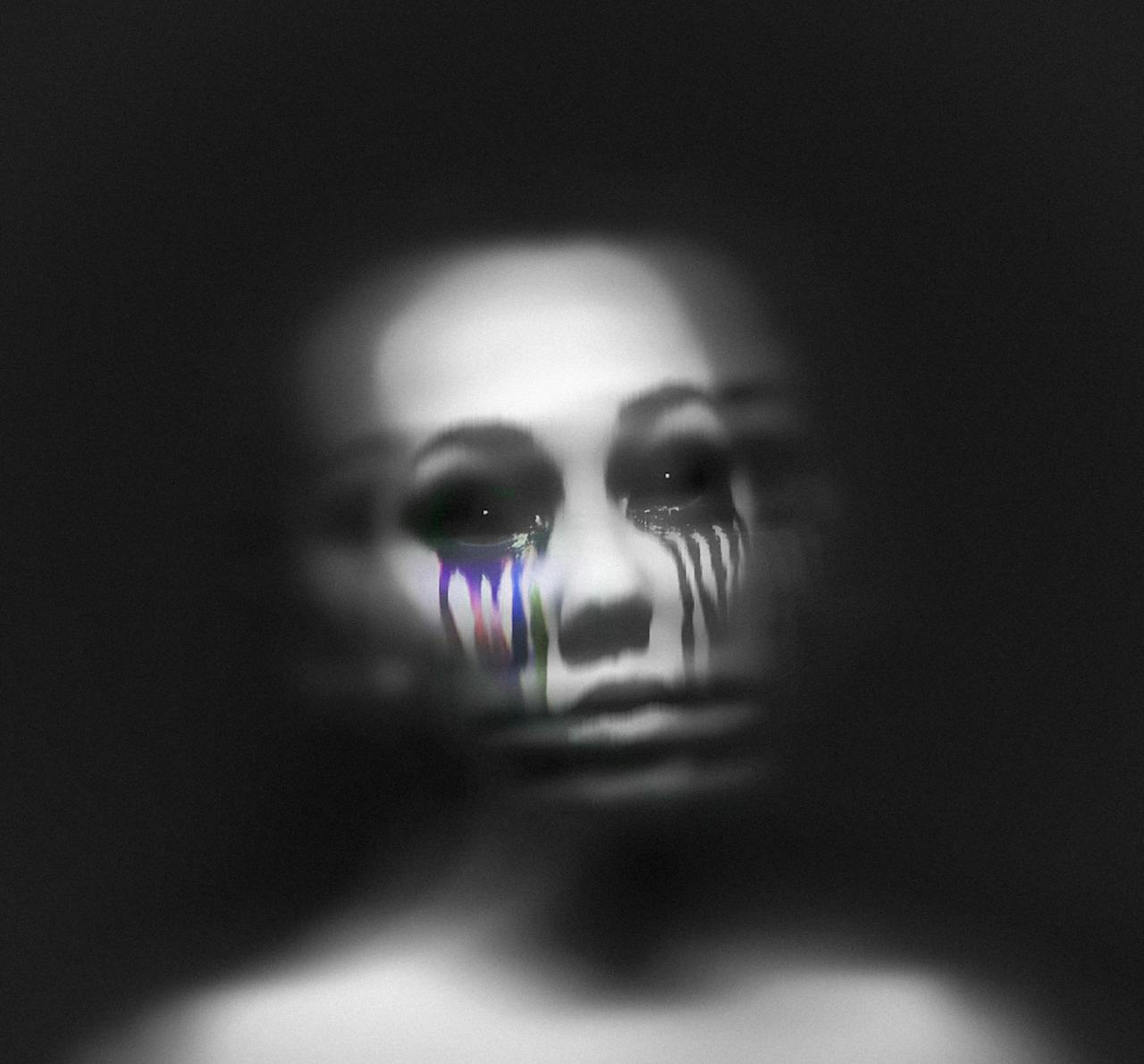
The Roma, or Gypsy, communities of Eastern Europe believed in the Mullo, a dead person who returned to life to seek revenge. These spirits were said to appear healthy and human but were deadly to those they visited. The Mullo legend likely emerged from grief and guilt associated with untimely deaths. It contributed to European vampire myths by reinforcing the idea that the dead could rise, blending mourning traditions with fear of the supernatural.
Ekimmu of Ancient Assyria
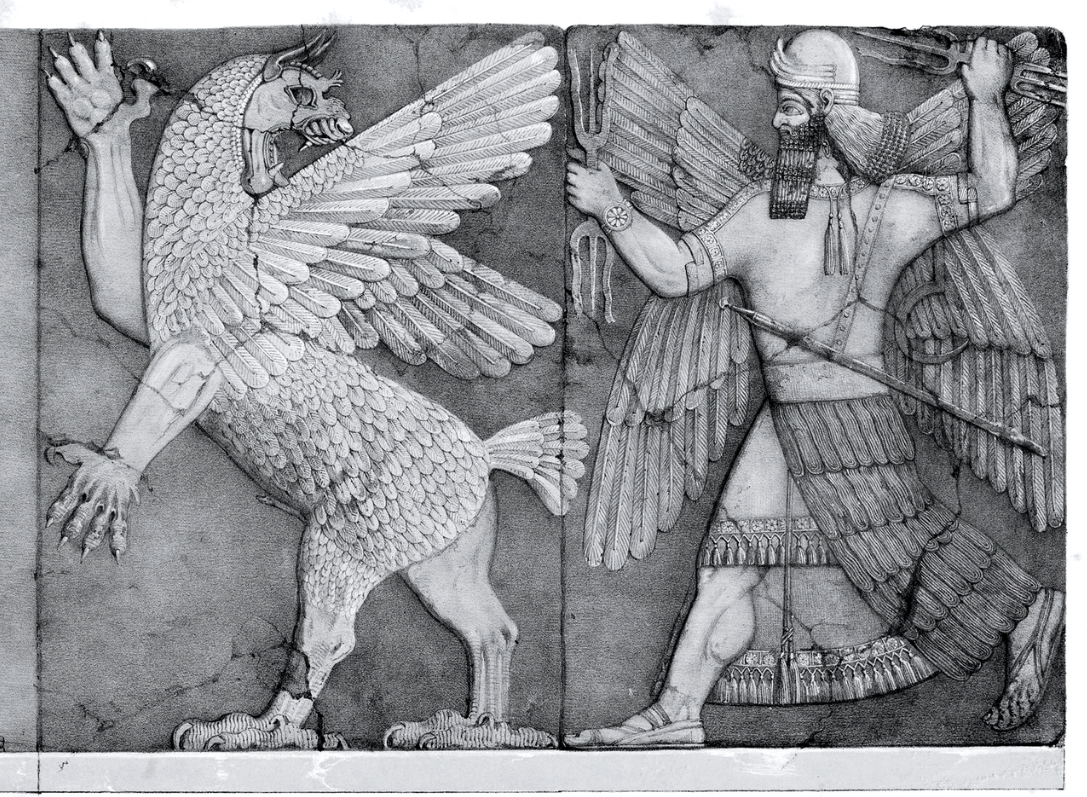
The Ekimmu was one of the earliest vampire-like spirits recorded in human history. These were souls denied proper burial, doomed to wander and feed on the living. Ancient Assyrians performed rituals to appease them, fearing that neglecting the dead could bring spiritual corruption. The Ekimmu reflected a deep cultural anxiety about death and the afterlife, themes that continue to resonate in the portrayal of vampires as tormented, restless beings.
From ancient demons to restless ghosts, vampire myths have always reflected humanity’s fear of death, desire, and the unknown. These stories were ways to explain disease, temptation, and mortality before science could. Yet their power endures, transforming over centuries into the complex, seductive monsters of modern horror. Beneath every movie or novel lies an echo of these ancient nightmares: proof that even as the world changes, our fears never truly die.