
Television cliffhangers are meant to build anticipation, not become permanent endings. Yet across decades of TV history, many shows were cancelled abruptly, leaving stories unresolved and audiences suspended in uncertainty. These endings feel uniquely frustrating because they break an unspoken contract. Viewers invest time, emotion, and imagination with the expectation of closure. When it never arrives, the absence becomes part of the show’s legacy. These series did not fail creatively. They ended mid-sentence, frozen by ratings, budgets, or network decisions rather than narrative choice.
ALF
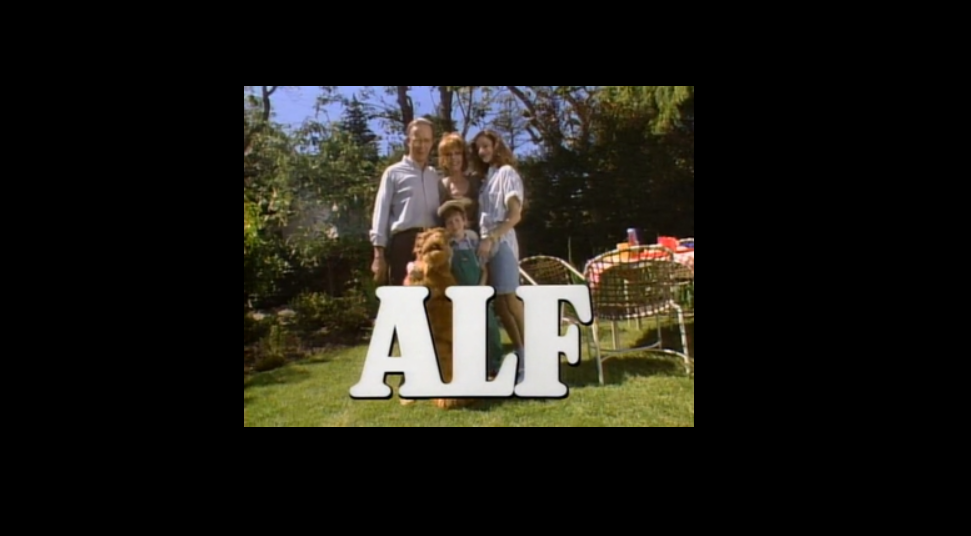
ALF ended with its title character captured by the U.S. military, implying imprisonment or experimentation. The tone shifted abruptly from sitcom humor to existential dread. The cliffhanger felt especially cruel because the show had always relied on warmth and absurdity. Audiences expected rescue or reversal, but cancellation sealed the fate. The unresolved ending transformed a family comedy into a lingering question about survival. Later attempts to soften the blow never erased the shock of that final scene.
My So-Called Life
This series ended just as its characters reached emotional clarity. Relationships were shifting, futures were forming, and self-understanding was emerging. The final episode positioned the story for growth rather than conclusion. Cancellation froze adolescence mid-realization. What made the cliffhanger painful was its realism. Life rarely resolves neatly, but viewers expected continuation. The show’s abrupt end cemented its authenticity while denying closure, making absence feel like a narrative choice even though it was not.
Carnivàle
Carnivàle concluded its second season with prophecy, power shifts, and a battle between good and evil just beginning. The series was designed as a multi-season epic, and the cancellation halted mythology mid-arc. Characters had barely stepped into their destined roles. The cliffhanger was cosmic rather than personal, leaving themes unfinished rather than plotlines resolved. Its cancellation transformed ambition into loss, making the show legendary not just for its vision, but for what never unfolded.
FlashForward

FlashForward ended by reopening its central mystery instead of resolving it. After spending an entire season exploring a global blackout and future visions, the finale introduced new timelines and unanswered questions. The show promised clarity, then expanded uncertainty. Cancellation locked the story in perpetual anticipation. Viewers were left with possibility instead of payoff. The cliffhanger stung because the premise was built around knowing the future, yet delivered permanent ambiguity.
The OA
The OA ended on a meta-breaking cliffhanger that blurred fiction and reality. Characters crossed narrative boundaries, suggesting an entirely new direction. Rather than concluding themes of belief and connection, the show elevated them into abstraction. Cancellation froze that transition. The cliffhanger felt intentional, but its permanence was not. The unresolved ending turned interpretation into the only continuation. Fans were left debating meaning instead of witnessing resolution.
Santa Clarita Diet
This series ended just as its mythology expanded beyond suburban comedy. The finale introduced a new transformation with major implications for the main characters. The tone remained playful, but the stakes escalated. Cancellation interrupted a tonal evolution that promised deeper exploration. The cliffhanger felt abrupt because the show had finally found its narrative confidence. Its absence left a genre-bending comedy stranded between escalation and conclusion.
Deadwood
Deadwood ended without resolving its political and personal conflicts. Power dynamics were shifting, alliances were unstable, and violence loomed. The cancellation left characters mid-transition rather than at rest. The show’s language and realism amplified the frustration. Its cliffhanger was not a single moment, but a halted momentum. Though a later film offered partial closure, the original ending remained a wound rather than a conclusion.
Jericho
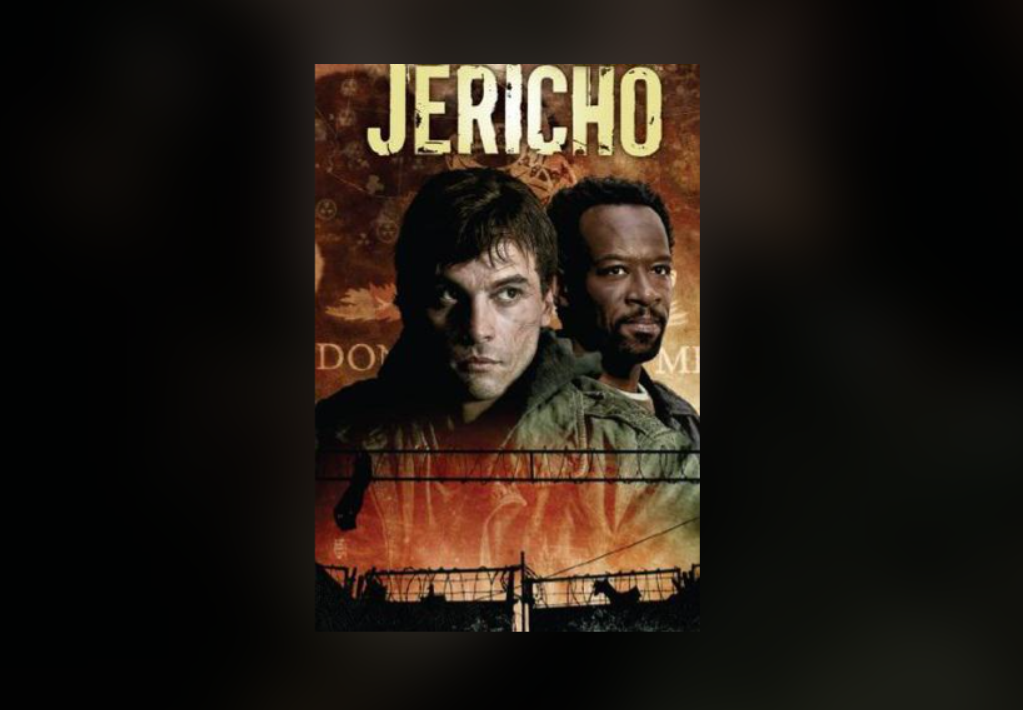
Jericho concluded with nuclear tension unresolved and political structures in flux. The survival narrative was still expanding when cancellation struck. The cliffhanger underscored uncertainty rather than triumph. Although a brief revival attempted to address fan outrage, the show never fully returned. Its ending captured a world permanently on edge. The unresolved future mirrored the fear the series explored, leaving ambiguity as its final statement.
Freaks and Geeks
Freaks and Geeks ended just as its characters stood at the edge of transformation. High school dynamics were breaking apart, identities were forming, and futures felt uncertain. The final episode suggested movement rather than resolution. Cancellation locked those characters in a moment of becoming. What made the cliffhanger painful was its honesty. Life rarely offers clean endings, but viewers expected to see consequences unfold. The show’s premature end preserved its realism while denying the natural continuation that made it feel complete.
Surface
Surface ended with its central mystery expanding instead of resolving. After spending a season revealing sea creatures and global conspiracy, the finale introduced a worldwide awakening. The implication was escalation, not closure. Cancellation halted momentum just as stakes widened. The cliffhanger felt like a doorway opening onto a much larger story that never arrived. The show’s ambition outpaced its lifespan, leaving speculation as the only continuation.
Dark Angel
Dark Angel concluded with its world destabilized and its characters facing unknown futures. Political structures collapsed, alliances shifted, and survival became uncertain. The final moments suggested a society in transition rather than resolution. Cancellation sealed that uncertainty. The cliffhanger worked narratively, but not emotionally. Viewers were denied the chance to witness adaptation. The ending preserved tension without release, making absence feel louder than conclusion.
Terminator: The Sarah Connor Chronicles
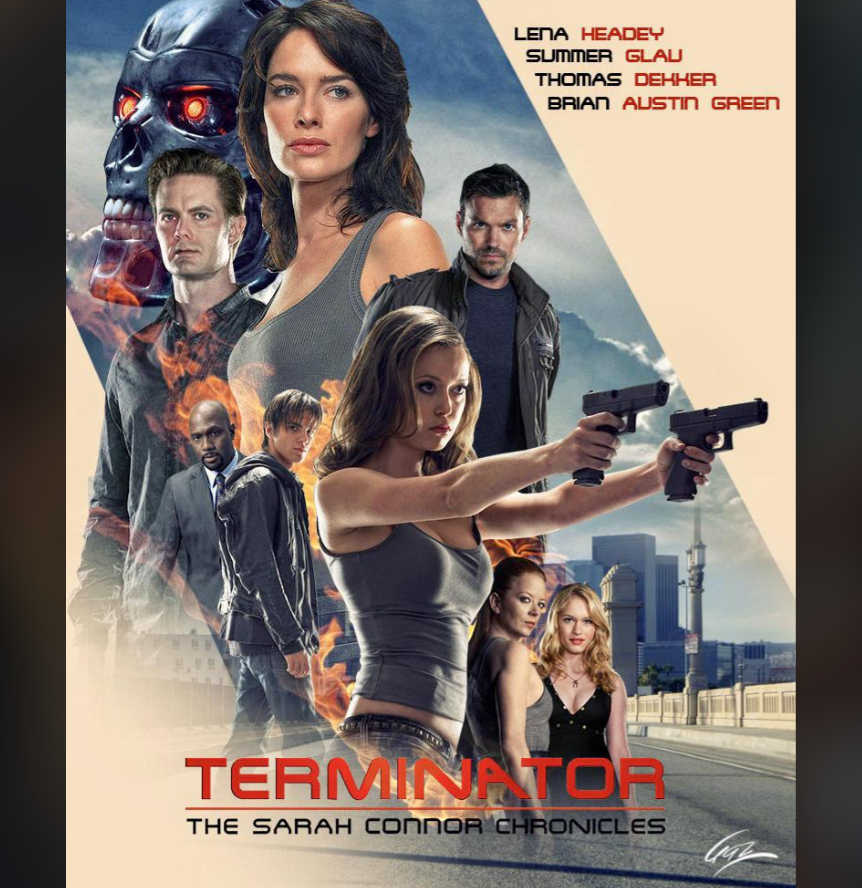
This series ended by fracturing its timeline entirely. Characters were displaced across realities, and the central mission splintered. The cliffhanger reframed the story from linear struggle to existential uncertainty. Cancellation froze the narrative at its most complex moment. Fans were left with possibility instead of payoff. The ending felt like a thesis without argument, intellectually provocative but emotionally unresolved.
Revolution
Revolution ended by reintroducing power into a world that had adapted to its absence. The final moments suggested new threats and moral dilemmas just as resolution seemed near. Cancellation halted that recalibration. The cliffhanger was frustrating because it reversed progress. Viewers expected consequence and clarity, not reset. The unresolved ending turned the show’s central question into an echo rather than an answer.
Almost Human
Almost Human concluded as its partnership dynamic and larger conspiracy were finally aligning. The show had overcome early tonal uncertainty and found emotional footing. The cliffhanger promised deeper exploration of trust, identity, and artificial intelligence. Cancellation stopped that evolution. The ending felt unfair because the series had just become cohesive. Viewers were left sensing what the show could have been rather than what it was allowed to finish.
The Society
The Society ended with its social experiment unfinished. Power struggles, governance failures, and moral compromise were escalating. The cliffhanger emphasized fragility rather than resolution. Cancellation locked the narrative in dysfunction. The show’s premise required long-term observation, not abrupt termination. Its unresolved ending left viewers without insight into whether cooperation or collapse would prevail.
4400
The 4400 ended by reframing its entire premise. What began as mystery turned into ideological conflict. The cliffhanger introduced new powers, divisions, and philosophical stakes. Cancellation froze that transformation. The ending felt like a question rather than a conclusion. Viewers were left contemplating themes without seeing their consequences. The unresolved finale preserved complexity at the cost of closure.
These shows linger because they never finished what they started. Their cliffhangers were not creative failures, but interruptions. Cancellation transformed anticipation into permanent suspension. What remains is a unique kind of memory, not of endings, but of possibility. These stories live on in imagination because they stopped moving. In television, unresolved narratives become shared regrets, reminders that closure is never guaranteed.