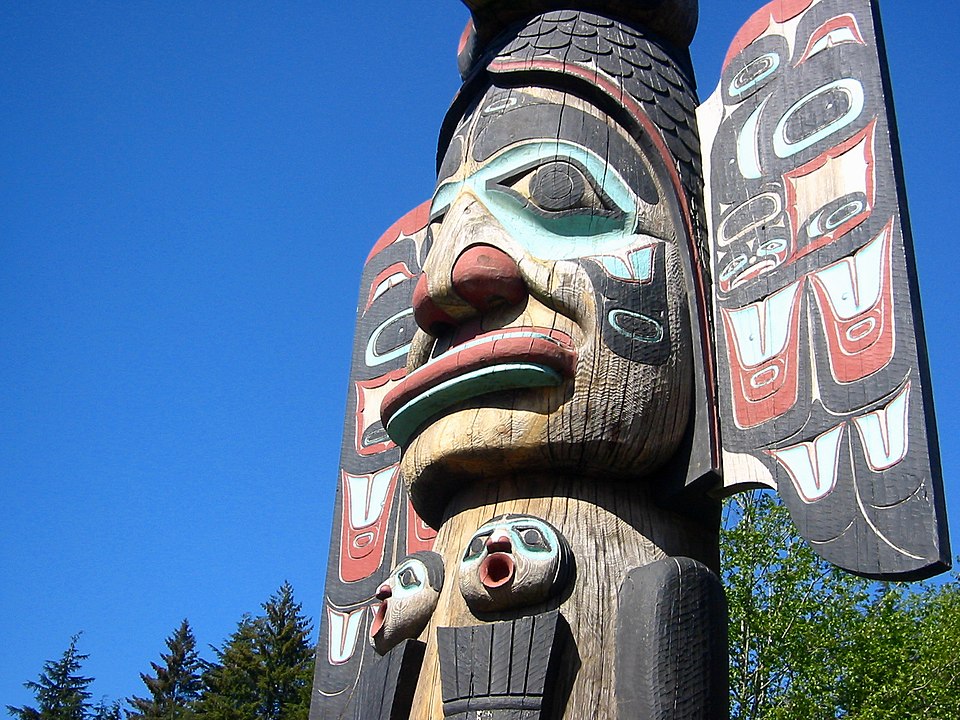
The influence of Native American languages on modern English is subtle but profound. Long before European settlers arrived, the lands that would become the United States were home to hundreds of Indigenous languages. As English speakers encountered new flora, fauna, cultural objects, and landscapes, many words were adopted, or adapted, from Native American tongues. What remains today are everyday terms whose origins are often forgotten, yet they trace back to centuries of linguistic influence.
Moccasin
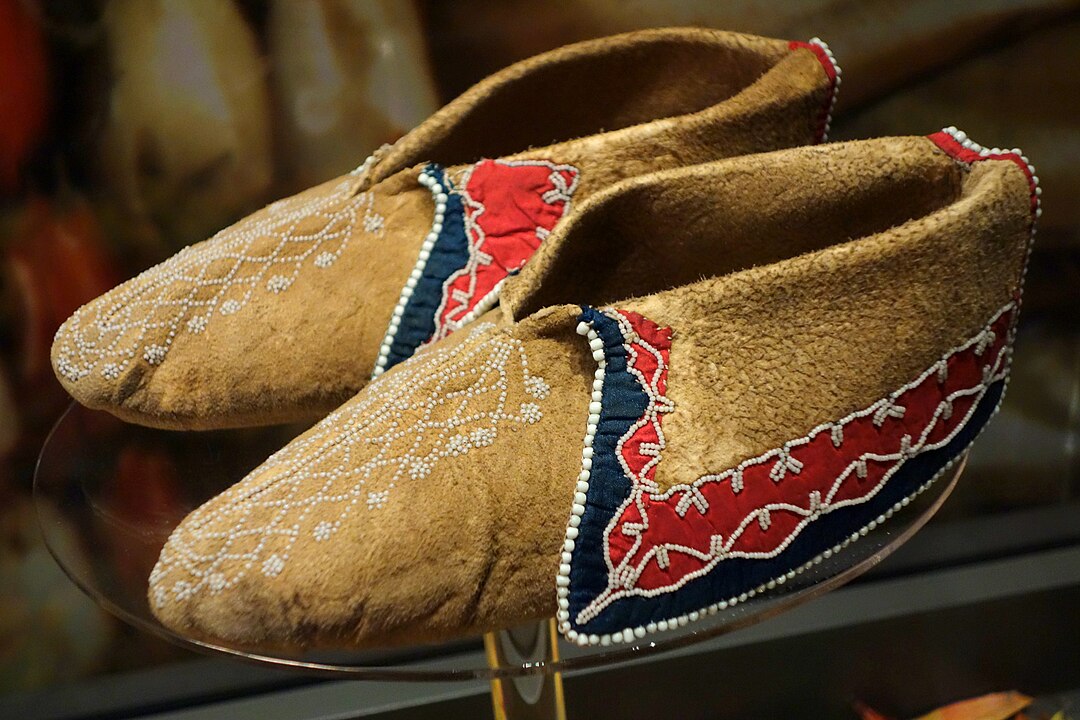
The word “moccasin” comes from the Algonquian language family (specifically through Powhatan or related languages). It referred originally to a type of soft leather shoe worn by many tribes, and the term was adopted by English speakers to denote similar footwear. Over time its meaning has broadened somewhat to include various shoes with flexible soles. The adoption of “moccasin” underscores how early settlers borrowed words to describe unfamiliar objects. Today, most Americans hardly realize its Indigenous etymology.
Squash
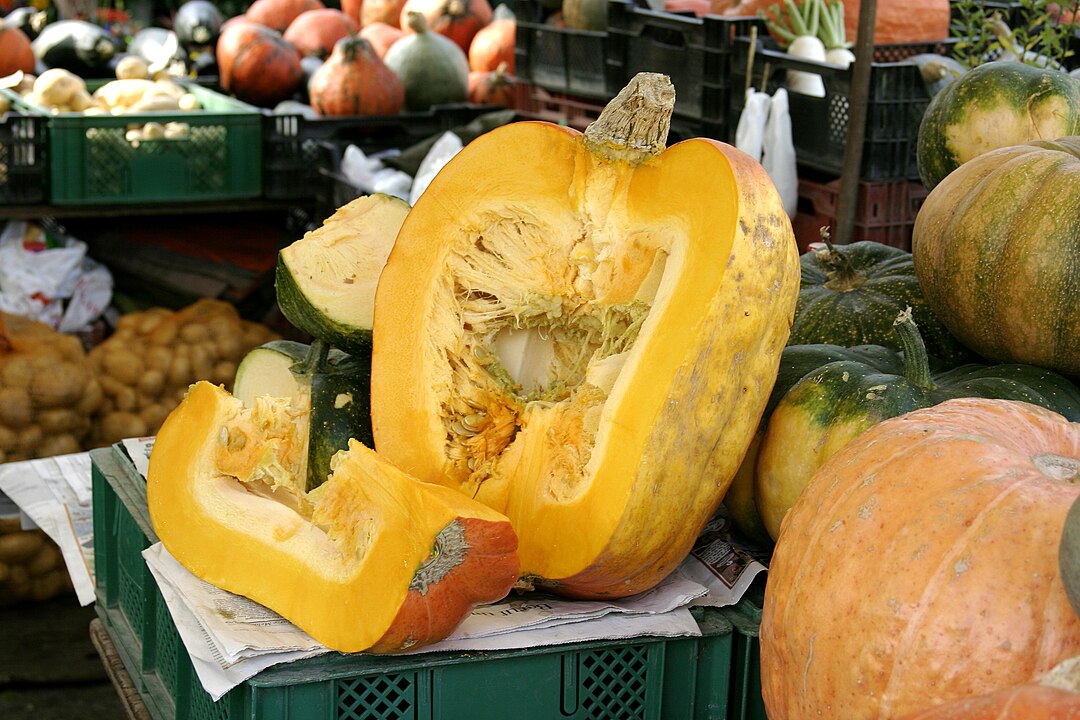
“Squash” is derived from the Narragansett word askutasquash, meaning “eaten raw” or “uncooked.” The term came into English in colonial New England as settlers learned from Indigenous people about native vegetables and agriculture. The word evolved and got shortened, but still carries this heritage. It’s a reminder of how integral Native agriculture was to European survival in the early colonies. Now “squash” is firmly entrenched in kitchens across the country, far removed from its linguistic origin.
Tomahawk
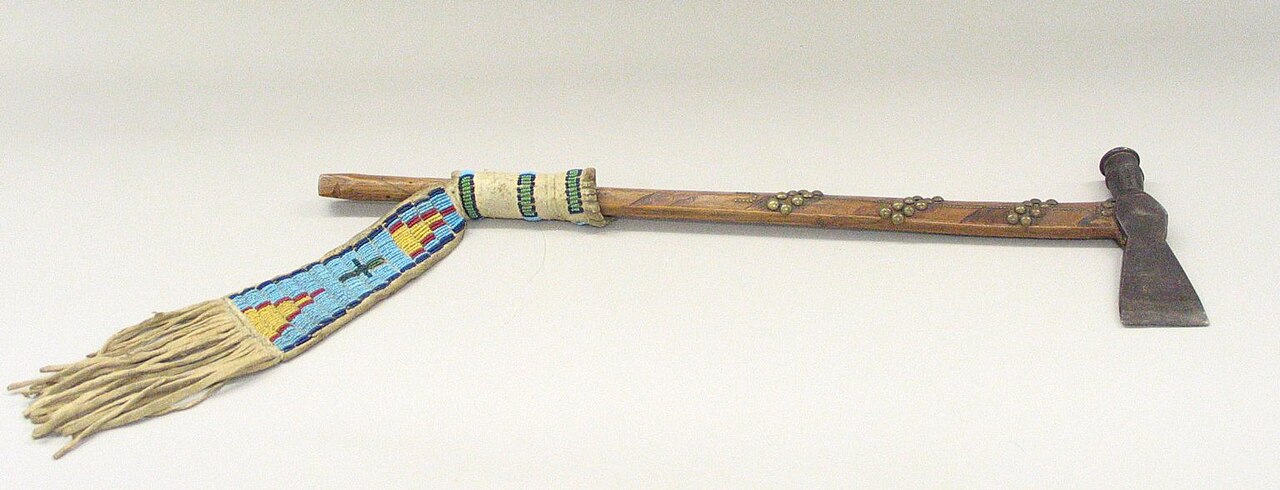
“Tomahawk” comes from the Powhatan word tamahak (or similar variant), meaning a tool to cut wood. When European settlers encountered Indigenous communities, they adopted the word for the iconic Native axe. Over time, “tomahawk” also took on figurative uses in English (e.g. “to bury the tomahawk,” meaning to make peace). The term’s survival shows how words for practical tools can become part of mainstream vocabulary.
Skunk
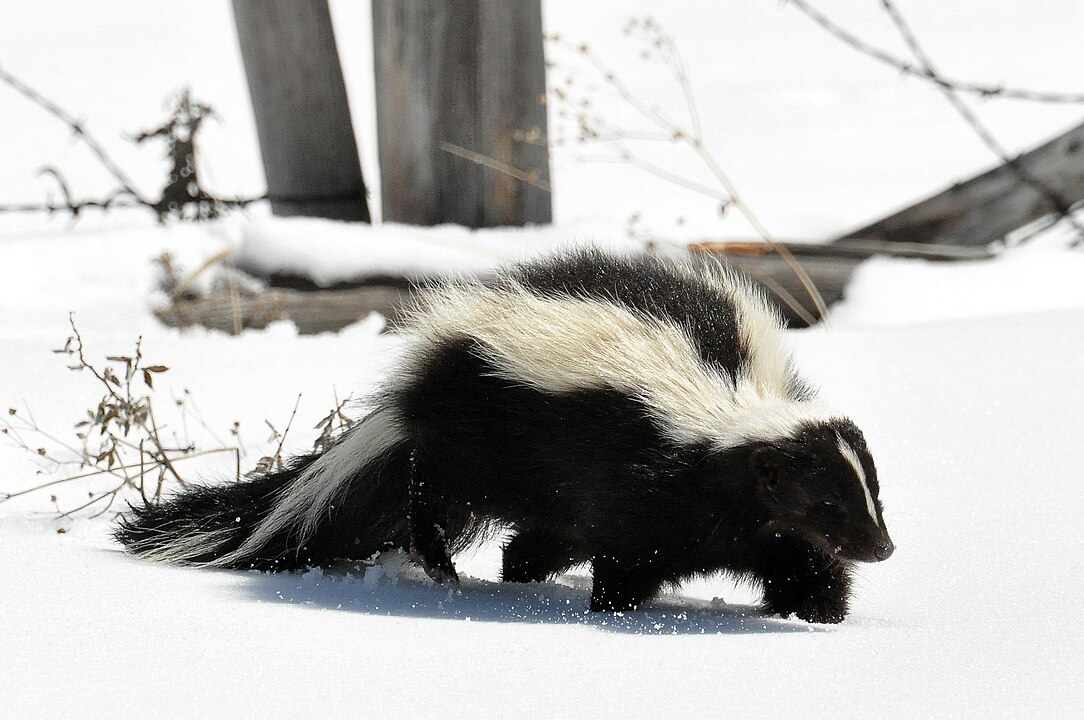
The word “skunk” is borrowed from the Algonquian languages (e.g. Massachusett squnck). Early colonists adopted the name for the native, scent-producing mammal. Its odd spelling and pronunciation in English betray its foreign origin. Over time, “skunk” became part of idiomatic speech (“don’t skunk me”) or metaphor (“he skunked us in the deal”). The survival of “skunk” reminds us how even pungent creatures left linguistic traces.
Chipmunk

Derived from the Ojibwe word ajidamoo, meaning “one who eats a lot,” “chipmunk” entered English via early settlers in the Great Lakes region. The humorous origin (referring to the creature’s voracious appetite) speaks to the role of descriptive names in Indigenous languages. The word stuck, and today most English speakers use it without knowing its Ojibwe roots.
Pecan
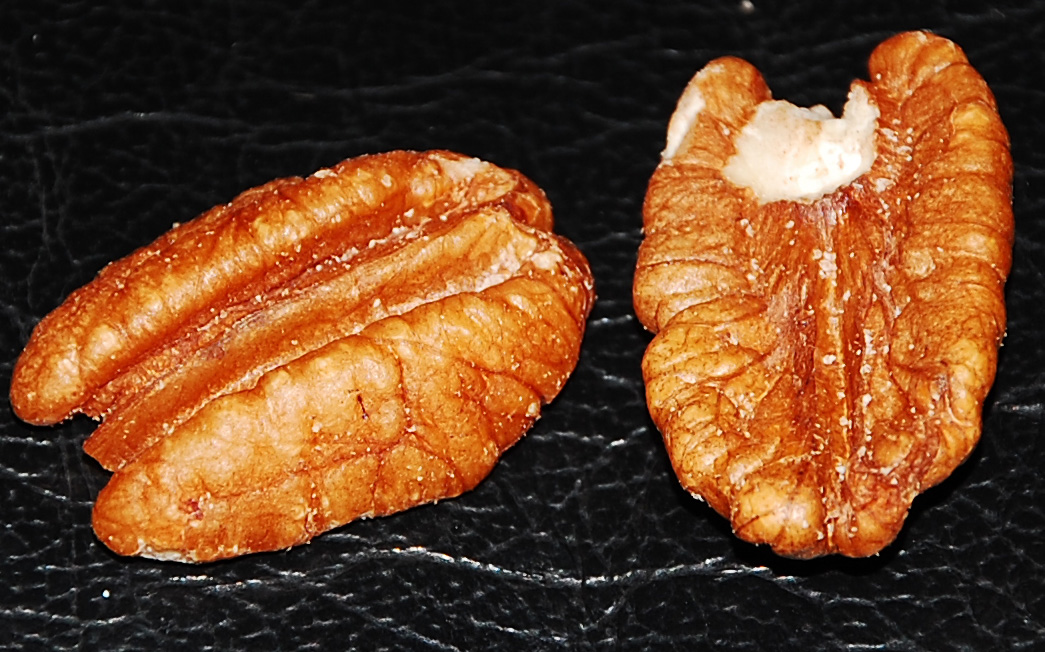
“Pecan” comes from an Algonquian term (e.g. from an Illinois dialect) pakani, meaning a nut requiring a stone to crack. Early European settlers borrowed this name when encountering nut-bearing trees native to North America. Over time, “pecan” became a staple term in American culinary vocabulary, pecan pie, pecan wood, pecan groves, all tracing back to that original word.
Hickory
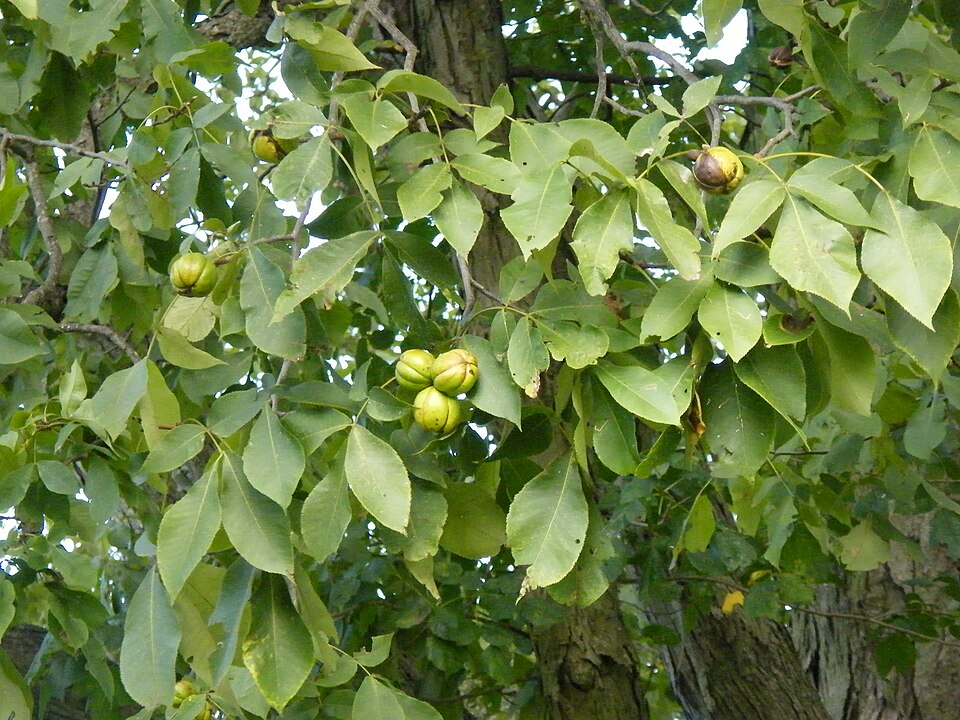
“Hickory” comes from the Algonquian word pawcohiccora, meaning “a tree that yields a nut for a quid” (something chewable). Europeans adapted it as “hickory,” and the name stuck for that genus of trees. Its meaning extended into idiomatic English (e.g. “hickory stick” as punishment in old literature). The name’s endurance attests to how early settlers interacted closely with native flora and borrowed the words.
Toboggan

“Toboggan” is borrowed from an Algonquian (likely Mi’kmaq or Maliseet) word tobakun, meaning a sled. English speakers adapted it to “toboggan” to describe sleds used in snow. The adoption of this term shows how Indigenous knowledge of winter tools influenced colonial life. Today, “toboggan” is commonly used across North America in winter recreation vocabulary.
Totem

“Totem” comes from the Ojibwe word odoodem, meaning “his kinship group” or “clan symbol.” European anthropologists borrowed the term to classify clan symbols among Native groups. Over time, “totem” in English gained more generalized usage (e.g. “totem pole,” “a totem of pride”). The word’s journey from clan designation to general metaphor illustrates semantic expansion over time.
Quinoa
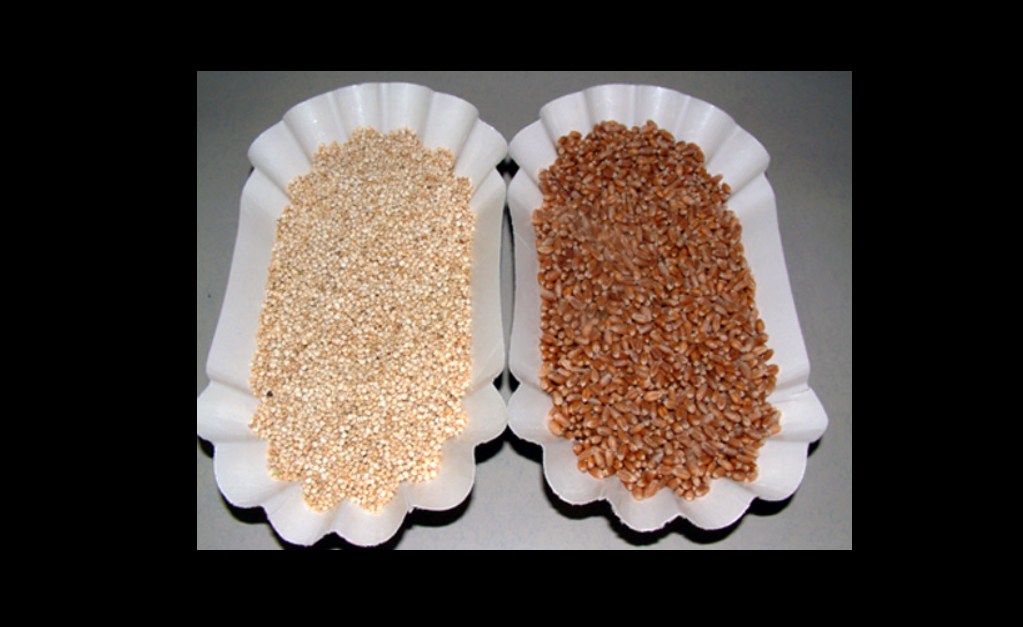
Though quinoa is originally a Quechua word (from the Andean region rather than North America), it highlights how Indigenous American languages influenced botanical vocabulary. The Quechua kinwa became “quinoa” in English. Today quinoa is a common health food staple far removed from its original linguistic setting but reminding us of the broad reach of Indigenous influence.
Coyote
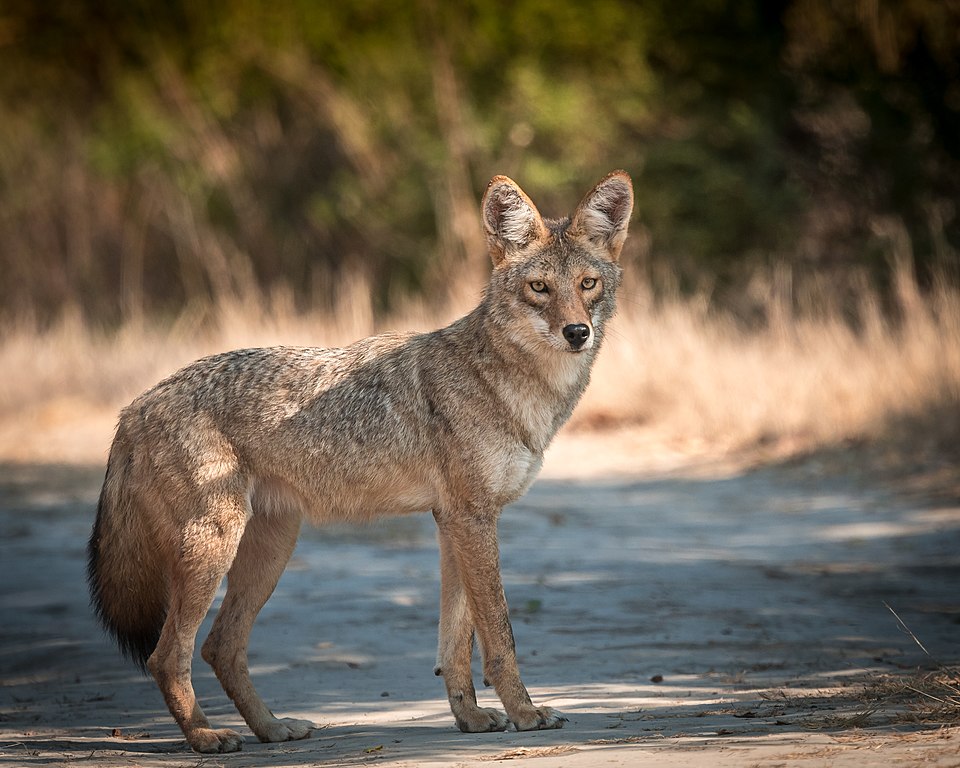
“Coyote” comes from Nahuatl coyōtl, the Aztec language of central Mexico. Spanish borrowed it and passed it on to English. While coyote is not native to the U.S. Southeast, the word became standard across English for the wild canine. The adoption of “coyote” shows how colonial languages (Spanish) acted as intermediaries in transferring Indigenous terms into English.
Chocolate

“Chocolate” is derived from the Nahuatl xocolātl, meaning “bitter water” (a drink made from cacao). The Aztecs and Mayans were known for their cacao preparations, and European colonists borrowed the word. Over centuries, “chocolate” became globally ubiquitous. Its presence in modern English is a reminder of the economic and cultural influence of Indigenous American crops.
Avocado
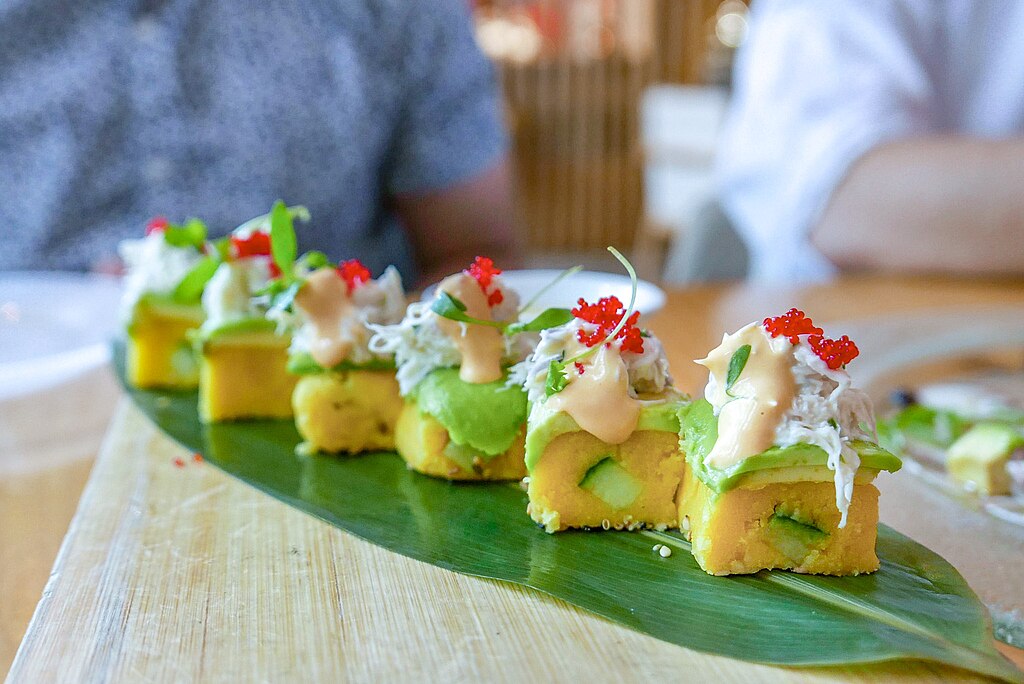
“Avocado” comes from the Nahuatl word āhuacatl, meaning “testicle” (alluding to the fruit’s shape). The Spanish adapted it as aguacate, and English then borrowed and morphed it to “avocado.” Today we’re far removed from its anatomical pun origin, but the word’s root lies in an Indigenous language. We use it daily without a thought to its etymology.
Tobacco
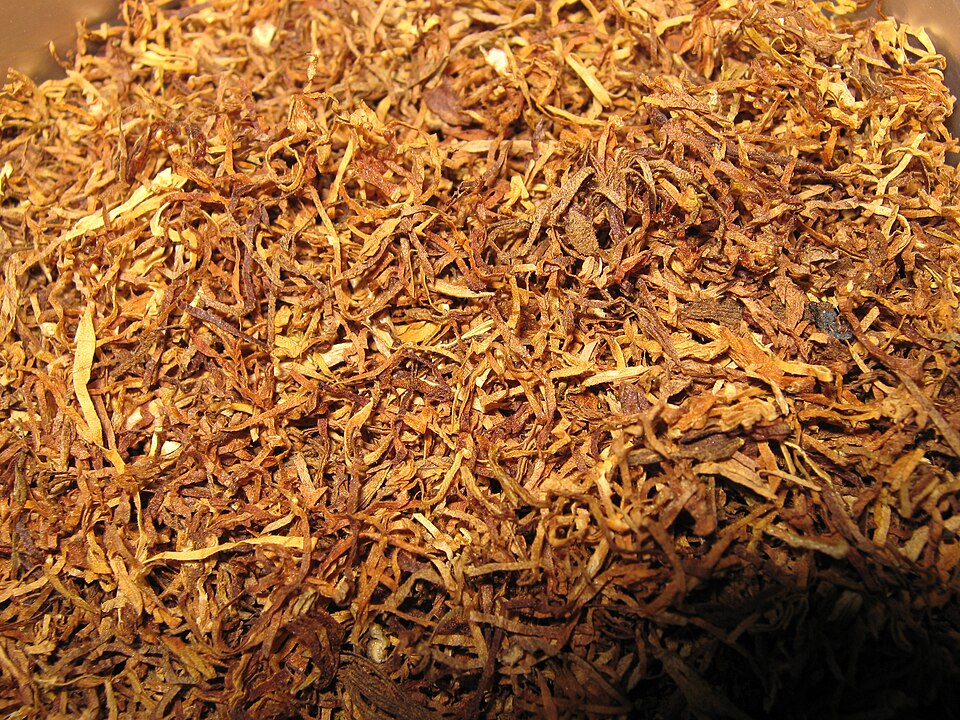
“Tobacco” likely derived from a Taino (Taíno) or other Caribbean Indigenous term (likely tabaco). European colonists adopted the word to name the plant and smoking practice they encountered in the Caribbean and then brought to the mainland. The term spread globally, tied to a controversial and powerful crop, yet its origin lies in Indigenous American languages.
Barbecue

“Barbecue” comes from the Taino word barbacoa, which referred to a framework for slow-cooking meat over a fire. English speakers adopted it (via Spanish) to describe outdoor roasting. Over time, “barbecue” evolved to encompass both the method and social ritual of grilling outdoors. The term’s evolution shows how Indigenous culinary practices shaped American social life.
Iguana
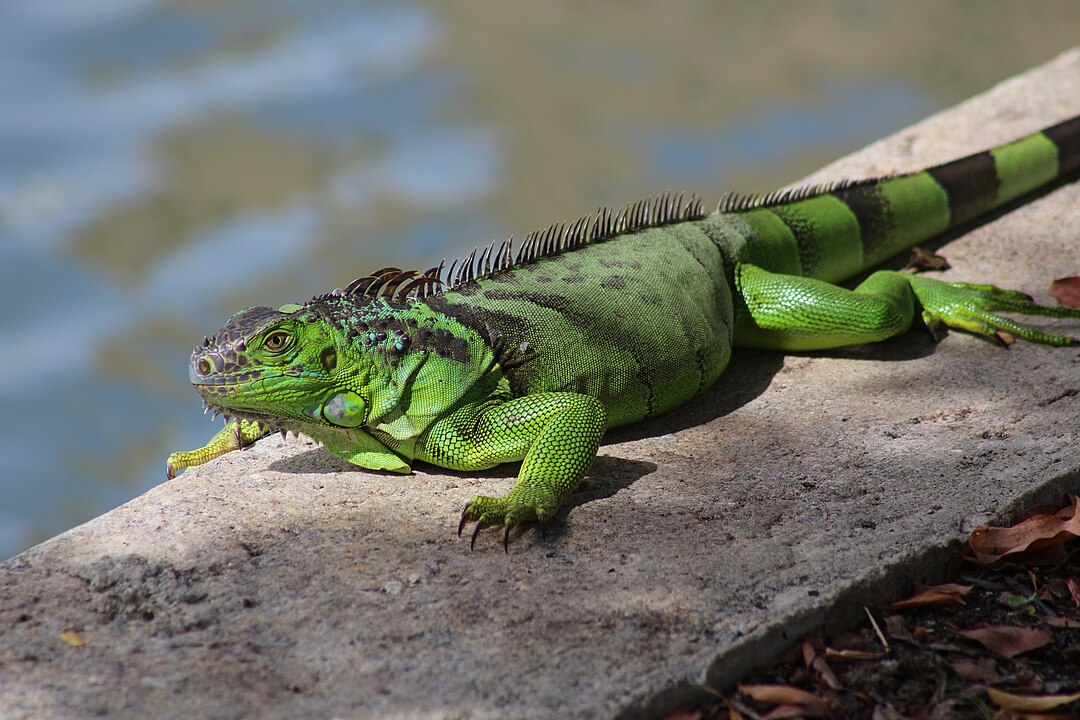
“Iguana” comes from the Taino word iwana. European naturalists adopted it to name the lizard species native to the Americas. Over time it became a standard zoological term. Its survival in English underscores how Indigenous names for local fauna entered scientific vocabulary. Many Americans may not realize they’re using a Taino term when naming this reptile.
Chippewa / Ojibwe (as ethnonym)
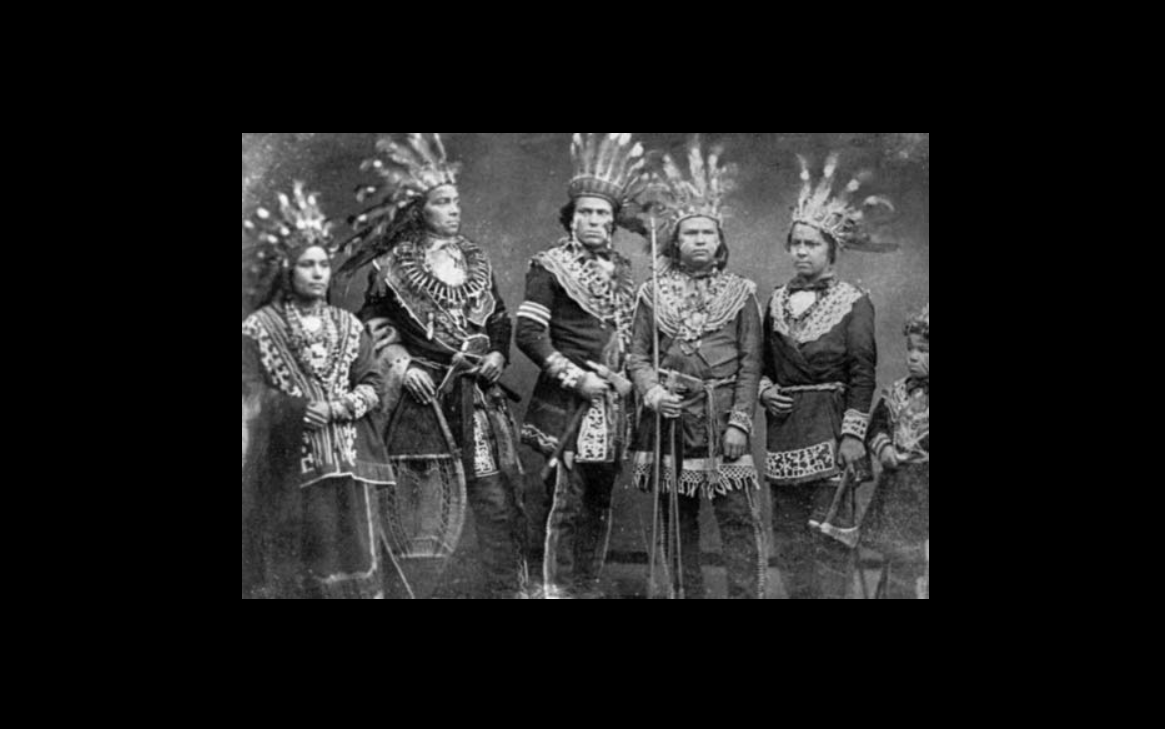
Though not an everyday term in most English usage, the ethnonym “Chippewa” (or “Ojibwe”) itself is from the Ojibwe language, meaning “those who pucker up (the mouth).” This term was eventually anglicized as a tribal name, and over time it’s been adopted into English discourse on Indigenous groups. It’s an instance of an Indigenous self-designation entering standard terminology.