Some of the most beloved American songs were composed in surprisingly short bursts of inspiration. Despite tight timelines, these tracks captured cultural moments, emotional intensity, or raw creativity that resonated with audiences for generations. Rapid creation often produced iconic results, demonstrating that musical genius doesn’t always require prolonged labor.
“Yesterday” – The Beatles
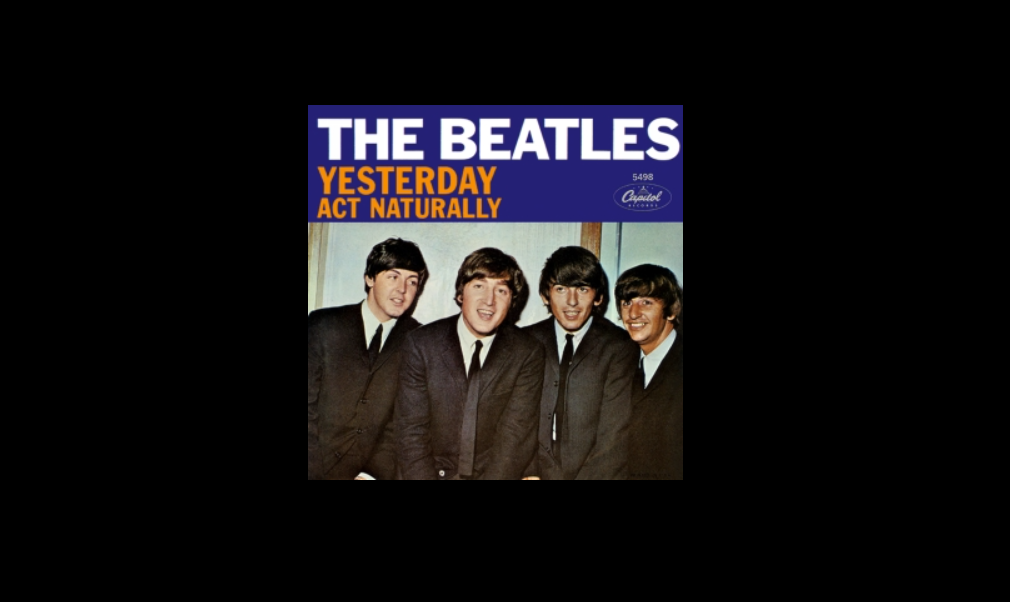
Although a British band, “Yesterday” became an enduring part of American culture and charts. Paul McCartney famously composed the melody in a single morning, reportedly dreaming the tune. Its simplicity, paired with emotional depth, allowed it to resonate instantly. The rapid creation exemplifies how inspiration can yield timeless music that crosses national boundaries.
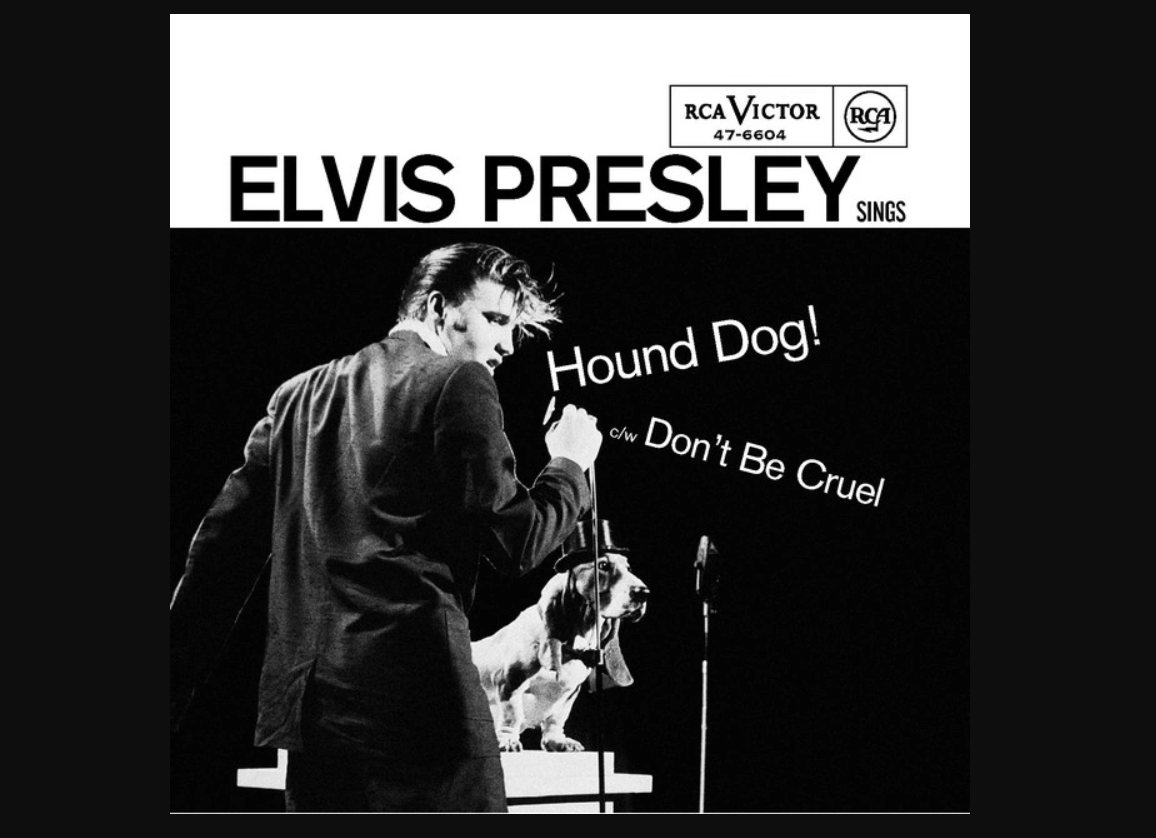
“Hound Dog” – Elvis Presley
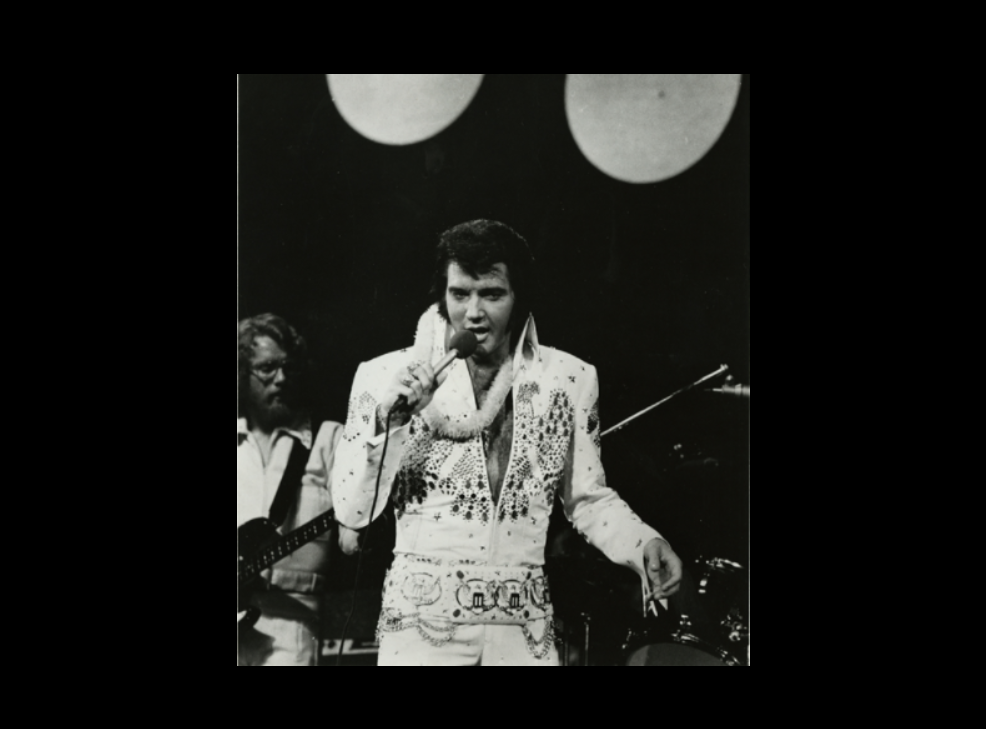
Written in about 30 minutes by Jerry Leiber and Mike Stoller, “Hound Dog” became a rock ’n’ roll anthem. Elvis’ iconic performance cemented its status in American music history. The song’s immediate energy and rebellious tone captured a generation’s spirit. Its quick composition highlights how urgency and creativity can produce instant classics.
“Blowin’ in the Wind” – Bob Dylan
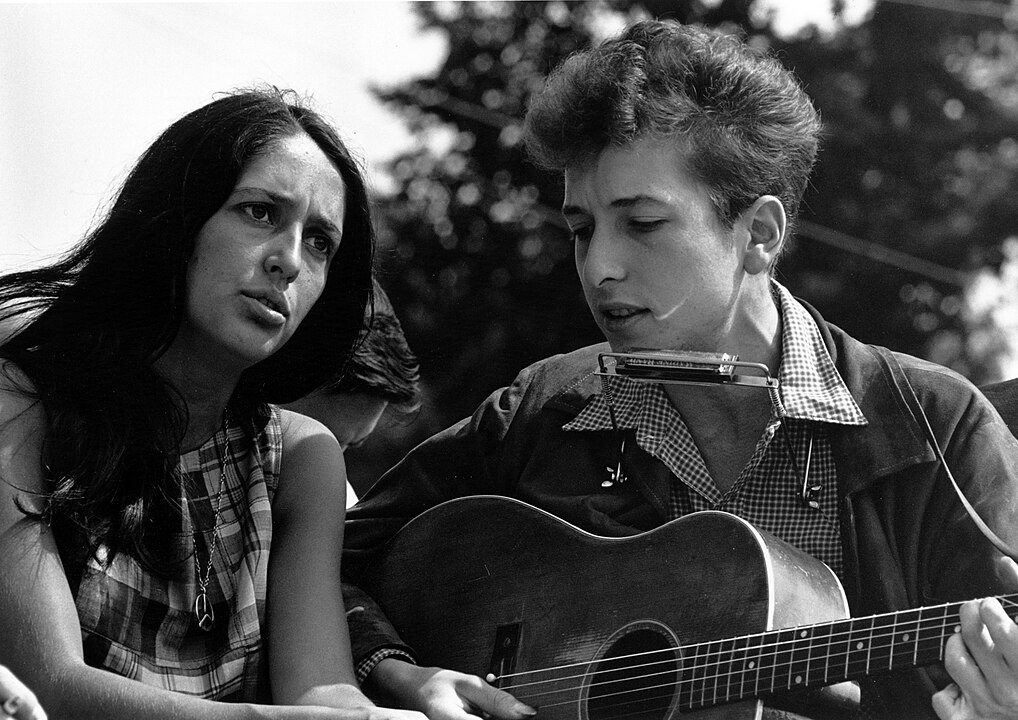
Bob Dylan reportedly wrote “Blowin’ in the Wind” in a single afternoon, reflecting his rapid response to the social and political climate of the 1960s. Its lyrical simplicity and profound questions resonated with civil rights movements. The song’s speed of creation demonstrates how music can capture the urgency of societal change.
“Heartbreak Hotel” – Elvis Presley
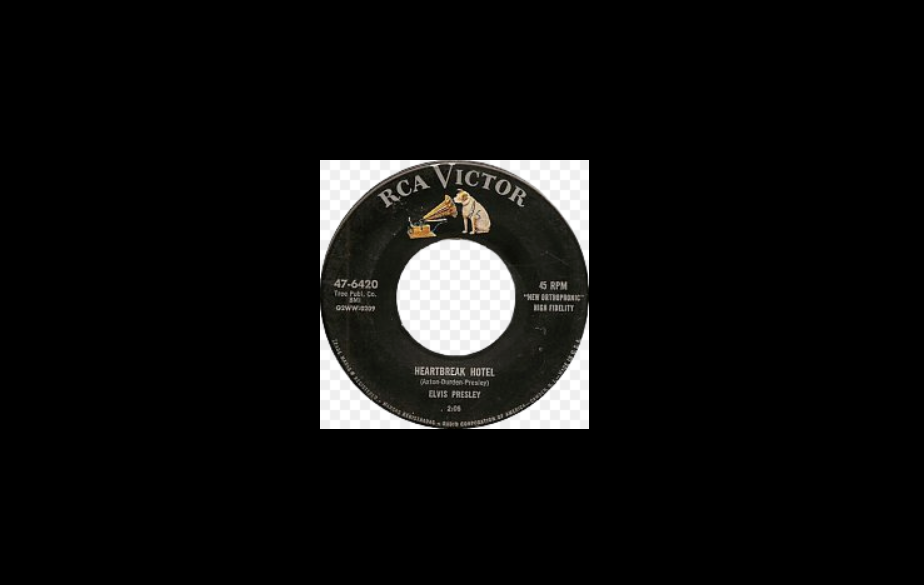
Written in roughly 30 minutes by Mae Boren Axton and Tommy Durden, “Heartbreak Hotel” became Presley’s first number-one hit. The song’s melancholy tone and blues influence captured widespread emotion. Its quick composition shows how concise storytelling and strong emotional hooks can make an enduring impact on American pop culture.
“Rock Around the Clock” – Bill Haley & His Comets
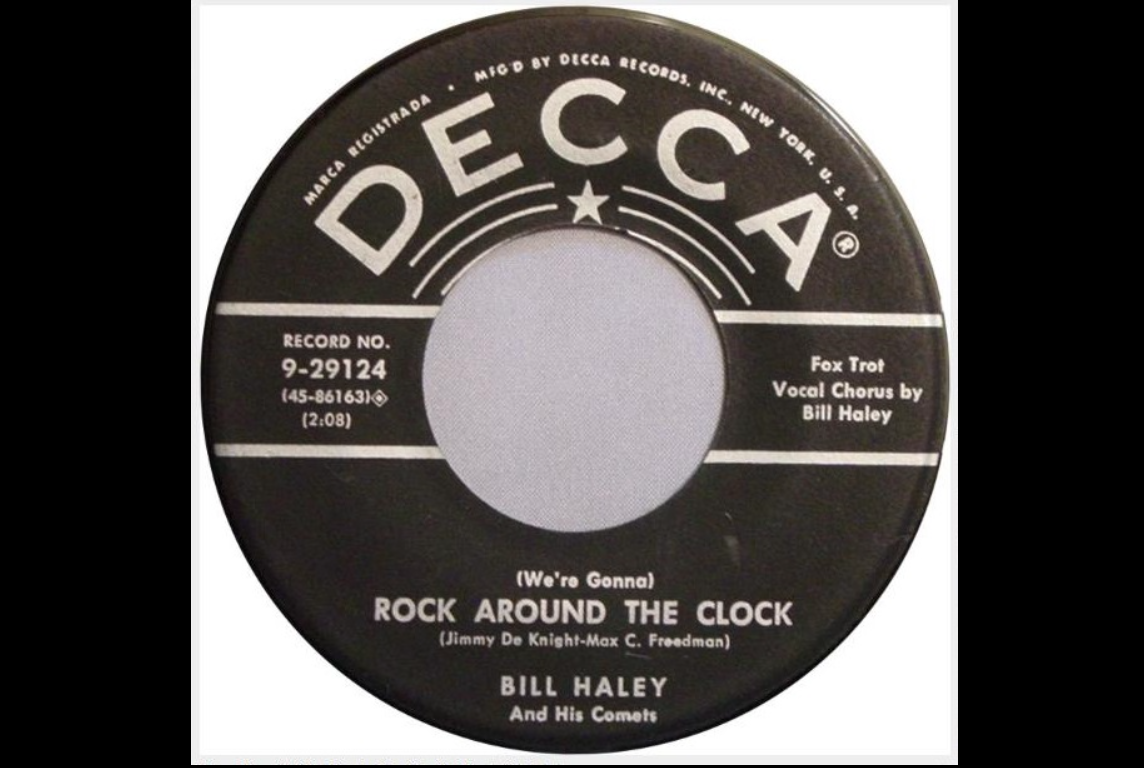
Composed in under an hour by Max C. Freedman and James E. Myers, this early rock ’n’ roll classic ignited a musical revolution. Its upbeat tempo and catchy rhythm appealed instantly to teenagers. The rapid creation highlights how spontaneous energy can define a genre. The song’s enduring popularity underscores the power of immediacy.
“Love Me Do” – The Beatles
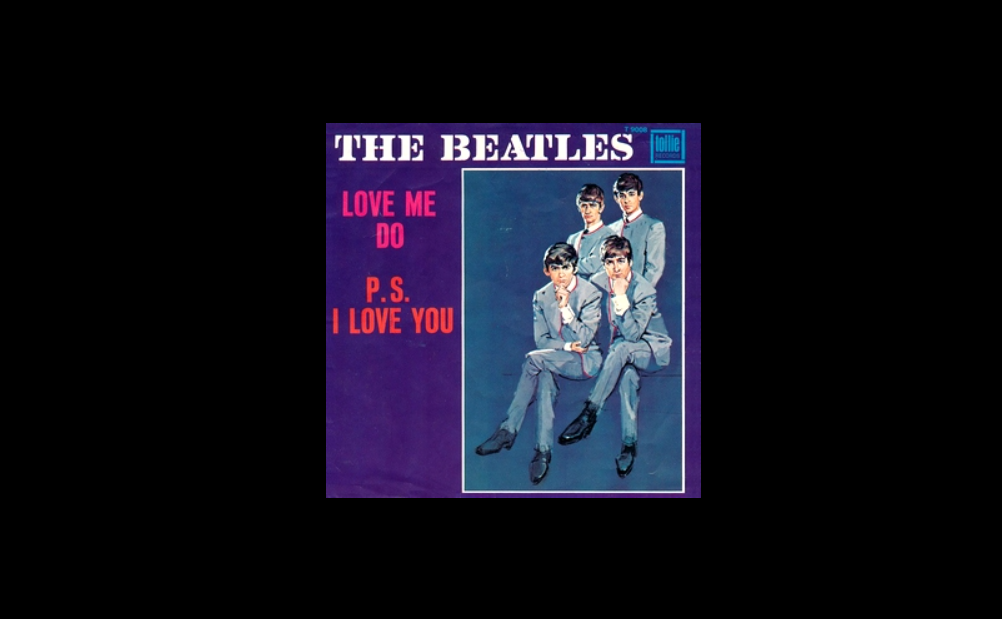
Paul McCartney and John Lennon wrote “Love Me Do” quickly as a straightforward, catchy track for their debut. Its simple structure and repetitive chorus made it memorable. Despite its brevity, the song launched the band’s global career. Quick songwriting sometimes captures pure energy and accessibility that resonates broadly.
“Jailhouse Rock” – Elvis Presley
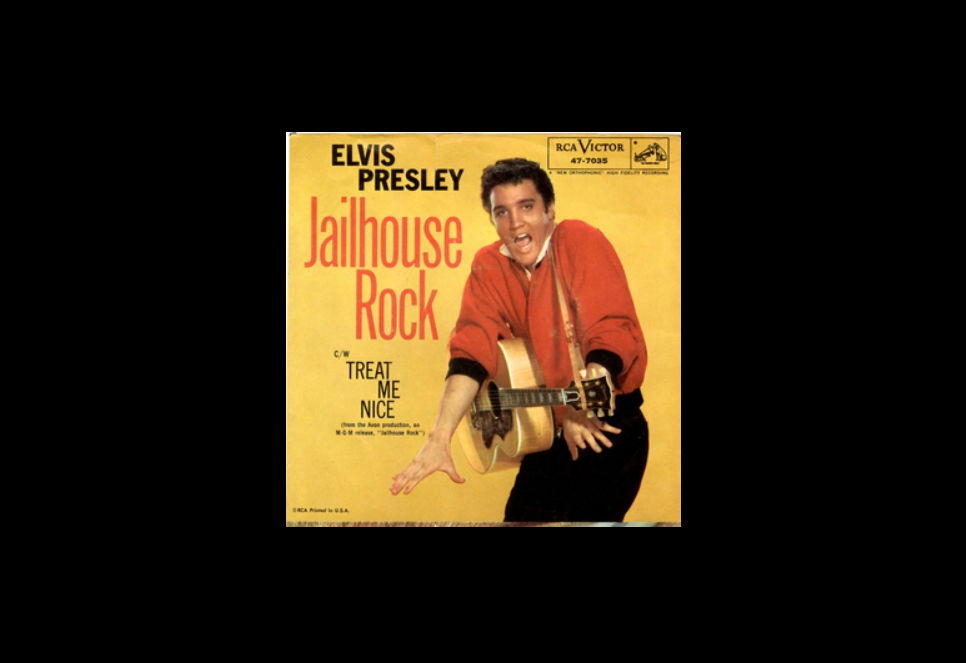
Written by Jerry Leiber and Mike Stoller in about an hour, “Jailhouse Rock” became a defining anthem of rock ’n’ roll. Its narrative-driven lyrics and driving rhythm epitomized youthful rebellion. Quick composition allowed the creators to capture the excitement of the moment. The track remains a staple of American music history.
“The Times They Are A-Changin’” – Bob Dylan
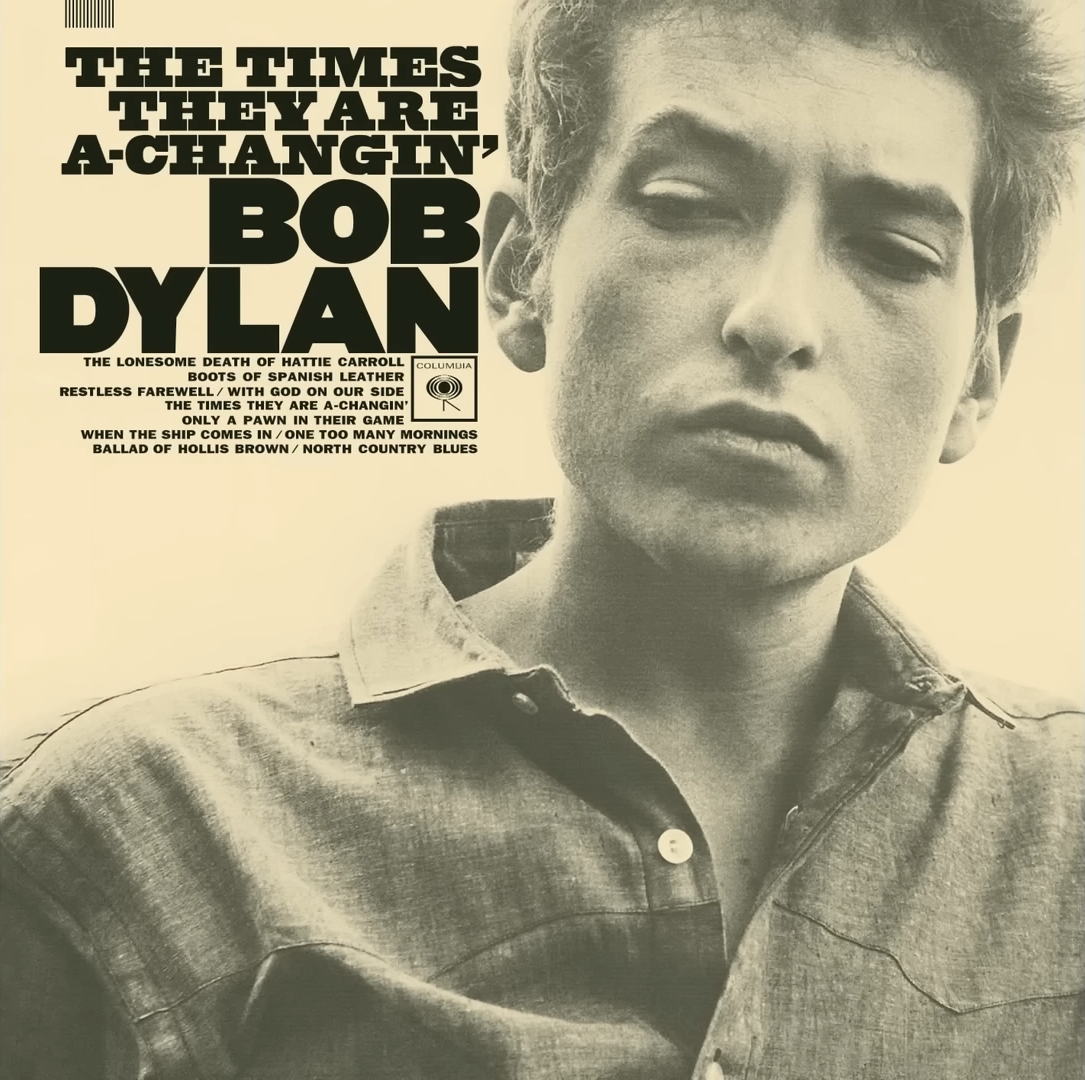
Dylan reportedly wrote this civil rights-era anthem in a single afternoon. Its poetic lyrics and compelling message spoke to a generation hungry for social justice. The speed of creation mirrored the urgency of the era. The song’s influence endures, demonstrating that timely inspiration can produce timeless cultural statements.
“I Want to Hold Your Hand” – The Beatles
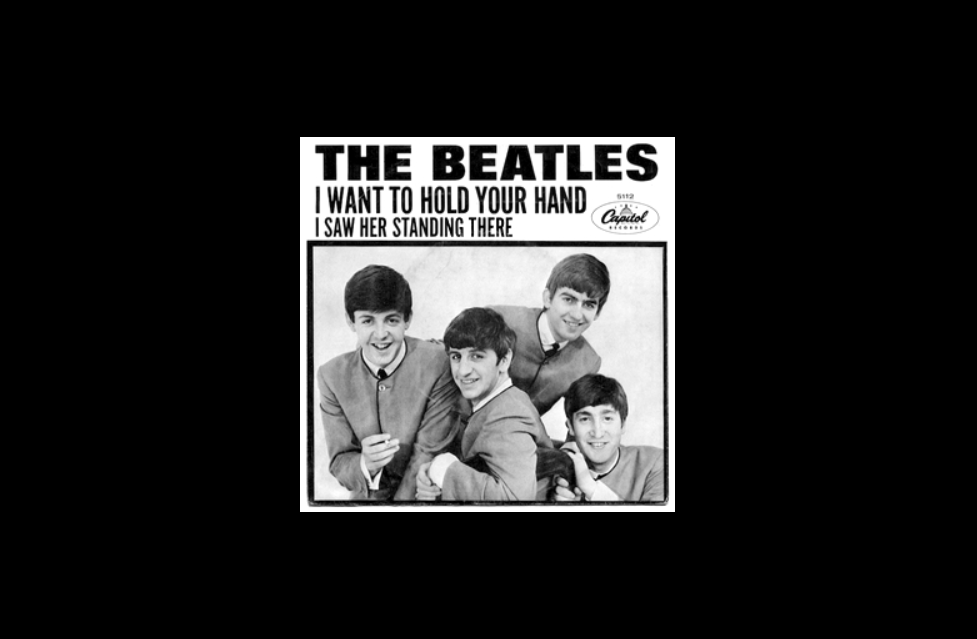
Lennon and McCartney composed this iconic love song in about 20 minutes. Its infectious melody and relatable lyrics made it an instant hit in America. The brief writing period didn’t hinder its appeal; it became a defining moment in Beatlemania. Rapid creation sometimes amplifies the spontaneity and joy of musical expression.
“Folsom Prison Blues” – Johnny Cash
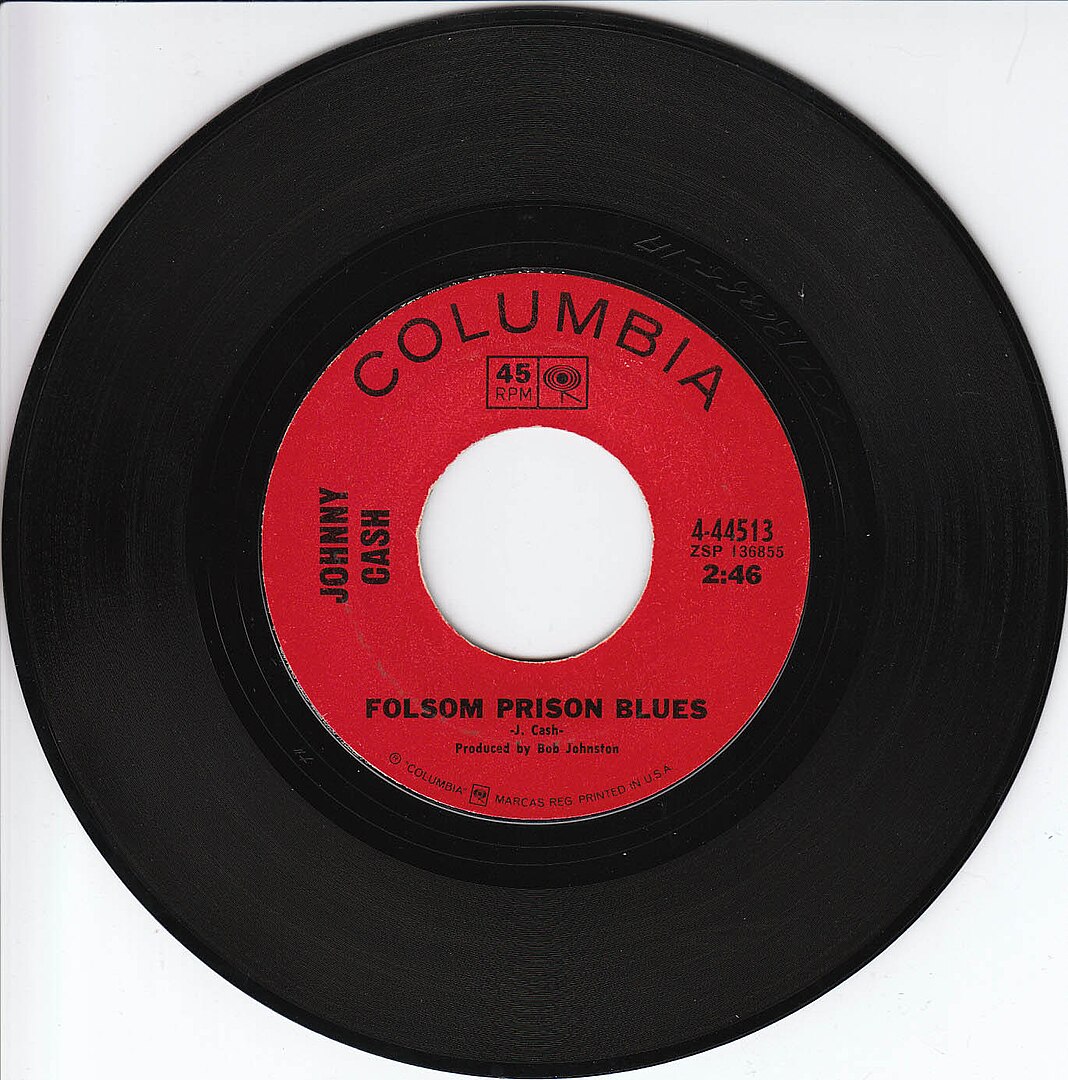
Johnny Cash wrote “Folsom Prison Blues” in a single sitting, reportedly inspired by a movie and his reflections on confinement. The song’s narrative and rhythmic drive resonated immediately with audiences. Quick songwriting captured raw emotion and storytelling. The track remains emblematic of Cash’s outlaw persona and American country music.
“Surfin’ U.S.A.” – The Beach Boys
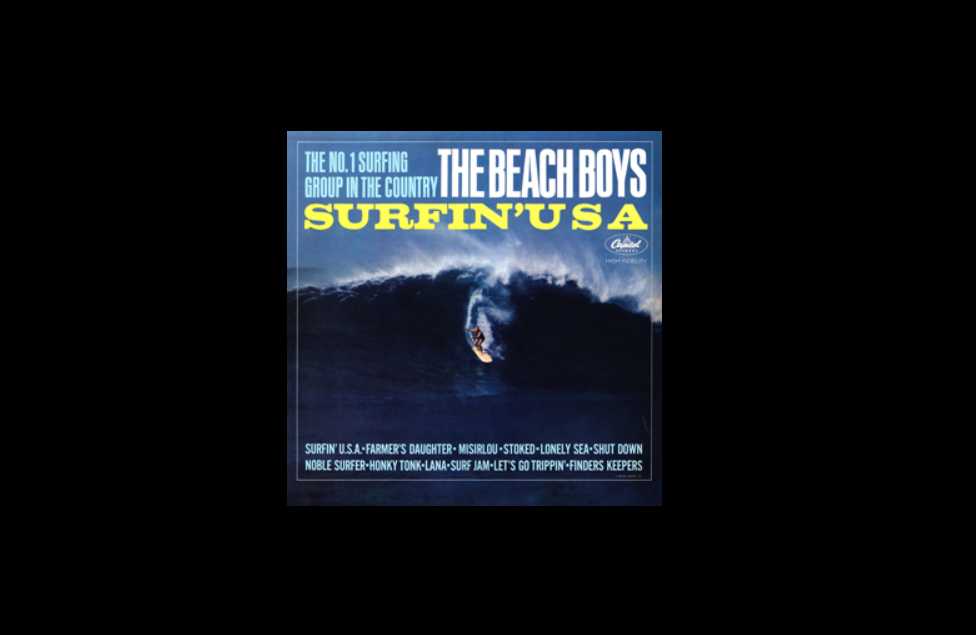
Brian Wilson adapted the melody from Chuck Berry in a single session, writing the lyrics rapidly to capture California youth culture. The song epitomized surf music and energetic optimism. Rapid creation allowed the music to feel spontaneous and authentic. It demonstrates how borrowing and improvisation can yield iconic results.
“Good Vibrations” – The Beach Boys
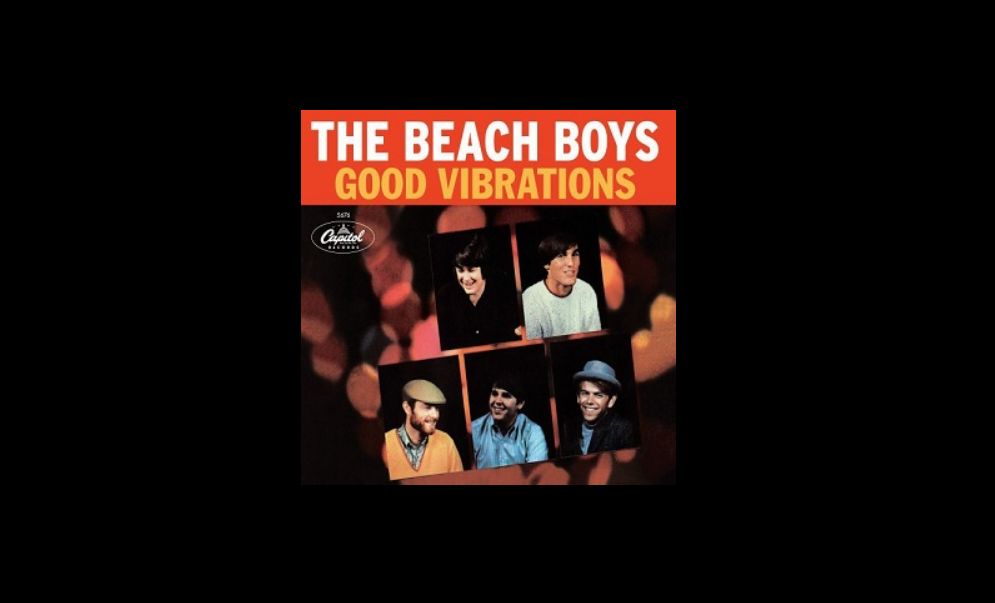
While layered production took longer, the initial idea and melody were sketched in a short, inspired session by Brian Wilson. The song’s innovation and experimentation redefined pop music. Quick bursts of creativity often serve as a foundation for more complex development. Its status as a classic shows the value of initial inspiration.
“Hallelujah I Love Her So” – Ray Charles
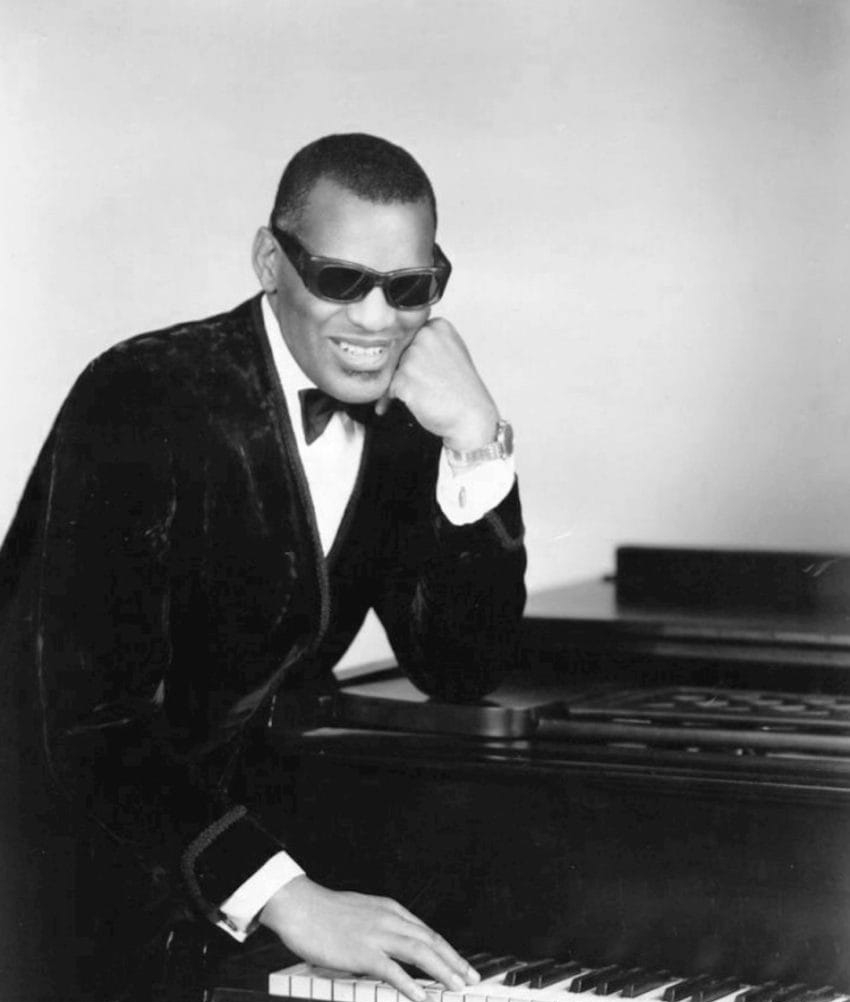
Ray Charles reportedly wrote this track in one afternoon, blending gospel, blues, and jazz influences. Its catchy rhythm and heartfelt lyrics made it an instant hit. The speed of creation contributed to its natural, unpolished charm. The song illustrates how improvisation and emotional authenticity can produce enduring classics.
“Born to Run” – Bruce Springsteen
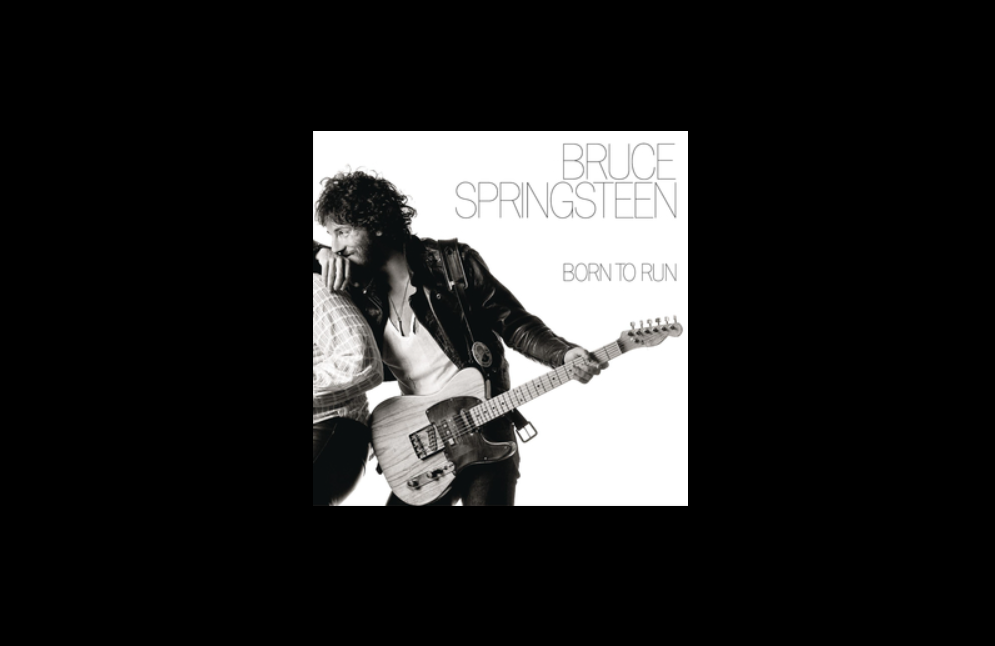
While the final production was meticulous, Springsteen reportedly wrote the core lyrics and melody in a concentrated burst of creativity. The song’s energy and cinematic scope captured youthful longing. Rapid initial inspiration provided the spark that allowed for later refinement. It remains an anthem of American rock resilience.
“I Got You (I Feel Good)” – James Brown
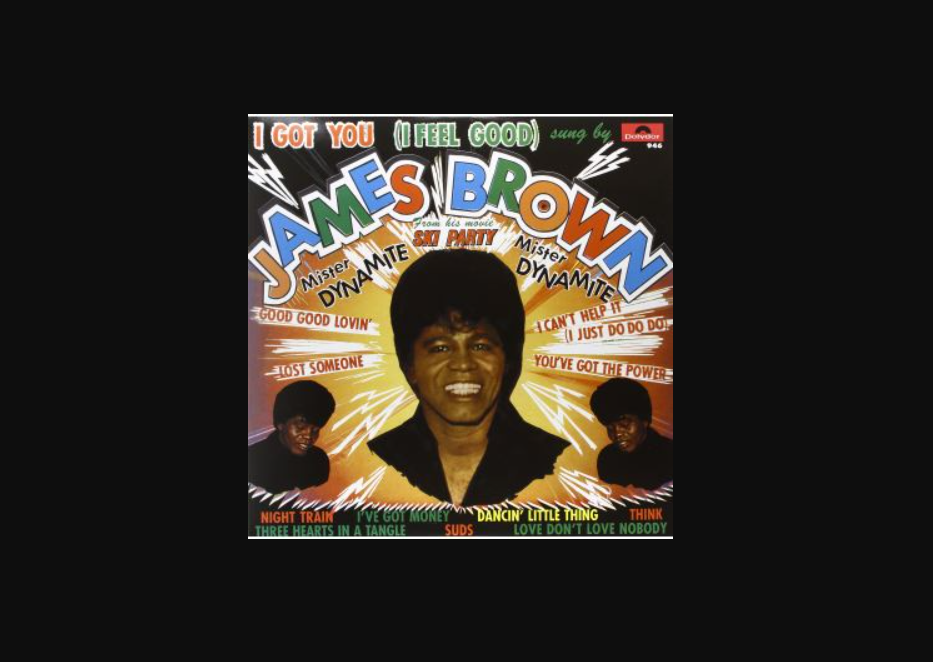
James Brown composed this signature track in a short session, channeling his energy and charisma into a compact, infectious song. Its rhythm, horn riffs, and vocal exclamations defined his sound. The song’s quick creation amplified its raw excitement. It demonstrates how speed and intensity can lead to timeless music.
“Ain’t No Sunshine” – Bill Withers
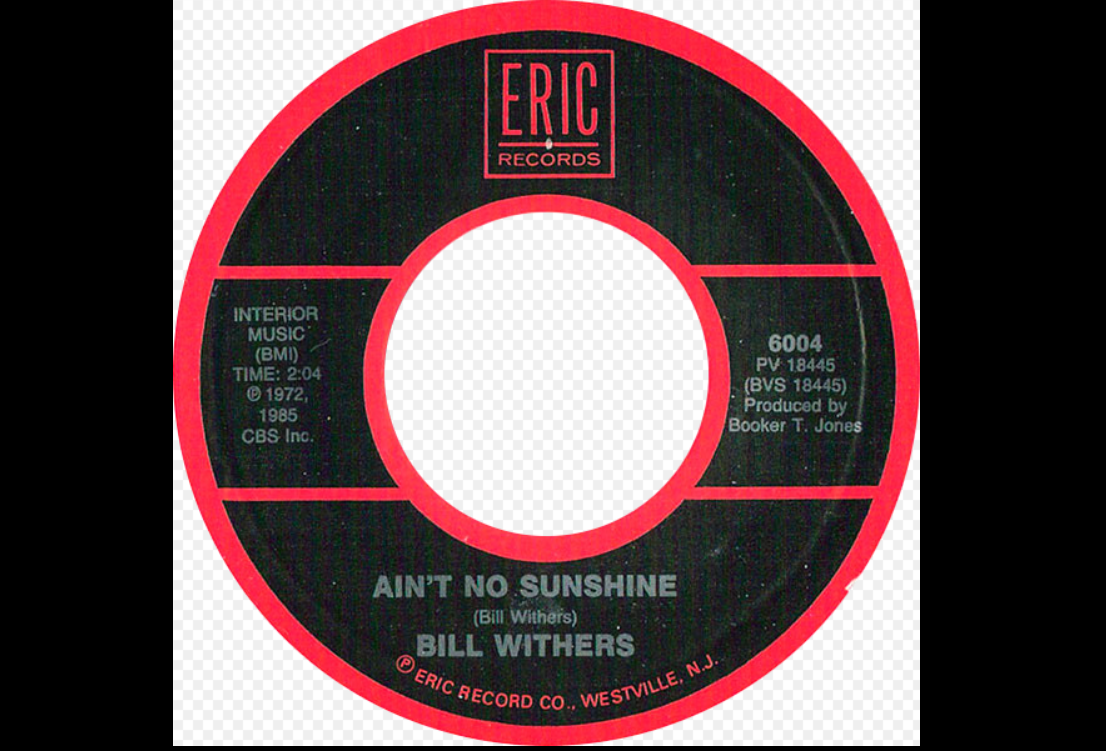
Bill Withers wrote this soulful hit in roughly 30 minutes, inspired by personal heartbreak. Its sparse arrangement and emotional delivery resonated deeply with audiences. Quick composition helped capture raw emotion. The song endures as a classic example of simplicity and emotional authenticity in American music.