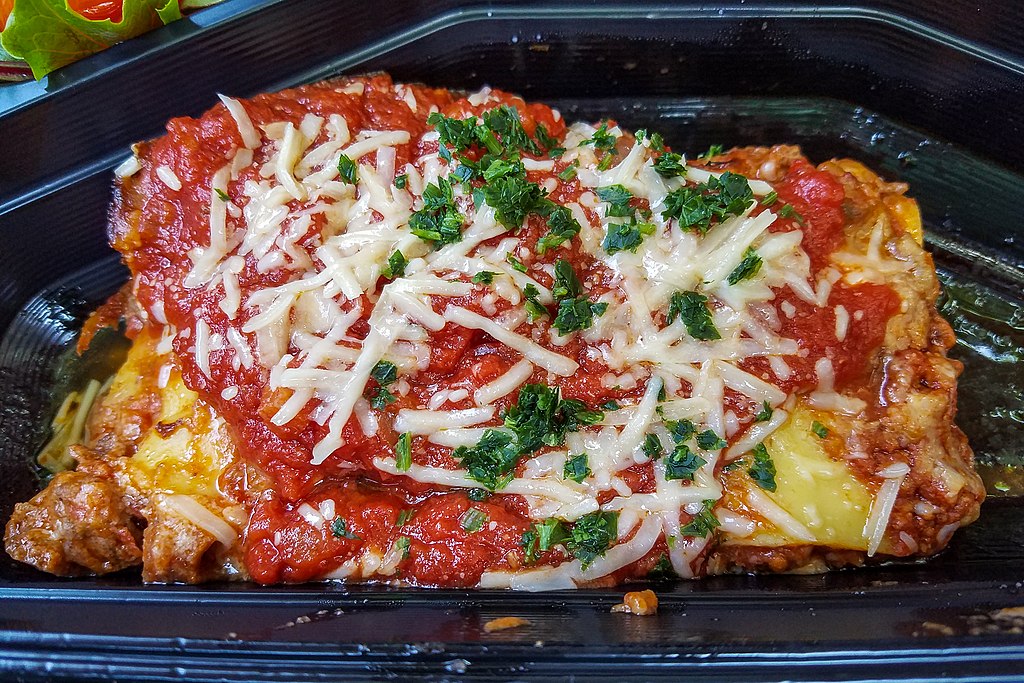
American family meals have changed a lot over the decades. Many dishes that were once staples on dinner tables across the country have now almost disappeared, replaced by faster, trendier, or more health-conscious choices. These hearty, comforting meals were often made from simple ingredients, with a focus on filling portions and classic flavors. They evoke nostalgia for a different time when home-cooked dinners meant gathering around a table with loved ones. Here are 16 hearty American dishes that families once loved but are now rarely seen.
Chicken Croquettes

Chicken croquettes were a popular comfort food made from minced chicken combined with seasonings and binder like breadcrumbs or mashed potatoes, then shaped into patties or cylinders and fried until golden. They offered a tasty, economical way to stretch leftovers or canned chicken into a satisfying meal. Their crispy exterior and creamy interior made them a hit with both kids and adults. Over time, they’ve faded from menus and home kitchens, replaced by quicker chicken preparations and changing tastes that favor fresher, lighter fare.
Beef Stroganoff (with Cream of Mushroom Soup)
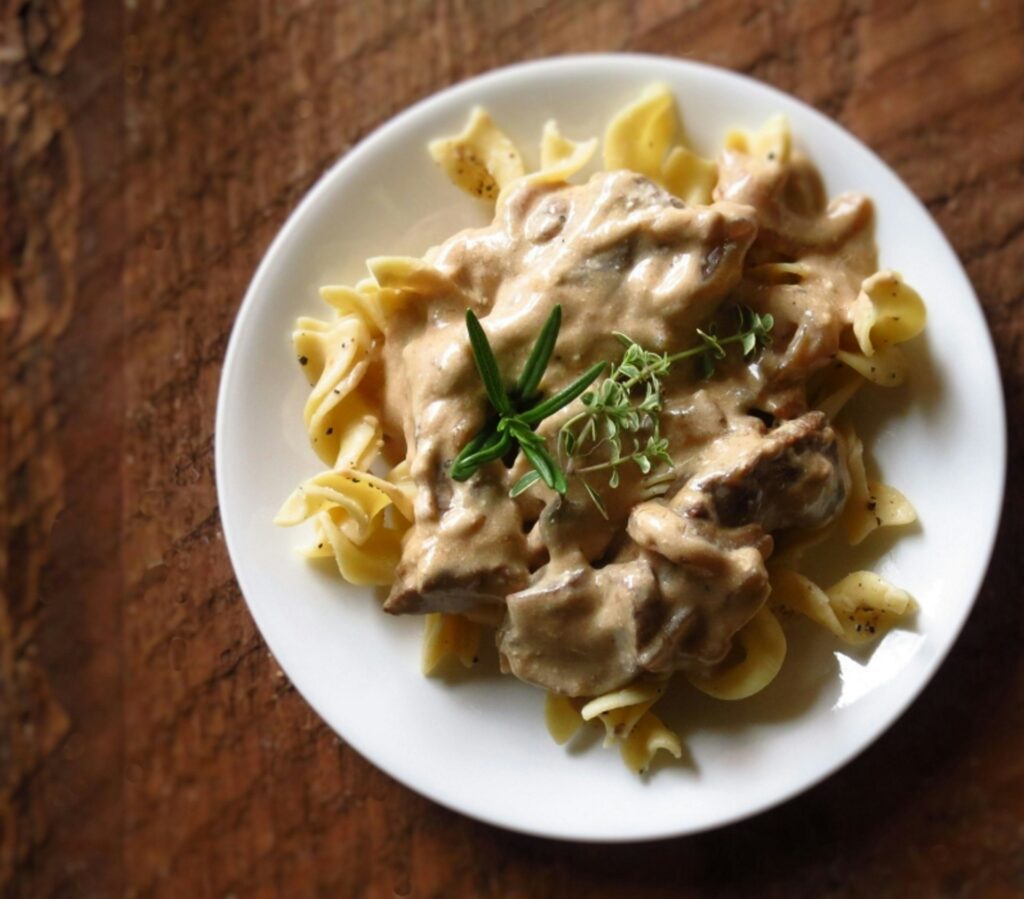
This classic dish combined tender strips of beef simmered in a creamy sauce made with canned cream of mushroom soup, sour cream, and onions, typically served over egg noodles or rice. It became a family favorite for its rich flavor and ease of preparation, often appearing on mid-century dinner tables. The convenience of canned soup was revolutionary at the time, but modern cooks now often prefer fresher ingredients and lighter sauces. Today, the canned soup version is viewed as dated and less appealing to contemporary palates.
Spam Fritters

Spam fritters were a popular snack or lunch item, especially during and after World War II when Spam was a pantry staple. Chunks of Spam were mixed into a batter and deep-fried to create crispy, salty fritters. This dish was prized for its affordability and long shelf life. While still enjoyed in some regions, spam fritters have largely fallen out of favor as processed meats carry a less healthy reputation. The rise of fresh meats and health trends have pushed this once-common dish into obscurity.
Boiled Vegetables and Meat
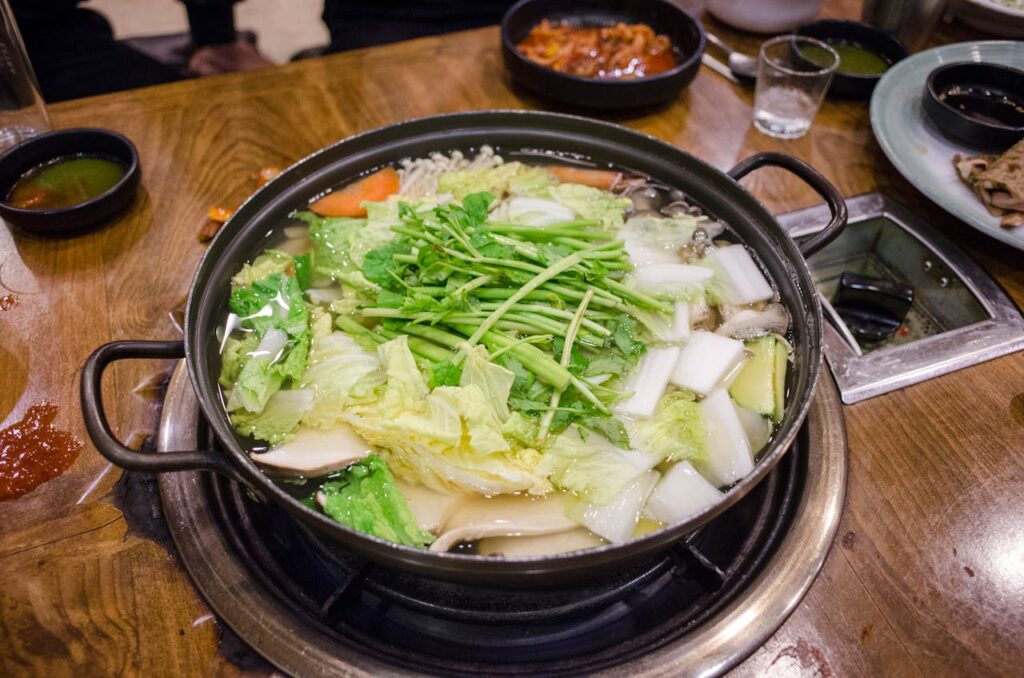
Boiling vegetables and meat together was a no-frills, practical way to prepare a meal, often yielding a hearty stew or pot roast served with boiled root vegetables like carrots and potatoes. This method emphasized simplicity and nourishment, especially in working-class households. However, the blandness associated with boiled foods and the rise of more flavorful cooking techniques have made this dish less common. Modern meals tend to favor roasting, grilling, or sautéing, which bring out richer tastes and textures.
Welsh Rarebit

Welsh rarebit is a savory dish consisting of a rich cheese sauce, often mixed with mustard or ale, poured over toasted bread and then broiled until bubbly and golden. It was a popular, comforting snack or light meal in mid-century America. Today, Welsh rarebit is rarely seen outside specialty menus or nostalgic cookbooks, replaced by more modern grilled cheese sandwiches and other cheese-based dishes. Its distinct flavor and preparation style feel vintage to many younger generations.
Corned Beef Hash (Homemade)
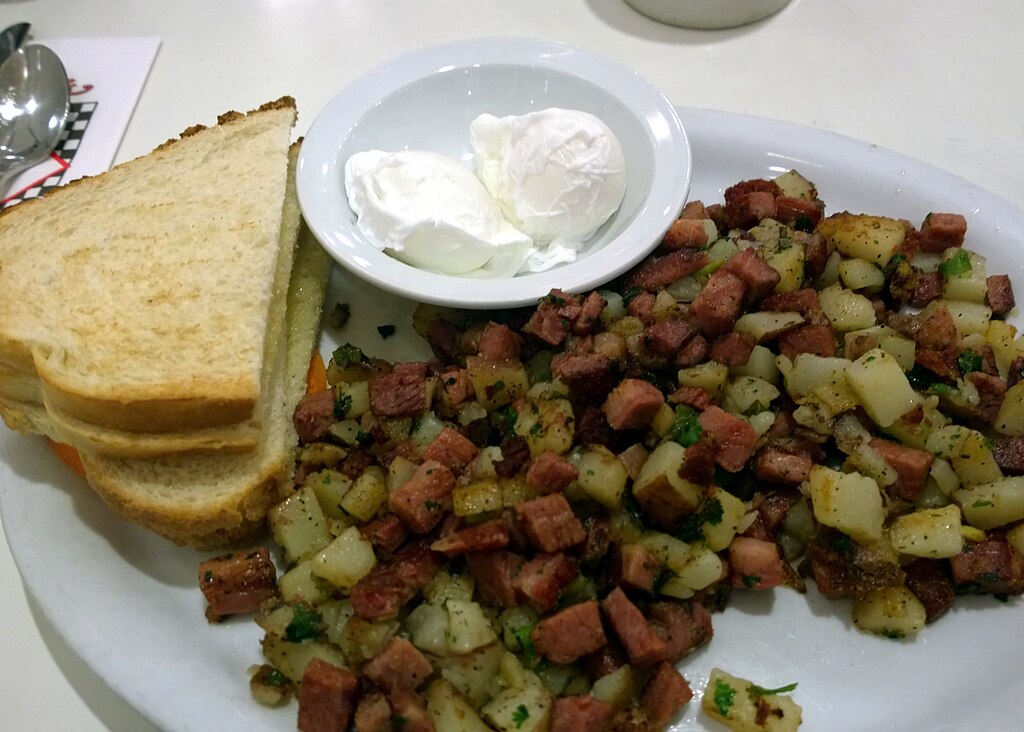
Homemade corned beef hash combined diced corned beef, potatoes, and onions, pan-fried until crispy and browned. This dish was beloved as a hearty breakfast or brunch option that used leftovers creatively. Unlike canned versions, the homemade hash was fresher, tastier, and a weekend treat for many families. Over time, the convenience of canned hash and changing breakfast habits reduced its popularity, though it still holds nostalgic value for those who grew up eating it.
Meatloaf
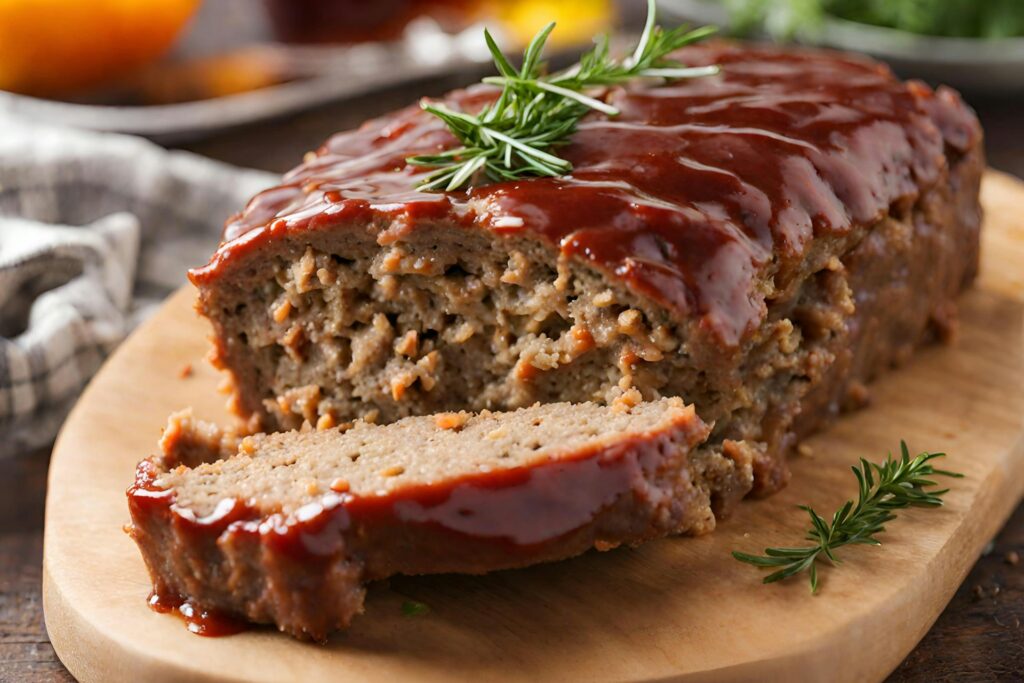
Meatloaf was a quintessential American comfort food, made by combining ground beef, breadcrumbs, eggs, and seasonings, then baked into a loaf shape and often topped with a tangy ketchup glaze. It was a staple in many households because it was economical, easy to prepare in large batches, and could feed a whole family with leftovers for days. Over time, meatloaf’s popularity declined as tastes shifted toward faster, more diverse meals, and the dish came to be seen as old-fashioned. Despite this, it remains a beloved classic for those craving nostalgic, hearty home cooking.
Cabbage Rolls

Cabbage rolls, made by wrapping seasoned ground meat and rice in boiled cabbage leaves and then simmering them in tomato sauce, were a beloved comfort food across many American ethnic communities. This dish provided a filling meal with inexpensive ingredients and hearty flavors. While still enjoyed in some homes, cabbage rolls are less common on American tables as tastes have diversified and convenience foods have taken over. The preparation’s time-consuming nature also contributes to its decline.
Salisbury Steak
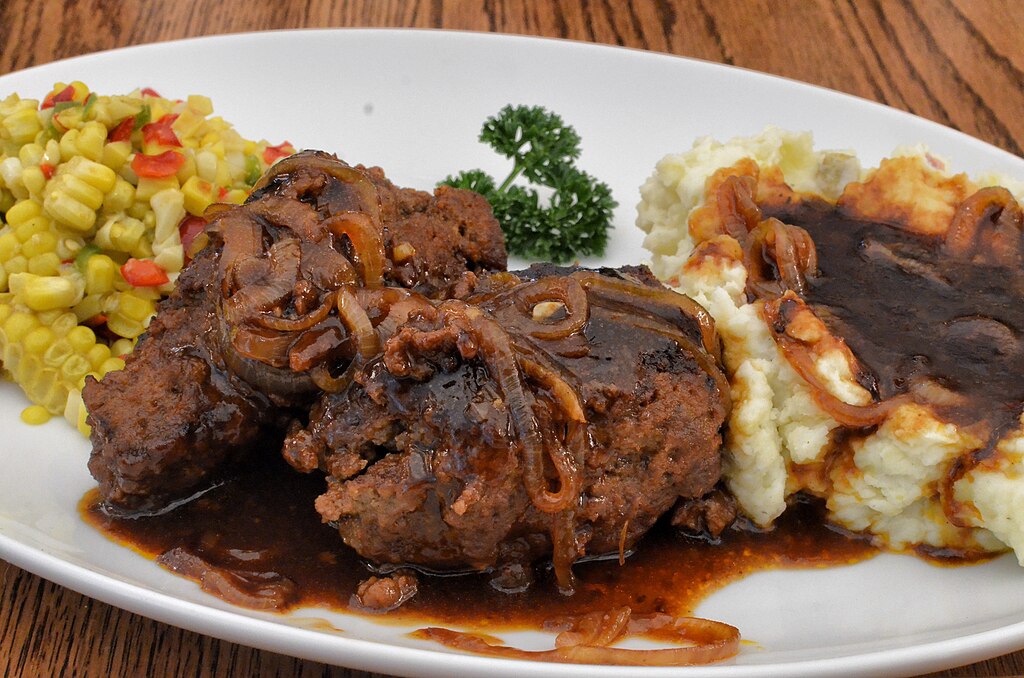
Salisbury steak is a ground beef patty flavored with onions and spices, typically served with gravy and mashed potatoes. It was a staple in American homes and cafeterias, prized for its simplicity and affordability. This dish embodied classic “meat and potatoes” comfort food. Over the years, however, Salisbury steak has become associated with outdated cafeteria fare, replaced by gourmet burgers or international dishes that appeal more to modern diners’ evolving palates.
Jell-O Salad
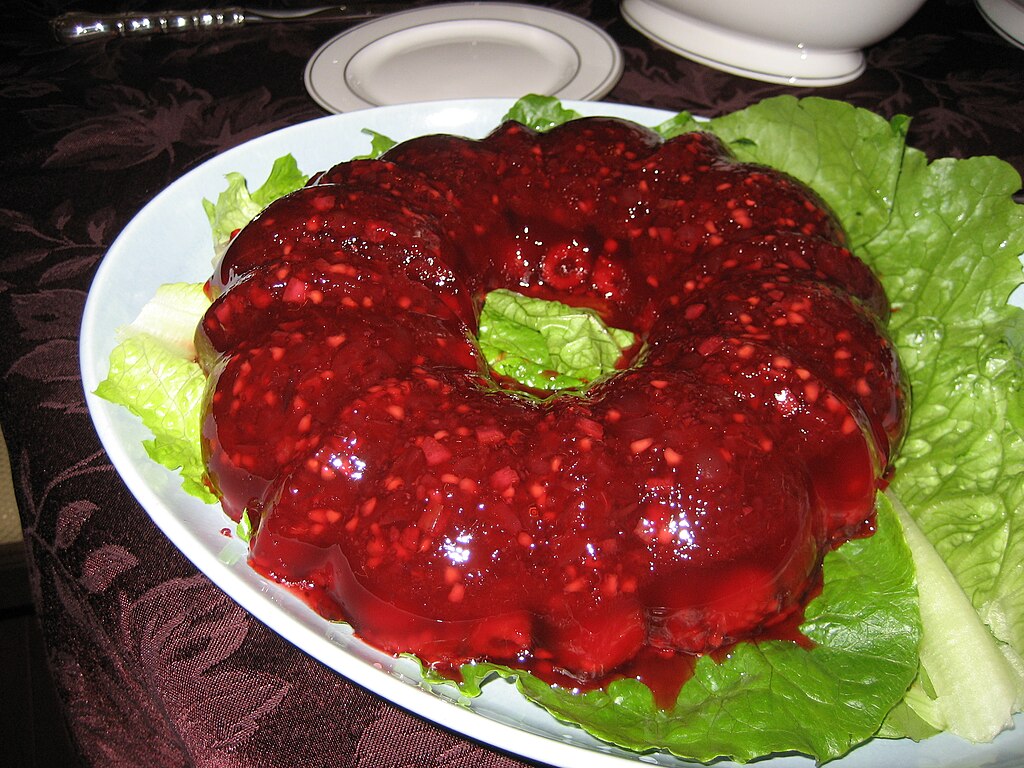
Jell-O salad combined flavored gelatin with fruit, vegetables, nuts, or even mayonnaise to create colorful, often sweet or tangy salads served as side dishes or desserts. Popular from the 1950s through the 1970s, they were a fixture at family dinners and potlucks. Today, Jell-O salads are widely seen as kitschy relics of a bygone era, overshadowed by fresh fruit salads and healthier dessert options. Their gelatinous texture and combination of ingredients can feel strange to contemporary tastes.
Creamed Chipped Beef on Toast
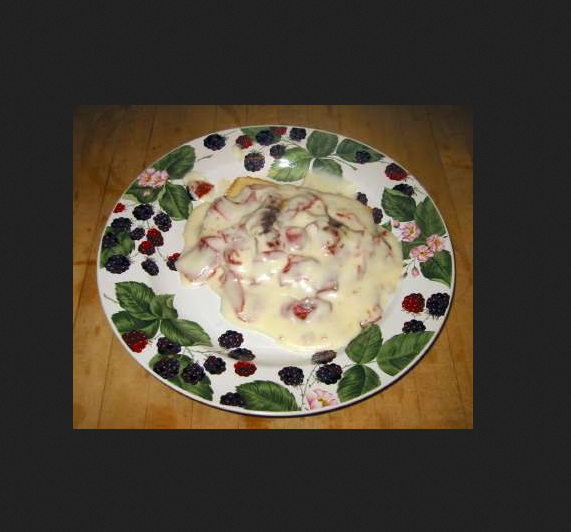
This dish, affectionately nicknamed “SOS,” featured dried, salted beef chipped into a creamy white sauce, served over toasted bread. It was a popular, filling meal for military families and civilians alike, prized for its simplicity and satisfying flavor. Though still nostalgically remembered, creamed chipped beef is rarely served today outside of military or retro diner contexts. Modern meals favor fresher meats and lighter sauces, making this dish a rare culinary throwback.
Stuffed Bell Peppers
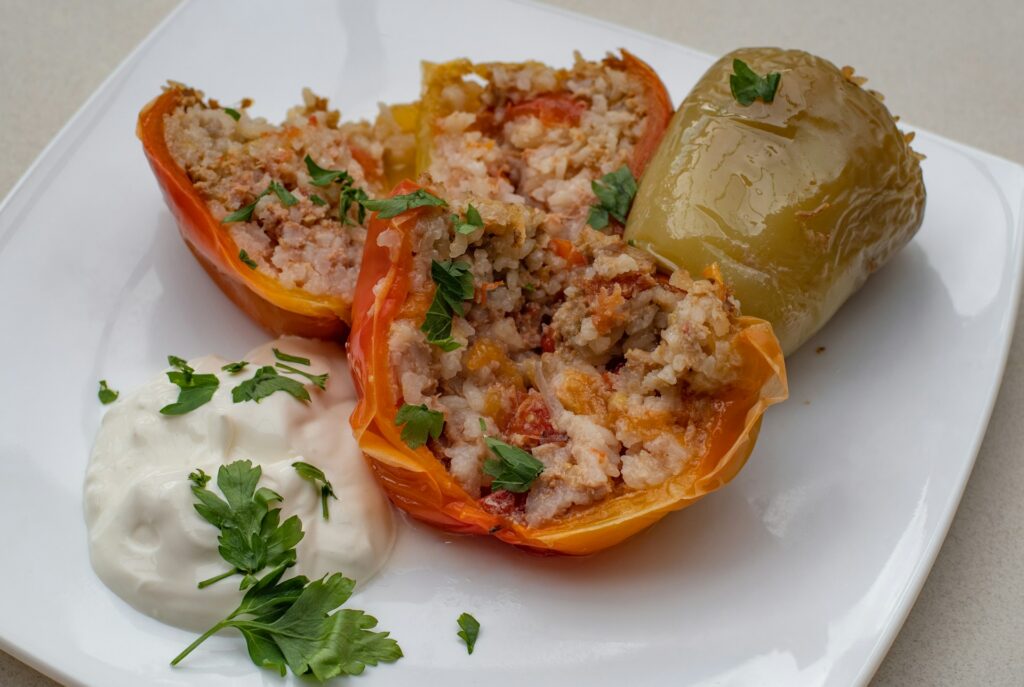
Stuffed bell peppers were a hearty, colorful dish where peppers were filled with a mixture of ground meat, rice, onions, and seasonings, then baked until tender. They made a complete meal combining protein, vegetables, and grains in one dish. Once a common sight at dinner tables, they’ve become less frequent as busy lifestyles encourage quicker meal options. However, their wholesome appeal still attracts occasional revival in home cooking circles focused on classic comfort foods.
Tuna Noodle Casserole
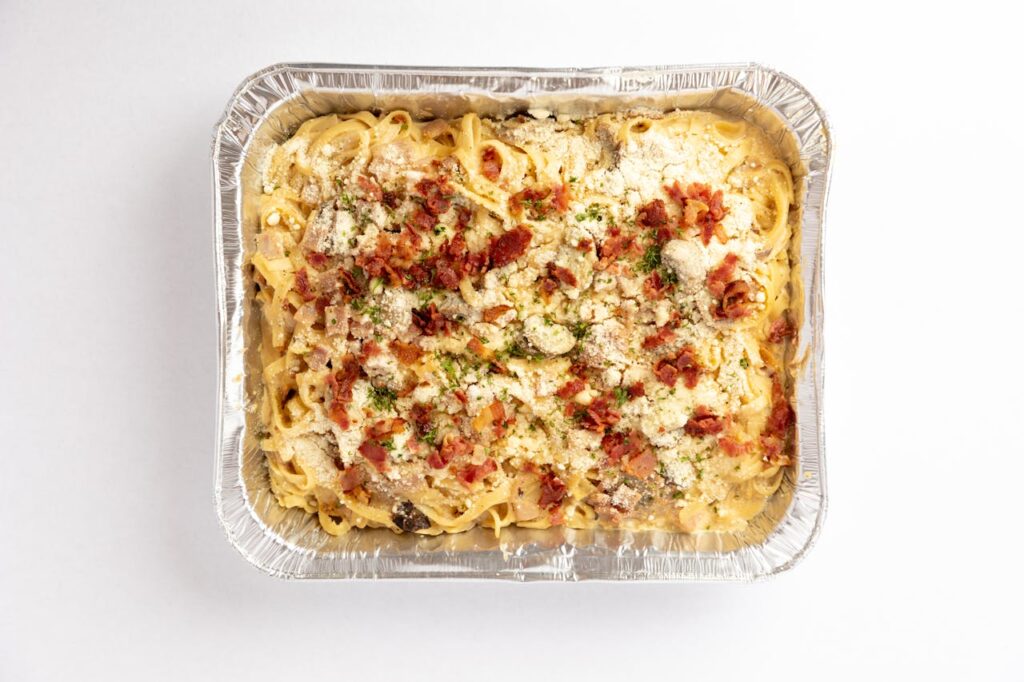
Tuna noodle casserole was a quintessential American dish that combined canned tuna, egg noodles, peas, and creamy sauce, often topped with crunchy breadcrumbs. It was inexpensive, easy to prepare, and filling — making it a family favorite for decades. Though some still enjoy it today, the dish is often seen as outdated and associated with “mom’s cooking” from another era. Contemporary cooks tend to prefer fresher seafood and lighter pasta dishes, contributing to the casserole’s decline in popularity.
Liver and Onions
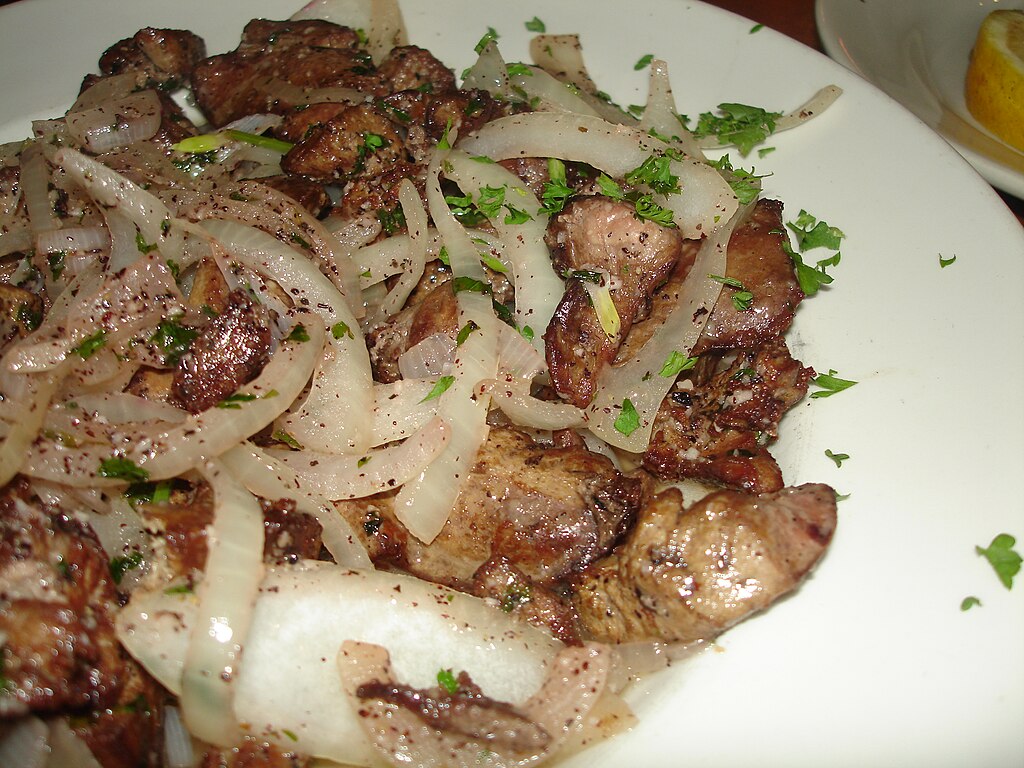
Liver and onions was once a widely eaten, nutrient-dense dish featuring sautéed liver served alongside caramelized onions. Praised for its affordability and iron-rich content, it was a common meal in many working-class households. However, the strong flavor and texture of liver fell out of favor as tastes shifted toward milder proteins. Today, liver and onions are often considered an acquired taste, mostly prepared by older generations or in traditional restaurants rather than everyday home cooking.
Aspic
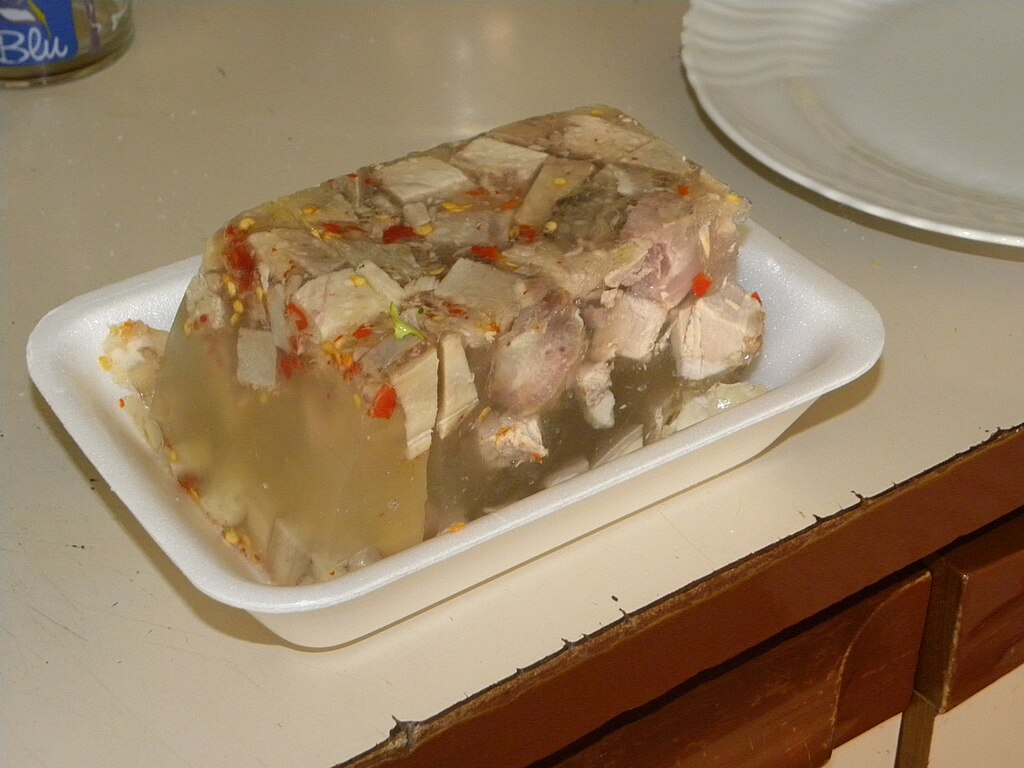
Aspic is a savory gelatin dish made by setting meat stock with vegetables, meats, or eggs suspended inside. It was a popular elegant appetizer or salad component in mid-20th-century America, prized for its decorative presentation and texture. The rise of fresh, lighter fare and the decline of gelatin-based dishes have rendered aspic largely obsolete. Many people today find the texture unappealing, and it’s now mostly found only in vintage cookbooks or specialty culinary circles interested in retro cuisine.
Chicken à la King
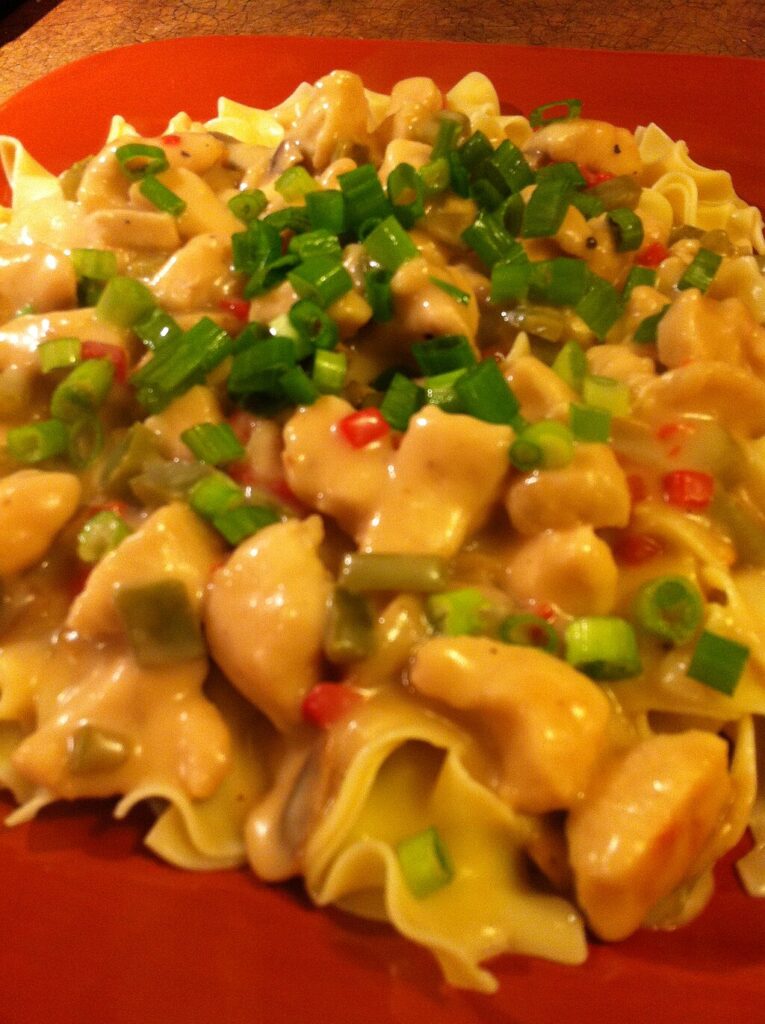
Chicken à la King was a creamy, luxurious dish made with diced chicken, mushrooms, and peppers in a rich sauce, often served over rice or toast points. It was a party favorite and a sign of mid-century sophistication in home cooking. However, the heavy cream sauce and elaborate preparation fell out of style as tastes moved toward lighter and more diverse cuisines. Though occasionally revived for nostalgia, Chicken à la King is rarely part of modern family dinners, making it a classic dish on the brink of obscurity.
These 16 dishes tell the story of American family dining in a different time—meals built on comfort, economy, and tradition. Though many have disappeared from regular menus, their flavors and memories linger in the hearts of those who grew up with them. Rediscovering these classics offers a delicious window into the past and reminds us how food evolves alongside culture and lifestyle.