As prices climb and paychecks stretch thinner, many American families are changing how they spend on everyday goods. What once felt routine now feels optional, and saving money has turned into a family skill. From groceries to gadgets, people are choosing to simplify and make do with less. This shift is not only about money but also about practicality and sustainability. Here are sixteen common household items that families are quietly buying less of in 2025.
1. Bottled Water

Buying bottled water is becoming a thing of the past for many households. The cost adds up quickly, and people are realizing how simple it is to filter tap water at home. Families are investing in reusable bottles and filtration systems instead of cases of plastic. The change helps both the planet and the budget, turning water into one of the easiest areas to cut back on without any real sacrifice in quality or convenience.
2. Brand-Name Cereals
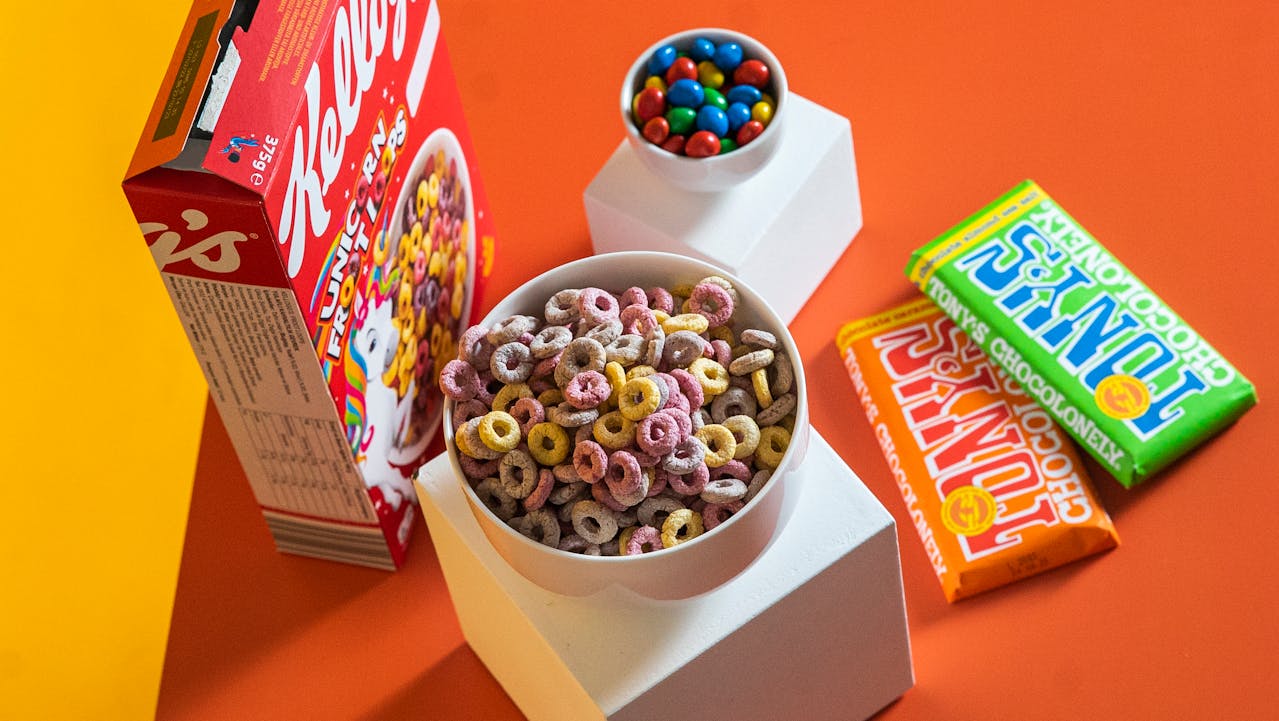
The cereal aisle is no longer the colorful playground it once was. With rising grocery prices, families are switching to store brands or skipping boxed cereals altogether. Many are returning to oatmeal or homemade breakfasts that cost less and last longer. The change also brings a small health bonus, since the cheaper options often have fewer added sugars. Breakfast is now more practical and less about flashy packaging.
3. Streaming Subscriptions

After years of collecting every streaming service available, families are finally cutting back. Most households are keeping just one or two favorites and canceling the rest. Shared accounts and ad-supported plans are becoming normal ways to save a few dollars each month. The endless list of platforms has lost its charm, and viewers are learning that less choice often means more enjoyment without the subscription clutter.
4. Paper Towels
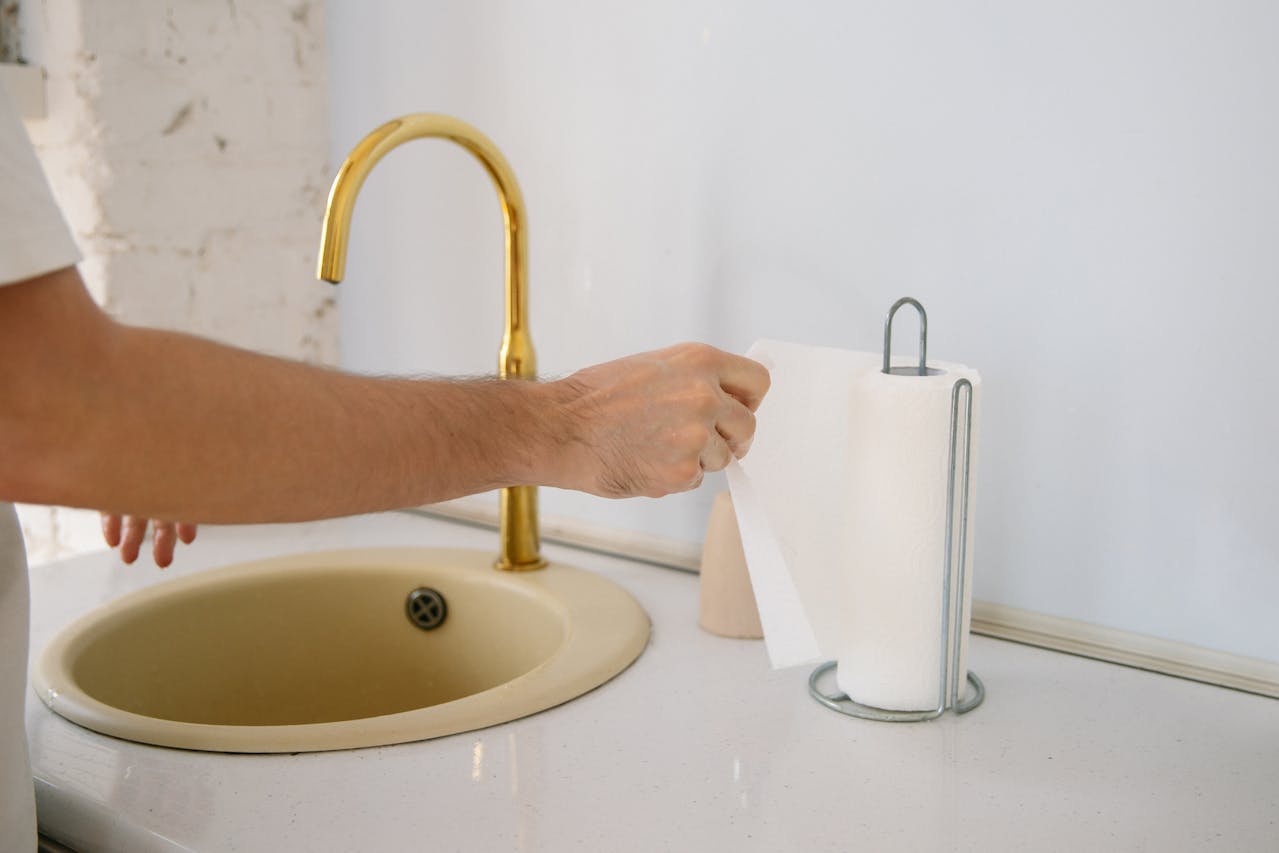
Disposable paper products are slowly being replaced by reusable options. Families are turning to cloth towels, old T-shirts, and washable rags to handle everyday spills. The change feels small but saves money over time and reduces waste. With environmental awareness growing, paper towels are now seen as an easy item to skip. Cleaning up has become more sustainable and a little easier on both the wallet and the conscience.
5. Meat and Seafood
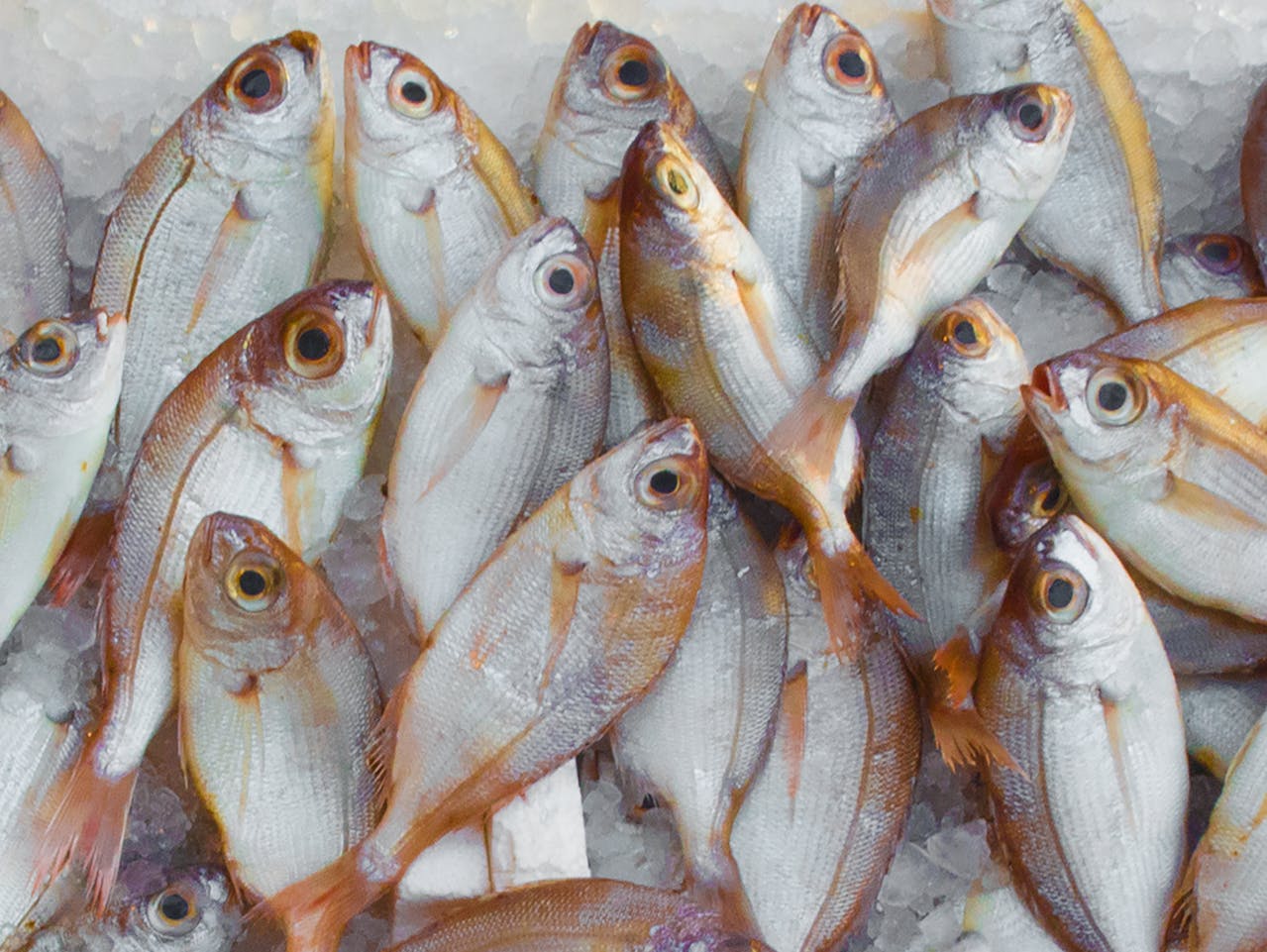
Protein prices have jumped higher than many families can justify. Meat and seafood are becoming occasional treats rather than everyday staples. Beans, eggs, and lentils are filling in the gap, proving that cheap meals can still be full of flavor. Some households are embracing meatless days each week to stretch groceries further. The shift toward simpler, plant-based meals reflects both thrift and creativity in home kitchens.
6. Coffee Shop Drinks
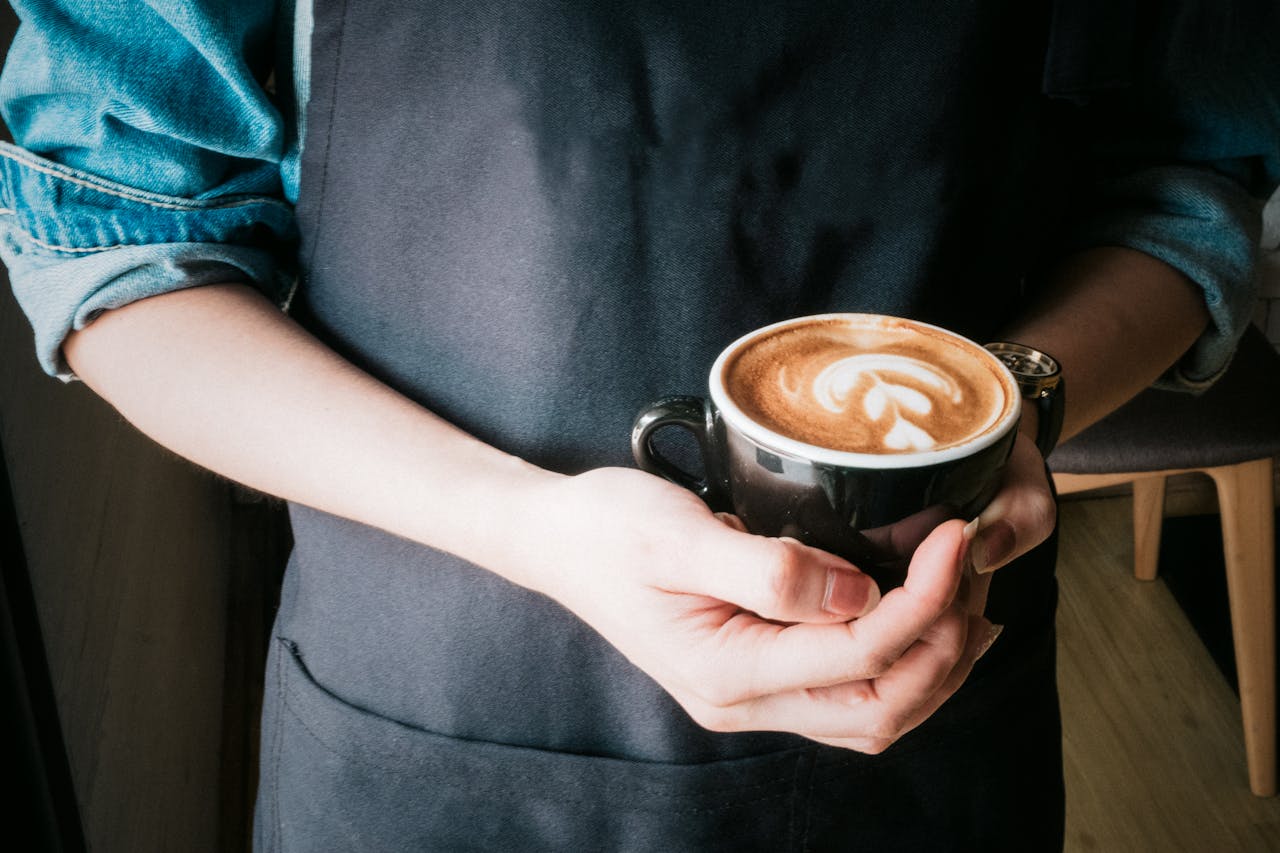
Those daily coffee runs are being replaced by homemade brews. Families are buying coffee makers, grinders, and reusable cups to enjoy their caffeine at home. It’s cheaper, faster, and often just as tasty once you learn the tricks. Even occasional coffee shop visits feel like a treat again instead of a habit. The savings add up quickly, and brewing at home gives mornings a slower, more mindful rhythm.
7. Processed Snacks
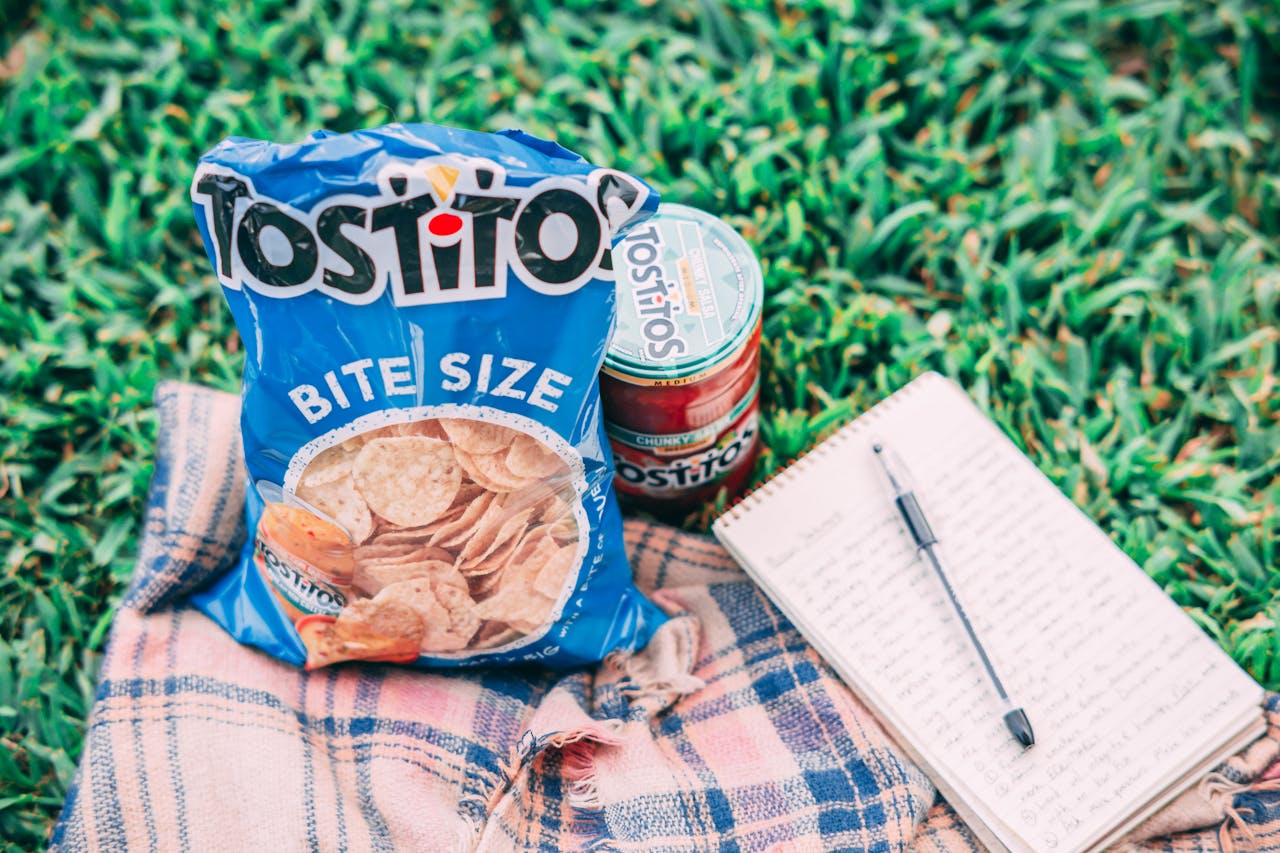
Chips, cookies, and candy bars are losing ground as families focus on healthier, budget-friendly options. Snack prices have climbed while package sizes have shrunk. Many people are now making popcorn, baking muffins, or keeping fruit and nuts on hand instead. Homemade snacks not only cost less but also feel more satisfying. The pantry is starting to look less like a vending machine and more like a kitchen built for balance.
8. Fast Food
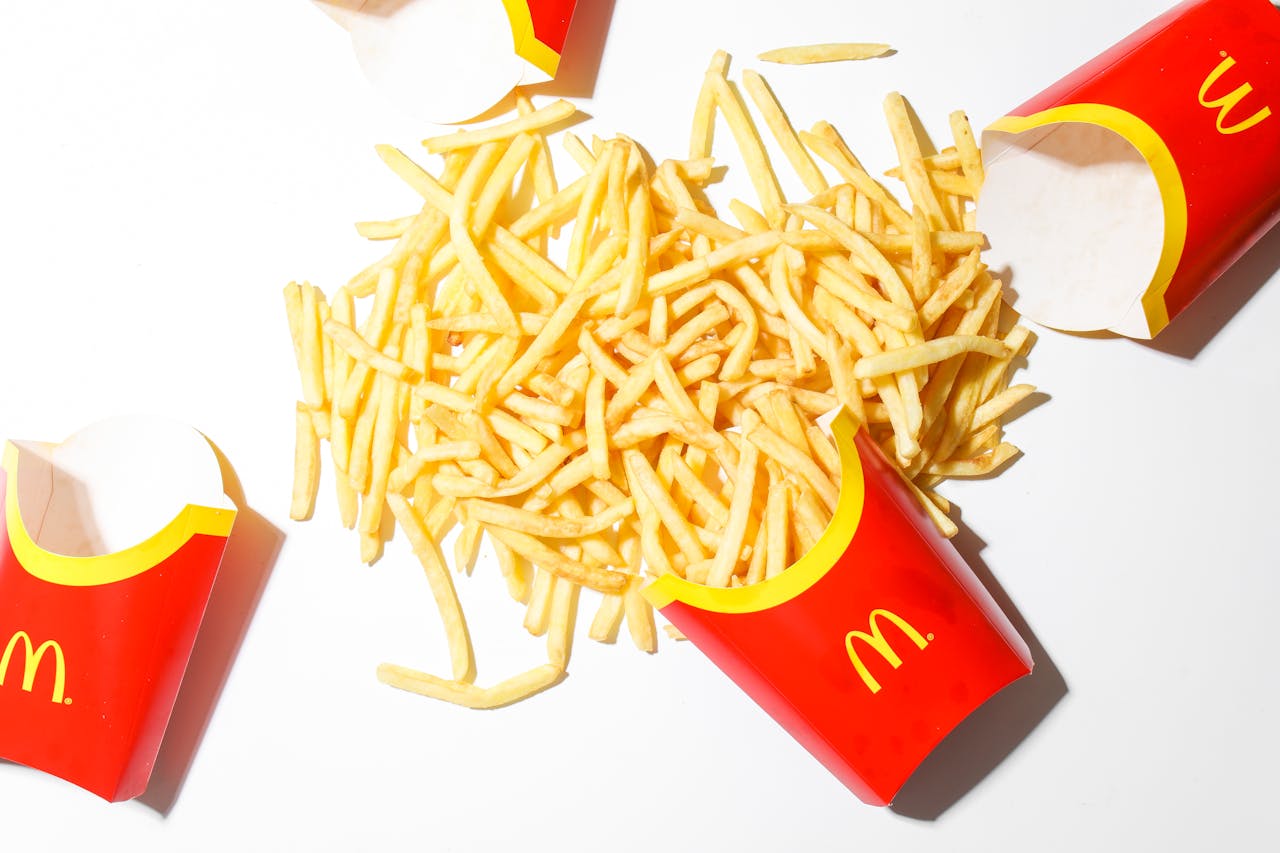
Once considered a cheap dinner option, fast food has become a luxury. Combo meals cost far more than they used to, and families are noticing. Instead of drive-through orders, people are cooking quick meals at home or preparing lunches ahead of time. Delivery apps are also being deleted to avoid fees. Eating out is becoming a special occasion again, reminding families that comfort food tastes better when made together.
9. New Clothing
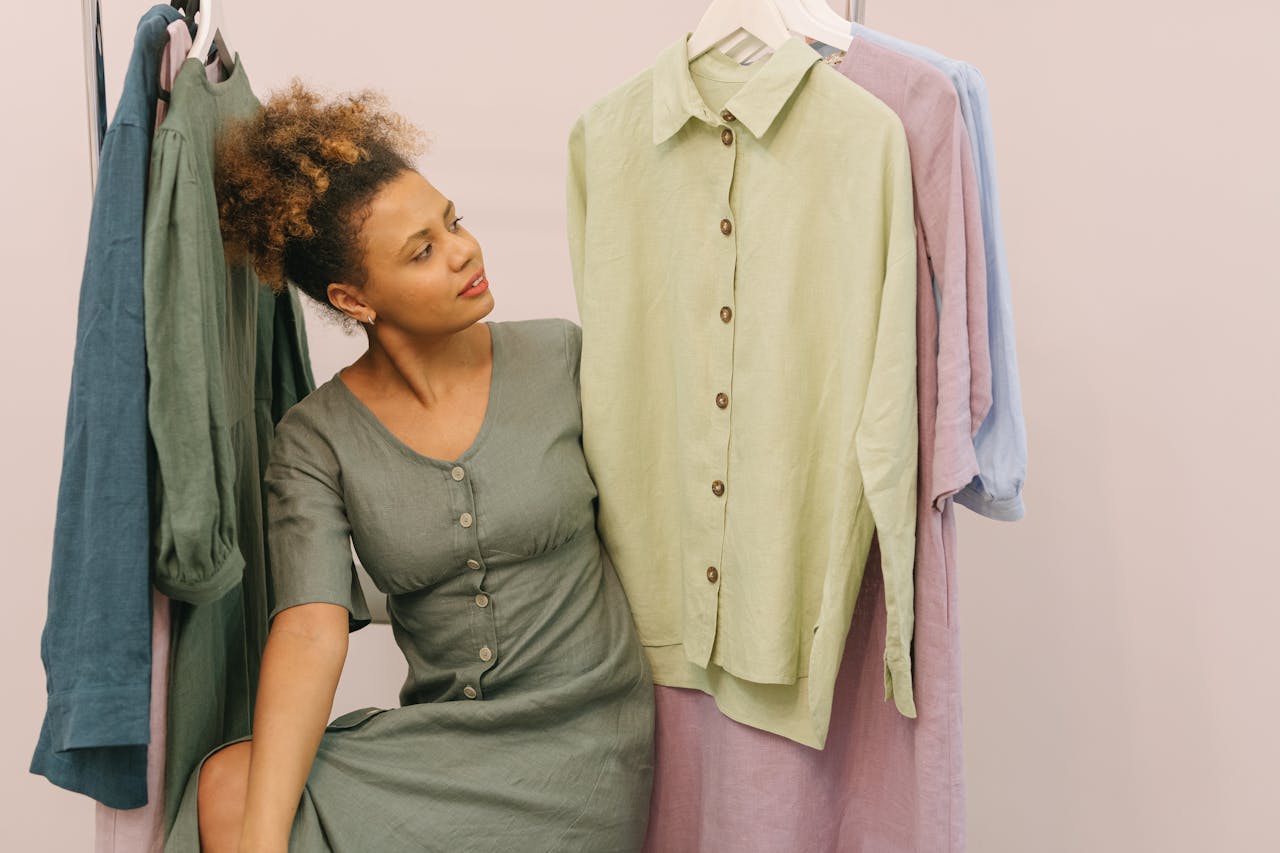
Fashion cycles are slowing as shoppers turn toward thrift stores and resale apps. Buying used clothes has lost its stigma and become a sign of smart spending. Families are repairing, swapping, and reusing instead of chasing every new style. This change is about both cost and conscience, as people value sustainability more than trends. Wardrobes are shrinking, but creativity in styling is growing in its place.
10. Cleaning Products

Expensive brand-name cleaners are being replaced with simple, homemade alternatives. Vinegar, baking soda, and lemon juice can handle most cleaning tasks for a fraction of the price. Families are learning these easy tricks through social media and saving serious money along the way. The move toward natural cleaning also means fewer harsh chemicals in the house, turning cleaning day into something gentler and greener.
11. Pet Treats and Toys

Even pets are feeling the effects of tighter budgets. Instead of buying pricey treats and toys, owners are getting creative with homemade options. Simple baked snacks and DIY toys from household materials keep pets happy without spending much. Stores that once thrived on luxury pet goods are seeing fewer impulse buys. Love for pets hasn’t changed, but how families show it has definitely become more thoughtful and budget-conscious.
12. Household Decor

Home decorating has taken a simpler turn. Families are reusing what they already have, repainting old furniture, and finding treasures in thrift stores. The focus has shifted from buying to creating, and the results often feel more personal. Expensive candles, art pieces, and pillows are being skipped in favor of handmade touches. The modern home now celebrates charm over cost, proving that comfort doesn’t require constant shopping.
13. Personal Care Products
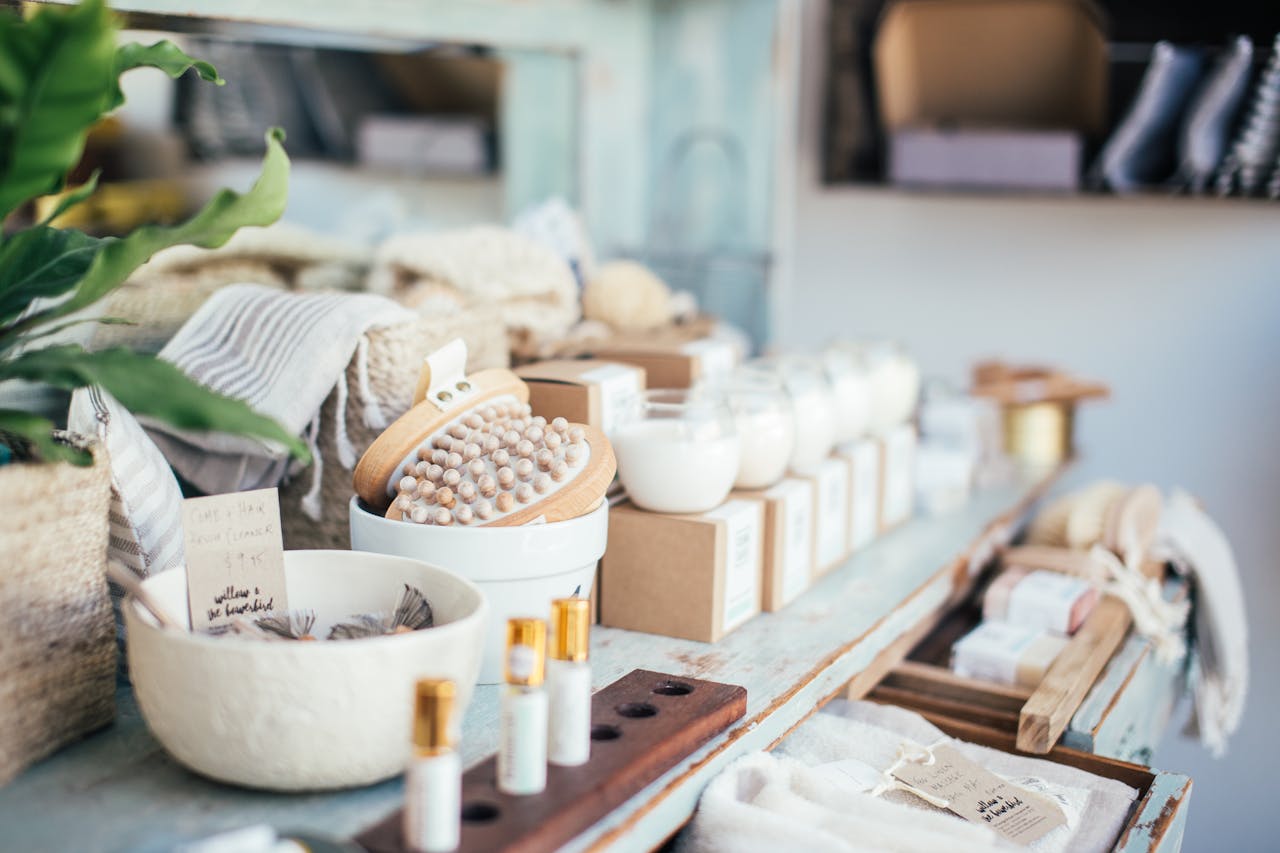
Self-care routines are being redefined as families skip high-end products. Instead of separate items for every beauty step, people are choosing multi-use lotions and shampoos that simplify their shelves. Many are exploring natural ingredients that work just as well without the big price tag. The trend reflects a shift from luxury-driven consumption toward practical self-care that saves money without sacrificing results or confidence.
14. Alcoholic Beverages

Bars and liquor stores are feeling the pinch as families drink less or switch to cheaper options. Rising prices have encouraged many to explore mocktails, seltzers, or smaller portions. Entertaining at home now focuses on conversation and food instead of costly drinks. This moderation trend also ties into health and wellness goals, showing that fun doesn’t have to come with a tab or a headache the next morning.
15. Electronics Upgrades

Upgrading phones and laptops every year has fallen out of favor. Families are holding onto their devices longer or buying refurbished ones when replacements are needed. Repair shops are thriving as people choose to fix rather than replace. The shift away from constant upgrading reflects a new practicality in spending habits. Technology is still essential, but its cycle of waste is finally slowing down in American homes.
16. Takeout Meals
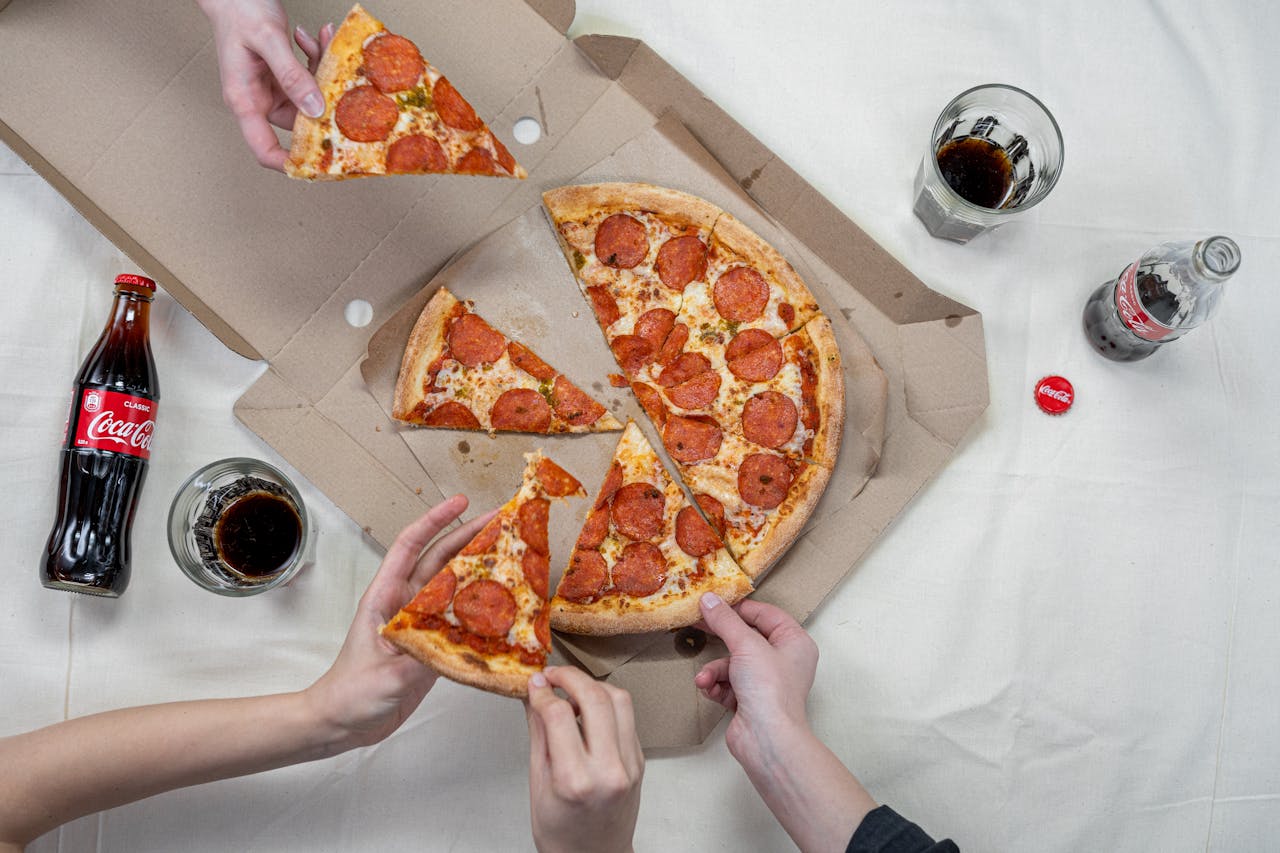
Ordering food online has lost its convenience as delivery fees rise and meal sizes shrink. Families are cooking more often, meal prepping, and using leftovers creatively. The habit of nightly takeout has been replaced by weekend treats or special occasions. People are rediscovering the comfort of homemade dinners and saving hundreds over time. It’s a small change that makes a big difference in both budgets and family routines.
The new era of saving in 2025 is defined not by cutting joy but by choosing value. Families are proving that life can still feel rich without constant spending. By rethinking what truly matters, they’re turning small sacrifices into smart wins and finding pride in resourcefulness. Simplicity, it seems, is becoming the most rewarding luxury of all.