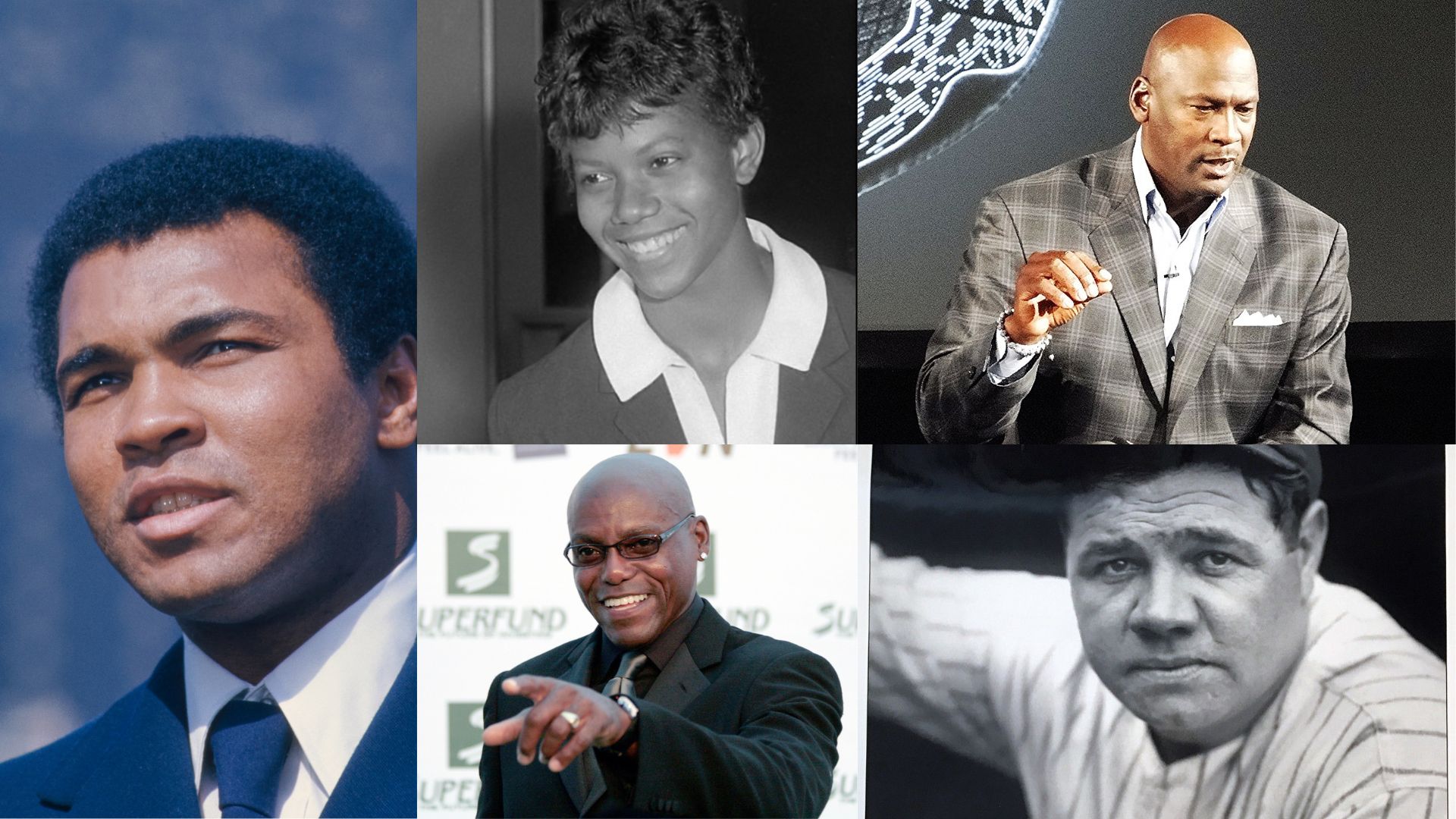
In the realm of sport, certain athletes transcend records and accolades to become cultural icons, social catalysts and game-changers. Their influence extends beyond the playing field and into society itself, altering how sports are played, perceived and valued. The following sixteen athletes left indelible marks on American sports, each reshaping the game in his or her own way.
Jackie Robinson – Breaking the color barrier in baseball
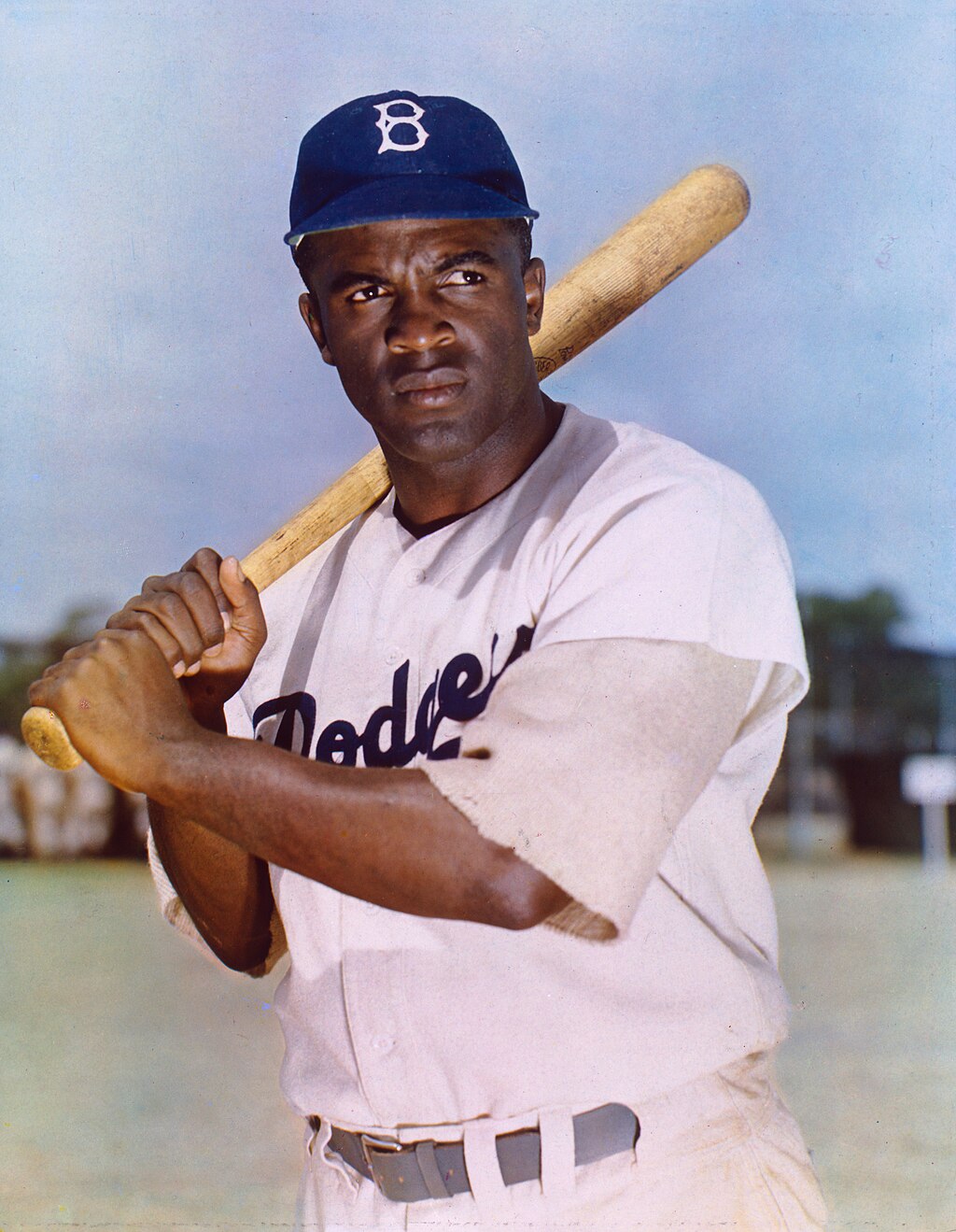
When Jackie Robinson stepped onto a major-league diamond in 1947, he shattered a more than half-century segregation in professional baseball. His courage, poise and performance under intense scrutiny paved the way for generations of Black athletes in all sports. Beyond his athleticism, Robinson’s presence challenged cultural norms and fueled civil-rights progress. His legacy reminds us that sport can alter the social fabric of a nation.
Muhammad Ali – Redefining boxing and social activism
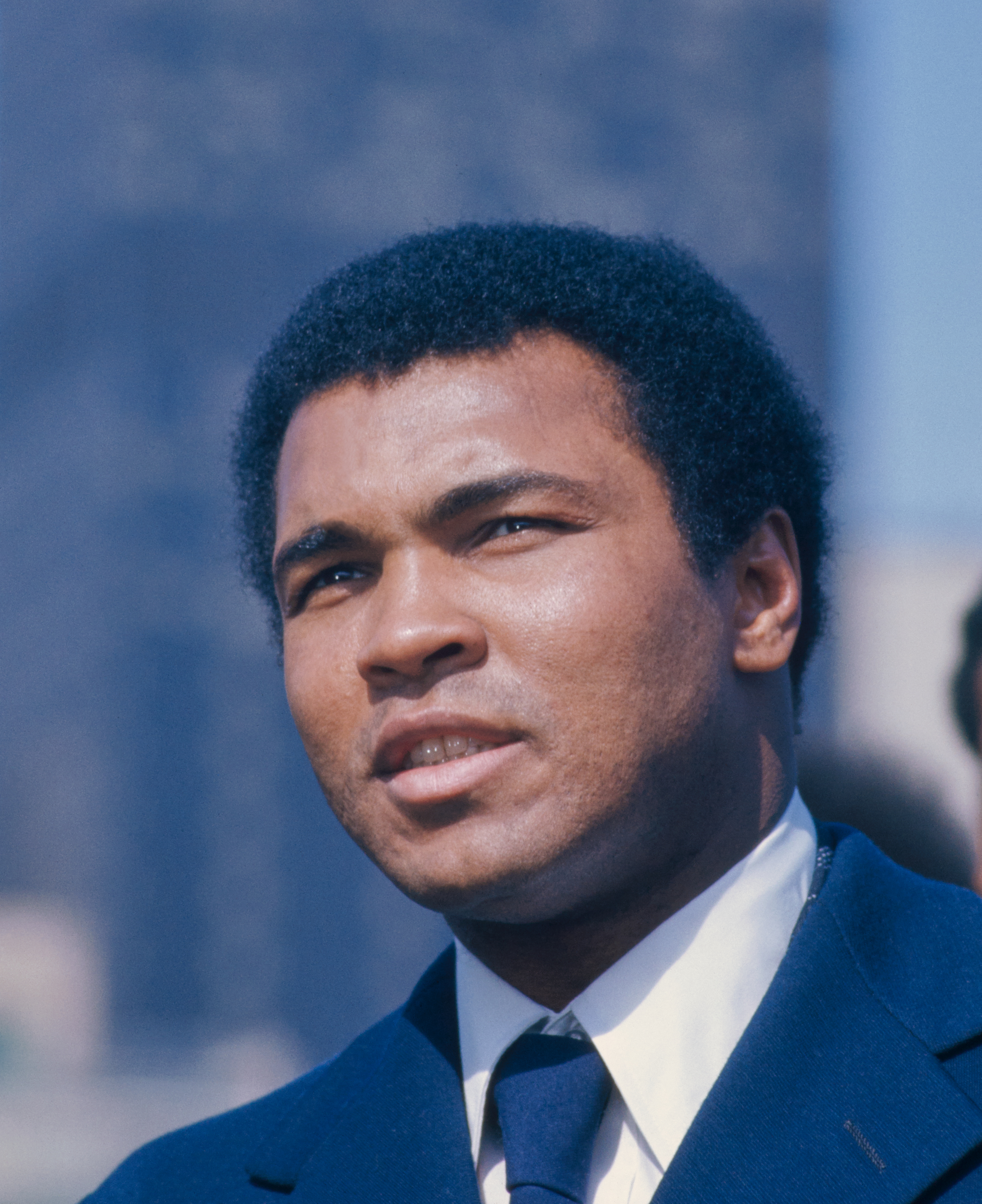
Muhammad Ali re-imagined what a heavyweight boxer could be by combining speed, showmanship, and moral conviction. His refusal to be drafted, his unapologetic identity, and his bold style in the ring made him more than athlete- he became a defining voice in American culture. He changed how athletes engage with politics, how the media covers sport, and how sport can mirror society’s struggles. His impact transcends boxing; it reshaped the very concept of athletic influence.
Serena Williams – Dominance and empowerment in tennis
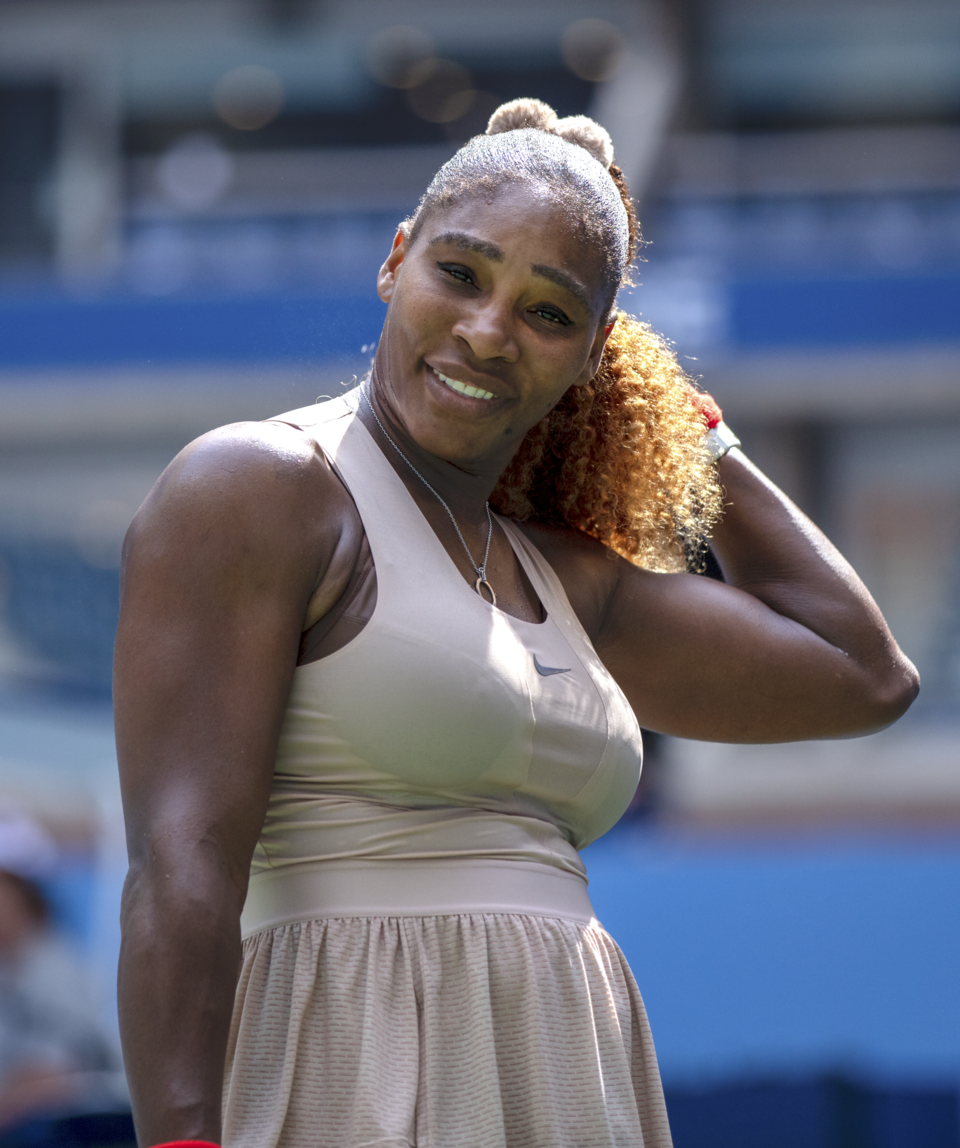
Although not deeply covered in the research above, Serena Williams stands as one of the most dominant and well-recognized athletes globally, reshaping women’s tennis and elevating the sport’s commercial and cultural standing. Her power game, longevity, and visibility have reinforced that women’s sports can draw the same global attention as men’s. She redefined the athletic body, the marketing of athletes, and the narrative of motherhood in sport. Serena’s legacy speaks to both excellence and empowerment.
Wilma Rudolph – From polio to Olympic gold and a trailblazer for female athletes
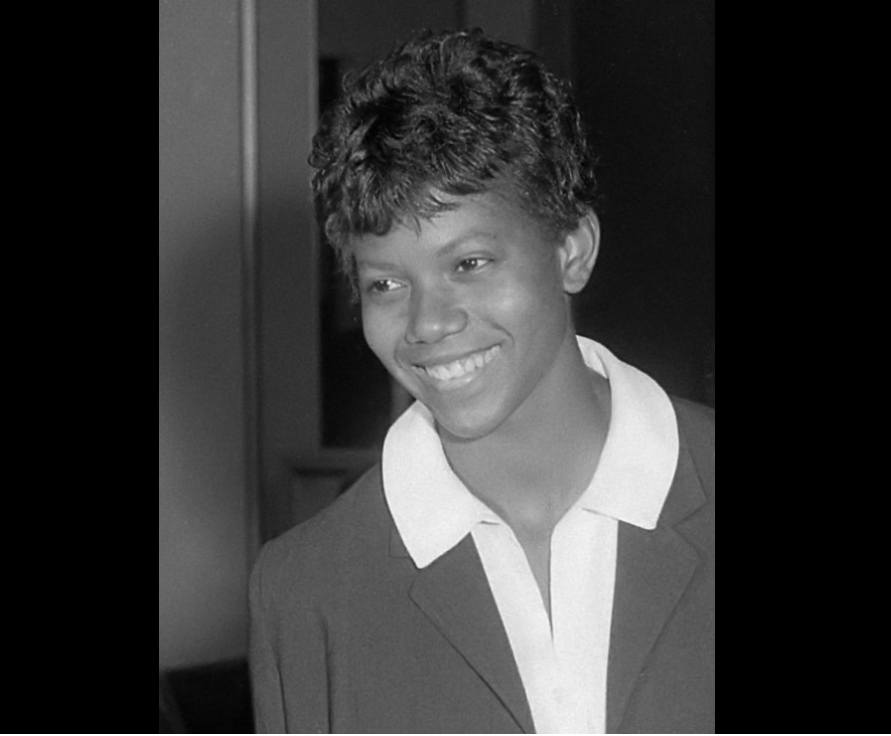
Wilma Rudolph overcame childhood polio and physical adversity to become the first American woman to win three gold medals in track & field at a single Olympic Games (Rome, 1960). Her achievements at a time of racial segregation marked a dual breakthrough: for female athletes and for African-American women. Rudolph’s story demonstrated that athletic greatness could emerge from the most unlikely places and that sport could serve as a vehicle for social change. She helped pave the way for women to be taken seriously as elite athletes.
Dick Fosbury – Revolutionizing the high jump with the “Fosbury Flop”
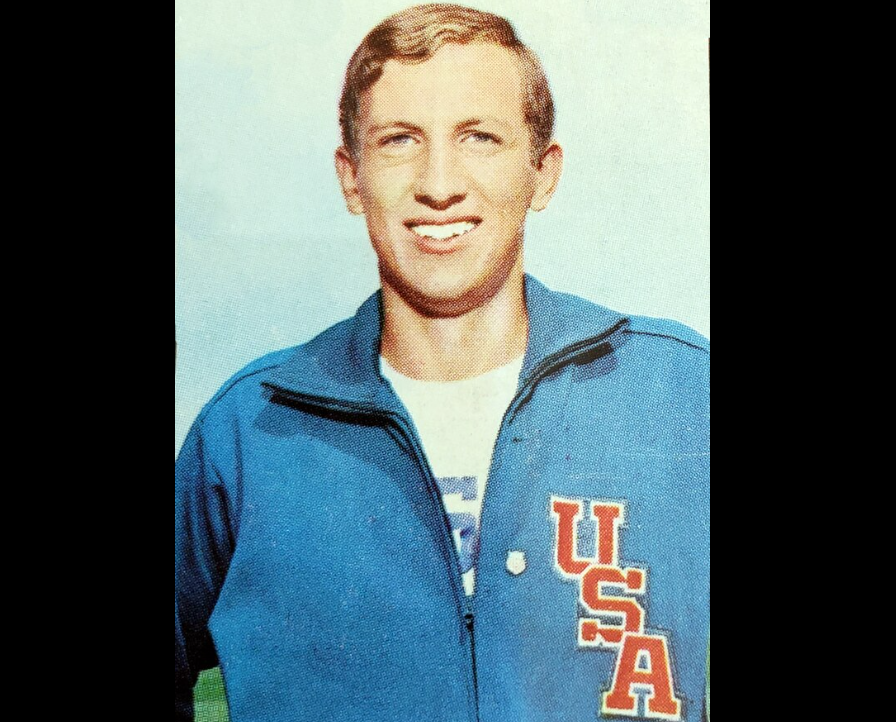
Dick Fosbury revolutionized track and field by introducing the backward-over-the-bar technique known as the “Fosbury Flop” during the 1968 Olympics. What once seemed unconventional soon became the standard, demonstrating that innovation in sport often comes from challenging convention. Fosbury’s breakthrough changed not only his event but inspired athletes in all sports to re-think technique. His legacy reminds us that progress sometimes begins with a single leap.
Edwin Moses – Raising the bar in the 400m hurdles and athlete rights
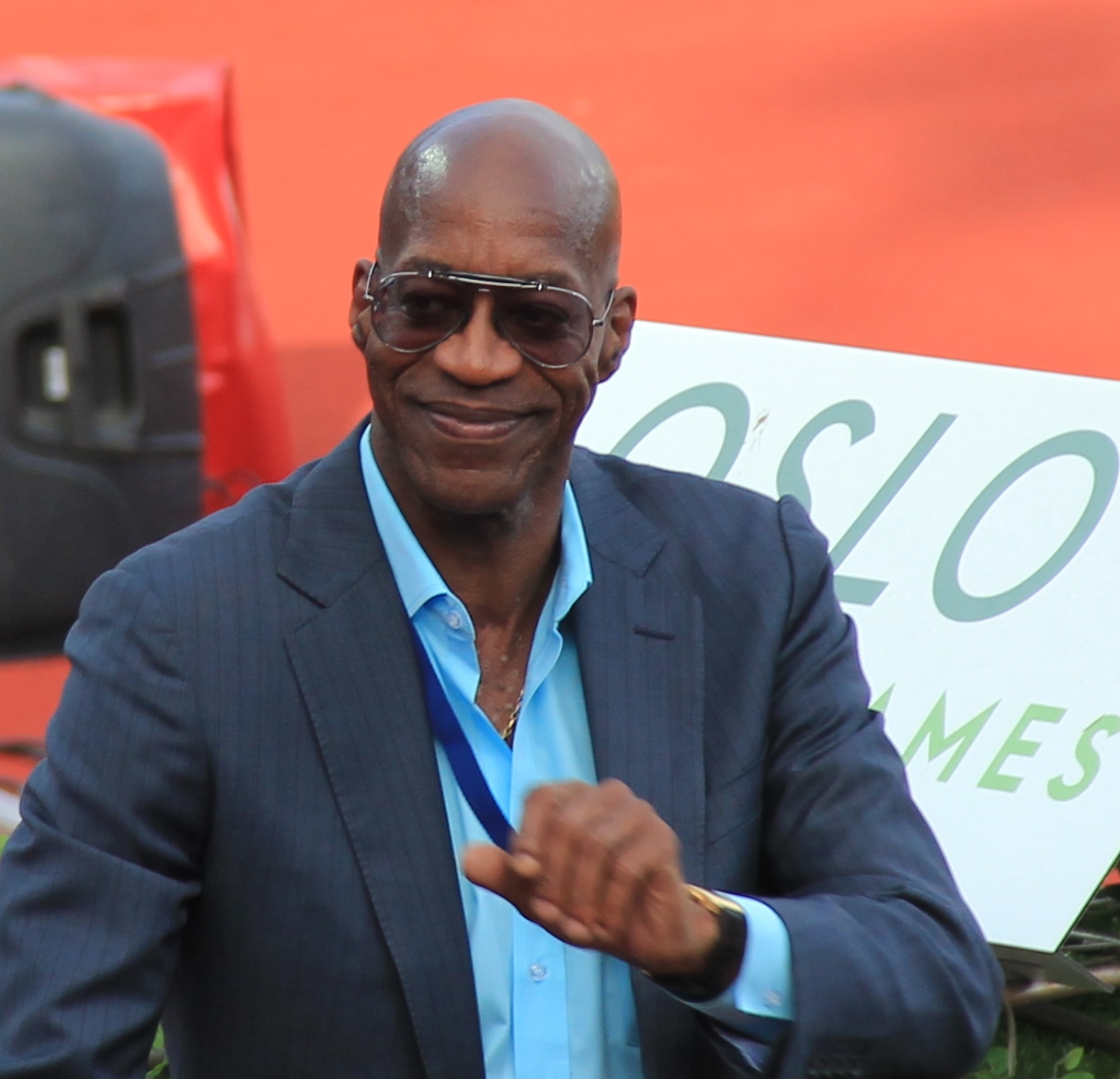
Edwin Moses won gold medals in the 400-metre hurdles in 1976 and 1984 and went on to dominate the event, winning 107 consecutive finals. Beyond his performance, he helped reshape athlete eligibility rules and drug-testing reforms, influencing the broader structure of track & field. Moses’s legacy underscores that athlete impact doesn’t end with podiums—he helped build the systems that protect and elevate sport integrity.
Carl Lewis – Sprinting and jumping into the record books

Carl Lewis’s career spanned decades of excellence in sprinting and long jump, and he became a global symbol of versatility and athletic mastery. His influence extended beyond performance—inspiring a generation of multi-event athletes and changing how track athletes prepare and compete. Lewis helped tether American track dominance to modern expectations of longevity and showmanship.
Babe Ruth – The home-run hitter who transformed baseball’s popularity
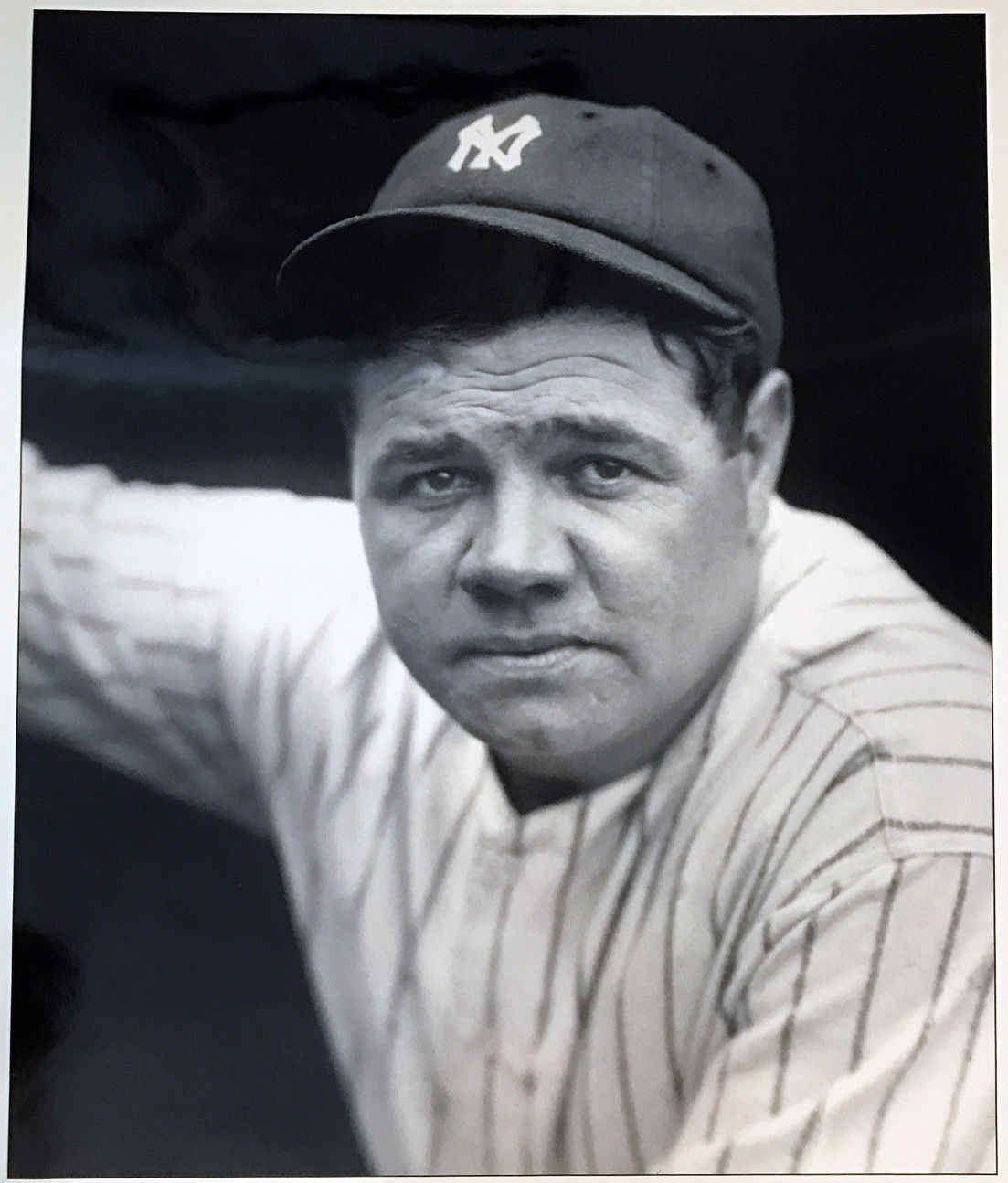
Although from an earlier era, Babe Ruth changed baseball from a pitcher’s game into a slugger’s era, elevating the home run and altering American sport culture. Sports historians list him among the greatest figures in North American athletics. Ruth’s larger-than-life persona, combined with uncanny power at the plate, made baseball America’s pastime and turned athletes into cultural icons. His legacy resonates in how sport and celebrity became intertwined.
Michael Jordan – Elevating basketball to a global phenomenon
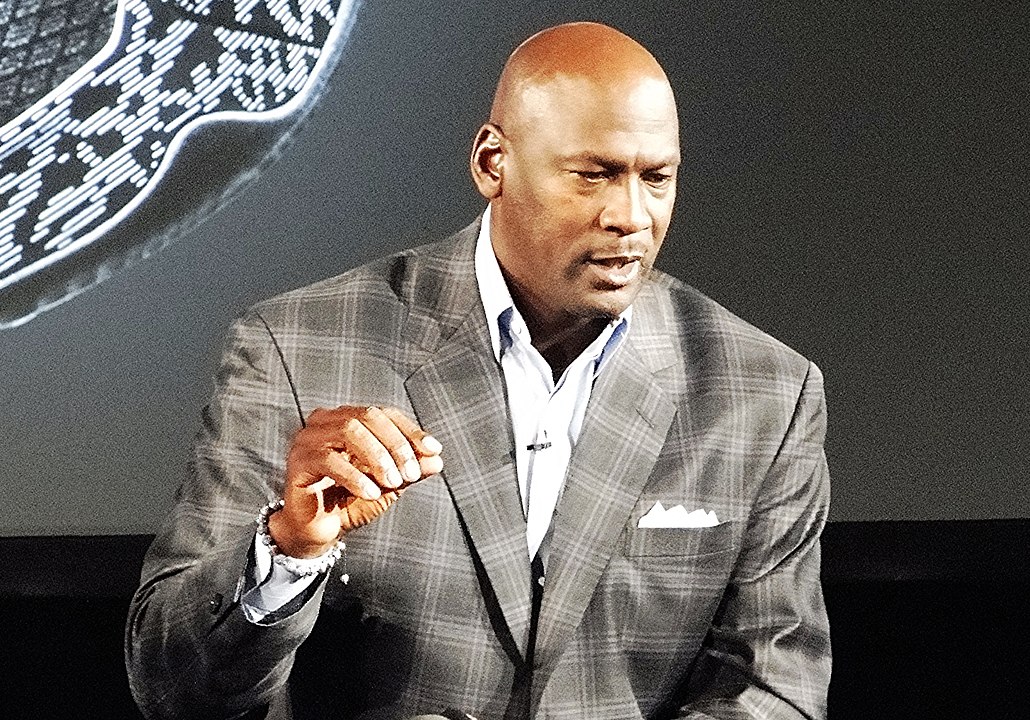
Michael Jordan turned an achievement-filled career into a global brand, changing how athletes market themselves and sports franchises scale globally. Ranked top among 21st-century athletes and 20th-century legacies, he shifted basketball from a national sport into an international spectacle. Jordan’s influence extends into sneaker culture, athlete-entrepreneurship and the seismic expansion of sports media.
Stephen Curry – Changing how basketball is played with the three-point revolution

Stephen Curry re-shaped basketball by turning the three-point shot into a central strategy rather than an occasional weapon. His long-range skills and accuracy have led many teams to prioritize spacing and shooting in ways once considered fringe. Beyond his statistics, Curry’s style changed coaching philosophy, player development and fan expectations of pace and scoring. He raised the horizon of possibility in basketball.
Simone Biles – Reimagining gymnastics and creating a new standard
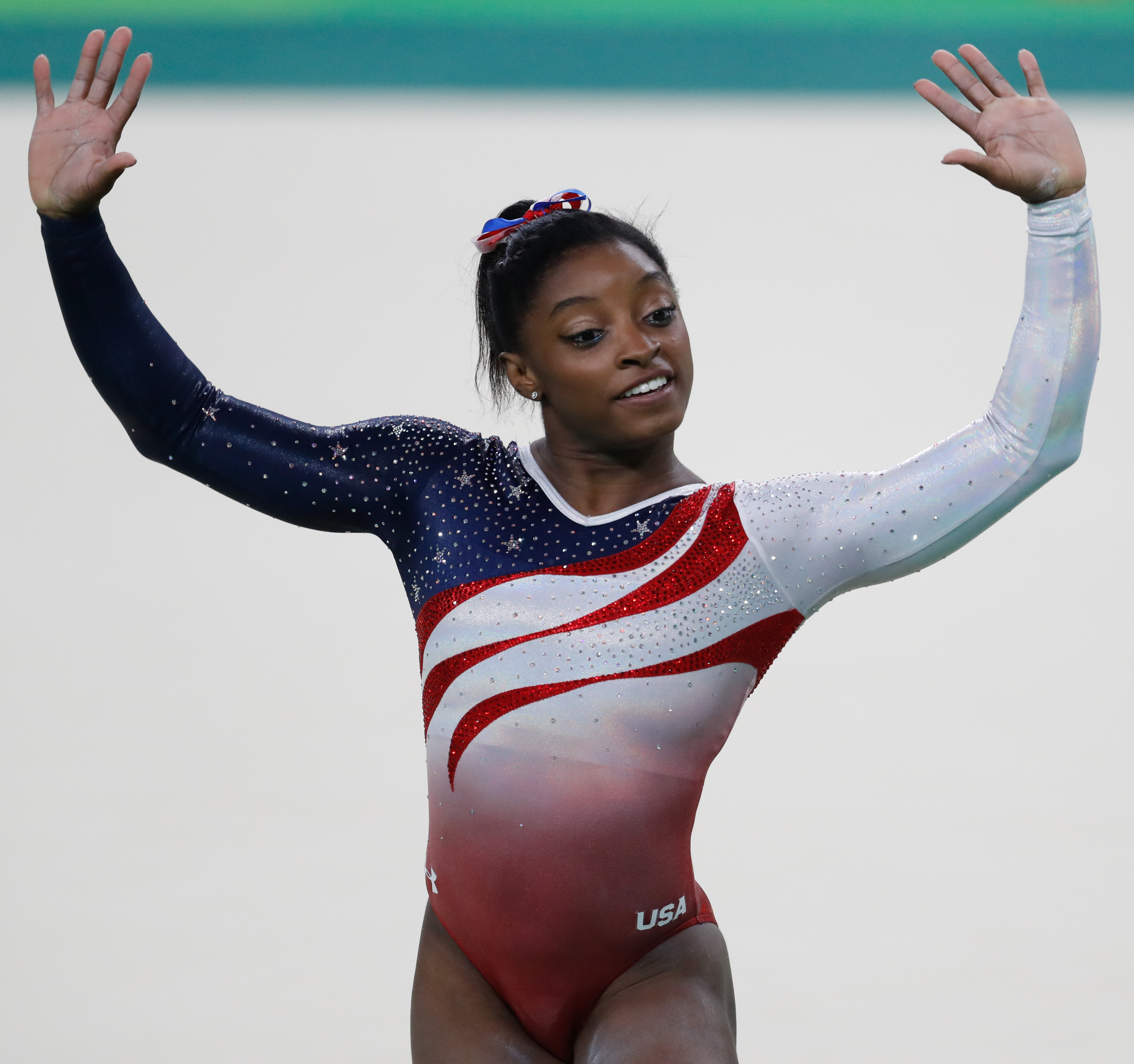
Simone Biles is not only the most decorated gymnast of all time but also a narrative-shifting figure for athlete mental health, visibility, and innovation in gymnastics. She pushed the sport’s technical envelope, naming skills after herself and advocating for athlete well-being in a high-pressure domain. Her influence confirms that transformation in sport is as much about culture as it is about medals.
Althea Gibson – Breaking racial barriers in tennis
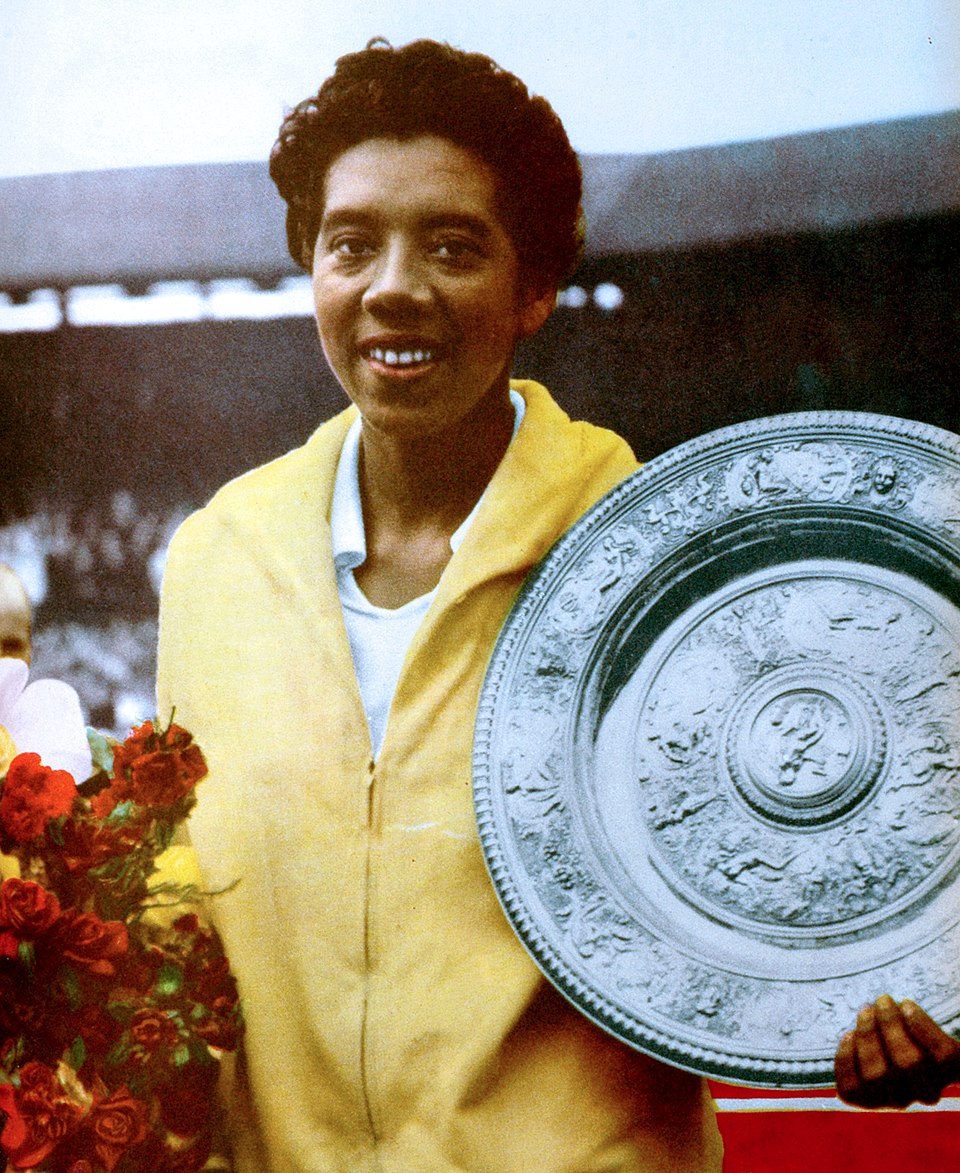
Althea Gibson was the first African-American to win Wimbledon and the U.S. Nationals in the 1950s, paving the way for Black tennis athletes. While not deeply cited above, her legacy intersects with the narrative of barrier-breaking athletes. She changed the perception of who could play tennis at the highest level and helped broaden access to elite sport for women of colour.
Larry Doby – Integrating American League baseball
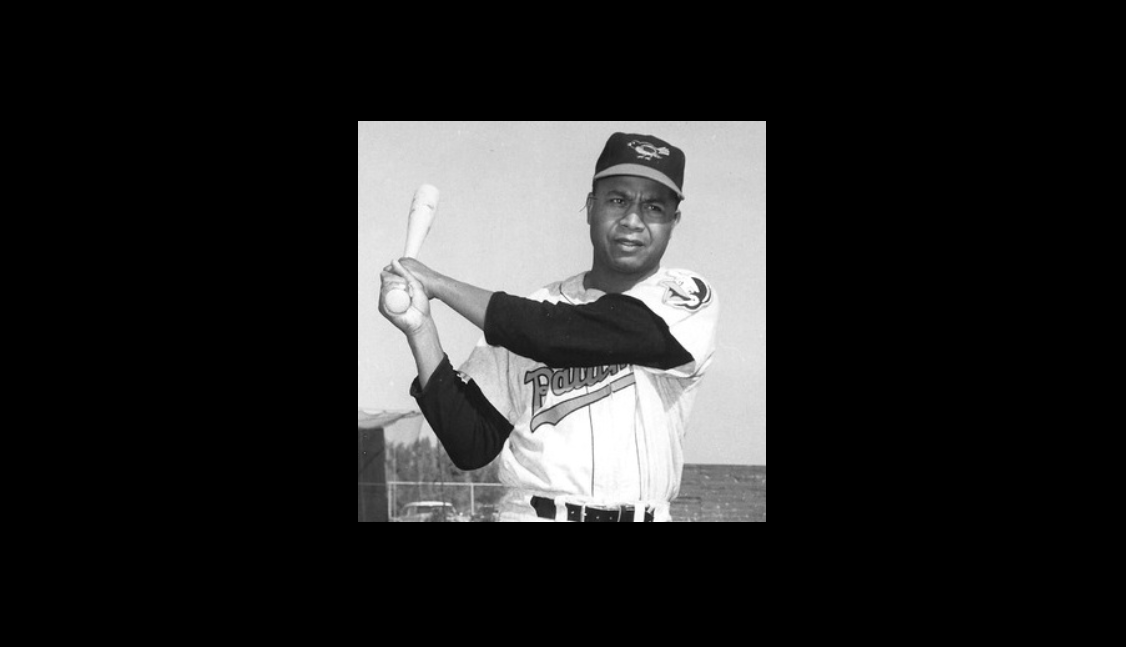
Larry Doby became the first African-American player in the American League and played with poise in the face of prejudice, helping integrate the sport after Robinson’s debut. Although less heralded, Doby’s career mattered deeply – he opened doors in ballparks across America and endured conditions few players faced. His legacy is one of determination and quiet transformation.
Jesse Owens – Defying racism on the world stage
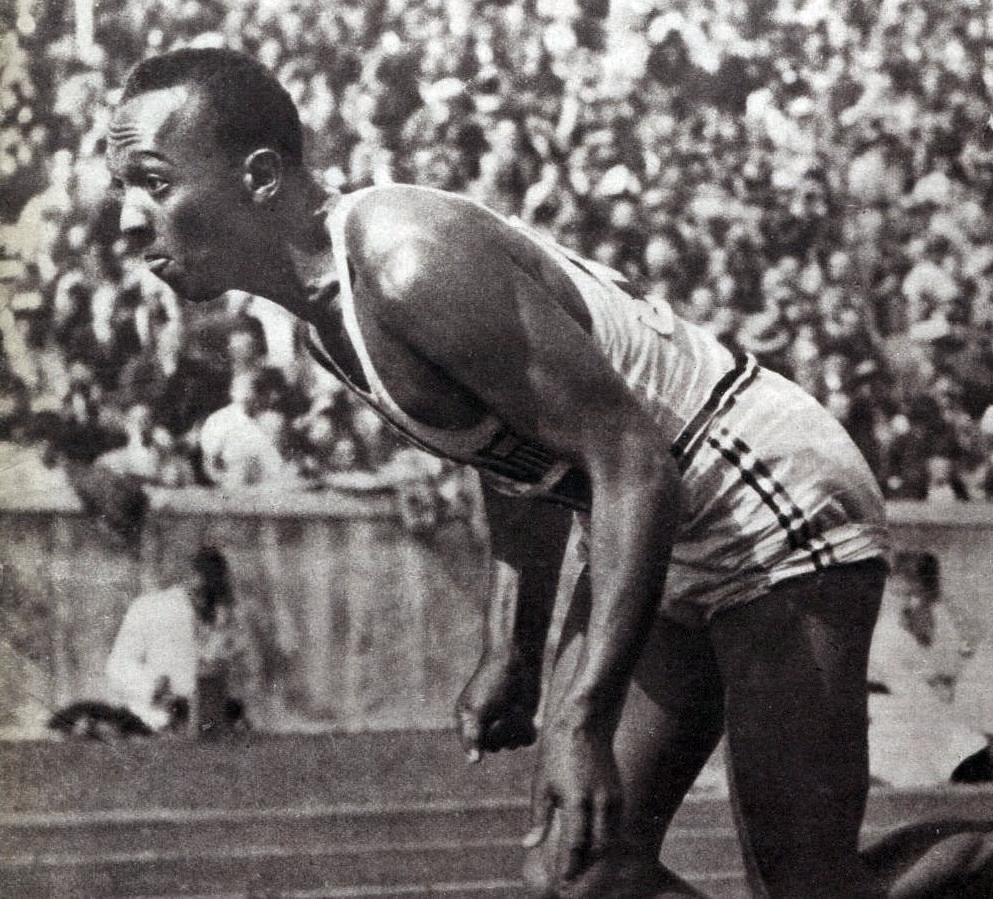
Jesse Owens won four gold medals at the 1936 Berlin Olympics, directly challenging Nazi ideology with his athletic excellence. His triumph on foreign soil made him an emblem of what sport could represent in global politics and civil rights. Owens changed how Americans understood athletic achievement under oppression and the global stage.
Mary Lou Retton – Making Olympic gymnastics into an American spectacle

Mary Lou Retton became the first American woman to win the Olympic all-around gymnastics gold in 1984, and her exuberance captured national attention. While not in the direct search citations here, her impact is clear: she popularized gymnastics in the United States, inspired generations of young athletes, and showed that Olympic success could generate widespread enthusiasm for a sport beyond its core fan base.
Babe Didrikson Zaharias – Versatile athlete who conquered multiple sports
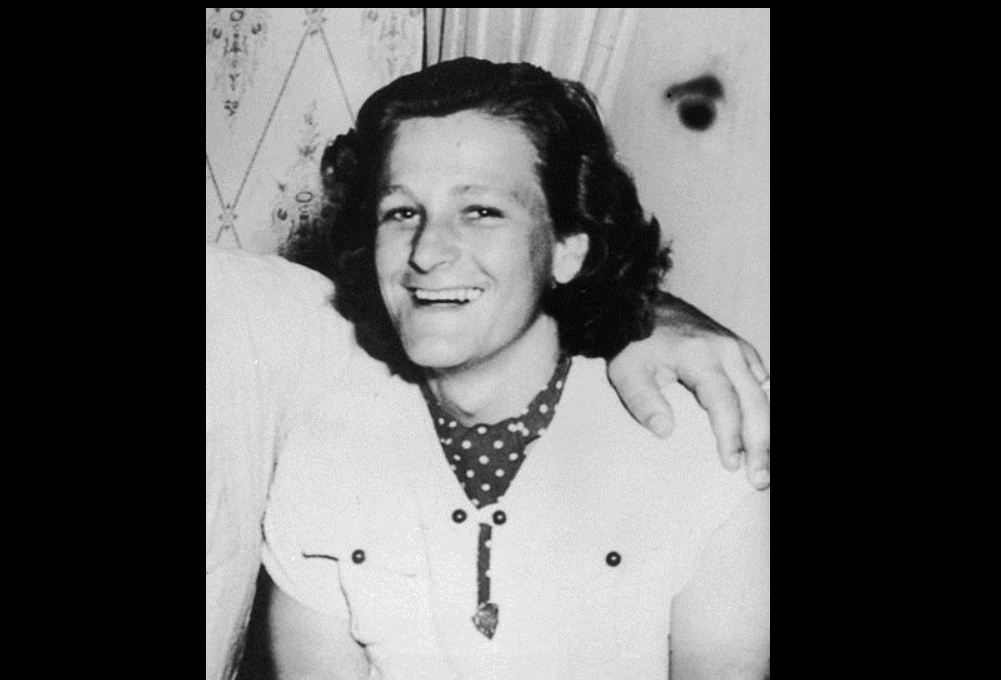
Mildred “Babe” Didrikson Zaharias excelled in basketball, track & field, golf and more, demonstrating that athletic talent need not be confined to a single discipline. Her success challenged gender norms in sport, helped launch women’s professional golf (LPGA) and opened the idea of multi-sport athleticism for women. Her legacy underlines that changing sport can mean expanding what is thought possible.