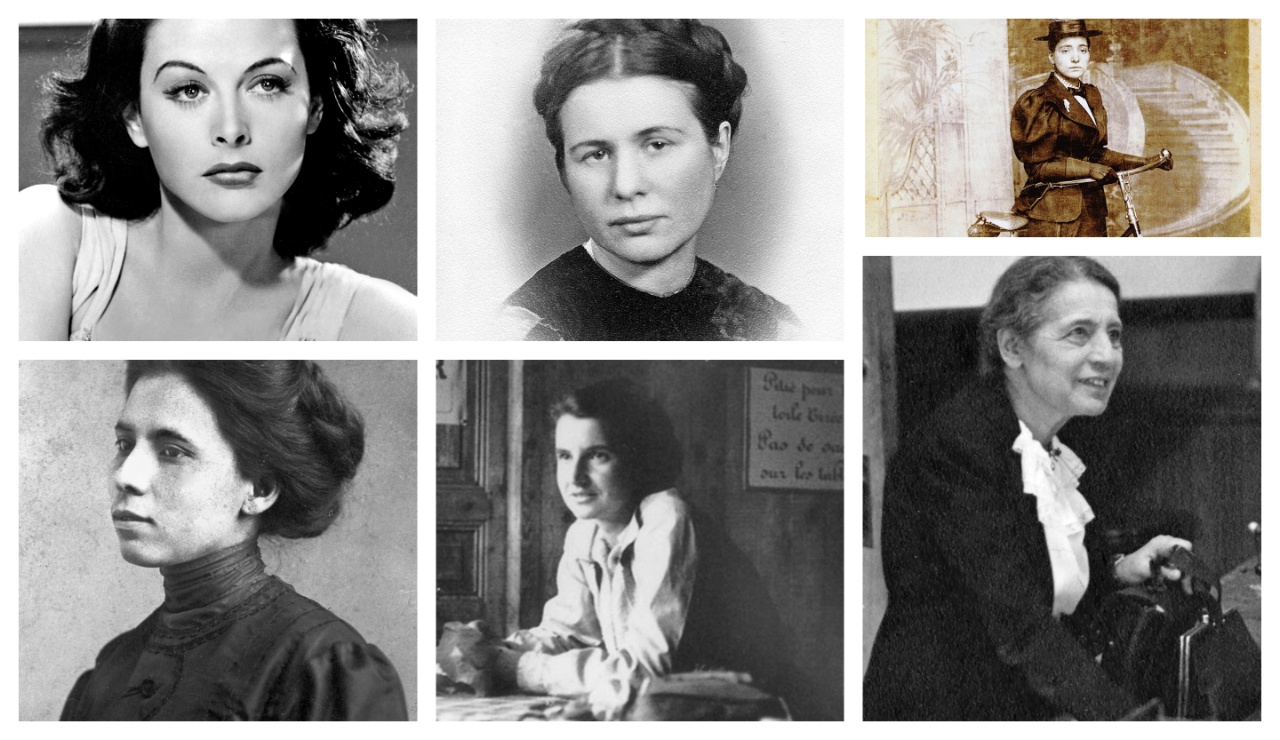
History books often highlight a handful of famous women, but many groundbreaking female figures have been overlooked in mainstream education. These women shaped science, politics, civil rights, and culture, yet remain absent from most children’s textbooks. Their stories are powerful, inspiring, and often defiant in the face of injustice. Here are 15 women whose contributions changed the course of history and deserve to be more widely known.
Ching Shih
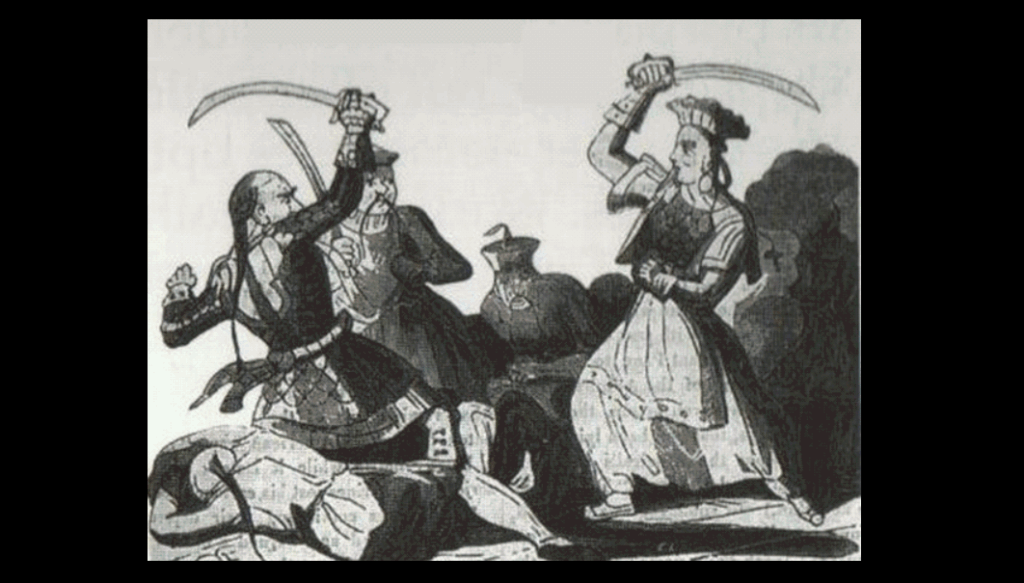
Ching Shih was a 19th-century Chinese pirate queen who commanded one of the largest pirate fleets in history. At her peak, she led over 70,000 pirates in the South China Sea and successfully resisted naval forces from several empires. She established a strict code of conduct and created a structured society aboard her ships. Her legacy is one of power, strategy, and survival in a male-dominated world.
Claudette Colvin
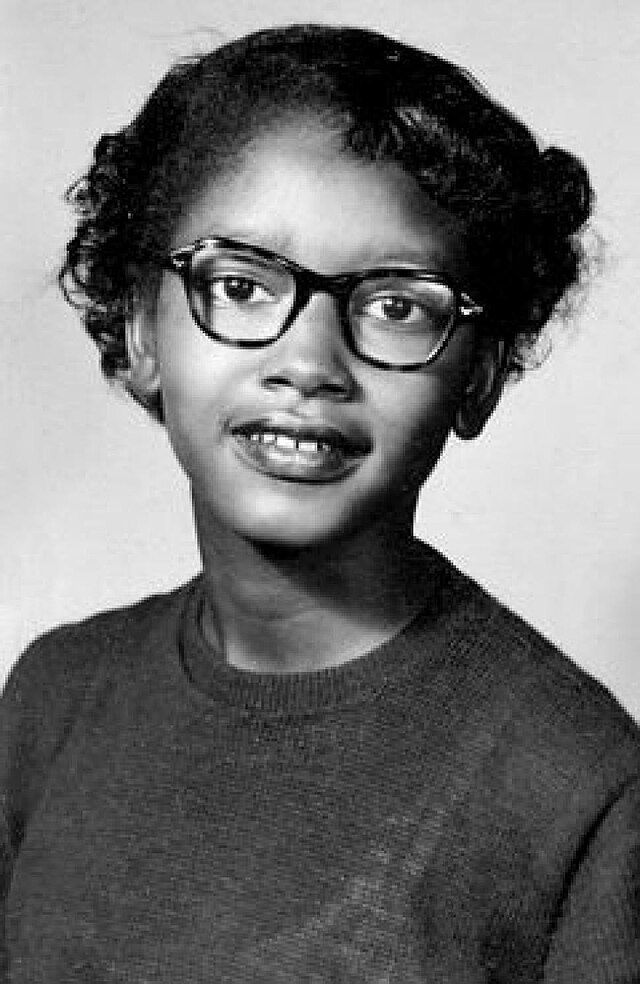
Before Rosa Parks, Claudette Colvin refused to give up her bus seat at just 15 years old. This bold act of resistance took place in Montgomery, Alabama, and led to her arrest. Though she was not publicized at the time due to her age and circumstances, her courage helped spark the civil rights movement. Her story remains a critical piece of American history that deserves more recognition.
Rosalind Franklin
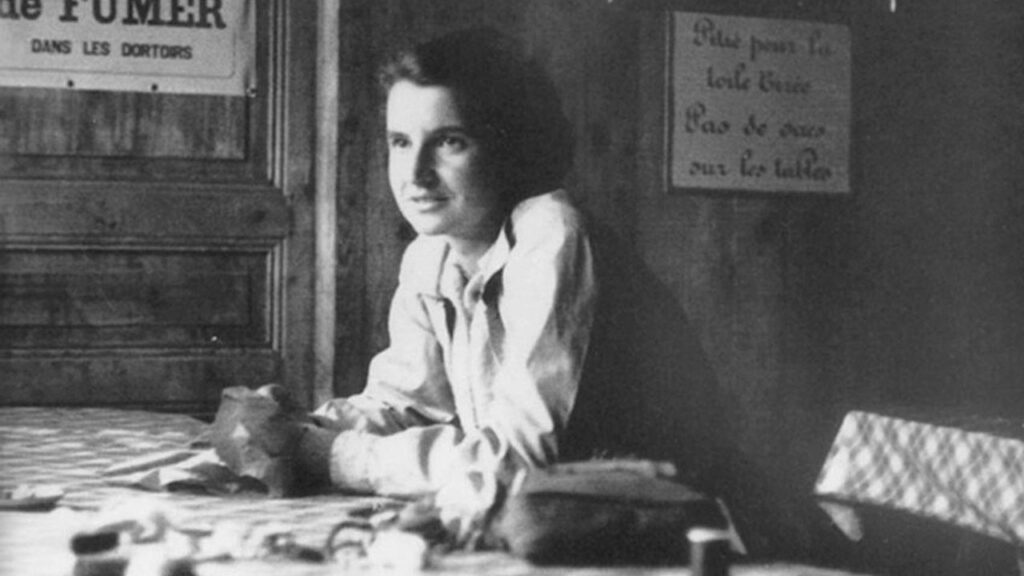
Rosalind Franklin’s work with X-ray crystallography was essential to discovering the double-helix structure of DNA. Although Watson and Crick received much of the credit, Franklin’s photographs provided the key evidence. Her contributions to science were immense, yet she was largely ignored in her lifetime. Today, she is increasingly recognized as a pioneer in molecular biology.
Lozen
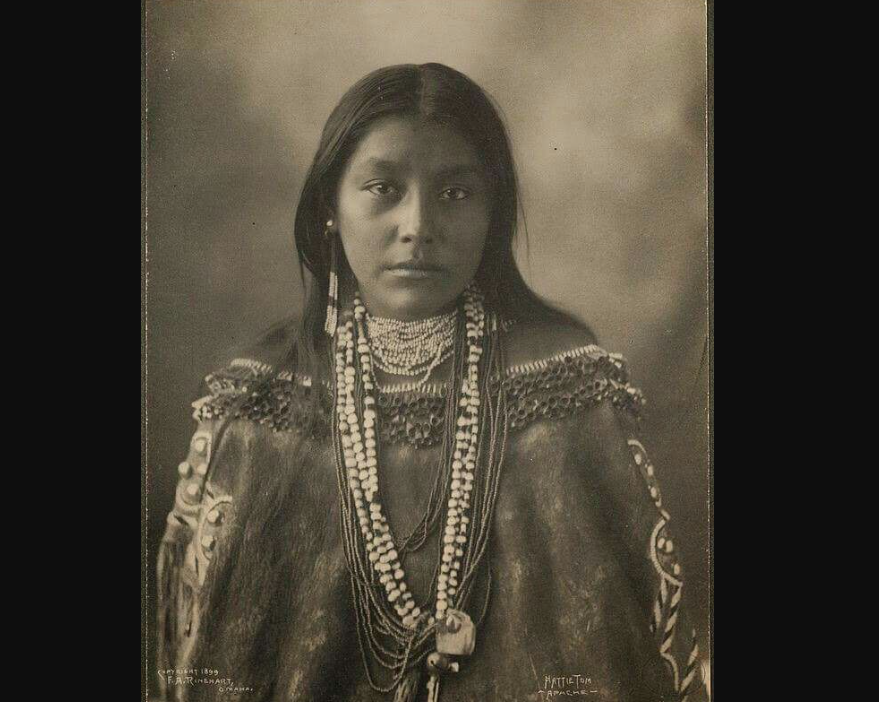
Lozen was a skilled warrior and spiritual leader of the Apache people in the 19th century. She fought alongside her brother Victorio in resisting U.S. and Mexican forces. Known for her bravery, intelligence, and spiritual abilities, she protected her people during one of the most violent periods of Native resistance. Lozen’s legacy as a fearless protector continues to inspire.
Ada Lovelace
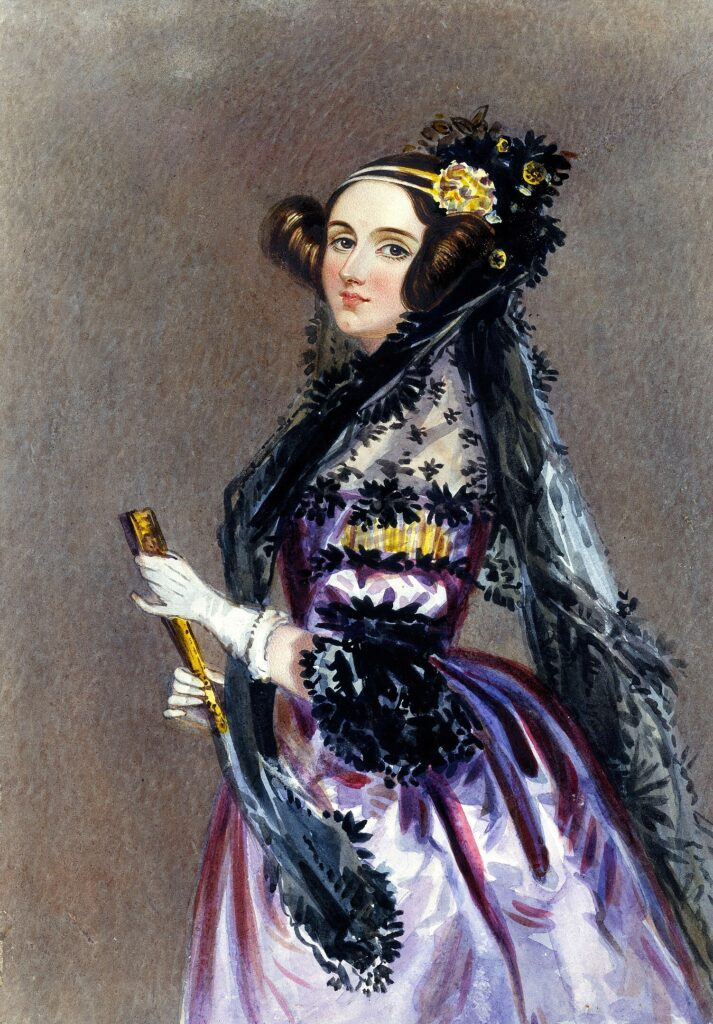
Ada Lovelace was a 19th-century mathematician who is considered the world’s first computer programmer. She worked with Charles Babbage on his analytical engine and created the first algorithm intended for machine processing. Her insights predated modern computers by over a century. Though long overlooked, Lovelace’s work laid the groundwork for modern computing.
Mary Anning
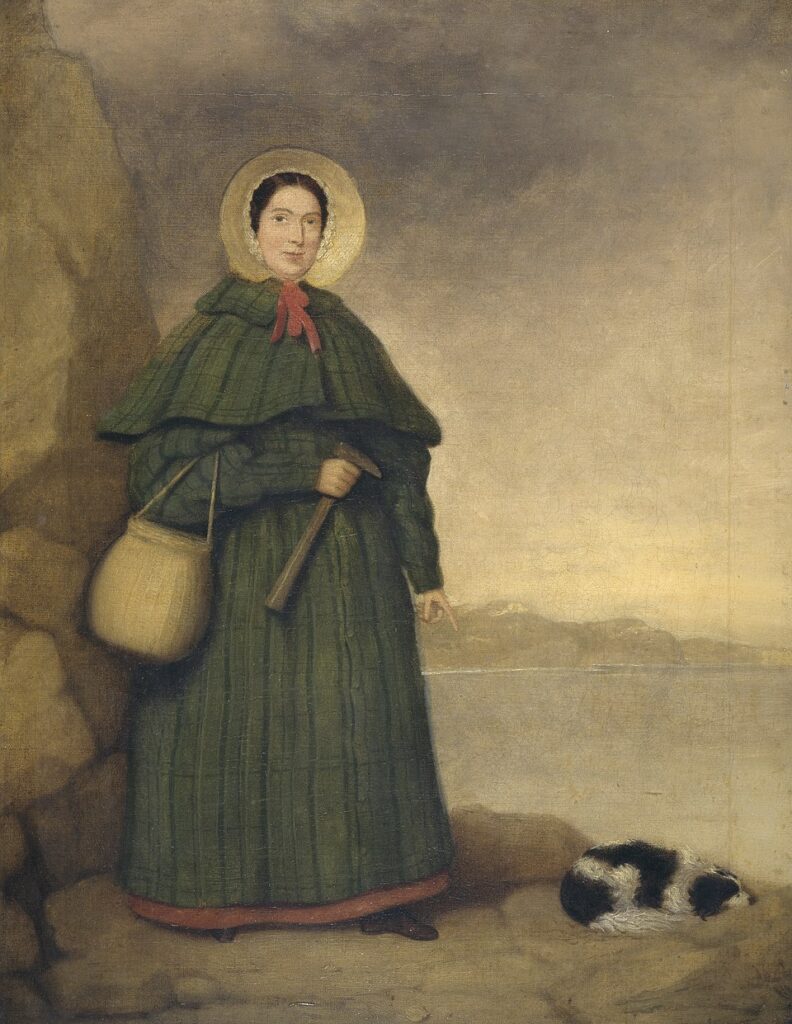
Mary Anning was a fossil hunter and self-taught paleontologist in early 19th-century England. Her discoveries, including the first complete ichthyosaur skeleton, helped shape the science of paleontology. Despite her gender and lack of formal education, she made critical contributions to evolutionary theory. Many scientists built upon her work without crediting her.
Wangari Maathai
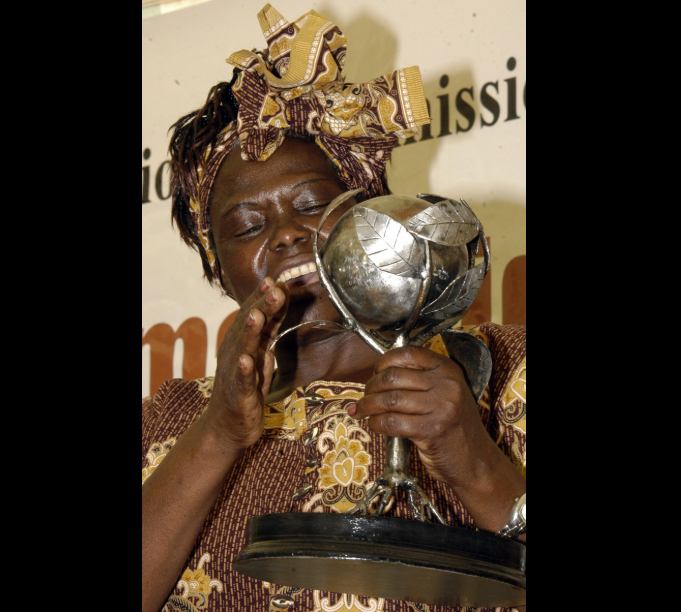
Wangari Maathai was a Kenyan environmentalist and the first African woman to win the Nobel Peace Prize. She founded the Green Belt Movement, which planted millions of trees and empowered women across rural Kenya. Her activism blended ecology, women’s rights, and democracy. Maathai’s work transformed both landscapes and lives.
Sybil Ludington
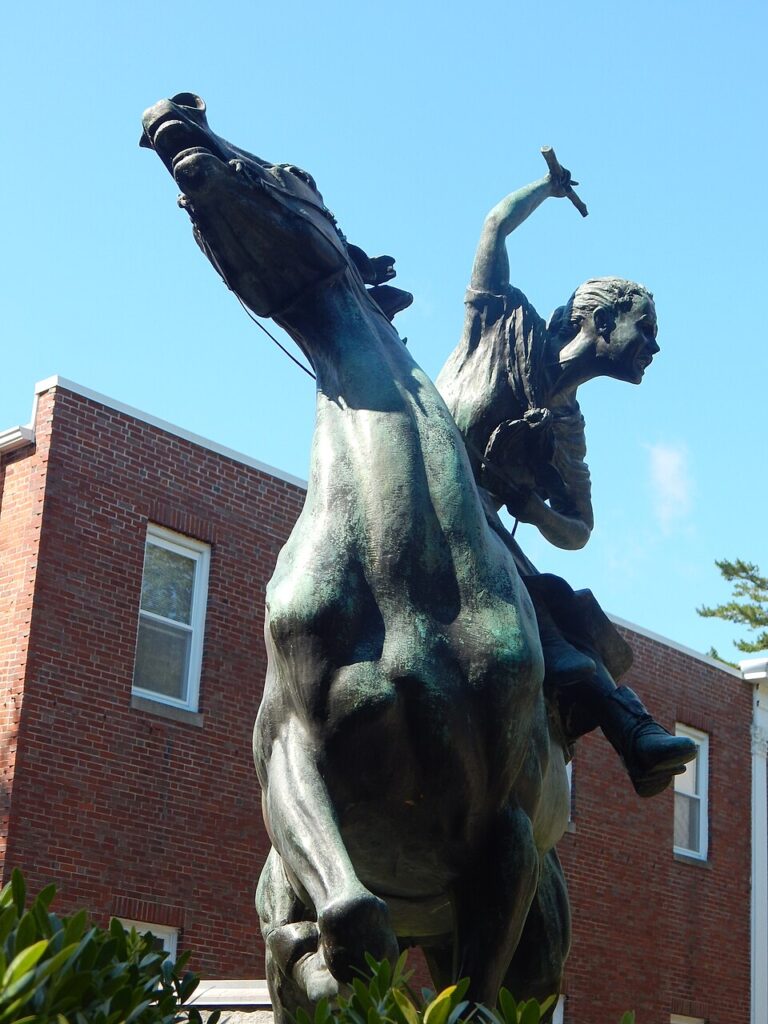
Sybil Ludington was just 16 years old when she rode 40 miles through the night to warn American troops of British attack during the Revolutionary War. Her journey was longer than Paul Revere’s and equally daring. Yet, she remains a footnote in most history books. Her courage helped rally militia forces at a crucial moment.
Noor Inayat Khan
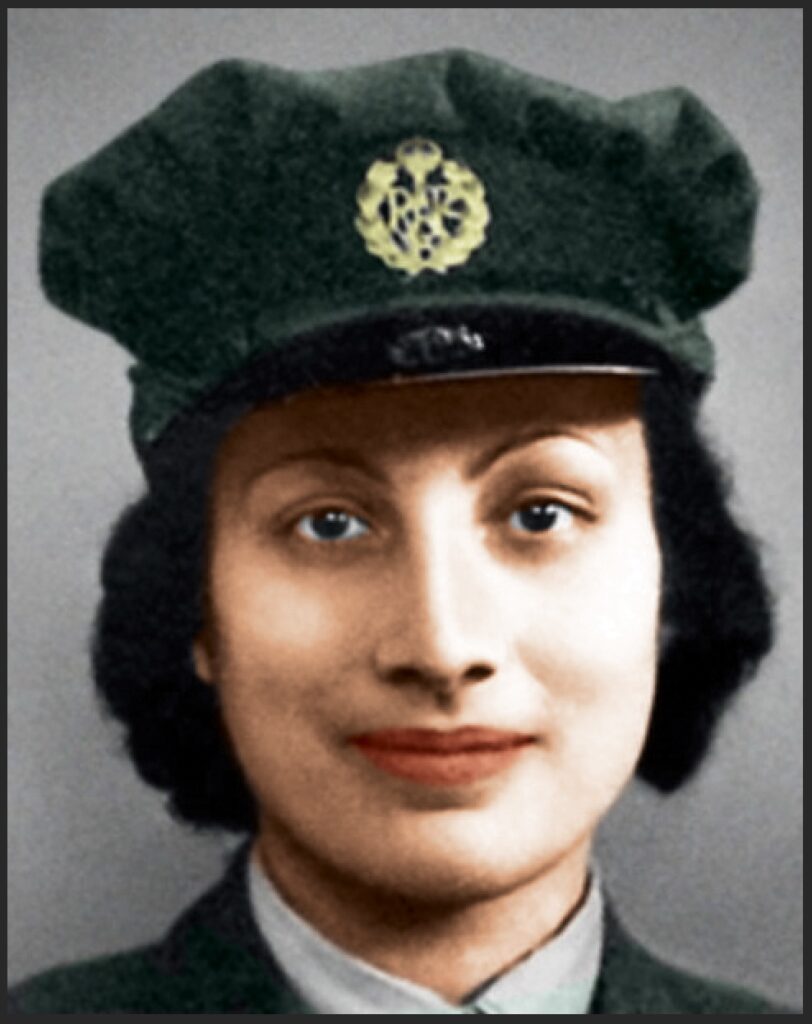
Noor Inayat Khan was a British spy and wireless operator during World War II, working behind enemy lines in Nazi-occupied France. She was of Indian and Muslim heritage, and she showed extraordinary bravery under constant threat. Captured and executed by the Gestapo, she never revealed a single secret. Her heroism has only recently received the recognition it deserves.
Jovita Idár
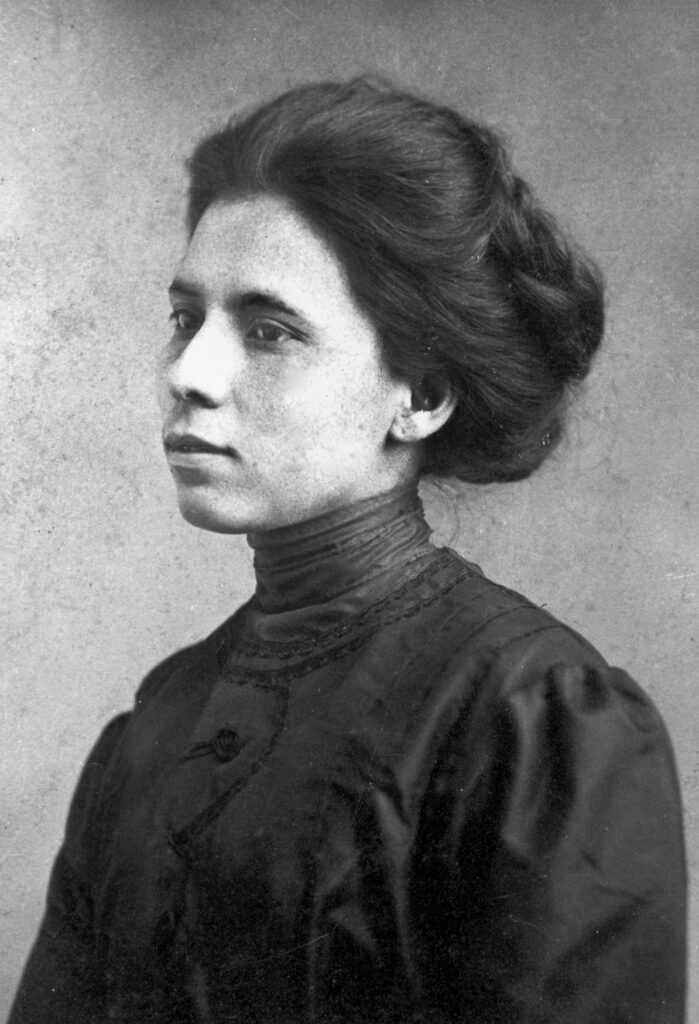
Jovita Idár was a Mexican-American journalist, teacher, and civil rights activist in early 20th-century Texas. She wrote fearlessly about racism, women’s rights, and education, often facing threats for her views. Idár also founded organizations to support bilingual education and suffrage. Her impact on Hispanic civil rights was profound and lasting.
Hedy Lamarr
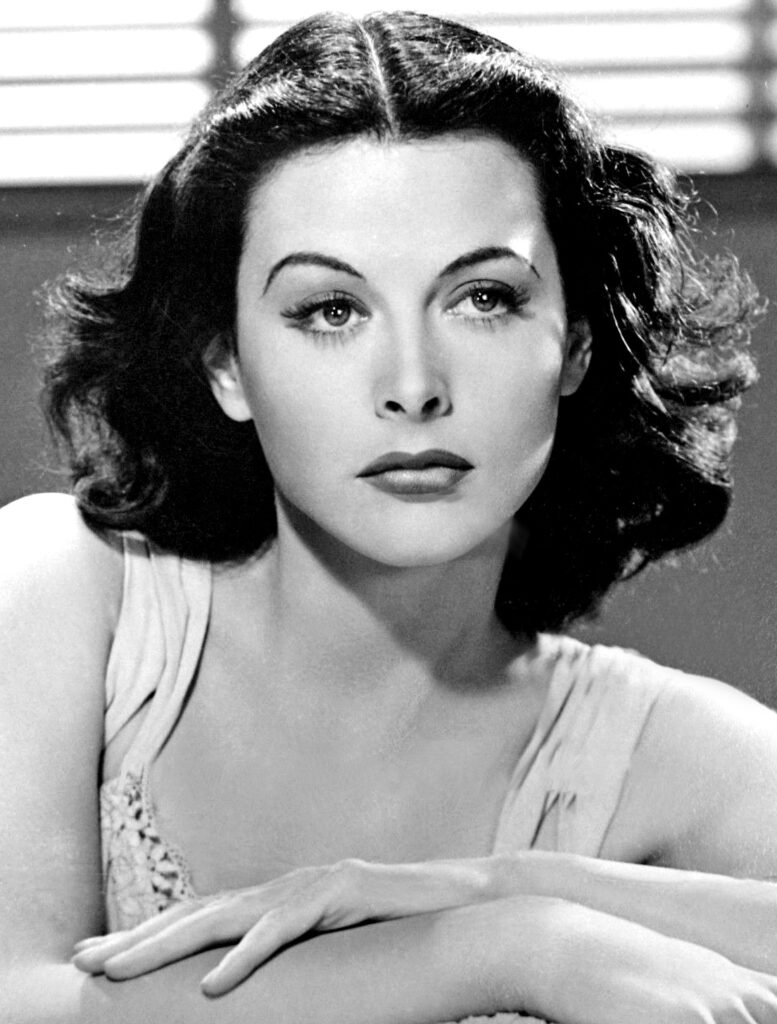
Hedy Lamarr was a glamorous Hollywood actress who also co-invented a technology that laid the foundation for Wi-Fi and Bluetooth. Alongside composer George Antheil, she developed a frequency-hopping system for secure communications during World War II. Though her invention was initially ignored, it later became critical to wireless technology. Lamarr’s brilliance was hidden behind her star image for decades.
Bessie Coleman
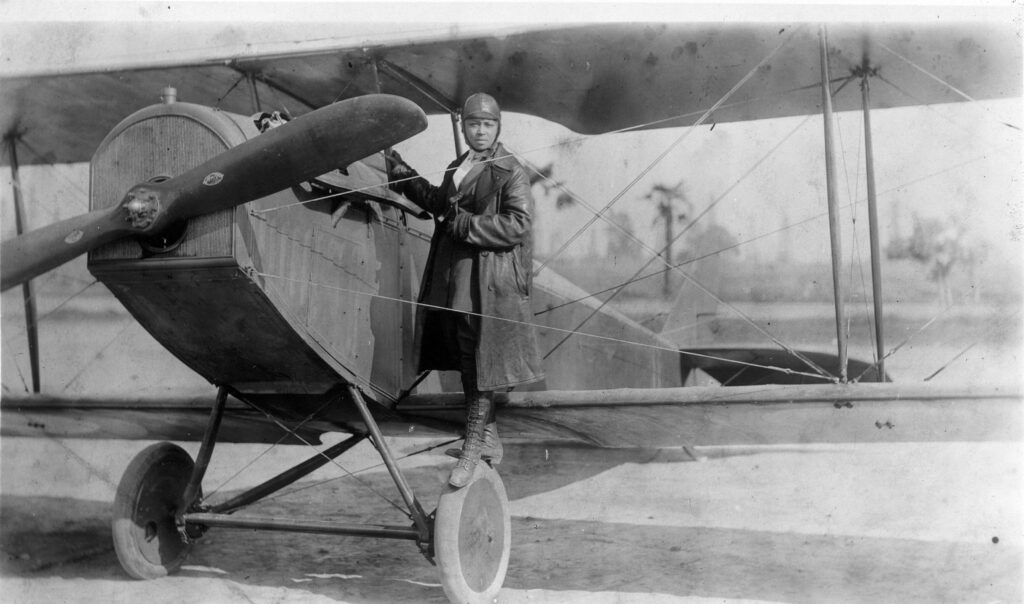
Bessie Coleman was the first African American and Native American woman to earn a pilot’s license. Barred from flying schools in the U.S., she learned French and trained in France. She became a popular airshow performer and an icon for women in aviation. Her achievements shattered both racial and gender barriers.
Irena Sendler
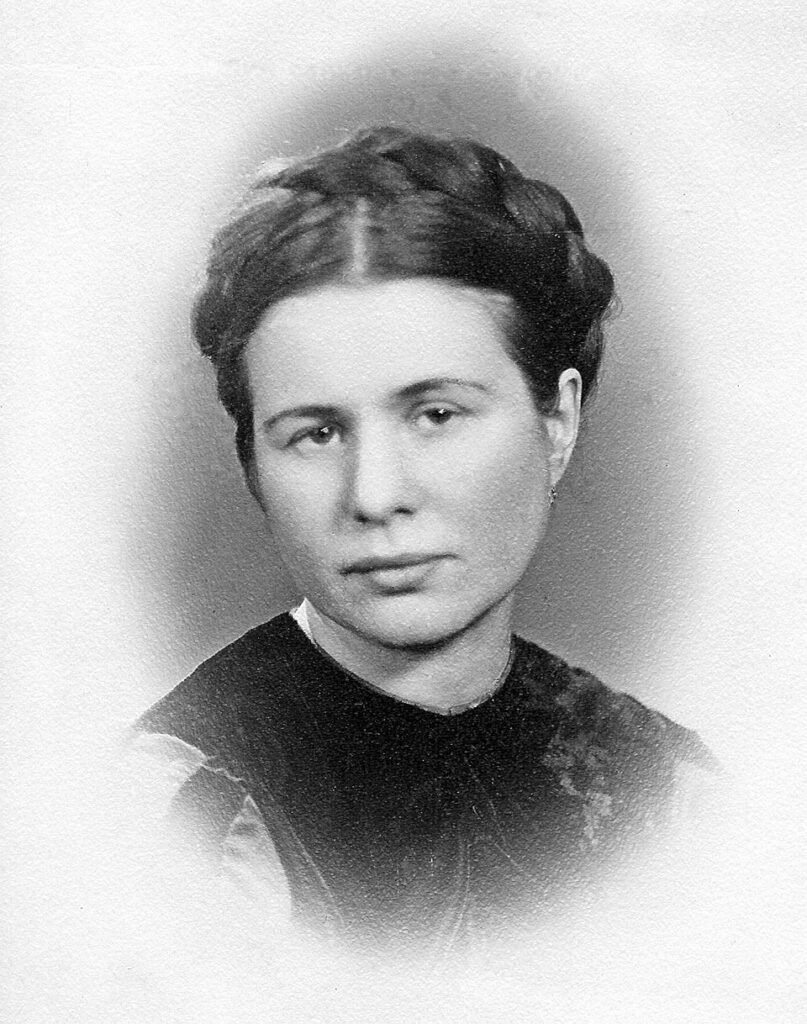
Irena Sendler was a Polish social worker who rescued over 2,500 Jewish children from the Warsaw Ghetto during the Holocaust. She smuggled them out and placed them with non-Jewish families and orphanages. Captured and tortured by the Gestapo, she never revealed any names. Her story was nearly forgotten until rediscovered by students decades later.
Annie Londonderry
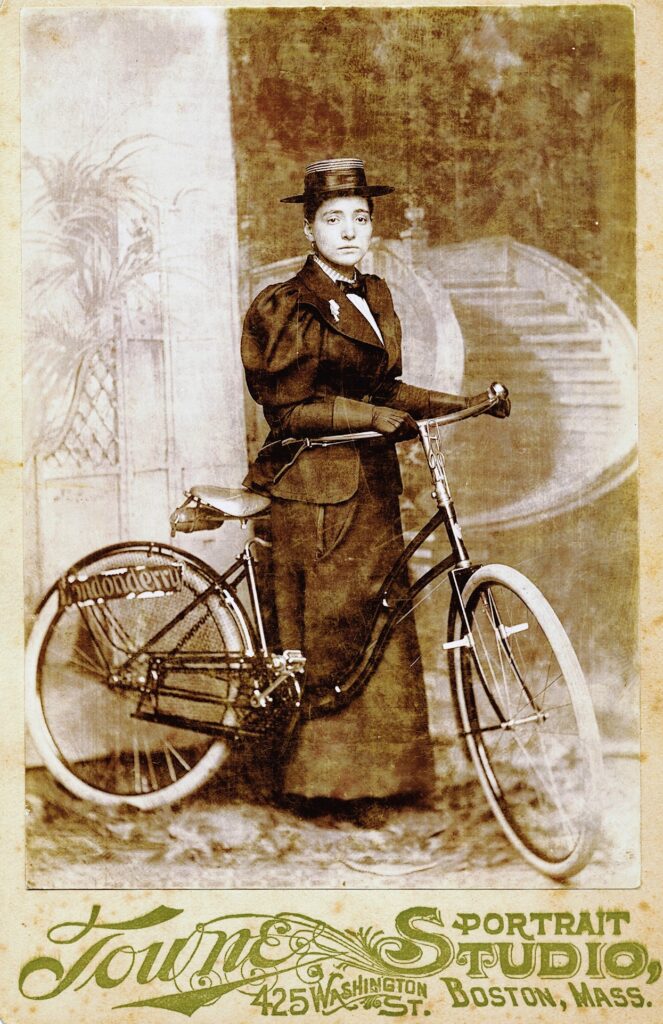
Annie Londonderry was the first woman to bicycle around the world in 1894. She embarked on the journey to prove that women could travel independently and handle the rigors of adventure. Along the way, she challenged Victorian gender norms and became a media sensation. Her ride was both athletic and symbolic of women’s liberation.
Lise Meitner
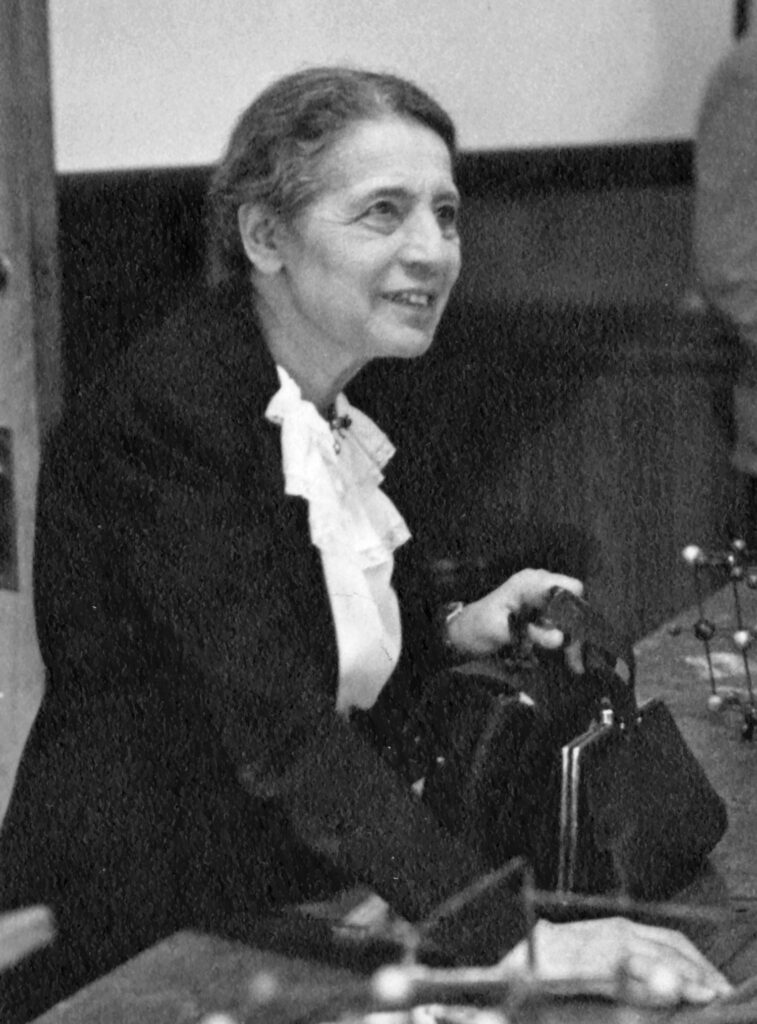
Lise Meitner was an Austrian physicist who played a key role in discovering nuclear fission. Though her colleague Otto Hahn received the Nobel Prize, Meitner’s theoretical explanation was essential to the breakthrough. She fled Nazi Germany due to her Jewish heritage and continued her work in exile. Her legacy is now being revisited by historians and scientists.