The Wild West may feel distant, but its landmarks still hold the echoes of cattle drives, outlaw hideouts, dusty saloons, and frontier communities built from grit. These locations are not movie props. They are places where legends lived, fortunes were made, and justice came slower than trouble. Walking through them today feels like stepping back into an era when survival depended on instinct and every sunrise brought a new challenge. These landmarks unlock a chapter of American identity where courage ruled, danger waited, and the horizon always promised something untamed.
1. Tombstone, Arizona
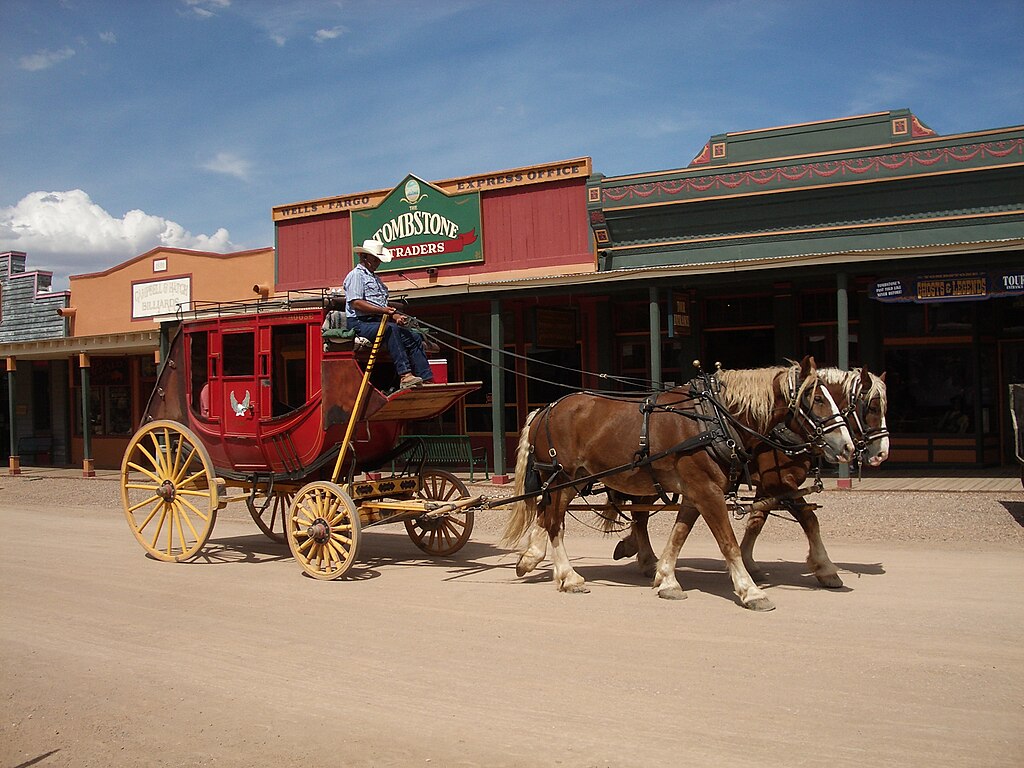
Tombstone offers one of the most vivid windows into the Old West. The town’s wooden sidewalks, stagecoaches, and reenacted gunfights preserve a period where law and order were constantly tested. The OK Corral shootout remains a defining moment, turning real lives into legends. Visitors still trace the steps of Wyatt Earp and Doc Holliday, making Tombstone a living museum of dusty streets, stubborn justice, and frontier survival. The town feels frozen in time, yet every corner reminds visitors that the Wild West was once a real stage of danger and ambition.
2. Deadwood, South Dakota
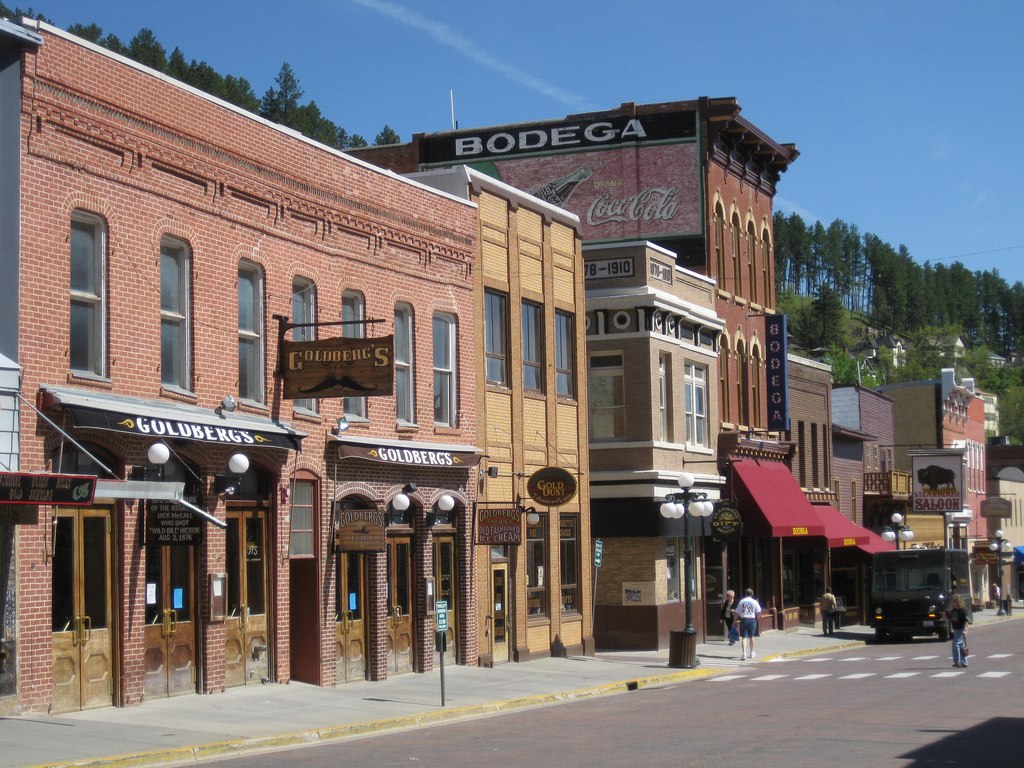
Deadwood brought fortune seekers, gamblers, and risk takers to its rugged hills. Gold fever turned the region into a booming frontier town fueled by dreams of wealth and sudden violence. Famous figures like Wild Bill Hickok and Calamity Jane walked these streets. Saloons, brothels, and makeshift justice shaped its identity. Today, Deadwood blends history with entertainment, retaining its wooden facades and unpredictable energy. It remains proof that opportunity and danger once shared the same address.
3. Dodge City, Kansas
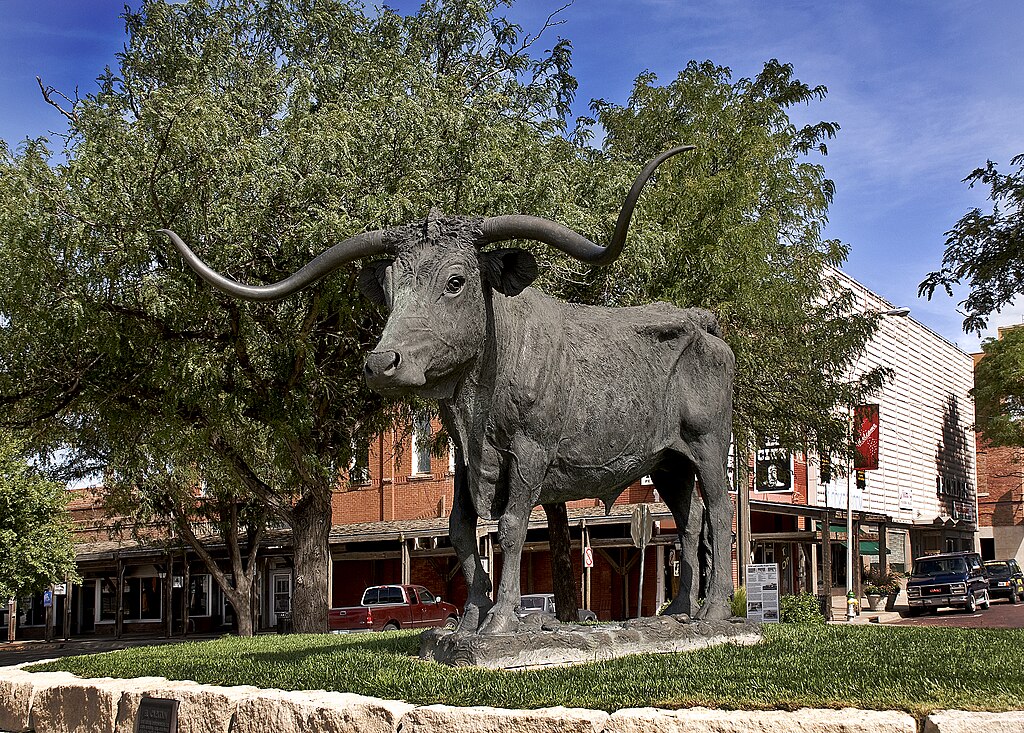
Dodge City became legendary as a cattle town where trail drives ended and cowboys sought rest, trouble, or both. Lawmen like Bat Masterson tried to control the chaos while saloons, gambling halls, and dance houses challenged their authority. The Boot Hill cemetery reminds visitors just how many conflicts ended abruptly. Dodge City maintains artifacts, reenactments, and a rugged sense of pride that has never fully faded. It captures the moment when cattle, characters, and consequences collided.
4. Fort Worth Stockyards, Texas
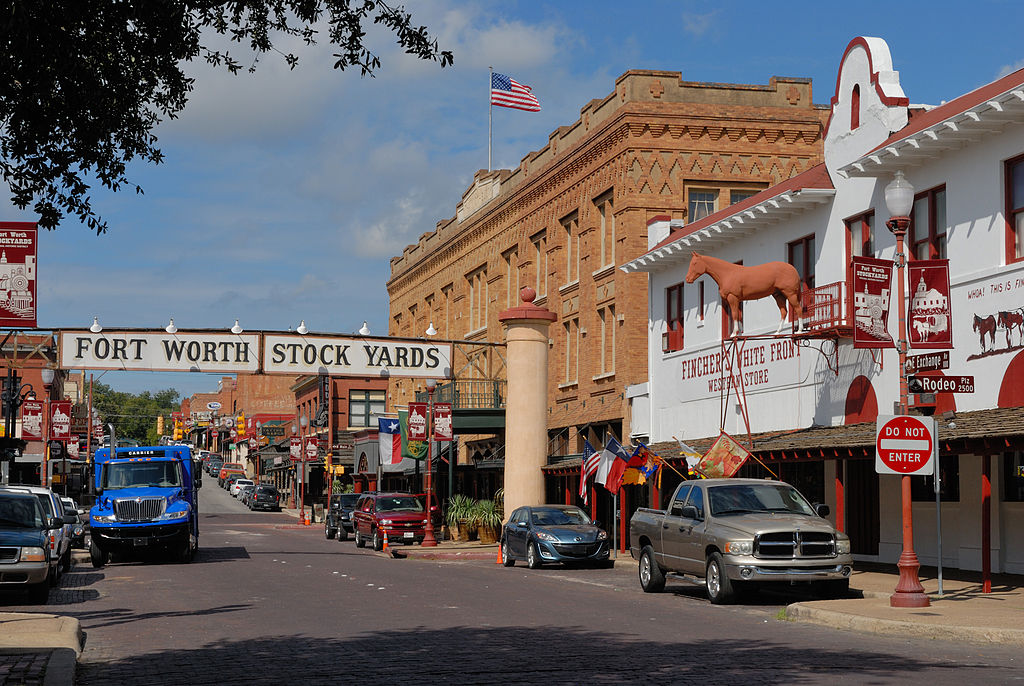
The Fort Worth Stockyards preserve cowboy culture through authentic ranch traditions, rodeos, and brick lined streets where cattle once thundered through. The area honors the Chisholm Trail and the cowhands who faced long, dangerous drives. Today, visitors find museums, corrals, and shops that merge modern tourism with old frontier ethos. The Stockyards prove that cowboy history was not fiction. It was a way of life grounded in sweat, stubbornness, and endless miles under the open sky.
5. Alamo Mission, Texas

The Alamo stands as a symbol of defiance and sacrifice. Though not a cowboy landmark in the cinematic sense, it represents the frontier spirit that shaped the West. The Alamo was a battle over control, identity, and territory. Its walls witnessed bravery that still inspires Americans today. The site connects visitors to a moment when survival and independence mattered more than comfort. Walking its grounds reveals how courage forged history long before popular culture glamorized the frontier.
6. Buffalo Bill Center Of The West, Wyoming
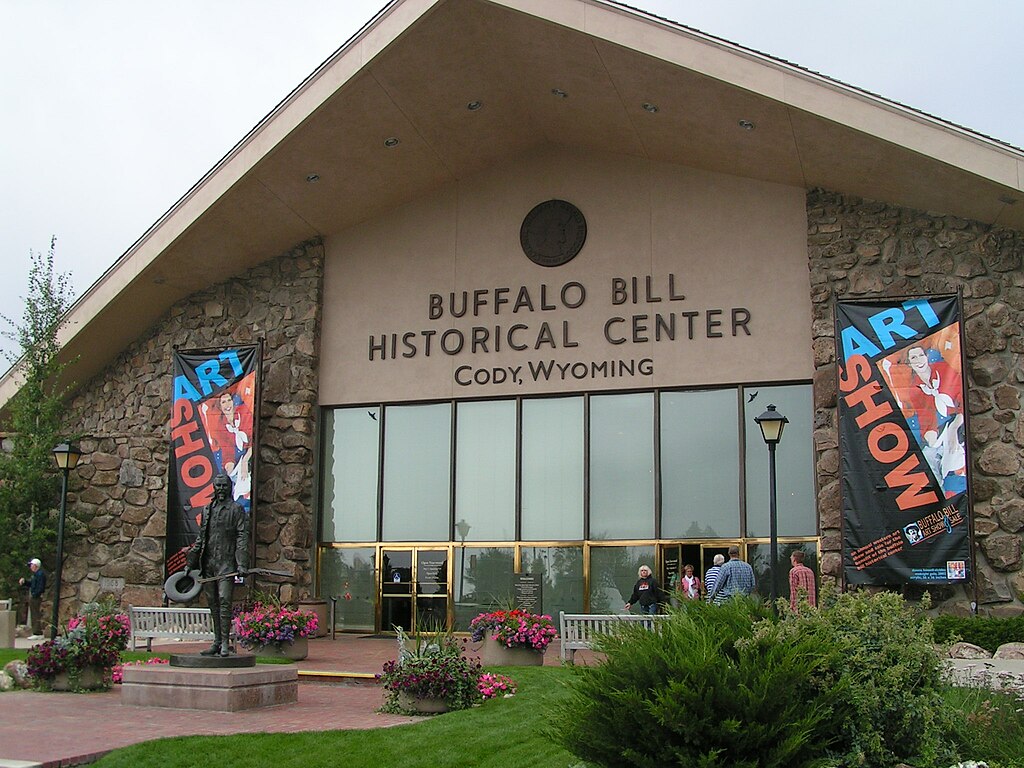
This museum complex honors the legacy of Buffalo Bill Cody, one of the West’s most influential showmen. His performances shaped how the world imagined cowboys, sharpshooters, and frontier adventure. The center showcases firearms, Native American artifacts, and stories that blend myth with truth. It reveals how the Old West became legend while the dust was still settling. Visitors leave with a deeper understanding of how entertainment turned experience into national identity.
7. Virginia City, Nevada
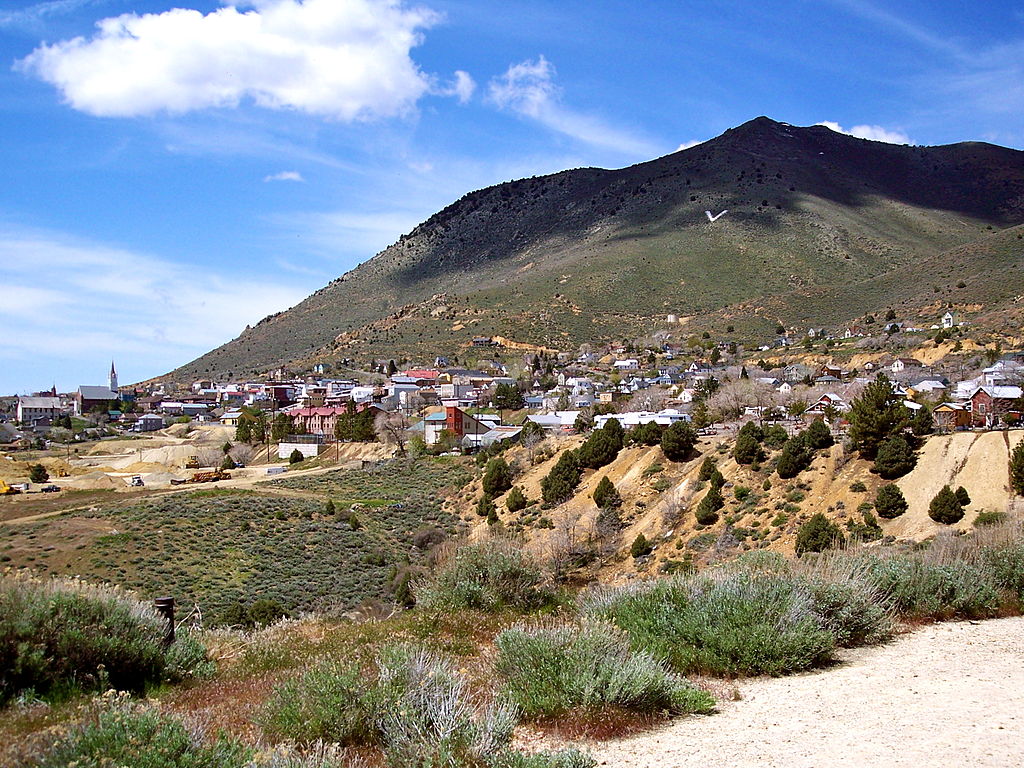
Virginia City rose from silver riches and frontier lawlessness. Its steep streets, preserved saloons, and narrow wooden sidewalks create a theatrical but authentic snapshot of mining life. The town’s sudden wealth fueled larger than life personalities and unpredictable violence. Virginia City remains a vivid reminder that the West was not just cattle and cowboys. It was a gold rush of ambition, pressure, and fragile dreams that could shatter faster than a pickaxe hit.
8. Bent’s Old Fort, Colorado
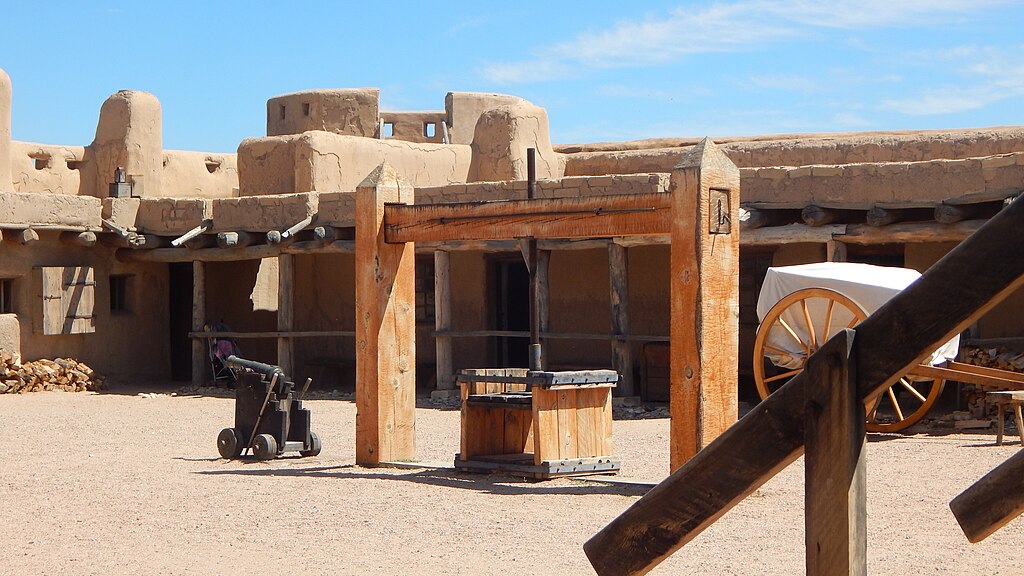
This reconstructed trading post recreates an era when fur traders, explorers, Native American groups, and soldiers intersected on the plains. Bent’s Old Fort served as a lifeline for travelers journeying into unknown territory. The fort blends cross cultural exchange, frontier economy, and early Western diplomacy. Its adobe walls whisper stories of negotiation, risk, and survival. It proves the West was not only about confrontation. It was also about uneasy cooperation and bold expansion.
9. Santa Fe Trail, New Mexico
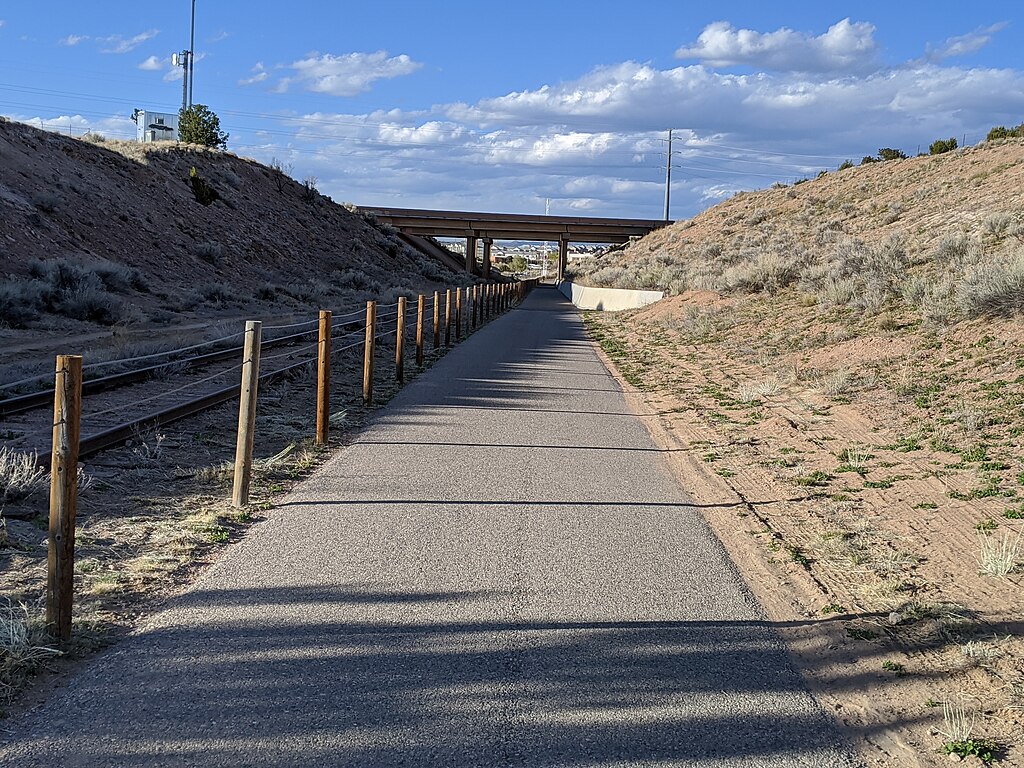
The Santa Fe Trail was more than a route. It was a lifeline connecting markets, cultures, and ideas. Traders, settlers, and soldiers used it to push deeper into unknown lands. The trail’s ruts remain etched into the earth, showing the literal weight of westward ambition. This pathway turned isolated outposts into busy hubs. The trail stands today as a reminder that the West was not discovered all at once. It was carved mile by mile, hoofprint by hoofprint.
10. O.K. Corral, Arizona
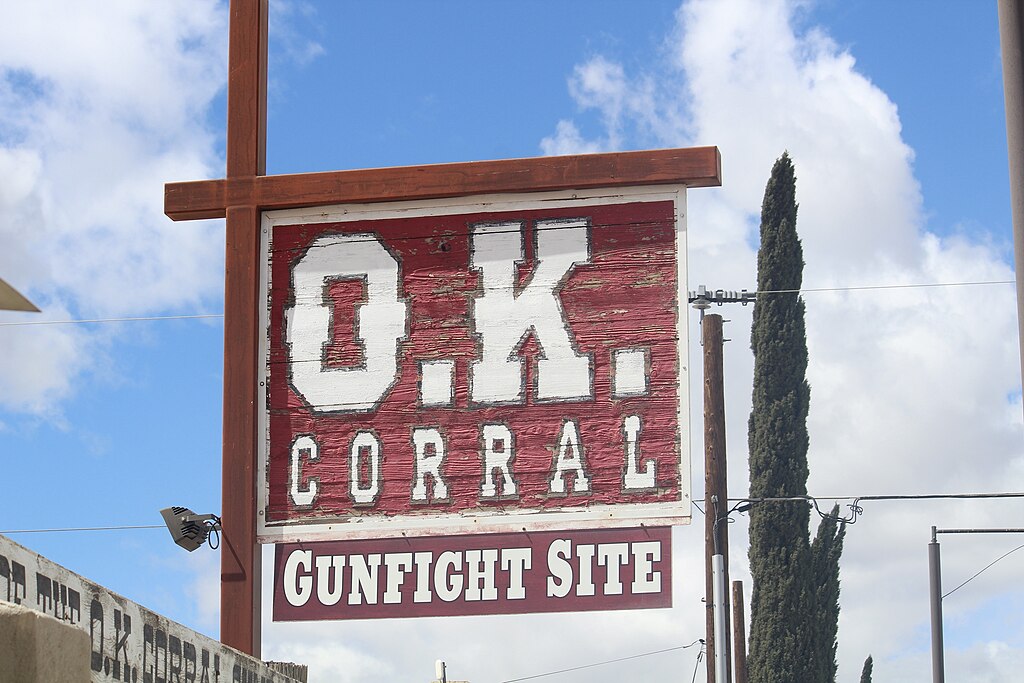
The O.K. Corral holds the most famous gunfight in Western history. The confrontation between the Earps, Holliday, and the Cowboys lasted only seconds, yet it cast a century long shadow. The corral continues to reenact the moment, allowing visitors to stand where tension exploded into legend. The West was defined not by victory, but by moments like this where courage and fear collided. The corral remains a physical stage for a story Americans still retell.
11. Ponderosa Ranch, Nevada
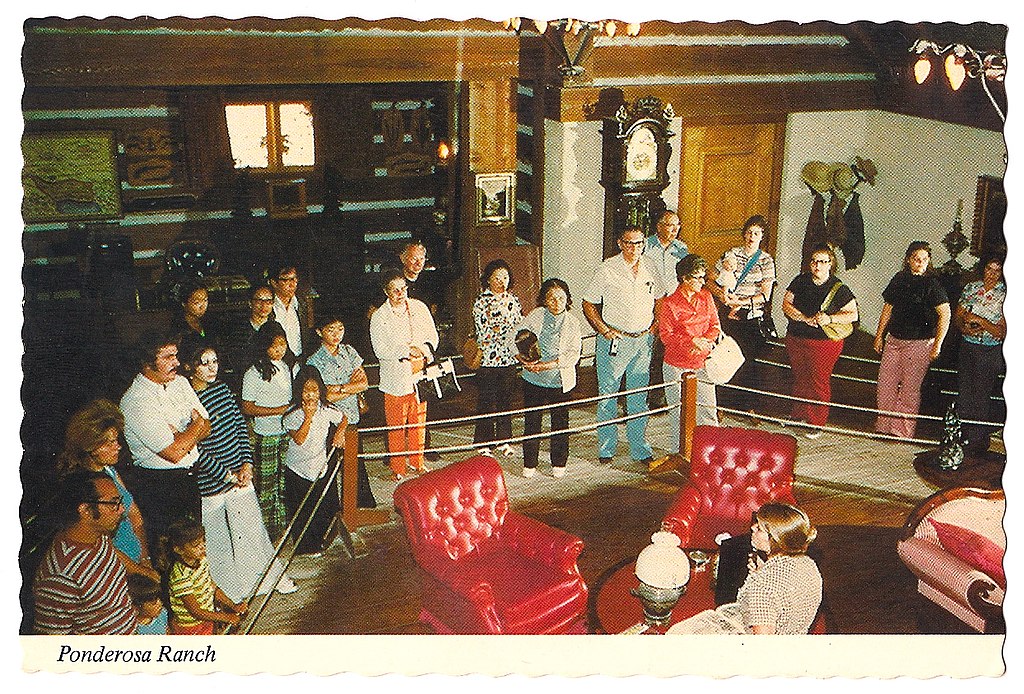
The Ponderosa Ranch gained fame through the television series Bonanza, yet its roots in ranching culture go deeper than props and scripts. It brings visitors into the world of frontier homes, livestock, and rugged responsibility. Though entertainment shaped its fame, the ranch still reflects the rural lifestyle that built the American West. It blends fiction and history, reminding visitors that television amplified the stories reality had already begun.
12. Old Tucson, Arizona
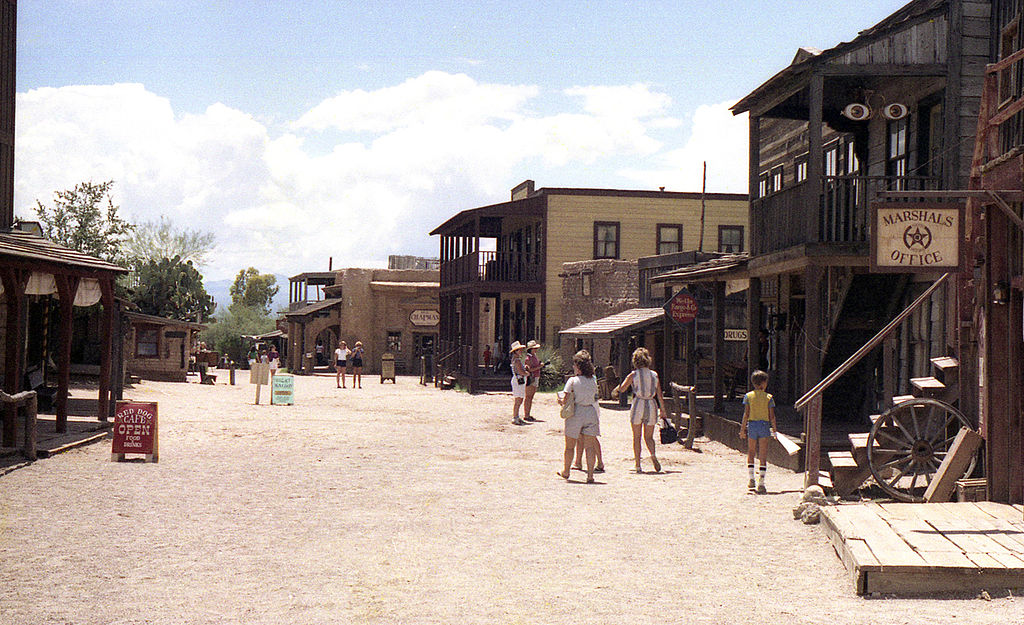
Old Tucson Studios offered Hollywood the backdrop for countless Westerns. Yet beyond film sets and wooden facades lies a deeper legacy. The site preserved architecture and landscapes that mirrored real frontier settlements. Actors may have acted out stories, but the location itself carried the aesthetic and emotional tone of the West. Old Tucson helped America imagine the frontier long after the frontier disappeared.
13. Boot Hill Cemetery, Kansas
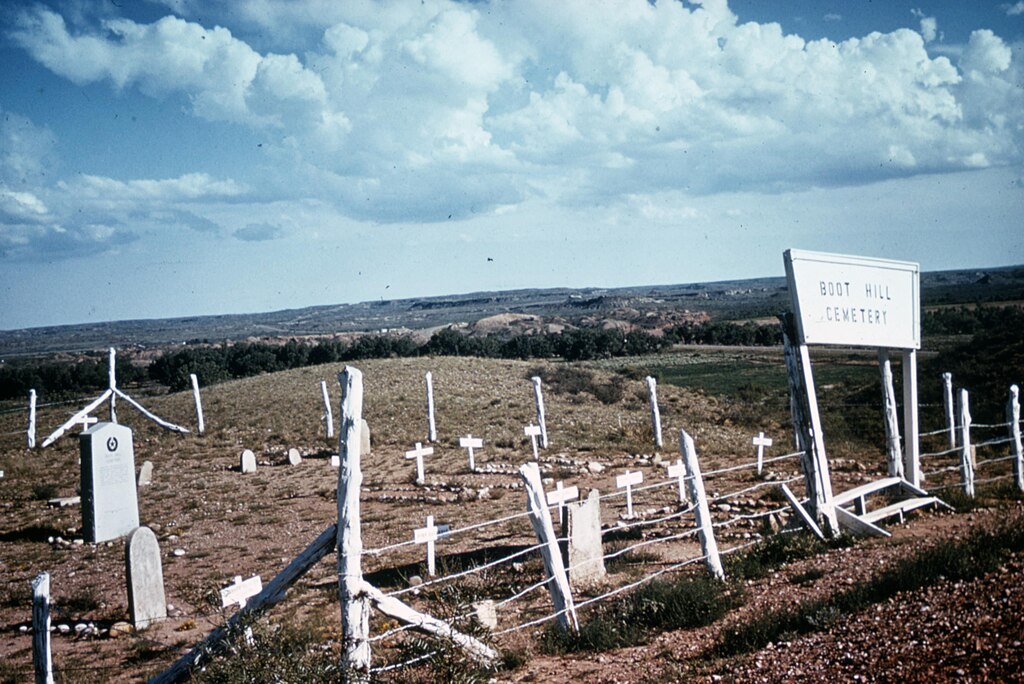
Boot Hill Cemetery is where gunfighters, outlaws, and unlucky souls were buried with their boots still on. It tells the darker side of Western life, where conflict was frequent and reputations were earned with bullets. The cemetery feels somber rather than theatrical. Each grave marks a moment where dreams ended abruptly. Boot Hill proves that the Wild West was not just adventure. It was consequence.
14. Fort Laramie, Wyoming
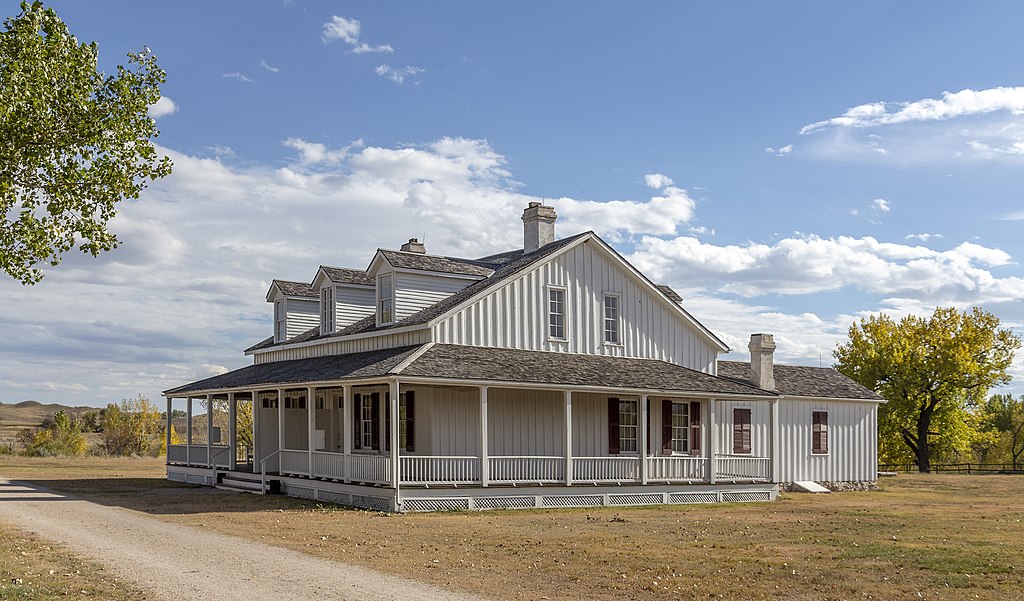
Fort Laramie served as a vital stop for travelers on the Oregon Trail. The fort offered supplies, information, and uneasy negotiation between settlers and Native American nations. The landmark reveals that the West was built through conflict, treaty, and ambition. It shows how hope and hardship traveled together. Fort Laramie was not the end of journeys. It was a crossroads where many stories began.
15. Jesse James Home, Missouri
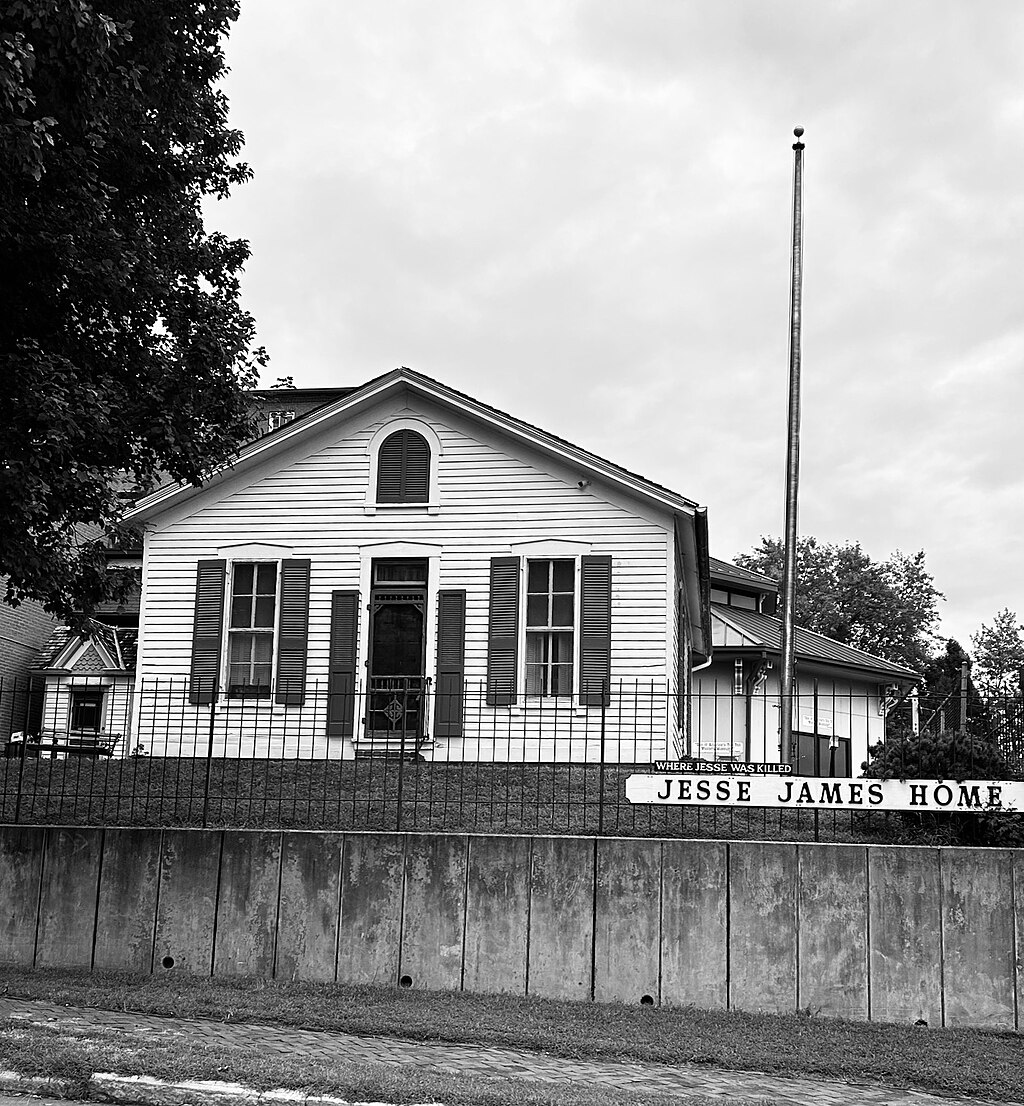
This modest house marks the violent end of outlaw Jesse James. Bullet holes and preserved rooms bring visitors face to face with the realities of frontier crime. The home turns headlines into physical experience, showing that legends were once exhausted people caught in cycles of revenge. The landmark transforms myth into humanity and captures the thin line between hero and villain that shaped Western folklore.
These landmarks prove that the Wild West was not a myth invented for television. It was a real world of danger, isolation, grit, and determination. Every preserved fort, cemetery, trail, and town carries echoes of courage and fear. They remind Americans that history was written by people who chased opportunity despite danger. The West may be gone, but its footprints remain visible for those willing to follow them.