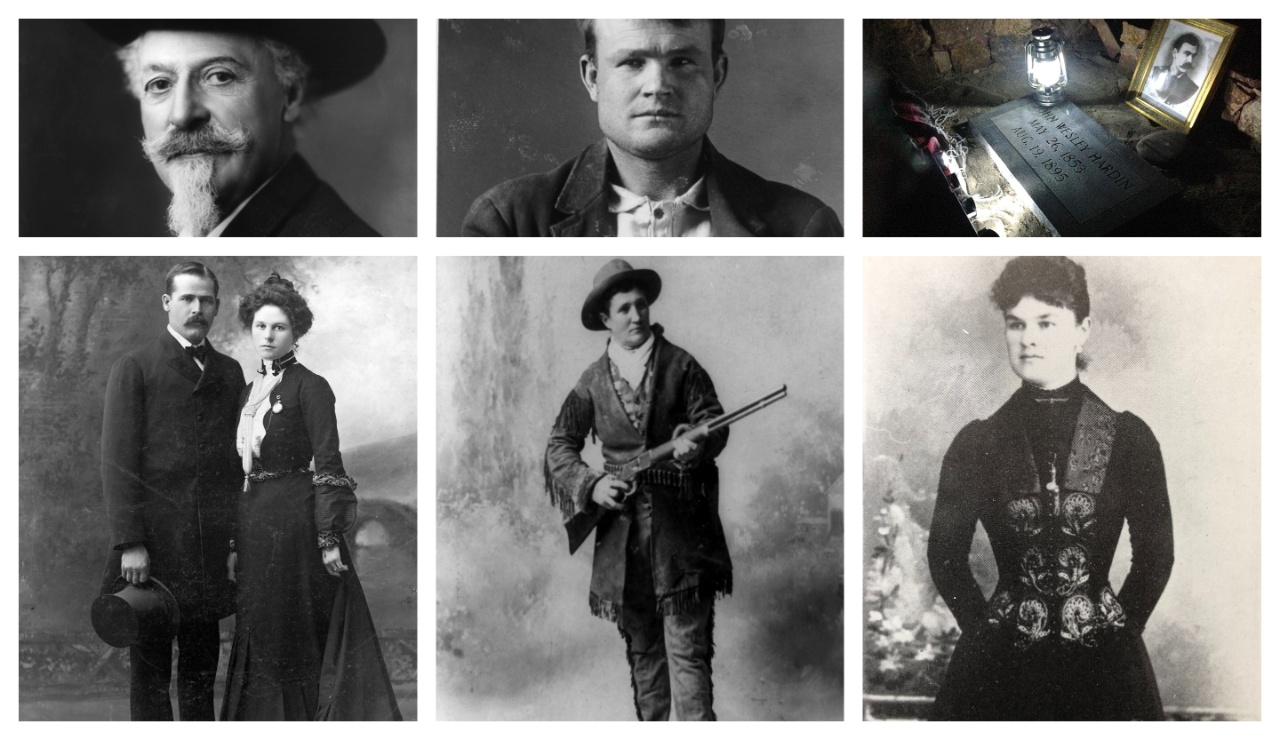
The Wild West has long been romanticized in books and movies as a time of brave sheriffs, noble outlaws, and fearless gunslingers. Legends were born around campfires and saloons, painting larger-than-life portraits of men and women who tamed the frontier. But history tells a far more complex story. Many of these so-called heroes led lives riddled with contradiction, violence, and morally gray decisions. Here are 15 iconic Wild West figures whose reputations don’t always match the reality of their actions.
Wild Bill Hickok Was More Showman Than Sheriff
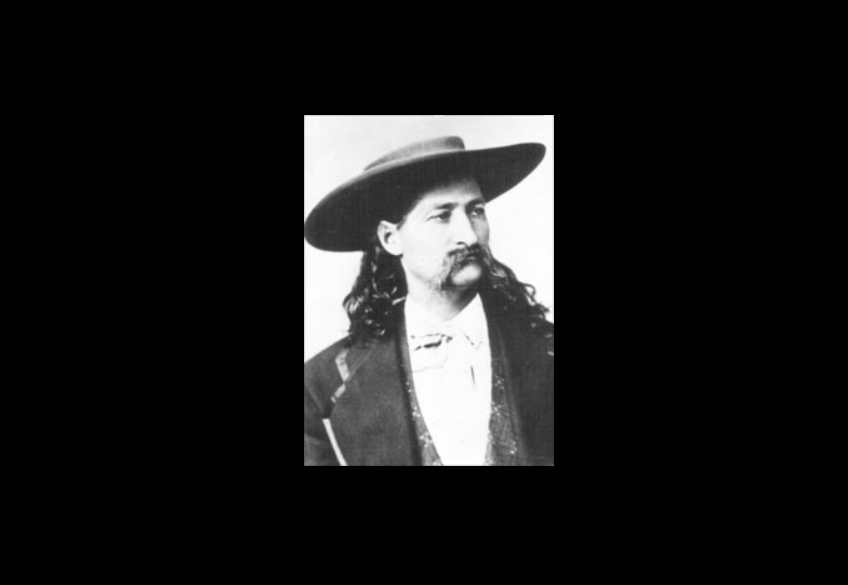
Wild Bill Hickok is often remembered as a sharp-shooting lawman with nerves of steel, but much of his fame was self-promoted. While he did serve as a lawman in a few towns, he spent most of his time gambling and performing in Wild West shows. His kills were fewer than often claimed, and many were under questionable circumstances. Hickok’s charm and flair for drama helped shape his legacy more than his actual deeds. He lived for the spotlight, not necessarily for justice.
Jesse James Was a Ruthless Criminal, Not a Folk Hero
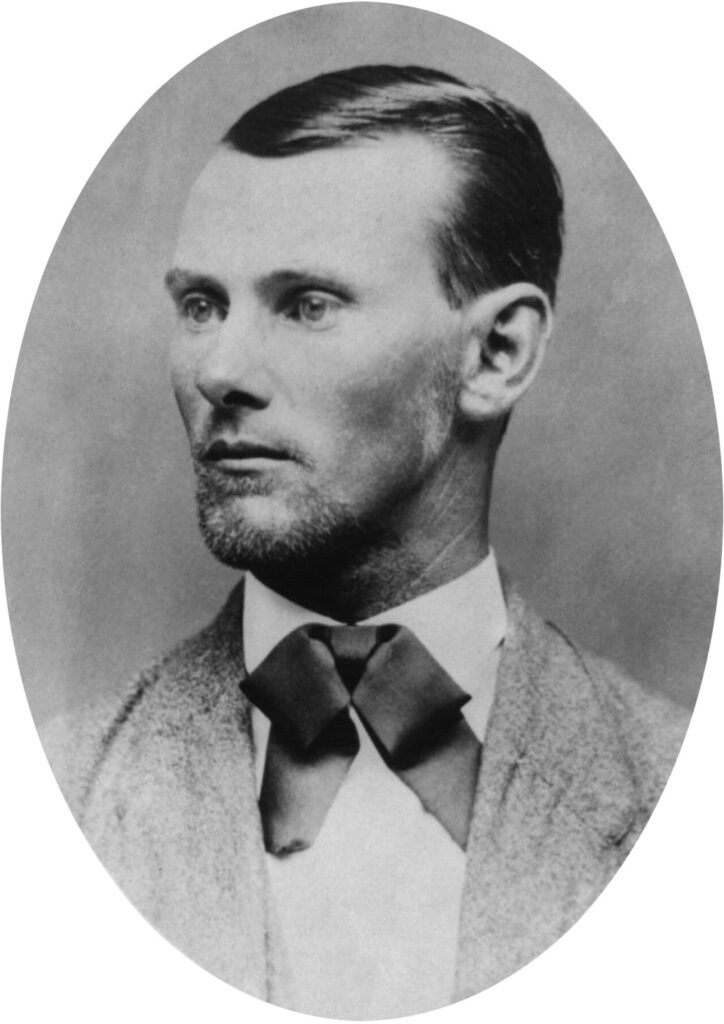
Jesse James is frequently depicted as a Robin Hood figure who stole from the rich to give to the poor, but the truth is far less noble. He was a Confederate sympathizer who turned to robbing banks and trains to finance his gang’s criminal lifestyle. His actions were brutal, and he showed little mercy to his victims. The romantic image of James was largely crafted by newspapers and dime novels. In reality, he was a cold-blooded outlaw with a political agenda.
Wyatt Earp Had a Darker Past Than Most Recall
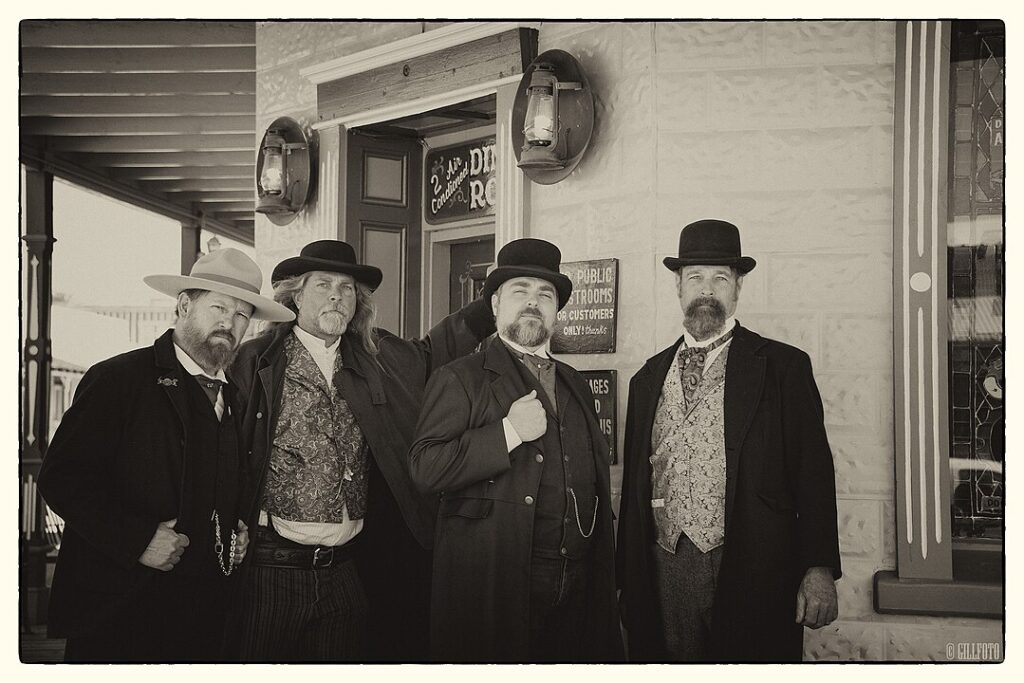
Wyatt Earp is hailed as the steadfast lawman of the O.K. Corral, but his background was steeped in controversy. Before becoming a marshal, he was arrested multiple times for horse theft, gambling, and even operating brothels. His role in the famous gunfight was more personal than lawful, driven by feuds and revenge. Earp moved from town to town, often dodging his reputation rather than upholding the law. His legacy was later polished by Hollywood more than by historical fact.
Billy the Kid Was More Murderer Than Misunderstood Rebel
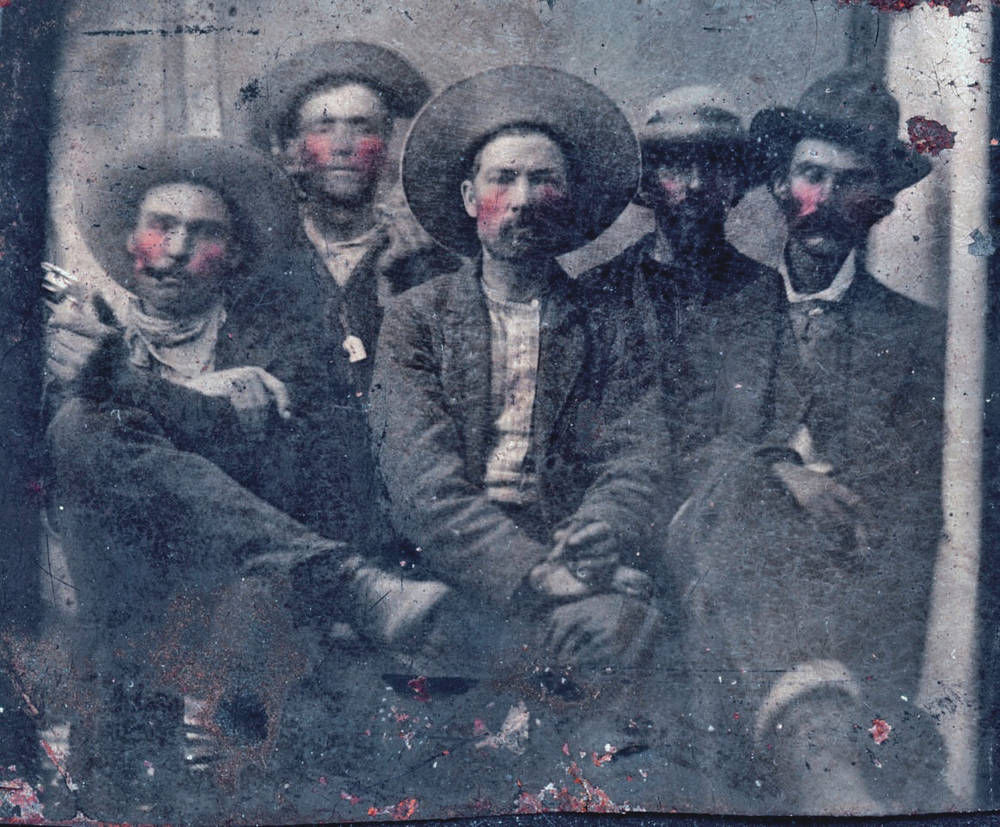
Billy the Kid is often portrayed as a young outlaw who didn’t have a choice, caught in a cycle of violence. However, he was responsible for the deaths of at least eight men, often killing without hesitation. While he did get caught up in regional conflicts, he also used them as cover for personal vendettas. The idea of him being a charming rogue belies the deadly reality. His youth made him memorable, but not innocent.
Doc Holliday Lived by the Gun More Than the Oath
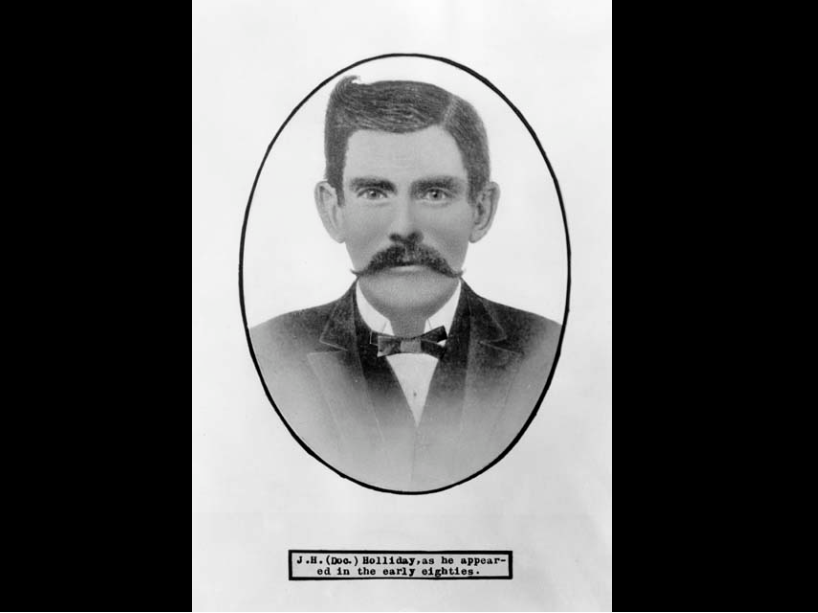
Doc Holliday is remembered as a loyal friend to Wyatt Earp and a deadly gunslinger with a code of honor. Yet he was also a known gambler, drunkard, and killer. He fled multiple towns after violent altercations and lived much of his life on the run. Holliday’s wit and Southern charm added to his legend, but his moral compass was often skewed. He was more outlaw than doctor by the end of his life.
Calamity Jane Blurred the Line Between Fact and Fiction
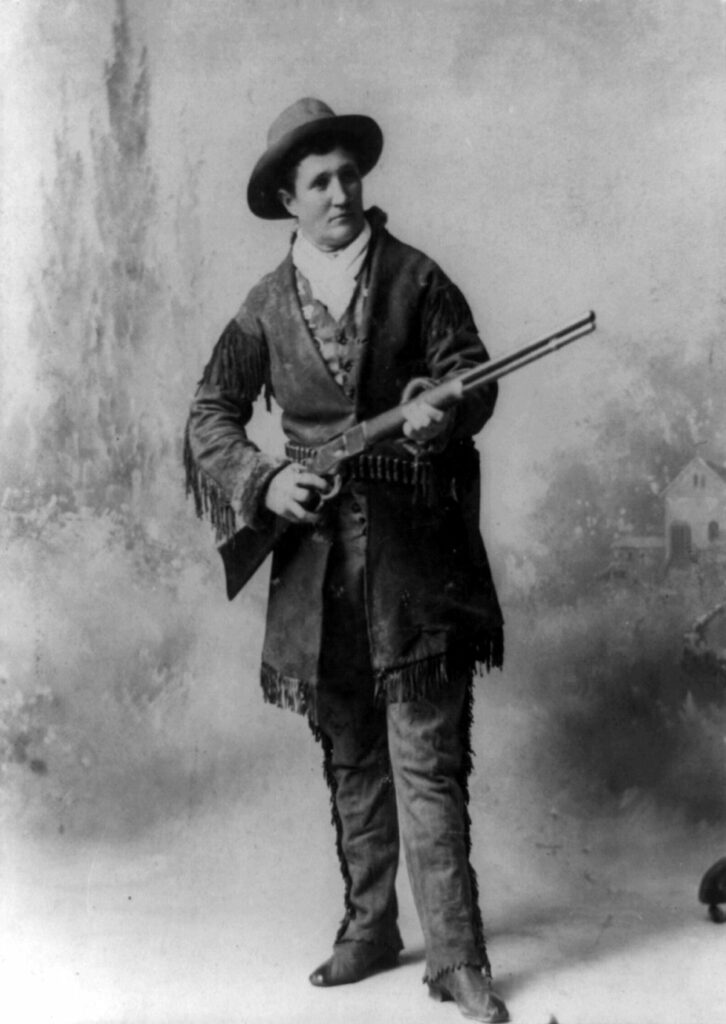
Calamity Jane was a frontier woman known for her toughness, but much of her story was self-invented. She claimed to have served in military campaigns and worked as a scout, but there’s little evidence to support many of these tales. She often exaggerated her exploits to entertain crowds during Wild West shows. Her hard-living lifestyle and frequent drinking led to erratic behavior. Jane’s myth became more important than her actual deeds.
Pat Garrett Wasn’t Just the Man Who Shot Billy the Kid
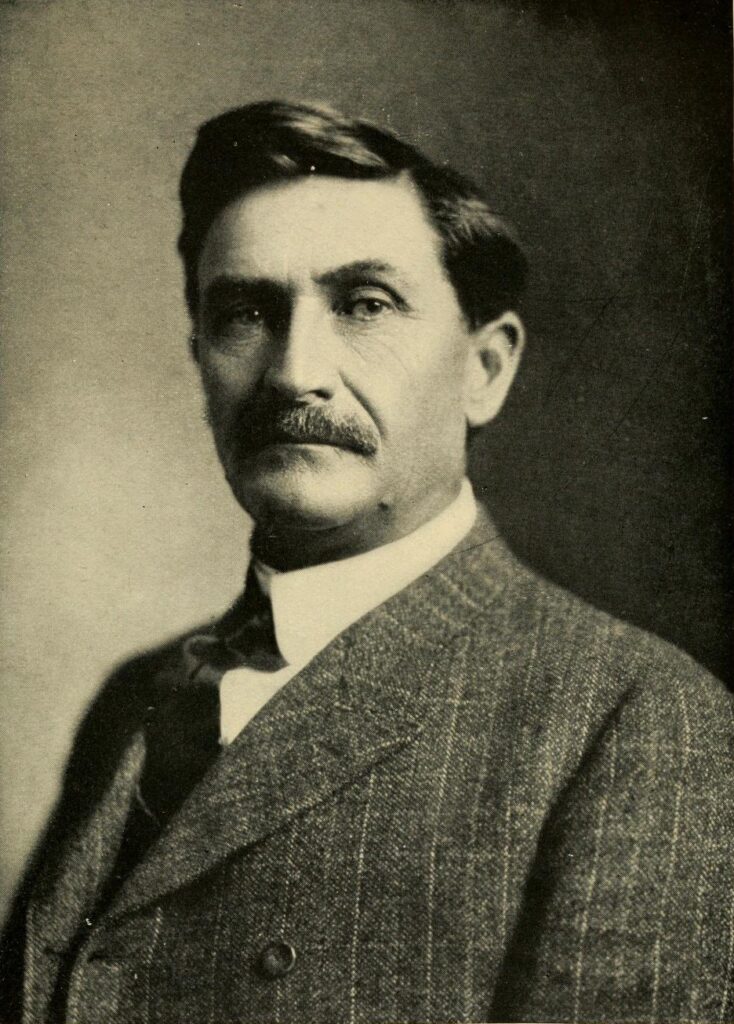
Pat Garrett is famous for killing Billy the Kid, but his career was filled with questionable decisions. After the infamous shooting, he struggled to hold any consistent law enforcement role. He was accused of using his badge for personal gain and failed in numerous business ventures. His own death was mysterious, possibly a murder connected to his shady dealings. Garrett’s fame rested on a single event rather than a life of integrity.
Butch Cassidy Was No Peaceful Outlaw
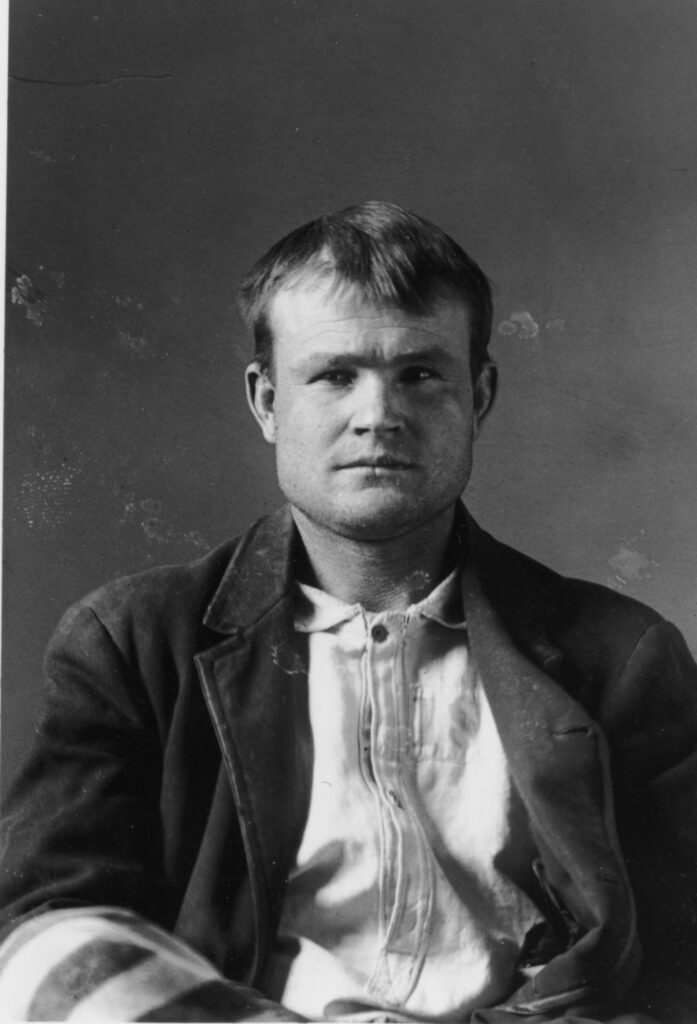
Butch Cassidy is often painted as a likable, non-violent outlaw who avoided killing. While he did have a reputation for preferring to rob without bloodshed, he was still a major part of a criminal network. His gang, the Wild Bunch, committed countless robberies that often turned violent. Cassidy lived a life of deceit and ran from justice across several countries. His charm masked a deeper lawlessness.
Buffalo Bill Cody Capitalized on a Manufactured Image
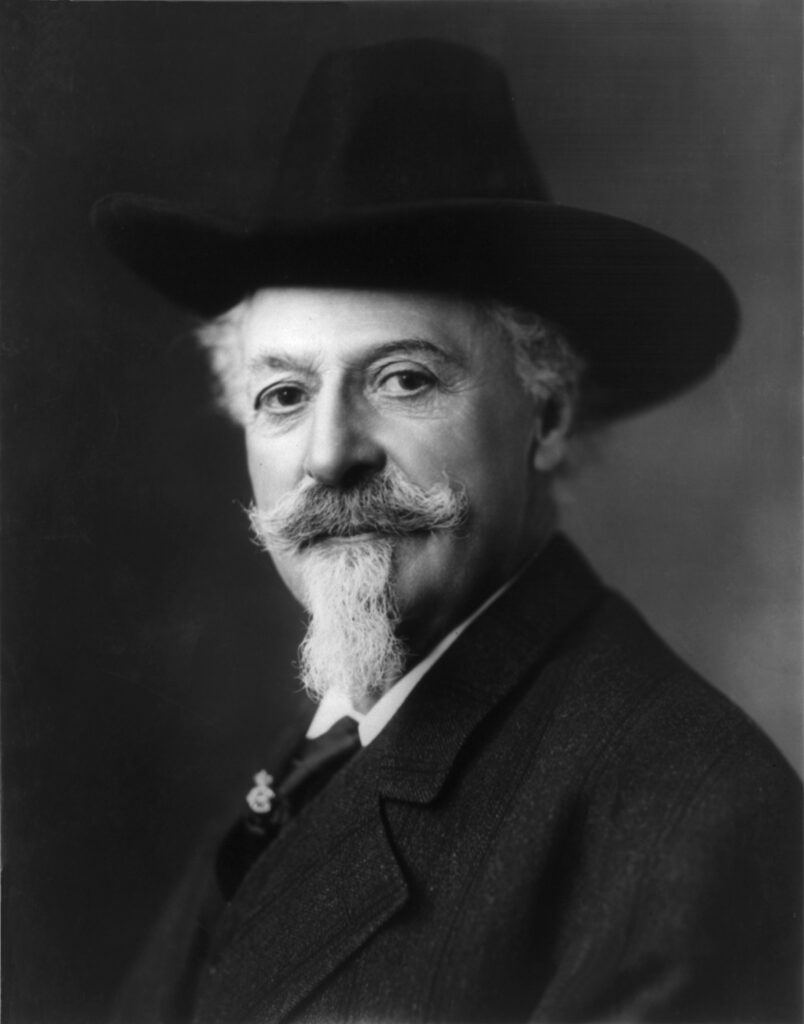
Buffalo Bill Cody turned his adventures into the most famous Wild West show on earth. While he did serve as a scout and hunter, much of what he performed on stage was exaggerated or entirely fabricated. He marketed the West as a place of endless excitement and danger, fueling myths rather than facts. His shows often reinforced stereotypes about Native Americans and frontier life. Cody was a brilliant entertainer, but not always an honest historian.
George Armstrong Custer Was Reckless, Not Heroic
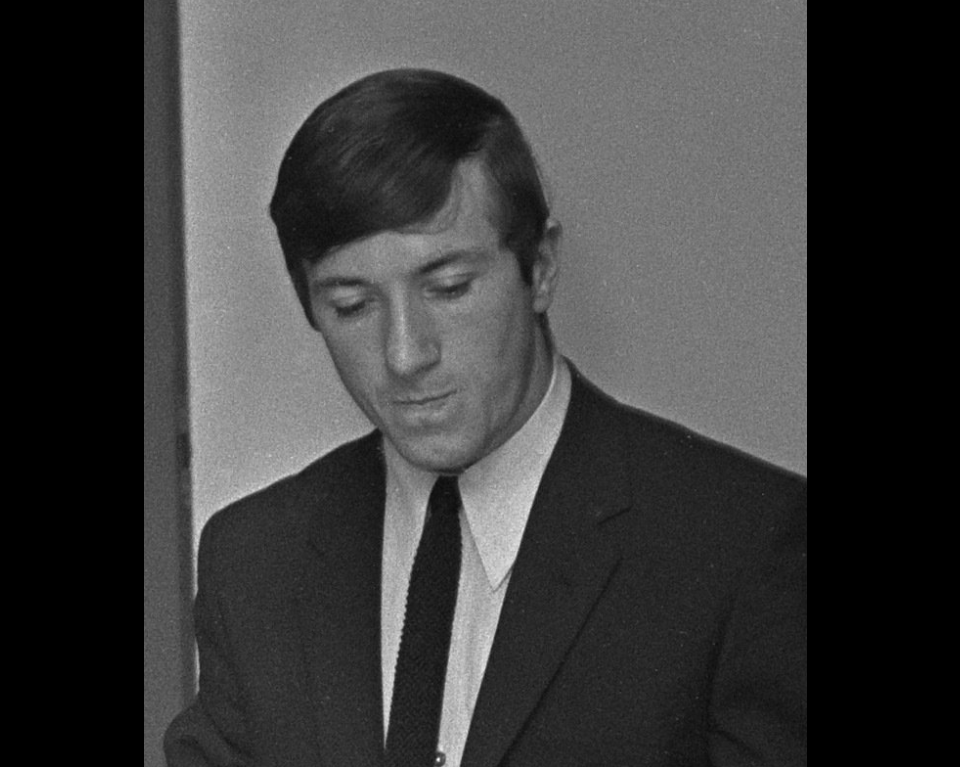
General Custer is remembered for his dramatic last stand at the Battle of Little Bighorn, but his leadership was often impulsive and self-serving. He disobeyed orders and underestimated Native forces, leading his men to disaster. Custer’s ambition and desire for glory clouded his judgment. He often sought fame more than strategy. His downfall was the result of arrogance, not valor.
Belle Starr Used Infamy as a Business Model
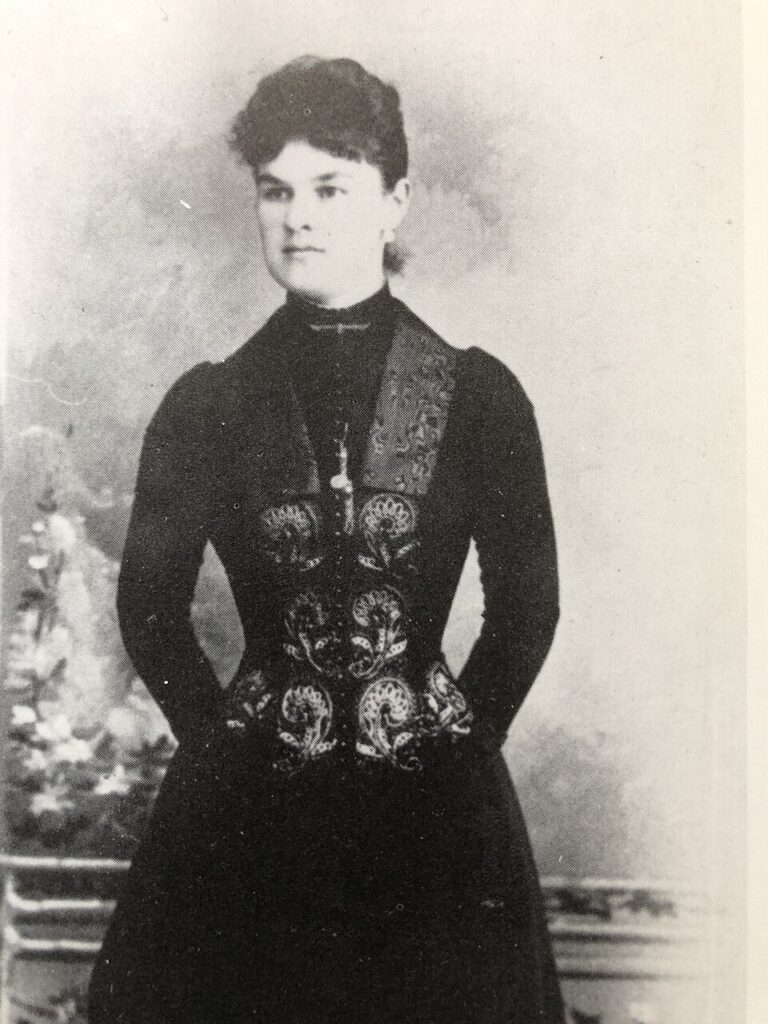
Belle Starr was dubbed the “Bandit Queen,” but her criminal exploits were likely embellished. She associated with outlaws and was convicted of horse theft, yet much of her legend was built through self-promotion and sensational media. Starr understood the value of notoriety and played the part of a female outlaw to draw attention. Her actual role in criminal enterprises remains murky. The image sold better than the truth.
Tom Horn Took Justice Into His Own Hands
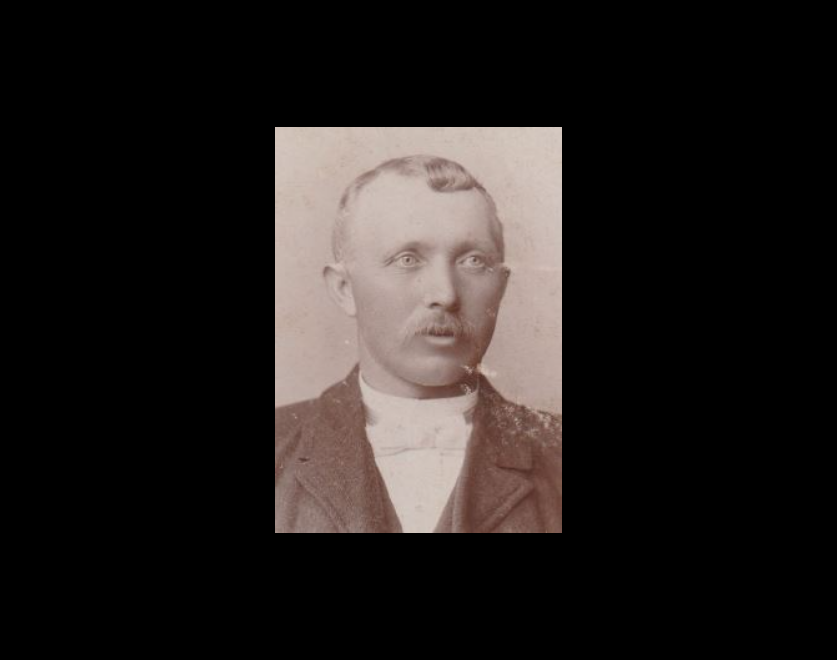
Tom Horn was a hired gun and government scout who believed in swift justice—sometimes without a trial. He was suspected of several assassinations, especially of cattle rustlers, though evidence was often thin. Horn’s belief in vigilante tactics made him feared but not always lawful. His execution for murder remains controversial. He saw himself as a tool of justice, even when he operated outside it.
The Sundance Kid Was a Professional Criminal
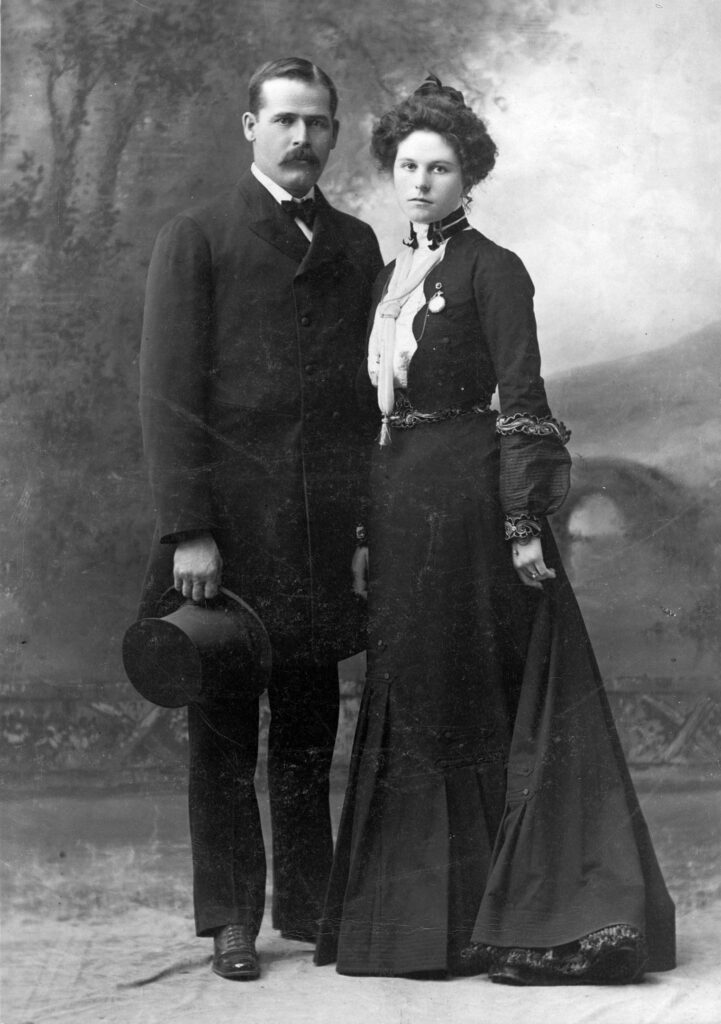
Often overshadowed by Butch Cassidy, the Sundance Kid was an expert marksman and full partner in their criminal enterprise. Far from a misunderstood man on the run, he actively participated in bank and train robberies. His cool demeanor and romantic associations helped soften his image. However, he lived a life fueled by theft and evasion. There was little noble about his lifestyle, despite his smooth image.
John Wesley Hardin Was One of the Most Violent Gunslingers
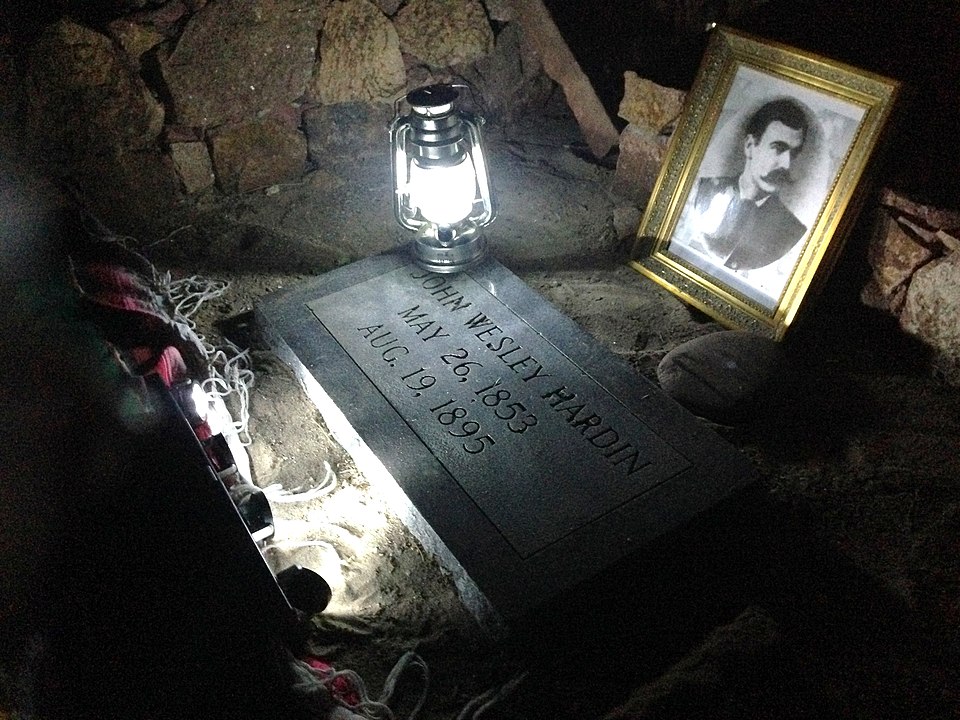
John Wesley Hardin claimed to have killed more than 40 men, many for petty reasons. He once shot a man for snoring too loudly and often boasted about his quick temper. Hardin tried to reinvent himself as a lawyer later in life, but his past was impossible to escape. His brutal reputation was earned, not exaggerated. He exemplified the violence of the West, not its heroism.
Kit Carson’s Legacy Is Tarnished by His Role in Native Displacement
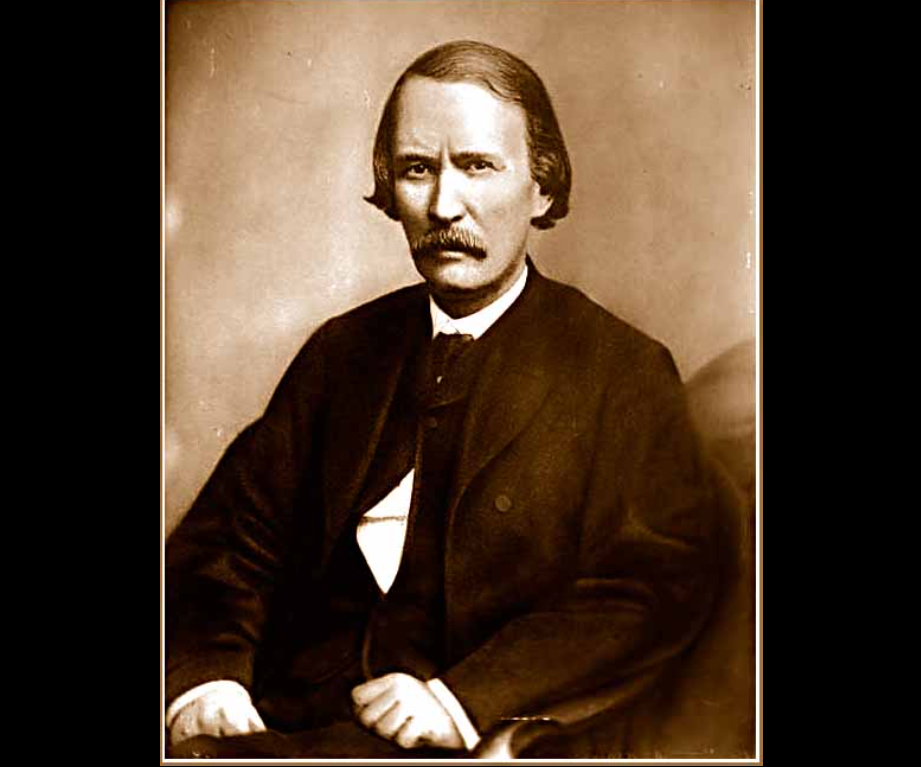
Kit Carson was once idolized as a brave frontiersman and Indian fighter. Yet his involvement in forced relocations and brutal campaigns against Native Americans tells a darker story. Carson led efforts that destroyed entire communities and contributed to significant suffering. He later expressed regret, but the damage had been done. His legacy is complex, shaped by both survival and oppression.