

The 1970s were a different world for families. There were no smartphones, no social media pressures, and certainly no parenting blogs. But that didn’t mean raising kids was easy—just simpler in many ways. Parents back then relied more on intuition and less on expert advice. With fewer rules, fewer gadgets, and more freedom for kids, families navigated parenting with a raw, hands-on style that was both rugged and refreshing. Here’s a look at 15 ways parenting in the ’70s was simpler—though not always easier.
1. Kids Played Outside—All Day
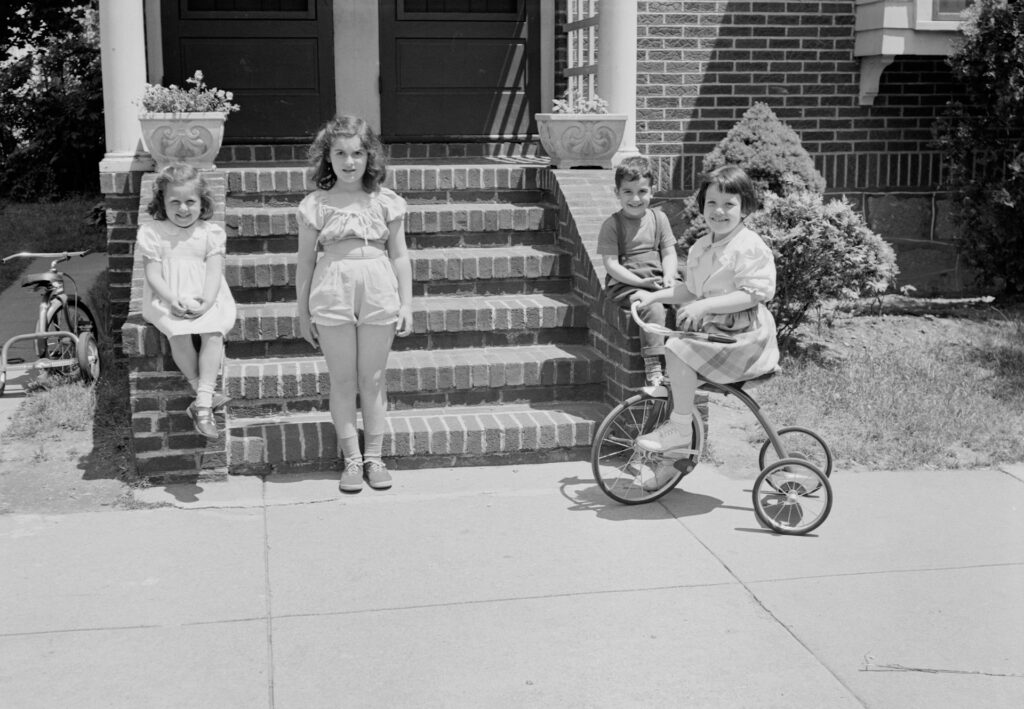
In the ’70s, you didn’t ask your parents if you could go outside—you just went. Kids played in the streets, parks, backyards, and fields from morning till night. Bikes were the ultimate freedom, and scraped knees were part of the deal. Parents didn’t hover or schedule every hour. As long as you came home when the streetlights came on, all was well. No GPS trackers, no hourly check-ins—just trust and self-discovery. You learned how to settle arguments, organize games, and take risks without adult intervention. That kind of freedom gave kids resilience in a way structured play never could.
2. Birthday Parties Were Homemade

Birthday parties in the ’70s were sweet and simple. There was no Pinterest pressure or party planner. Parents made sheet cakes from boxed mixes, decorated them with icing from a tub, and added a few balloons and streamers from the local store. Games like musical chairs and pin-the-tail-on-the-donkey were more than enough. Goodie bags? Maybe some candy, not custom-labeled treats. It wasn’t flashy, but it was real—and often more memorable. Most photos were blurry and off-center, but no one cared—they captured pure joy. The simplicity let kids just be kids without a production schedule.
3. Fewer Safety Gadgets (for Better or Worse)
Seatbelts were optional. Helmets were rare. Car seats looked more like booster chairs, and no one had ever heard of babyproofing. While it sounds shocking now, that’s just how things were. Parents used their own vigilance rather than relying on apps or monitors. Of course, safety knowledge has improved, and that’s a good thing—but in the ’70s, parents didn’t have a dozen gadgets to worry about. The simplicity came from having fewer tools—and fewer fears constantly fed by the media. Children learned caution the old-fashioned way—by experience. It wasn’t always the safest approach, but it made for some tough, independent kids.
4. One Parenting Book (If Any)

Today, parenting advice is everywhere—from Instagram reels to TED Talks. But in the ’70s, if parents had any guide, it was likely Dr. Spock’s Baby and Child Care. And even then, many just leaned on common sense or called their own parents for help. There wasn’t an overload of conflicting opinions or online debates. Parenting felt more personal and intuitive. The simplicity came from focusing on your child, not comparing yourself to every other parent on the internet. Moms and dads trusted their instincts more and second-guessed themselves less. That confidence brought a calmness that today’s information overload often disrupts.
5. Discipline Was Clear-Cut

There were no endless debates about “gentle parenting” or discipline philosophies. In the ’70s, discipline was direct, and boundaries were clearly drawn. You misbehaved, you were grounded—or sent to your room. There wasn’t much negotiation. While some methods wouldn’t pass today’s standards, the consistency gave kids structure. Parents didn’t overanalyze every consequence; they focused on teaching respect and responsibility in the ways they knew best. It was less about theory and more about action. And because kids knew what to expect, they often learned faster from mistakes. The lines weren’t blurred—rules were rules, plain and simple.
6. School Was School—Not a Parental Project
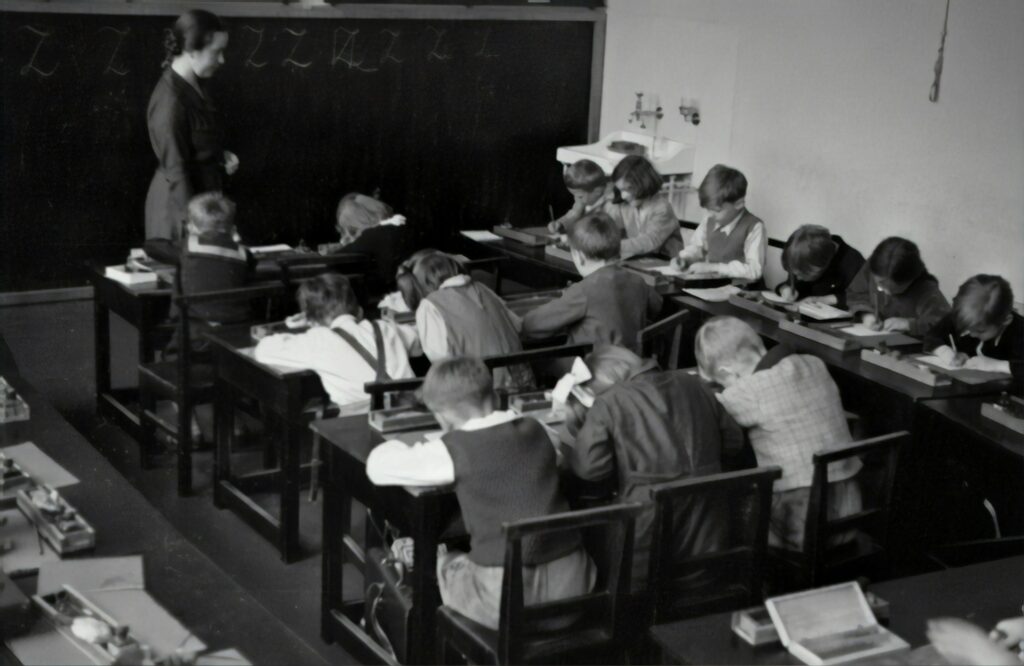
In the ’70s, school was the teacher’s job. Parents helped when needed but weren’t expected to be full-time tutors or classroom aides. There were no nightly apps tracking every assignment, no color-coded calendars, and certainly no over-the-top science fair boards made by parents. If you forgot your homework, you faced the teacher—not a parent who swooped in. This gave kids a chance to own their education, for better or worse. It also gave parents a breather from today’s 24/7 school engagement. There was a clear separation between home and school life. And because of that, kids learned accountability earlier and more independently.
7. No Over-Scheduling

Most kids in the ’70s didn’t have a packed weekly calendar. If you had one activity, like baseball or piano, that was plenty. There was time for homework, chores, TV, and most importantly—free play. Parents weren’t chauffeurs driving from one structured enrichment program to another. That simplicity allowed for spontaneity and creativity. Kids built forts, invented games, and found their own fun. It wasn’t just simpler—it also gave kids room to grow without being micromanaged. That space to explore meant kids developed passions, not just résumés. It also kept families less stressed and more connected.
8. Family Dinners Were a Daily Event

Evening meals were sacred. Families sat down together—no phones, no distractions—and talked about their day. Dinner wasn’t a smorgasbord of custom orders; it was one meal, and you ate it or went hungry. While today’s schedules often pull families in different directions, the ’70s kept dinnertime grounded. It was a ritual that offered connection, routine, and a sense of belonging. The simplicity came not just from the food itself, but from the consistent space for conversation and closeness. It was less about the menu and more about making time. Those shared meals quietly reinforced family values every night.
9. Toys Didn’t Need Wi-Fi

Toys in the ’70s were wonderfully basic. Lincoln Logs, Etch A Sketch, Hot Wheels, Barbies, and board games required no batteries and no internet connection. Imagination powered everything. A cardboard box could be a spaceship; a stick could be a sword. There were fewer distractions, fewer commercials screaming about must-have upgrades, and less pressure for tech-driven learning. This simplicity made play more creative and spontaneous—and less about keeping up with the latest device. Playtime was hands-on, face-to-face, and deeply immersive. The best games were made up on the spot, not downloaded from an app store.
10. TV Was Limited—and Watched Together

There weren’t a thousand channels or streaming services—just a handful of network stations. That meant shows aired once a week, and families gathered to watch together. Saturday morning cartoons were a treat. Evening programs like The Brady Bunch, The Waltons, or Little House on the Prairie brought families to the same couch. Parents didn’t worry about screen time because TV time was naturally limited. Simpler choices meant fewer arguments, and watching together built shared memories and conversations. Everyone knew the theme songs, and commercial breaks became snack runs. It was shared culture—not background noise.
11. You Trusted the Neighborhood

In the ’70s, parents didn’t need to constantly monitor their children’s every move. The neighborhood was your extended playground and also your safety net. If you fell off your bike or skinned your knee, someone’s mom was always nearby to help. There was a communal sense of responsibility, not paranoia. You could ride to a friend’s house, run to the corner store, or spend hours outside with minimal worry. Kids knew which houses had Band-Aids and which ones handed out lemonade. That local trust gave parents peace of mind and gave kids freedom to roam and explore safely.
12. Less Consumer Pressure

There wasn’t an Instagram algorithm pushing must-have parenting products every week. Families in the ’70s made do with what they had. Baby gear was passed down, toys weren’t always trendy, and no one blinked at hand-me-down clothes. Parents didn’t feel the same pressure to buy their way into being “good” caregivers. You weren’t a better mom because your stroller had a European label. Parenting was measured in time spent, not money spent. Life felt less like a race and more like a rhythm. It was about raising kids, not raising followers.
13. No Parenting Apps or Social Media

There were no viral parenting debates or TikToks comparing developmental milestones. If you had a question, you asked your neighbor or called your mom. Without curated online identities, parents could just be themselves. There was no pressure to document every packed lunch or first step for digital applause. Mistakes weren’t broadcast—they were just part of life. There was more privacy and far less judgment. And without all the noise, it was easier to hear your own instincts—and your kids.
14. You Let Kids Be Bored

In the ’70s, boredom wasn’t a crisis—it was a starting point. When you told your parents you were bored, they told you to figure it out. So you did. You built forts, played with sticks, or sat outside and daydreamed. That unscripted time taught creativity, independence, and patience. Not every moment had to be educational or productive. Kids learned to entertain themselves—and sometimes to just sit still. It was quiet, it was slow, and it was good for the soul.
15. Resilience Was Built Through Simplicity

Without over-intervention, kids faced challenges head-on. They dealt with disappointment, solved problems, and learned from doing things the hard way. If your toy broke, you fixed it—or made a new one. Parents didn’t hover; they supported from a distance. That space gave kids room to fail, adapt, and grow strong. There were fewer padded corners and more hard lessons. But those lessons created confident, capable adults. Sometimes, the simplest upbringing builds the strongest roots.
The simplicity of ’70s parenting wasn’t just about fewer gadgets or looser rules—it was about trust, community, and letting kids be kids. While modern parenting offers more tools, it also brings more pressure, comparison, and noise. Looking back, there’s something deeply valuable in the straightforward, instinctive approach of our parents and grandparents. Perhaps the best parenting today blends the heart of the ’70s with the knowledge of now—offering structure, freedom, and love in equal measure.