Military service has long been a proving ground for leadership, discipline, and resilience. Many American veterans carried these lessons into politics, shaping laws and guiding the nation through challenges. Their stories remind us that statesmanship often grows from sacrifice, with the battlefield serving as preparation for the halls of government. Here are 15 veterans whose political journeys left a lasting imprint on U.S. history.
1. George Washington
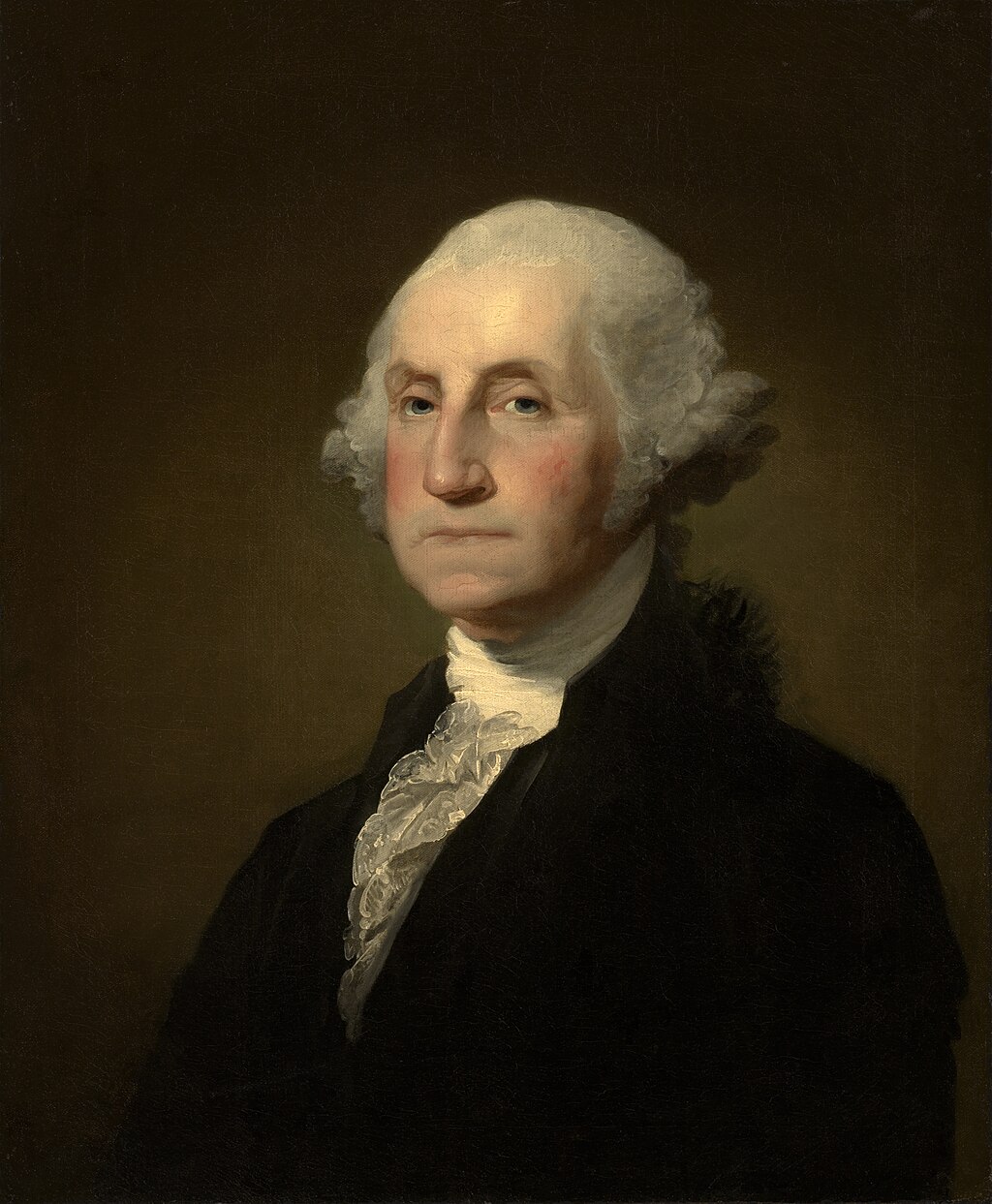
Washington’s legacy as the commander of the Continental Army prepared him to become the first president of the United States. His leadership style emphasized unity and moderation, qualities that helped guide a fragile new nation. Washington resisted the temptation of lifelong power, choosing instead to set the precedent for peaceful transitions. His military discipline became a cornerstone of his political vision for a balanced republic.
2. Andrew Jackson
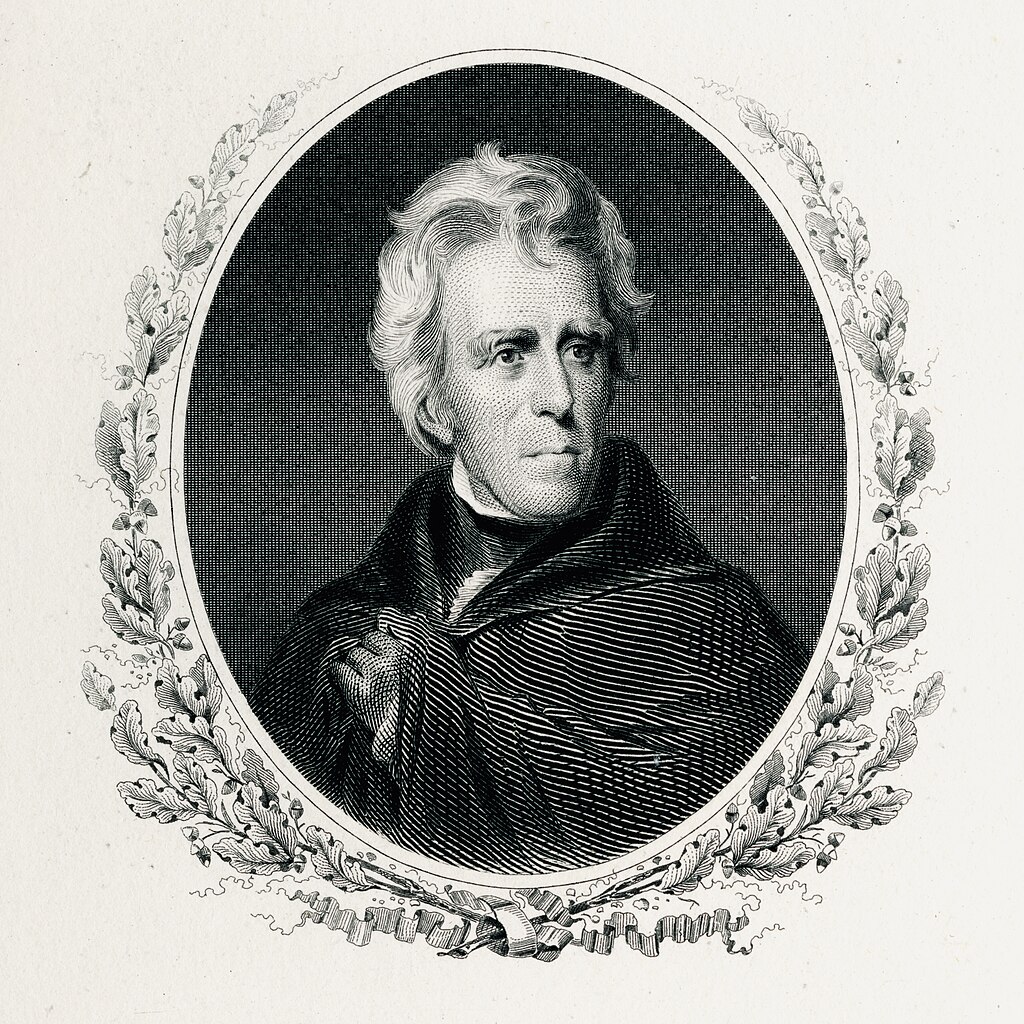
Jackson’s reputation as a tough general from the War of 1812, especially at the Battle of New Orleans, fueled his rise to the presidency. His rugged image appealed to everyday Americans, who saw him as a defender of the people against elites. Though his policies remain controversial, his military background gave him credibility as a fighter for national honor. He carried the aura of a soldier into the highest political office.
3. Ulysses S. Grant
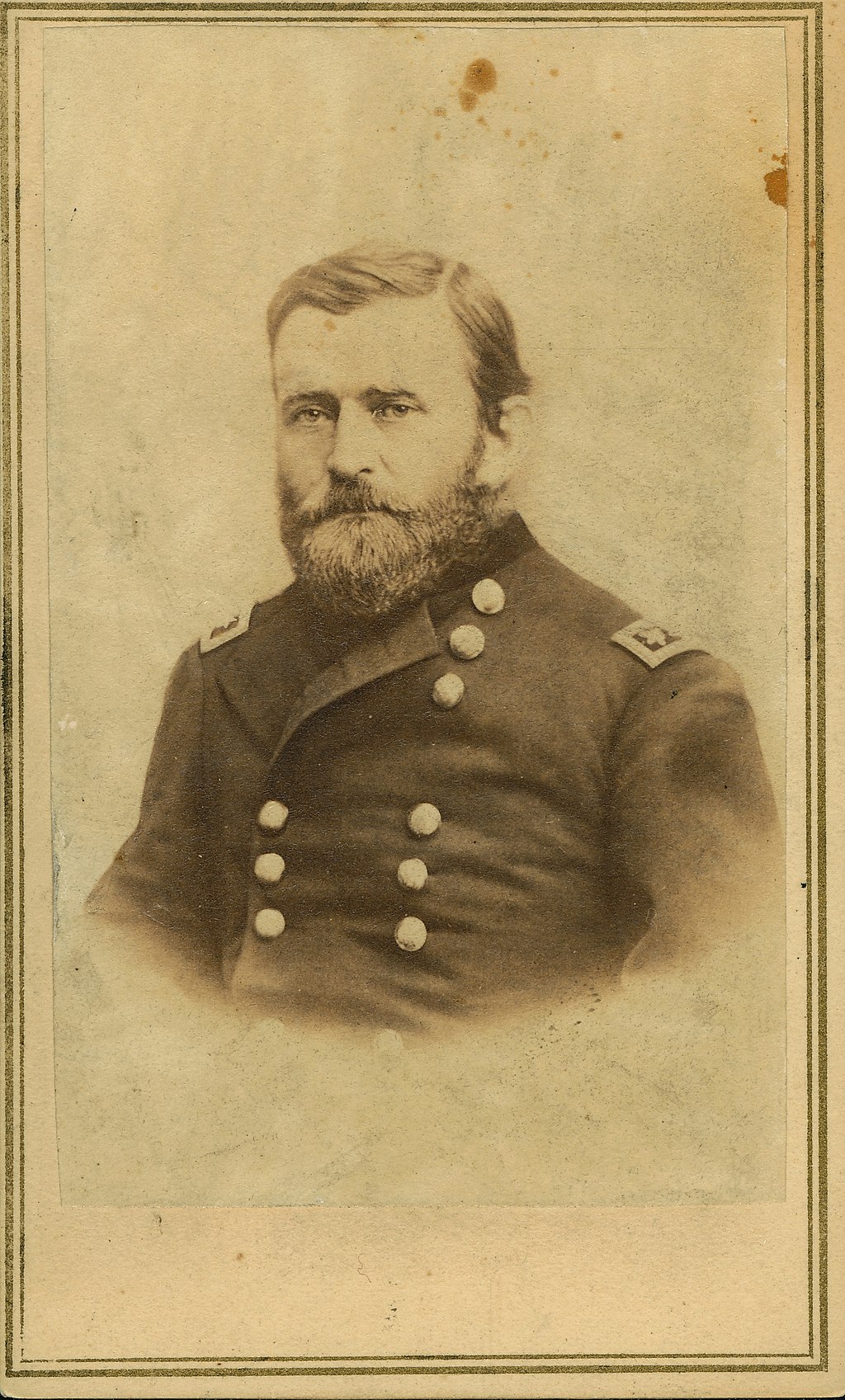
Grant’s victory as Union general in the Civil War catapulted him into the presidency during Reconstruction. He was celebrated for preserving the Union and defeating slavery, achievements that carried immense moral weight. As president, Grant fought corruption and championed civil rights for freed slaves, even when unpopular. His statesmanship reflected the same determination he had shown on the battlefield.
4. Theodore Roosevelt
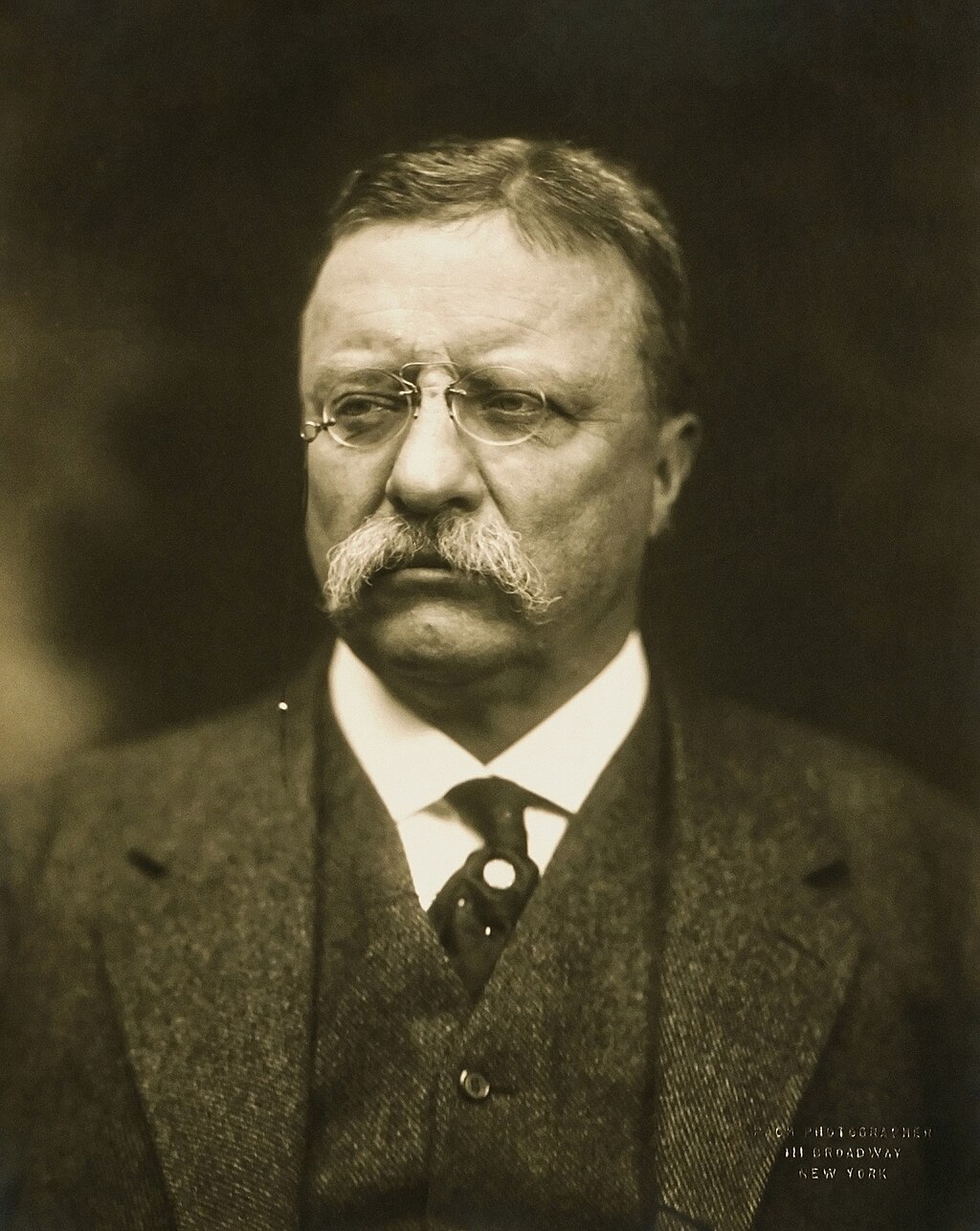
Roosevelt’s charge with the Rough Riders during the Spanish-American War turned him into a national hero. That image of fearless leadership propelled him to the governorship of New York and then the presidency. As commander-in-chief, he carried his military vigor into progressive reforms, conservation efforts, and a robust foreign policy. His blend of soldierly toughness and political vision reshaped the role of the presidency itself.
5. Dwight D. Eisenhower
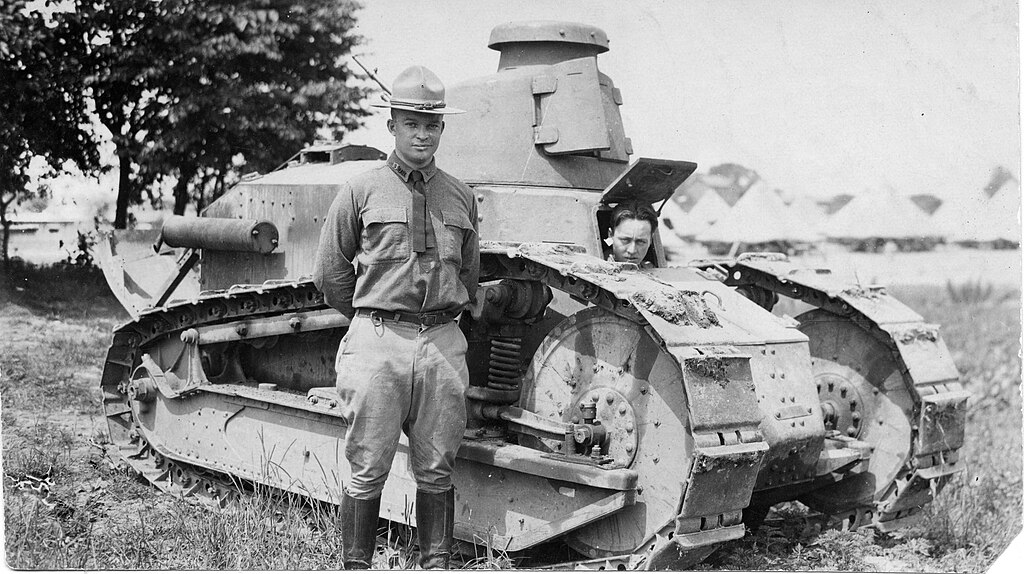
Eisenhower’s role as Supreme Allied Commander in World War II gave him unparalleled leadership experience. His calm and steady hand reassured Americans during the Cold War, guiding policy with measured strength. As president, he balanced military readiness with warnings about the dangers of unchecked defense spending. His ability to lead both in war and peace made him one of the most trusted figures of his era.
6. John F. Kennedy
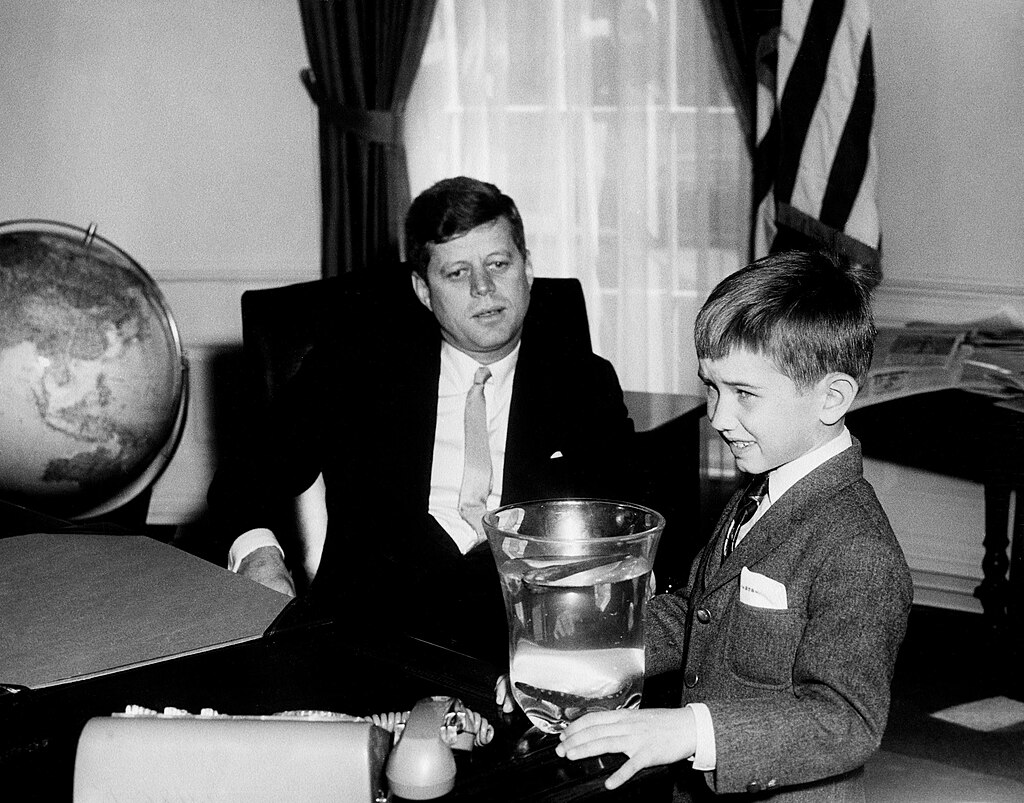
Kennedy’s heroism as a Navy lieutenant in World War II, where he saved crewmates after their boat was sunk, shaped his image as a courageous leader. That military record gave him credibility during tense Cold War moments like the Cuban Missile Crisis. His service also inspired his commitment to public duty, urging Americans to ask what they could do for their country. Kennedy’s statesmanship carried the spirit of sacrifice he learned at sea.
7. Lyndon B. Johnson
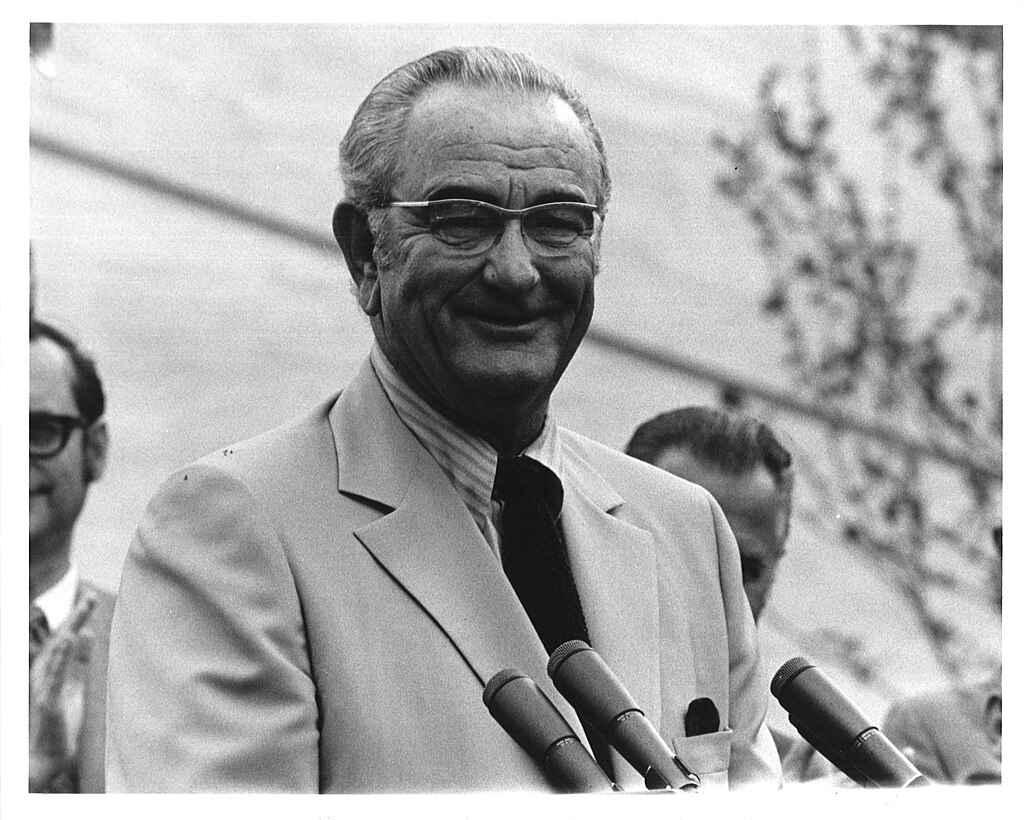
Johnson served briefly in the Navy during World War II, an experience that deepened his sense of responsibility to the nation. His presidency was defined by ambitious domestic policies, including the Civil Rights Act and Medicare. While Vietnam overshadowed much of his legacy, his veteran status reinforced his authority as a leader in turbulent times. He combined his military perspective with a bold vision for social progress at home.
8. Richard Nixon
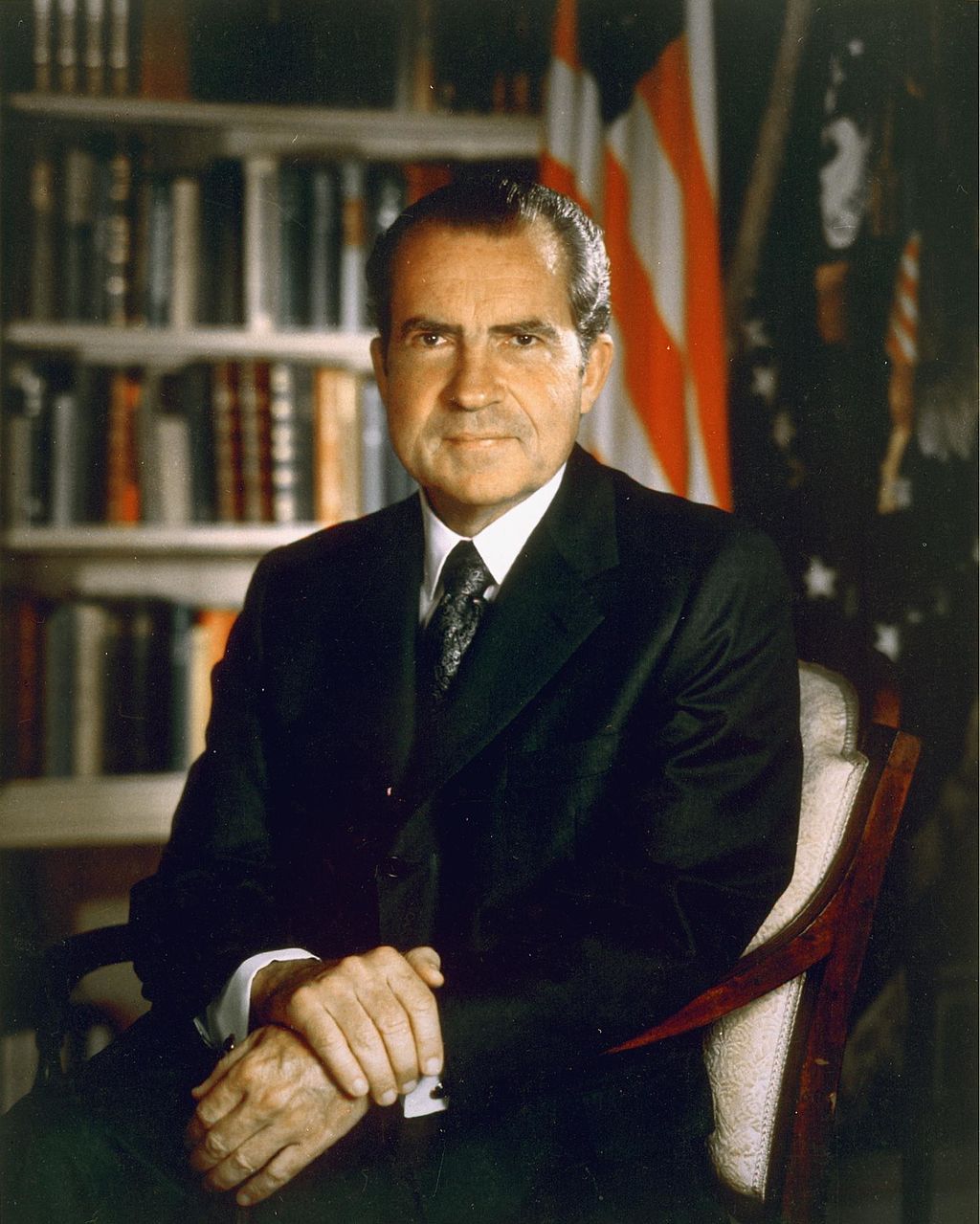
Nixon’s Navy service in the Pacific during World War II added to his image as a disciplined and hardworking leader. His career later saw both triumphs and scandals, but his military background grounded his political identity. He negotiated significant foreign policy breakthroughs, including opening relations with China. Nixon’s service instilled a strategic mindset that shaped his approach to global statesmanship.
9. Gerald Ford
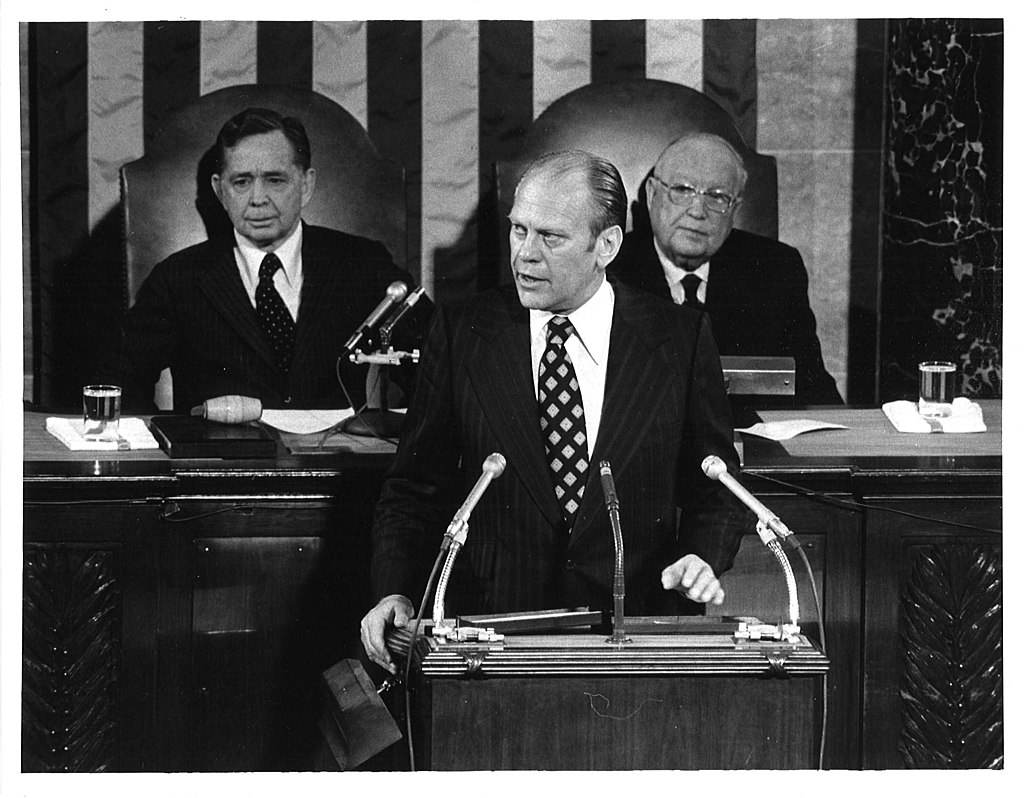
Ford served with distinction in the Navy during World War II, surviving dangerous missions in the Pacific. That service shaped his straightforward and honest persona, qualities he carried into politics. As president after Watergate, he sought to restore trust in government by leading with integrity. His calm leadership reflected the resilience and duty he had embraced as a veteran officer.
10. Jimmy Carter
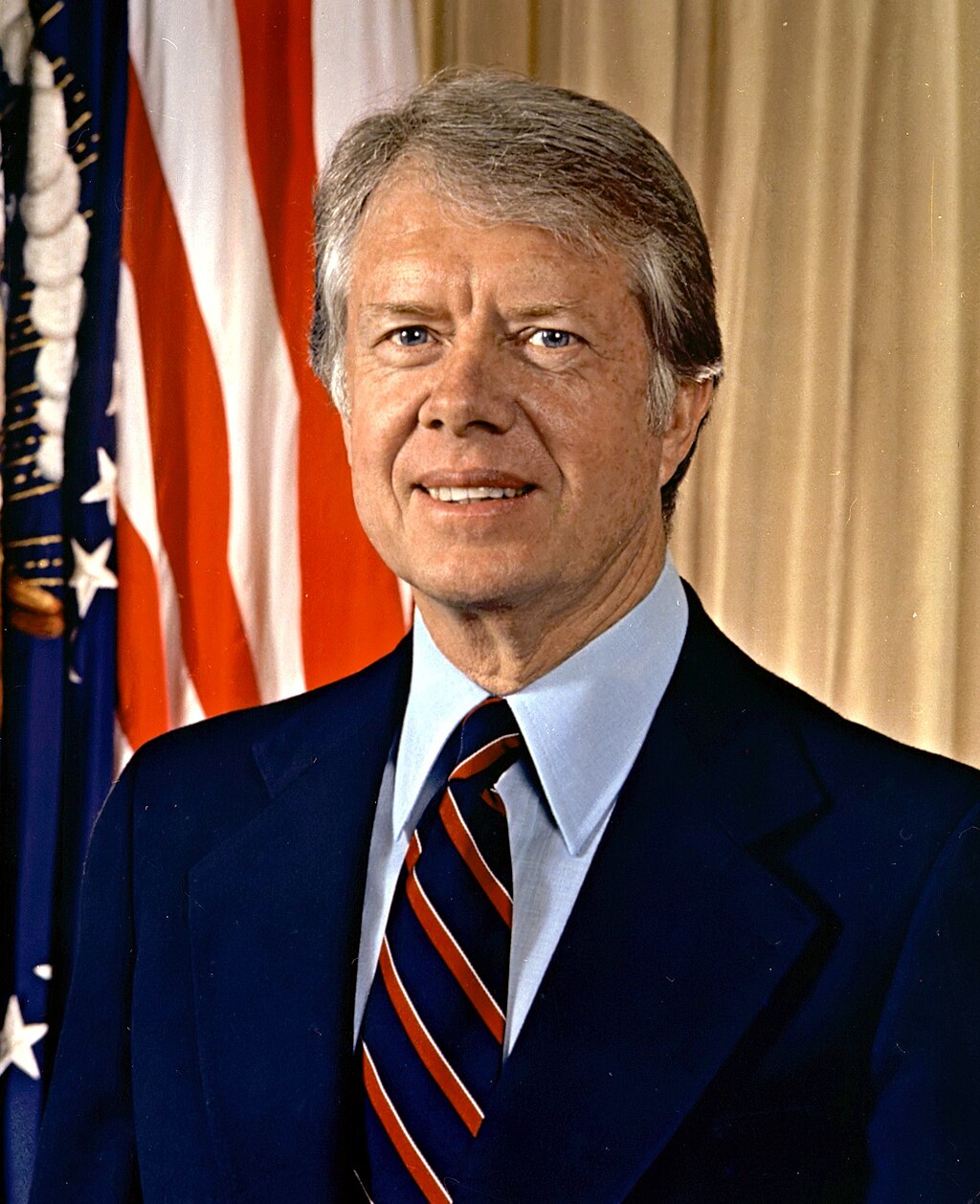
Carter’s naval career under Admiral Hyman Rickover gave him valuable training in discipline and nuclear engineering. His service taught him humility and responsibility, traits that later shaped his approach as president. Known for diplomacy and human rights advocacy, Carter often credited his naval years with preparing him for complex challenges. His statesmanship showed that military service could foster compassion alongside toughness.
11. George H. W. Bush
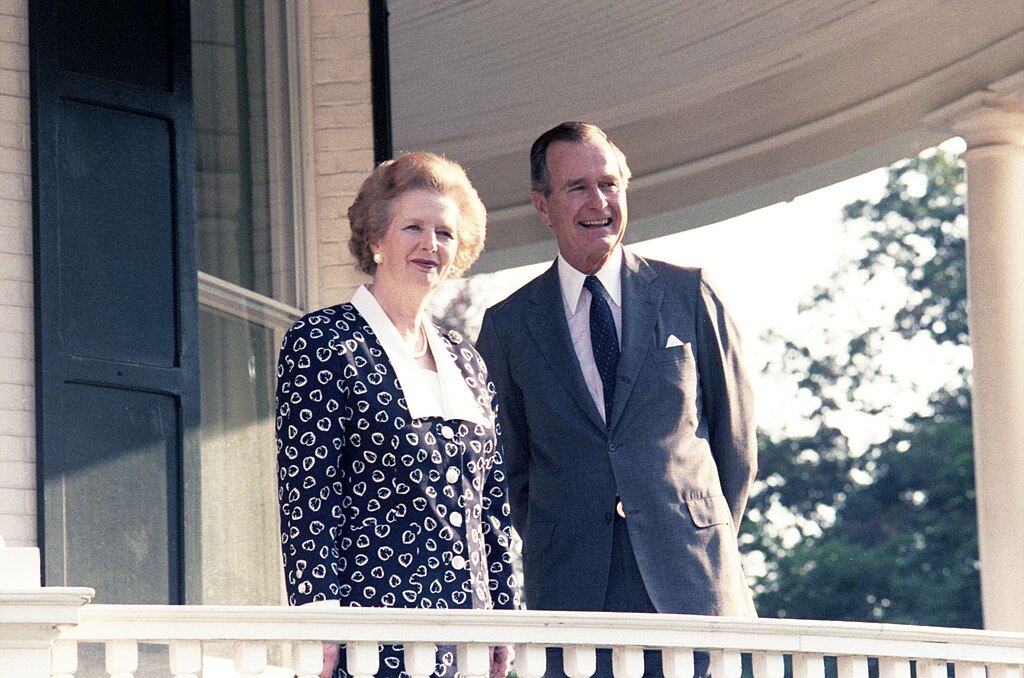
Bush was one of the youngest Navy pilots in World War II, earning distinction for his courage after being shot down in combat. His sense of service carried him through a long political career that culminated in the presidency. Bush emphasized coalition-building, as seen in the Gulf War, reflecting teamwork learned in the military. His quiet confidence made him a respected statesman both at home and abroad.
12. Bob Dole
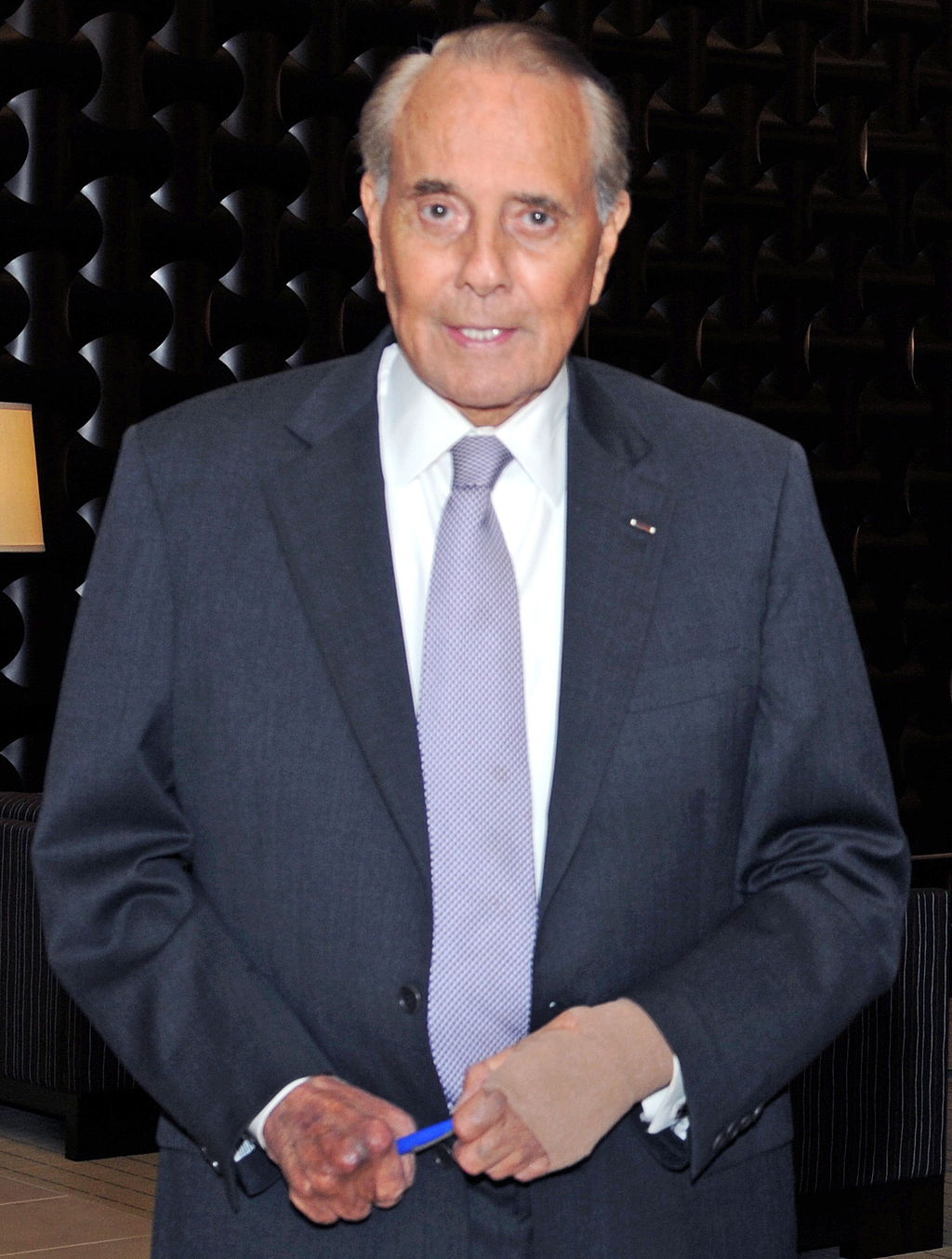
Dole was gravely wounded in World War II, an injury that left him with lasting disabilities. His resilience became a symbol of determination, inspiring decades of public service in Congress. As a senator and presidential candidate, he brought humor and grit shaped by his military recovery. Dole’s statesmanship was marked by bipartisanship and loyalty to country, qualities forged in his wartime sacrifice.
13. John McCain
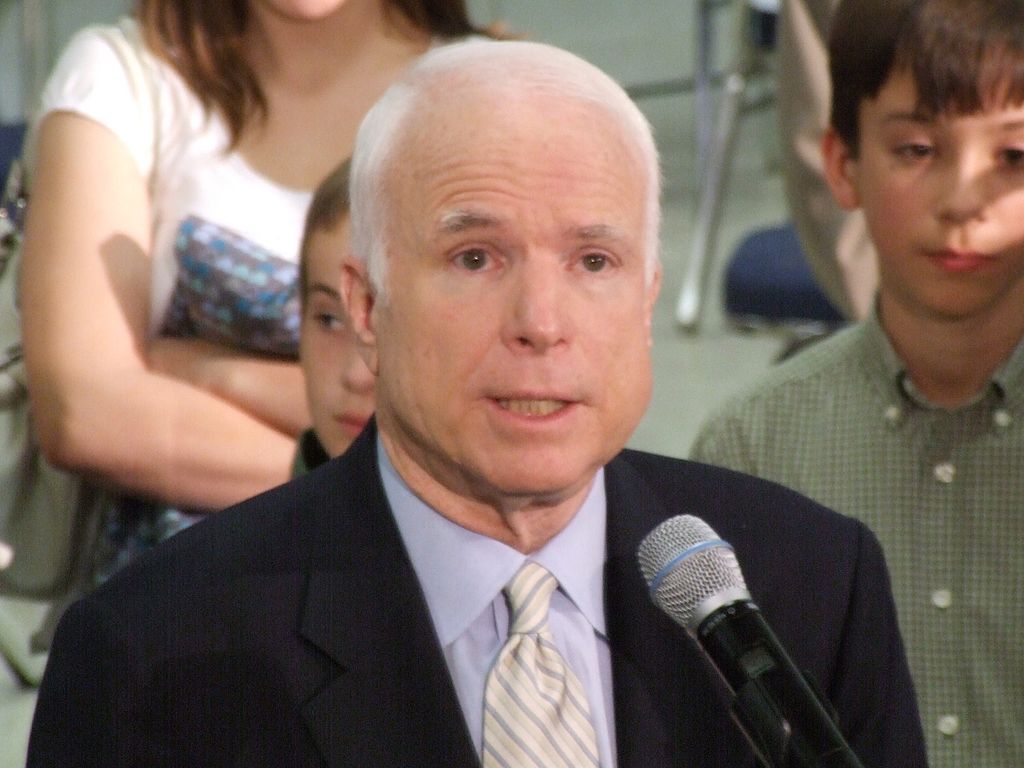
McCain’s story as a Navy pilot and prisoner of war in Vietnam defined his reputation as a man of courage and principle. Despite years of brutal captivity, he emerged with an unshakable sense of duty. In the Senate, he was known for straight talk, independence, and commitment to service above politics. McCain’s statesmanship reflected the resilience of a soldier who refused to break under pressure.
14. Tammy Duckworth
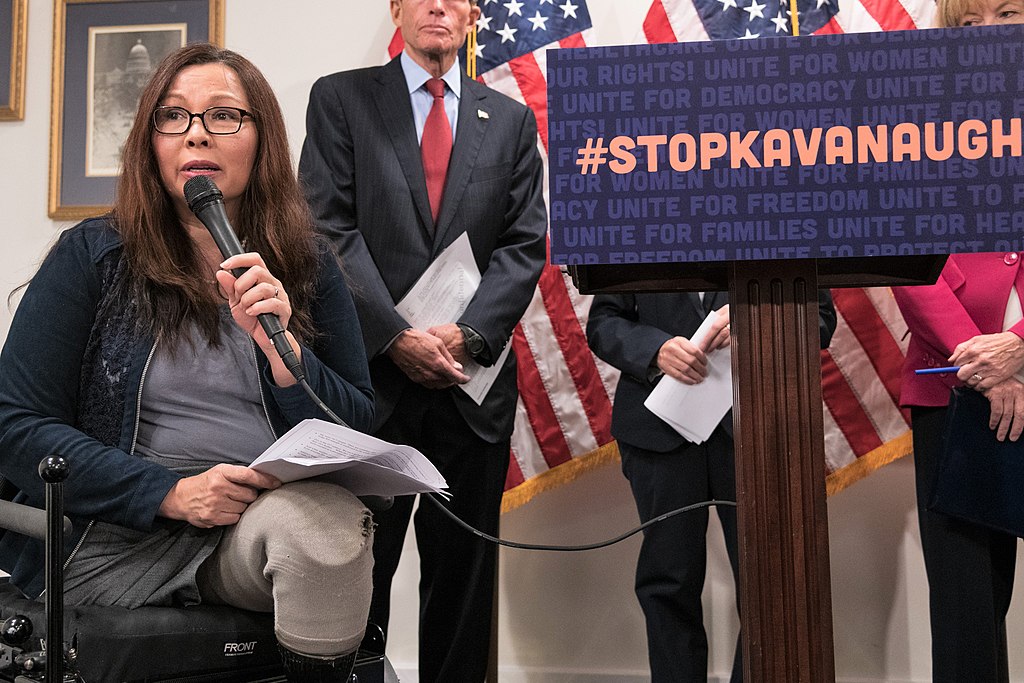
Duckworth, an Iraq War veteran and helicopter pilot, lost both legs in combat but continued to serve in public life. Her sacrifice gave her a powerful voice on veterans’ issues and disability rights in Congress. She brings firsthand experience to debates on military and foreign policy, grounding discussions in real sacrifice. Duckworth’s leadership shows how courage on the battlefield translates into advocacy in government.
15. Dan Crenshaw
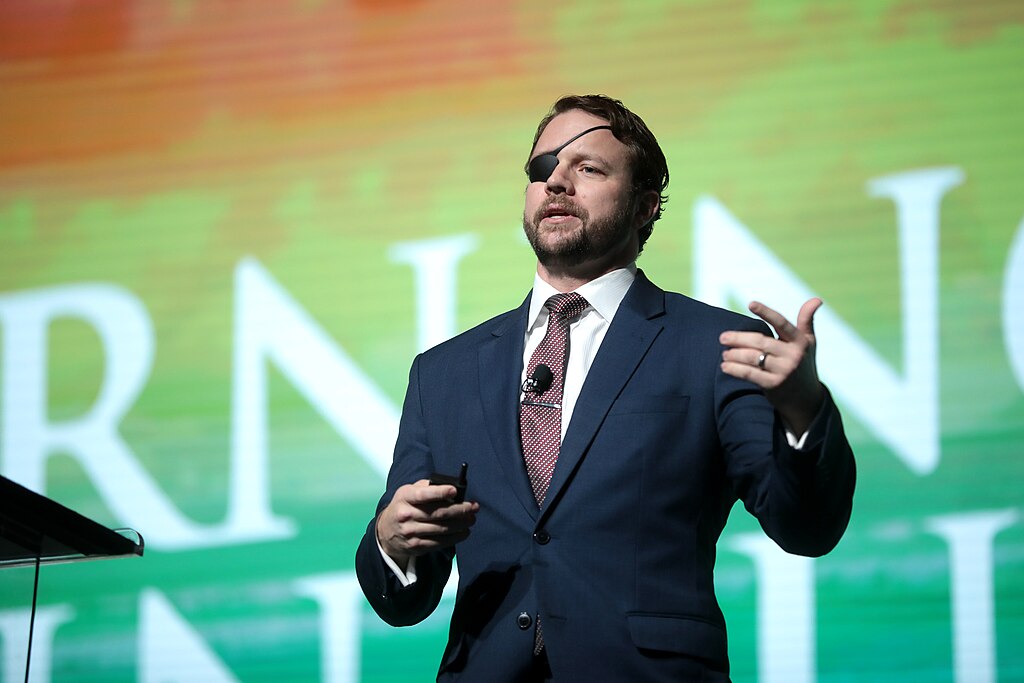
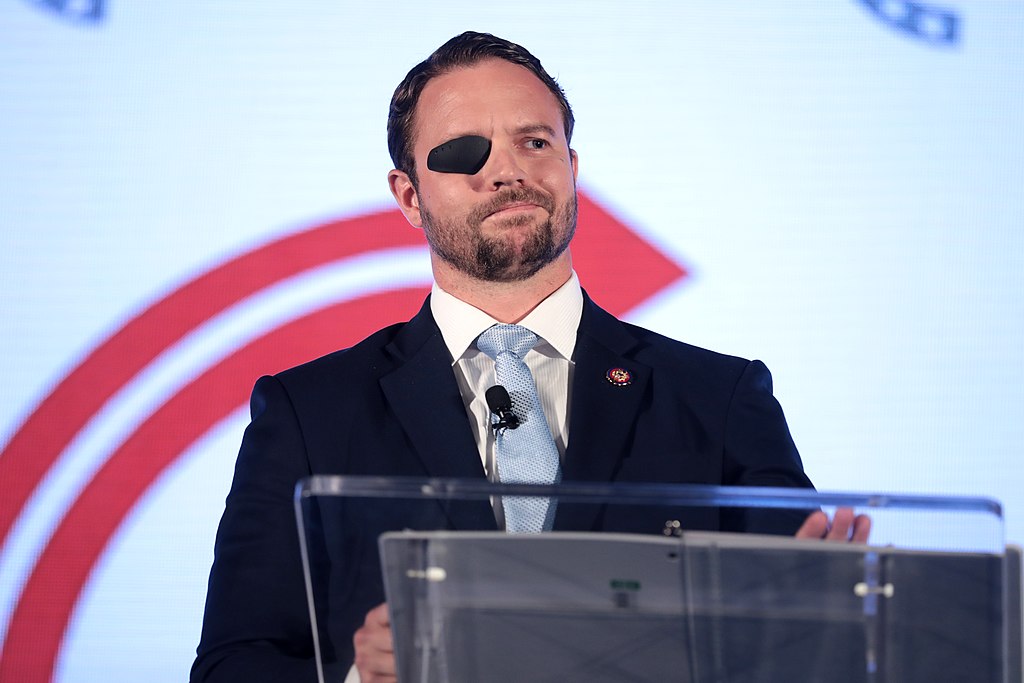
Crenshaw, a former Navy SEAL, lost an eye in Afghanistan but transformed adversity into political momentum. His military service gave him credibility as a voice on security and veterans’ issues in Congress. Known for resilience and directness, he connects with voters through a combination of toughness and candor. Crenshaw’s path shows how younger veterans continue to carry their service into modern statesmanship.
From Washington to Duckworth, veterans have proven that service in uniform can prepare leaders for service in government. Their stories highlight resilience, responsibility, and an enduring commitment to the nation. Statesmanship, at its best, is the continuation of duty learned on the battlefield.