Since the early years of the republic, the training grounds of the U.S. military have played a profound role in shaping the discipline, tactics and resilience of America’s armed forces. Across deserts, forests, mountains and coastal ranges, each base and training area presents unique challenges and environments designed to test and prepare soldiers for the realities of conflict. In this article, we explore fifteen iconic U.S. military training grounds where America’s toughest warriors have been forged.
The U.S. Army’s Fort Benning, Georgia
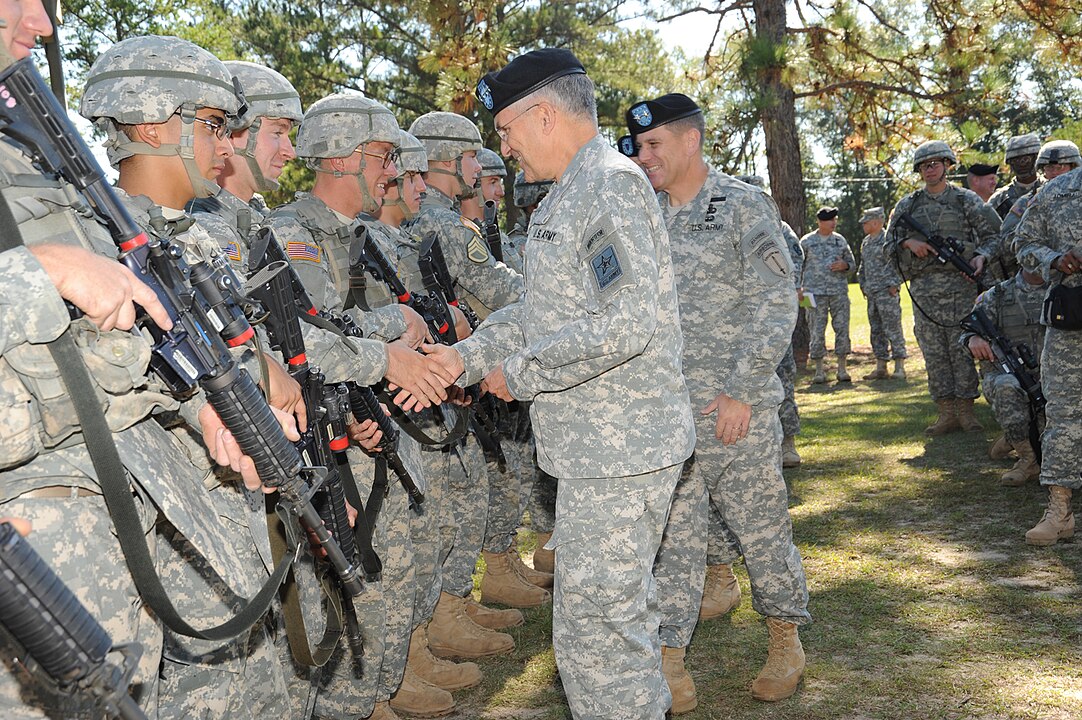
Located in Georgia, Fort Benning has long been the heart of the U.S. Army’s Infantry and Airborne training programs. Recruits and special operations candidates train here in physically demanding courses that emphasize marksmanship, close combat, parachute insertion, and endurance. The base’s varied terrain and rigorous schedules make it one of the most respected training grounds in Army history. Fort Benning remains a cornerstone for preparing America’s infantry for any challenge.
The U.S. Marine Corps’ Parris Island, South Carolina
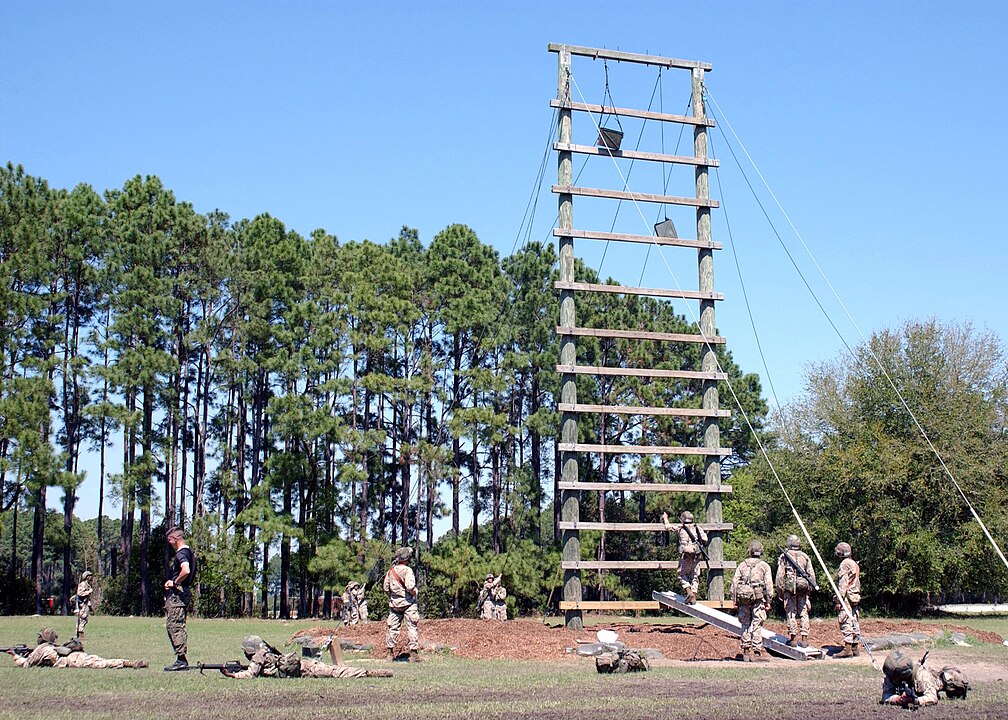
Situated on a barrier island in South Carolina, Parris Island is legendary for its intense Recruit Training Regiment. Over a thirteen-week transformation, civilians are molded into Marines through pool exercises, obstacle courses, rifle marksmanship, and combat conditioning. The island’s harsh environment, sand, surf, and heat, builds resilience, discipline, and teamwork. Parris Island continues to embody the U.S. Marine Corps’ unyielding warrior ethos.
The U.S. Army’s Joint Readiness Training Center, Fort Polk, Louisiana
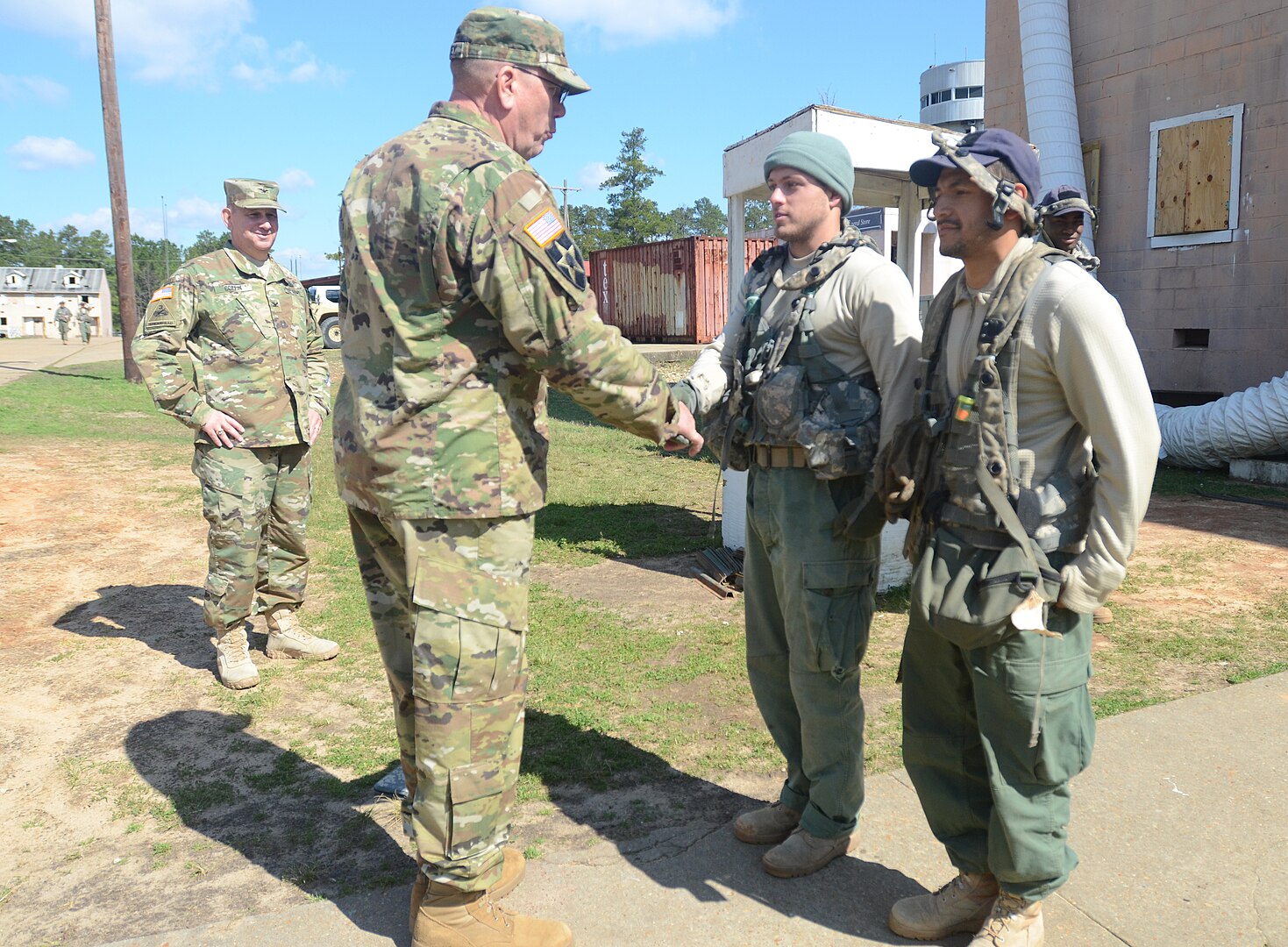
At Fort Polk, Louisiana, the Joint Readiness Training Center (JRTC) immerses soldiers in realistic combat conditions. Units face live-field exercises simulating dense terrain, jungles, and urban warfare over months-long rotations. The emphasis on fatigue, night operations, and chaos creates a realistic test of leadership, logistics, and morale. Soldiers leaving Fort Polk emerge more cohesive, battle-ready, and prepared for modern warfare’s unpredictability.
The U.S. Air Force’s Nellis Air Force Base, Nevada
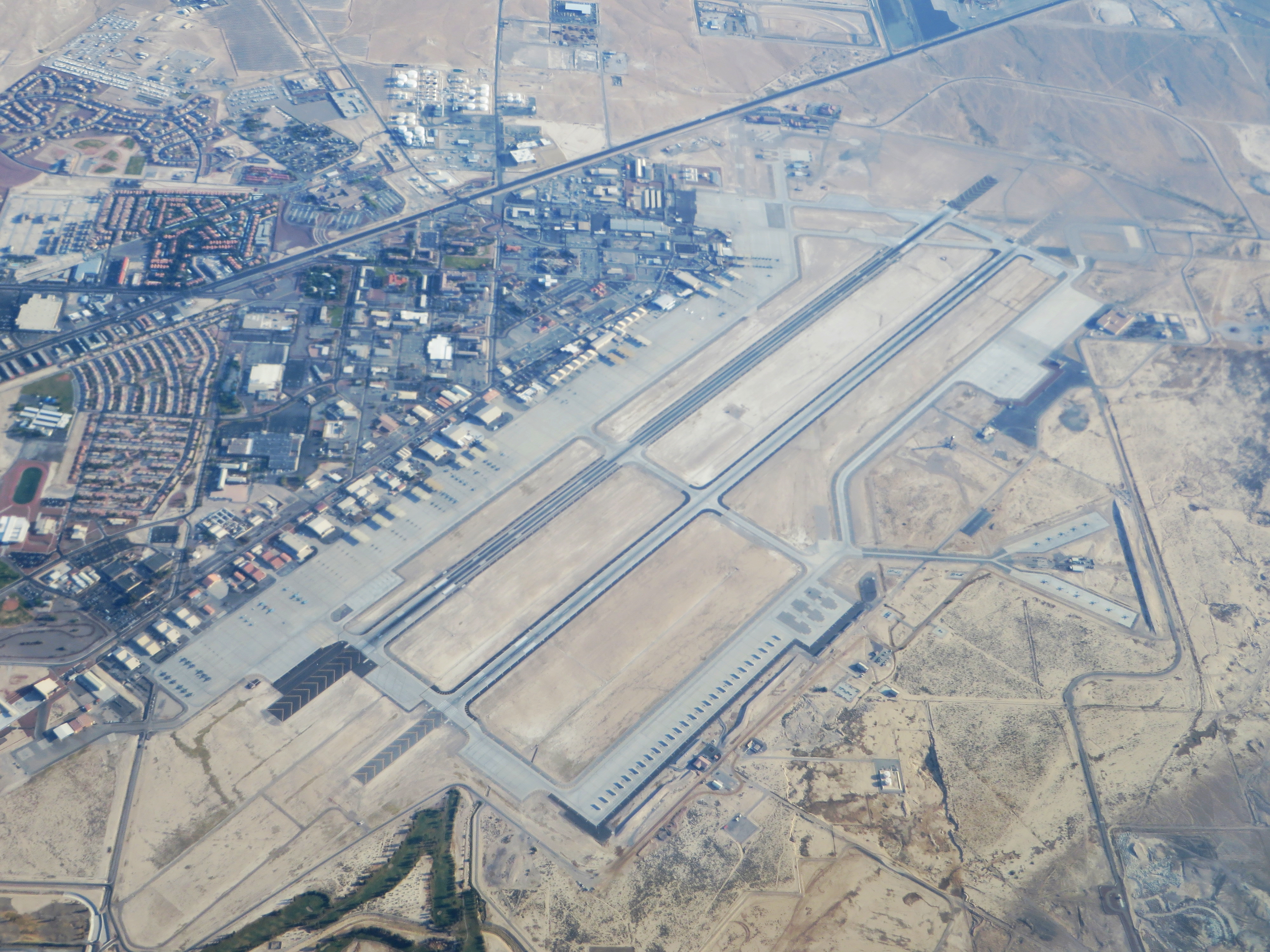
In the Nevada desert, Nellis Air Force Base is home to some of the world’s most advanced air combat training. The renowned “Red Flag” exercises bring pilots, ground crews, and support units together in simulated war scenarios that push both technology and endurance. The desert’s heat and intensity forge resilience, teamwork, and tactical mastery. Nellis remains central to U.S. and allied air readiness across the globe.
The U.S. Navy’s Special Warfare Center, Coronado, California
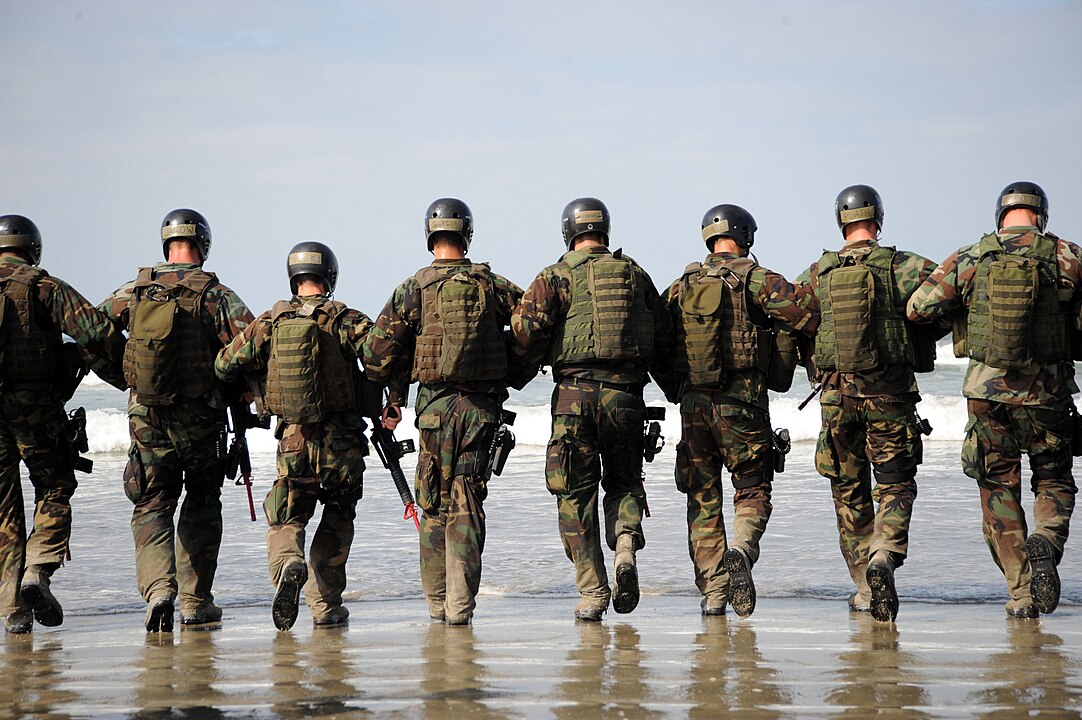
Located near San Diego, Coronado’s Naval Special Warfare Center is where Navy SEALs are born. Trainees endure extreme conditioning, cold-water swims, beach runs, obstacle courses, and survival challenges, testing both mental toughness and physical endurance. Each evolution pushes candidates to their limits, forging elite warriors capable of operating in any environment. Coronado’s legacy continues through decades of successful SEAL operations worldwide.
The U.S. Coast Guard’s Training Center Cape May, New Jersey
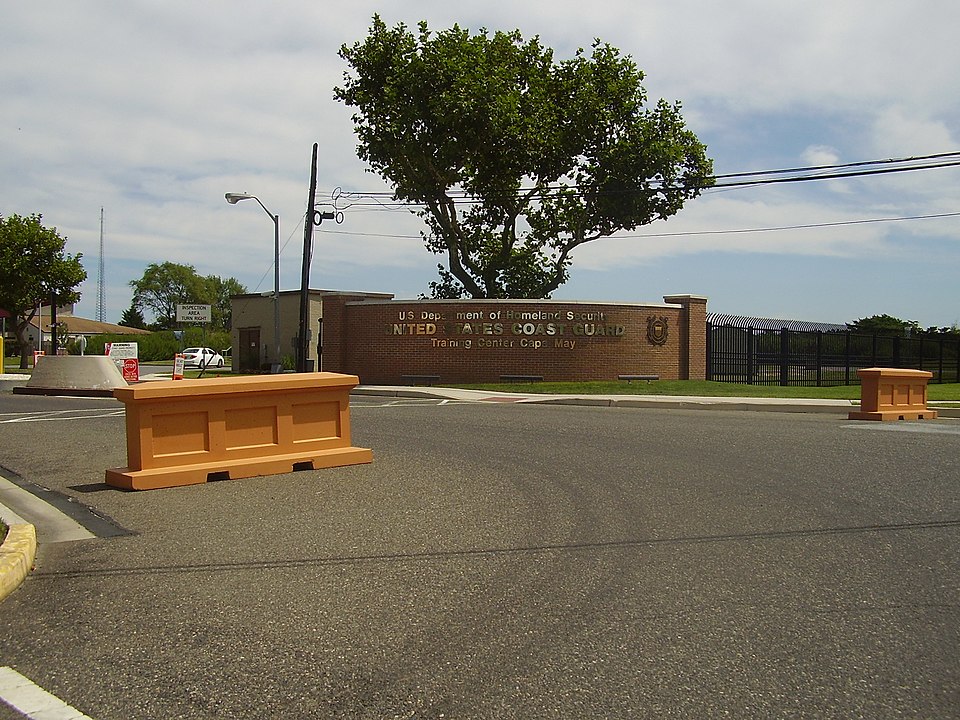
Cape May, New Jersey, is home to the U.S. Coast Guard’s rigorous recruit training. Though lesser-known, it is among the most demanding military boot camps in the nation. Recruits face ocean-driven conditioning, cold Atlantic waters, seamanship drills, and survival exercises. Training emphasizes shipboard readiness and search-and-rescue operations under pressure, preparing recruits for the maritime challenges that define the Coast Guard’s mission.
The U.S. Army’s Fort Bragg, North Carolina
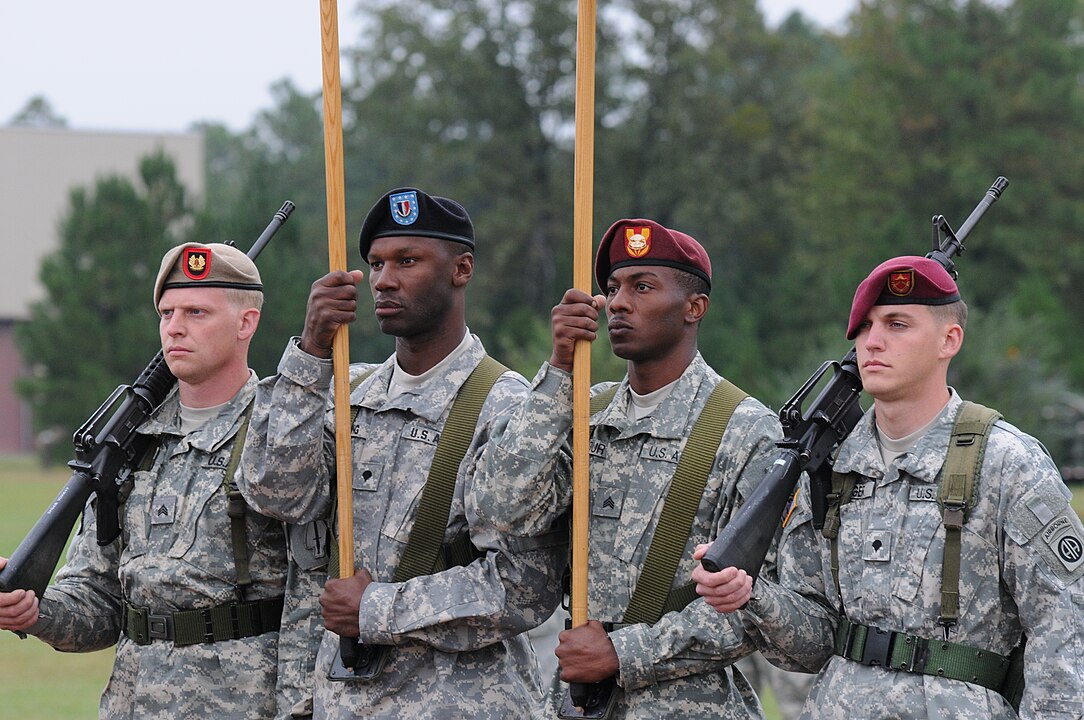
Fort Bragg stands as a symbol of airborne and special forces excellence, housing the elite 82nd Airborne Division. Soldiers train in parachute operations, air insertions, and rapid deployment missions under extreme conditions. The culture of readiness and precision makes Fort Bragg one of the most dynamic military installations in the world. Troops trained here are always mission-ready for global deployment.
The U.S. Marine Corps’ Mountain Warfare Training Center, Bridgeport, California
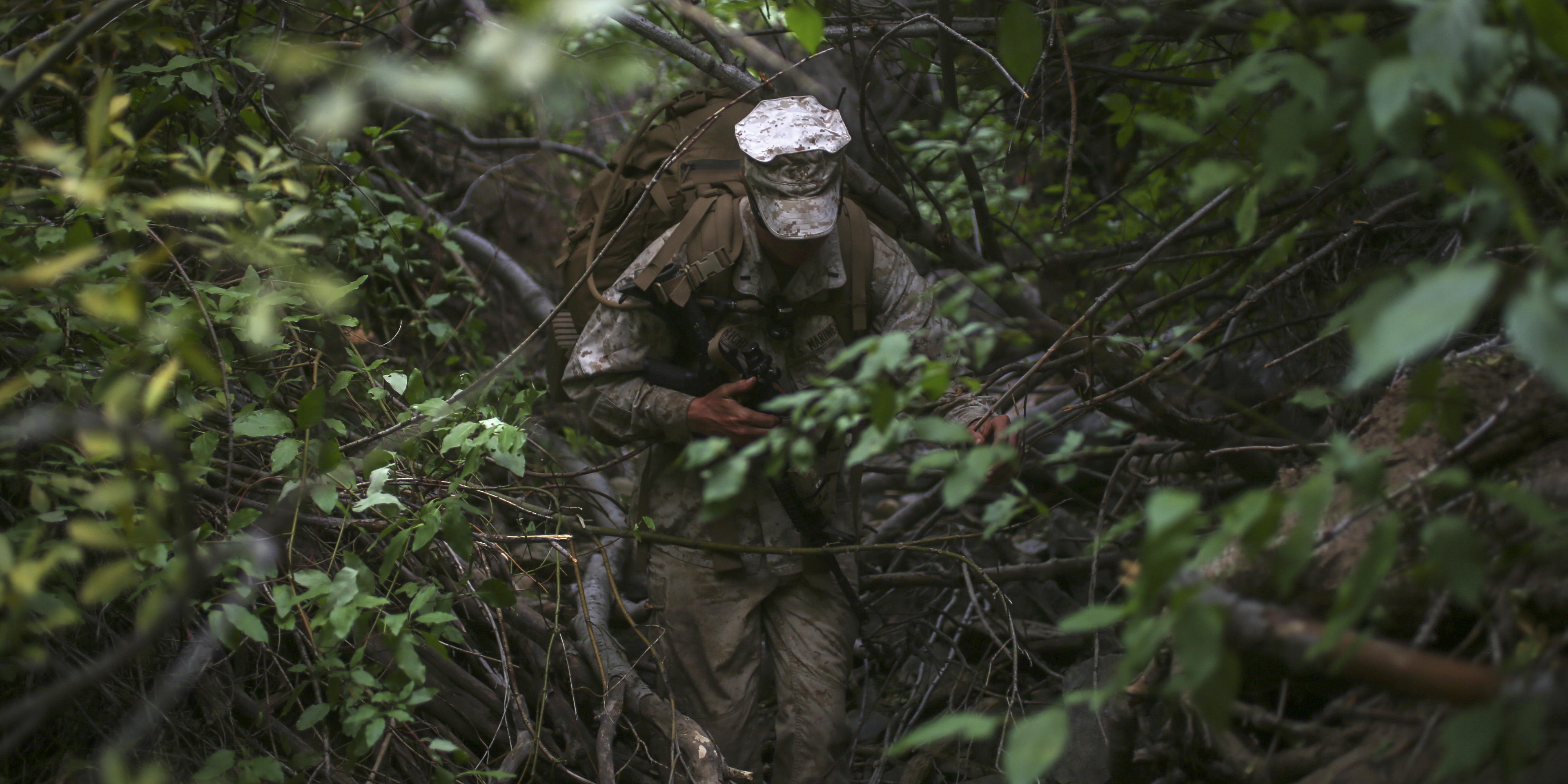
High in the Sierra Nevada mountains, Marines at Bridgeport’s Mountain Warfare Training Center learn to master cold-weather, alpine, and high-altitude combat. Training focuses on endurance, acclimation, mountaineering, and survival in snow and ice. The thin air and treacherous terrain make this one of the most physically demanding programs in the military. Graduates gain the confidence to operate in the harshest environments on Earth.
The U.S. Army’s National Training Center, Fort Irwin, California
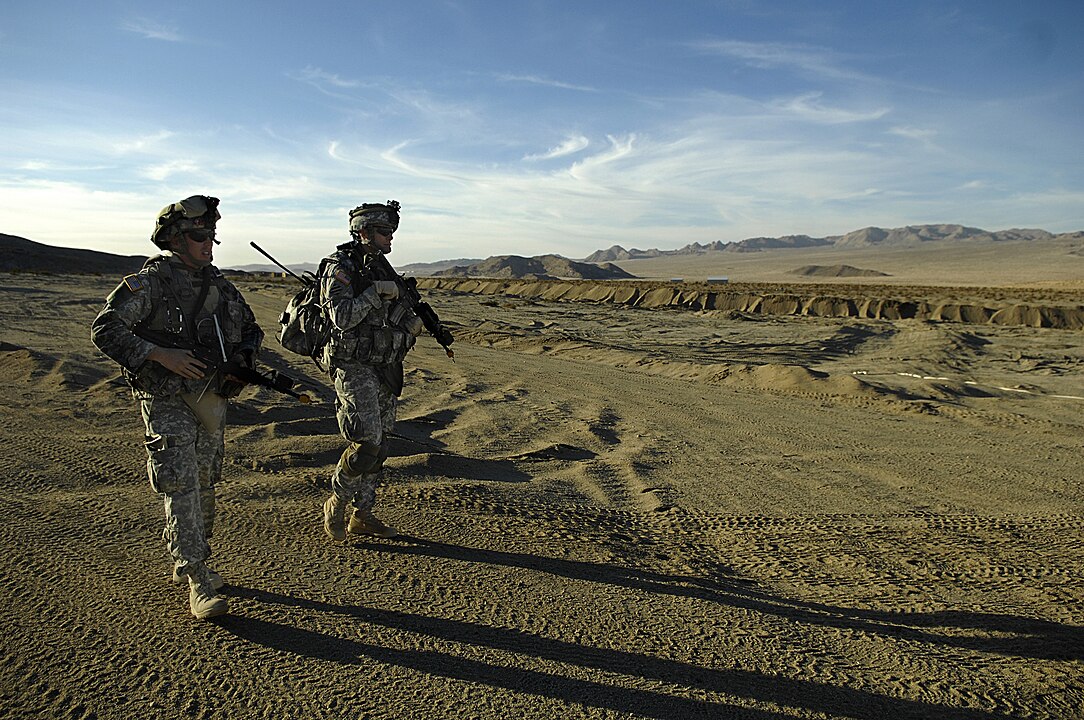
Set in the Mojave Desert, Fort Irwin’s National Training Center (NTC) is the Army’s premier large-scale combat simulation facility. Here, entire brigades engage in mock battles against opposing forces in desert villages and rugged terrain. Soldiers face heat, dust, and fatigue while perfecting tactics and coordination. Fort Irwin is often called the gold standard of readiness, where real warriors are forged through sweat and strategy.
The U.S. Air Force’s Eglin Air Force Base, Florida
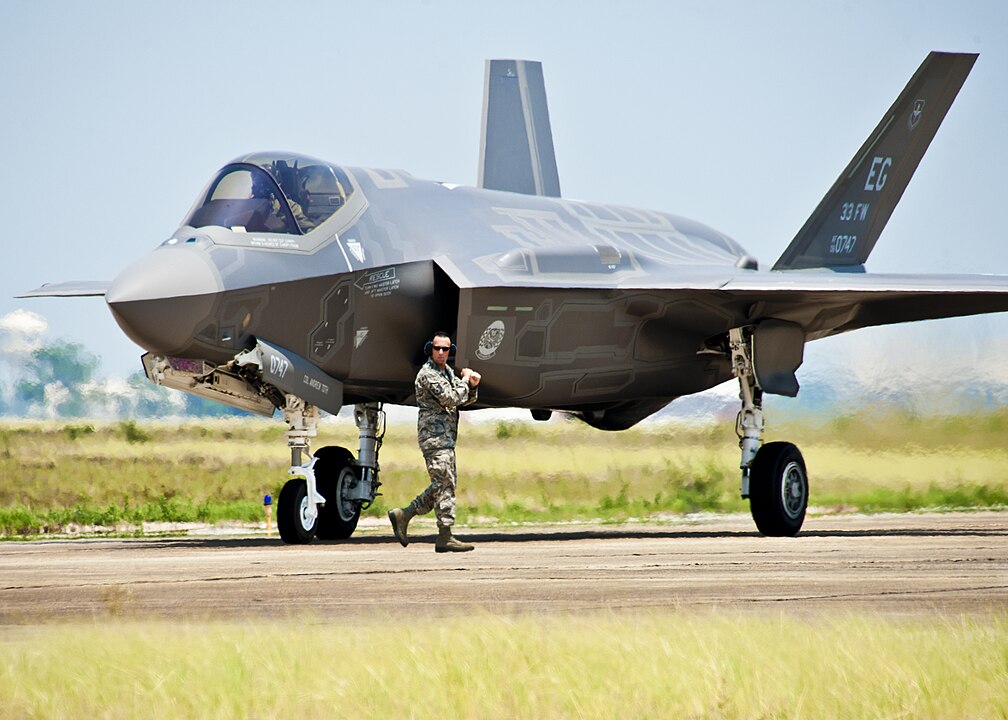
Eglin Air Force Base spans a massive training range in the Florida Panhandle. It supports bombing runs, live-fire testing, and joint exercises under the humid coastal climate. The base’s diversity of terrain, from forest to shoreline, mimics real-world challenges faced by pilots and ground crews. Eglin’s role in integrated air operations ensures that U.S. air power remains agile and adaptive.
The U.S. Army’s Camp Mackall, North Carolina
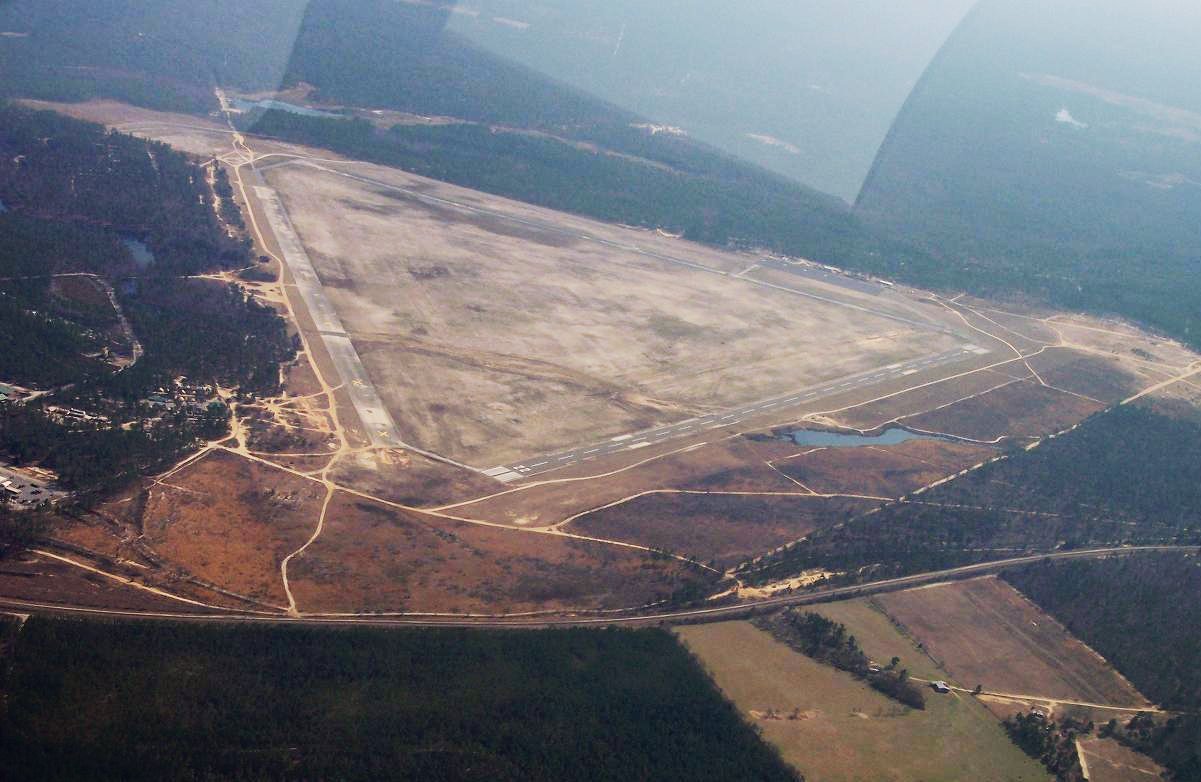
Adjacent to Fort Bragg, Camp Mackall is home to the John F. Kennedy Special Warfare Center and School’s training grounds. Known for its swampy, rugged terrain, Camp Mackall tests special forces candidates through land navigation, water crossings, and airborne operations. The conditions are punishing, designed to test endurance and decision-making under stress. Graduates emerge as some of the most capable and resilient soldiers in the world.
The U.S. Marine Corps’ Camp Lejeune, North Carolina
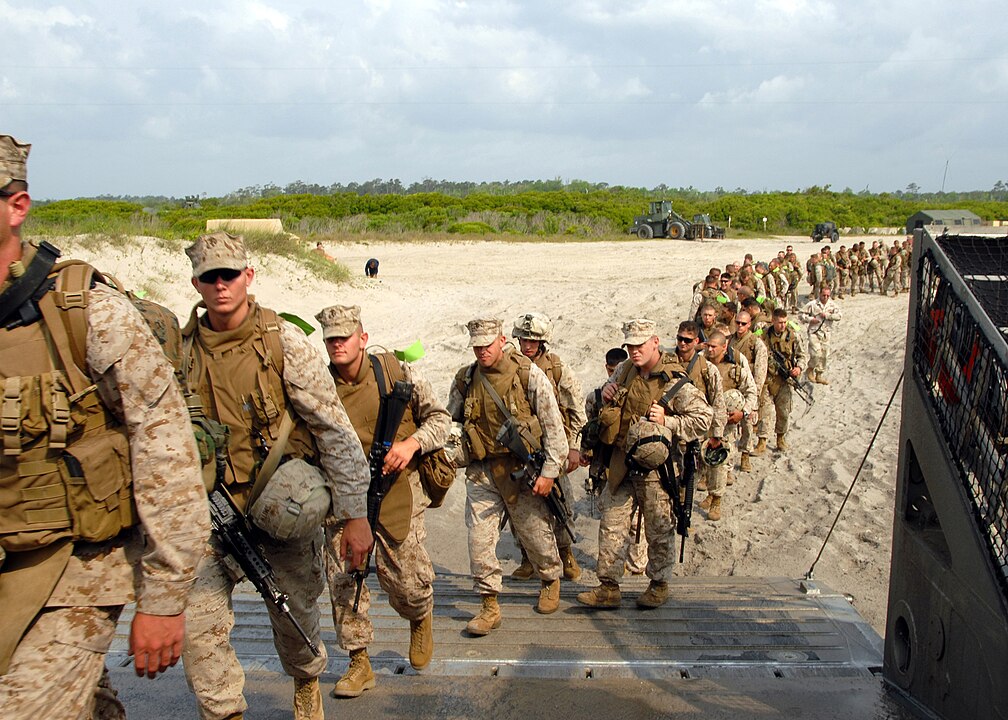
Camp Lejeune is the Marine Corps’ hub for amphibious operations. Its vast coastal area allows for beach landings, amphibious assaults, and combined arms training alongside naval units. The mix of sand, surf, and dense forest creates dynamic, realistic challenges. Marines who train here gain expertise in multi-domain warfare, ready to transition seamlessly between land and sea.
The U.S. Navy’s Naval Station Pearl Harbor, Hawaii
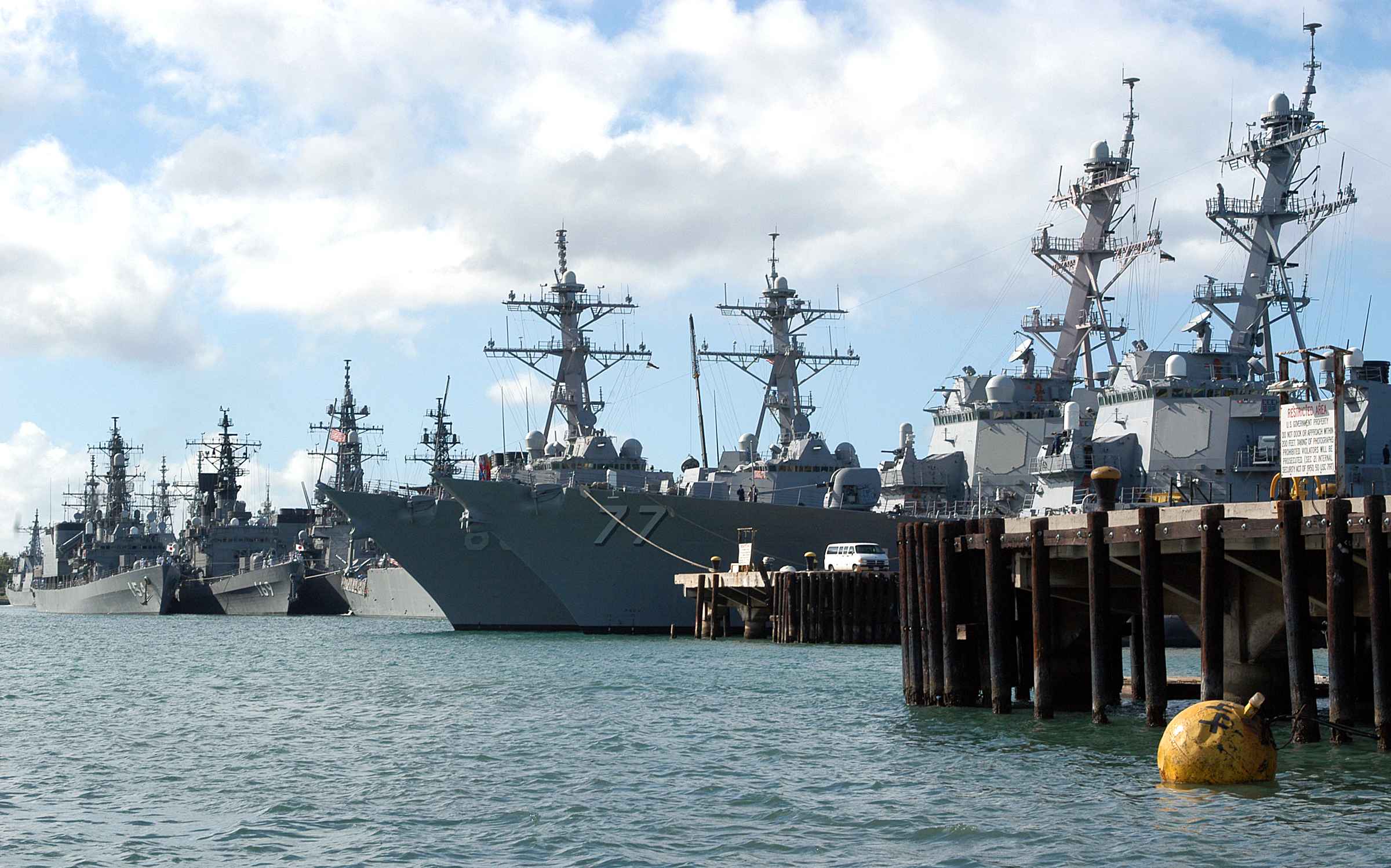
Beyond its historic legacy, Pearl Harbor remains a vital training center for U.S. naval operations in the Pacific. Sailors train in diving, ship maintenance, and island-based logistics to prepare for operations across the world’s largest ocean. The tropical climate and remote geography present unique logistical and endurance challenges. Pearl Harbor’s training ensures that naval readiness remains strong in the Pacific theater.
The U.S. Army’s Joint Base Elmendorf-Richardson, Alaska
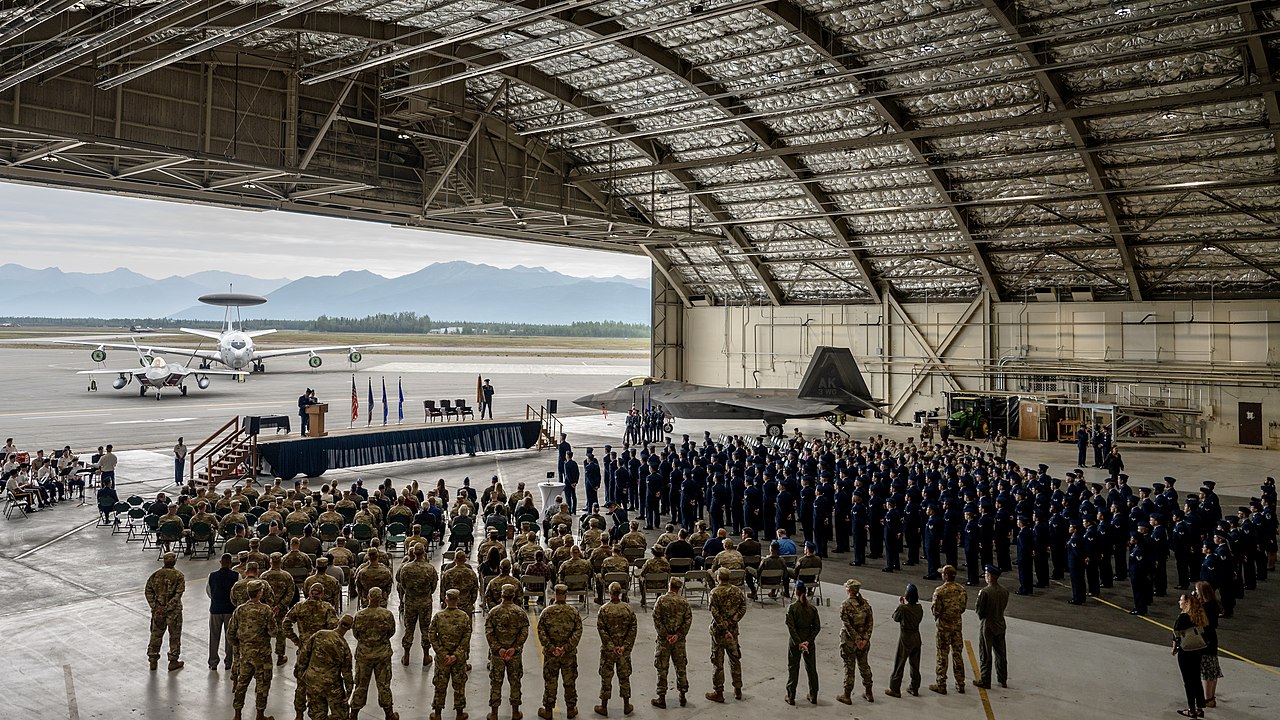
Alaska’s Joint Base Elmendorf-Richardson offers training in extreme cold-weather and arctic conditions. Soldiers practice winter survival, mountaineering, and mobility in snow-covered terrain. The isolation and severe weather test both physical stamina and mental resilience. Units trained here develop unmatched readiness for missions in sub-zero environments and remote operations.
The U.S. Marine Corps’ Air Ground Combat Center, Twentynine Palms, California
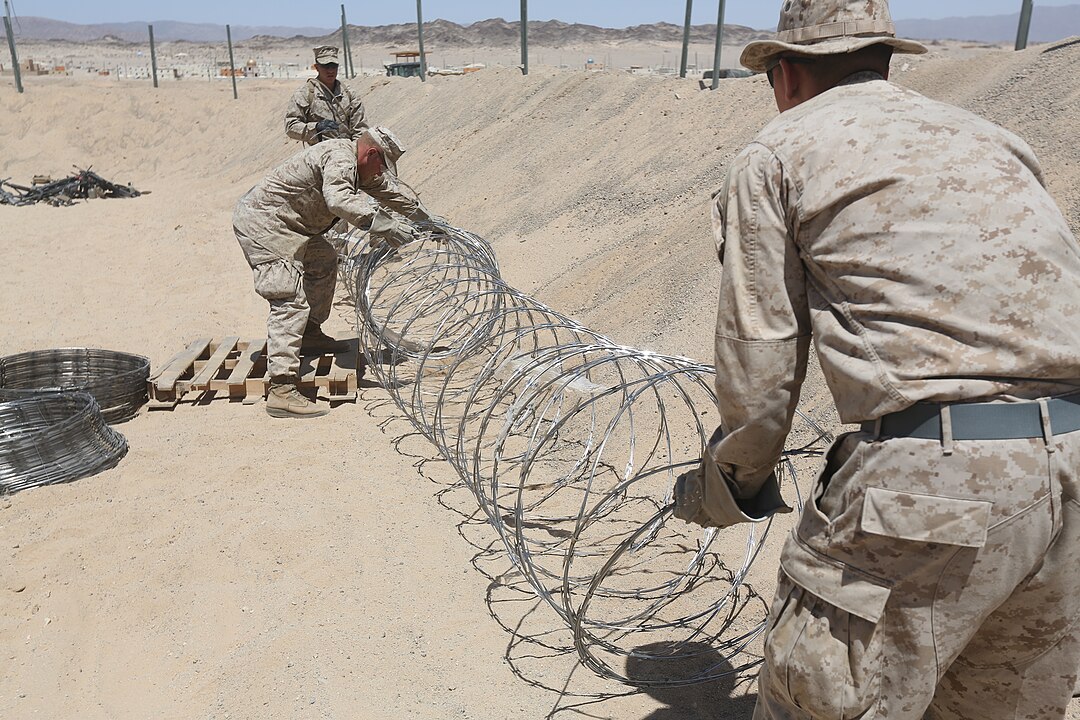
Twentynine Palms, located in California’s high desert, is one of the largest live-fire training grounds in the United States. Marines train in urban warfare, desert maneuvers, and large-scale combined arms operations. The relentless heat and rugged landscape push endurance and coordination to their limits. This training prepares Marines to adapt, survive, and dominate in any global theater.