The United States is filled with landmarks that symbolize history, innovation, and culture. Many of these places are instantly recognizable, from statues and memorials to natural wonders. Yet behind their familiar facades are hidden stories, secrets, and forgotten histories that rarely make it into textbooks. These little-known details reveal a deeper layer of meaning to the landmarks we think we know so well.
The Statue of Liberty
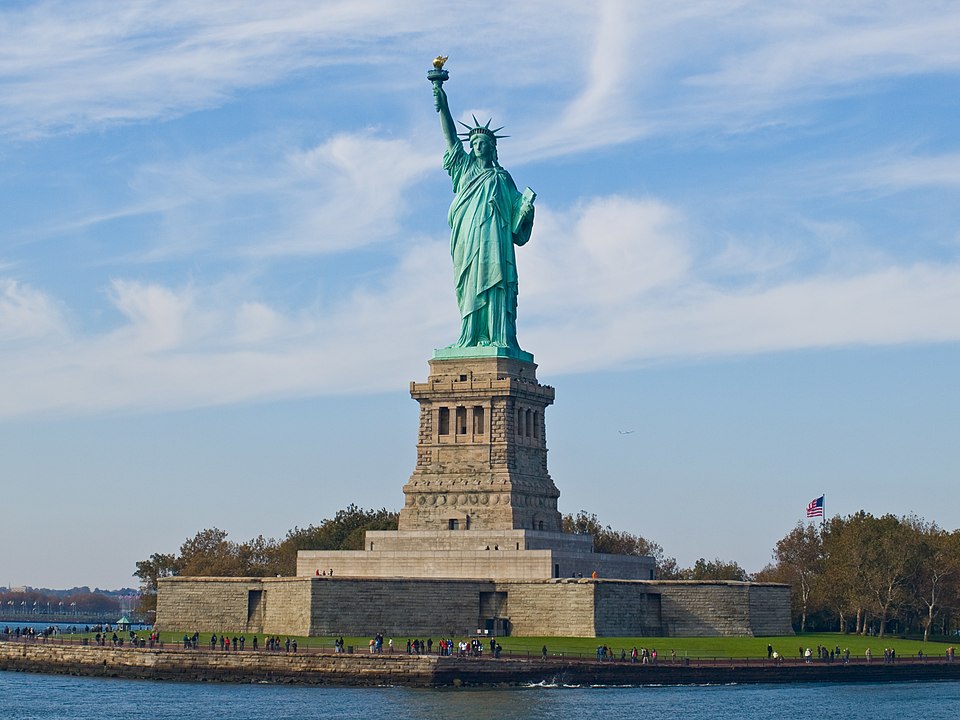
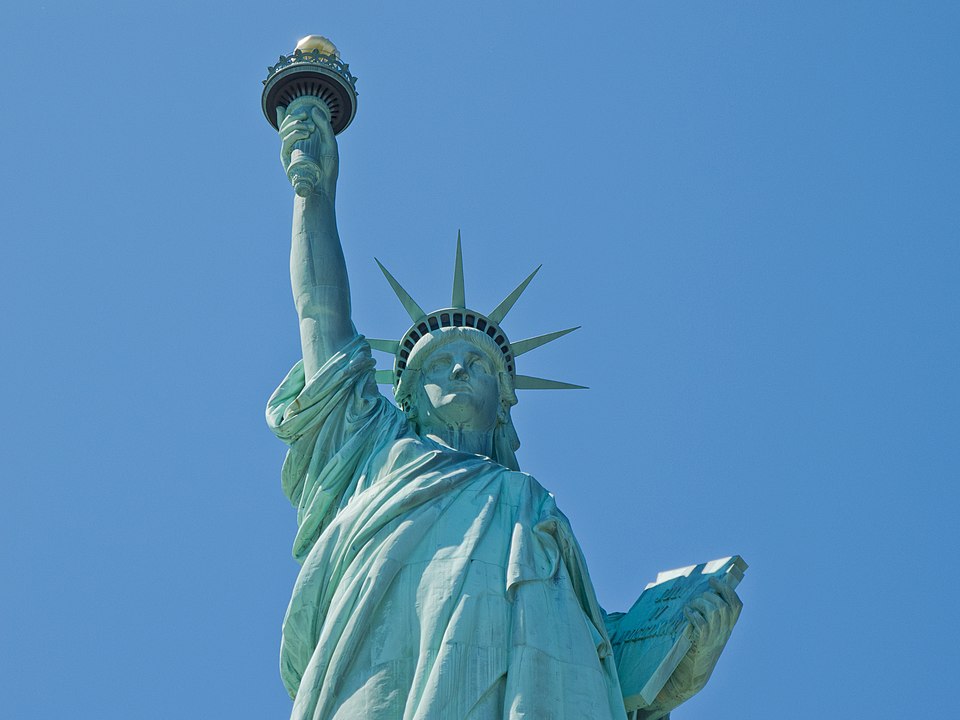
The Statue of Liberty is seen as a symbol of freedom, but few know its hidden connections to ancient history. The statue was modeled partly on Roman goddesses representing liberty and enlightenment. It was also originally intended to hold broken chains in both hands, symbolizing the abolition of slavery. This element was altered before construction, leaving a subtler nod at her feet.
Mount Rushmore
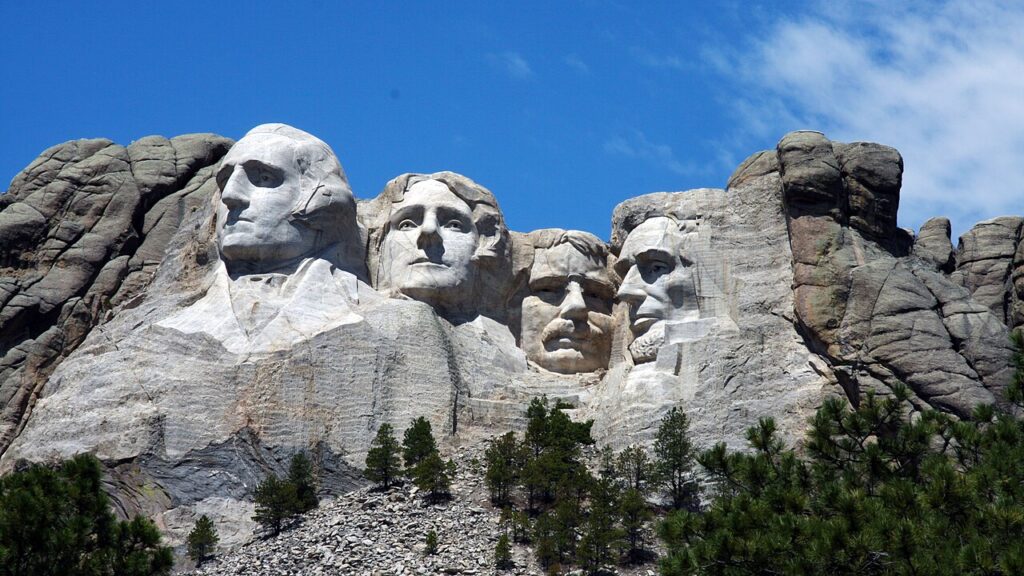
Mount Rushmore is celebrated for its presidential carvings, yet its history is deeply controversial. The monument was built on land sacred to the Lakota Sioux, seized from them after broken treaties. The original sculptor had planned to include more figures, but funding ran out. Its story is as much about cultural loss as it is about national pride.
The Liberty Bell
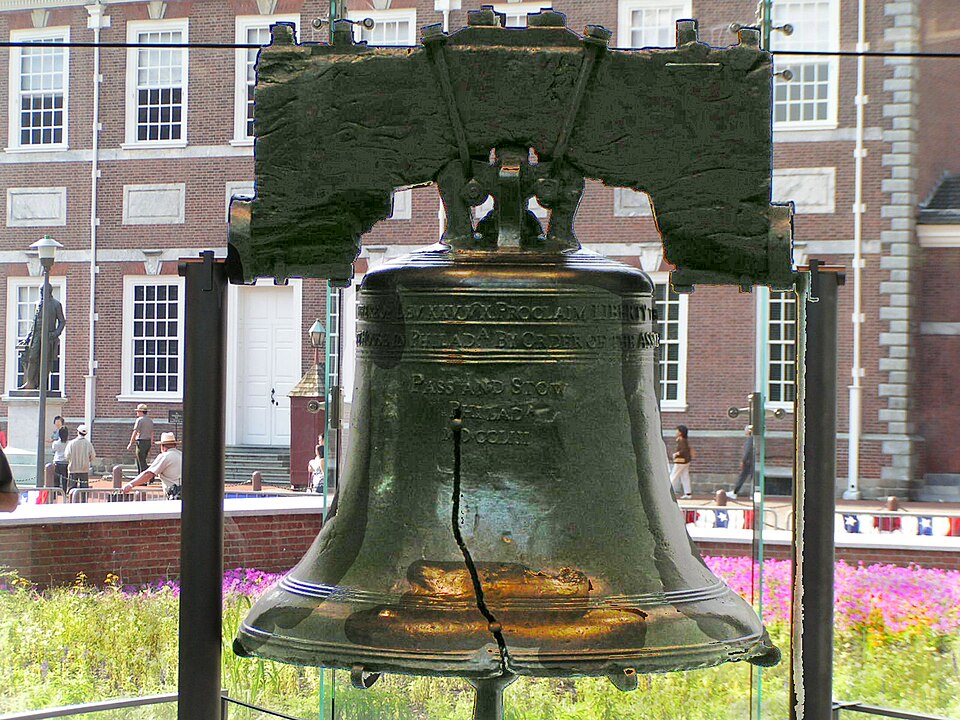
The Liberty Bell is famous for its crack, but the details are less well known. It actually cracked multiple times, and the damage seen today is from an attempt to repair it. The bell was not widely recognized until the 19th century, when abolitionists used it as a symbol against slavery. Its meaning has evolved far beyond its original use.
The Golden Gate Bridge
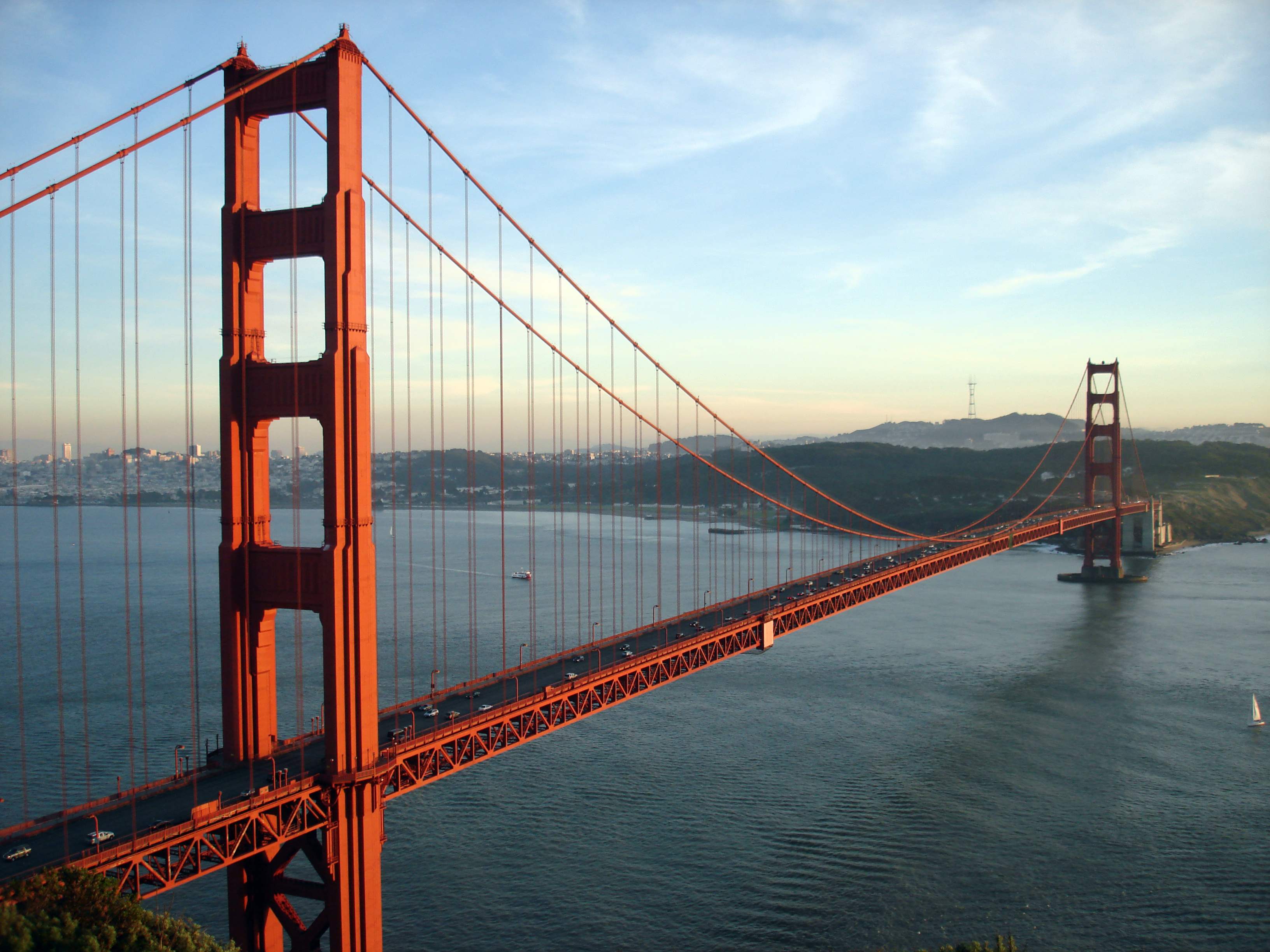
The Golden Gate Bridge is admired for its engineering, but its construction was perilous. A safety net saved the lives of 19 workers, who became known as the “Halfway to Hell Club.” The bridge’s iconic orange color was not the original plan—it was chosen later because it blended well with the landscape. Its story is one of both innovation and resilience.
The White House
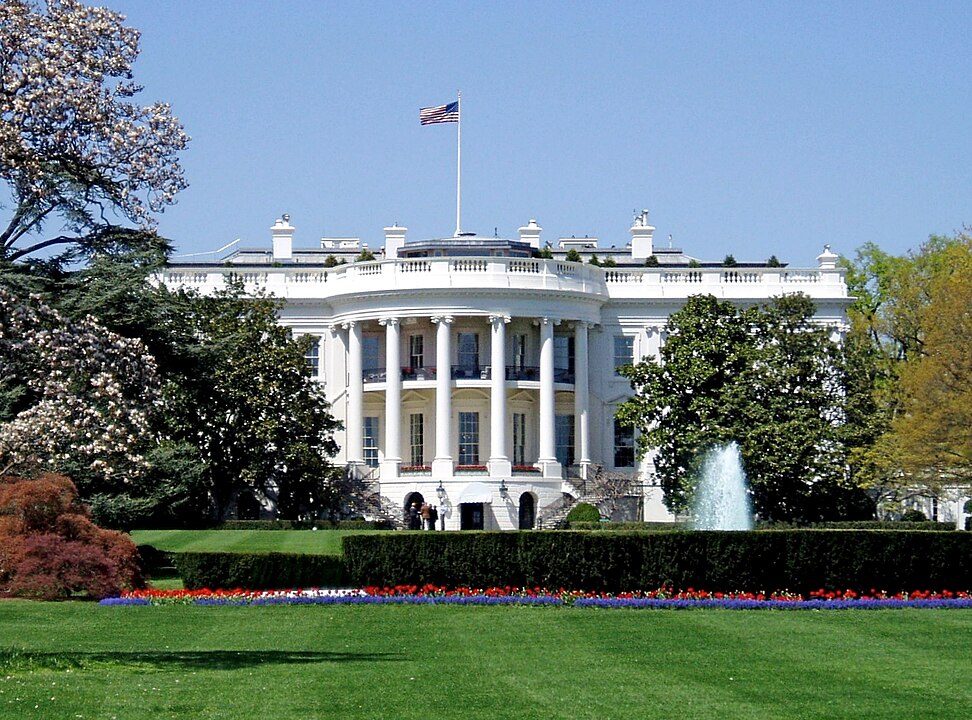
The White House has served as a home for presidents, but enslaved laborers built much of it. Workers of African descent, both free and enslaved, were part of its construction. Few history classes mention this uncomfortable truth, yet it remains a vital part of the building’s legacy. The White House is both a symbol of democracy and a reminder of the nation’s contradictions.
Alcatraz Island
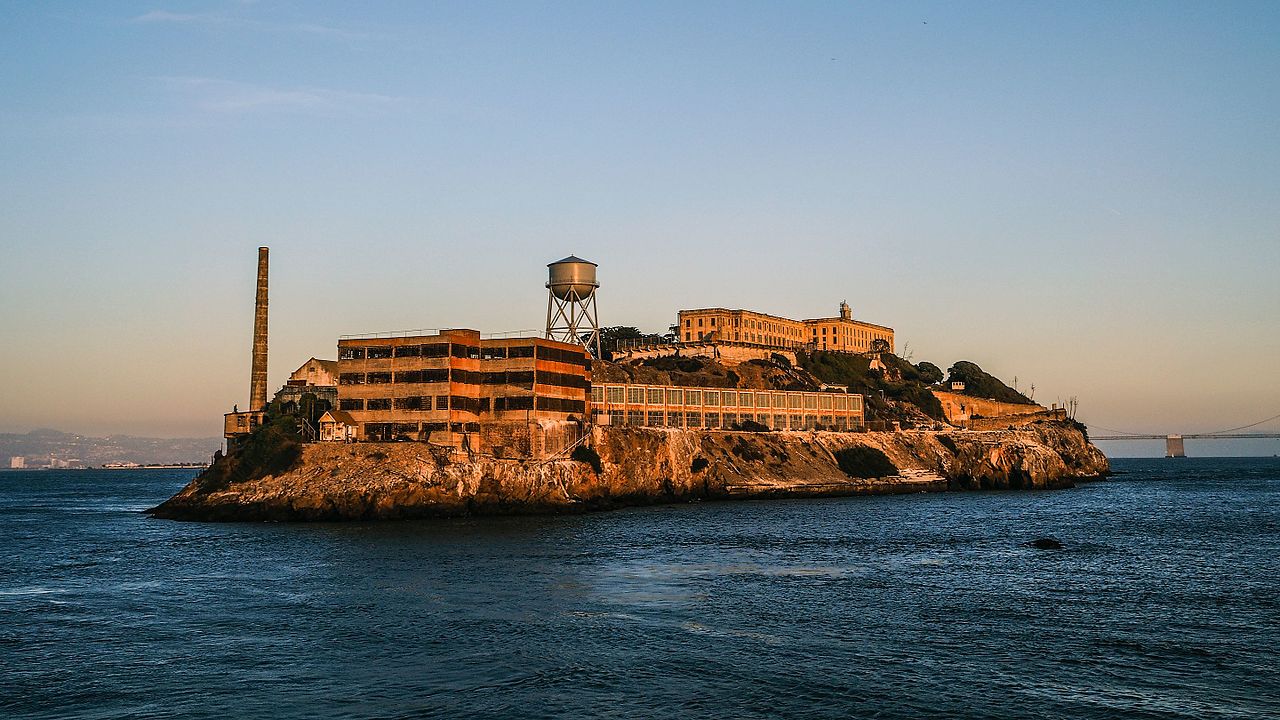
Alcatraz is known as an infamous prison, but its history extends far beyond that. Before it held criminals, it was a military fort and later a site of Native American protest. In 1969, activists occupied the island for 19 months to bring attention to Native rights. Its layered history makes it more than just a place of incarceration.
The Lincoln Memorial
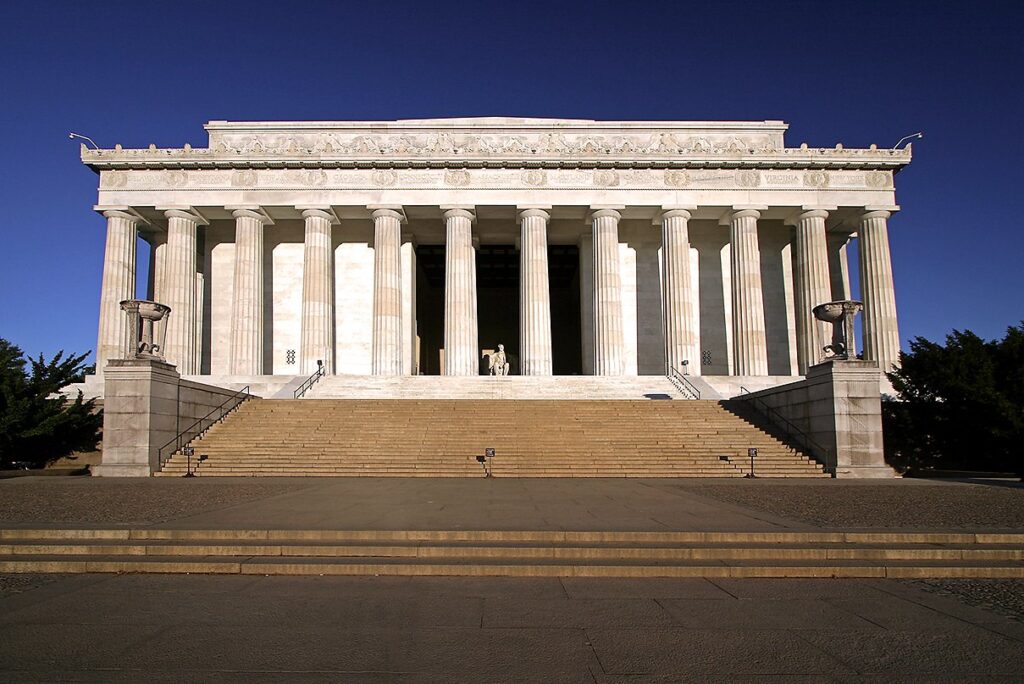
Visitors see the Lincoln Memorial as a tribute to a beloved president, but subtle details reveal deeper meaning. The structure resembles a Greek temple, symbolizing democracy’s roots. On the statue of Lincoln, one hand is clenched while the other is open, believed to represent strength and compassion. Civil rights leaders have since turned the memorial into a symbol of equality.
Ellis Island
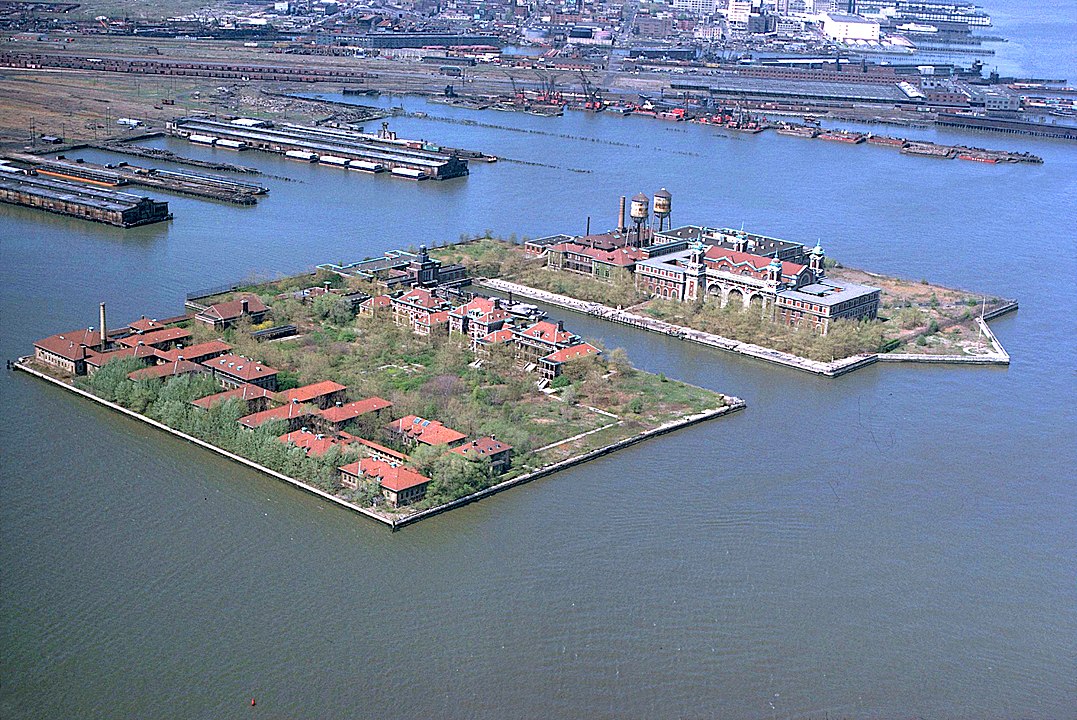
Ellis Island welcomed millions of immigrants, but not all found freedom upon arrival. The island also housed medical inspections that determined whether people could enter the country. Families were sometimes separated, and some individuals were deported after long journeys. The landmark represents both opportunity and the challenges of immigration.
The Pentagon
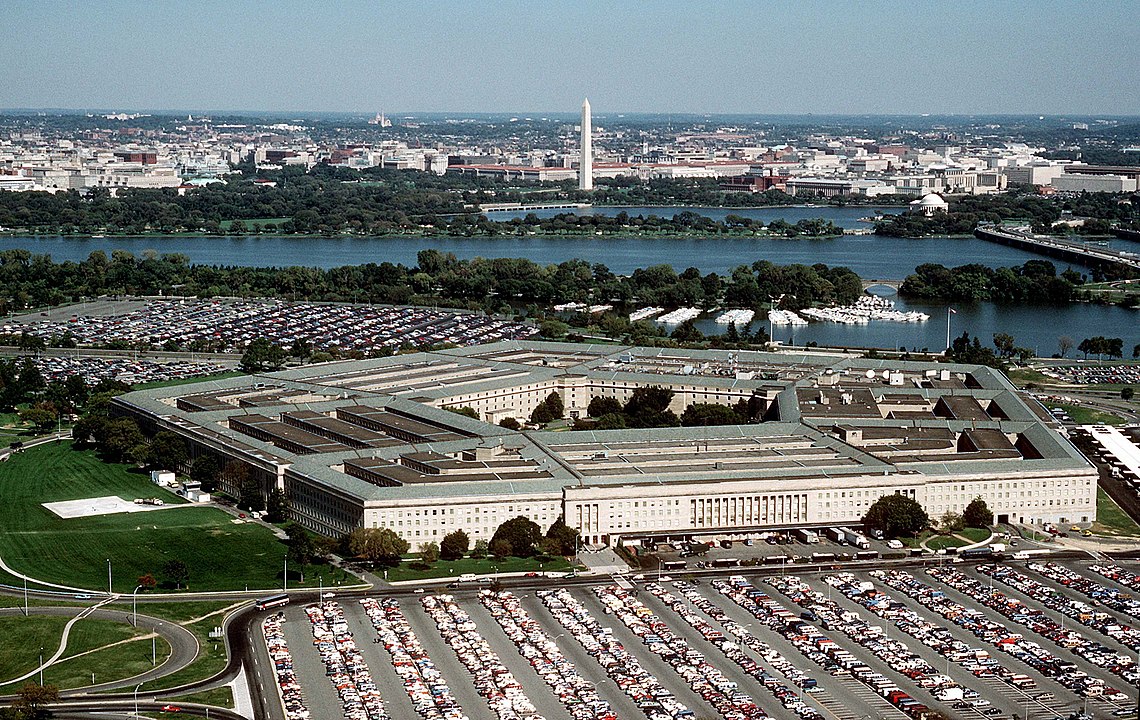
The Pentagon is recognized as the symbol of U.S. military power, yet its design was born of practicality. It was built during World War II on swampy land, with its unusual shape created to fit the site. At the time, it was the world’s largest office building, constructed in just 16 months. Few realize how wartime urgency shaped its creation.
Plymouth Rock
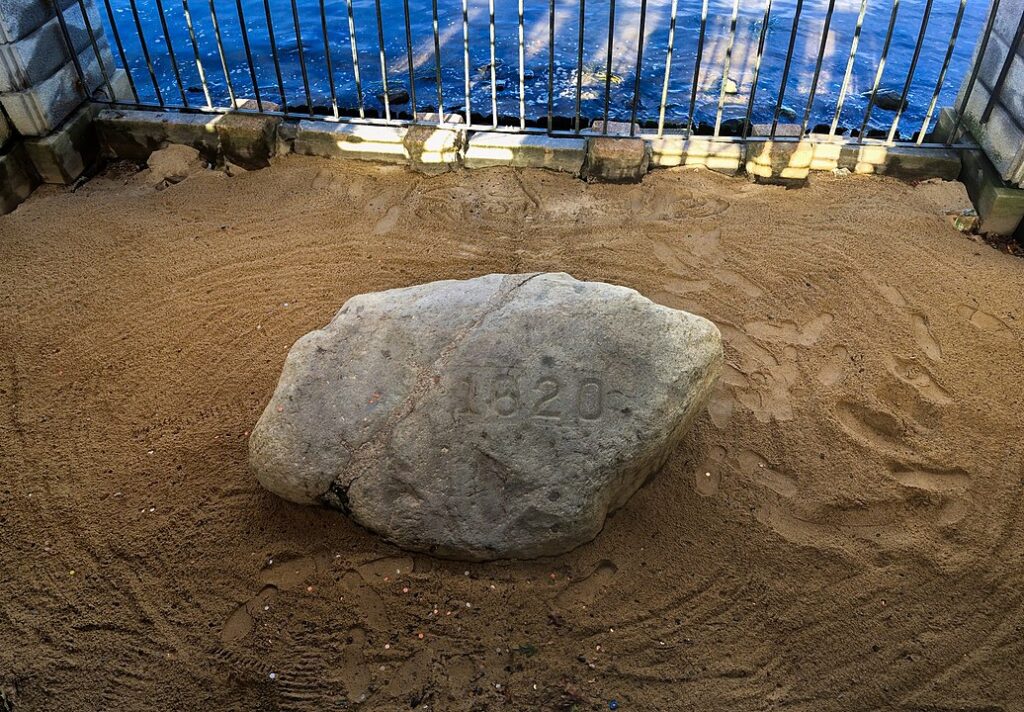
Plymouth Rock is often presented as the site where Pilgrims first landed in 1620. In reality, there is no historical evidence that they stepped foot on the rock at all. The stone became symbolic more than a century later when it was promoted as a relic of colonial history. Its story reflects how myth often overtakes fact in American memory.
The Gateway Arch
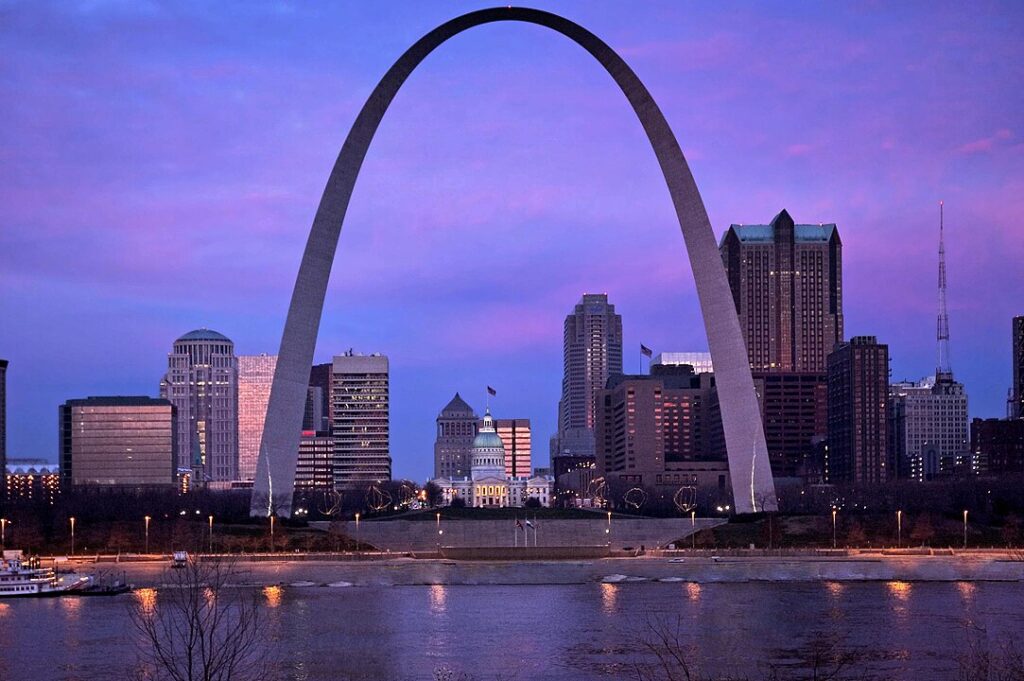
St. Louis’s Gateway Arch is a modern landmark, but its symbolism runs deep. It was built to represent westward expansion, a history that also includes displacement of Native Americans. Construction was dangerous, yet not a single worker died, an unusual feat for the time. The Arch is both a triumph of design and a reminder of the cost of expansion.
The Hoover Dam
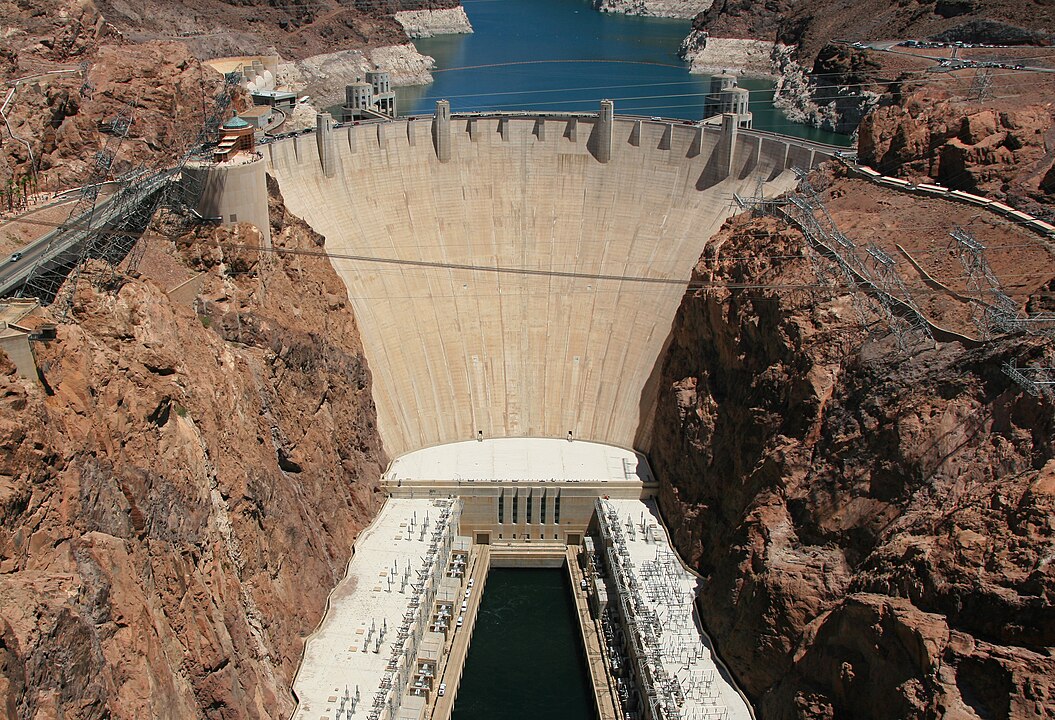
The Hoover Dam stands as an engineering marvel, but its construction was grueling. Thousands of workers labored in extreme heat, with official records underreporting deaths to avoid public outcry. The dam transformed the Southwest, bringing water and power, but also displaced communities. Its story includes both great achievement and human sacrifice.
The National Mall
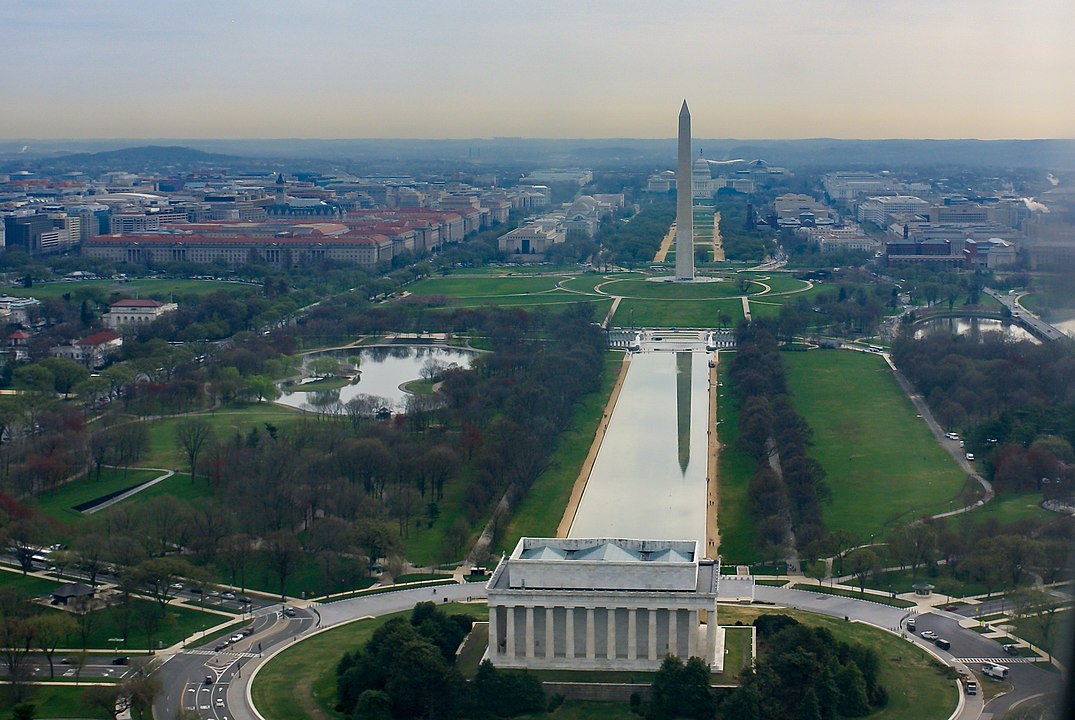
The National Mall is a gathering place for protests, celebrations, and remembrance. What many don’t know is that it was once a swampy, undeveloped area. Over time, it became a symbolic space where Americans voiced demands for justice, such as during the 1963 March on Washington. The Mall’s power lies not just in monuments, but in the people who have filled it.
The Empire State Building
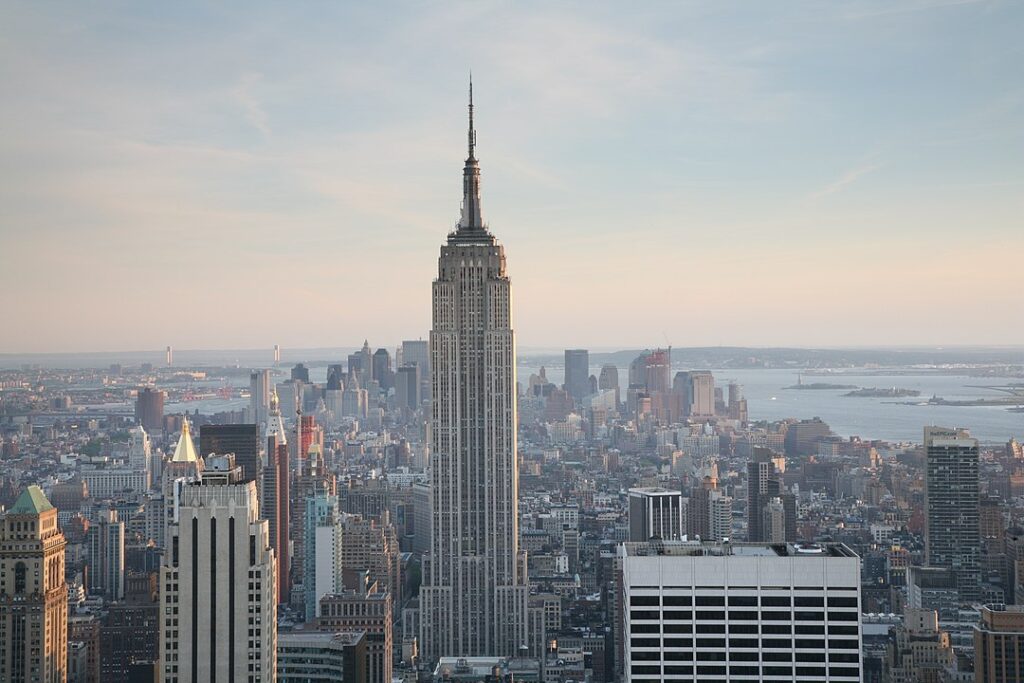
The Empire State Building is known for its height and Art Deco design, but its speed of construction was astonishing. Built during the Great Depression, workers completed it in just over a year. Its observation deck became a place of hope when people paid small fees for spectacular views. It is a landmark born of both ambition and struggle.
Yellowstone National Park
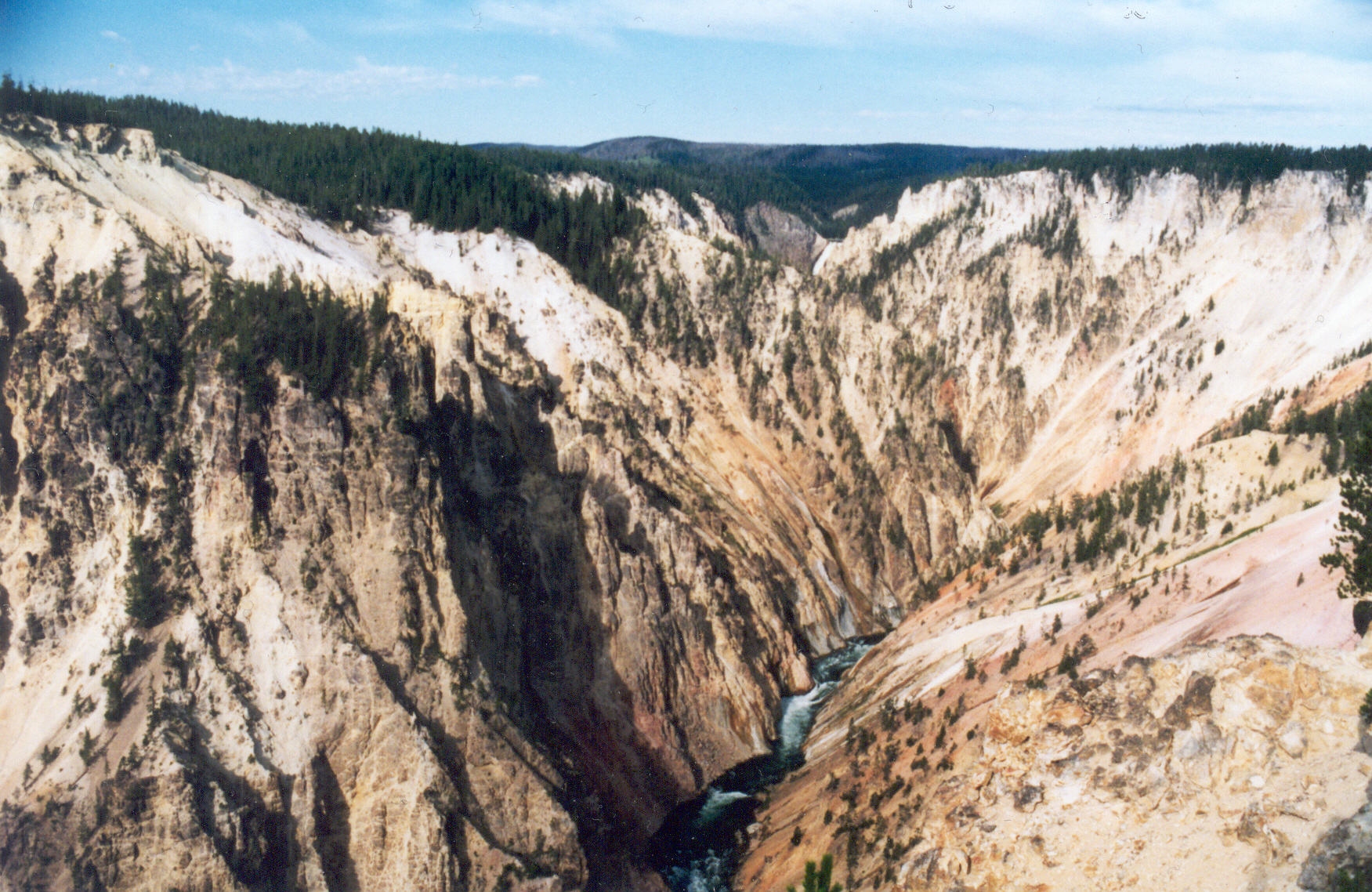
Yellowstone is celebrated as America’s first national park, but its creation displaced Indigenous peoples. Tribes who had lived there for centuries were forced out when the land was designated for preservation. The park’s natural beauty hides a history of exclusion that is rarely taught. Today, it is both a wonder and a reminder of contested heritage.