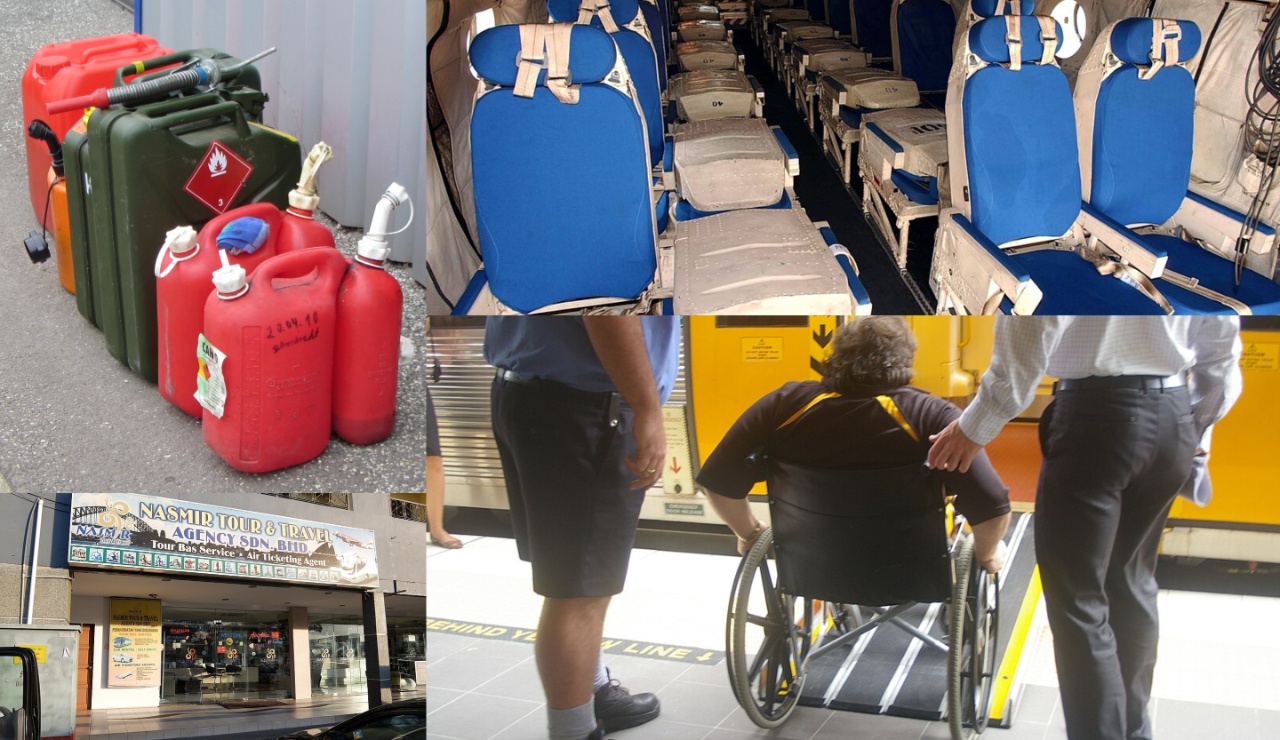
Travel in the 1970s was shaped by looser safety rules, minimal security, and cultural practices that feel unthinkable now. Many norms once accepted would violate modern laws or safety standards. These travel rules from the past highlight how regulations and expectations have evolved.
Smoking in Aircraft Cabins
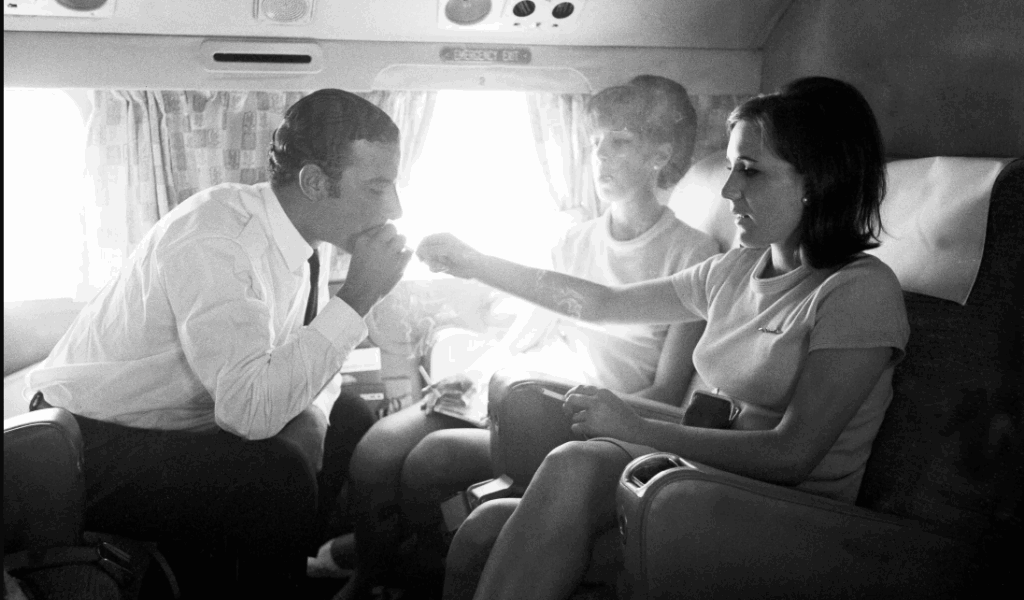
In the 1970s, smoking was permitted on airplanes, with only partial segregation between smoking and non-smoking sections. Smoke circulated throughout cabins, affecting all passengers. Today, smoking is banned on nearly all flights for health and safety reasons. Allowing it would violate public health law.
Overbooking with Little Recourse

Airlines frequently bumped passengers without offering compensation. Overbooking was standard practice, leaving travelers stranded. Modern consumer laws require compensation and rebooking when passengers are denied boarding. What was once routine is now tightly regulated.
No Seatbelt Enforcement for Turbulence
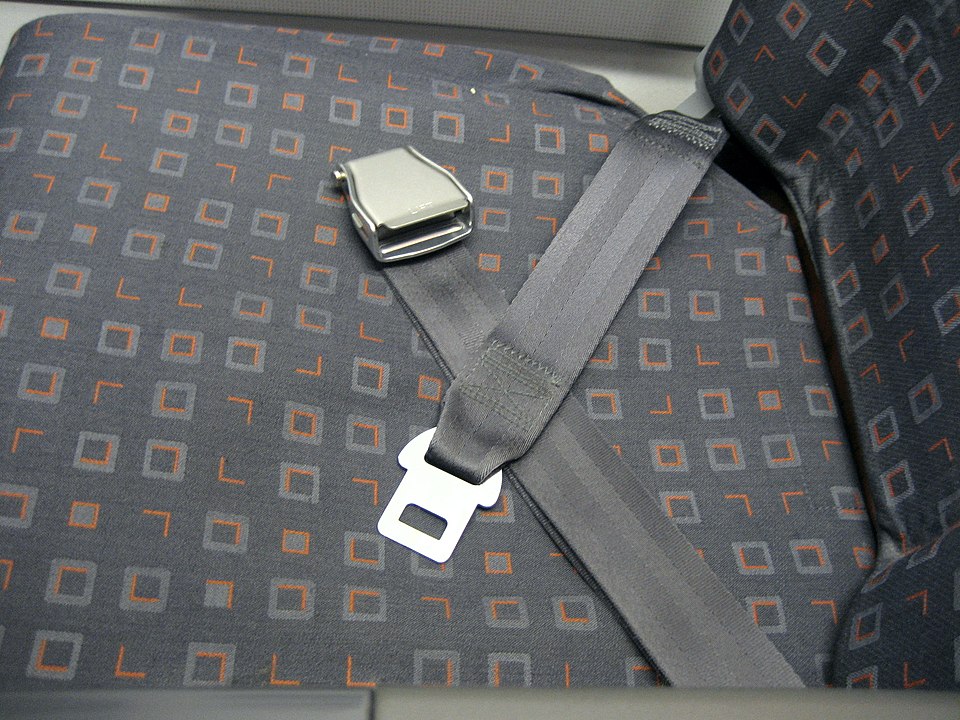
Passengers once freely roamed airplane aisles during turbulence. Flight crews were less strict about enforcing seatbelt use. Now, FAA rules require passengers to remain buckled when the seatbelt light is on. Failure to comply would violate aviation law.
Taking Unshielded Spare Gas Cans
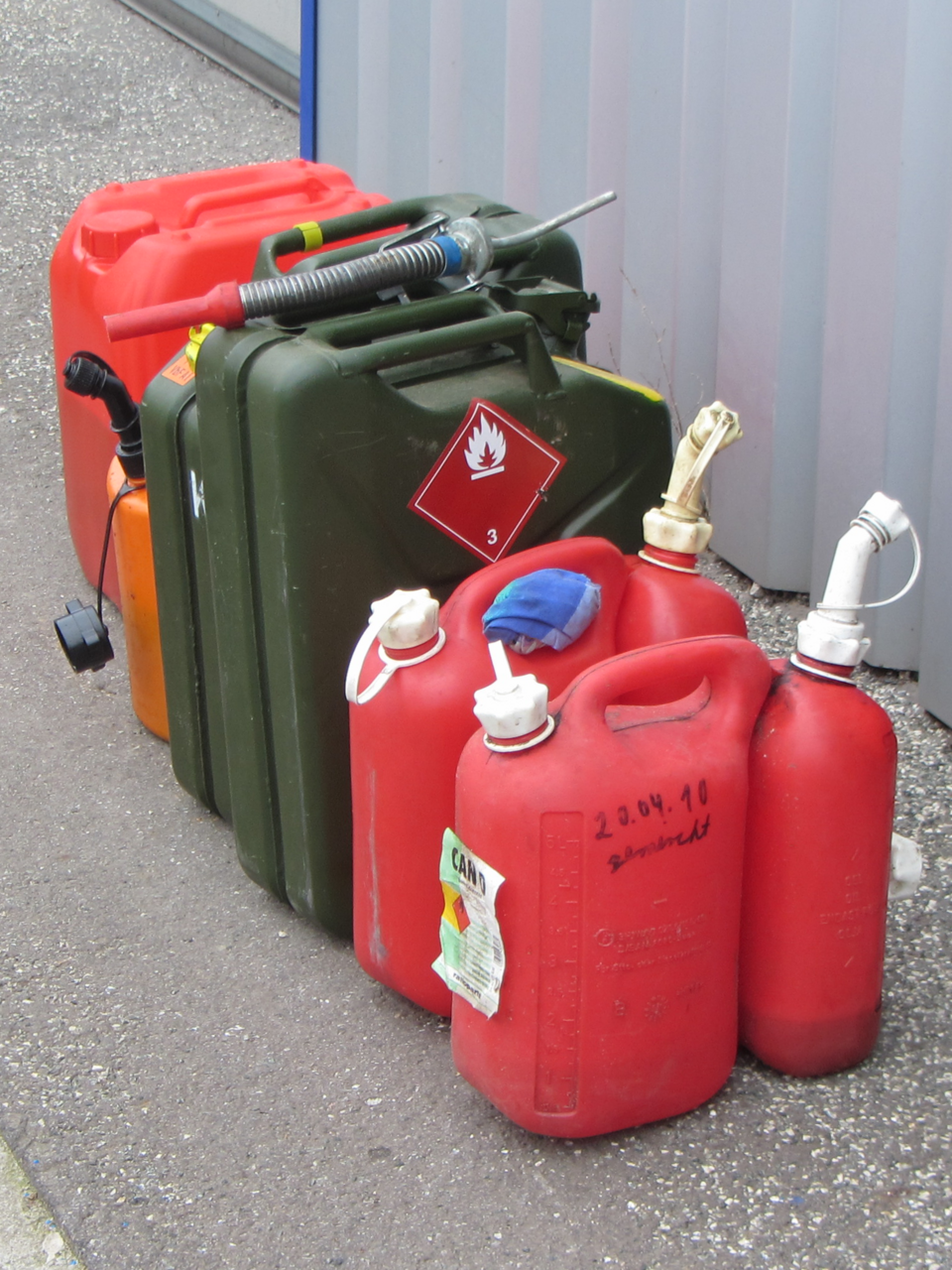
Families often carried extra gasoline in unsealed containers for road trips. Today, transporting fuel outside approved containers violates safety regulations. Such practices pose fire and environmental hazards. Strict laws now control hazardous transport.
No Fastidious Passport Checks on Domestic Travel
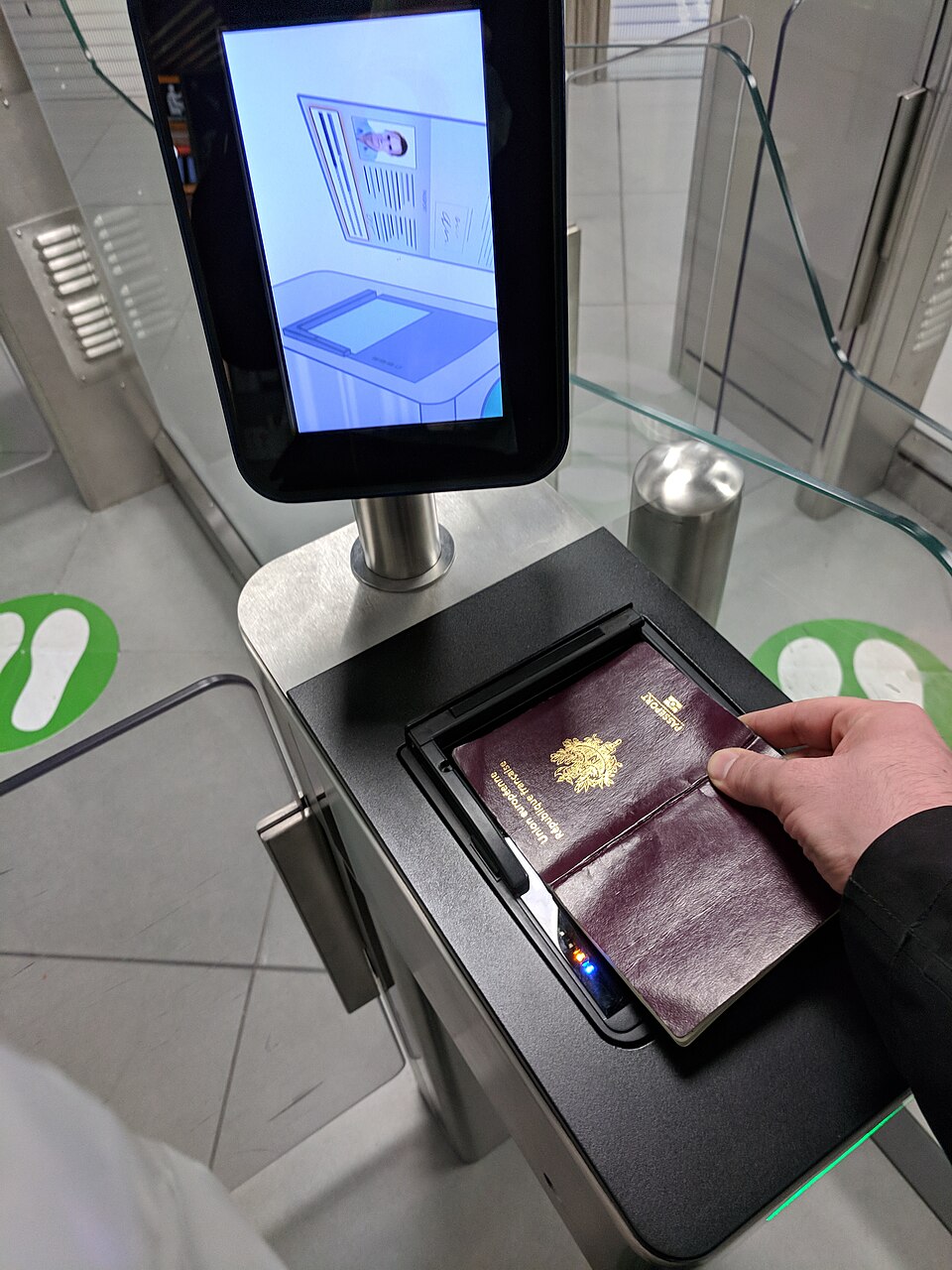
Domestic air travel in the 1970s required minimal identification. Boarding often involved only a ticket and little security screening. Today, strict ID verification is mandatory at airports. The lax practices of the past would breach security law.
Using Rolled Banknotes for Customs Bribes

Bribery at borders, though unofficial, was a common tactic in some regions. Travelers might slip money to speed up processing. Today, anti-corruption laws make such practices illegal. Border officials face oversight that forbids this kind of exchange.
Dumping Waste Overboard

On ships and boats, dumping garbage into waterways was commonplace. Environmental laws were less developed, and many travelers thought nothing of it. Today, dumping waste violates international maritime agreements. Strict penalties now apply to pollution at sea.
Booking Flights Based on Printed Fares Only

Airline fares were fixed and published in fare guides. Passengers had little choice beyond the listed rates. Modern competition and consumer laws require transparency and flexibility in pricing. The rigid system of the 1970s would be illegal today.
Traveling Without Seat Assignment
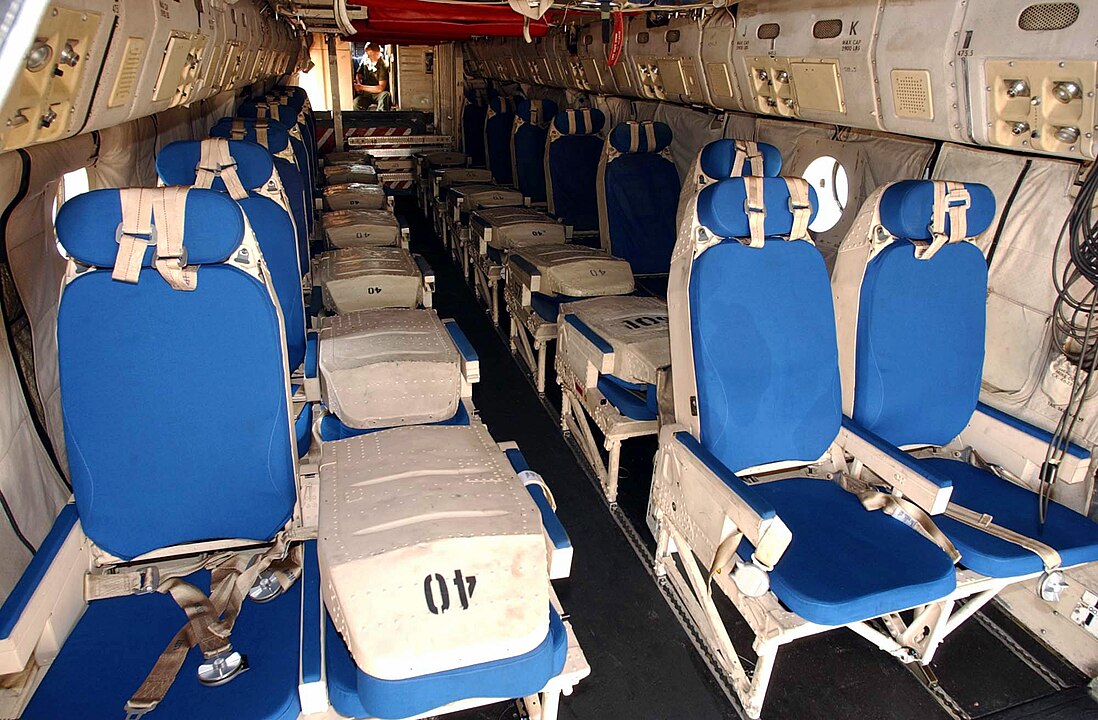
Some airlines sold tickets without assigned seating, forcing passengers to scramble for spots. Now, airlines must disclose seating policies and comply with disability access laws. Such uncertainty in travel would not meet today’s consumer protections.
No Liability Insurance for Tour Operators
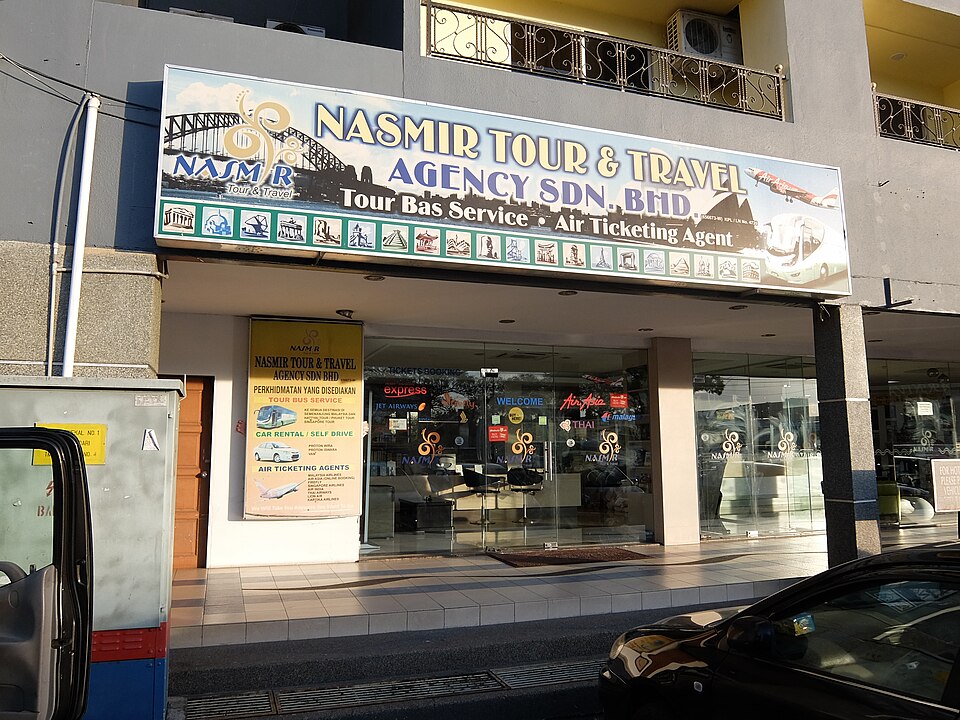
In the past, tour operators sometimes ran without liability insurance. If a company failed, travelers had little recourse. Today, laws require insurance or bonding for operators to protect consumers. Uninsured tours would be illegal now.
Carrying Large Amounts of Cash Across Borders Unreported
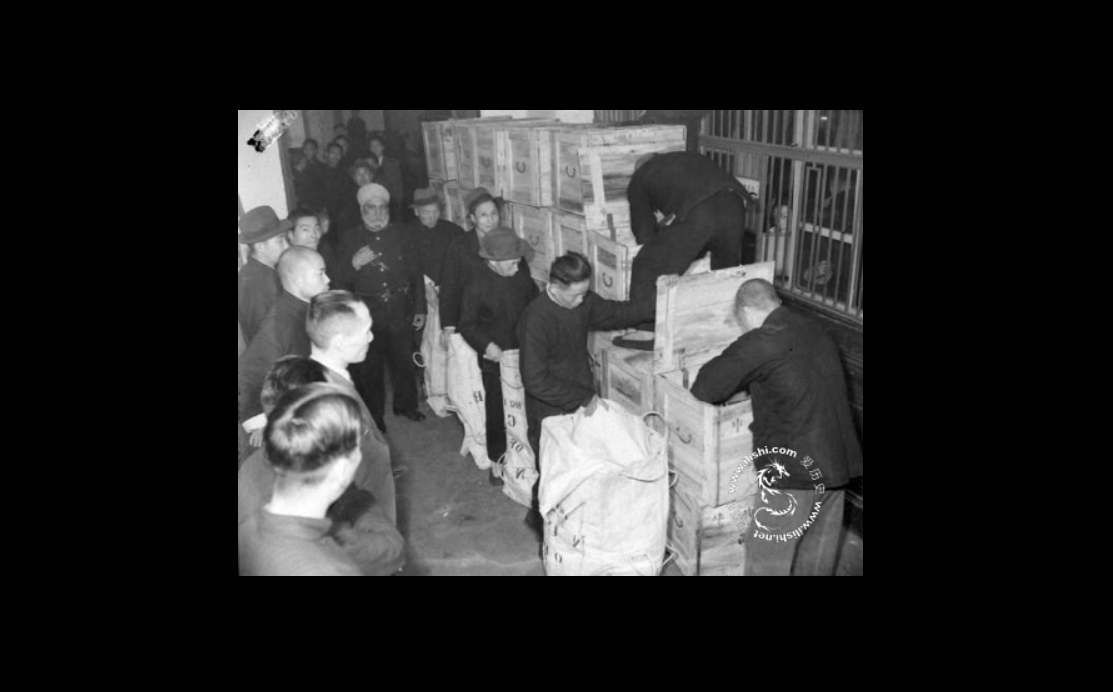
Travelers once crossed borders with large sums of cash without much oversight. Today, most countries require reporting amounts over $10,000. Unreported transfers violate anti-money-laundering laws. What was common then is a crime now.
Lack of Disability Accommodations
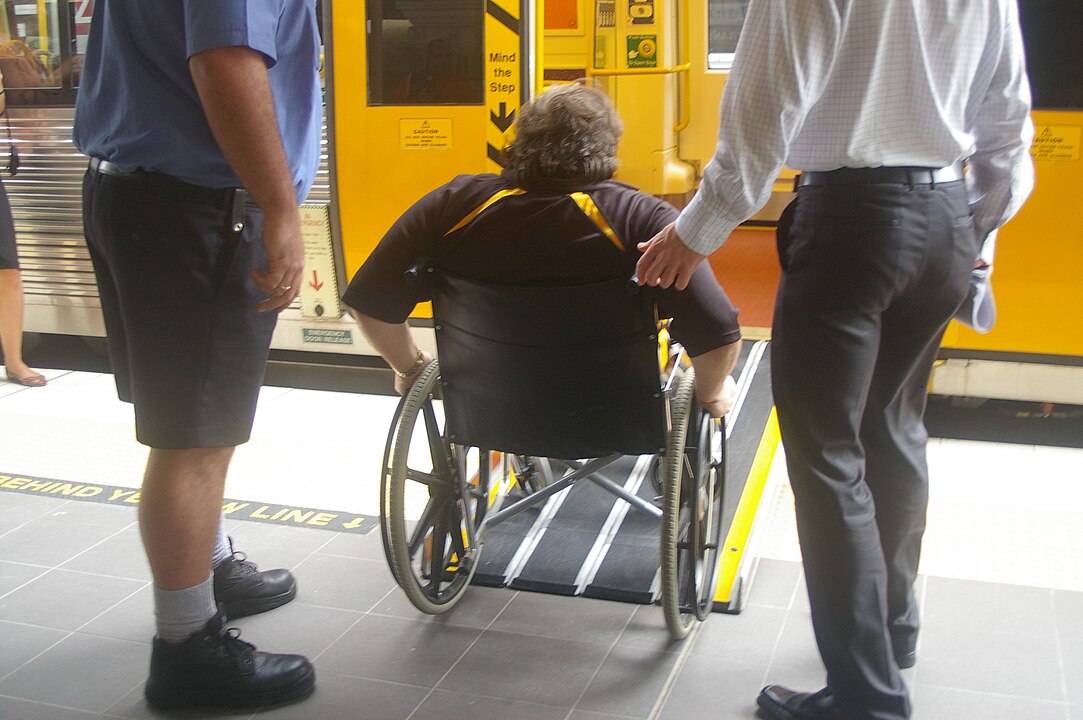
Airports, buses, and hotels often lacked accommodations for disabled travelers. Modern laws mandate ramps, assistance, and equal access. Denying such access today is discrimination under civil rights protections. The shift marks progress in inclusivity.
No Restrictions on Child Safety Seats
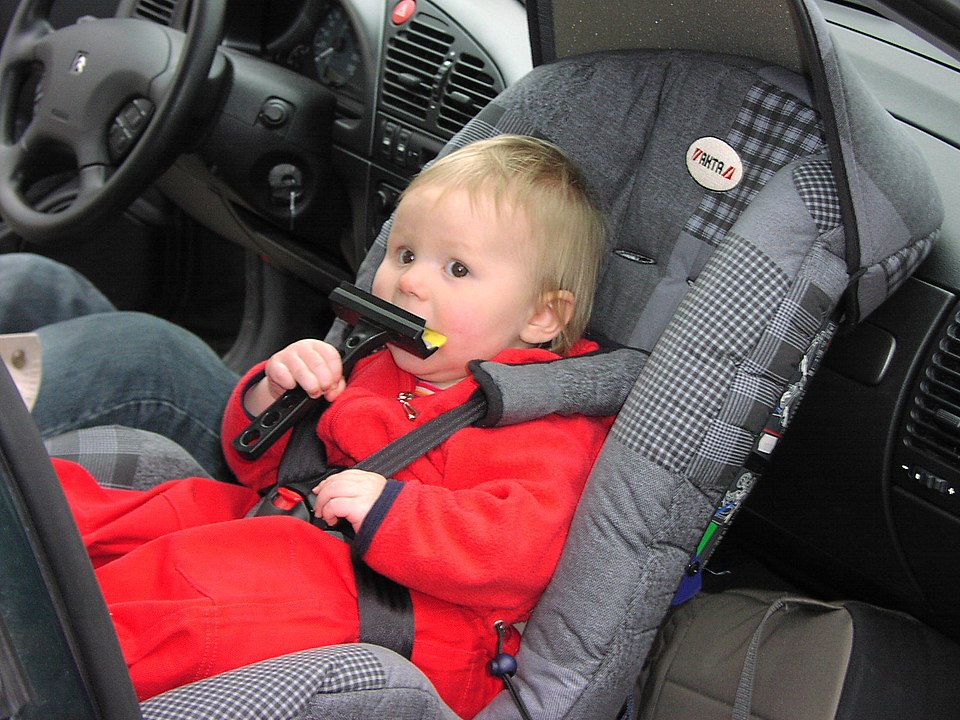
Children in the 1970s often rode without car seats or even seatbelts. Today, strict laws mandate child restraints according to age and size. Failing to use them results in fines or legal penalties. Child safety standards transformed family travel.
Absence of Passenger Data Sharing Rules

Airlines once shared passenger information freely without privacy safeguards. Today, data protection laws like GDPR and CCPA regulate personal data. Mishandling traveler data now incurs heavy fines. Privacy is a cornerstone of modern travel law.
Border Entry Without Visa Checks in Some Regions
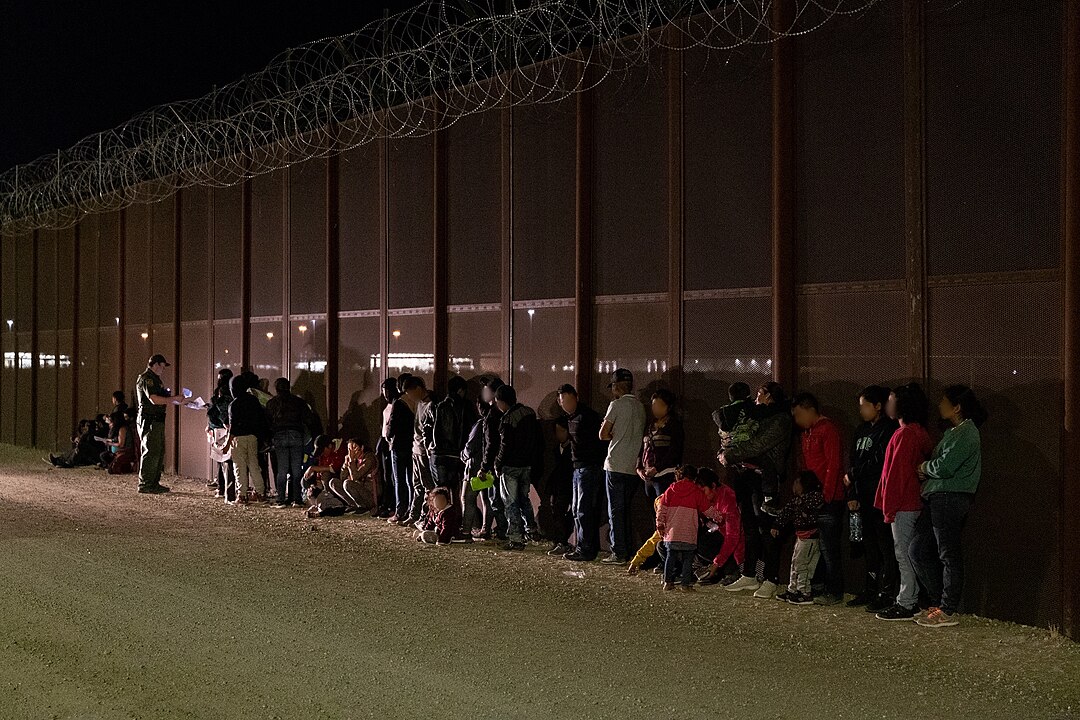
In certain regions, borders were loosely monitored in the 1970s. Some travelers crossed with little documentation. Today, strict passport and visa rules dominate. Such lax practices would breach modern immigration law.