The economic landscape has changed dramatically over the past few decades, and many essentials that were once inexpensive—or completely free—now come with recurring costs. Younger generations often face expenses their parents never had to think about, shaped by technology, privatization, and rising living costs. These changes highlight how the definition of basic necessities has evolved. The shift also reflects broader transformations in how society consumes information, entertainment, and essential services.
Tap Water Alternatives

Previous generations primarily drank tap water without hesitation. Today, many people pay for bottled or filtered water due to concerns about taste or quality. This shift adds an ongoing cost that once didn’t exist. The rise of premium water brands has changed public perception of what is considered “safe” or “clean.”
Television Entertainment
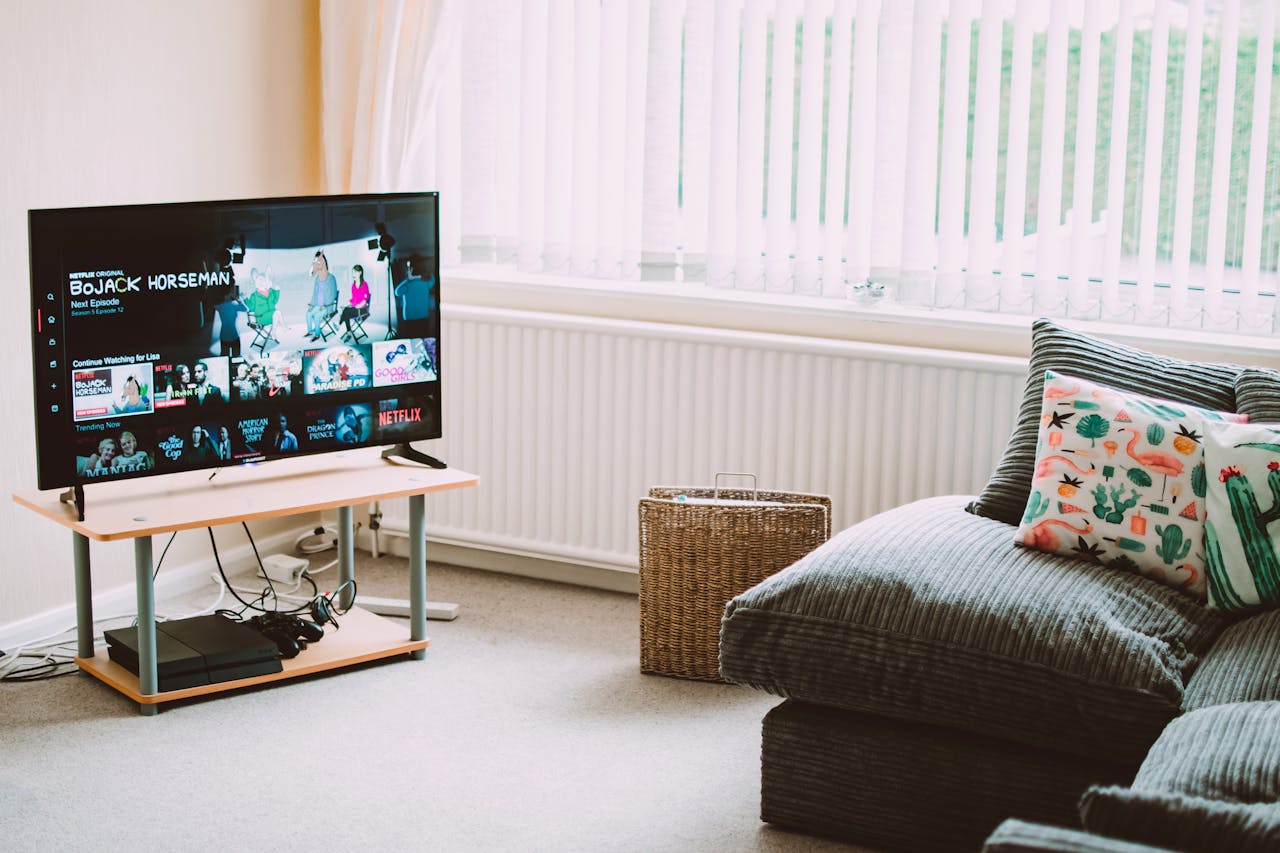
Parents grew up with free broadcast television accessible through antennas. Today, younger adults pay for streaming services, subscriptions, and premium channels. Even basic entertainment now requires monthly payments. This transition reflects a shift in how content is delivered and monetized.
Banking Services
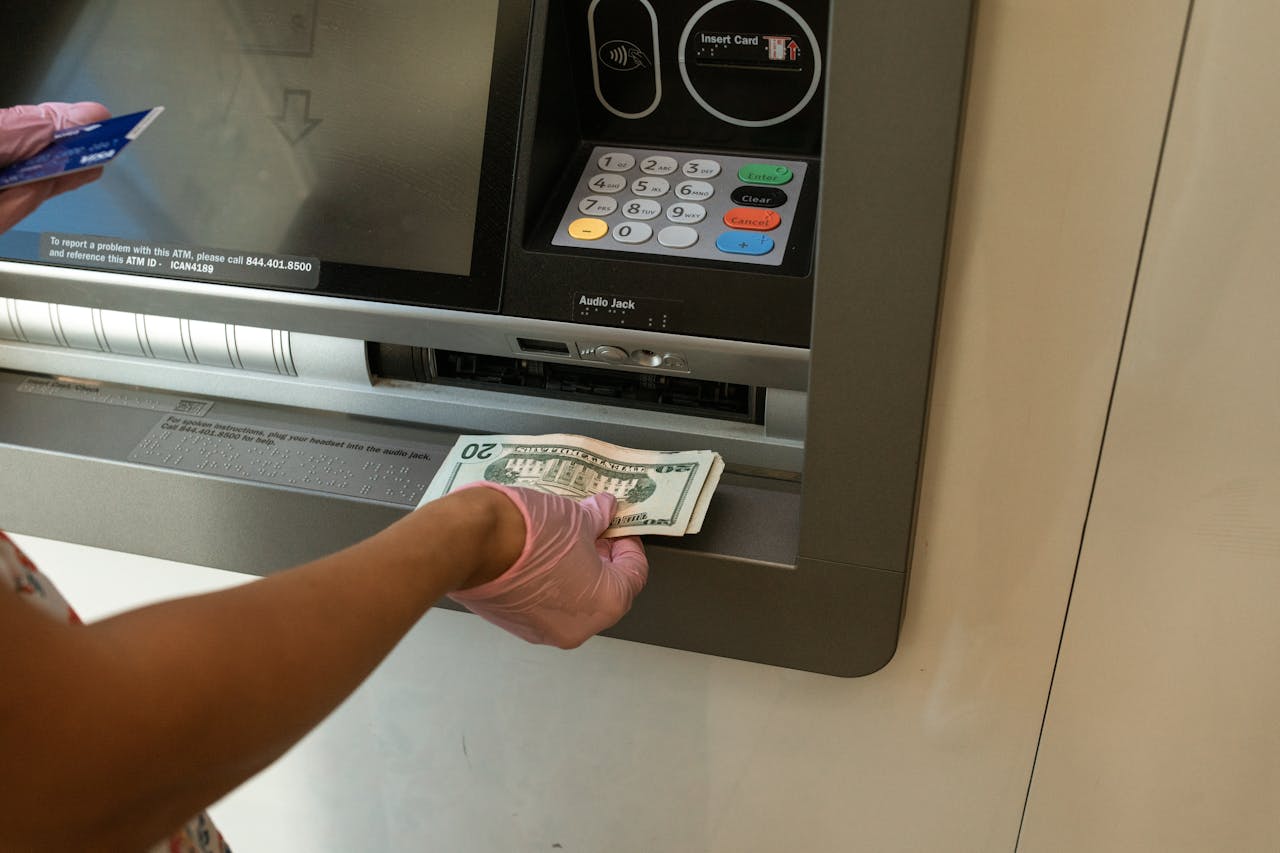
Basic checking accounts were once free at most banks. Many institutions now charge maintenance fees, minimum balance penalties, or ATM costs. These added expenses reflect changes in banking operations and profit models. As a result, everyday financial management can be more expensive.
College Applications

Applying to college was once inexpensive, with only nominal fees. Today, application fees, standardized test fees, and digital submission charges add up quickly. Many students spend hundreds of dollars before even choosing a school. The rising cost highlights the changing nature of higher education.
Public Recreation

Parks, pools, and community centers were often free for local residents. Today, many require paid memberships or usage fees. Reduced public funding has shifted costs onto individuals. This change affects access to fitness and recreation for many families.
News and Information

Access to news through newspapers and TV broadcasts was effectively free. Modern journalism is often locked behind digital paywalls. Subscribers now pay monthly fees to stay informed. This shift reflects the financial pressures affecting modern media.
Roadside Assistance

Parents often relied on neighbors, friends, or basic insurance to handle roadside emergencies. Today, many people pay for dedicated roadside assistance plans. These services offer convenience but add extra costs to car ownership. The shift reflects changing expectations around accessibility and convenience.
Phone Services
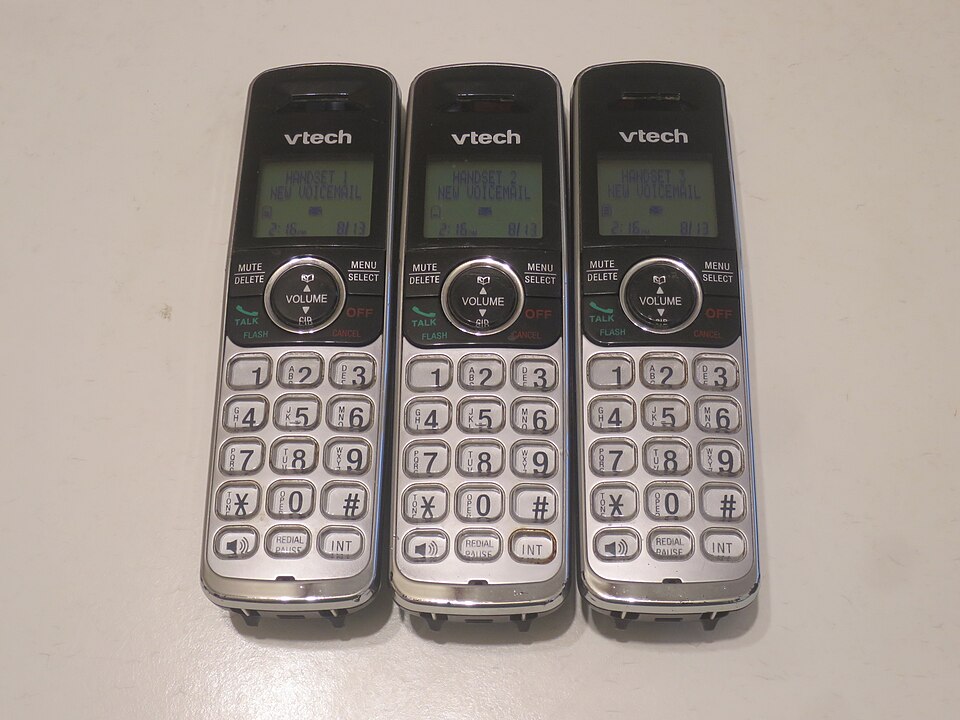
Local phone calls were virtually free with a basic landline. Now, mobile plans bundle data, messaging, and calling into costly monthly subscriptions. Even minimal communication requires continuous payment. The change illustrates the modernization of telecommunications.
Music Access

Listening to the radio or borrowing albums was standard in previous generations. Today, music streaming services require monthly fees for ad-free or premium features. Owning or accessing large music libraries now costs significantly more. The economic model for music has shifted entirely.
Software Subscriptions

Parents typically bought software once and used it for years. Modern software often requires monthly or annual subscription payments. This shift increases long-term costs for students, freelancers, and professionals. It reflects the broader move toward subscription-based digital tools.
School Supplies

Public schools once supplied many necessary materials for free. Today, families often pay for notebooks, calculators, tablets, and classroom fees. The added burden can be substantial. Reduced school funding contributes to this change.
Shipping Costs

Local stores allowed parents to shop in-person without shipping fees. Online shopping has increased the need for paid shipping, memberships, or express delivery. Even small purchases can include added freight costs. The convenience of online retail comes with new expenses.
Checking Luggage

Airlines previously included checked bags in the ticket price. Today, many carriers charge separately for luggage, seat selection, and early boarding. Travel-related costs have risen significantly. This reflects a shift toward à la carte pricing models.
Home Repair Knowledge

Parents often learned home repairs from relatives or community members for free. Today’s homeowners may rely on paid tutorials, workshops, or professional services. The decline in intergenerational skill-sharing affects repair costs. This trend increases dependence on hired labor.
Map and Navigation Tools

Printed maps and free road atlases were once common in households. Modern navigation apps may offer premium features or require mobile data. Staying connected while navigating can become an ongoing cost. The convenience of GPS comes with new financial considerations.