Owning property used to mean having almost total control over what you did with it. But as laws and community standards evolve, more restrictions are being placed on private property owners. From environmental concerns to neighborhood aesthetics, rules are in place to protect the greater good. While some of these may seem overreaching, they’re legally enforceable in many areas. Here are 15 things you may not realize you’re no longer allowed to do on your own land.
Build Certain Structures Without Permits
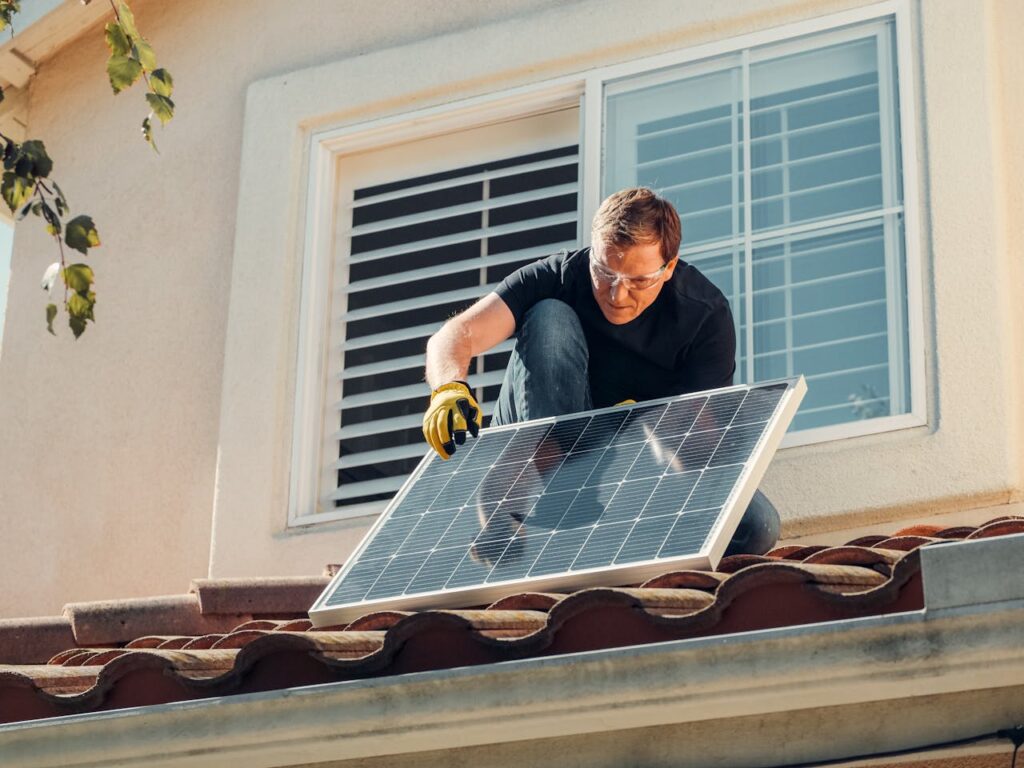
Building codes have become stricter in most cities and counties, requiring permits even for seemingly minor structures. Whether it’s a shed, greenhouse, or deck, skipping the permit process can result in fines or forced removal. These codes are in place to ensure safety and adherence to zoning laws. Even fences or retaining walls may be regulated depending on height and location. It’s best to always check with your local authority before starting construction.
Collect Rainwater Freely
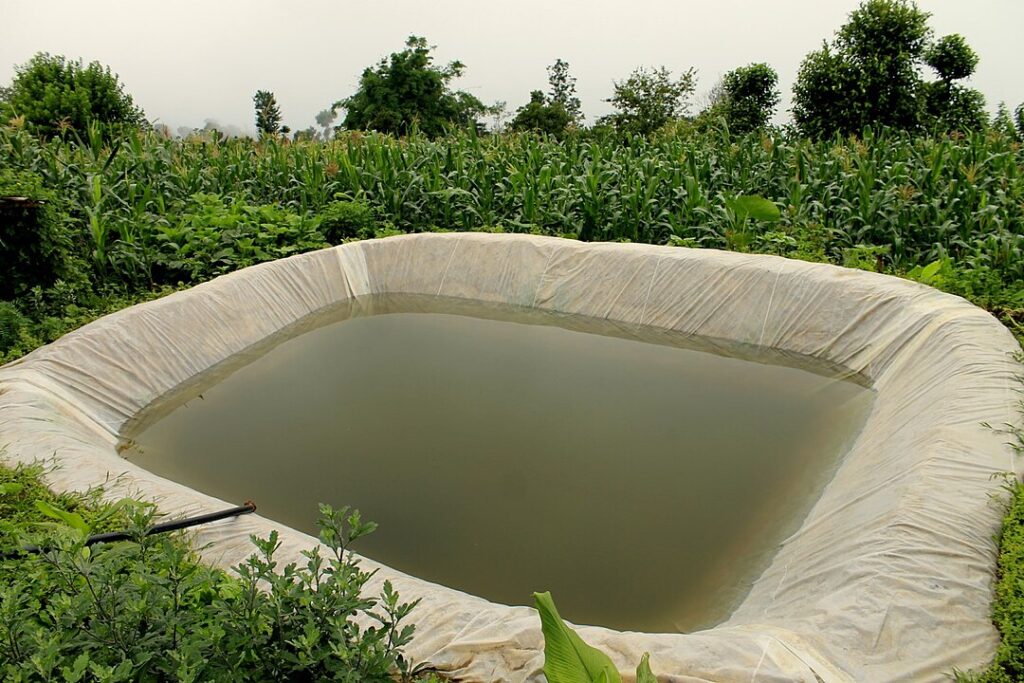
In some states, collecting rainwater in barrels or tanks is surprisingly restricted or even illegal. The concern is that rainwater is part of a shared watershed system and affects downstream users and ecosystems. Where it is allowed, it often comes with guidelines about how much can be collected and how it should be used. Colorado, for instance, limits rain barrel use to a specific number of gallons. Always check local water rights laws before installing collection systems.
Keep Certain Animals

Backyard chickens and goats might seem harmless, but many municipalities have banned or heavily regulated the keeping of livestock in residential areas. Even dogs can be subject to breed-specific laws or number limits. These rules are often based on noise, waste, or perceived safety issues. Violating them can lead to fines or even the removal of animals. Always consult your zoning code before bringing animals home.
Install Tall Fences
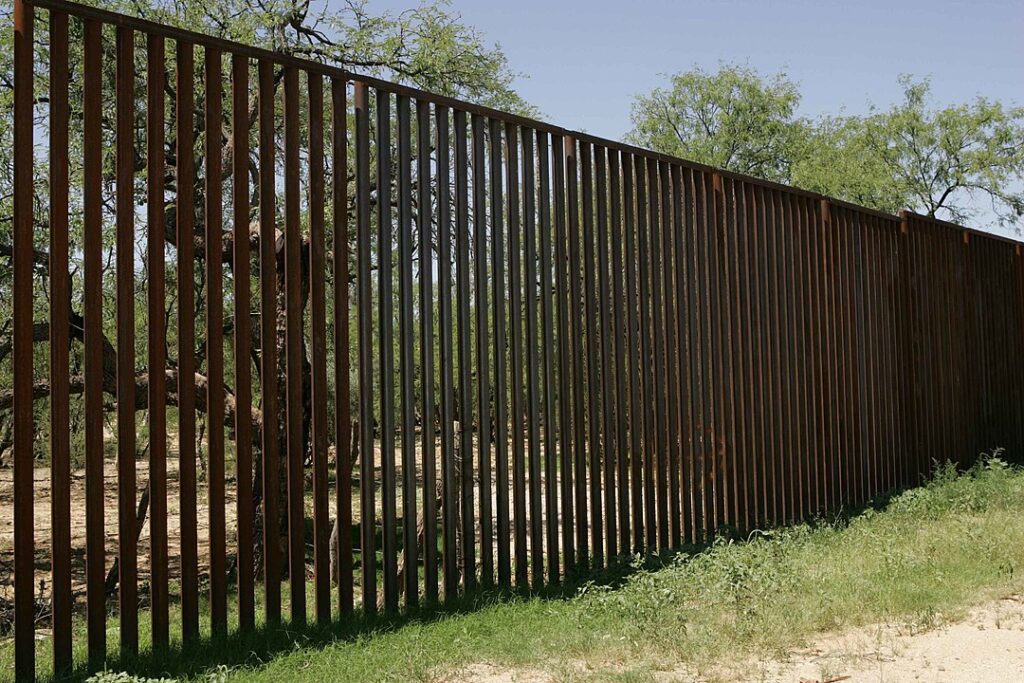
You may want more privacy, but there are usually height limits on fences, especially in front yards. Cities often restrict fences to 3 or 4 feet in the front and 6 feet in the back. The concern is to maintain visibility for drivers and emergency responders. Decorative elements or materials may also be restricted. Neighbors can even file complaints if your fence violates codes or blocks their view.
Plant Invasive Species
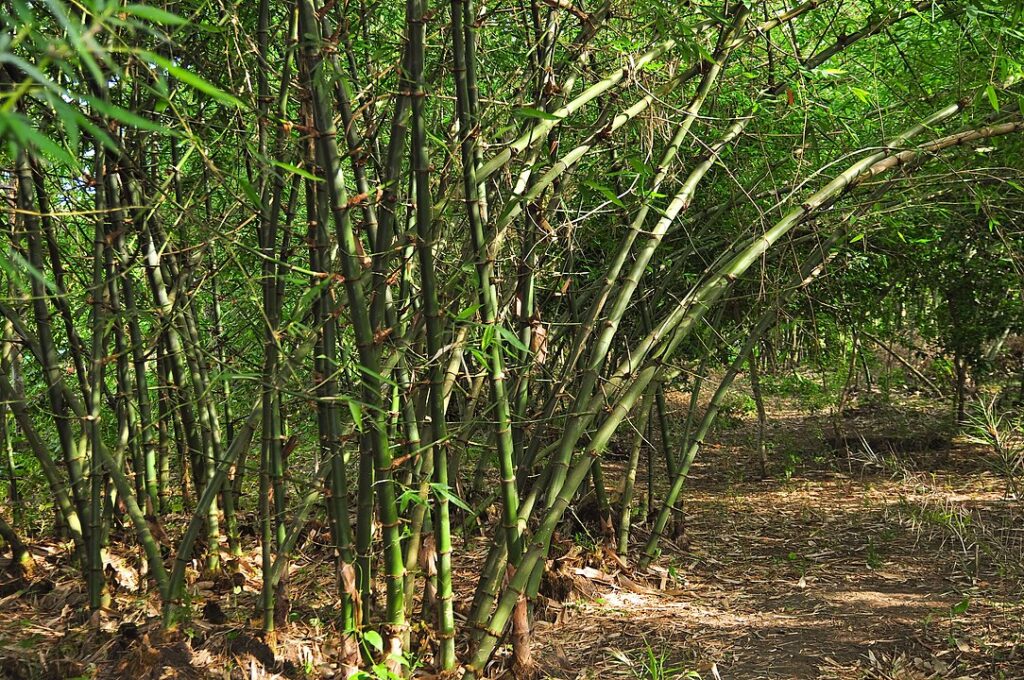
Planting certain trees or shrubs might violate local or state regulations due to their invasive nature. Species like bamboo or certain types of ivy can overtake native plants and damage ecosystems. Many areas have banned the planting of specific invasive plants to protect the environment. Violating these restrictions can lead to fines or forced removal. It’s always best to consult your local cooperative extension or environmental authority before planting.
Operate a Business

Running a home-based business may seem like a harmless side hustle, but it’s not always legal depending on your zoning. Businesses that involve customer traffic, noise, or inventory can run afoul of local rules. You may need a special permit or face penalties for operating without one. Even short-term rentals like Airbnb are now regulated or banned in some neighborhoods. Always review local business ordinances before launching anything from home.
Burn Trash or Yard Waste
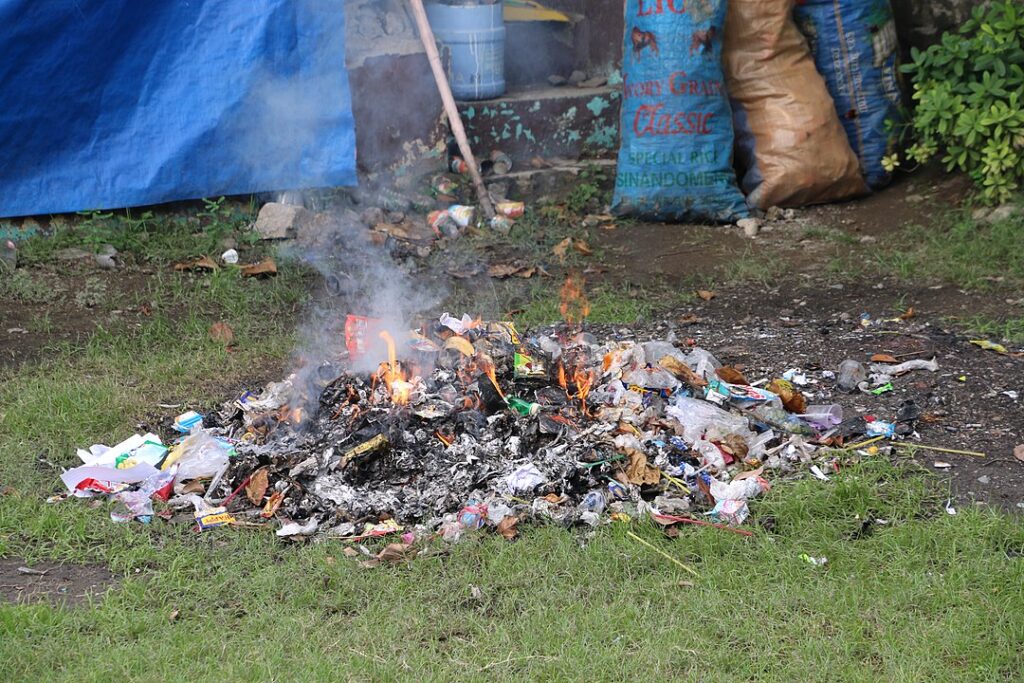
Open burning of trash, leaves, or even firewood is banned in many urban and suburban areas. These restrictions are primarily for air quality and fire prevention. Violating burn bans can lead to hefty fines and potential criminal charges. Even recreational fire pits may need to follow strict guidelines. Check with your local fire department before lighting anything up.
Build a Pond or Pool Without Permission
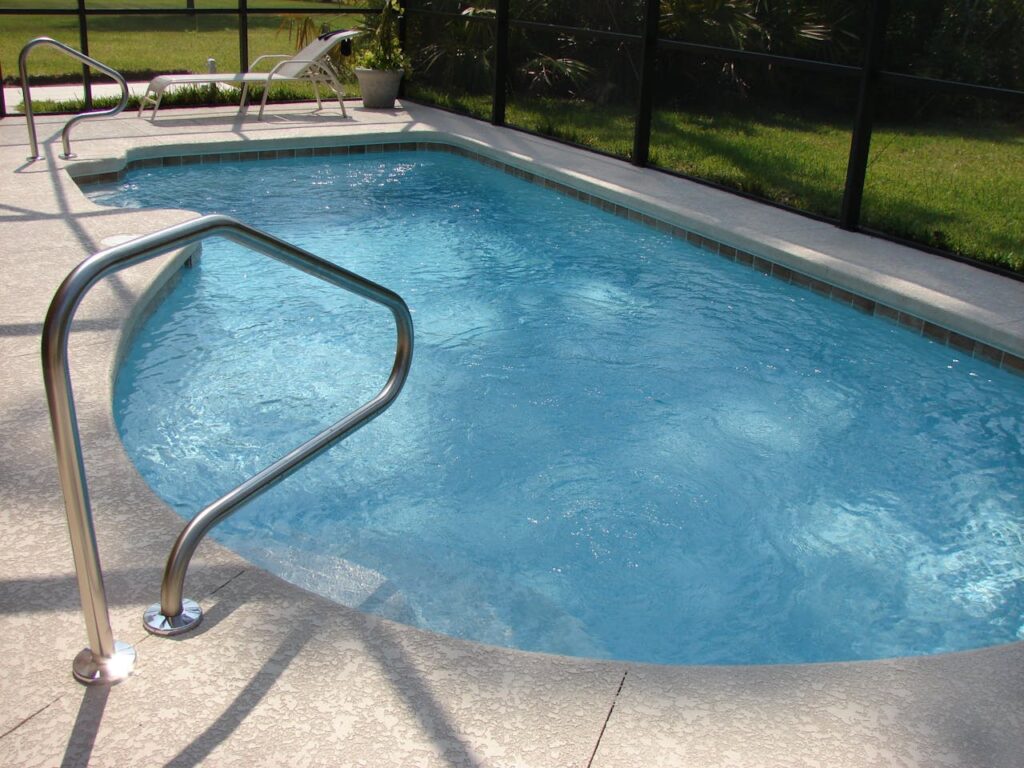
Constructing a backyard pond or pool seems like a personal decision, but it typically requires permits. These structures affect water drainage, safety, and property values. Local ordinances often dictate fence height, filtration systems, and even placement. You could be fined or ordered to remove a pool if it’s built without approval. It’s essential to follow every step of the permitting process to avoid trouble later.
Cut Down Trees
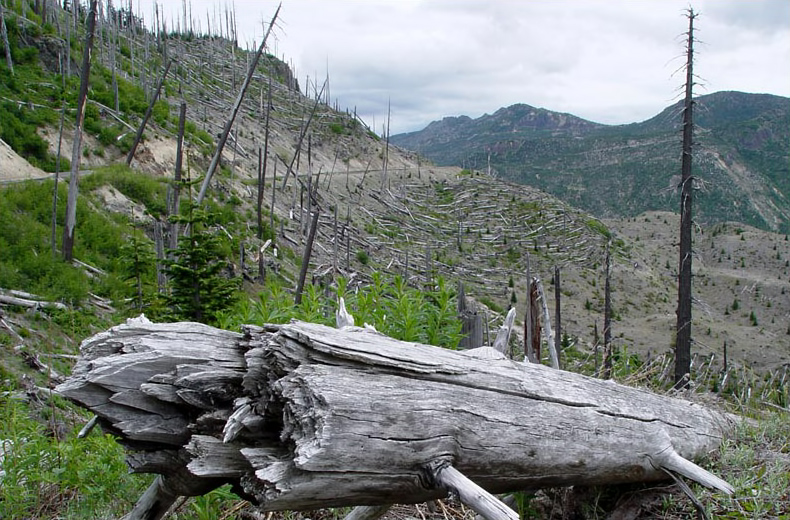
Even if a tree is on your property, you may not have the right to cut it down. Many communities protect certain species or require permits for tree removal, especially large or old ones. There are also rules about how close trees can be cut near sidewalks or neighboring yards. Cutting without permission could result in steep fines. Always consult a certified arborist or your city’s tree board before doing any removals.
Park in Your Yard

Parking on lawns or unpaved surfaces is banned in many areas due to aesthetic and environmental reasons. It can damage landscaping, reduce curb appeal, and affect water runoff. Neighborhood associations often have strict rules about where vehicles can be stored. In some areas, even parking RVs or boats on your property is restricted. Consider building a proper driveway extension if you need extra space.
Host Loud Events

You might think your backyard party is your business, but noise ordinances apply even on private land. Loud music, shouting, or other disturbances can result in complaints and police visits. Many cities have strict decibel limits and quiet hours that must be followed. Repeat offenses can lead to citations or court appearances. Always inform neighbors and keep noise under control, especially at night.
Store Junk or Debris
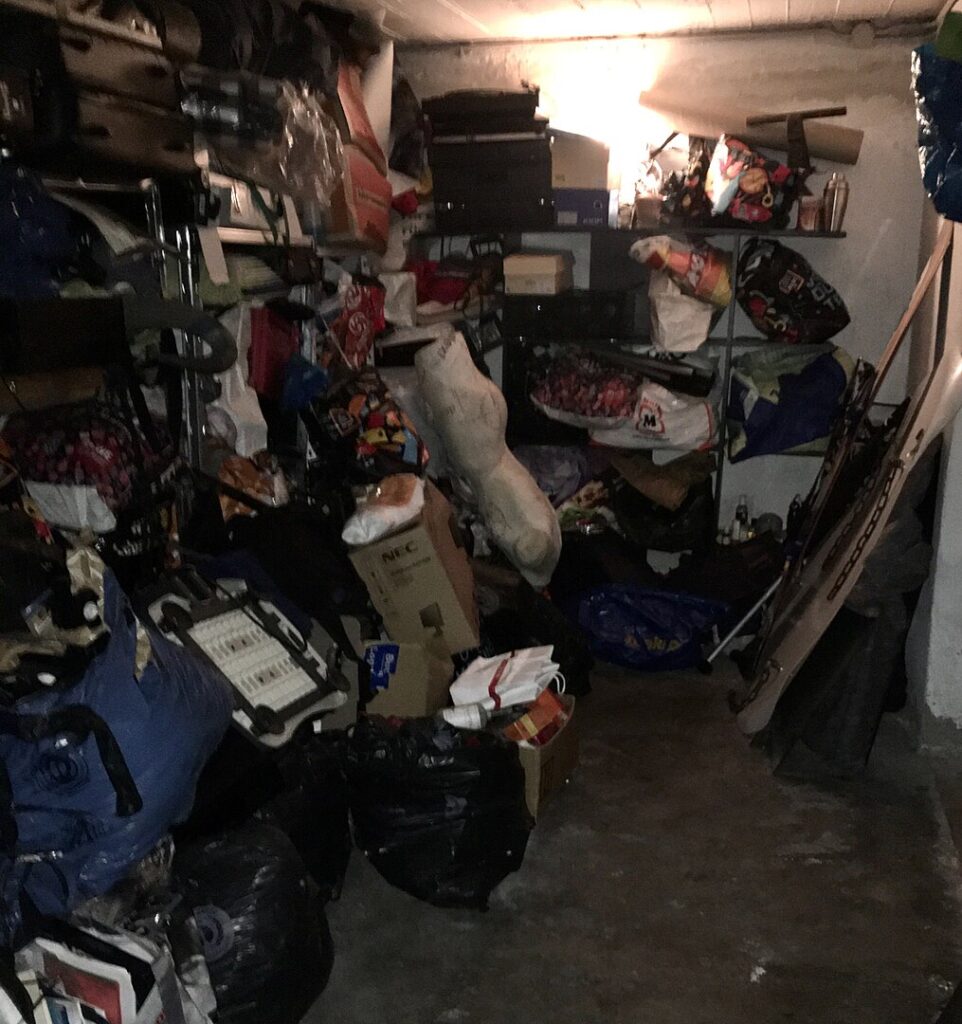
Leaving old appliances, scrap wood, or other debris around your property may be considered a code violation. Even vehicles that are inoperable and not registered can lead to fines. These rules are in place for safety, pest control, and neighborhood aesthetics. Cities often give notices and deadlines before issuing penalties. Keeping your yard clean and organized can prevent unnecessary problems.
Paint Your House Unusual Colors
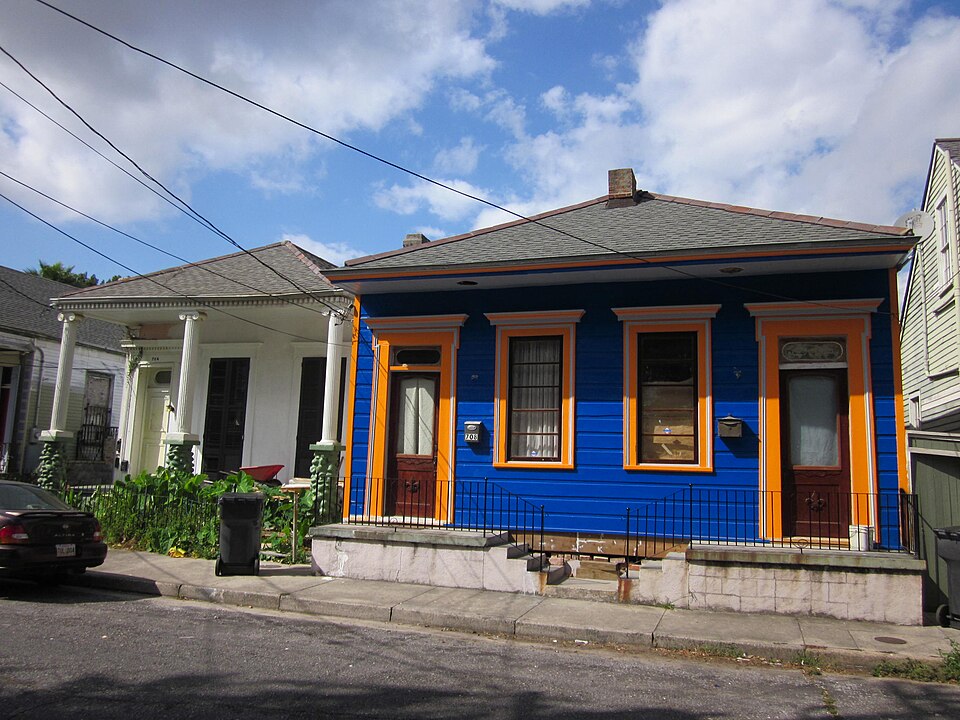
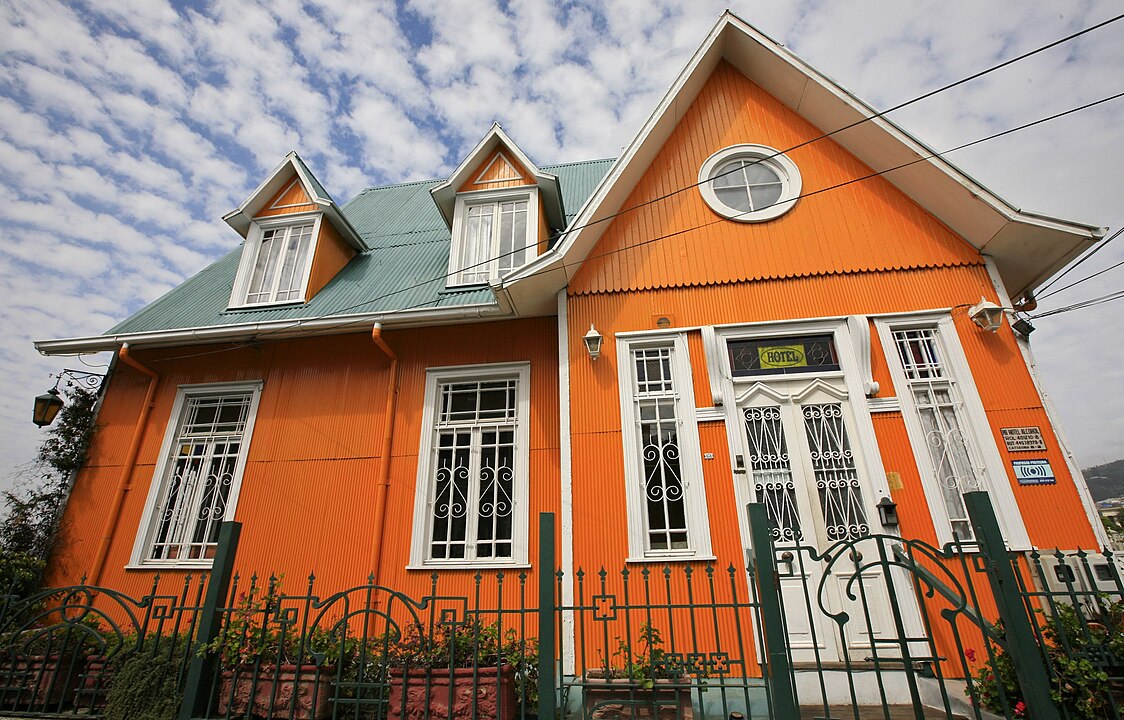
Believe it or not, some neighborhoods restrict the colors you can paint your home. Homeowners’ associations and historic districts often have approved color palettes. The goal is to preserve visual harmony or historical character. If you violate these guidelines, you may be ordered to repaint. Always seek approval before making dramatic exterior changes.
Build an Outdoor Toilet or Shower
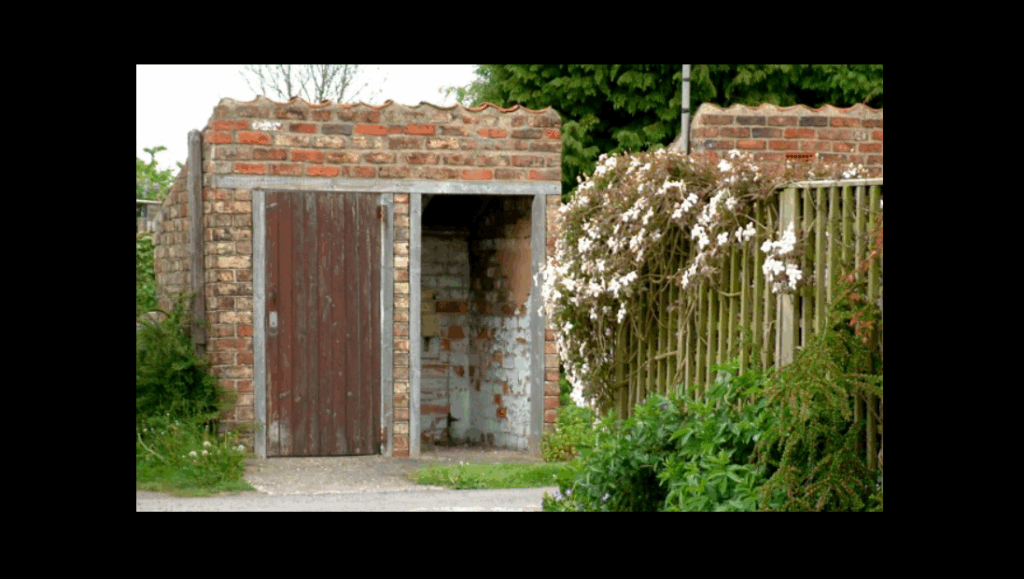
Backyard bath facilities may be charming in rural areas but are often prohibited in cities. Sanitation and public health regulations tightly control plumbing and waste systems. Even composting toilets usually require special permission. You could face fines or be forced to remove the installation. Always consult building codes before setting up any alternative plumbing systems.
Create a Private Shooting Range

Even in gun-friendly states, firing weapons on private property is subject to strict regulation. Local ordinances typically ban discharge of firearms within city limits. Safety zones, backstops, and noise control are critical legal concerns. Inappropriate setup can lead to criminal charges or property liability. Always research state and local laws before attempting to set up a range.