

The 1980s were a wild and wonderful time, full of neon colors, booming music, and a whole lot less supervision. Parents were more relaxed, technology wasn’t tracking our every move, and the rules seemed a bit looser all around. But while many look back fondly on the era, there’s no denying that some ’80s habits would definitely raise eyebrows—or even cause legal trouble—today. From unsupervised adventures to casual attitudes toward safety, here are 15 things you could do in the ’80s that would land you in hot water in the modern world.
Riding in Cars Without Seat Belts
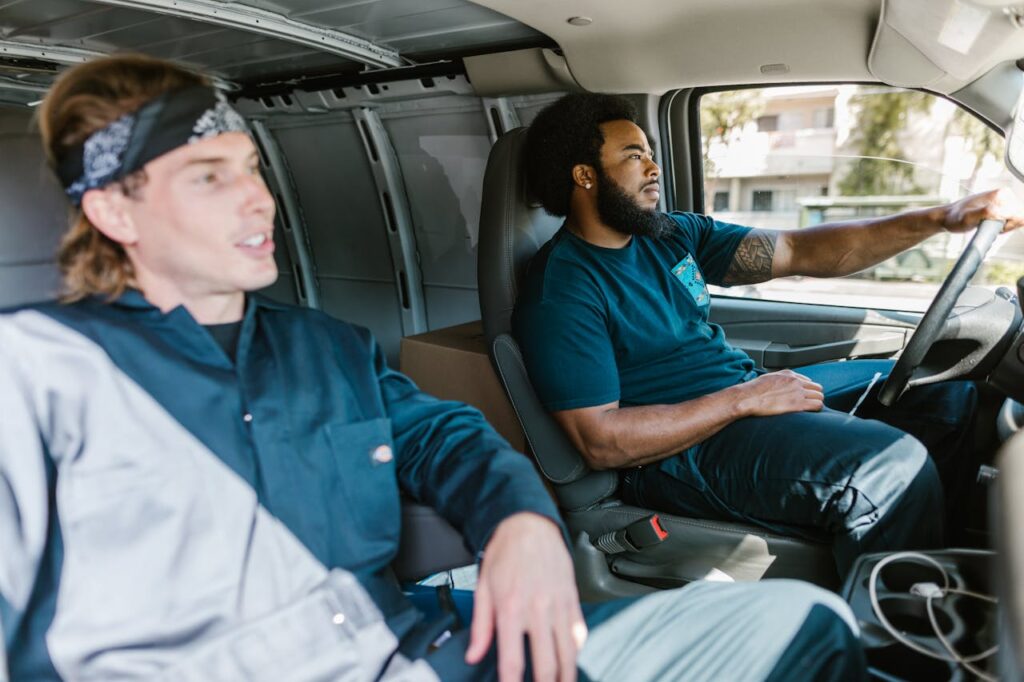
In the ’80s, it wasn’t unusual for kids to ride in the back seat—or even the front—without a seat belt. Many cars didn’t have rear shoulder belts, and seat belt laws were either non-existent or rarely enforced. Today, not wearing a seat belt could mean a hefty fine for the driver and serious safety concerns. Parents who let kids ride unbuckled would likely face judgment and legal consequences. Safety standards have changed dramatically, making seat belts non-negotiable.
Letting Kids Roam the Neighborhood Alone

During the ’80s, kids as young as six or seven wandered their neighborhoods alone, biking miles away or disappearing until the streetlights came on. It was simply part of childhood freedom. Nowadays, allowing young kids to roam unsupervised can result in calls to child protective services or even charges of neglect. Society is far more cautious, and parents are often judged for not keeping a closer eye. Times have certainly changed when it comes to kids’ independence.
Leaving Kids in the Car While Running Errands
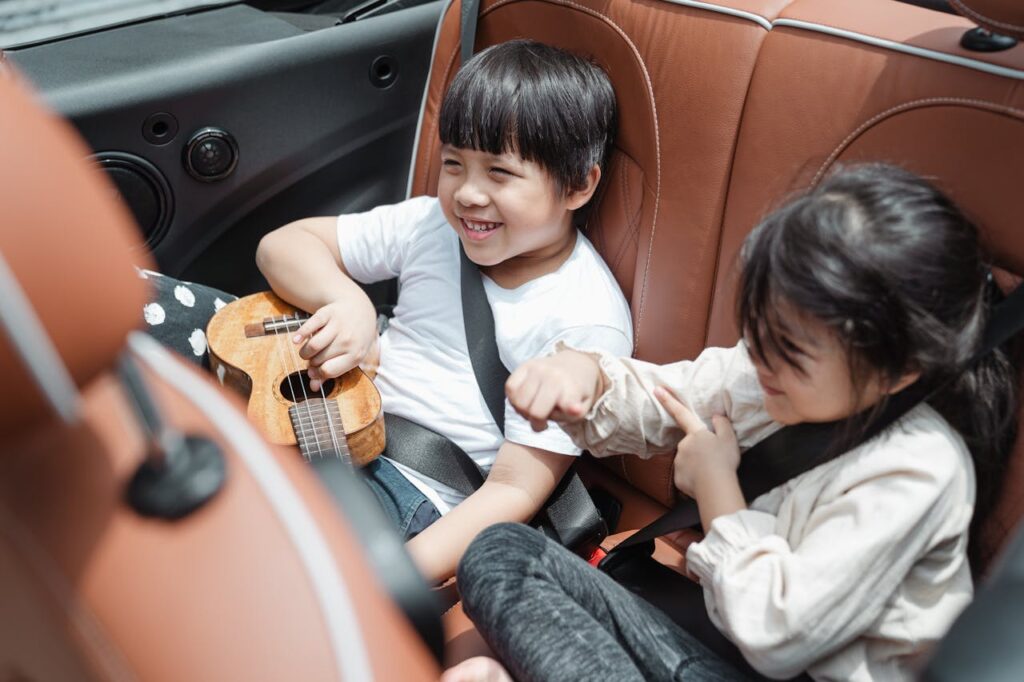
Parents in the ’80s often left kids waiting in the car while they dashed into a store or post office. It was seen as convenient and harmless for a quick stop. Today, leaving children alone in a vehicle—even for a minute—can bring criminal charges or a visit from child welfare authorities. Concerns about heatstroke, abduction, and safety have changed public perception entirely. What was once normal now carries serious risks and consequences.
Smoking in Public Spaces (or Even Indoors)

Back then, people smoked pretty much anywhere—restaurants, airplanes, offices, and even hospitals. Kids were often exposed to secondhand smoke without anyone batting an eye. Today, strict laws ban smoking in many public places, and lighting up indoors is practically unheard of. Parents who smoke around kids now face social judgment and health warnings. Society’s view of smoking has shifted dramatically, prioritizing public health.
Riding Bikes Without Helmets

In the ’80s, helmets were rare sights, and kids zipped around on bikes, skateboards, and roller skates without any head protection. Scrapes and bruises were just part of growing up. Nowadays, helmet laws exist in many places, and parents can be fined if kids ride without them. Safety campaigns have highlighted the risks of head injuries, changing how we approach outdoor fun. What was once carefree is now carefully regulated.
Drinking From the Garden Hose
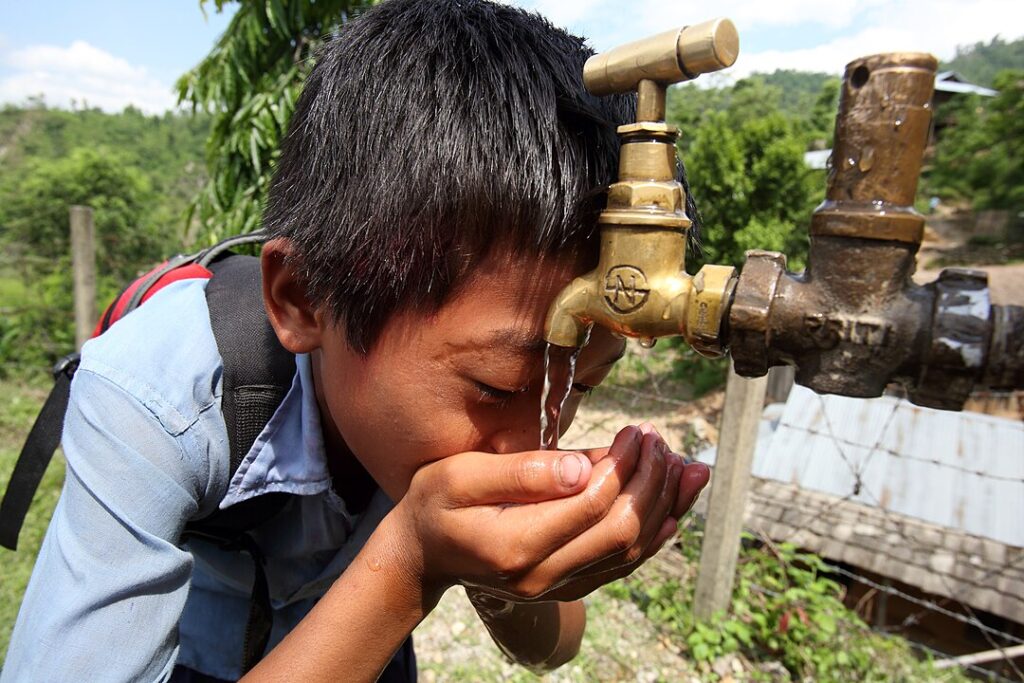
Kids in the ’80s regularly drank straight from the garden hose during summer play. It was quick, easy, and part of childhood fun. Today, many parents worry about chemicals, bacteria, and contaminants in hoses and outdoor water sources. Health advice warns against it, and some communities even have rules about safe water sources. What seemed harmless back then is frowned upon now for safety reasons.
Playing With Lawn Darts
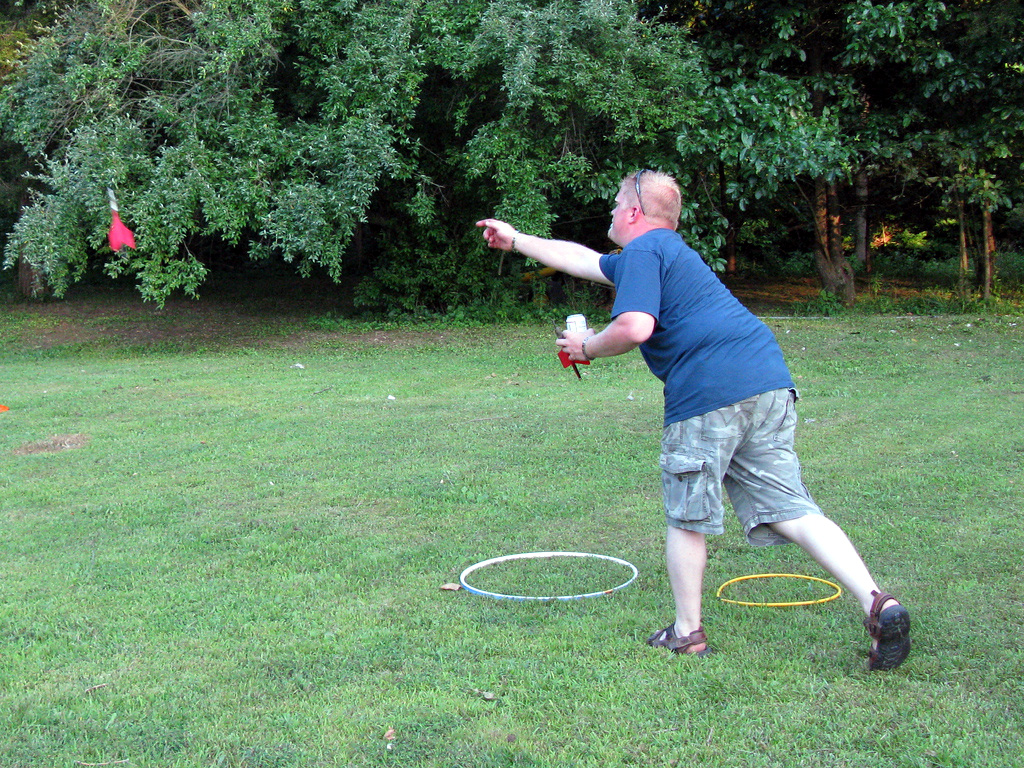
Lawn darts—those heavy metal-tipped missiles—were popular backyard games in the ’80s. Kids and adults tossed them toward plastic rings, often narrowly missing feet or heads. Due to numerous injuries, lawn darts were eventually banned in the U.S. in 1988. Owning or selling them today could land you in trouble, given how dangerous they’re considered. They’ve become an infamous example of risky ’80s toys that wouldn’t fly today.
Riding in the Back of Pickup Trucks

Cruising in the open bed of a pickup truck was a classic ’80s pastime, especially in rural areas. It felt fun and free, with hair whipping in the wind. Now, laws prohibit passengers from riding in truck beds in many places due to safety risks. Parents allowing it could face legal penalties and accusations of endangerment. What was once a simple joy is now seen as reckless and illegal.
Recording Songs Off the Radio
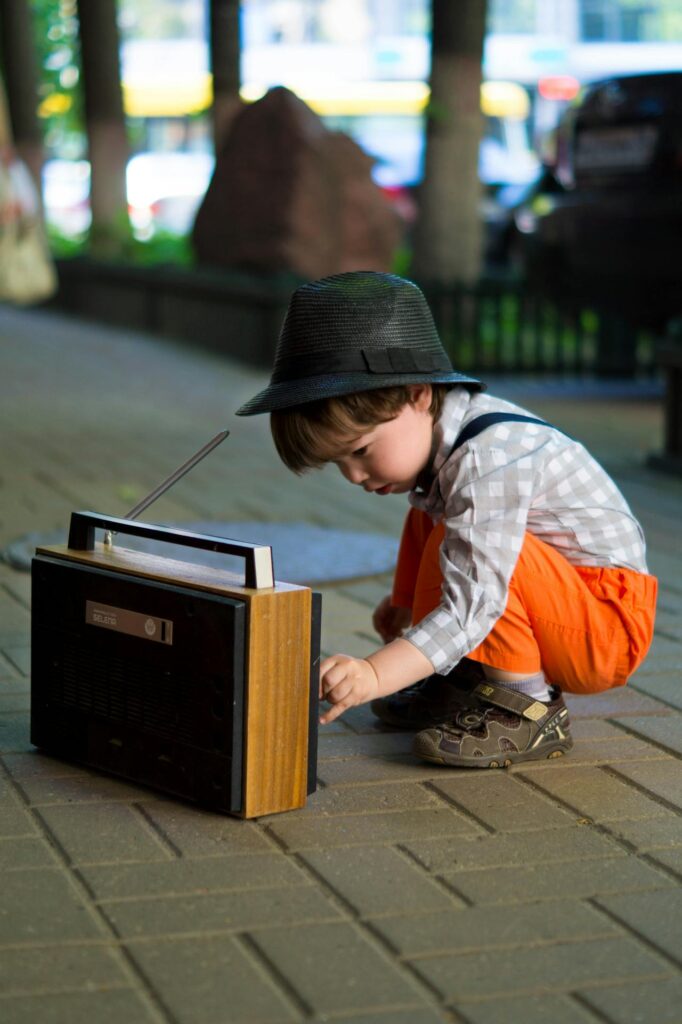
Back in the day, kids sat by their boom boxes, finger poised on the “Record” button, ready to capture favorite songs off the radio. Making mixtapes was practically a rite of passage. Today, recording and distributing copyrighted music without permission can lead to hefty fines and legal trouble. The music industry has cracked down on piracy, making mixtape culture a relic of the past. The casual taping of music is now a legal minefield.
Walking Home From School Alone at a Young Age

Children in elementary school often walked home alone or with friends, sometimes crossing busy streets without supervision. Parents trusted them to navigate the neighborhood safely. These days, communities and schools enforce strict rules about pickup, and parents face criticism—or worse—if kids are seen alone. Child safety concerns have reshaped expectations, making unsupervised walks far less common. The freedom kids once enjoyed is now a rarity.
Sharing Homemade Baked Goods at School

Bringing cupcakes or cookies for the whole class was a normal part of school life in the ’80s. Moms proudly sent kids to school with homemade treats. Today, many schools prohibit homemade food due to allergy concerns, health codes, and food safety laws. Store-bought items with labeled ingredients are now the standard. A sweet gesture from the past could spark trouble in the modern classroom.
Calling Friends Without Permission

In the ’80s, kids often picked up the phone and dialed friends without checking with parents first. Long phone calls were common, tying up family landlines for hours. Now, parents carefully monitor phone use, texting, and privacy, and unsupervised calls—especially from young kids—can raise privacy and safety concerns. Communication has shifted to apps, parental controls, and digital footprints. What was spontaneous then is more regulated now.
Playing Violent Games With Toy Guns

Running around the neighborhood with toy guns—often realistic-looking—was typical ’80s fun. Kids staged epic battles and played “cops and robbers.” Today, hyper-realistic toy weapons are often banned or tightly regulated due to concerns about gun violence and misunderstandings with law enforcement. A kid waving a fake gun now could lead to serious consequences. Society’s views on such games have changed profoundly.
Having Parties Without Adult Supervision

Teen parties in the ’80s sometimes happened with minimal or no adult oversight. Parents might leave for the night, trusting kids not to go overboard. Now, underage drinking laws, liability concerns, and social media make unsupervised parties a risky proposition. Parents can be held legally responsible if things get out of hand. What was once shrugged off as teenage fun could lead to legal trouble today.
Leaving the House Without Telling Anyone

Kids often took off to a friend’s house or the local park without notifying anyone, assuming parents would figure it out later. In the ’80s, independence was encouraged, and constant check-ins weren’t expected. Today, not informing parents—or kids going off alone—can spark panic, police involvement, or even child protective services. The modern world demands more communication and caution. Spontaneous adventures are no longer so simple.