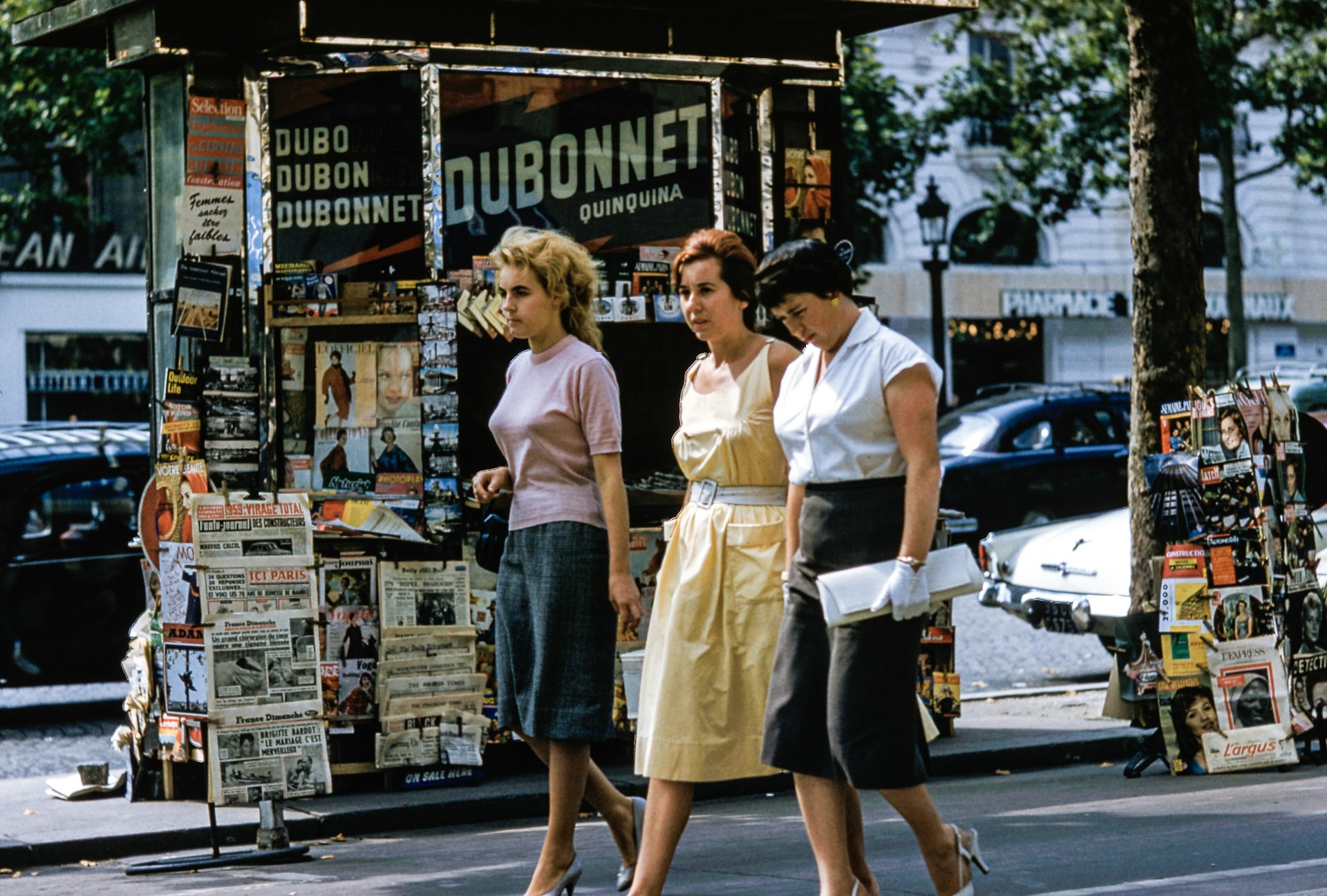
The 1960s was a pivotal decade in many ways, especially when it came to the fight for gender equality and women’s rights. While progress has been made since then, many of the struggles women faced during that era are almost unthinkable today. From the workplace to social expectations, the ’60s were marked by stark gender roles and limited freedoms for women. Here are 15 things women endured in the 1960s that seem unimaginable in today’s world.
Women Were Expected to Be Homemakers
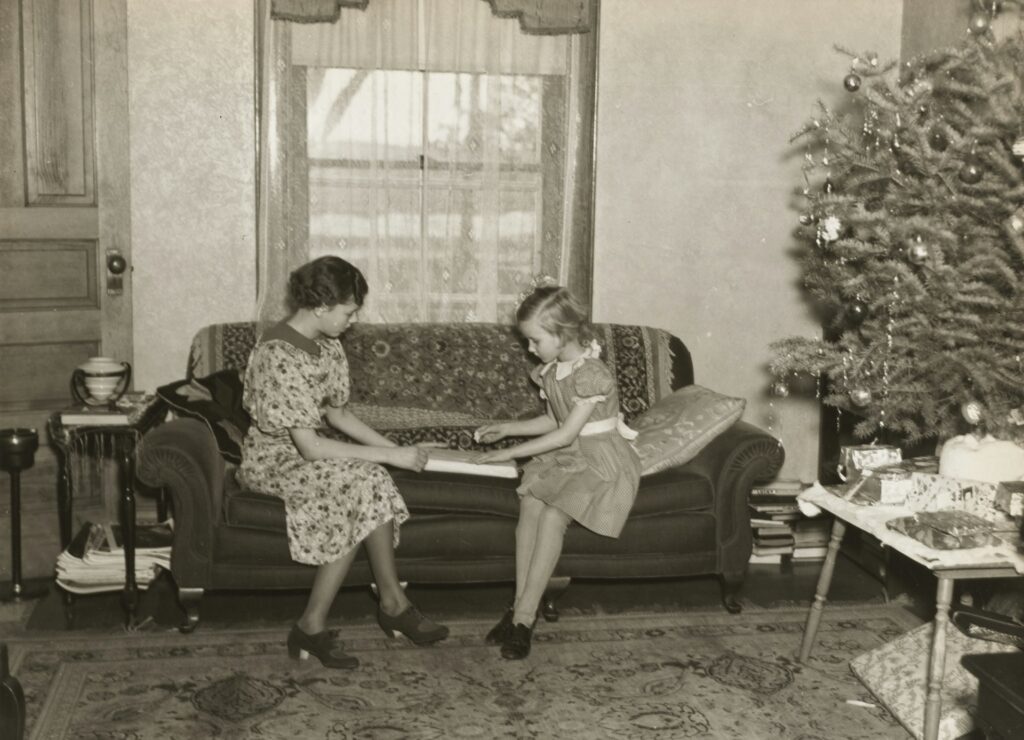
In the 1960s, the ideal woman was often depicted as a stay-at-home wife and mother, fully committed to raising children and managing the household. Career aspirations were often viewed as secondary, and many women had limited opportunities to pursue careers outside of the home. The idea that a woman’s place was in the home was reinforced by media and cultural norms, making it difficult for women who wanted to pursue professional careers to do so without facing societal pressure or judgment.
Lack of Birth Control Access

In the early ’60s, birth control was not as readily available or accepted as it is today. Women faced significant challenges in controlling their reproductive health. The Pill wasn’t legalized for contraceptive use in the U.S. until 1965, and access was often limited to married women. Single women had few options, and the stigma surrounding premarital sex only made things worse. Women had to endure societal pressures surrounding their sexuality, with very few tools to take control of their reproductive choices.
Sexual Harassment Was Normalized
Sexual harassment in the workplace and in public spaces was rampant in the 1960s, and it was widely accepted as part of everyday life. Women often endured inappropriate comments, advances, and even physical harassment without recourse. There were no laws to protect them, and many women felt pressured to tolerate this behavior to avoid rocking the boat. Women had to endure this mistreatment because, at the time, it was often seen as just part of their role as women in society.
Limited Legal Rights

Women in the 1960s had few legal rights compared to their male counterparts. In many states, women could not sign a lease, get a credit card, or make other major financial decisions without their husband’s consent. Even in marriage, women were often seen as legally subordinate to their husbands. It wasn’t until the passage of the Equal Credit Opportunity Act in 1974 that women could apply for credit cards independently. Legal protection against gender discrimination in the workplace didn’t exist until the Civil Rights Act of 1964 was enacted.
Unchallenged Gender Stereotypes

The media and popular culture were full of rigid gender stereotypes, and women were expected to fit neatly into these roles. Women were often portrayed as submissive, dependent on men, and focused on domestic duties. The idea that women could be strong, independent, or intellectually capable outside of traditional gender roles was rarely seen. Women were pigeonholed into certain professions, such as teaching or nursing, and faced immense pressure to conform to societal expectations of beauty and behavior.
No Maternity Leave or Workplace Flexibility
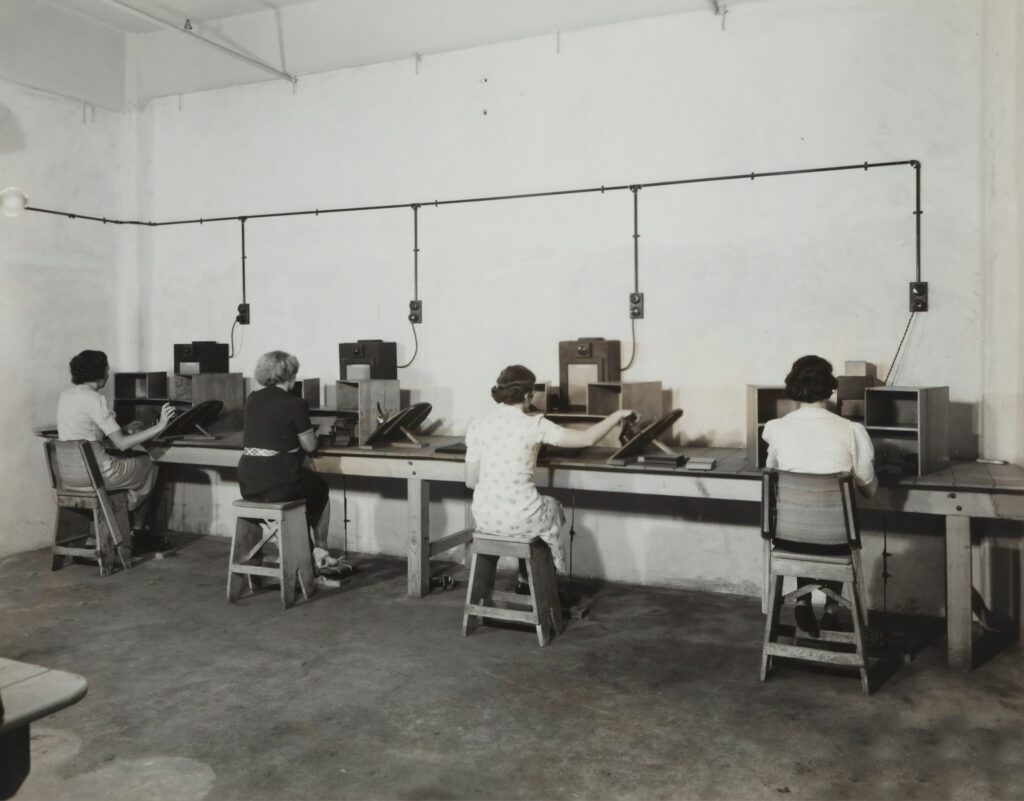
The concept of maternity leave was virtually nonexistent in the 1960s. Women who became pregnant had to navigate a hostile workplace, where they were often pushed out of their jobs or forced to take unpaid leave. Few companies offered any support for mothers, and if a woman had to take time off for child-rearing, it was often seen as a burden. There were no laws mandating workplace flexibility, and women had little recourse if they faced discrimination due to pregnancy.
Women’s Pay Was Significantly Lower
Even if women managed to break into the workforce, they were often paid much less than their male counterparts. In fact, the gender pay gap was even wider in the 1960s than it is today, with women earning only about 59 cents for every dollar earned by men. While this disparity continues today, it was much more entrenched in the ’60s, with few legal protections to prevent such inequality. Women often had to accept lower wages simply because they were women, and this was the norm.
They Were Denied Higher Education Opportunities
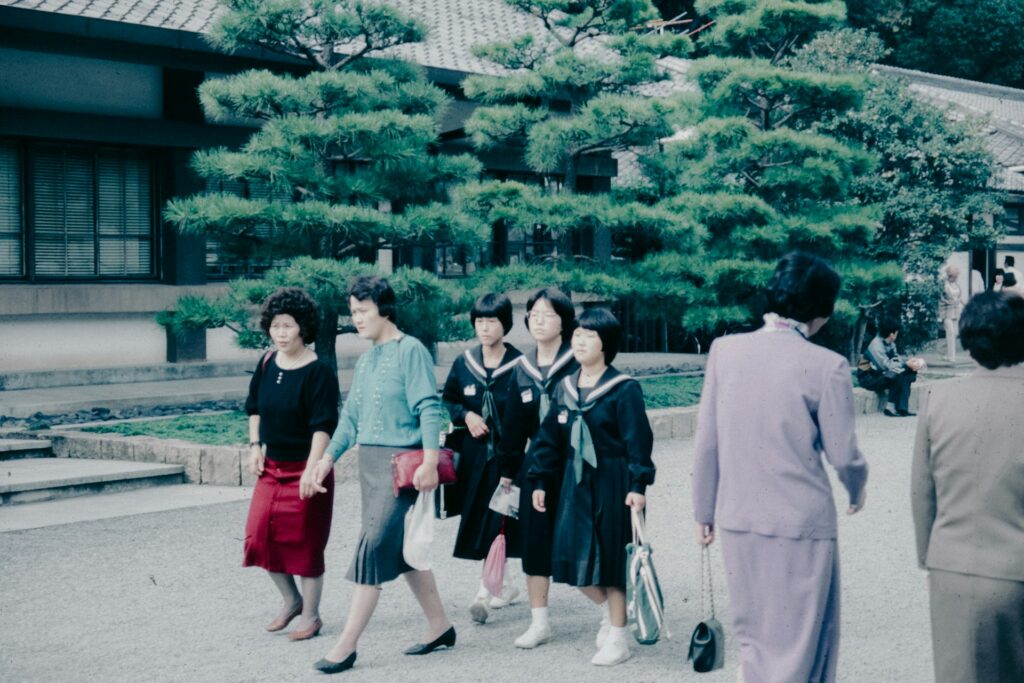
In the 1960s, many women faced obstacles when it came to pursuing higher education. While women were admitted to colleges, many schools had limited options for women in terms of degree programs and were expected to focus on “appropriate” subjects like teaching, nursing, or secretarial work. Women were often pushed into these “feminine” careers, and their ambitions were stifled by the belief that higher education was unnecessary for women. Some women even faced discrimination on campus, with professors or fellow students questioning their decision to pursue higher education at all.
Pressured to Marry Early
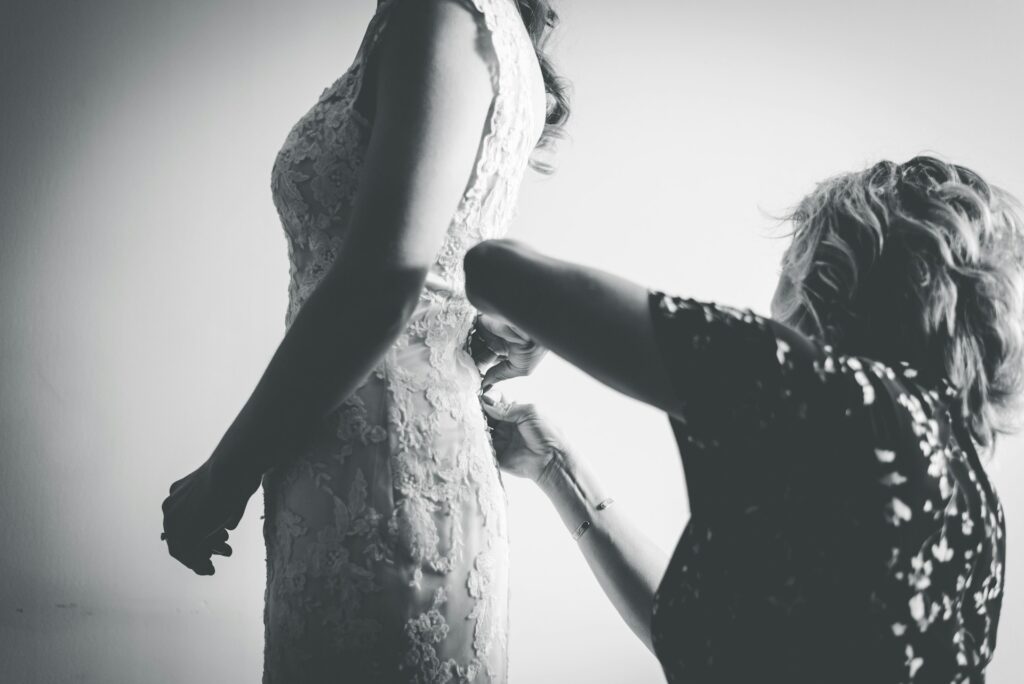
In the 1960s, there was significant societal pressure on women to marry young. The “baby boom” generation saw a rise in early marriages, and women were often expected to marry in their early 20s, have children, and settle into traditional domestic roles. For women who wanted to pursue careers or remain single, this pressure could feel suffocating. There was also a significant stigma attached to women who were unmarried past a certain age, with the idea that their worth was directly tied to their marital status.
Limited Access to Professional Opportunities
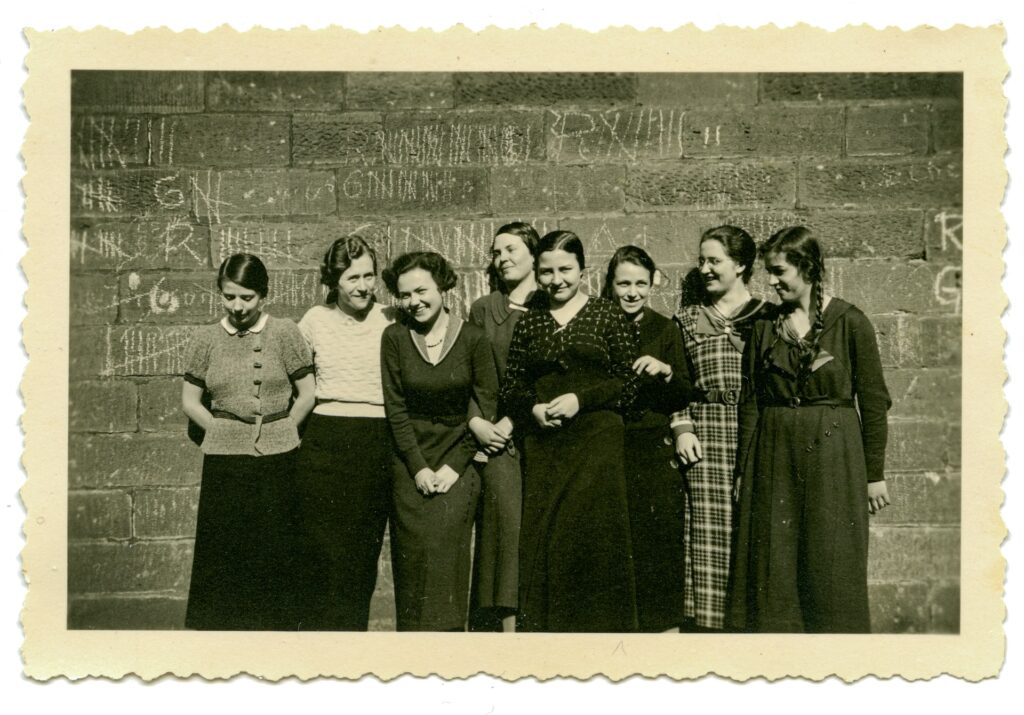
In a time when women were often relegated to lower-paying jobs, opportunities for professional advancement were limited. Women working in fields like law, medicine, or business had few role models or mentors to guide them. Discrimination in hiring was commonplace, and women were often overlooked for promotions, even if they were more qualified than their male colleagues. Corporate culture was largely male-dominated, and women had to work harder just to be taken seriously.
No Legal Protection for Domestic Abuse Victims

In the 1960s, domestic violence was often dismissed as a private family matter rather than a crime. Women who experienced abuse had limited options for protection or escape, and the legal system rarely intervened. Many women were afraid to speak up, as they faced societal shame or didn’t believe the law would help. There were no domestic violence shelters or hotlines, and police often did not take abuse seriously. In many cases, women had to endure violence without support or any hope of legal recourse.
Restrictive Dress Codes
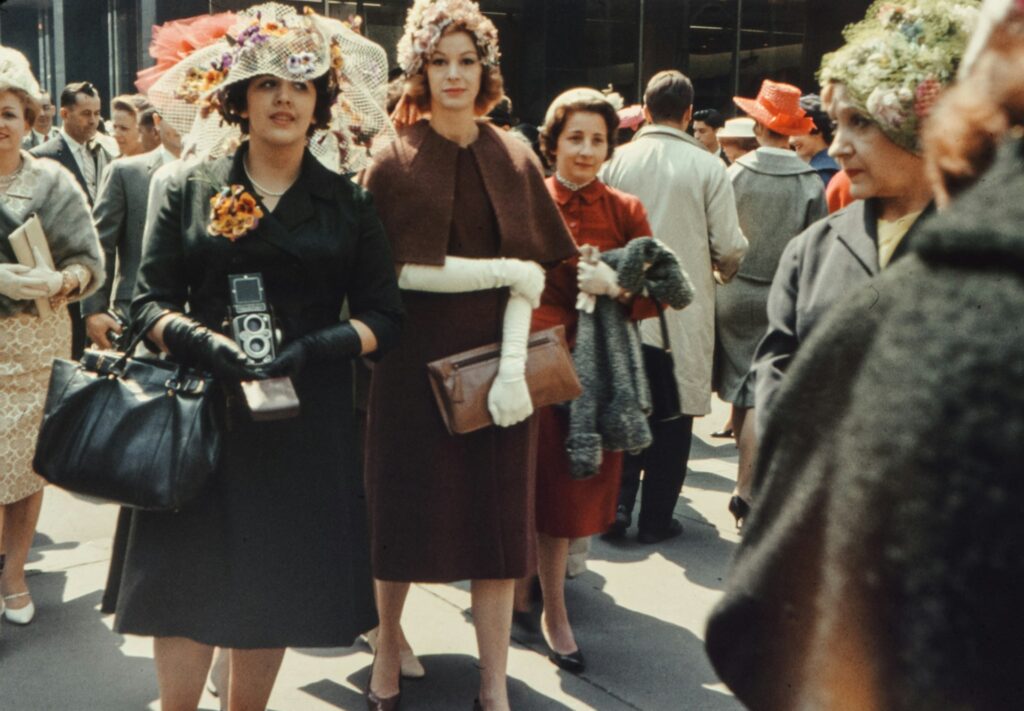
Women in the 1960s were often subject to extremely strict dress codes, especially in professional or educational settings. School and workplace rules enforced the idea that women’s clothing should be modest, often policing women’s bodies and limiting self-expression. From skirts to blouses to makeup, women had to meet rigid standards of appearance to be considered appropriate. These dress codes were part of a larger system of societal control, making it clear that women’s roles were highly restricted and defined by appearance.
Women Were Denied Access to Divorce

While divorce was technically legal in the 1960s, it was still incredibly difficult for women to obtain one, especially in cases of infidelity or abuse. The societal stigma surrounding divorce meant that many women stayed in unhappy or even harmful marriages. Women were expected to endure difficulties in marriage and rarely had the freedom to leave without facing judgment or significant financial consequences. This lack of freedom kept many women trapped in relationships they were unhappy with or even unsafe in.
The Pill Was Only For Married Women

The introduction of the birth control pill in the 1960s was a revolutionary change, but it was not accessible to all women. In many states, unmarried women could not legally access birth control, and it wasn’t until the 1970s that the law was changed to allow single women access to contraceptives. This left unmarried women with few choices and placed a significant burden on their sexual health. The Pill, while groundbreaking, was often treated as something that could only be used by married women.
Public Opinion Was Against Women’s Liberation
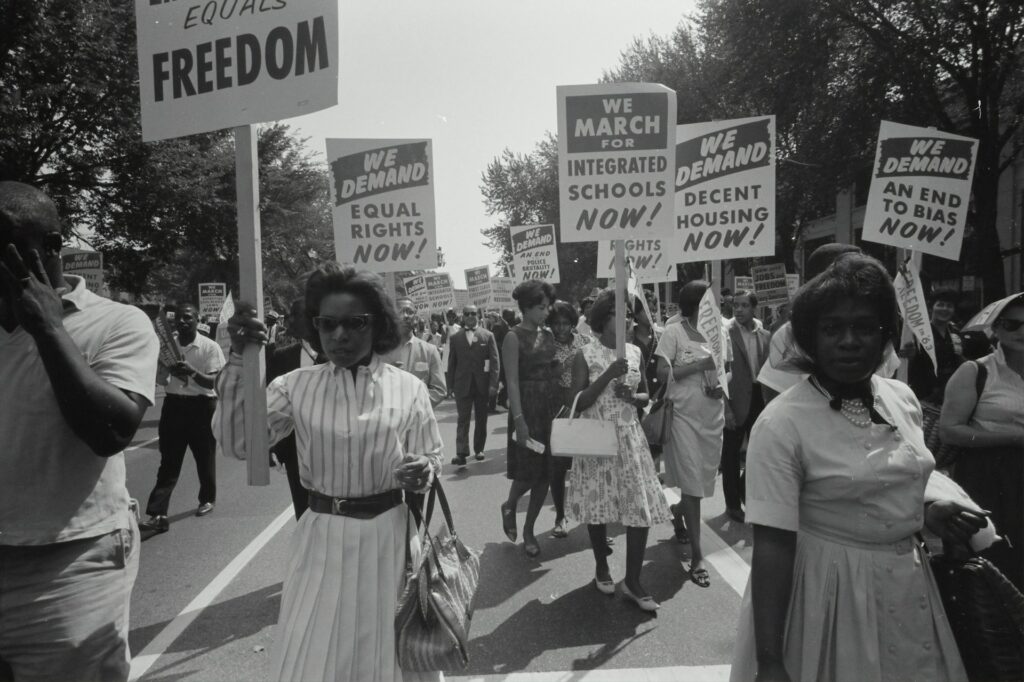
The 1960s saw the rise of the feminist movement, but it was met with significant backlash. Many women who supported equal rights or feminist causes were seen as radical or even unpatriotic. The fight for equal rights was often portrayed as a direct challenge to traditional family values, and women who fought for their rights were sometimes ostracized or vilified by their communities. Public opinion was often dismissive of women’s liberation, and those advocating for change had to endure criticism and even hostility.
The 1960s were a decade of significant change, but the struggles women faced during that time highlight just how far we’ve come—and how much further we still have to go. Today, women enjoy freedoms and rights that were unimaginable back then, but it’s important to remember the challenges that women endured to get to where we are now.