
Being vegan is a personal and often ethical choice, but it can come with endless questions, jokes, and misconceptions. Whether it’s at a family dinner or a casual outing, vegans often find themselves explaining the same things repeatedly. Here are fifteen things most vegans are simply tired of hearing, and why it’s time we rethink how we talk about plant-based living.
“Where Do You Get Your Protein?”
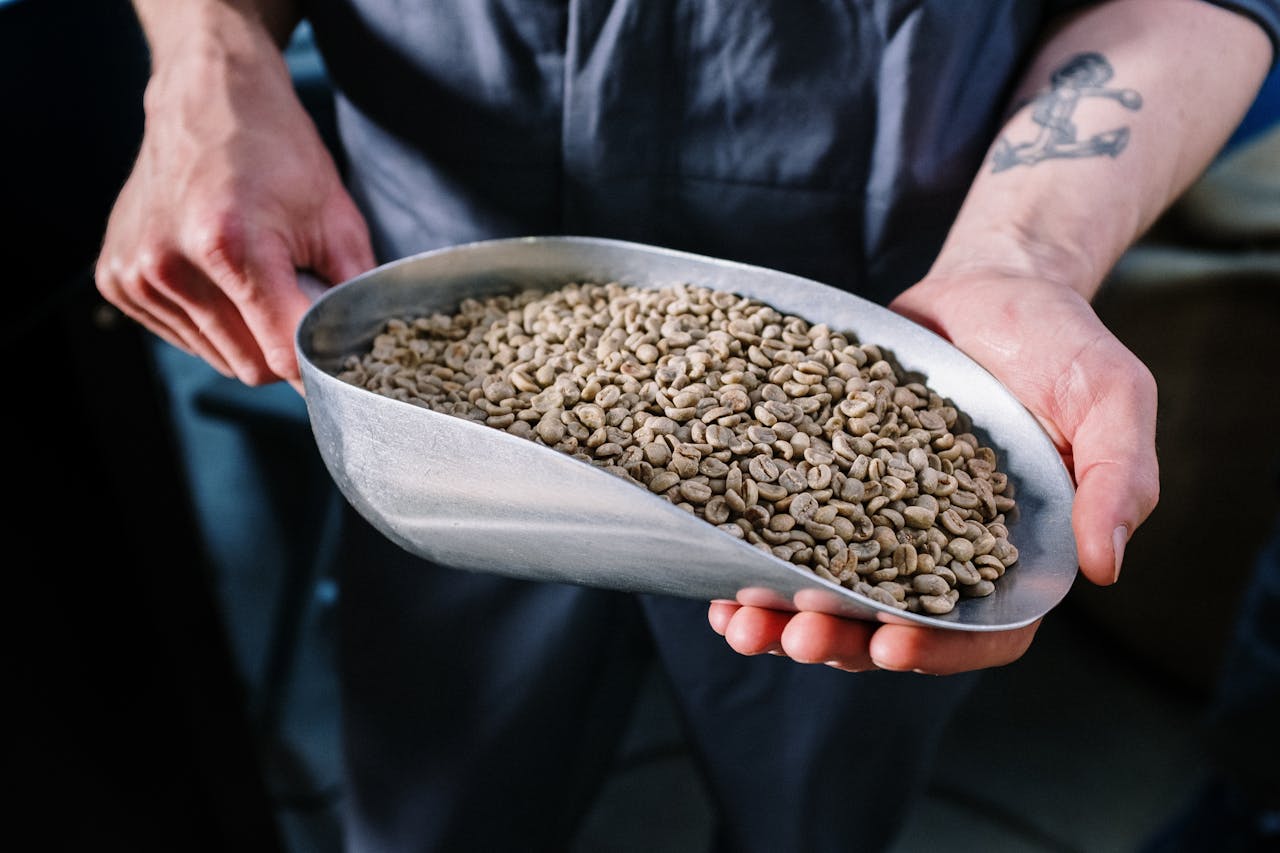
This is perhaps the most common question vegans hear. In reality, protein is abundant in plant foods like beans, lentils, tofu, quinoa, and nuts. Studies show that a well-balanced vegan diet easily meets daily protein needs. The real challenge isn’t protein, it’s breaking outdated stereotypes about nutrition.
“Don’t You Miss Cheese?”
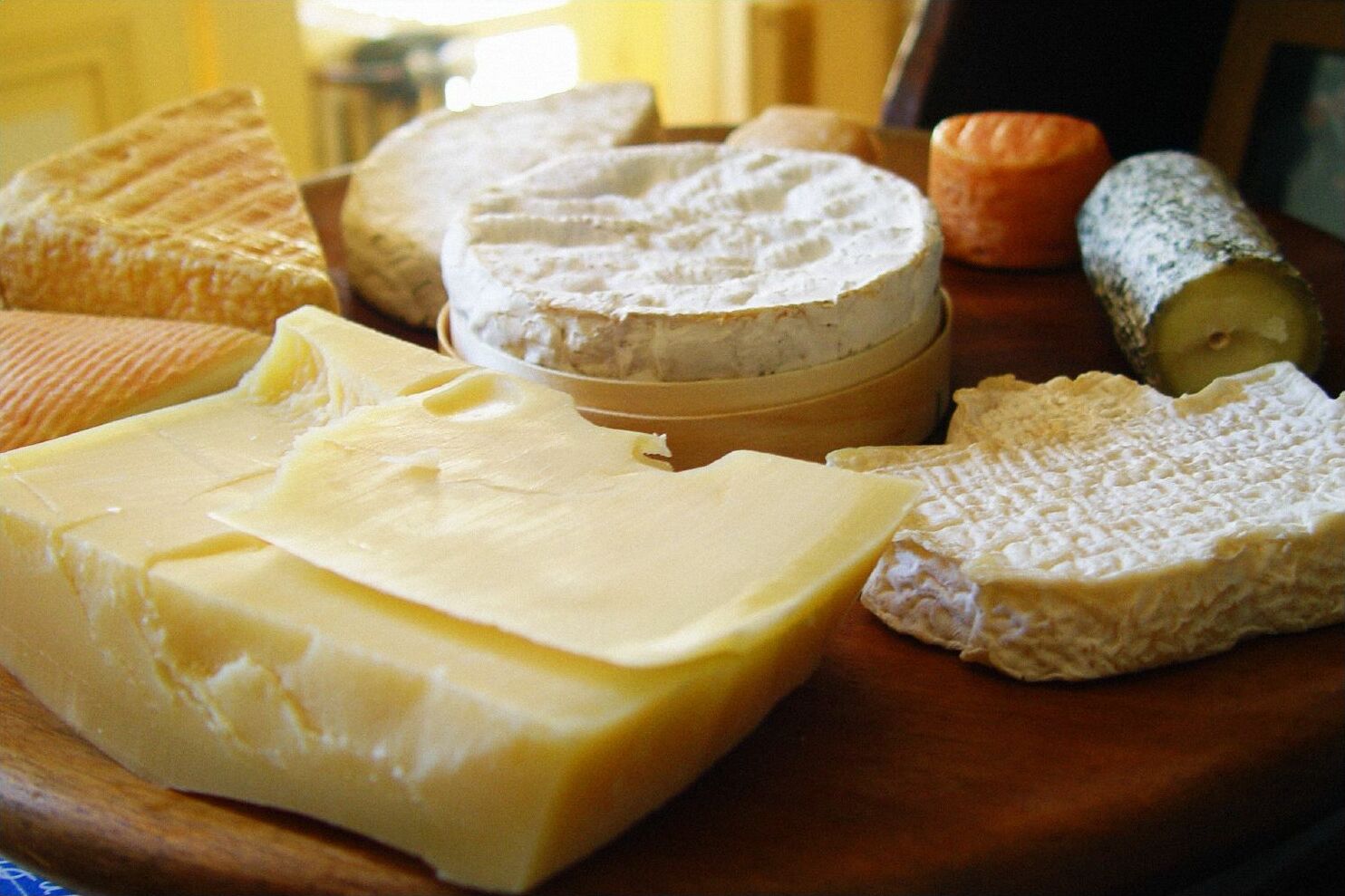
Cheese is often the hardest food for people to give up, but many vegans have found satisfying alternatives. Plant-based cheeses made from cashews, coconut, and soy now melt and taste surprisingly close to the real thing. Taste buds also adapt over time, reducing cravings. For many vegans, compassion outweighs nostalgia.
“Plants Feel Pain Too!”

This argument might sound clever, but it misses the point. Plants lack a nervous system or brain to process pain like animals do. Moreover, raising animals for food consumes more plants overall due to feed production. Going vegan actually reduces the total number of plants harvested.
“You’re So Judgmental.”

Not all vegans preach or judge others for eating meat. Many simply live by their values quietly. However, they’re often labeled as judgmental just for existing differently. Respect should go both ways, allowing space for ethical choices without assumptions.
“I Could Never Give Up Bacon.”
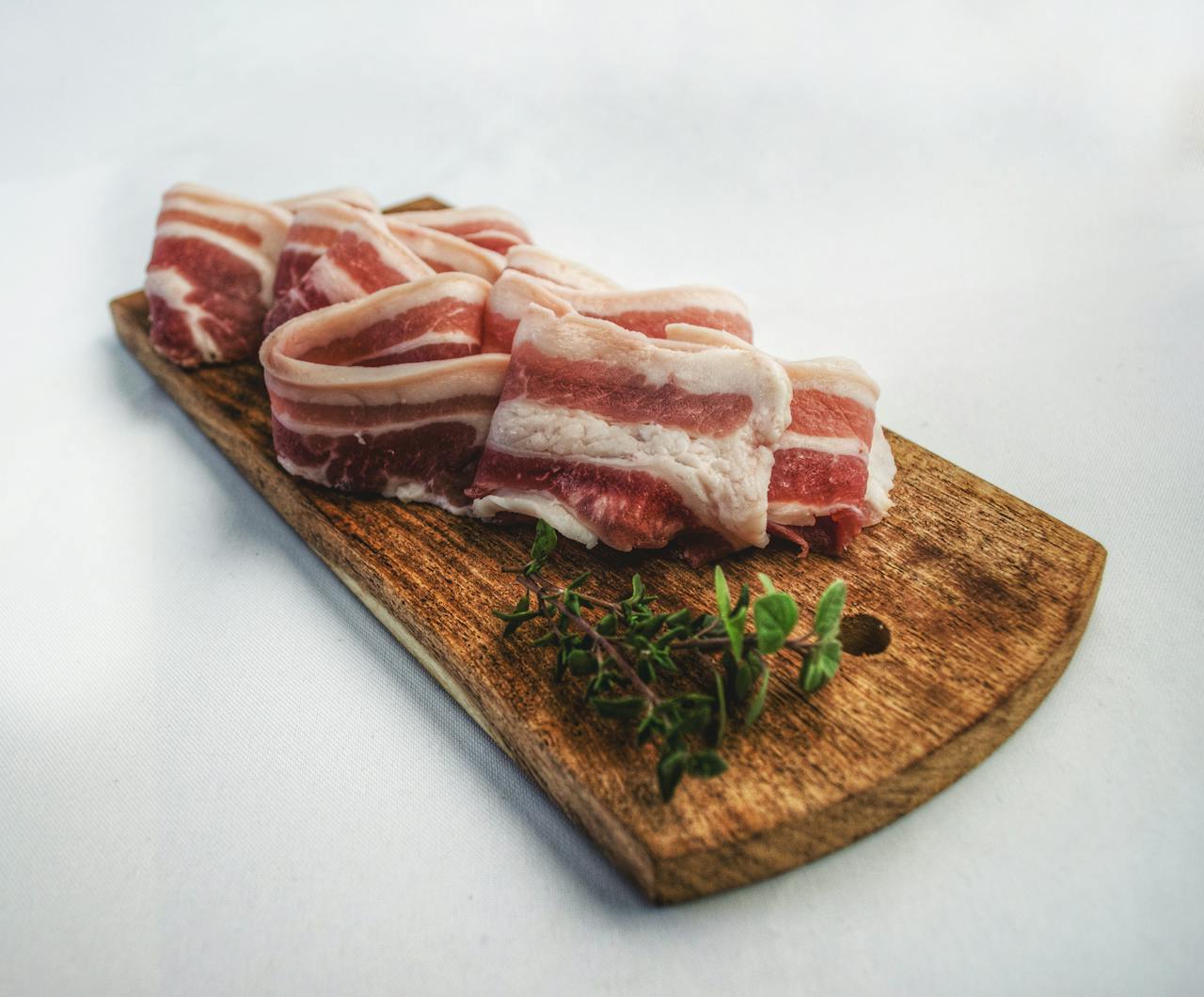
Vegans hear this phrase constantly, usually meant as humor. But for those who’ve chosen veganism for ethical reasons, it can feel dismissive. Modern alternatives, like seitan and tempeh bacon, offer similar flavors. Compassion, after all, tastes even better when shared.
“But Humans Have Always Eaten Meat.”

This historical defense overlooks how diets evolve. Humans have also always adapted, inventing agriculture, cooking, and refrigeration. Modern knowledge allows ethical and sustainable alternatives. Tradition should guide us, not limit progress.
“You Must Be Deficient in B12.”

While B12 is essential, deficiency isn’t exclusive to vegans, it’s common in many diets. Fortified foods and supplements easily meet requirements. Many meat-eaters also take vitamins, so the concern often reflects misinformation rather than science.
“What Do You Even Eat?”
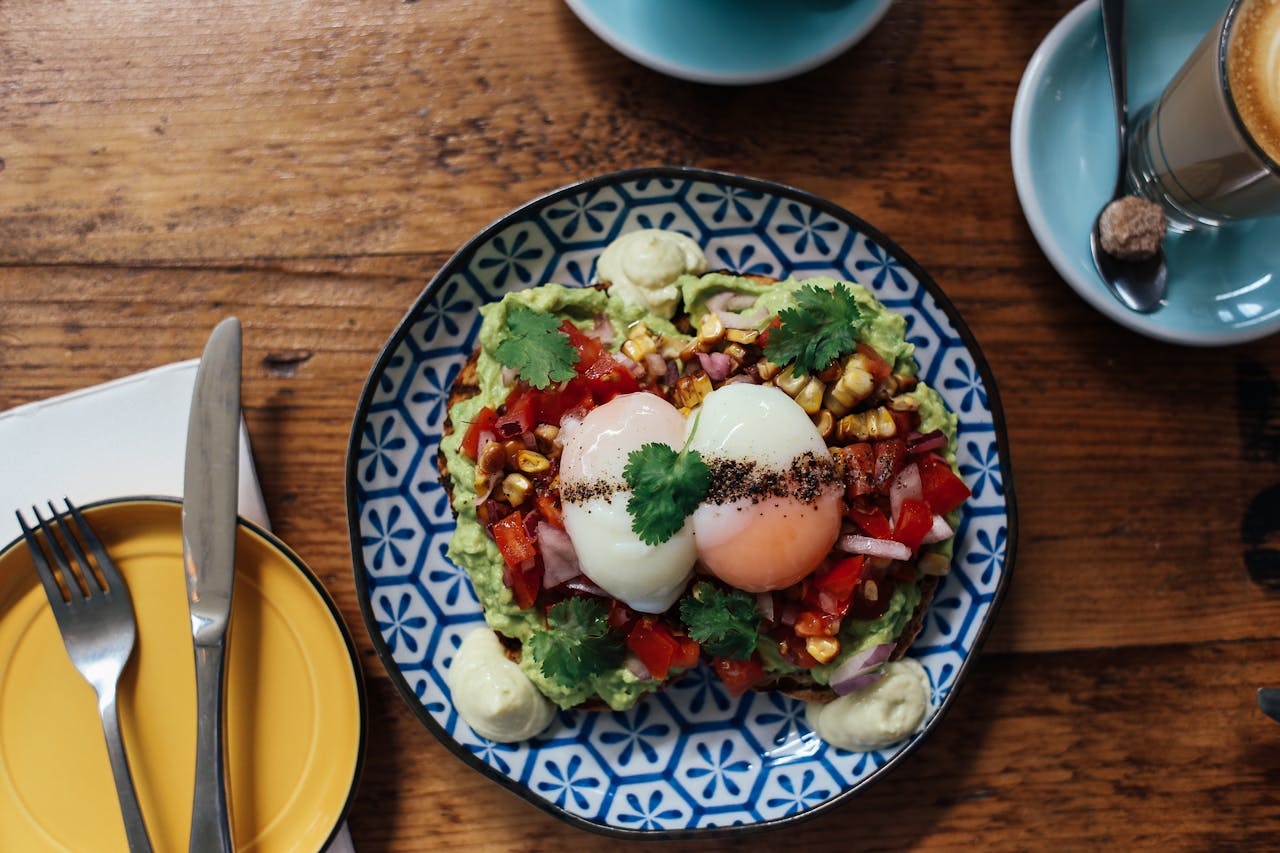
The idea that vegans eat only salads is outdated. From creamy pastas to plant-based burgers, vegan cuisine is rich and diverse. International recipes offer endless variety. In fact, many vegans discover more foods after making the switch.
“Aren’t You Hungry All the Time?”

Plant-based meals are often filling thanks to fiber and complex carbohydrates. Whole grains, legumes, and vegetables keep energy steady throughout the day. The myth of constant hunger stems from misunderstanding plant nutrition. Most vegans report feeling more energized, not deprived.
“Your Diet Must Be So Expensive.”

While some specialty products can cost more, basic vegan staples, like beans, rice, and vegetables, are affordable. Many families find vegan cooking saves money. It’s less about budget and more about food choices and creativity.
“Animals Are Meant to Be Eaten.”
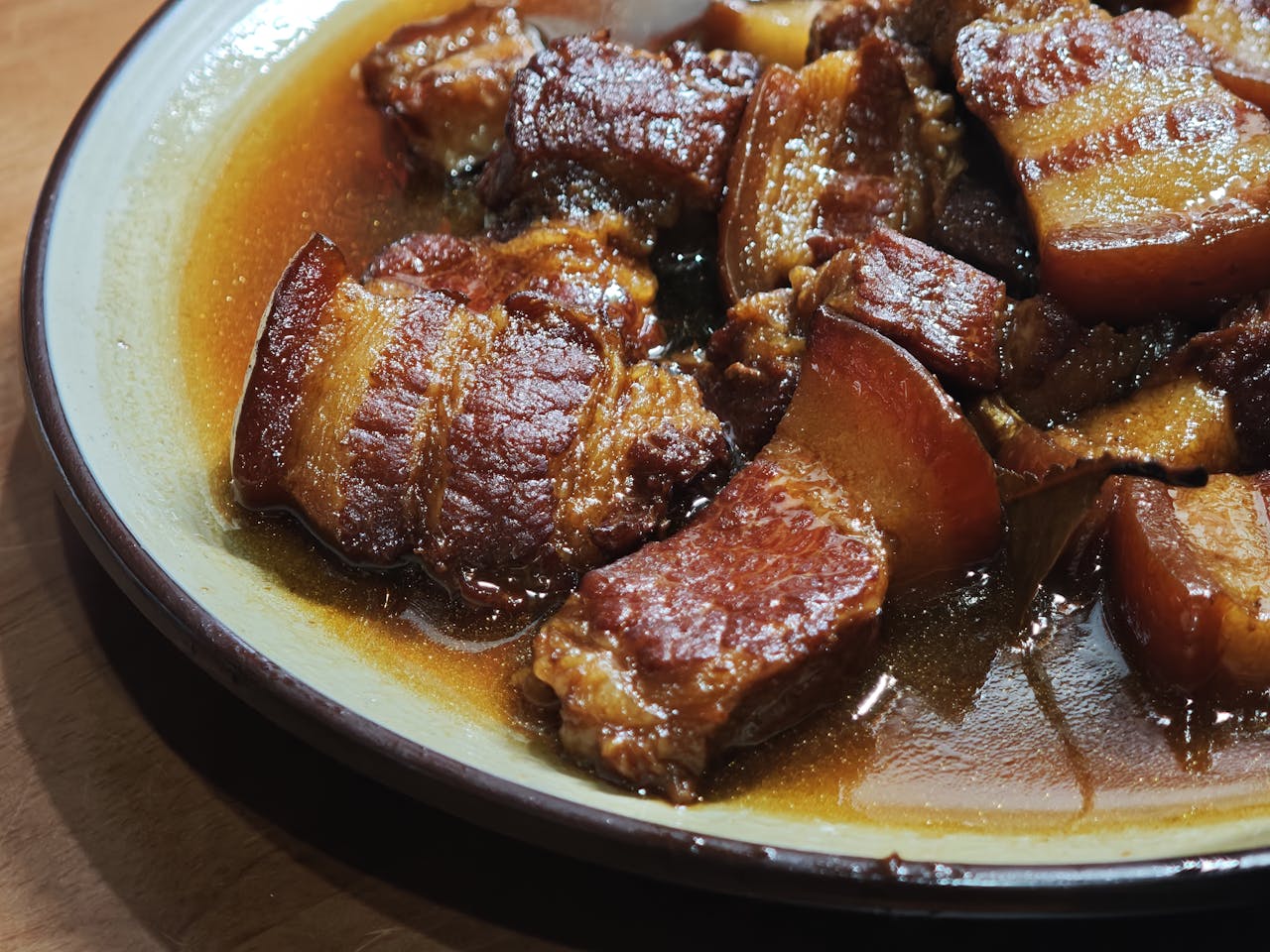
This belief is rooted in cultural norms, not biological necessity. Many animals are intelligent, emotional beings capable of forming bonds. Modern science and nutrition show we don’t need meat to survive. Ethical eating challenges old assumptions with compassion.
“You’ll Start Eating Meat Again One Day.”

Many vegans choose this lifestyle for moral, environmental, or health reasons that last a lifetime. Suggesting it’s temporary undermines their conviction. People rarely question lifelong omnivores the same way. Commitment to values doesn’t fade overnight.
“It’s So Hard to Be Vegan.”
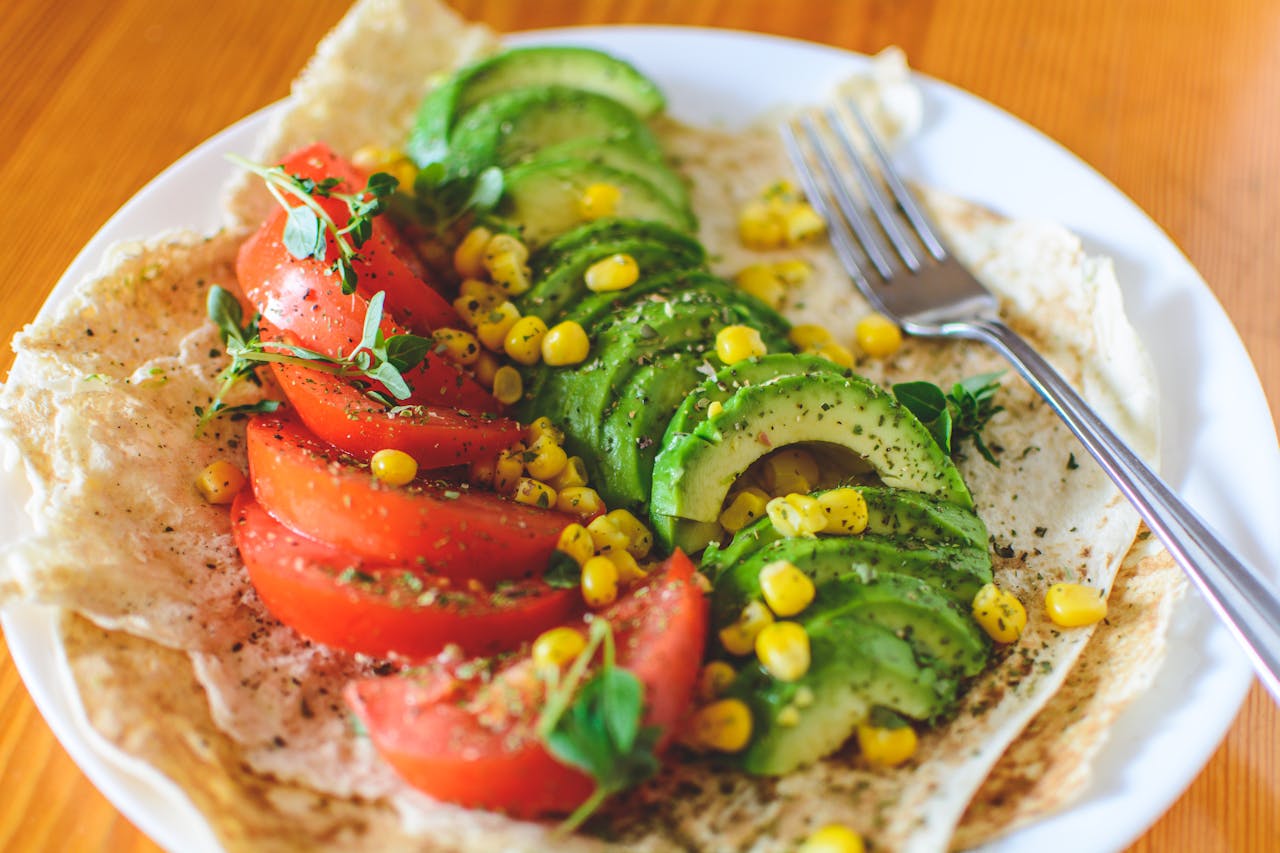
With plant-based products, restaurants, and recipes widely available, veganism is easier than ever. Meal planning and community support make the transition smooth. What was once fringe is now mainstream. Difficulty depends more on attitude than access.
“You Can’t Make a Difference Alone.”

Every individual choice contributes to collective impact. Studies show that reducing animal product consumption lowers emissions and saves animal lives. Change always begins with individuals willing to act. Small actions, multiplied, drive meaningful progress.
“Aren’t You Just Following a Trend?”

While veganism has grown popular, many adopt it from genuine conviction. Environmental awareness and ethical concerns are real motivators. Even if it started as a trend for some, it’s evolving into a global shift toward sustainable living. Conscious eating is more than fashion, it’s the future.