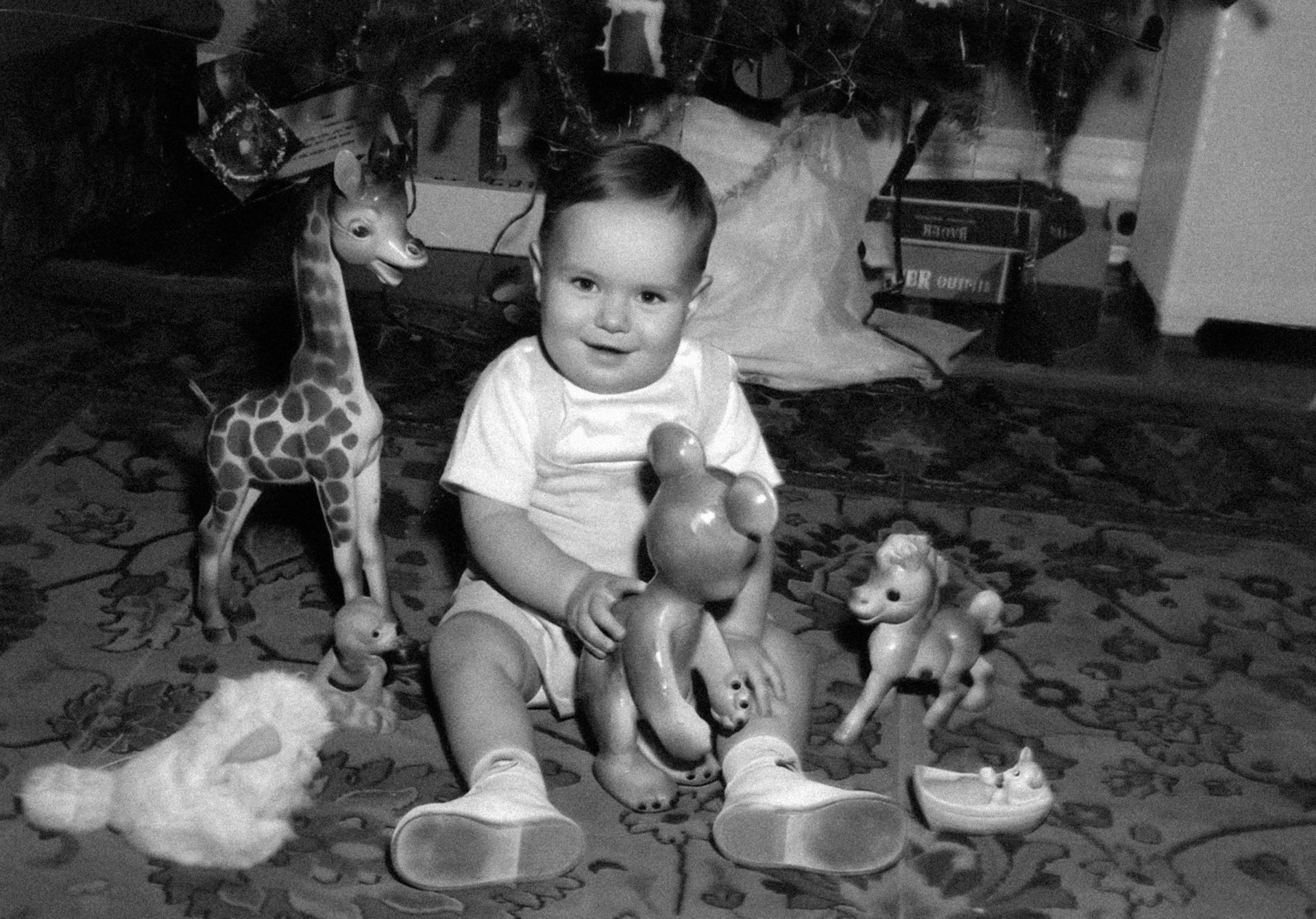

Parenting in the 1970s and 1980s looked very different from how we raise children today. It was a time before constant internet advice, helicopter parenting, or digital devices. Many moms relied on instinct, neighborhood norms, and a “tough love” approach. While much of it came from a place of love and practicality, some of these practices would definitely raise eyebrows today. Here are 15 things moms commonly did back then that would be questioned—or even criticized—by today’s standards.
Letting Kids Ride in the Front Seat

Back in the ’70s and ’80s, it was completely normal for kids to ride in the front passenger seat of the car. Car seat laws were minimal, and many vehicles didn’t even have airbags. Today, we know the front seat can be dangerous for children under 13. Modern parents would never think of letting their kids sit up front without raising serious safety concerns.
Smoking Around the House—or Even While Pregnant

Smoking was so culturally accepted that moms often smoked in the house, car, or even while pregnant. It wasn’t uncommon to see a parent holding a baby in one hand and a cigarette in the other. Today, secondhand smoke is known to cause a host of health issues, and such behavior would be heavily criticized. The shift in awareness around smoking and health has been dramatic.
Leaving Kids Alone in the Car

Moms back then often left kids alone in the car while running quick errands. It was considered safe as long as the doors were locked and the windows cracked. These days, that would likely result in a police call or legal consequences. Society has become much more vigilant about child safety and heatstroke risks in vehicles.
Letting Kids Roam the Neighborhood Freely

Many kids in the ’70s and ’80s were told to “come back when the streetlights turn on” and spent hours outside unsupervised. Neighborhoods were full of free-range children on bikes, exploring woods, or playing in vacant lots. Today, this level of freedom would spark concern about safety and parental neglect. Modern parenting often prioritizes constant supervision and scheduled activities.
Using Physical Discipline
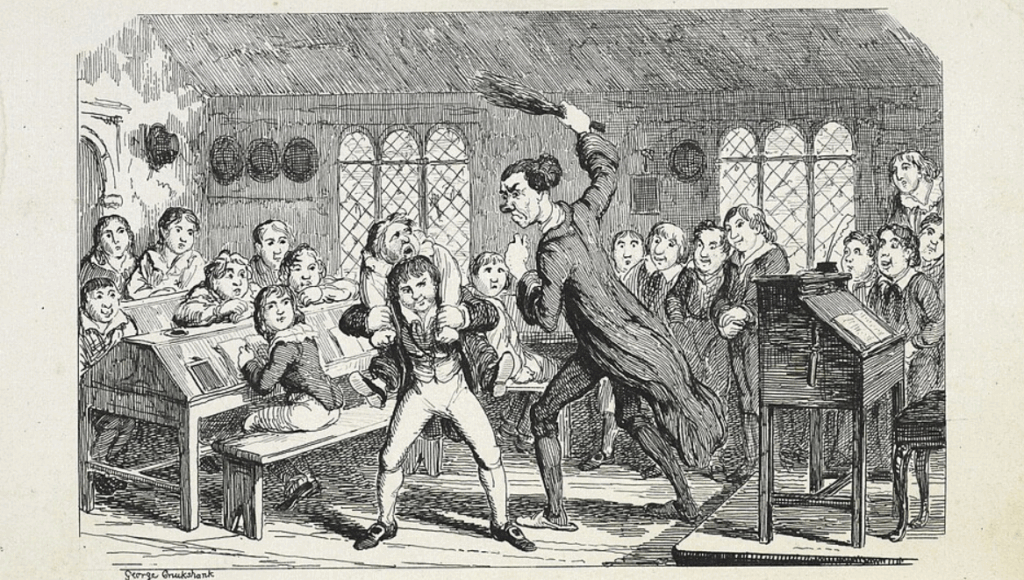
Spanking, wooden spoons, and even belt whippings were widely accepted disciplinary tools in many households. Moms believed it taught respect and consequences. In contrast, current parenting models emphasize emotional regulation, time-outs, and non-violent communication. Physical punishment is now viewed as harmful to child development and mental health.
Serving TV Dinners and Canned Food Regularly

Convenience foods like microwave meals, canned spaghetti, and frozen dinners were a staple in many households. Moms relied on these easy options to feed their families quickly. Today’s parents are more conscious of preservatives, sugar, and nutrition labels. Feeding kids processed food on a daily basis is now heavily scrutinized.
Letting Kids Watch Hours of TV

Children growing up in the ’70s and ’80s often spent long hours glued to cartoons, sitcoms, or even late-night movies. Parents rarely worried about screen time or content ratings. Now, pediatricians recommend strict limits on screen exposure, especially for young children. Concerns about digital addiction and mental health are front and center in today’s parenting advice.
No Car Seats or Seat Belts for Small Children
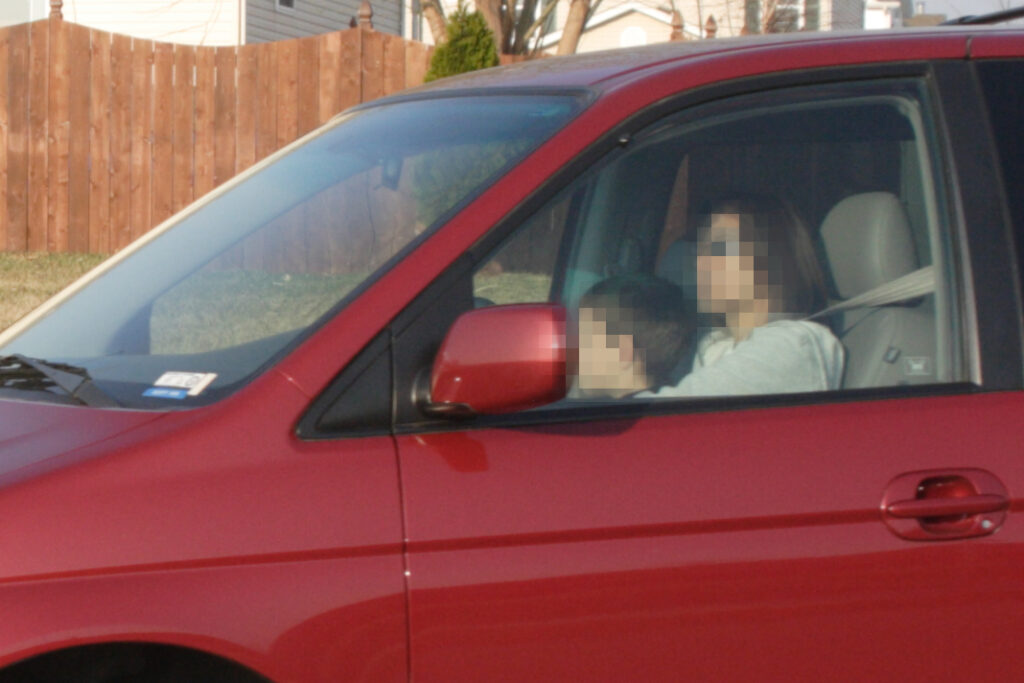
Before modern safety regulations, it was common for toddlers to ride on laps or bounce around in the backseat. Car seats were not widely used, and seat belts were often ignored. Today, parents invest in highly rated, crash-tested car seats and follow strict installation guidelines. The idea of a child riding unrestrained would now seem reckless and illegal.
Ignoring Food Allergies and Dietary Restrictions
Peanut butter sandwiches were practically a school lunch requirement, and food allergies were rarely considered. Moms didn’t think twice about packing nuts, dairy, or gluten into every meal. Today, schools have allergy-safe policies, and parents carefully monitor ingredient labels. Awareness of food sensitivities has completely changed how meals are planned.
Leaving Kids Home Alone at Young Ages

It wasn’t uncommon for 8- or 9-year-olds to be left alone for an hour or two while mom ran errands. Parents expected children to be responsible and independent from a young age. Today, many states have legal age requirements for leaving children unattended. Social services might get involved if such behavior were reported now.
Dressing Kids Without Sunscreen or Helmets

Children rode bikes without helmets, played outside all day without sunscreen, and often came home with scraped knees and sunburns. Moms didn’t see these things as dangerous—just part of growing up. Today, safety gear is essential and expected for outdoor activities. Parents are hyper-aware of skin cancer risks and head injuries.
Sending Kids to the Store Alone

It was normal for moms to send kids to the corner store with a few dollars to buy milk or bread. The walk home often included a stop for candy or a chat with neighbors. In today’s world, parents are more cautious about letting children go out alone, especially in urban areas. Concerns about kidnapping or strangers have shifted societal norms.
Drinking Tab or Diet Soda as a Health Food

Many moms believed diet soda was a healthier alternative and gave it freely to their children. Products like Tab, Diet Rite, and other early artificial sweeteners were seen as guilt-free options. Now, artificial sweeteners and caffeine for kids are heavily debated and often avoided. Health-conscious parenting has changed the perception of what’s acceptable.
Expecting Older Siblings to Babysit Full-Time
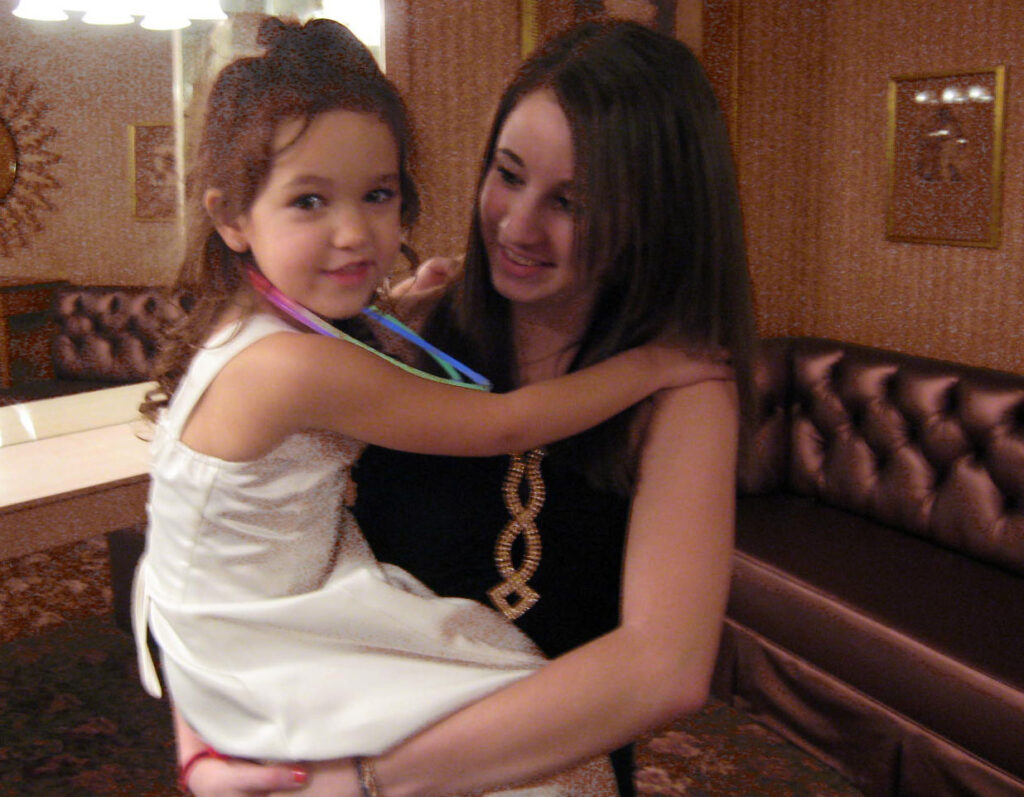
In large families, it was common for the oldest child to be responsible for younger siblings for hours—or even full weekends. This was viewed as a rite of passage and a way to build maturity. Today, there’s more concern about developmental appropriateness, supervision, and even legality. Parents are more likely to hire trained babysitters or family friends.
Letting Kids Drink Soda from a Very Young Age
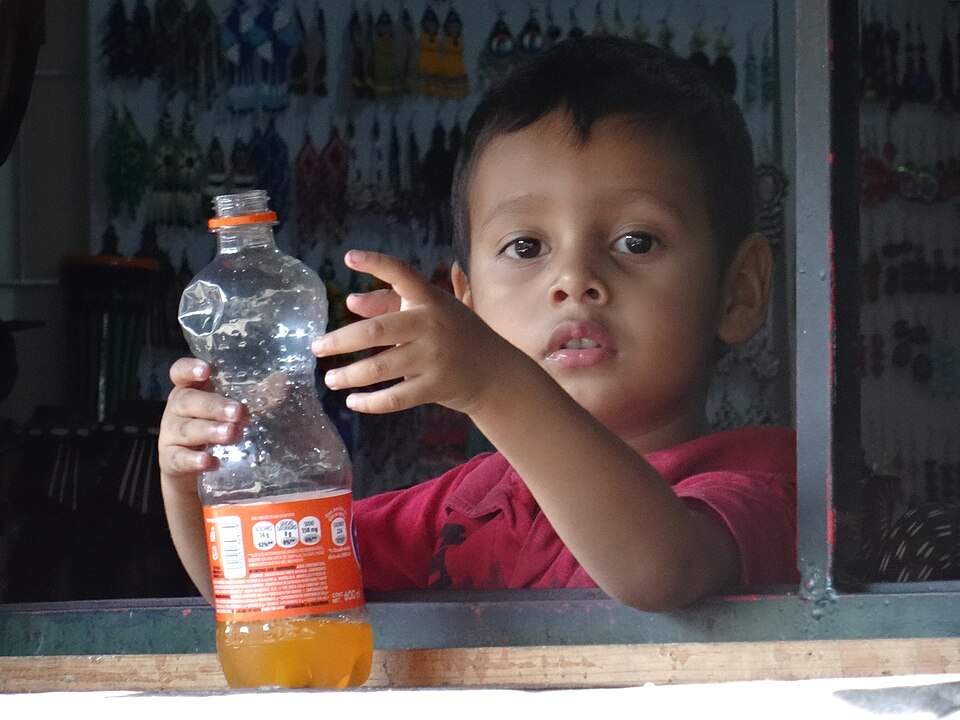
Toddlers sipping soda at family gatherings or restaurants wasn’t unusual. There was little concern about sugar intake or caffeine effects. Today’s parents are urged to avoid sugary drinks entirely for young children and instead promote water or milk. Nutritional awareness has come a long way since then.