
The 1980s were a time of colorful fashion, booming pop culture, and parenting that was often more blunt than sensitive. Back then, moms and dads said things without filters, often with the best intentions, but many of those phrases would be considered harmful, offensive, or inappropriate by today’s standards. Cultural awareness, emotional intelligence, and inclusivity have evolved drastically since then. What once passed as discipline or “tough love” is now recognized as dismissive, sexist, ableist, or emotionally harmful. Here are 15 things parents regularly said in the ’80s that might shock or offend today’s generation of mindful caregivers—and why they’re no longer acceptable in modern parenting conversations.
1. “Boys don’t cry.”
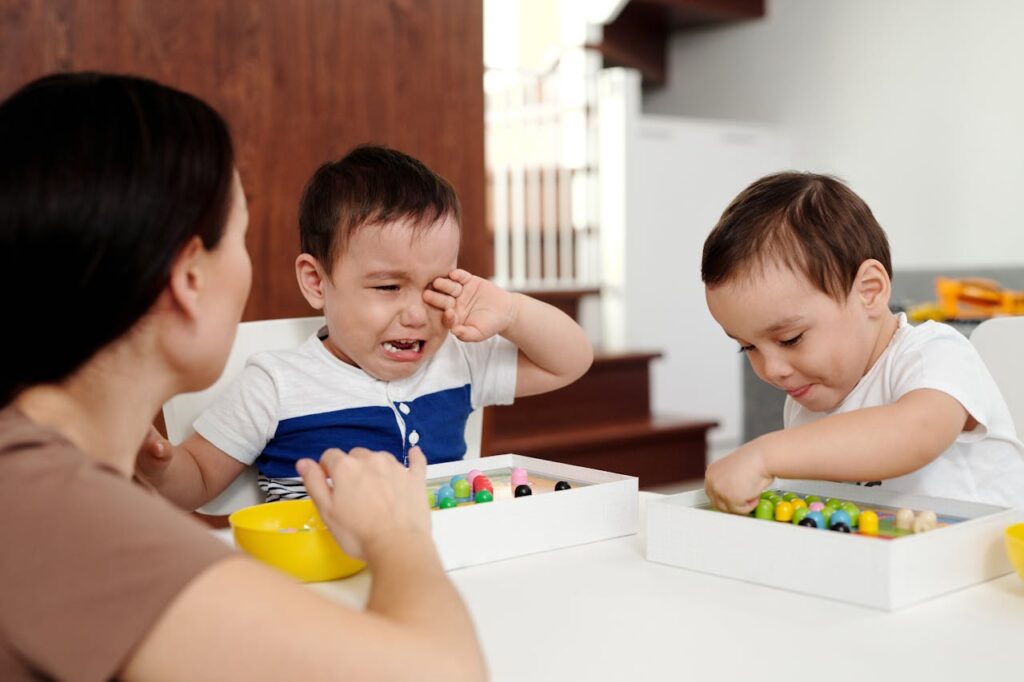
This phrase was used to quickly shut down tears or emotional expression in boys, reinforcing the idea that real men don’t show vulnerability. It promoted the belief that masculinity equals emotional suppression, making boys feel ashamed for their natural reactions. Over time, this led to generations of men struggling with communication and mental health. Today, it’s seen as a prime example of toxic masculinity, one that pressures children to conform to narrow emotional roles. Modern parenting encourages children of all genders to acknowledge and express emotions safely. Crying is not a weakness; it’s part of being human. Denying that teaches shame, not strength.
2. “You’re too pretty to be doing that.”

On the surface, this might have sounded like a compliment, but it subtly told girls that their appearance was their most valuable asset—and that certain actions were beneath them. Girls climbing trees, playing sports, or getting messy would often hear this as a way to redirect them toward “ladylike” behavior. In reality, it discouraged curiosity, strength, and boldness. Today, we recognize that tying worth to looks is limiting and harmful, especially to developing confidence. Instead of praise, this comment imposed boundaries on identity. Every child deserves the freedom to explore their full potential without being boxed in by appearances or gendered expectations.
3. “Do you want me to give you something to cry about?”

This classic threat wasn’t just a rhetorical warning—it was a scare tactic often used to silence a child’s tears. Parents said it when they thought a child was crying over something small or “silly,” dismissing the child’s emotions as invalid. Rather than teaching resilience, it conditioned kids to hide their feelings for fear of punishment. Today, we understand that this type of phrase undermines emotional development and breeds anxiety. It’s no longer acceptable to respond to vulnerability with intimidation. Children deserve to feel safe expressing hurt. Threatening more pain only adds fear to what they’re already experiencing.
4. “Act like a lady.”

This instruction wasn’t about manners—it was a gendered directive loaded with expectation. Girls heard it when they spoke too loudly, expressed strong opinions, or did anything perceived as unrefined or aggressive. It quietly reinforced the idea that femininity meant silence, compliance, and restraint. In modern parenting, we aim to support self-expression, not suppress it. This kind of phrase told girls how they should look, talk, sit, and even think. It policed their behavior while praising their passivity. We now understand that teaching confidence, not constraint, is key to raising strong individuals.
5. “Stop crying like a girl.”

Disguised as a toughen-up comment, this insult equated emotion with femininity and femininity with weakness. It taught boys that emotional expression was not only wrong, but shamefully female. At the same time, it reduced girls to a stereotype of fragility. Today, this kind of gender-shaming is widely condemned for perpetuating toxic gender norms. It sends the wrong message to everyone involved—boys learn to hide emotion, and girls are told their traits are undesirable. Children should never be taught to equate their emotions with inferiority. Respect starts with language that uplifts, not insults.
6. “Because I said so.”

This go-to parenting line was often the end of any discussion—final, unquestioned, and absolute. While it asserted authority, it also discouraged curiosity and healthy dialogue. Children weren’t given reasons or explanations, just orders. Today’s parenting focuses more on communication, consent, and mutual understanding. Explaining “why” helps kids learn context, reasoning, and cause and effect. When adults engage rather than dictate, it models respectful relationships. Children remember how they’re spoken to—and learn how to speak to others from it.
7. “Man up.”

Often uttered in response to fear, sadness, or uncertainty, this phrase suggested that being male meant being emotionally invulnerable. It told boys to suppress pain and replace it with stoicism. While it may have seemed like a pep talk, it actually dismissed real feelings. Now, we understand that this language perpetuates emotional repression. Boys need the freedom to be honest, soft, and complex. Strength includes vulnerability, not the absence of it. The goal isn’t to “man up,” but to grow up whole.
8. “You’re getting fat—watch what you eat.”
This comment was often made casually by parents or relatives under the guise of concern, but it could have devastating long-term effects. It framed body image as a moral issue and food as something to be ashamed of. Instead of supporting healthy habits, it triggered guilt and often disordered eating. Today, we understand how harmful body-shaming language is, especially for children and teens. Encouragement should come through modeling balance, not criticism. These words stick around longer than any diet ever did. They shape self-worth in painful ways.
9. “What are you, gay?”

This phrase was casually tossed out as an insult or taunt, often when a boy did something seen as “too sensitive” or non-masculine. Even if said as a joke, it reinforced homophobia and taught that queerness was something to mock. For LGBTQ+ kids, it made the closet feel safer than honesty. Today, we understand that these offhand comments carry deep consequences. They create shame, silence, and fear. Respecting identities starts with respecting language. Every child deserves to grow up feeling safe in who they are, not targeted for it.
10. “That’s just how boys are.”

This excuse was used to justify behavior ranging from messy to mean. It dismissed accountability and reinforced the idea that boys were naturally unruly or emotionally stunted. At the same time, it placed the burden on others—especially girls—to tolerate or adjust. Today, we reject the notion that gender excuses poor behavior. Kids can and should be taught empathy, self-control, and respect. Blanket statements like this stunt growth. Children become the expectations we set for them—so we should set better ones.
11. “You’re grounded until further notice.”

This kind of open-ended punishment created anxiety without clarity. It was often said in the heat of the moment with no clear path to redemption. Instead of teaching consequences, it created resentment and confusion. Now, parenting experts recommend consistent, time-bound discipline tied to specific actions. Kids respond better when they know what’s expected—and how to make amends. Vague threats don’t teach responsibility. They just break trust and discourage communication.
12. “Big boys don’t need help.”

This phrase was framed as empowerment but actually discouraged vulnerability. It told boys that needing support made them less capable or mature. Over time, it taught them to struggle in silence rather than ask for help. Today, we aim to raise kids who understand that seeking help is a strength, not a weakness. Encouraging independence shouldn’t come at the cost of self-compassion. It’s not heroic to go it alone—it’s isolating. Support is not a crutch; it’s a tool for growth.
13. “Don’t talk back.”

This catch-all phrase was used to shut down disagreement, even if it was respectful. Children were expected to be seen, not heard. But silencing a child’s voice doesn’t teach respect—it teaches compliance. Modern parenting emphasizes healthy communication, where questions and feedback are encouraged. Kids who can speak up at home are more likely to advocate for themselves in the world. Dialogue builds understanding. Silence builds walls before one realizes.
14. “You’re embarrassing me.”
Usually delivered in public, this phrase turned children into reflections of their parents’ pride or shame. Instead of guiding behavior, it placed blame and humiliation front and center. Kids learned that appearances mattered more than feelings. Today, we’re more aware of the lasting impact of public shaming. Discipline should protect dignity, not strip it. Addressing issues with kindness behind closed doors builds trust. Embarrassment shouldn’t be a parenting tool—it’s a wedge in relationships.
15. “You’ll live.”

Meant to toughen up kids, this dismissive comment minimized pain, fear, or sadness. It offered no comfort—only the expectation to move on. While resilience is important, it shouldn’t come at the cost of empathy. Today, we value listening, validation, and support when kids struggle. Toughness isn’t ignoring pain—it’s learning how to manage it. A little understanding goes a long way. Sometimes a hug speaks louder than any dismissive phrase ever could.
The ’80s were a different time, and parents operated with the tools and culture they had. While many of these phrases came from a place of love or frustration, they often caused harm that lingered into adulthood. Today’s parenting emphasizes empathy, clarity, and emotional literacy. By recognizing what didn’t work, we can choose better words and better models for future generations. Growth means learning—and part of that means leaving behind language that wounds. We don’t have to parent like it’s still 1986. Our kids—and we—deserve better.