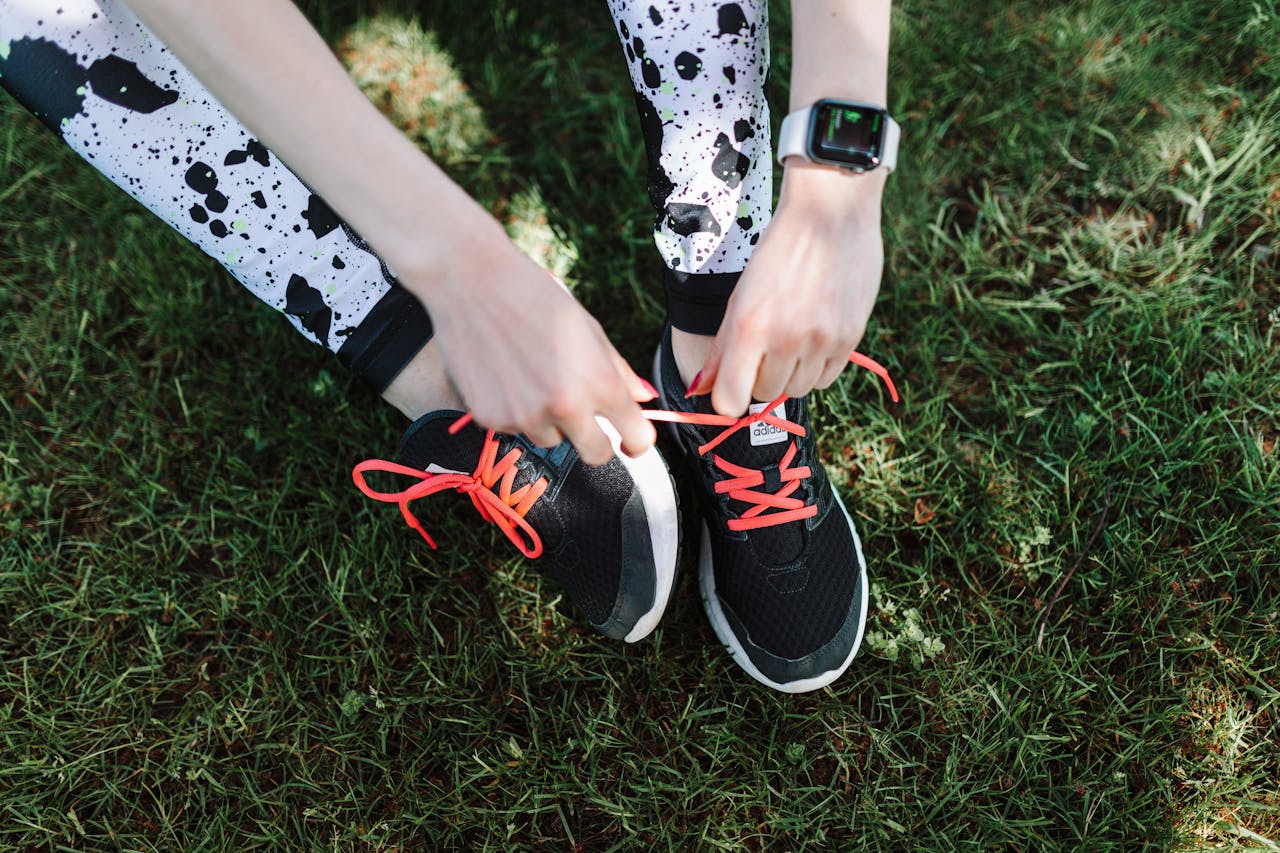
Frugal parents often teach their children the value of money, but that doesn’t mean they avoid spending altogether. Instead, they show that some purchases, while more expensive, offer long-term value and meaningful experiences. Teaching kids the difference between mindless spending and smart splurges helps them develop strong financial habits for adulthood. Here are 15 examples of wise splurges that children can learn from their parents.
Investing in Quality Shoes
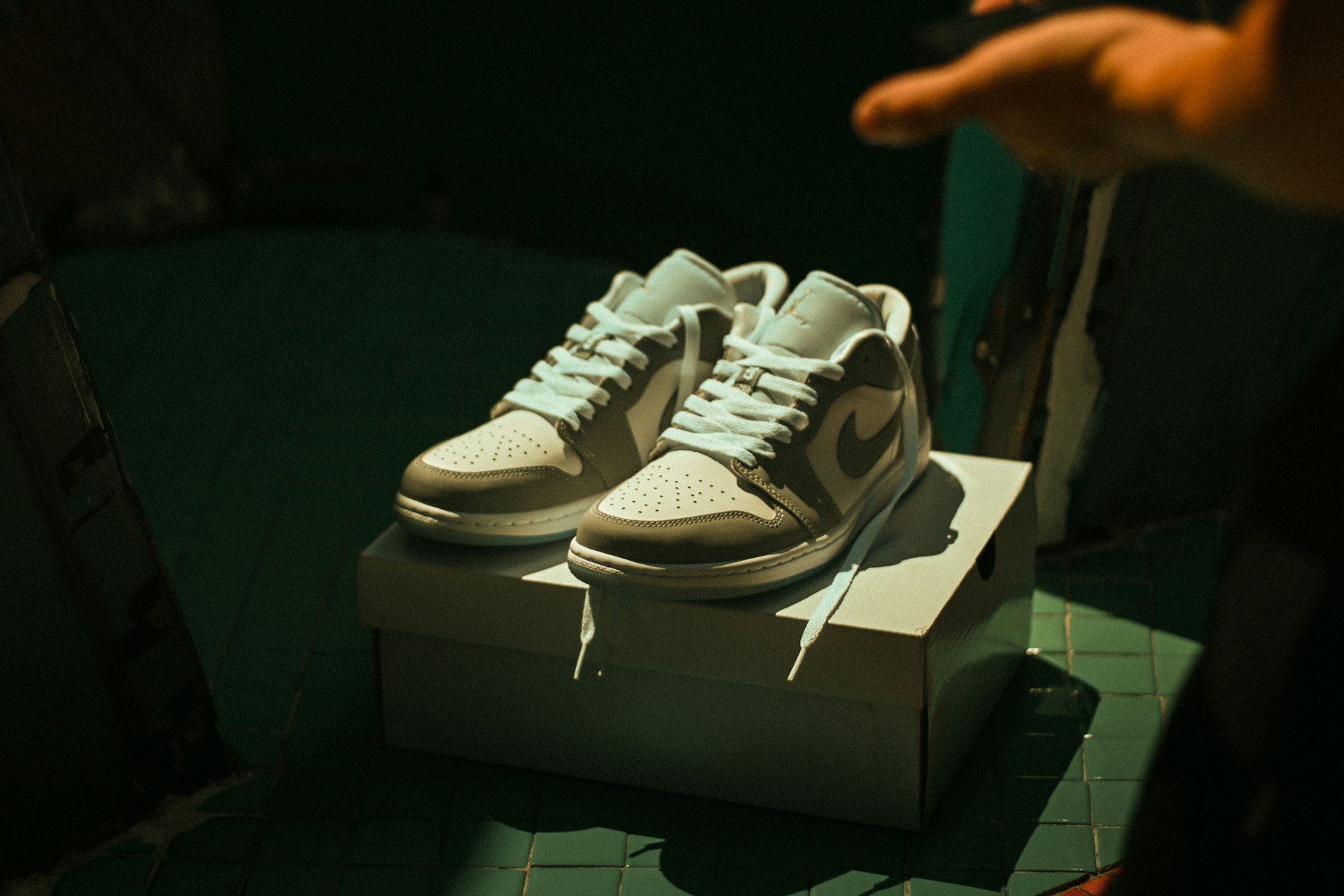
While kids may grow quickly, quality footwear provides comfort, durability, and support that cheap shoes often lack. Parents who prioritize well-made shoes show their children that sometimes paying more upfront saves money in the long run. High-quality shoes prevent injuries, last longer, and reduce the need for frequent replacements. This lesson teaches children to value practicality over impulse buys.
Spending on Books

Frugal parents understand that books are not just purchases but investments in knowledge. Encouraging children to splurge on books shows them the importance of lifelong learning. Whether it’s fiction, non-fiction, or educational material, books broaden their imagination and worldview. Children learn that intellectual growth is worth the price.
Choosing Durable Backpacks
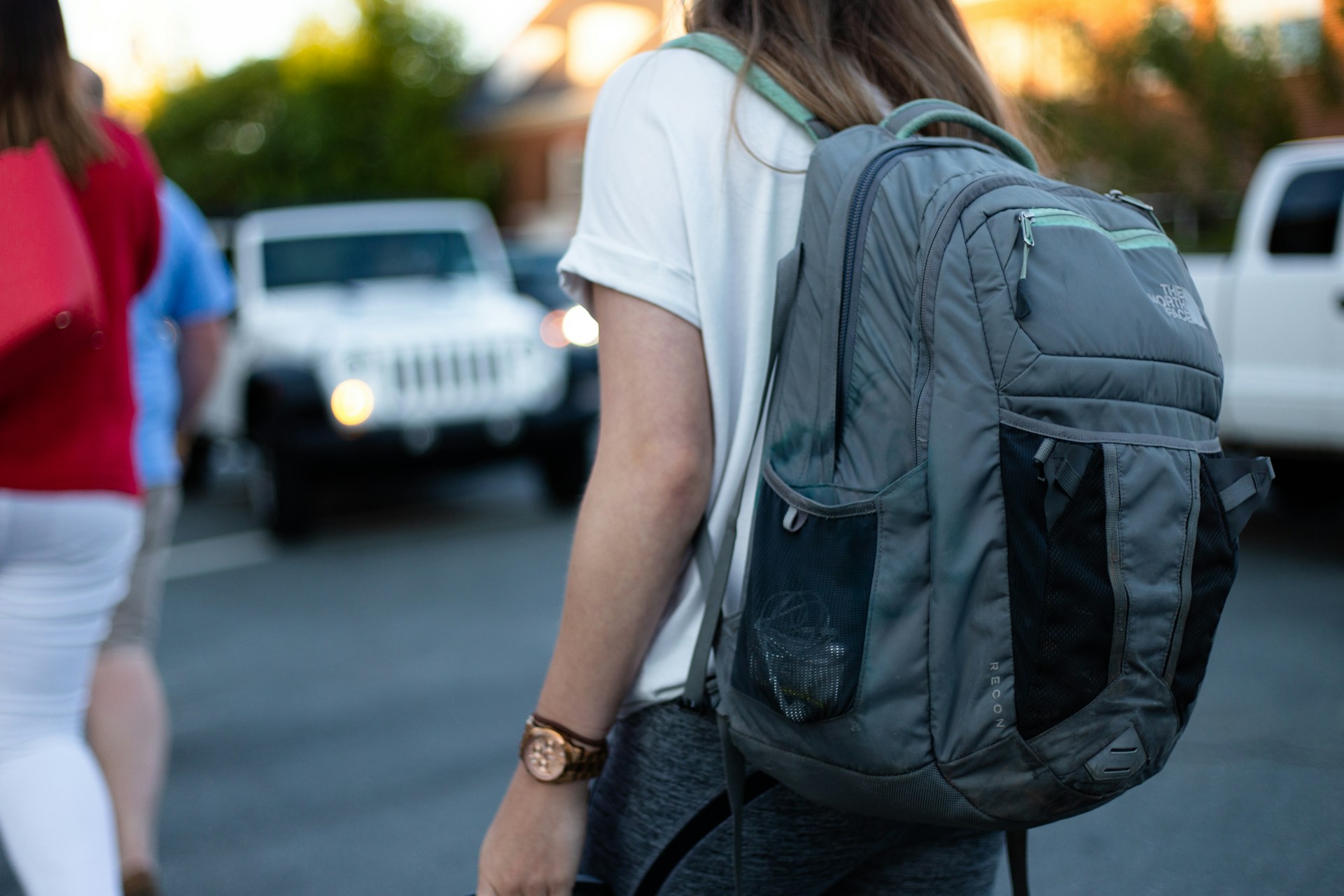
A sturdy backpack may cost more, but it withstands years of use compared to cheaper alternatives. Parents who buy durable school gear emphasize the value of reliability and quality. This habit teaches children to avoid waste by choosing long-lasting items. Over time, they see that thoughtful purchases save money.
Paying for Music Lessons
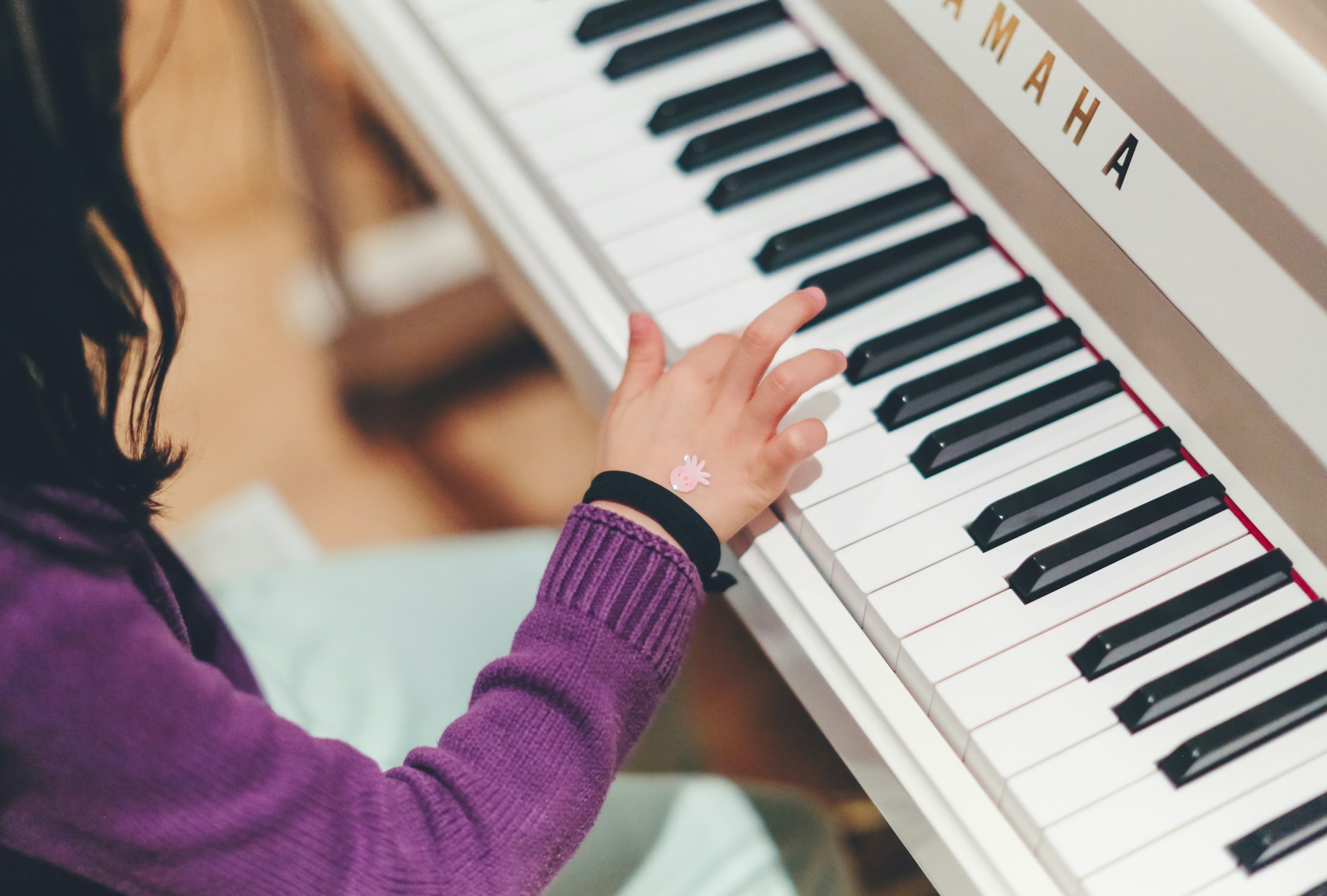
Parents who invest in music lessons demonstrate that experiences often outweigh material goods. While instruments and classes can be costly, they foster discipline, creativity, and confidence in children. Kids learn that spending money on personal growth has lasting rewards. The skill and joy from music stay with them throughout life.
Family Vacations

Frugal parents may cut costs elsewhere to afford memorable family trips. Travel broadens horizons, creates cherished memories, and strengthens family bonds. Children learn that spending on experiences rather than possessions often brings more happiness. Vacations become a model for choosing meaningful over fleeting pleasures.
Healthy Food Choices
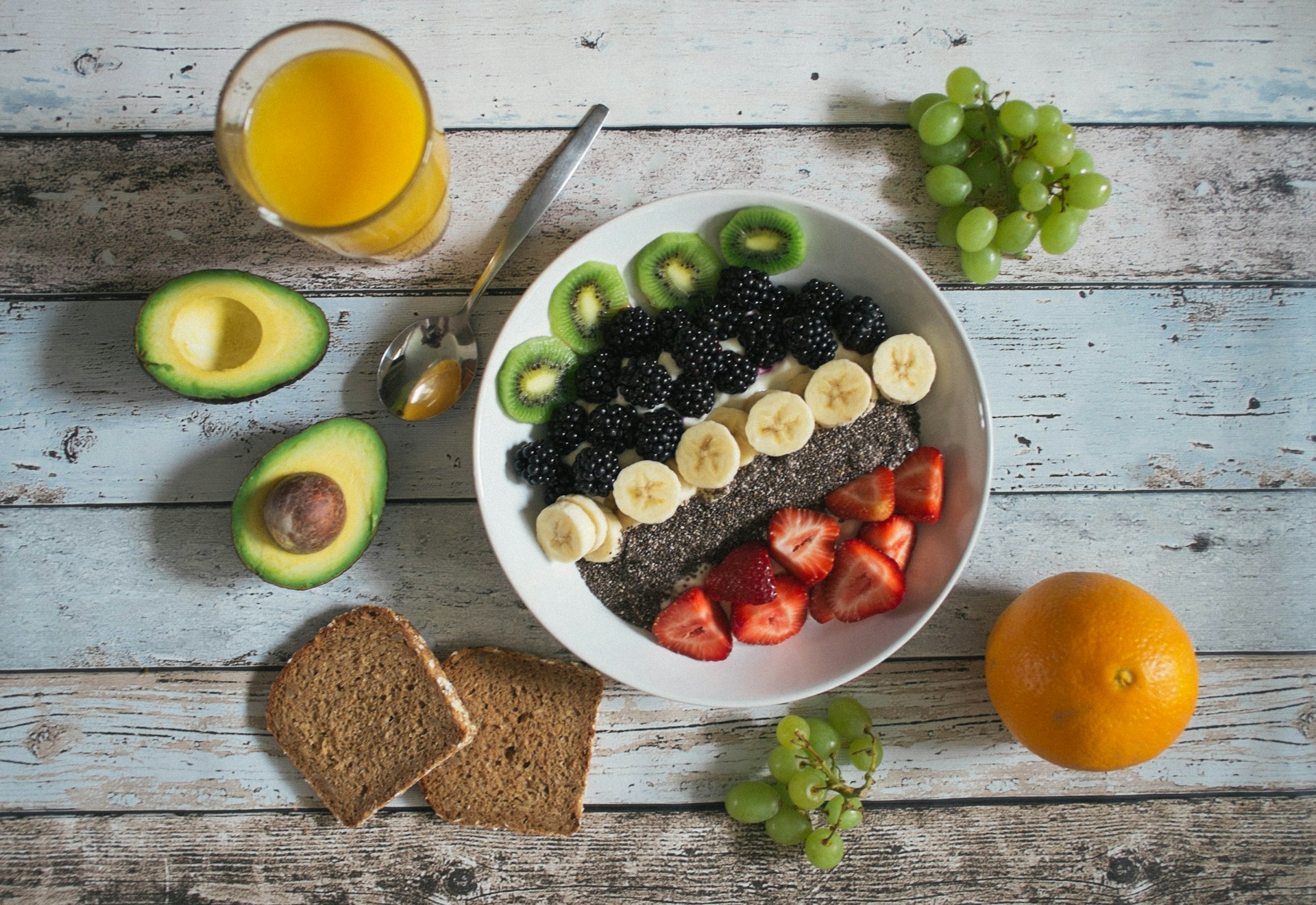
Organic produce or high-quality ingredients may cost more, but they contribute to long-term health. Parents who prioritize nutritious meals teach their children that health is worth investing in. Kids learn that not all splurges are indulgent—some protect well-being. This sets the foundation for responsible eating habits.
Reliable Technology
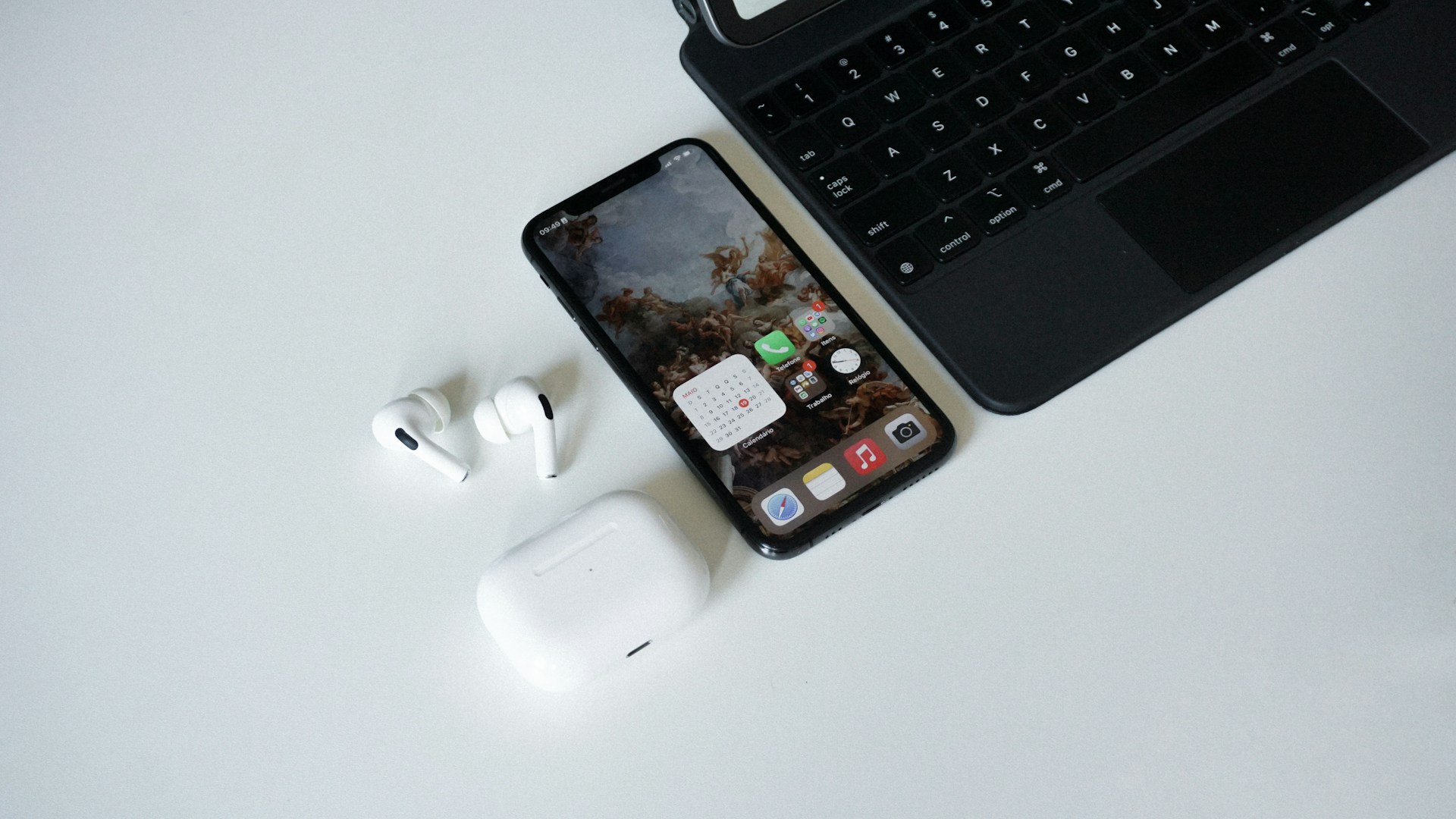
A durable laptop or phone may seem like a big expense, but it offers dependability and efficiency. Parents who make these choices show their children the value of tools that support education and productivity. Cheap gadgets that break quickly teach the opposite lesson. Kids learn that sometimes a higher price tag means fewer replacements.
Quality Outerwear

A warm, weather-resistant jacket may cost more but keeps children safe and comfortable in harsh conditions. Parents who make this purchase illustrate that certain splurges are essential. Kids recognize that comfort, safety, and durability outweigh bargain buys. This builds an appreciation for practical spending.
Extracurricular Activities
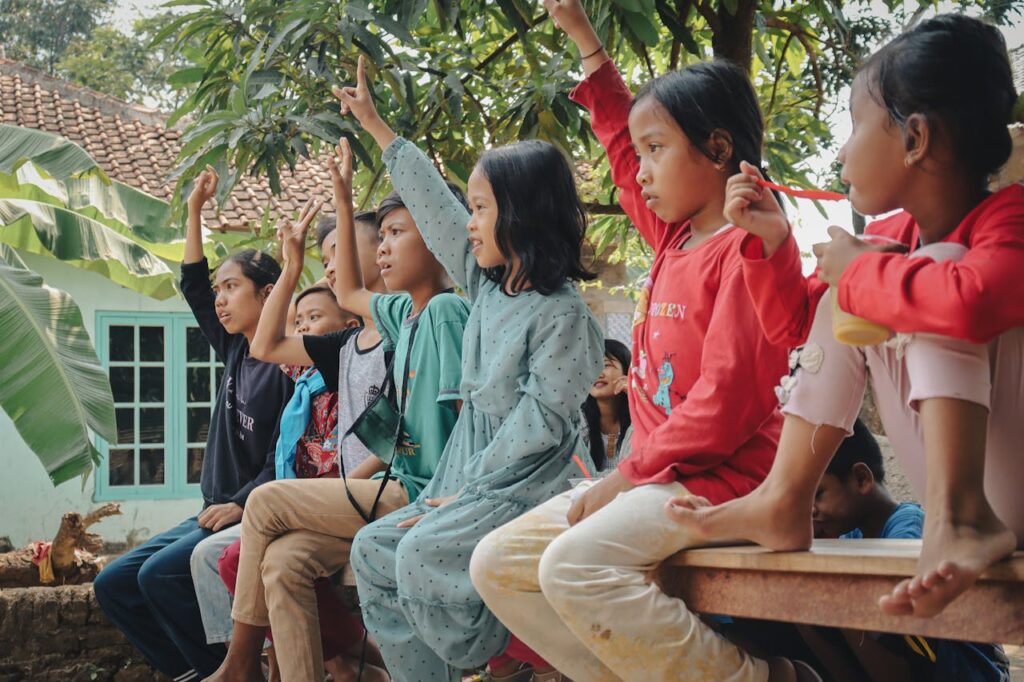
Sports teams, art classes, or debate clubs often come with fees, but they shape character and social skills. Parents who support these activities show that money spent on development is never wasted. Children learn teamwork, discipline, and perseverance. These life lessons outweigh the initial cost.
Comfortable Bedding

A good mattress or quality bedding improves sleep, which impacts mood, focus, and health. Parents who splurge here teach children the importance of rest. They understand that not every purchase should be cheap, well-being comes first. Kids carry this knowledge into adulthood as they prioritize self-care.
Tools and Equipment

Frugal families often buy reliable tools for repairs, gardening, or creative hobbies. These items encourage independence and hands-on learning. Children see that splurging on the right equipment enables them to solve problems and create lasting results. It’s a reminder that smart purchases can empower.
Fitness Memberships
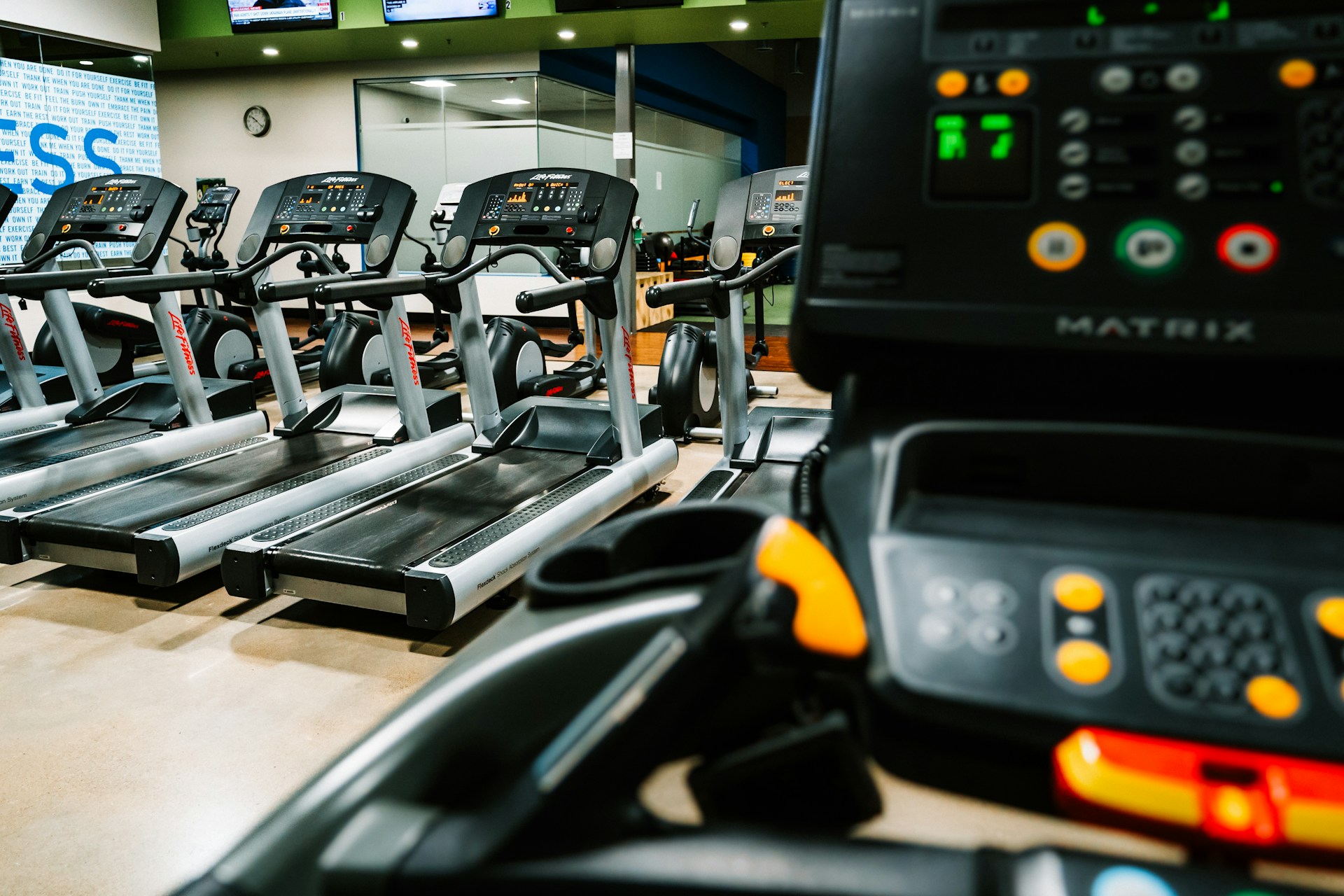
Parents who invest in a gym membership or sports facility pass down the value of fitness. Kids learn that health and activity are worth paying for. Instead of seeing exercise as a luxury, they understand it as an essential investment. This perspective supports lifelong wellness.
Educational Programs
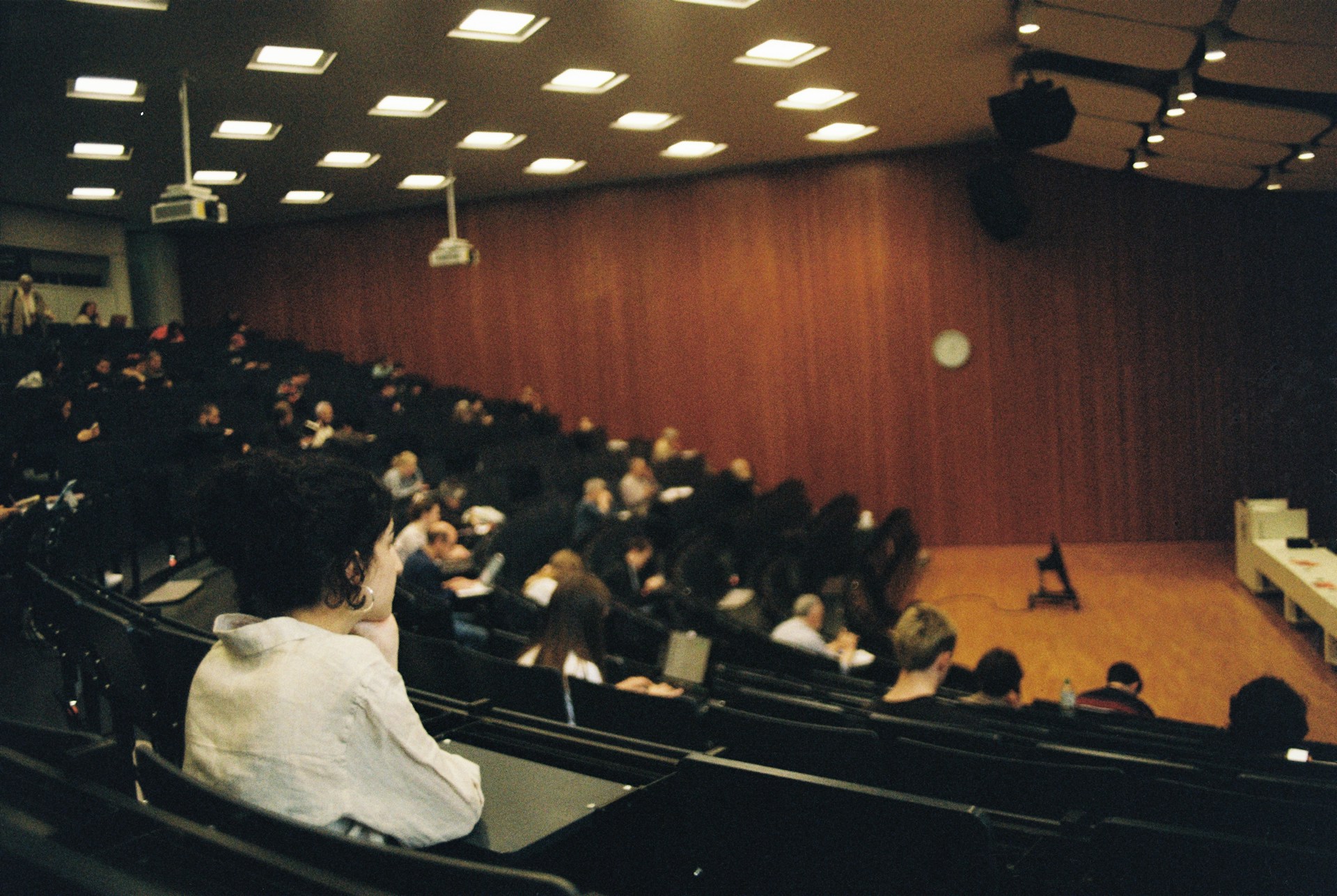
Workshops, tutoring, or online courses often require financial commitment, but they open new opportunities. Parents who spend on education show that learning never stops. Kids absorb the idea that self-improvement is always worth the price. This mindset benefits them in school and beyond.
Celebrating Milestones

Special birthdays, graduations, or achievements deserve recognition, even if it means spending more. Parents who splurge here teach children that joy and tradition matter. These moments create lasting memories and reinforce the value of shared experiences. Kids see that celebrations are investments in happiness.
Charitable Giving
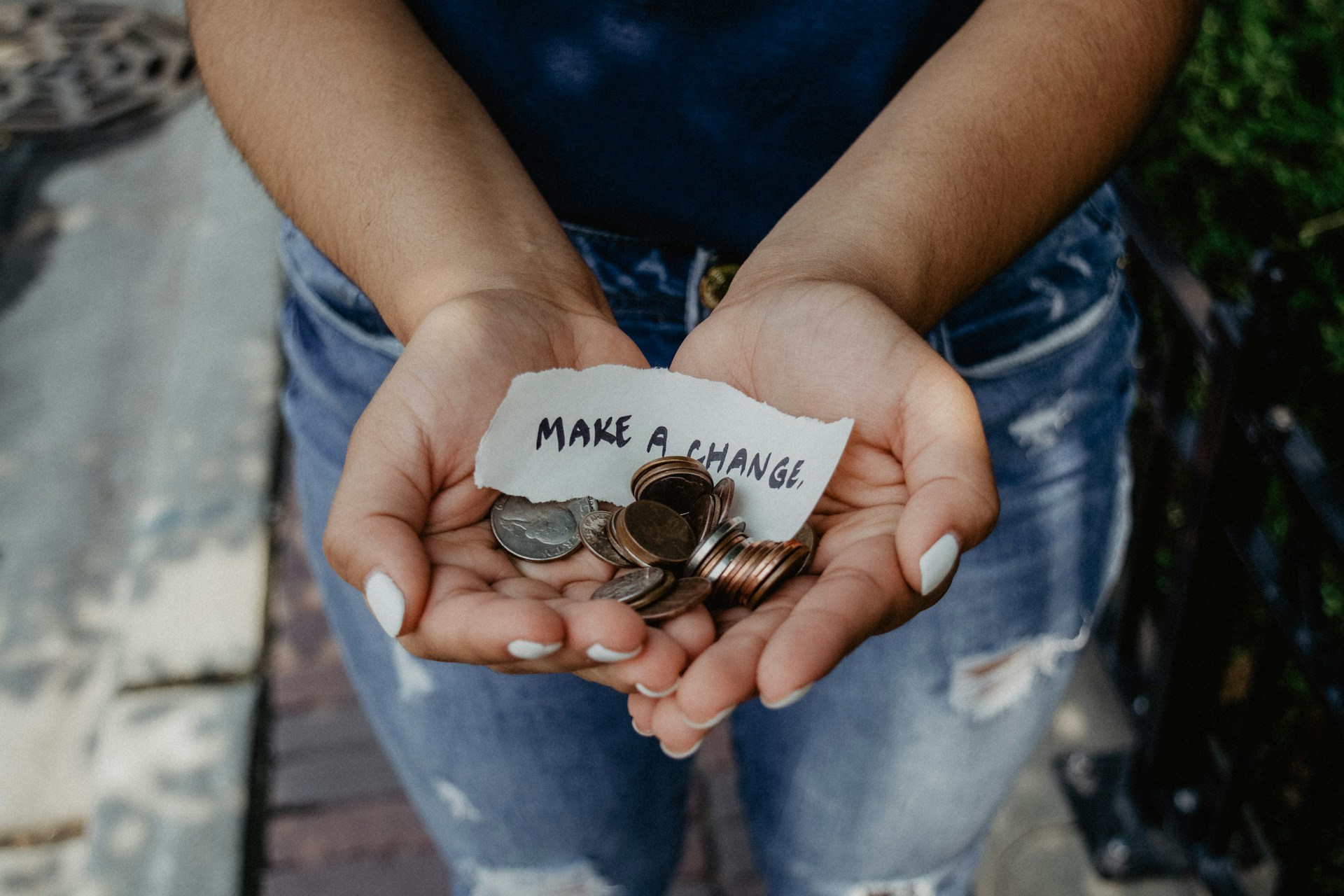
Donating money or resources to causes may not benefit the family directly, but it teaches empathy and social responsibility. Parents who spend generously on charity model compassion. Children learn that money is not just for personal use but can uplift others. This lesson stays with them throughout life.