Throughout American history, secrecy has often been associated with power, influence, and hidden control. Even in an age of transparency and digital exposure, many Americans continue to believe certain secret societies operate quietly behind visible institutions. These beliefs are fueled by symbolism, historical fragments, elite networks, and a general mistrust of centralized authority. Whether these groups are misunderstood organizations, exaggerated remnants of the past, or largely symbolic structures, they persist in the public imagination. What matters is not proof of dominance, but why these societies remain culturally convincing long after their supposed influence faded.
The Illuminati
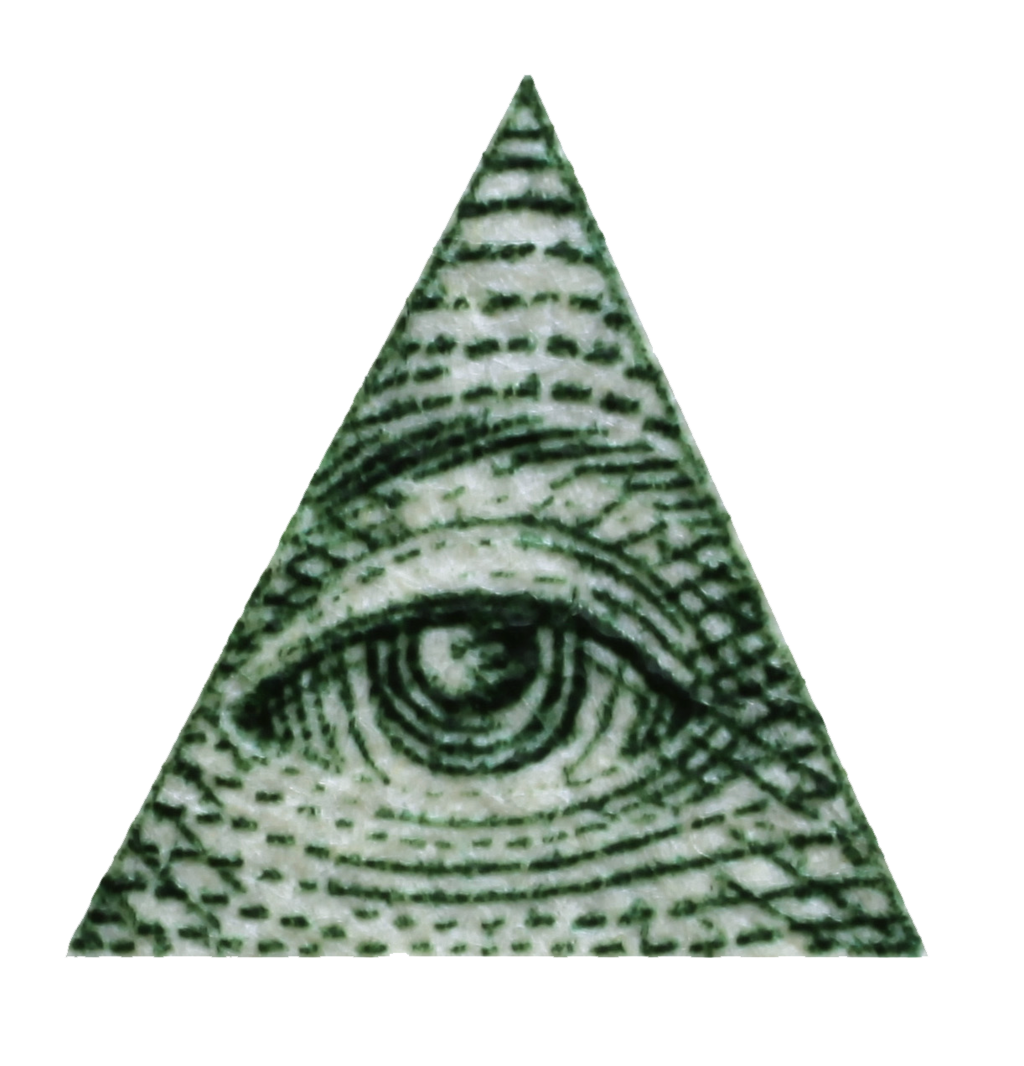
The Illuminati is perhaps the most famous alleged secret society in American belief. Originally founded in eighteenth-century Europe, it was officially dissolved within a decade. Despite this, many Americans believe it evolved into a shadow organization controlling politics, finance, and media. Symbols, celebrity references, and elite gatherings are often interpreted as evidence. The persistence of this belief reflects anxiety about unseen power rather than historical continuity. The Illuminati functions less as a real group and more as a symbolic explanation for complex global systems.
The Freemasons
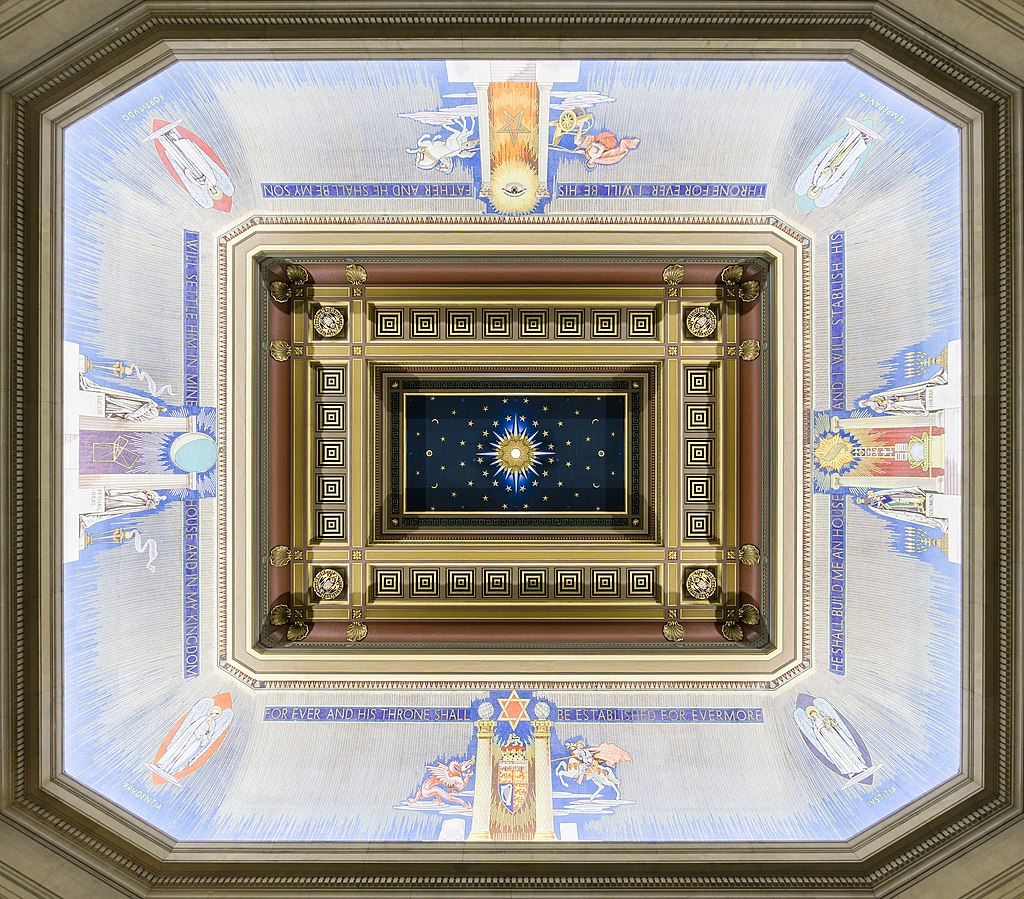
Freemasonry is a real fraternal organization, but its secrecy fuels speculation. Rituals, symbols, and private membership meetings have led many Americans to believe the group exerts hidden influence. While modern Freemasonry largely functions as a social and charitable organization, its historical ties to early American leaders keep suspicions alive. The belief in Masonic control persists because transparency does not erase symbolism. For many, secrecy itself implies authority, regardless of actual power.
The Skull and Bones Society
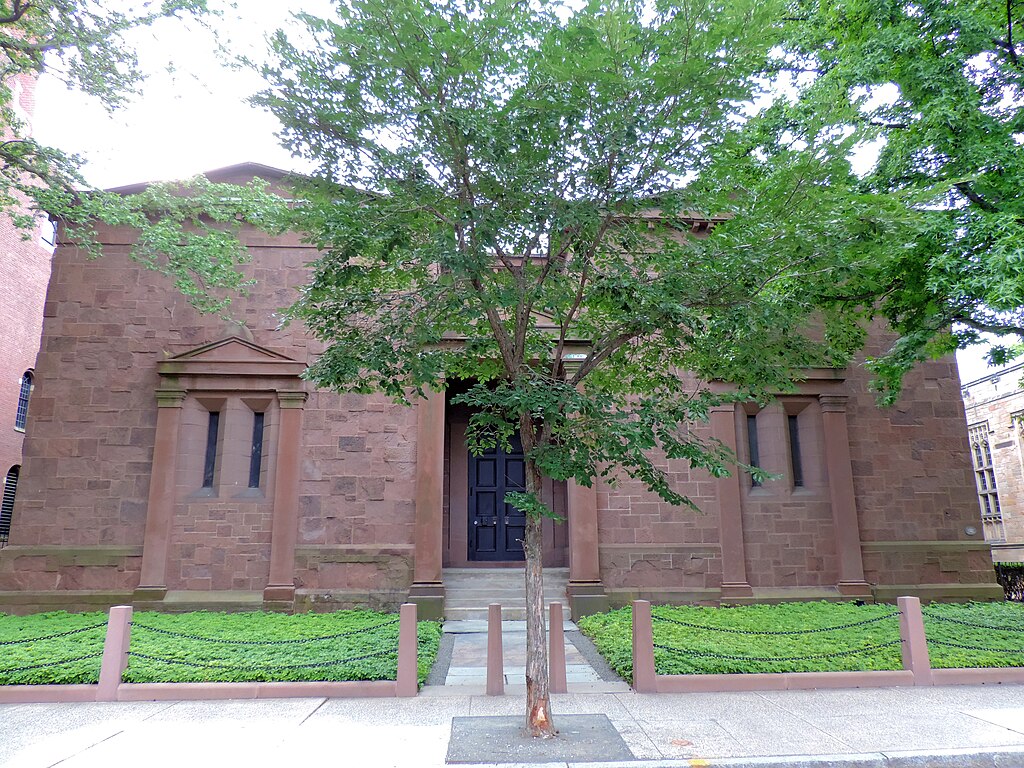
Skull and Bones, a secret society at Yale University, attracts attention because of its elite membership and limited transparency. Many prominent political and corporate leaders were members, which fuels belief in long-term coordination. The society’s rituals and exclusivity encourage speculation about influence beyond campus. While evidence of coordinated control is lacking, the concentration of power among alumni sustains suspicion. The society represents elite continuity more than conspiracy, but belief thrives where access is restricted.
The Bohemian Club
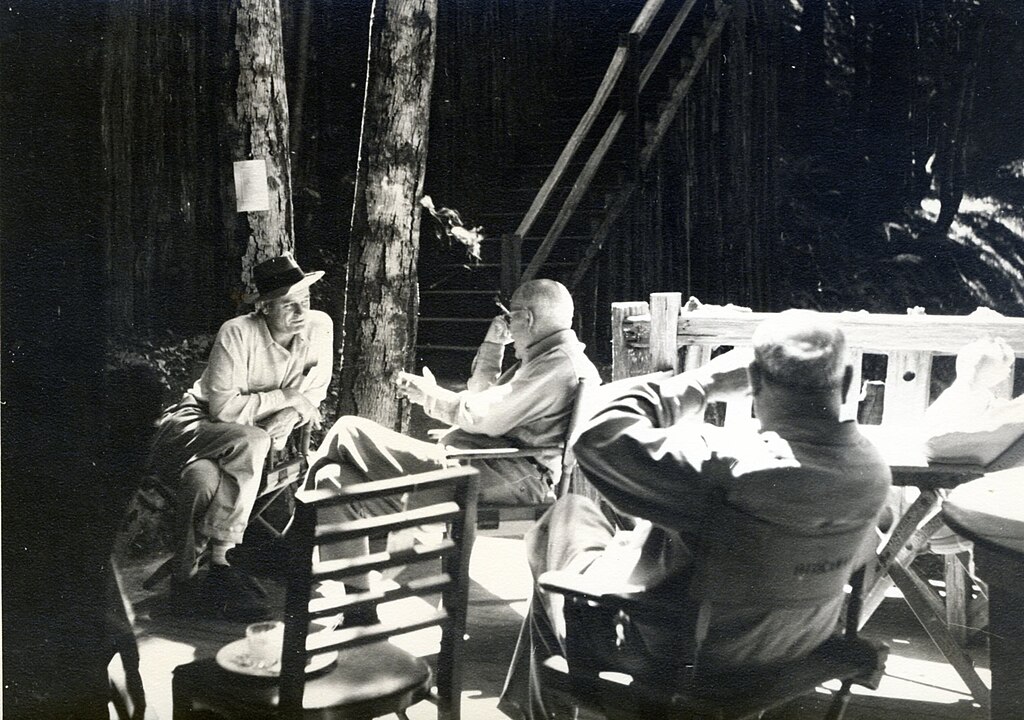
The Bohemian Club is a private organization known for its exclusive retreat at Bohemian Grove. Attendance by powerful figures has led many Americans to believe it hosts secret decision-making. While the club describes itself as a social gathering, secrecy and ritual symbolism raise questions. The belief persists because informal power often operates outside official spaces. The Bohemian Club occupies a gray zone between networking and mystique, making it fertile ground for speculation.
The Bilderberg Group
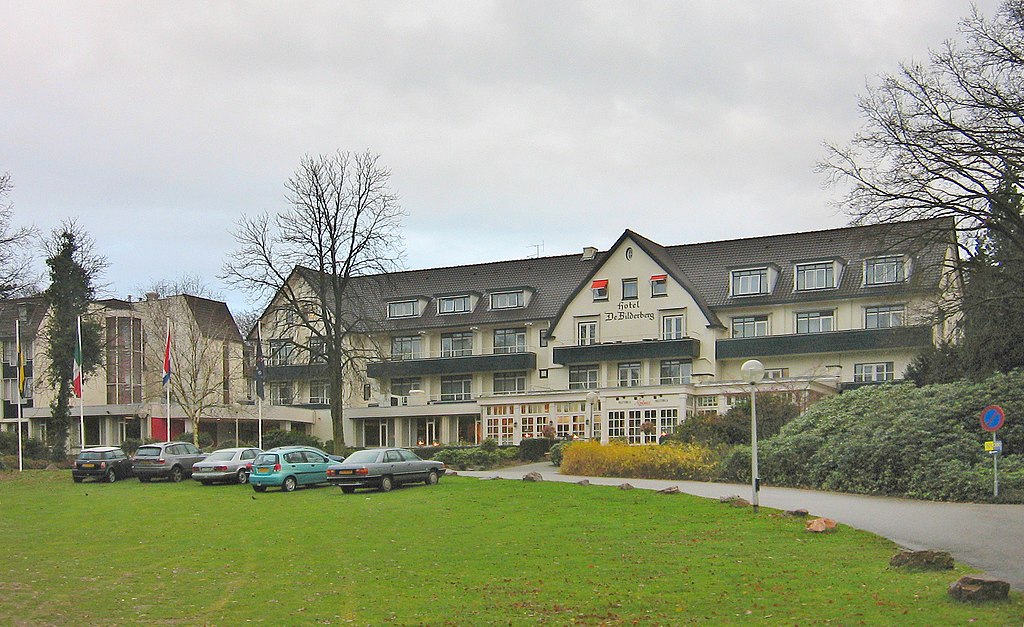
The Bilderberg Group is an annual private conference involving political leaders, business executives, and academics. Its closed-door format fuels belief that global decisions are made without public oversight. While organizers state it is for discussion rather than policy making, the lack of transparency invites distrust. For many Americans, secrecy among elites feels inherently threatening. The group’s continued existence reinforces fears that democratic processes are bypassed through private consensus.
The Knights Templar (Modern Revival Orders)
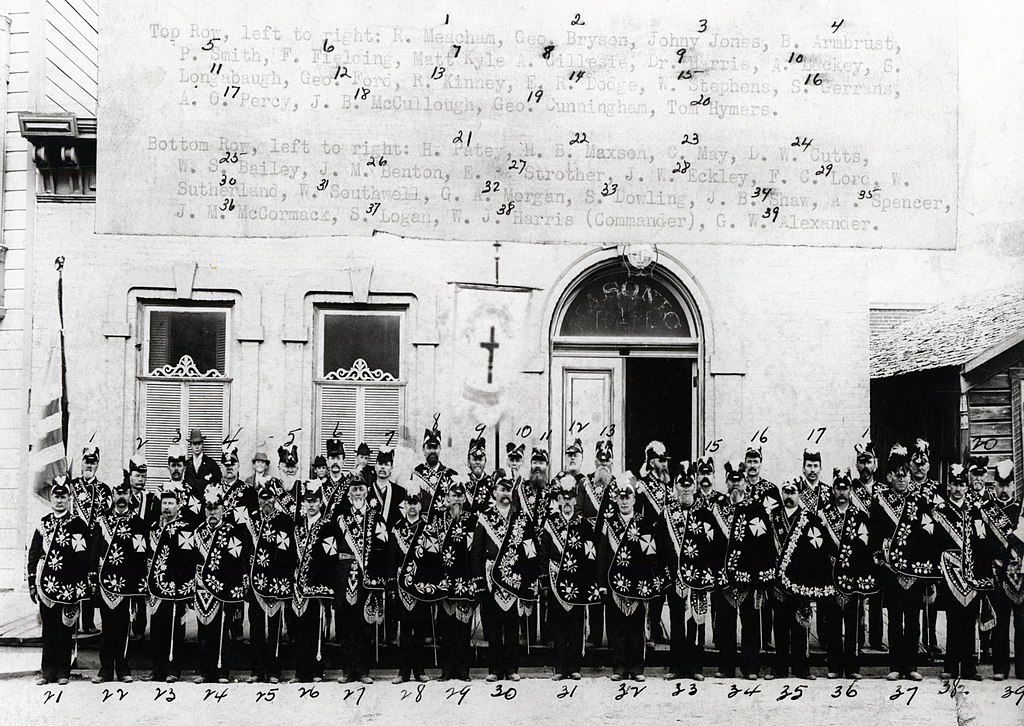
Although the original medieval Knights Templar were officially dissolved in the fourteenth century, many Americans believe modern successor groups continue their mission in secret. This belief is fueled by fraternal orders, symbolic uniforms, and claims of preserved rituals. While contemporary organizations using the Templar name generally operate as ceremonial or charitable groups, speculation persists about hidden knowledge, wealth, or influence passed down through generations. The appeal of this belief lies in continuity. It suggests that powerful institutions do not truly disappear, but retreat underground, waiting to reemerge when conditions allow.
The Trilateral Commission
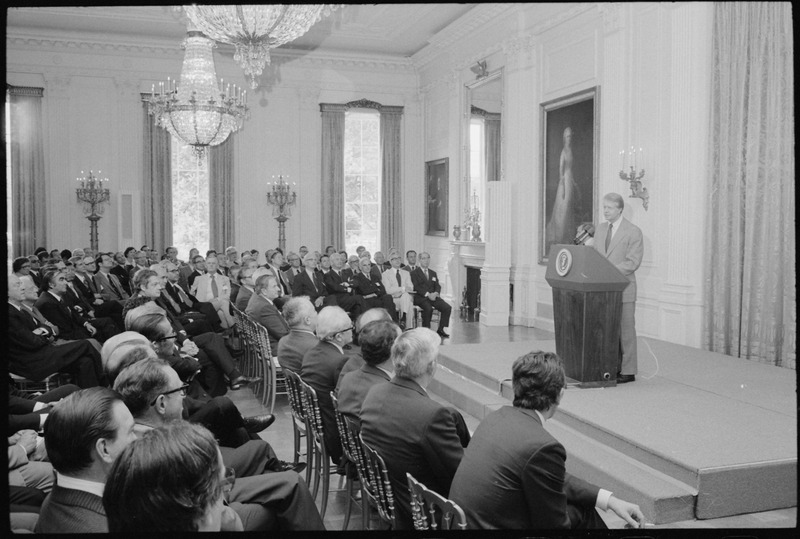
The Trilateral Commission is an invitation-only organization that brings together political, corporate, and academic leaders from North America, Europe, and Asia. Although it publishes its goals and maintains a public presence, many Americans believe it operates as a secret decision-making body. Closed meetings and elite membership fuel suspicion that policies are shaped without democratic oversight. The belief persists because global cooperation feels distant and inaccessible to ordinary citizens. Secrecy is inferred not from evidence of control, but from the concentration of influence behind closed doors.
The Council on Foreign Relations

The Council on Foreign Relations is a well-known think tank that influences foreign policy discussion through research and debate. Despite its public events and publications, some Americans believe it functions as a shadow government. The organization’s access to policymakers and long-standing institutional presence contribute to this perception. Critics interpret intellectual influence as covert control. The belief reflects discomfort with expertise shaping decisions beyond public understanding. For many, complexity and influence feel indistinguishable from secrecy, even when operations are visible.
The Rosicrucians
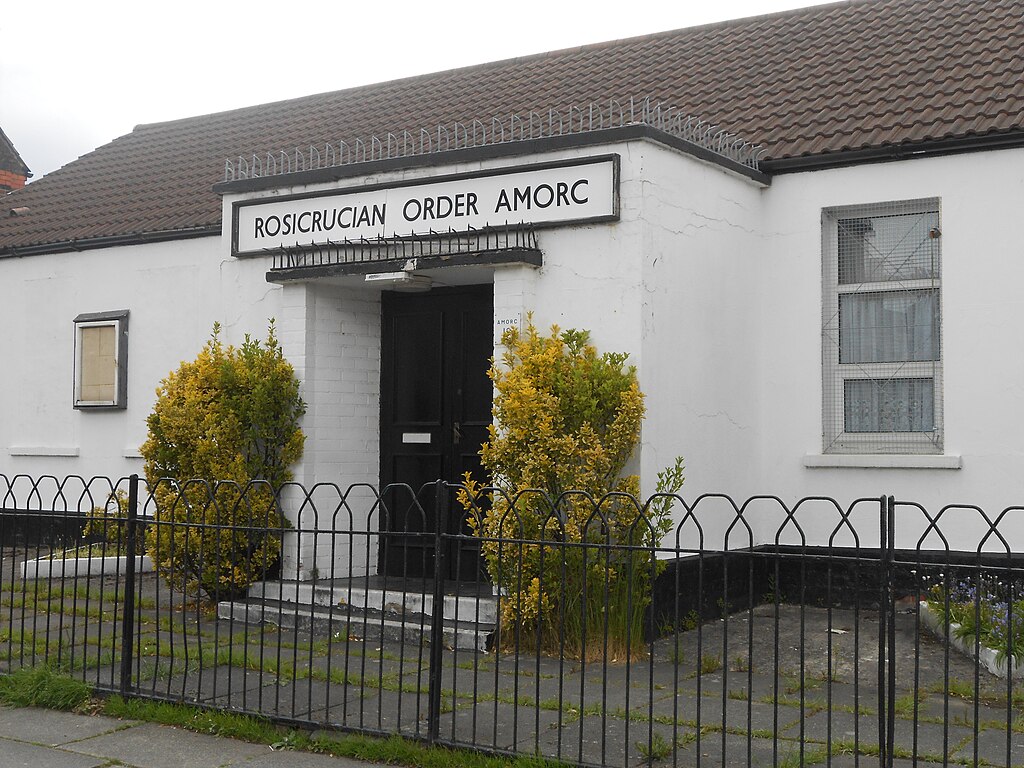
Rosicrucian traditions center on mystical knowledge, symbolism, and philosophical secrecy. Although modern Rosicrucian groups operate openly, historical ambiguity fuels belief in deeper hidden orders. Americans drawn to this narrative often believe the group preserves ancient wisdom influencing science, spirituality, or governance. The appeal lies less in political power and more in exclusive knowledge. Mystery sustains belief. When origins are unclear and symbolism is dense, imagination fills the gaps, allowing secrecy to feel ongoing rather than symbolic.
The Jesuits
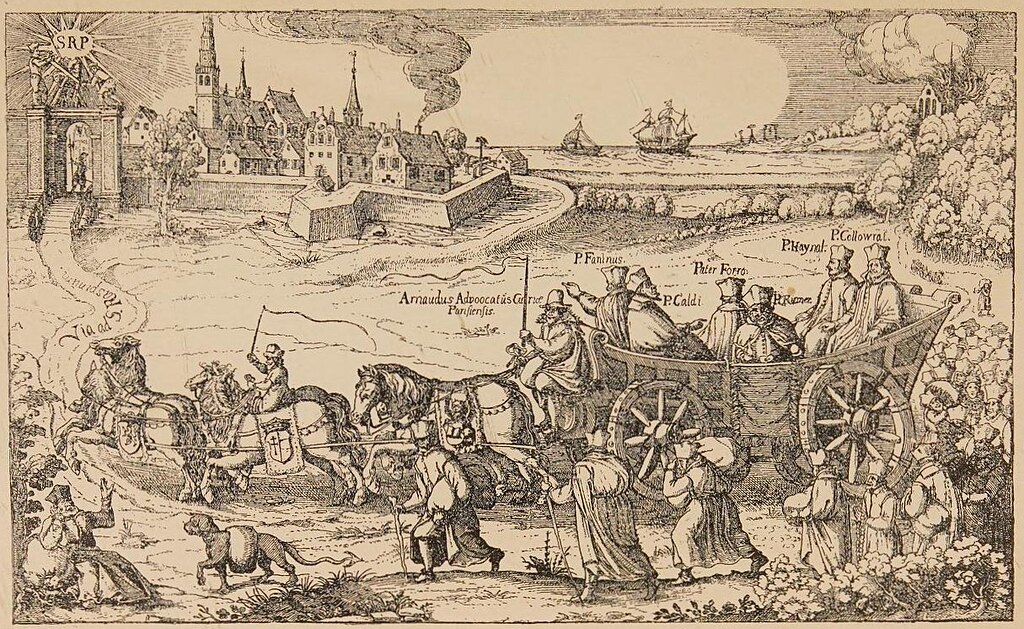
Despite being one of the most documented religious orders in history, Jesuits are frequently included in American secret society lore. Their intellectual discipline, global reach, and historical influence on education and politics have long fueled suspicion. Misinformation and historical prejudice amplified the idea of covert coordination. While Jesuit operations are transparent, belief in hidden agendas persists. The narrative reflects anxiety about organized, long-lasting institutions that operate across borders and generations, even when their mission is publicly stated.
The Order of the Eastern Star
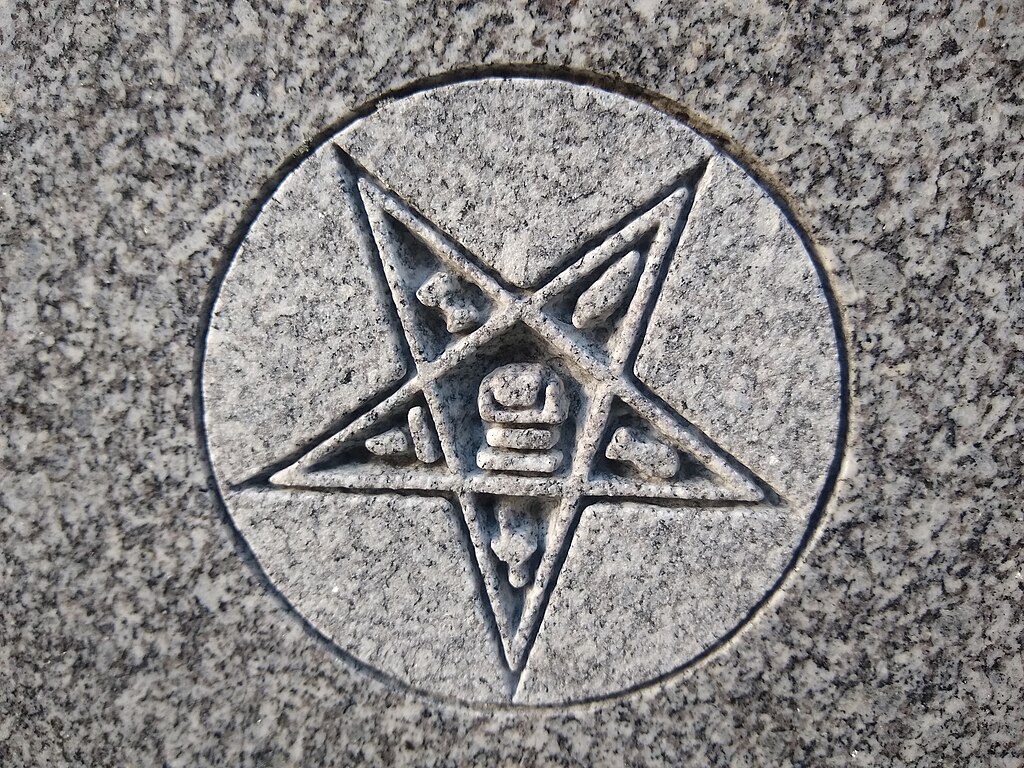
Closely associated with Freemasonry, the Order of the Eastern Star includes ritual ceremonies and symbolic teachings that invite speculation. Though primarily focused on charity and community, limited public familiarity with its traditions encourages suspicion. Some Americans believe deeper intentions exist behind the symbolism. The belief persists because ritualized secrecy creates distance. When ceremonies are not explained openly, they become a canvas for projection. Mystery thrives where information feels restricted, even if no power is exercised.
The Black Hand

The Black Hand is historically linked to early twentieth-century extremist networks and violence. While the organization was dismantled, some Americans believe it survived underground. This belief reflects a broader assumption that secret groups never fully dissolve. Instead, they adapt and rename themselves. The lack of definitive closure allows speculation to persist. In cultural memory, the Black Hand symbolizes the fear that violent conspiracies outlive exposure, reinforcing the idea that secrecy is resilient and self-preserving.
The Mafia as a Hidden Government
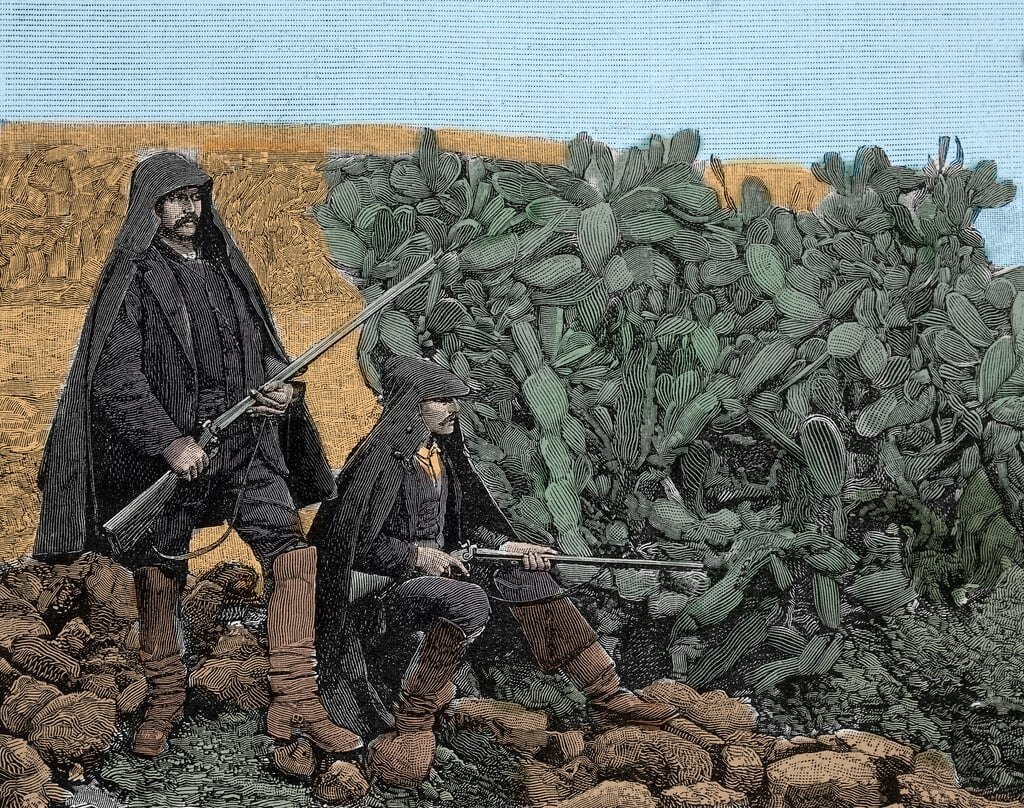
Although organized crime has been significantly weakened through law enforcement, many Americans believe the Mafia continues to operate as a hidden governing force. Popular films and media reinforced the idea of invisible control behind legitimate institutions. While modern organized crime exists in fragmented form, belief in a unified shadow government persists. This narrative simplifies corruption into a familiar villain. It replaces complex systemic issues with a singular hidden actor, making uncertainty easier to process.
The Federal Reserve as a Secret Society
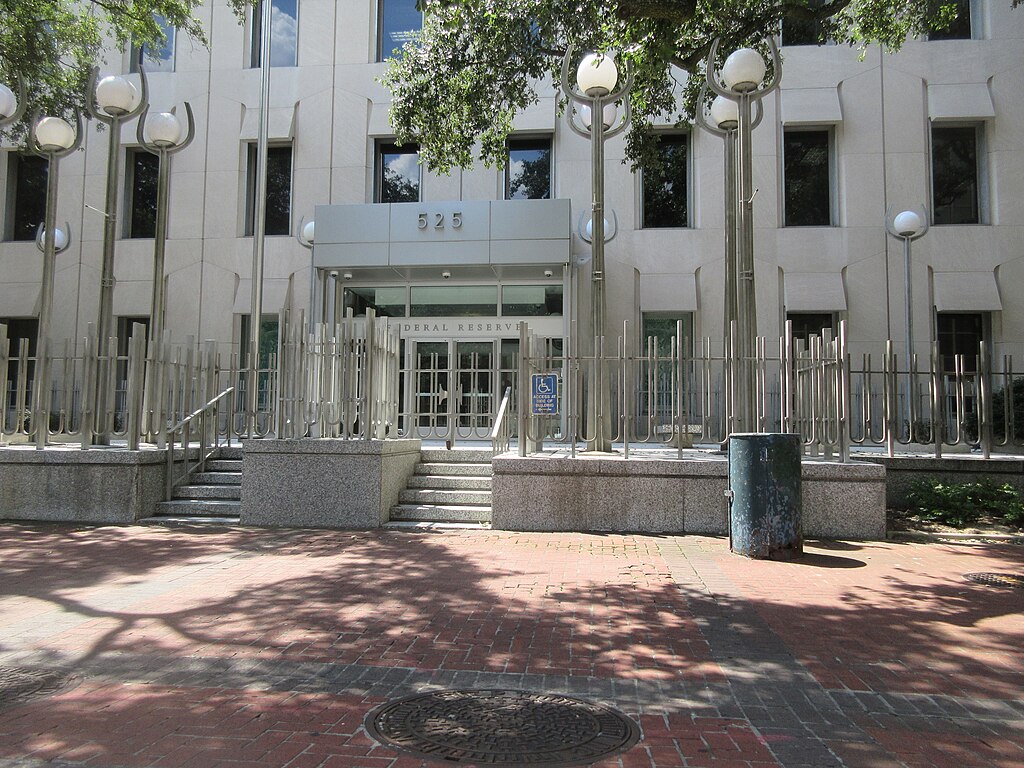
The Federal Reserve is a public institution, yet many Americans view it as secretive due to its technical complexity and indirect influence. Closed meetings, financial jargon, and limited public understanding contribute to mistrust. Some frame it as a clandestine power structure rather than a regulatory system. The belief persists because economic systems feel opaque and intimidating. When people cannot easily see how decisions affect them, complexity itself becomes interpreted as concealment.
The Deep State
The concept of a “deep state” suggests unelected officials secretly control government regardless of elections. While bureaucracies do maintain continuity, belief in coordinated secrecy reflects frustration with slow change. For many Americans, the idea explains why policies persist despite political turnover. The narrative offers a hidden antagonist responsible for institutional inertia. Whether accurate or not, it persists because it simplifies systemic complexity into intentional obstruction, making governance feel more understandable.
Belief in secret societies persists not because of proof, but because secrecy offers explanation. These narratives help people make sense of power imbalances, complexity, and uncertainty. Whether rooted in history, symbolism, or mistrust, the stories endure where transparency feels insufficient. Understanding them reveals less about hidden rulers and more about how societies process fear, influence, and control.