Long before modern electronics and satellites, America’s earliest wars relied on wits, secrecy and clever methods to steal information. Spies, soldiers, and patriots used ingenious tactics to hide messages, disguise identities, and mislead enemies. From invisible ink to coded letters hidden in everyday objects, these methods changed the course of battles, shaped national destiny, and kept entire armies in the dark or outsmarted. Here are 15 secret codes and spy methods used in early American wars that show how creativity sometimes mattered more than firepower.
Invisible Ink For Hidden Messages
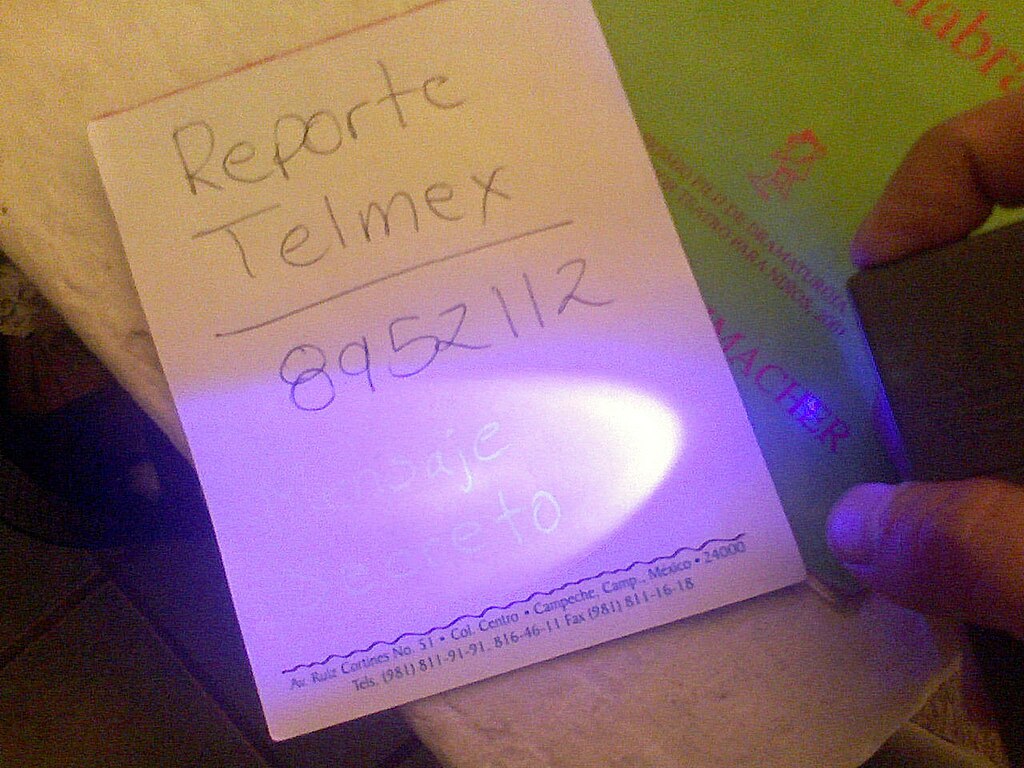
One of the most famous methods involved writing important information in invisible ink so letters looked harmless. Agents decorated ordinary letters with blank pages or common pamphlets and filled the margins with secret writings. Only special chemical treatments or gentle heat would reveal the hidden words. This allowed spies to pass troop movements, supply information, or warnings without raising suspicion. Invisible ink was used by both sides and helped agents stay undercover in plain sight.
Book Ciphers And Number Codes
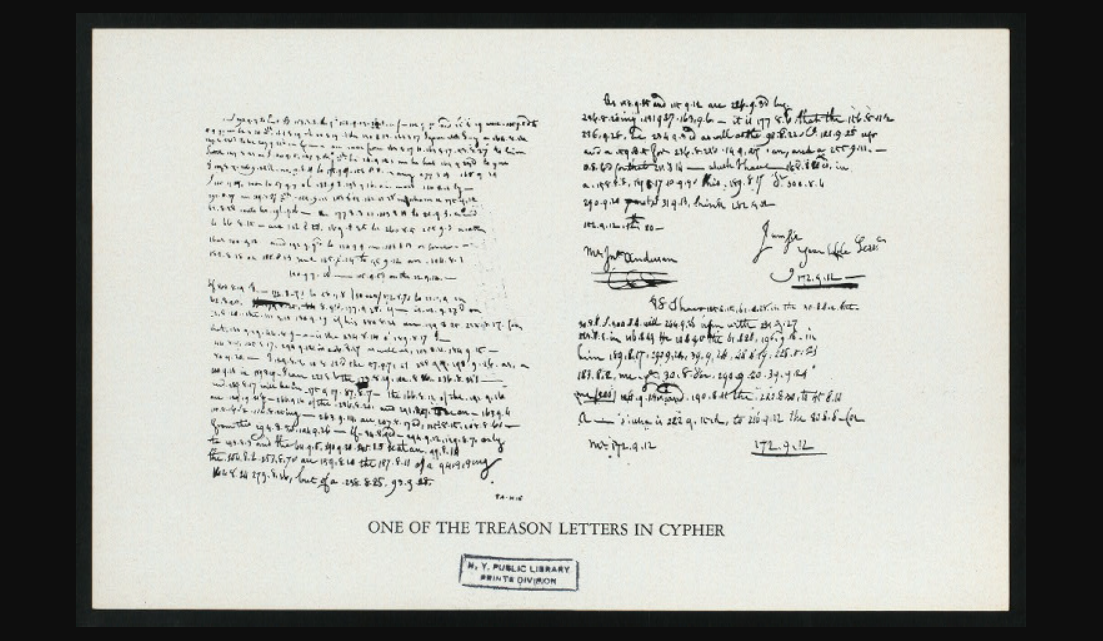
Ciphers based on books became a favorite among spies. Instead of writing words directly, they substituted them with numbers pointing to page, line, and word in a pre-agreed reference book. A coded message like “120.9.7” meant the 7th word on line 9 of page 120. Without the right book, spies or interceptors saw nothing but numbers. This method kept messages secret even if letters were intercepted. It added complexity to deception and made secret sharing more reliable under dangerous conditions.
Mask Letters And Concealed Texts
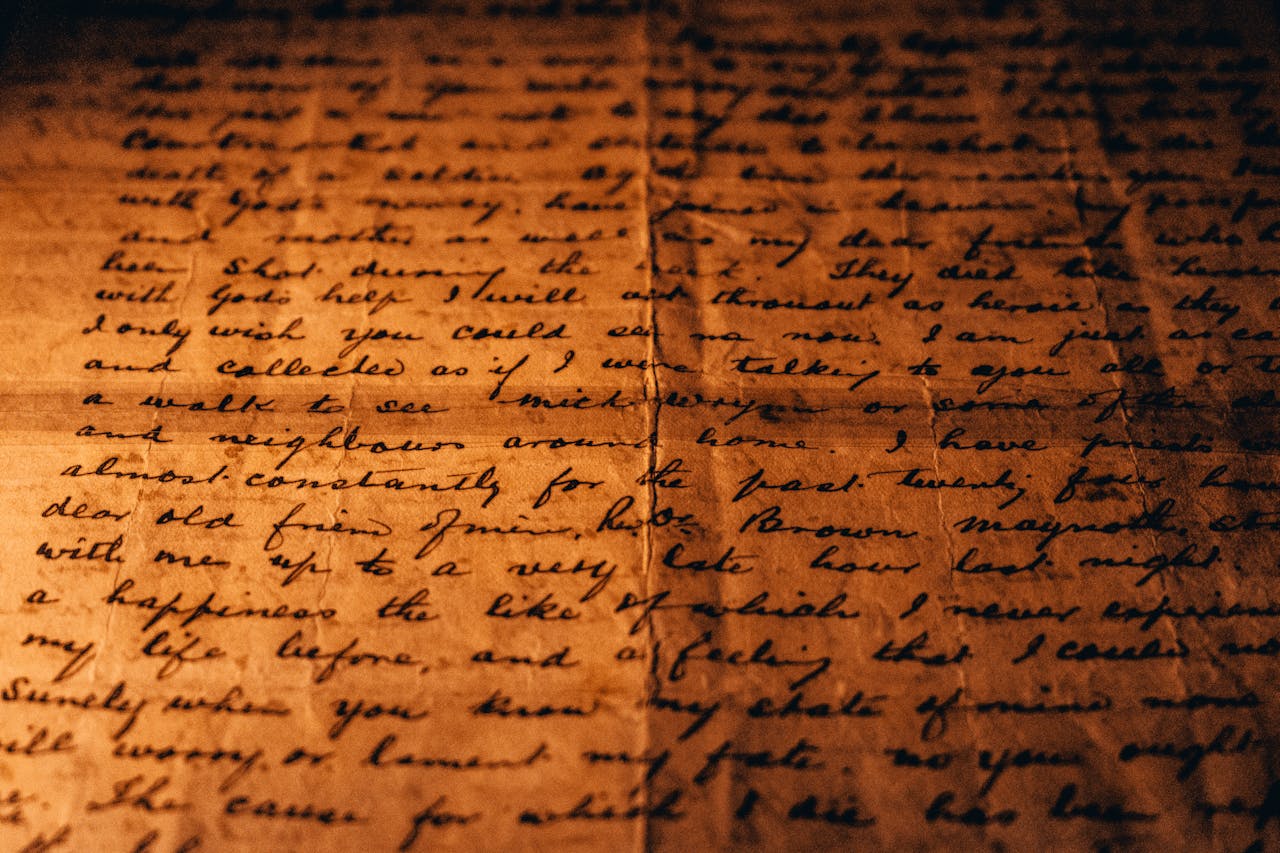
Spy networks sometimes used “mask letters” to hide secret messages within innocent-looking correspondence. The real content would only show when a recipient placed a shaped template or mask over the letter: revealing selected words among the normal text. Without the mask, letters looked like everyday writing about business or family matters. This disguise let sensitive communications travel seemingly harmlessly through enemy territory. It was a simple but effective method to avoid detection by censors or interceptors.
Hidden Messages Inside Everyday
Objects Spies got creative when they realized paper alone was risky. Some hid miniature scrolls inside hollowed-out quills or small containers, such as hollowed silver balls or carved code tubes. These objects looked like jewelry or pen holders but concealed tightly rolled messages. In one notable case a spy swallowed the container when discovered, hoping to avoid capture: though it did not end well. These concealment methods turned everyday items into deadly secrets.
Courier Interception And Replacement Strategies
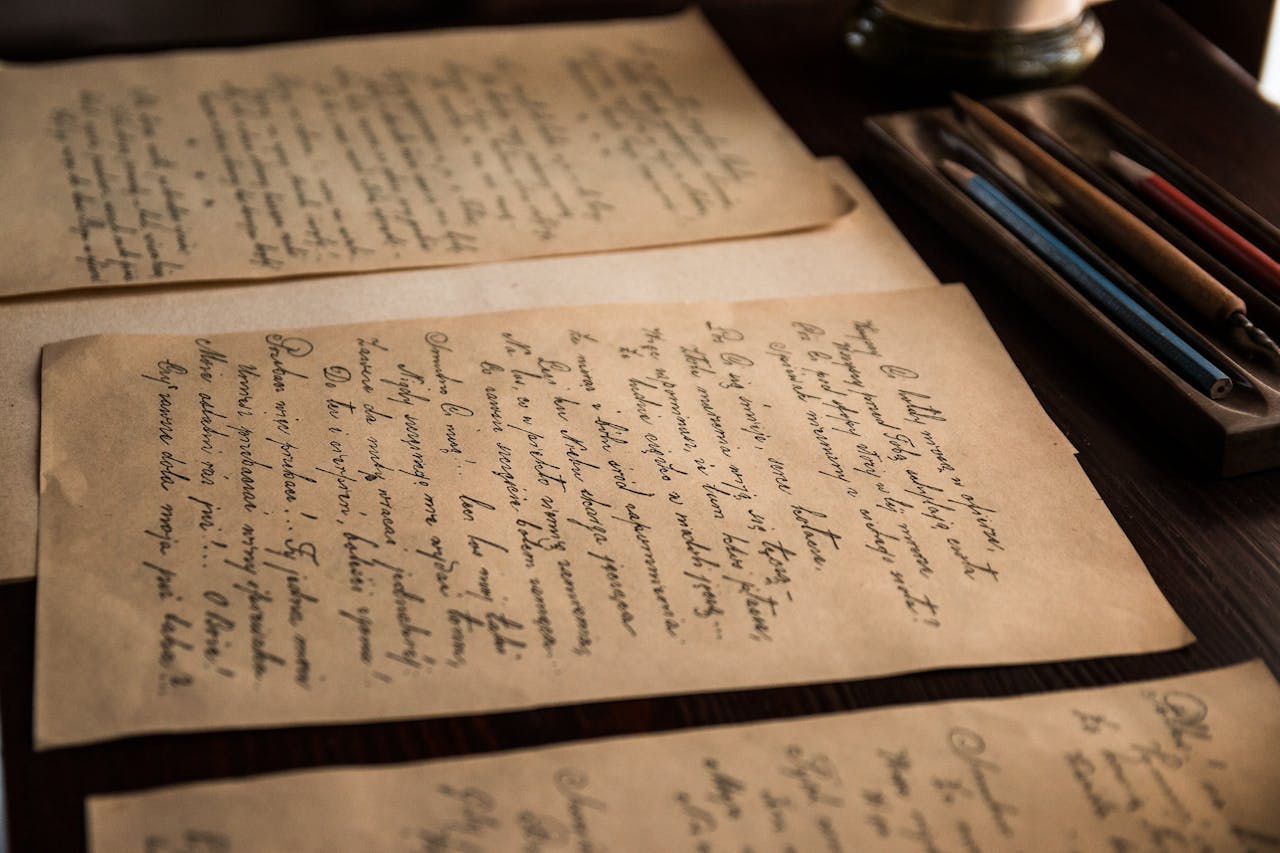
Both sides used deception by intercepting enemy couriers, stealing or copying their letters, then replacing them with fakes to mislead. Fake envelopes or double letters forwarded secret communications. The interceptors could read sensitive content, copy or alter it, then send it on without the sender or receiver noticing. This method disrupted enemy plans and planted false intelligence. It worked best when the original courier routes were well known, making interception easier. It was a dangerous but effective form of intelligence sabotage.
Spy Rings And Organized Intelligence Cells
Large spy networks operated behind enemy lines under the guise of ordinary citizens. Members spied by gathering troop movement details, supply statuses, and enemy plans: then passed information along a chain of secrecy. These rings often had code-names, aliases, and secret meetings. They used real identities as covers, sometimes posing as merchants or laborers. Their organized structure allowed intelligence to flow even under strict surveillance. Such networks became vital to wartime strategy and blurred lines between civilian life and covert operations.
Disguise And False Identities

Spies often travelled under false names with forged papers or business covers. They pretended to be merchants, tradespeople, or even loyal citizens while secretly collecting intelligence. Disguise helped them blend in and access information without raising suspicion. It also allowed them to move through enemy territories, eavesdrop, and mingle with officers or civilians. Disguised spies carried more than hidden messages: they carried secrets, insurgency and betrayal disguised as everyday life.
Use Of Propaganda And False Information
Spy work also included sending false intelligence to confuse or trap the enemy. Fake orders, misleading letters, or rumors were spread intentionally: sometimes through captured channels: to lure opposing commanders into mistakes. Misinformation campaigns weakened enemy morale or disrupted plans without direct conflict. This form of psychological warfare often worked silently, making entire enemy operations suspect or disorganized based only on doubts sparked by deceptive messages.
Hidden Supply Or Ammunition Maps Written In Code
Maps showing supply caches, troop positions, or planned movements were sometimes drafted in secret codes and disguised as ordinary cartography. On the surface they looked like farm plots or innocuous drawings. Only those with the cipher or key could interpret them correctly. This method allowed secret planning and movement coordination even under enemy surveillance. Such maps helped military leaders coordinate attacks or retreats while keeping locations hidden from spies or patrols.
Secret Signals Through Everyday Actions
Spies sometimes used simple actions as covert signals: hanging laundry in a certain order, placing specific items in visible spots, or even using environmental cues to convey messages. Innocent-looking behaviors: a hung petticoat, a lit lamp, or a positioned lantern: could mean meeting time, danger, or warnings. These signals required no paper or risk of interception. They depended on trust and secrecy. Within communities these subtle codes passed information quietly and effectively.
Use Of Invisible Ink On Paper And Envelopes
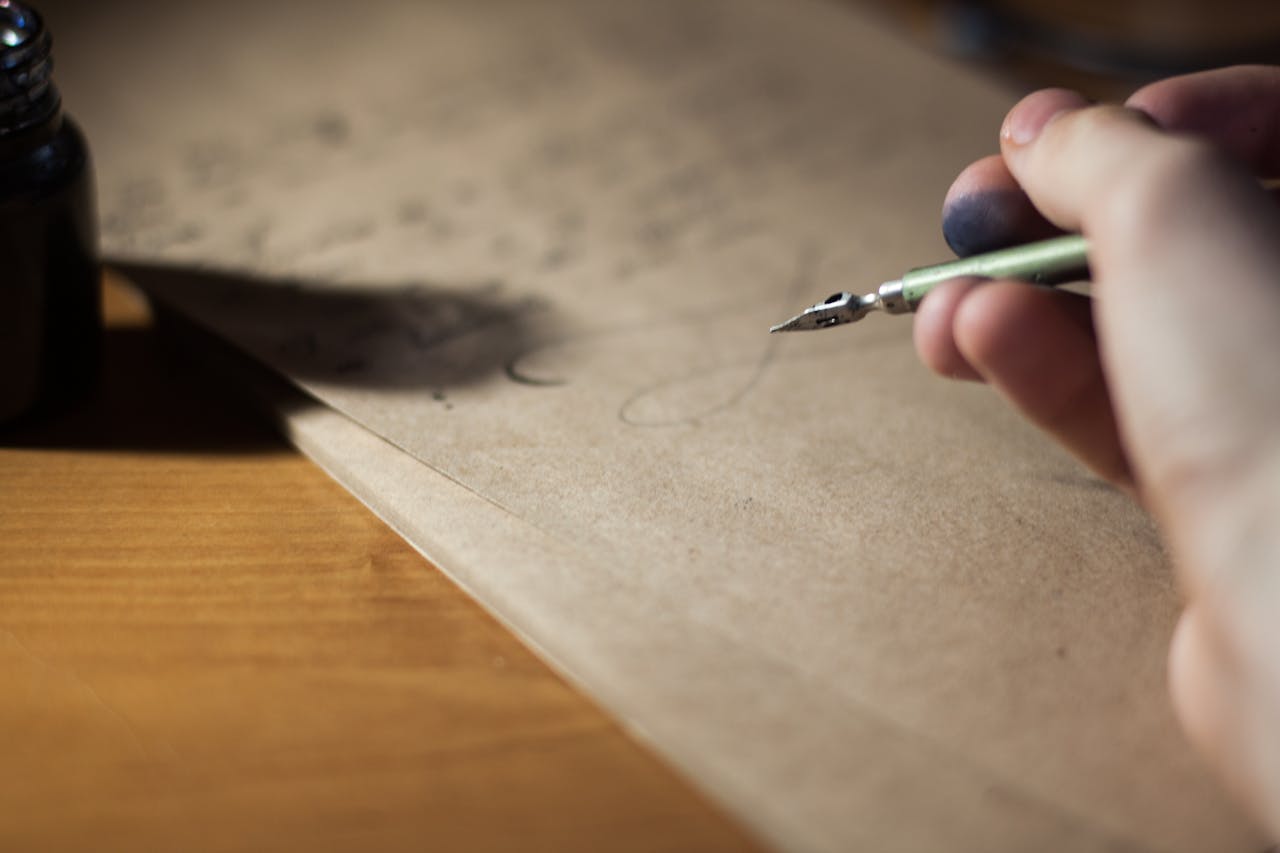
Sometimes spies layered their tactics: a letter could carry visible text about mundane matters, while secret information was hidden between the lines in invisible ink. That dual-layer approach ensured that even if an enemy read the letter, they would find nothing suspicious. Only the intended recipient, aware of the ink and method, could retrieve the hidden message. This combo of stealth and simplicity made invisible ink one of the most powerful espionage tools in early American wars.
Code Books Shared Among Trusted Operatives
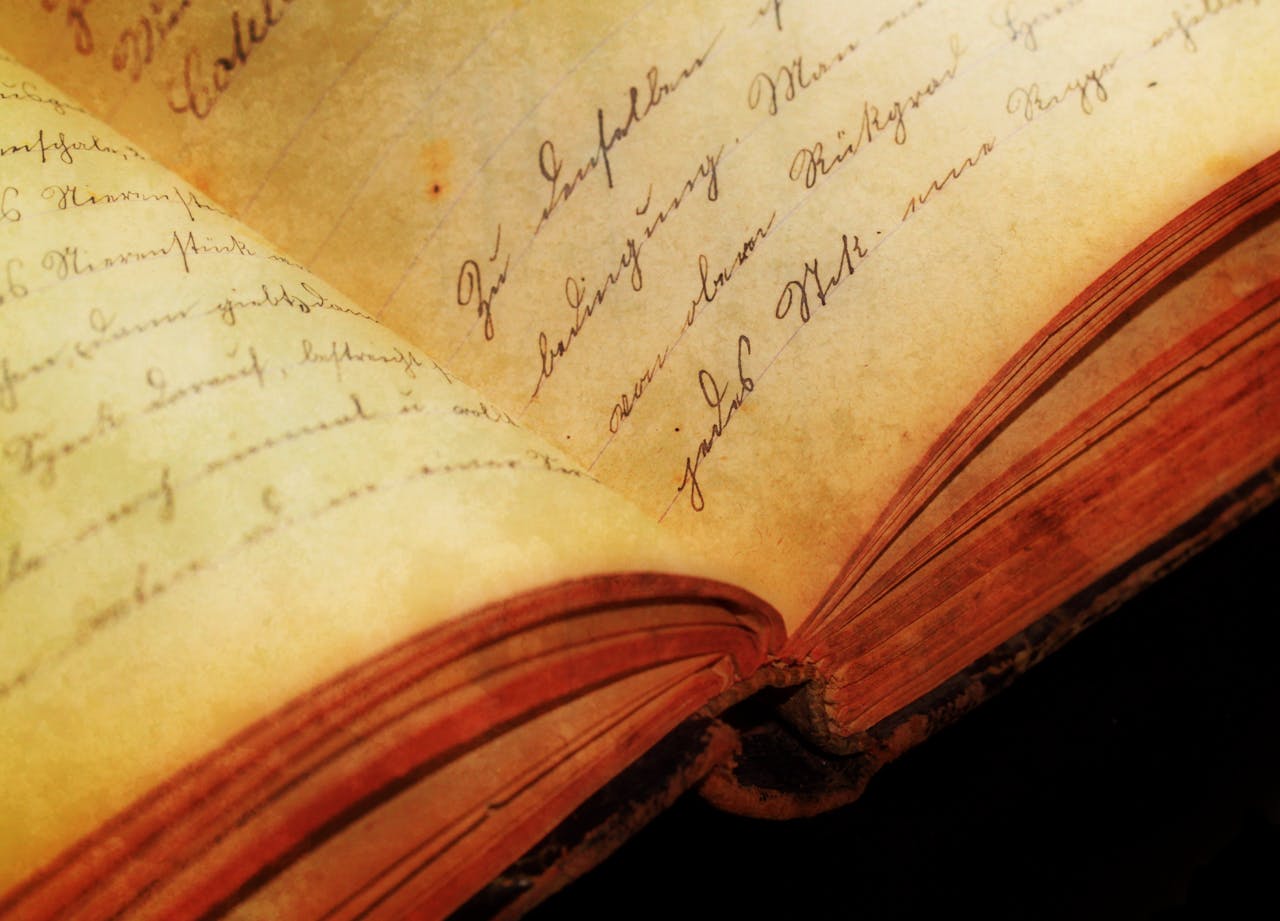
Spies compiled code books or pocket dictionaries listing words and their numeric or symbolic equivalents. Only agents with those code books could encode or decode messages. This allowed larger vocabularies and reduced risk—without a code book, intercepted messages appeared meaningless. In wartime operations, such codebooks were often hidden or transported secretly. Their security was as important as the messages themselves. Losing the book meant losing the key to entire networks.
Deception Missions And Double Agents
Some spies pretended to defect or change sides to gain deep trust and access sensitive enemy plans. Double agents passed credible but false information, sabotaging operations from within. Their role blurred loyalty and identity. Their duplicity changed outcomes, sometimes playing decisive roles in betrayals, or unmasking critical plots. Double agents operated at the edge of trust, risking exposure every moment. Their hidden loyalties made espionage unpredictable and dangerous: but often effective.
Use Of Code Names And Alias Identities
Real names could be dangerous; spies often adopted code names or aliases to hide their real identity. They used pseudonyms: on letters, when meeting informants, when traveling. This way, even if captured the real spy might remain unknown. Alias identities shielded families and contacts and kept spies safe. Code names became part of the secret network’s language. Without them, undercover work would have been far riskier. Spy rings relied on them heavily to preserve anonymity and security.
War is not just fought with weapons. It is fought with ideas, secrets and trust. The early history of America proves that courage was often quiet, hidden, and coded. The men and women who risked everything with pen, paper, and nerves changed history in ways few remember. These 15 secret methods remind us that sometimes the most dangerous weapons are invisible: concealed in ink, codes, and whispered allegiances.