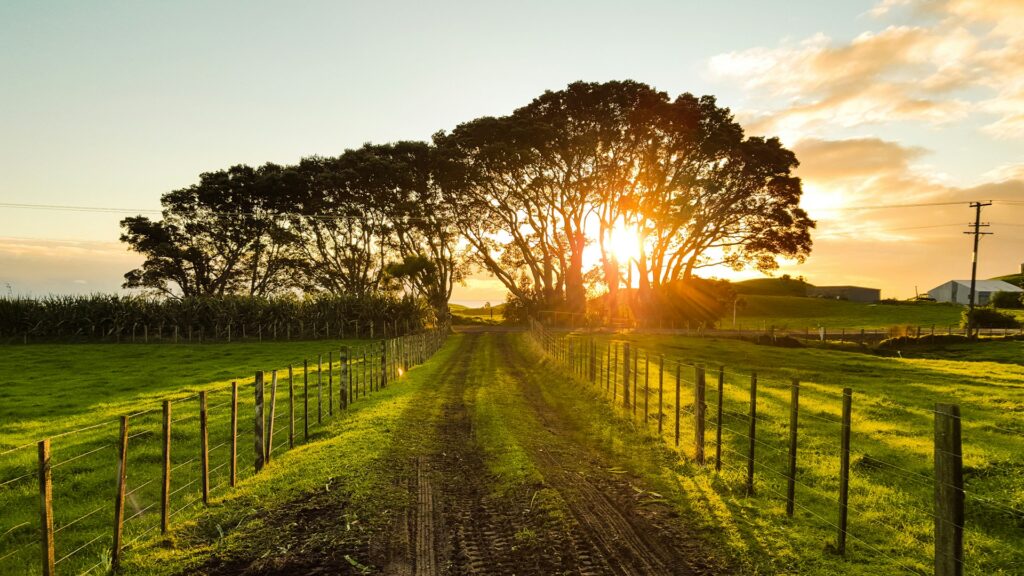
Northwest Indiana is dotted with small towns that have quietly preserved their rural charm and community spirit. Far from bustling highways and sprawling suburbs, these towns remain connected to their agricultural and natural roots. Here, life unfolds at a gentle pace, shaped by farmland, rivers, and family traditions. These 15 secluded towns offer a glimpse into a resilient way of living, where history and nature intertwine.
Boone Grove
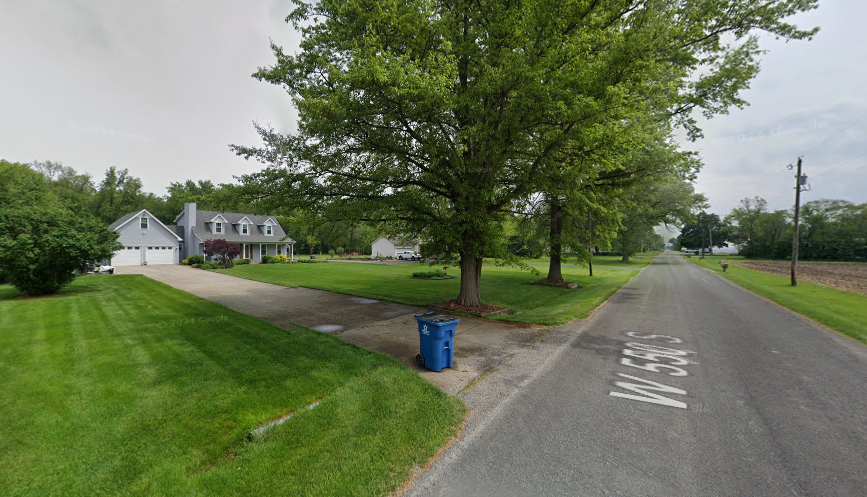
Boone Grove lies just south of Valparaiso, surrounded by vast farmland and a close-knit community. It’s centered around a historic high school that acts as a social hub. The town features modest homes, grain silos, and quiet country roads mostly traveled by locals. Community life revolves around farming cycles and school events, with little commercial development to disrupt the rural atmosphere. Boone Grove represents the enduring spirit of small-town Midwest farming culture.
Shelby
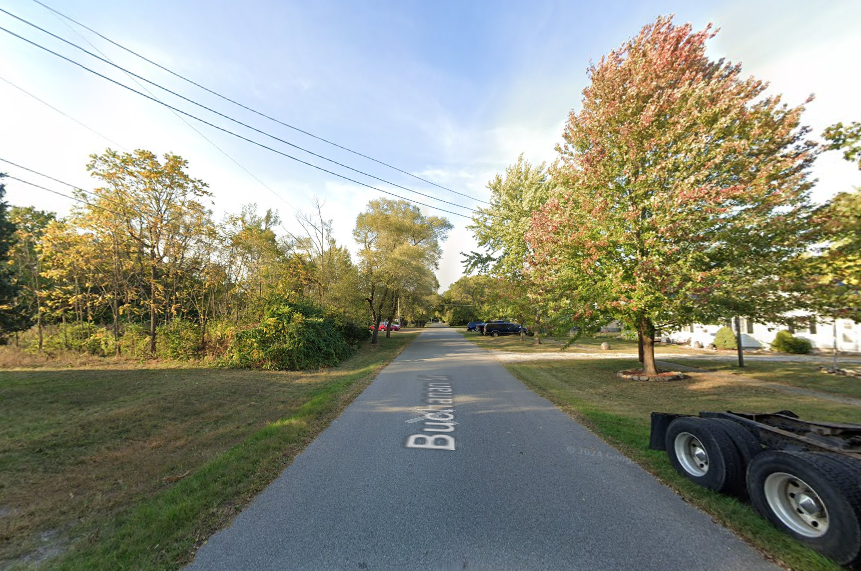
Shelby is a tiny town near the Kankakee River floodplain with under 500 residents. Accessible by a single bridge and a state road, it is bordered by wetlands and farmland. The lifestyle here is deeply connected to fishing, hunting, and seasonal agricultural work. There are no shopping centers or industrial zones, which keeps Shelby peaceful and largely untouched. Residents enjoy a quiet rural life with natural sounds replacing city noise in the evenings.
Union Mills
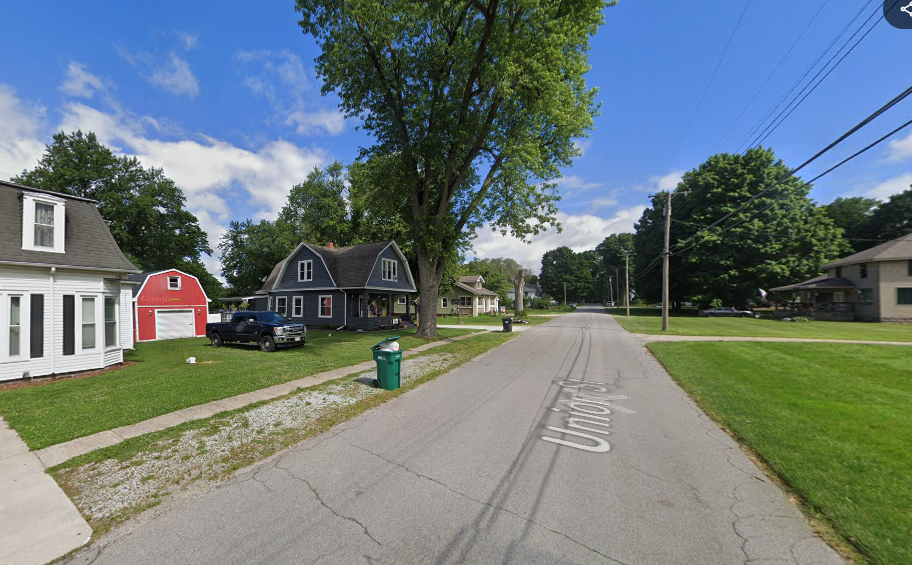
Founded in the 1830s around a gristmill, Union Mills has about 2,000 residents and maintains a historic village core with tree-lined streets and brick buildings. Small businesses and workshops operate in renovated structures, preserving the town’s heritage. Separated from suburban sprawl by farmland and forests, Union Mills holds onto a slow, steady pace tied to agriculture and local governance. Community markets and township meetings remain central to town life.
Rolling Prairie
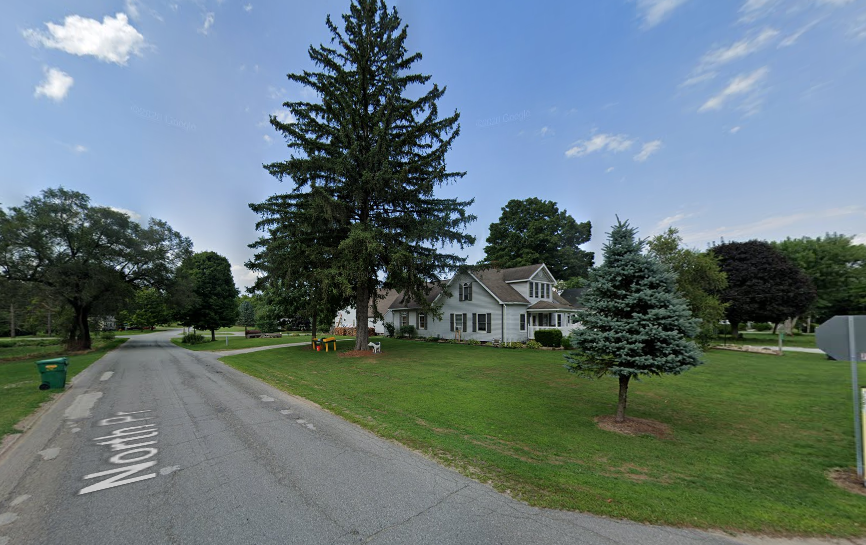
Rolling Prairie is a sparsely populated settlement spread across LaPorte County, with fewer than 600 residents. Homes and farms sit on low ridges overlooking expansive fields. Without a downtown or commercial area, residents rely on nearby towns for services. Travel mainly happens on county roads, and social interactions center on school and church events. The area is defined by the sounds of farm machinery and wildlife, rather than traffic or crowds.
Malden
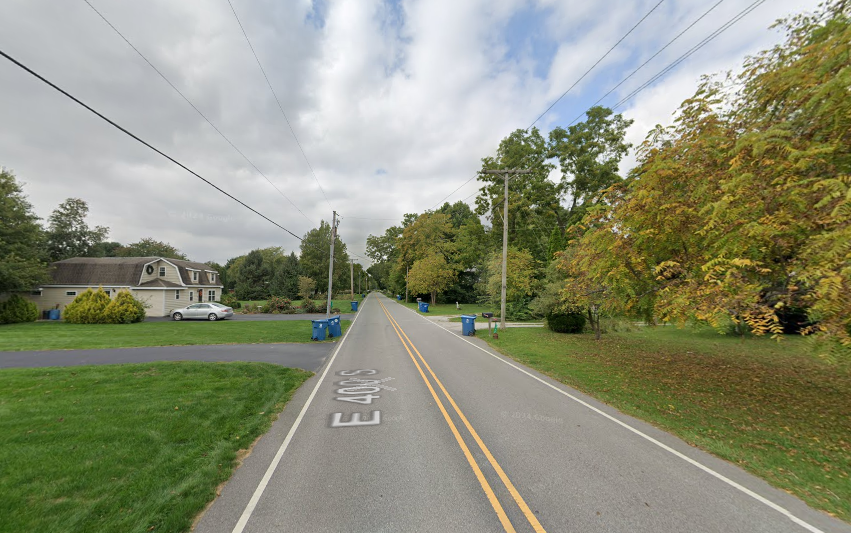
Located between Valparaiso and Kouts, Malden is a small town known for its grain elevator, church, and a local bar. The population is modest, with life revolving around agriculture and seasonal fairs. Community gatherings like the annual Labor Day parade are highlights of the social calendar. Business is minimal, and daily life is synchronized with crop cycles rather than traditional work hours. Neighbors often connect through shared farming routines.
San Pierre
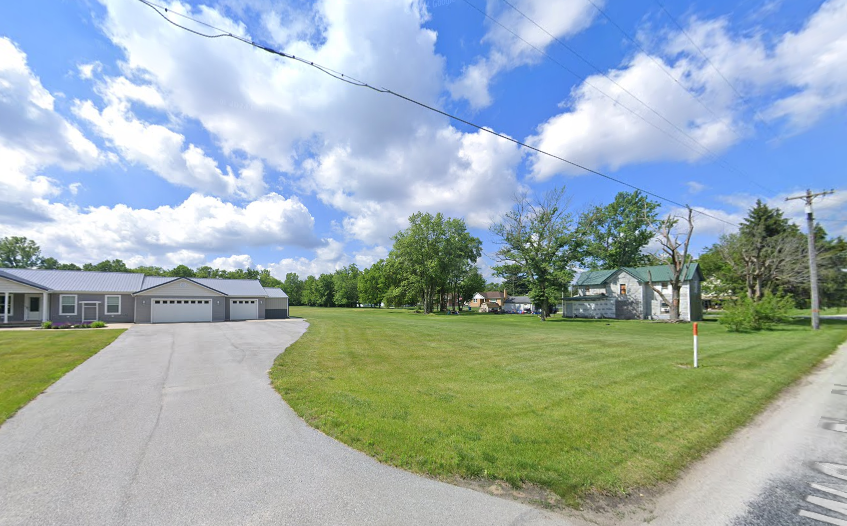
San Pierre sits west of the Jasper-Pulaski Fish & Wildlife Area with roughly 500 residents. Most homes cluster near wetlands and wooded areas. Daily life revolves around hunting, fishing, and conservation efforts. The town has a convenience store and a historic bar, but few other businesses. Residents travel on gravel and county roads, with nature activities more central to their lifestyle than retail or services, maintaining a tranquil rural environment.
Lake Village
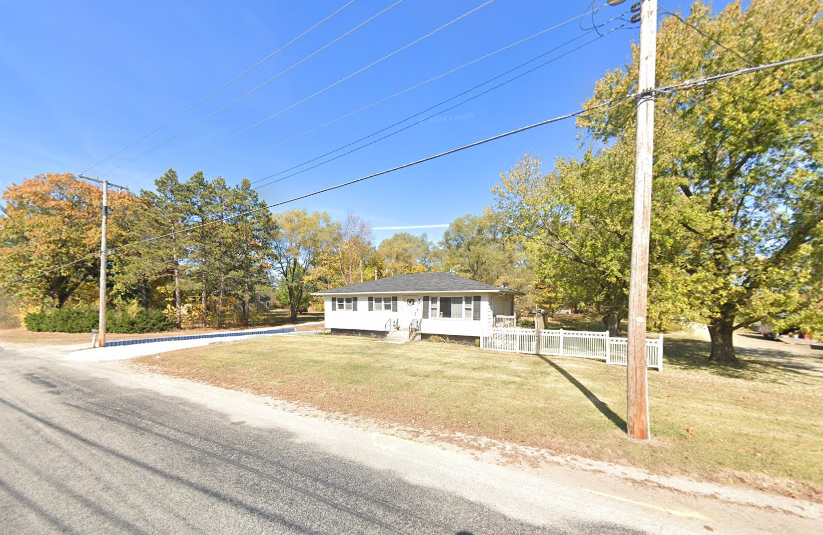
Just inside the Illinois border, Lake Village is nestled around sandy lakeshore areas. Its population stays under 1,000, with limited businesses and infrastructure. The town’s character centers on outdoor recreation like boating and fishing, with streets unlit at night to preserve the natural atmosphere. Residents often gather informally at lakeside docks or local stores, reflecting a relaxed, community-focused lifestyle tied closely to the lake environment.
Roselawn
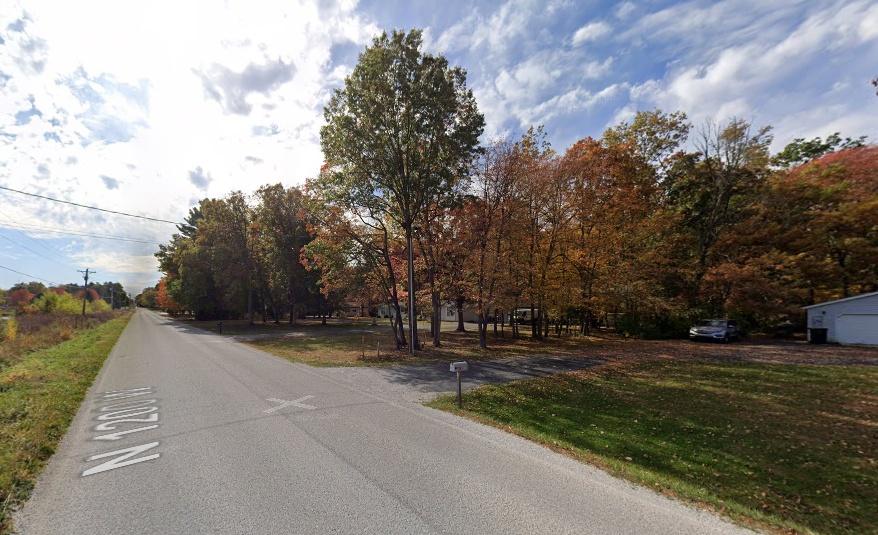
Straddling Jasper and Newton counties, Roselawn is larger than most towns on this list, with about 4,100 residents. Despite this, it maintains open prairie lands, horse farms, and limited commercial development. Agriculture and ranching remain key industries, with services mostly along state roads. Neighborhoods extend into fields and woodlots, and daily life centers on farming, equestrian events, and small community gatherings rather than big retail or business hubs.
Stillwell
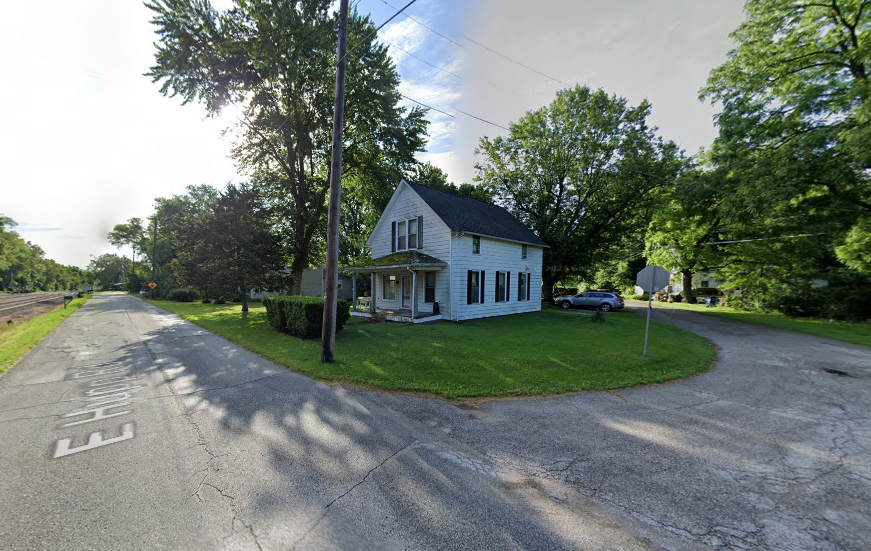
Stillwell is a small community in northern LaPorte County with fewer than a few hundred residents. It lies along former rail lines surrounded by forests and marshes. There is no defined town center, and homes are spaced widely along lightly maintained roads. The quiet is palpable, with local life focused on land management and conservation. Wildlife often appears in yards, and road noise is rare, emphasizing the area’s peaceful rural setting.
Kersey
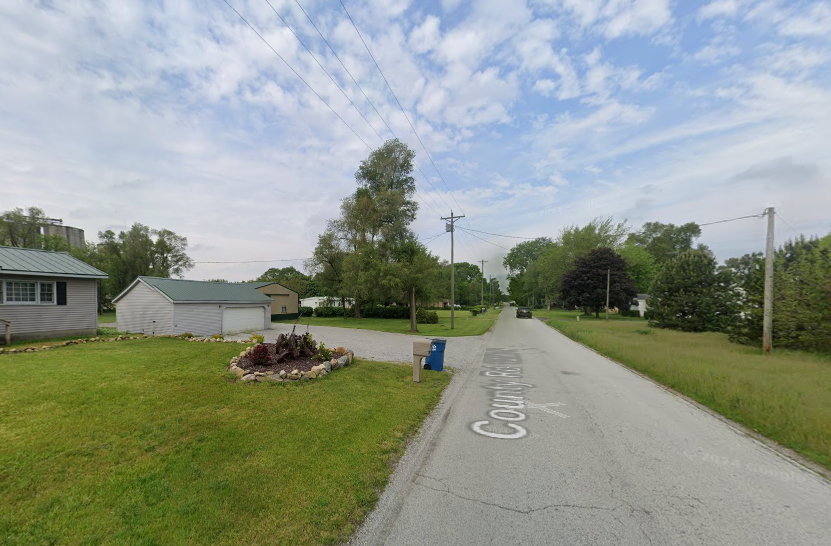
Kersey is an unincorporated crossroads in Jasper County with a handful of homes and farm buildings. There are no formal businesses or post office. Residents rely on nearby towns for shopping and services, while daily life centers on farming and informal social connections. Local traffic is minimal and mostly limited to service vehicles. The pace is slow, marked by planting and harvest schedules rather than constant commuter flow.
Morgan Township
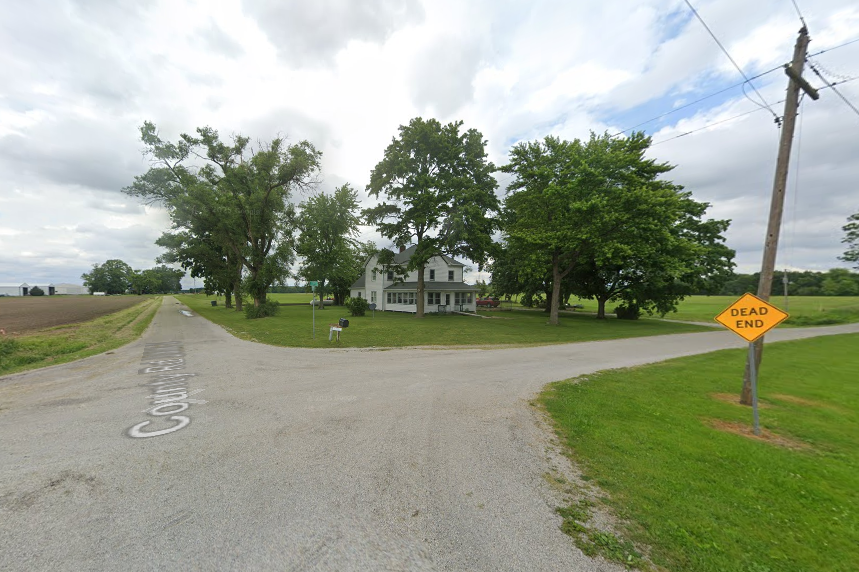
Morgan Township in Porter County covers a large rural area without a central town. Its landscape is dominated by farms, wind turbines, and open fields. County roads lined with fences connect the scattered homesteads. Population density is very low, and schools and stores are located outside the township. Community gatherings are occasional, often tied to volunteer fire departments or agricultural cooperatives, reflecting a life deeply tied to land and seasonal work.
Wellsboro
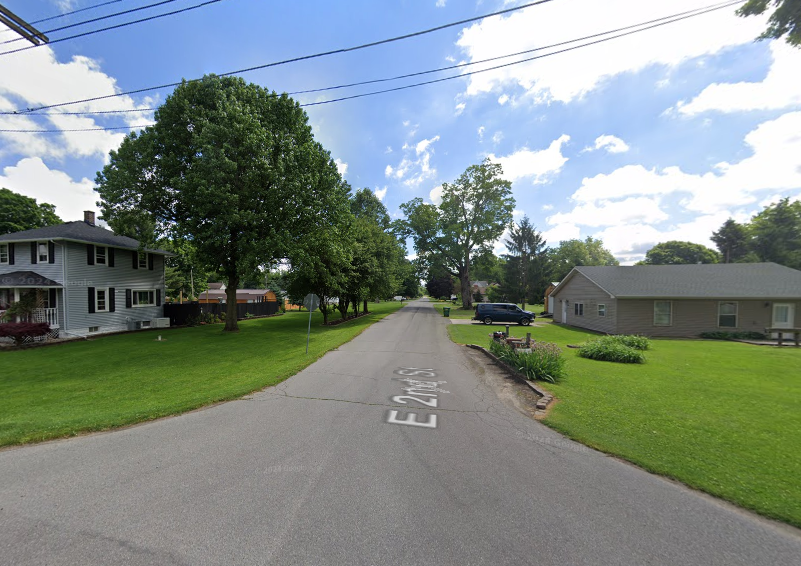
Once a rail stop, Wellsboro has declined to a few scattered homes and overgrown train tracks. Its former station area is largely abandoned, with no commercial businesses remaining. Visitors note the stillness and near absence of cars or foot traffic. Local life is quiet and focused on land use and neighborly conversation. The area’s tranquility reflects the end of rail commerce and a shift towards preserving open space rather than supporting transit or retail activity.
Tilden
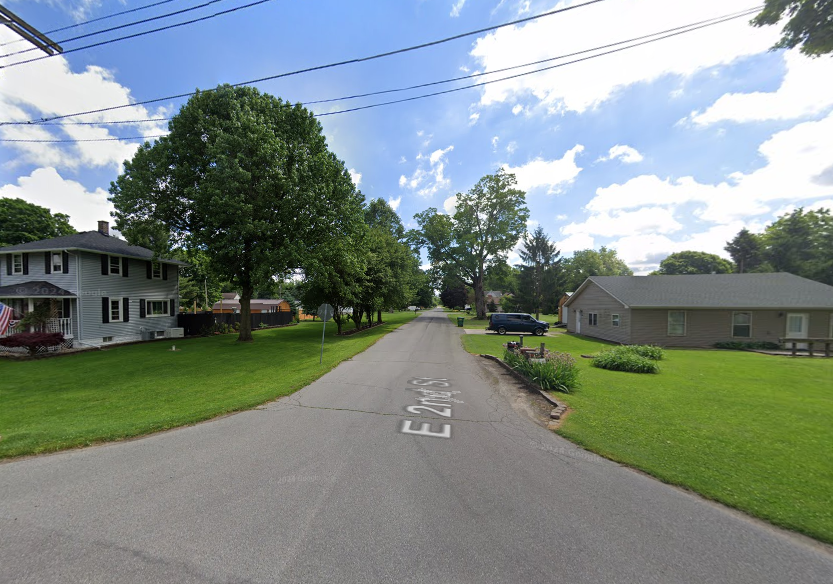
Tilden is a dispersed rural settlement south of Hebron with no formal signage or boundaries. Homes and barns sit along gravel lanes, with no local public services. Residents travel to nearby towns for schools, mail, and supplies. Life here revolves around farming, including crop rotation and barn maintenance. Nights are dark and quiet, with minimal artificial light. The lack of development or zoning fosters a close connection between residents and the land.
Ripley
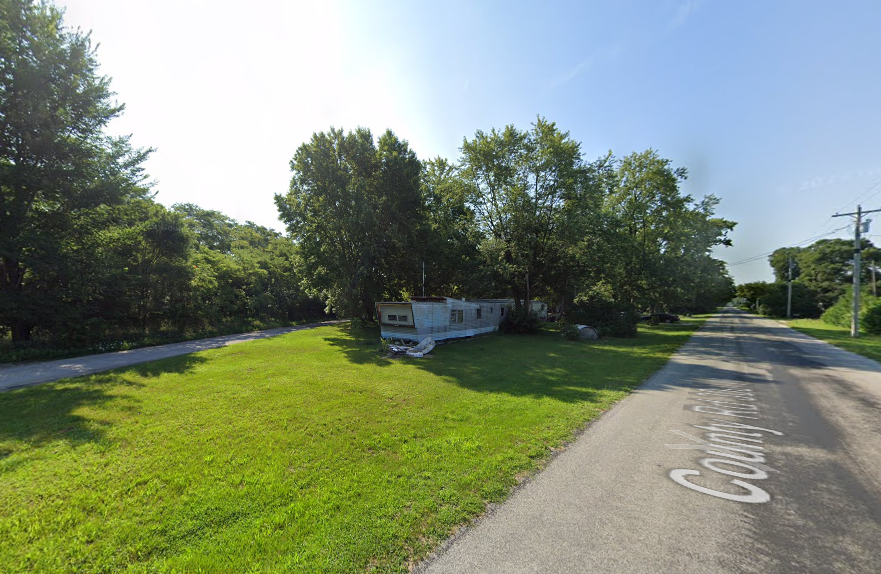
Ripley straddles the Starke and Pulaski County border and consists of scattered farmsteads along gravel roads. There are no traffic lights or commercial centers. Farming and hunting are central to daily life, and wildlife like deer and songbirds are common sights. Community gatherings are informal and sparse. The area attracts little visitor traffic, remaining focused on agricultural living rather than tourism or retail development.
Belshaw
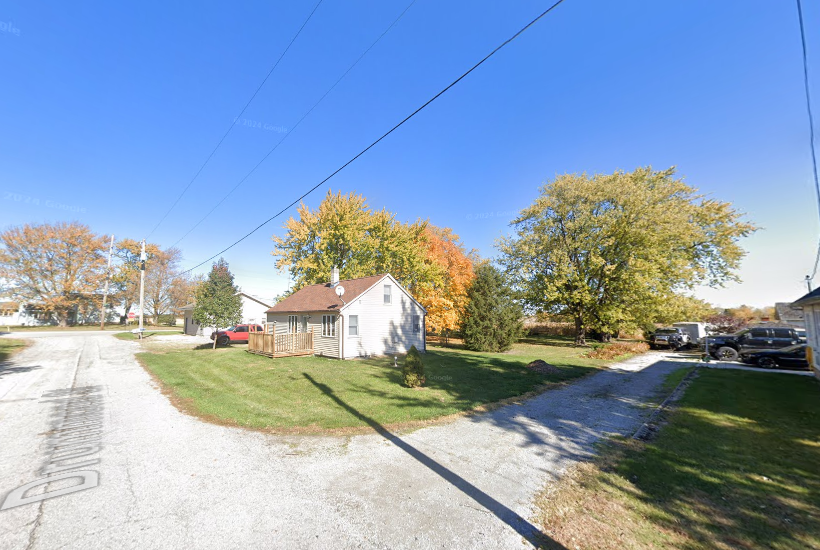
Belshaw lies south of Lowell surrounded by corn and soybean fields. The town consists of a small cluster of homes and farm buildings with no retail or public services. Roads are minimally signed. Life revolves around agricultural work and equipment upkeep, with neighbors often checking in during dawn and dusk. Most residents know one another through routine and shared farming history. The area reflects generations of farming traditions with little change over time.
These secluded towns of Northwest Indiana embody a way of life deeply connected to the land and community. Far from urban rush, they preserve traditions shaped by farming, nature, and history. Their quiet streets and open fields tell stories of resilience, where seclusion is not isolation but the strength of rooted belonging.