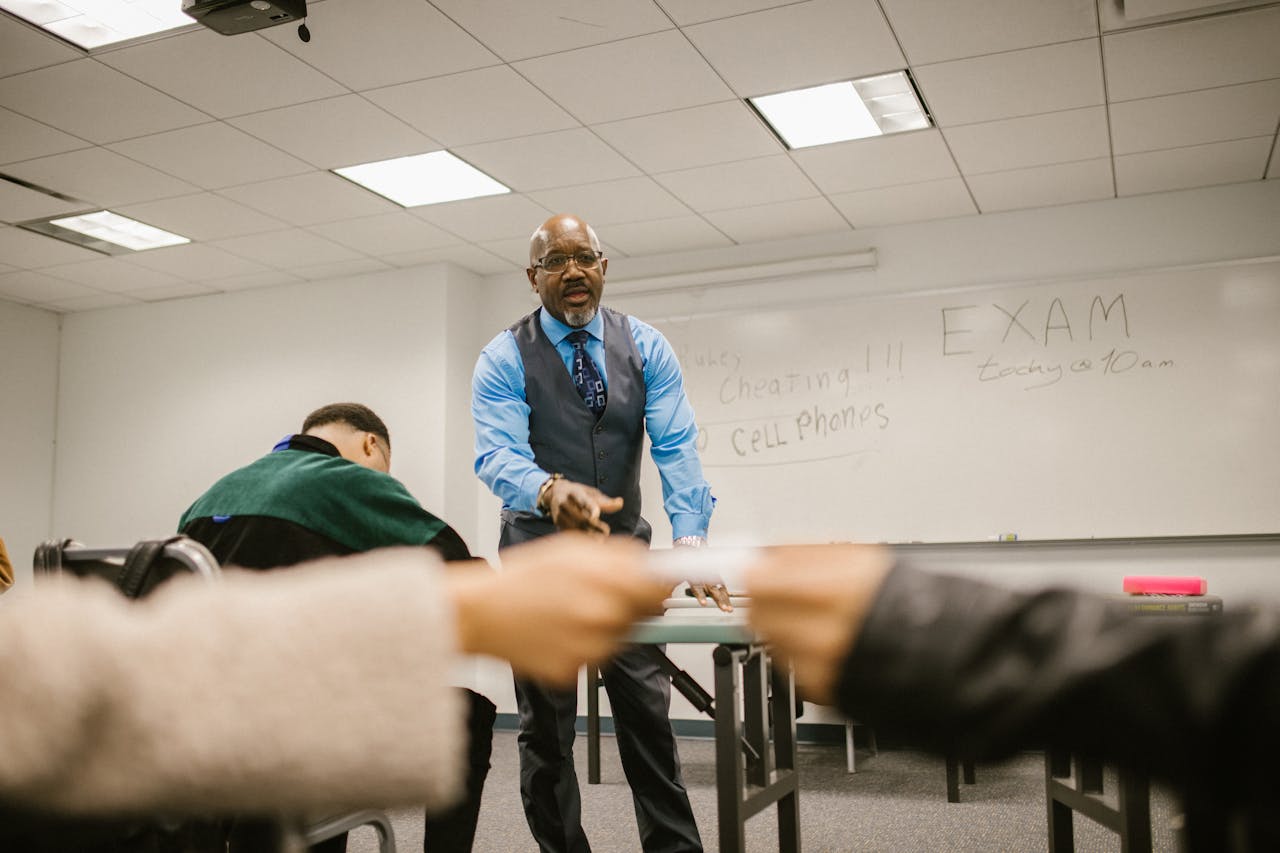
The school experience has transformed drastically over the past few decades. What was once considered normal in the 1980s and 1990s might now seem outdated, unfair, or even shocking to today’s students. From strict dress codes to daily routines without digital distractions, many rules shaped a generation in ways kids today may never understand. Looking back, these rules reveal how much education and culture have evolved in a short time.
No Cell Phones—Because They Didn’t Exist

In the ’80s and most of the ’90s, students had no access to personal mobile phones. If you needed to contact a parent, you had to go to the office and use a landline. The concept of texting during class or checking social media was unheard of. Kids actually had to pass paper notes or wait until after school to talk to friends. The classroom was a place for learning, uninterrupted by digital pings.
Corporal Punishment Was Still Legal in Many Schools
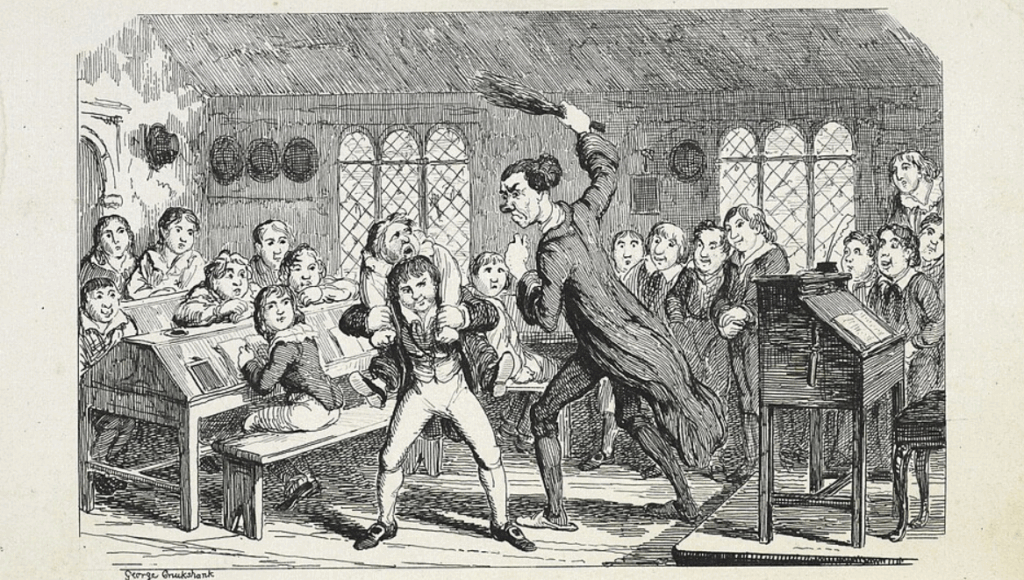
Many schools in the ’80s and early ’90s still allowed paddling or other forms of corporal punishment. Teachers or principals could discipline students physically, and it was considered a normal consequence. While controversial even then, it wasn’t until later that most districts began to ban the practice. Today, such actions would spark outrage and legal consequences.
Dress Codes Were Extremely Strict

Clothing rules were rigid, especially for girls. Tank tops, short skirts, and even certain logos were banned. Some schools required girls to kneel to check skirt length or forbade boys from wearing earrings. Uniforms or very specific standards were enforced without question. Today’s dress codes are often more inclusive and culturally aware.
No Talking at Lunch

Many schools enforced total silence during lunchtime, especially in elementary grades. Talking could result in loss of recess or other punishments. The cafeteria was often treated like an extension of the classroom, with structured behavior expected. Today’s lunchrooms are generally more relaxed and focused on socializing.
You Could Get Sent Home for Hair Color

Unusual hair colors or cuts were enough to get students sent home or asked to change their appearance. Punk-inspired styles or even highlights were often banned. Natural expression was limited to what administrators deemed appropriate. In contrast, modern schools typically allow for more individuality.
No Google, Just Encyclopedias
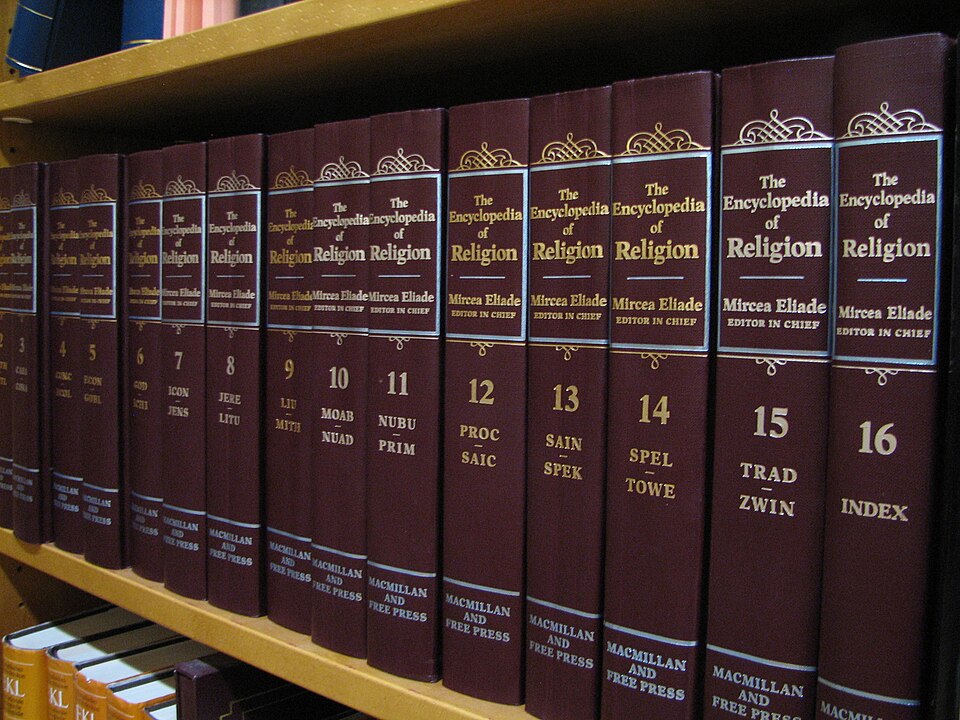
Students had to rely on library books, encyclopedias, and handwritten notes to complete research. Projects took longer and required physical effort to locate information. Copying something meant rewriting it by hand or typing on a word processor. The digital ease of today would seem like magic to students back then.
Teachers Could Confiscate Your Belongings for Days

If a student brought something distracting or against the rules—like a Walkman or a toy—it could be confiscated indefinitely. There were few parental complaints about such discipline. In today’s world, parents are far more likely to challenge teachers’ authority over personal items.
Recess Was Often Taken Away as Punishment
Losing recess for misbehavior or incomplete homework was standard practice. The idea of physical activity being essential to learning wasn’t yet widely accepted. Today’s schools are more mindful of the importance of breaks and movement. Withholding recess is now considered counterproductive by many educators.
Smoking Areas for Teachers—and Sometimes Seniors

It wasn’t unusual for schools to have designated smoking areas for staff, and in some high schools, even senior students. The dangers of smoking were known, but the rules were much looser than today. It’s now hard to imagine cigarettes being permitted anywhere on school grounds.
Public Grade Postings

Test results were often posted on walls or classroom doors for everyone to see. This practice humiliated struggling students and elevated competition. Modern privacy laws prevent such public displays of academic performance. Today, grades are usually shared privately online or through secure platforms.
Teachers Could Yell Without Repercussion

Teachers yelling at students was accepted behavior, and few parents questioned it. Discipline was vocal and authoritative. Today, such conduct might lead to complaints, disciplinary review, or even lawsuits. Emotional well-being is more protected now than it was then.
Limited Accommodations for Learning Differences

In the ’80s and ’90s, kids with ADHD, dyslexia, or other learning differences often went undiagnosed or unsupported. Resources and understanding were minimal. Mainstreaming wasn’t as common, and many children were simply labeled as troublemakers. Modern special education programs have advanced considerably.
Strict Attendance Policies

Perfect attendance was not just encouraged—it was celebrated. Students often came to school sick to maintain streaks or avoid consequences. Today, mental health days and health-related absences are taken more seriously. Schools focus more on wellness than just showing up.
Candy and Soda Were Regular Rewards

Teachers frequently used candy or soda as classroom incentives. Machines stocked with sugary snacks were common in school halls. With rising awareness of childhood obesity, nutrition policies are far stricter today. Healthy eating is emphasized as part of the curriculum.
Backpacks Weren’t Allowed in Class

Some schools prohibited backpacks inside classrooms due to safety or cheating concerns. Students had to carry all materials in their arms or lockers. Today’s students often carry laptops, tablets, and all materials in structured backpacks, making this rule seem unreasonable.